
7 Reasons to Try Red Light Therapy for Muscle Injury (Speed Up Recovery!)

Hey Sore Muscles, Meet Red Light Therapy

So, you overdid it. Whether you tried a new workout, hoisted a heavy box, or just slept in a position that would make a pretzel jealous, your muscles are not happy.
Dealing with a muscle injury is a real drag. You just want to feel good again!
If you’re into natural ways to take care of yourself, you might be curious about red light therapy.
Promising research shows it has real potential to help reduce inflammation and pain from muscle injuries, helping you get back on your feet.
Let’s take a lighthearted look at what it is and how it might help your muscles get their groove back.
What Is Red Light Therapy, Exactly?
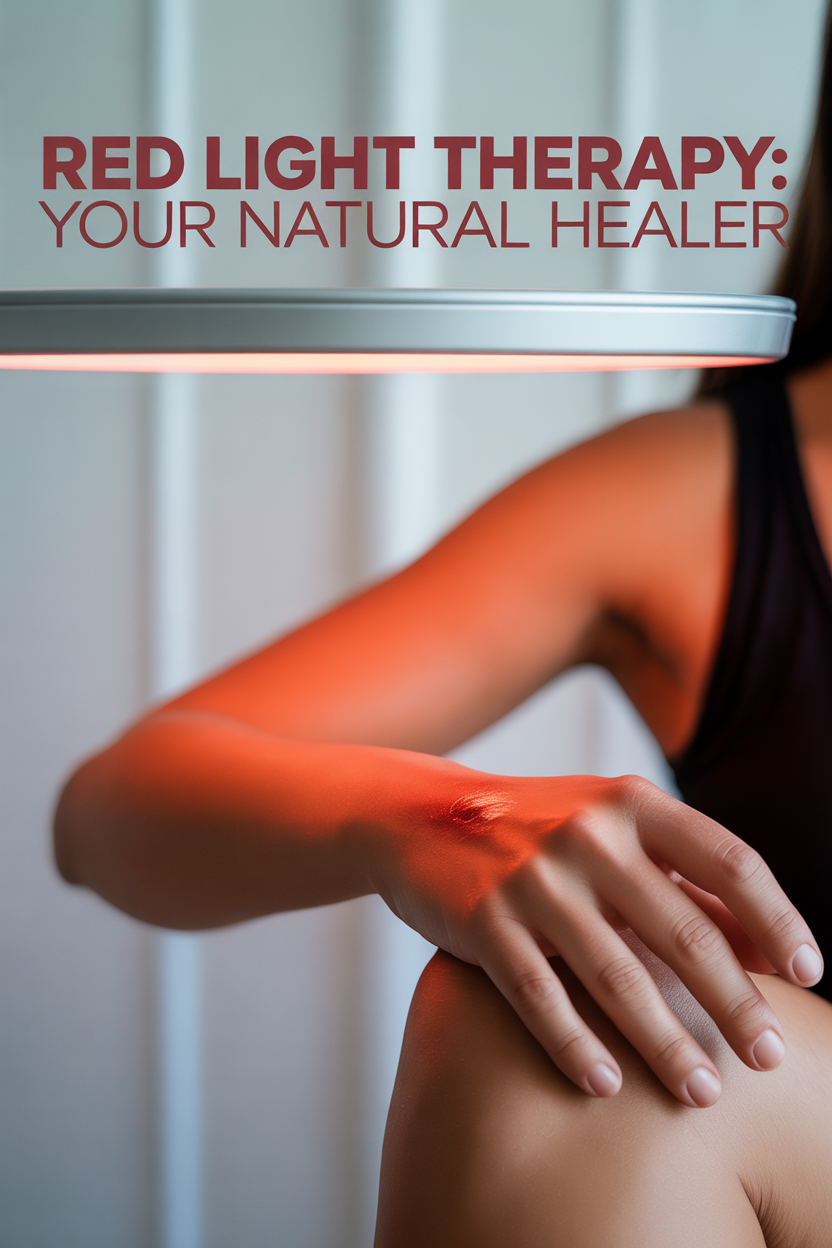
Let’s clear this up: it’s not a laser that’s going to zap you into the next dimension, and it’s definitely not a tanning bed.
Red light therapy, also known as photobiomodulation (PBM), uses very specific, clinically studied wavelengths of light.
Typically, these are red light around 660nm and near-infrared light around 850nm.
These wavelengths are gentle, don’t burn or damage the skin, and are designed to penetrate tissue.
The whole idea is to shine this light on a sore or injured spot and give your body’s natural healing crew a little pep talk.
How Red Light Therapy Works Its Cellular Magic
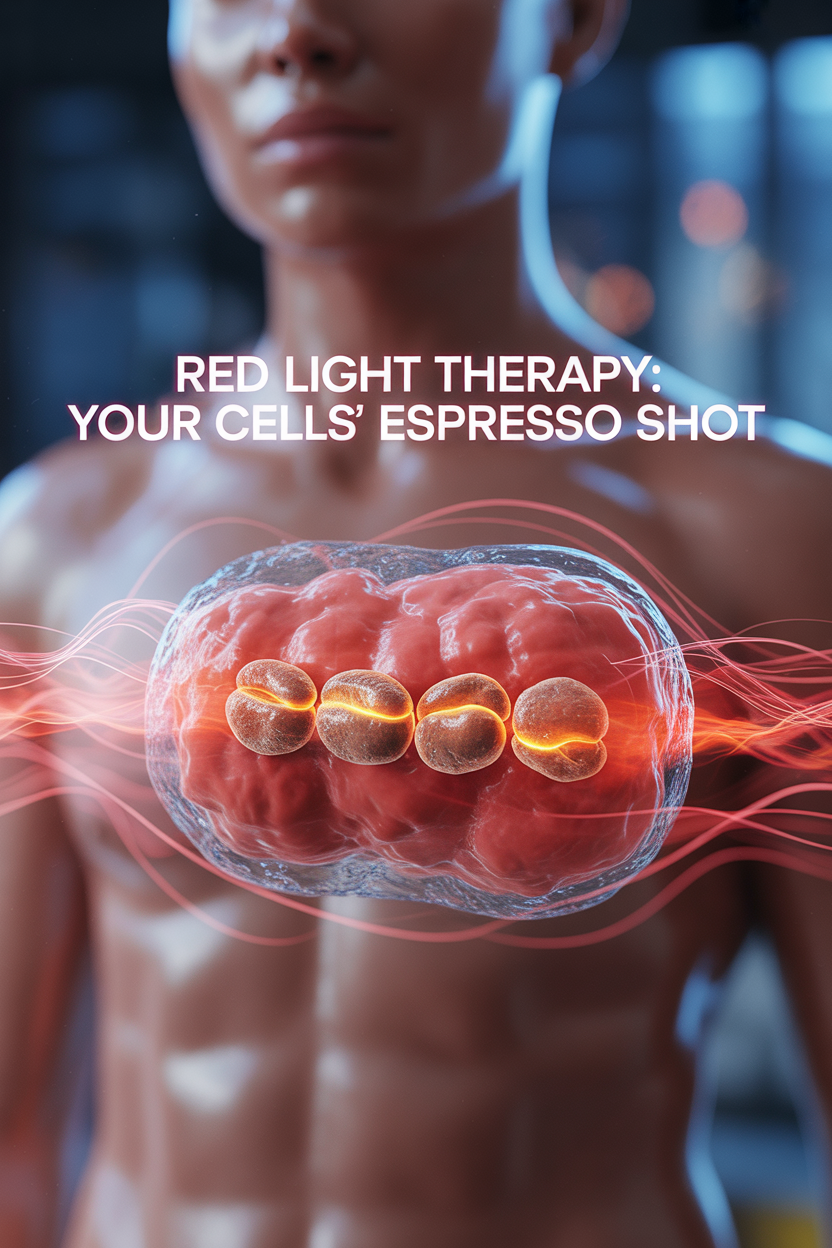
Inside every single one of your cells are tiny power plants called mitochondria.
Think of them as the overworked, under-caffeinated baristas of your body, constantly churning out cellular energy (called ATP) to keep everything running.
The theory, supported by a growing body of research, is that red and near-infrared light waves are like a surprise espresso shot for these mitochondria.
This little energy boost helps your cells produce more ATP, which in turn can help them get to work repairing muscle tissue and calming down inflammation more effectively.
Soothing Soreness: From Daily Aches to Post-Workout Pains
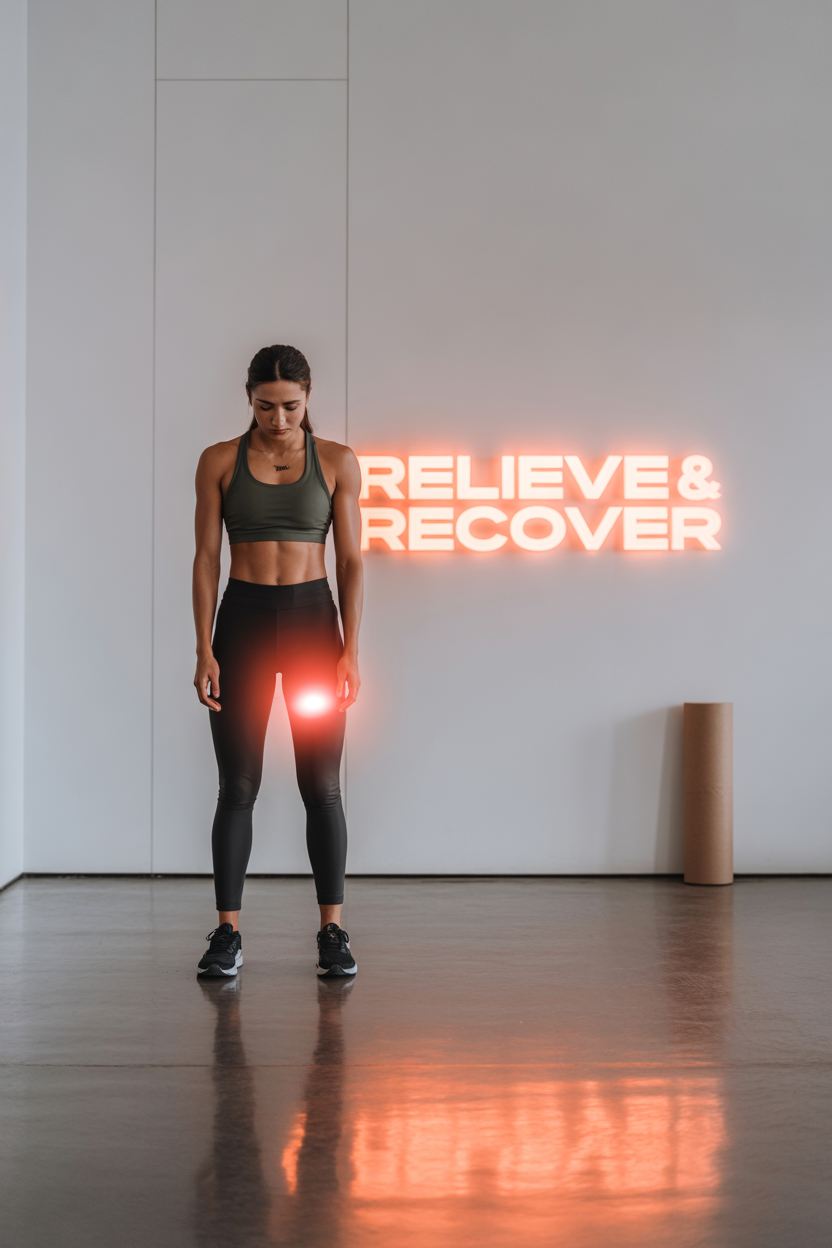
We all get them. That “I definitely shouldn’t have lifted that” back twinge. That stiff neck from doomscrolling on your phone. That grumpy shoulder that acts up for no reason.
People use red light therapy as a helpful tool in their wellness kit for these common complaints and minor injuries.
It works alongside the classics—rest, water, and some gentle stretching—to help your body on its recovery journey.
Then there’s DOMS, the delayed-onset muscle soreness that makes you walk like a penguin for two days after leg day.
It’s a sign you challenged your muscles, which is good, but it’s also super uncomfortable.
Some fitness fans add red light therapy to their cool-down routine, as studies show it can help reduce the severity and duration of DOMS.
By shining it on the muscles they just worked, they hope to soothe that “I’ve been hit by a bus” feeling and get back to walking normally a little sooner.
Can Red Light Therapy Improve Blood Flow for Faster Healing?
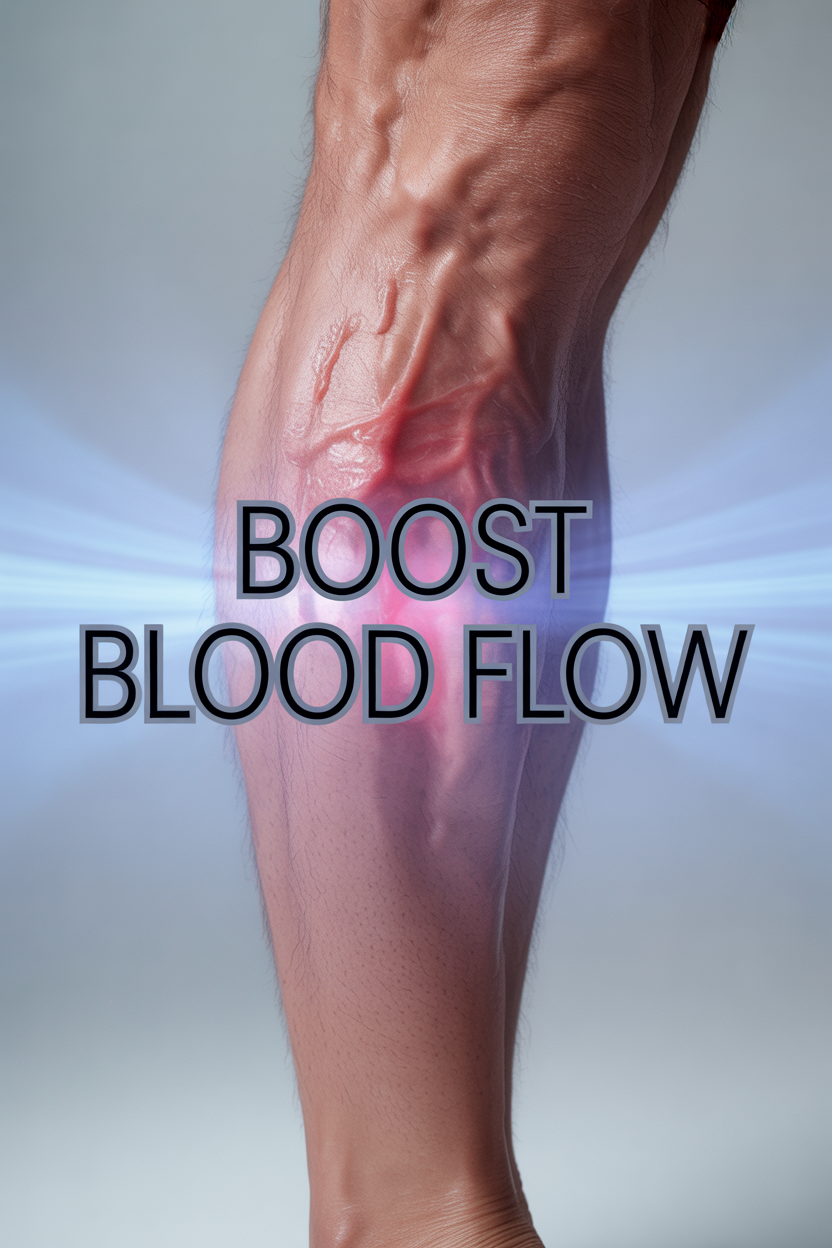
Good circulation is like the express delivery service for your body’s repair crew.
It brings all the good stuff, like oxygen and nutrients, directly to your injured tissues.
At the same time, it efficiently takes away the trash, such as metabolic waste products that can slow down healing.
Research suggests that red light therapy can help encourage healthy blood flow to the area you’re treating.
By giving this essential process a gentle nudge, you’re helping your body do what it already naturally wants to do: heal itself.
Improved circulation means your muscles get the resources they need to repair more quickly and efficiently.
A Holistic Approach: Red Light Therapy as Part of Your Wellness Team
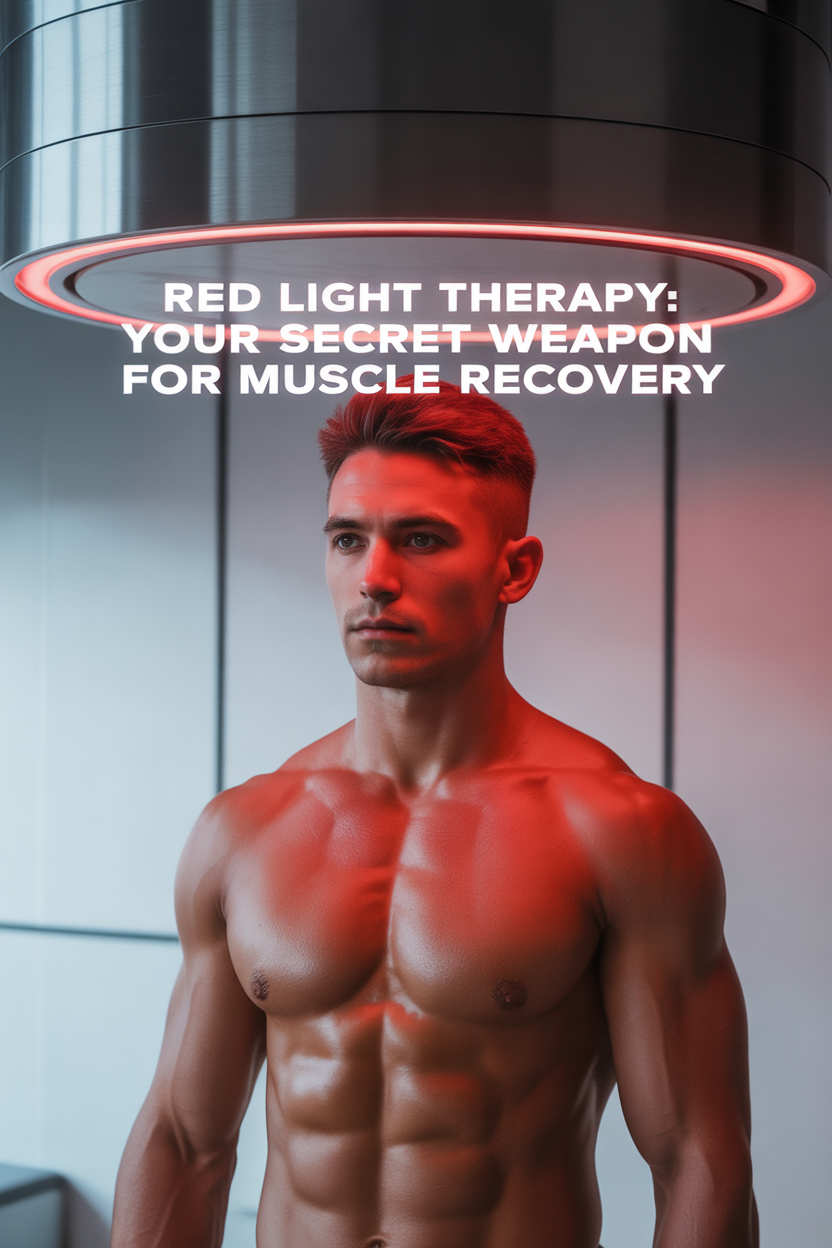
Red light therapy isn’t a magic wand, as much as we wish it was. Think of it as a valuable, supportive player on your overall wellness team.
To truly help your muscles heal and prevent future injury, make sure it has good teammates.
This means getting plenty of restorative sleep, which is when most of your body’s repair work happens.
Staying hydrated by drinking tons of water is also crucial for muscle function and recovery.
Finally, focus on eating yummy, nourishing foods and incorporating some gentle movement to keep things from getting stiff.
Red light therapy is a powerful addition to a complete, holistic recovery plan that cares for your whole self.
What to Expect During a Soothing Session
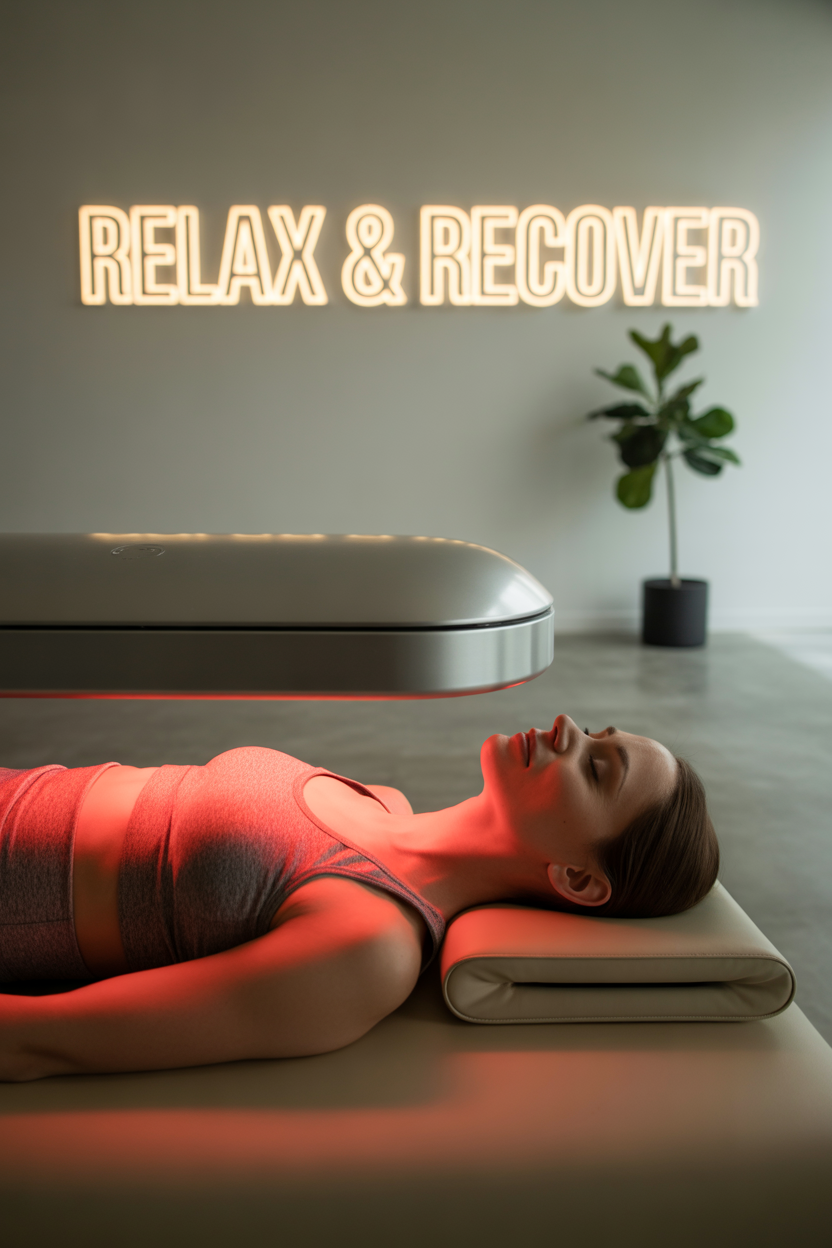
So, what does a session actually feel like? Honestly, it’s pretty relaxing.
You’ll likely feel a gentle, cozy warmth on your skin where the light is being applied.
You can rest easy knowing that it’s a totally pain-free experience.
A typical session for a specific spot, like a sore calf or shoulder, usually lasts about 10 to 20 minutes.
It’s the perfect excuse to sit or lie down, be still, and have a quiet moment of dedicated self-care.
Consider it a well-deserved spa day for your hard-working muscles.
Should I Use an At-Home Device or Go to a Clinic?
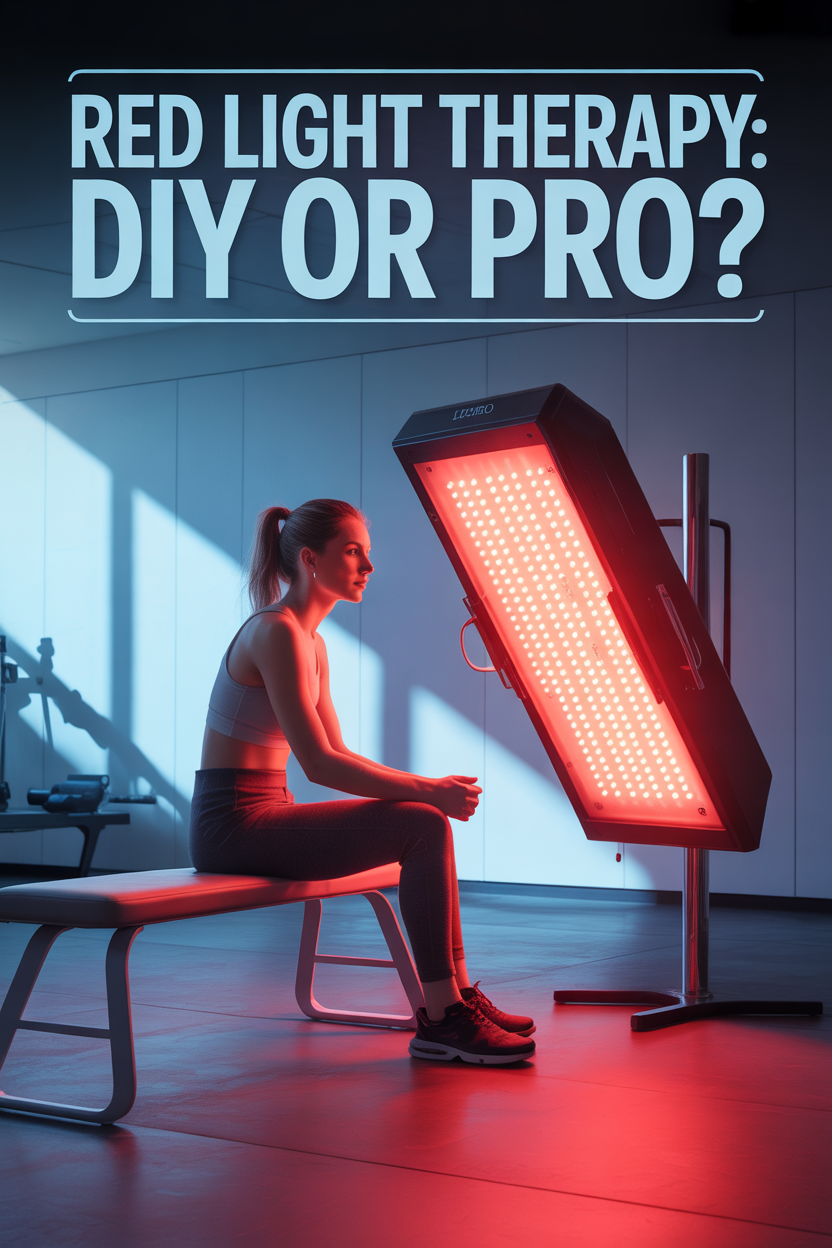
When it comes to accessing red light therapy, you’ve got options!
Are you a “do-it-yourself-in-your-pajamas” kind of person? An at-home device could be your ideal solution, as they’re super convenient for consistent use.
Or are you more of a “let-the-pros-handle-it” type?
You can find red light therapy at clinics, physical therapy offices, and spas with large, powerful panels that can treat bigger areas of the body all at once.
The best choice really just comes down to your personal budget, your schedule, and what feels right for you and your lifestyle.
How Often Should I Use Red Light Therapy?
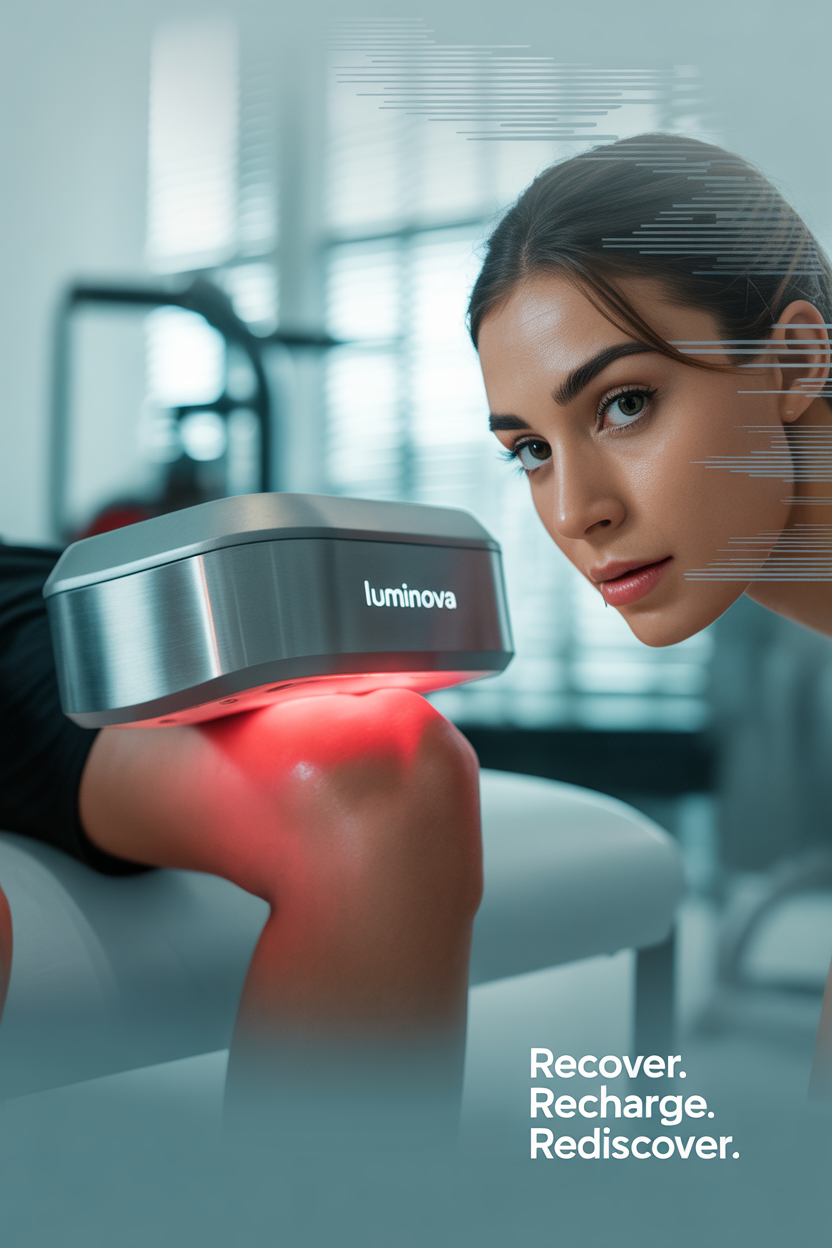
Like any good habit (flossing, watering your plants, calling your mom), consistency is your friend here.
For a new muscle owie, a good starting point is a 10-20 minute session on the affected area every day.
As you start to feel better and the discomfort subsides, you can dial it back to a few times a week for maintenance.
But the most important rule is to simply listen to your body.
It will tell you what it needs, so pay attention to how you feel and adjust your routine accordingly.
The All-Important Question: Is It Safe?
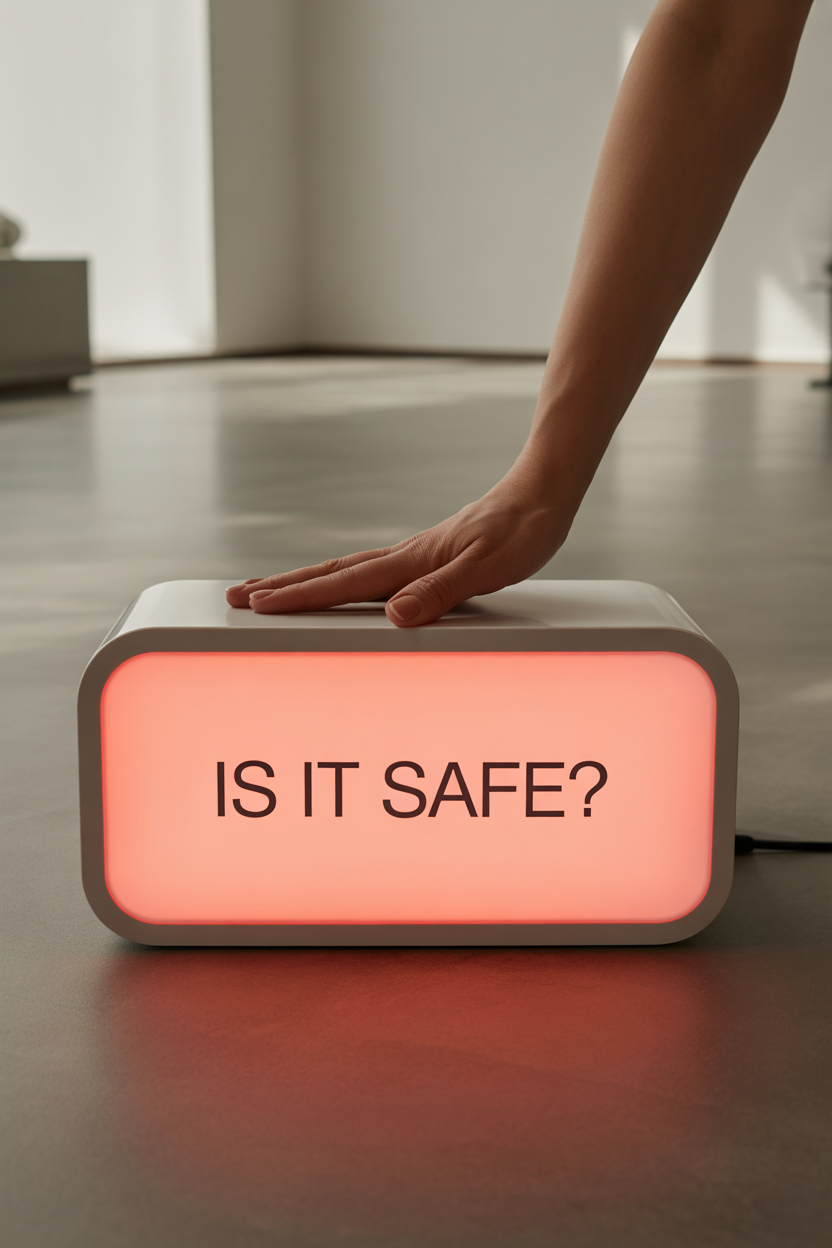
Now for the big question on everyone’s mind!
Generally, red light therapy is considered very safe, with virtually no reported side effects when used as directed.
The lights are bright, so you should never have a staring contest with them.
Most devices come with protective goggles for this very reason, so be sure to use them.
Rarely, someone might feel a bit of temporary skin tightness, but that usually fades quickly.
As with introducing any new wellness practice into your routine, it’s always smart to have a quick chat with your doctor first, especially if you have underlying health conditions.
How to Choose an At-Home Device
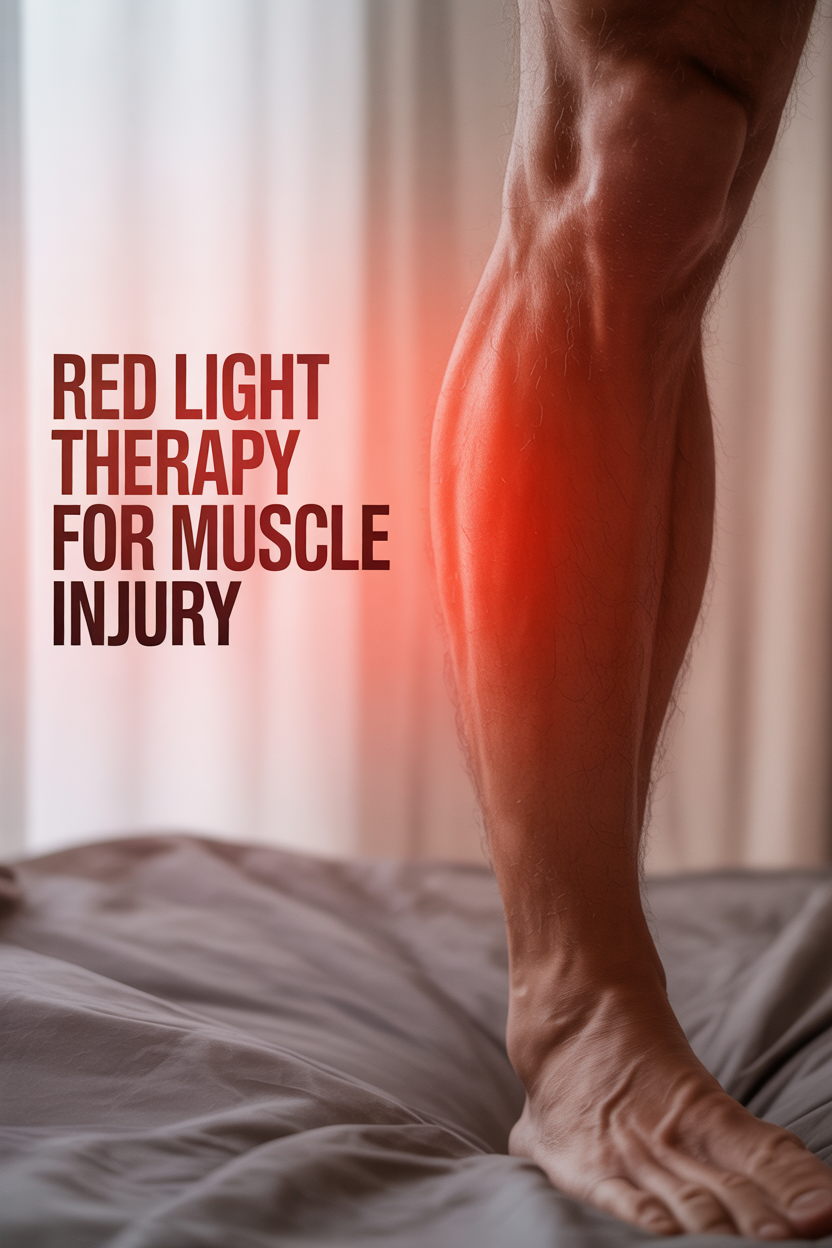
If you’re browsing for at-home devices, you’ll see some technical terms. Don’t let them scare you! Here’s a simple breakdown of what you need to know to make an informed choice.
Wavelengths: These are measured in nanometers (nm). Red light (around 660nm) is fantastic for skin and surface-level tissues. Near-infrared (NIR) light (around 850nm) is the deep diver, penetrating further to reach muscles, joints, and deep tissues.
Irradiance: This is just a fancy word for power or light intensity. Higher irradiance means more light energy is delivered to your cells in a shorter amount of time. It’s like using a fast-charger, but for your muscles!
Create a Wellness Routine That’s Right for You
The best wellness routine is one that’s made just for you, by you. Your body is incredibly smart and sends you little memos all day long about what it needs.
Pay close attention to how your muscles feel after a session and in the days that follow.
If something feels good, supportive, and nourishing, that’s your sign to keep doing it.
Your health journey is uniquely yours, and you are the best guide you could possibly ask for.
Embrace the process of recovery, be patient and compassionate with your body as it heals, and celebrate small victories along the way.