
What to Expect from Red Light Therapy When Your Dog Moves Carefully

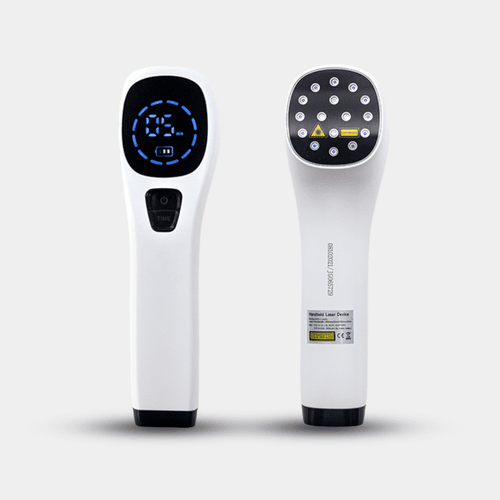


How Red Light Therapy Could Fit Into Your Dog’s Pain Management Plan
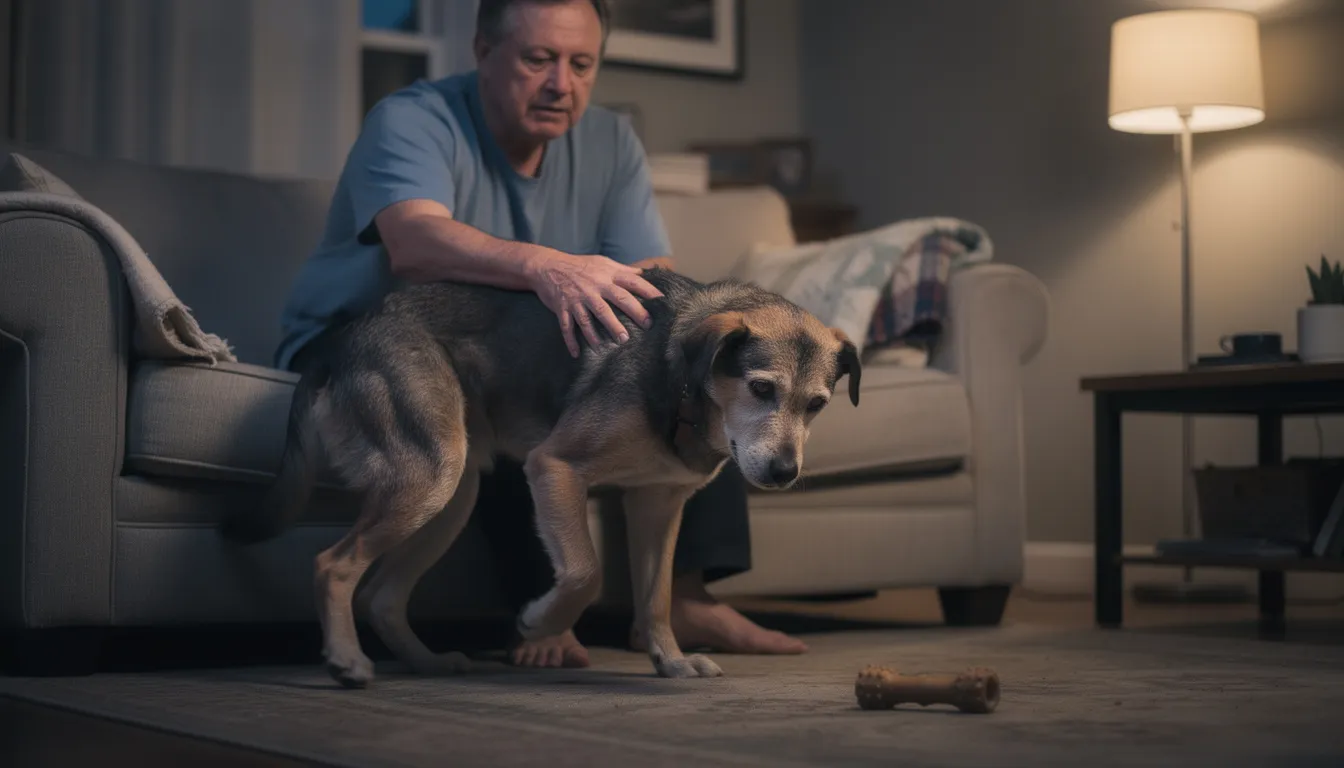
You’re watching your dog move differently—stiff at the start of a walk, slower on stairs, hesitant to jump, or sore after activity. You’re not chasing a miracle. You’re trying to change day-to-day comfort.
You may be looking for something that can sit alongside a broader pain plan, rather than trying to replace everything else at once. Red light therapy, also called photobiomodulation or therapeutic laser, has been tested in dogs with naturally occurring elbow osteoarthritis in a randomized, blinded, placebo-controlled trial. That means the evidence exists for at least one specific condition.
If the main issue is loss of walking from a neurological cause like paralysis, PetMD notes laser therapy may be used as part of care for conditions that affect walking, but whether walking improves depends on the underlying cause. Not all dogs with paralysis will walk again.
For elbow osteoarthritis specifically, the Looney 2018 trial provides a controlled reference point. That’s where the evidence sits right now.
What to Expect in Terms of Time and Cost for Your Dog’s Treatment
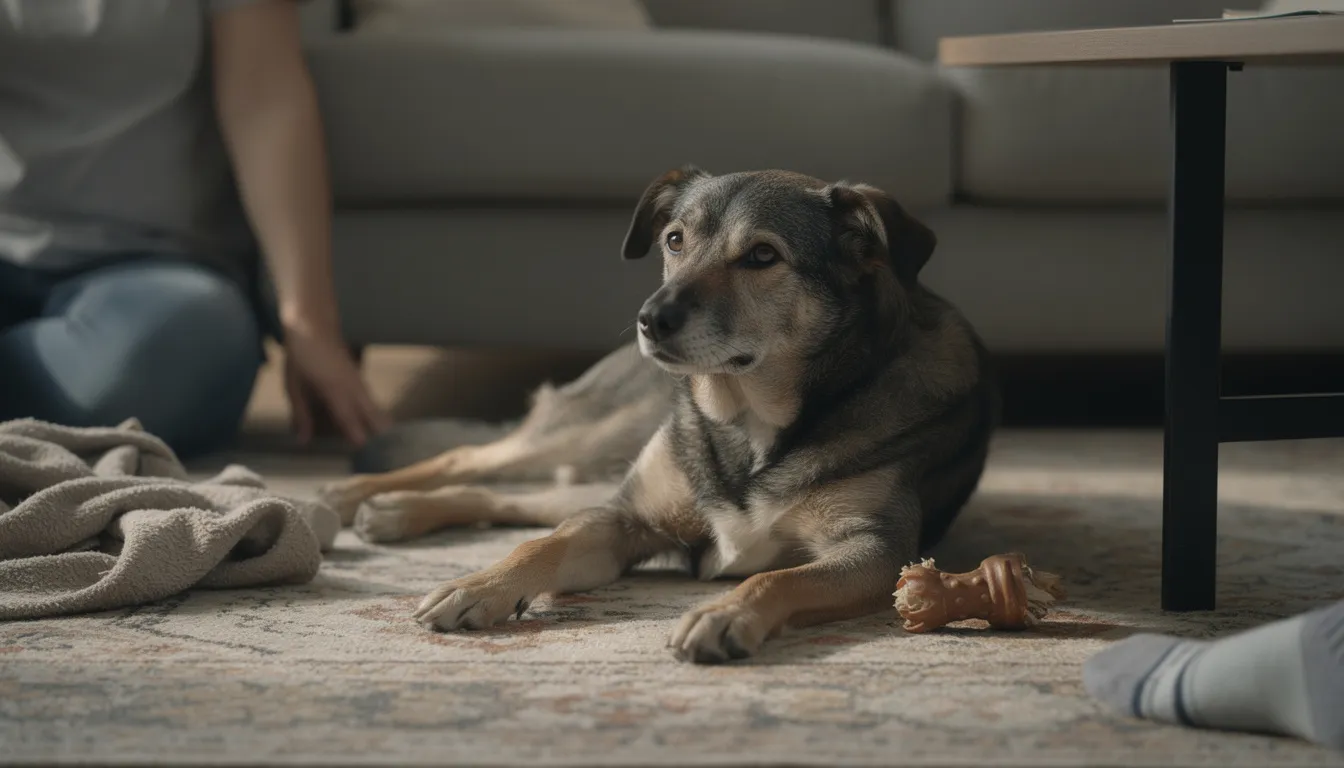
Reported session lengths vary by source and situation. One overview describes sessions typically lasting 5 to 15 minutes, while PetMD describes sessions typically lasting 15 to 30 minutes, with small areas taking less time and multiple joints taking longer.
Cost is commonly quoted per session. PetMD gives an estimated range of $40 to $100 per session and notes some veterinarians offer bundled pricing for a set of treatments. That adds up over weeks.
In the Looney 2018 elbow osteoarthritis trial, treatment was delivered at a defined dose of 10 to 20 joules per square centimeter per elbow on a set schedule for 6 weeks. That’s the framework where benefit was measured.
One clinic overview states response can vary between dogs based on factors like severity and duration of the condition, age, and the specific tissues involved. Some dogs respond right away. Others don’t seem to notice.
What Research Actually Shows About Red Light Therapy for Dogs

In a randomized, blinded, placebo-controlled trial in 20 dogs with naturally occurring elbow osteoarthritis, photobiomodulation at 10 to 20 joules per square centimeter per elbow for 6 weeks improved clinician lameness scores and pain scores compared with sham light. That’s the Looney 2018 trial.
In that trial, 82 percent of dogs receiving photobiomodulation achieved at least a 50 percent reduction in NSAID dose, versus 0 percent in the sham group. That’s a measurable difference.
In the paper’s discussion, the authors note that whether the dosing used is applicable for other diseases is unknown. The trial tested elbow osteoarthritis. Other conditions are extrapolation.
For wound healing, PetMD reports that some studies show significant improvement with laser treatment and others do not. The evidence is mixed.
How Long It Takes to See Results and What Changes to Look For

One overview describes that some owners notice changes in comfort or movement after one or two sessions, particularly for conditions involving acute pain or inflammation. Chronic issues like long-standing arthritis typically require several treatments before changes are apparent.
In the Looney 2018 elbow osteoarthritis trial, lameness score, pain score, and NSAID dose were recorded before treatment and again 7 to 10 days after the last treatment. That’s when the difference showed up.

In that trial, the photobiomodulation group had a median clinician lameness score change of negative 1, while the sham group had a median change of 0. Owner-scored daily-life functions that showed greater improvement with photobiomodulation versus sham included play, walking, steps, running, jumping, difficulty lying down, rising from down position, movement after rest, and movement after exercise. Mood and vocalization did not differ between groups.
One clinic overview claims that, for chronic issues like osteoarthritis, positive effects can last up to 90 days and are described as cumulative with consistent treatments over time. That’s a claim, not a controlled finding.
The Specific Improvements You Might See in Your Dog’s Mobility and Comfort

In the Looney 2018 elbow osteoarthritis trial, improvement was reflected in measured function and pain domains. Clinician lameness score and owner Helsinki Chronic Pain Index items such as walking, steps, running, jumping, rising from down, movement after rest, and movement after exercise.
In that study design, another measurable outcome was whether NSAID dose could be reduced. After 3 weeks, owners were instructed to reduce NSAID dose by half and could return to the original dose if the dog was perceived to worsen. That’s a concrete marker.
The study’s treatment schedule ran for 6 weeks. Laser therapy is described as a non-invasive, drug-free modality used to manage pain, inflammation, and wound healing.
If you’re looking for evidence that this works, the elbow osteoarthritis trial is the reference point. If your dog’s issue is different, you’re working from inference.
What You Need to Know About Dosing and Treatment for Real Results

In the Looney 2018 elbow osteoarthritis trial, photobiomodulation was delivered using a 980 nanometer laser with a 650 nanometer aiming beam, at a cumulative fluence of 10 to 20 joules per square centimeter per elbow, with protective eyewear required. That’s the dose that worked.
PetMD describes that chronic conditions like arthritis are usually treated several times a week when starting, with longer intervals over time until a maintenance plan. A clinic overview similarly describes an initial series followed by less frequent maintenance.
In the elbow osteoarthritis trial, the handpiece was held off the dermis by less than half a centimeter and moved primarily over craniomedial and caudolateral elbow compartments. PetMD states the veterinarian doesn’t need to shave or clip the area. Treatment can be performed through fur unless the coat is excessively thick or matted.
The parts that change results are dose, wavelength, treatment area, and schedule. If those aren’t matched to the condition, you’re guessing.
Are You Prepared to Follow the Proven Treatment Schedule for Your Dog?
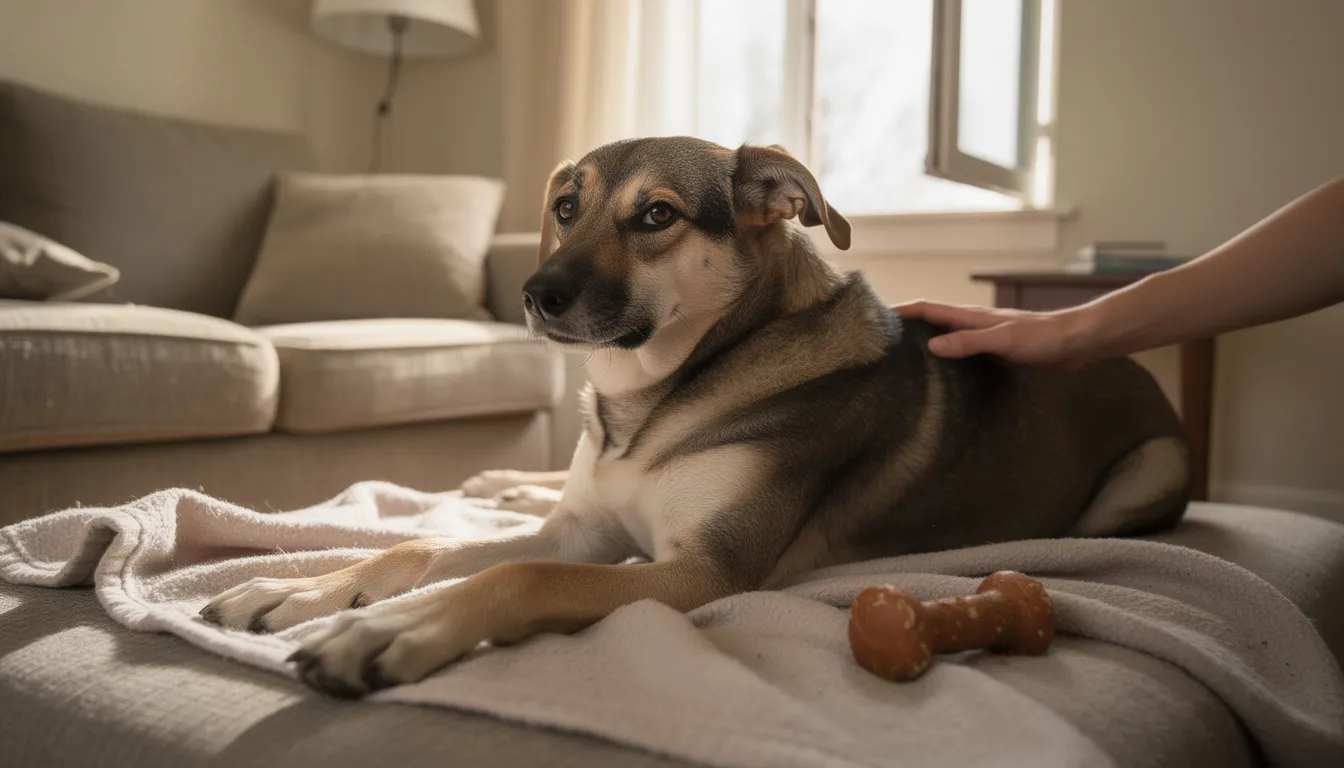
In the Looney 2018 elbow osteoarthritis trial, dogs received photobiomodulation to both elbows for 6 weeks at 10 to 20 joules per square centimeter per elbow, with treatments twice weekly for 3 weeks and then weekly for 3 weeks. That’s the schedule that produced the measured change.
In that trial, treatment times ranged from 4.5 to 8 minutes depending on patient size, target fluence, power used, and comfort. PetMD states most dogs are not sedated for this procedure and rest comfortably during treatment. One overview similarly describes dogs often relaxing or falling asleep and notes use of protective eyewear.
In the Looney 2018 trial, other analgesics and nutraceuticals were permitted only if already in use for more than 1 week before entry, and doses of those medications and supplements could not change throughout the study. That means the trial tested photobiomodulation on top of a stable baseline, not as a replacement for everything else.
If you can’t commit to the schedule, or if you’re planning to change other treatments at the same time,you won’t know what’s doing what.
The Safety Limits and When to Avoid Red Light Therapy for Your Dog

PetMD describes laser therapy as safe if done using the right settings and treatment lengths, and notes burns are possible if a laser is not used correctly. That’s operator-dependent.
Contraindications listed in supplied sources include avoiding treatment on tumors or active cancer, avoiding direct eye exposure with protective eyewear used, and avoiding certain areas or contexts such as pregnant uterus or abdomen, active bleeding, and endocrine-related areas such as the thyroid. Those are the boundaries.
If you proceed using the Looney 2018 elbow osteoarthritis protocol as a reference point, the study’s outcomes were assessed 7 to 10 days afterthe last treatment session. That’s when you’d know if it worked.
If your dog has one of the contraindicated conditions—or if the issue you’re treating isn’t elbow osteoarthritis—you’re outside the controlled evidence. That doesn’t mean it won’t work. It means you’re making a different kind of decision.