
Illuminate Your Healing: The Revolutionary Red Light Therapy Devices That Seal Wounds Faster

Best Red Light Therapy for Wound Healing: A Comprehensive Guide
Ready to shine some light on those stubborn wounds? Red light therapy has become a standout treatment in the wound healing world. This specific wavelength technology works like magic for many people, without requiring a huge investment. Let’s explore the perfect red light therapy options for your healing needs!
Understanding Red Light Therapy
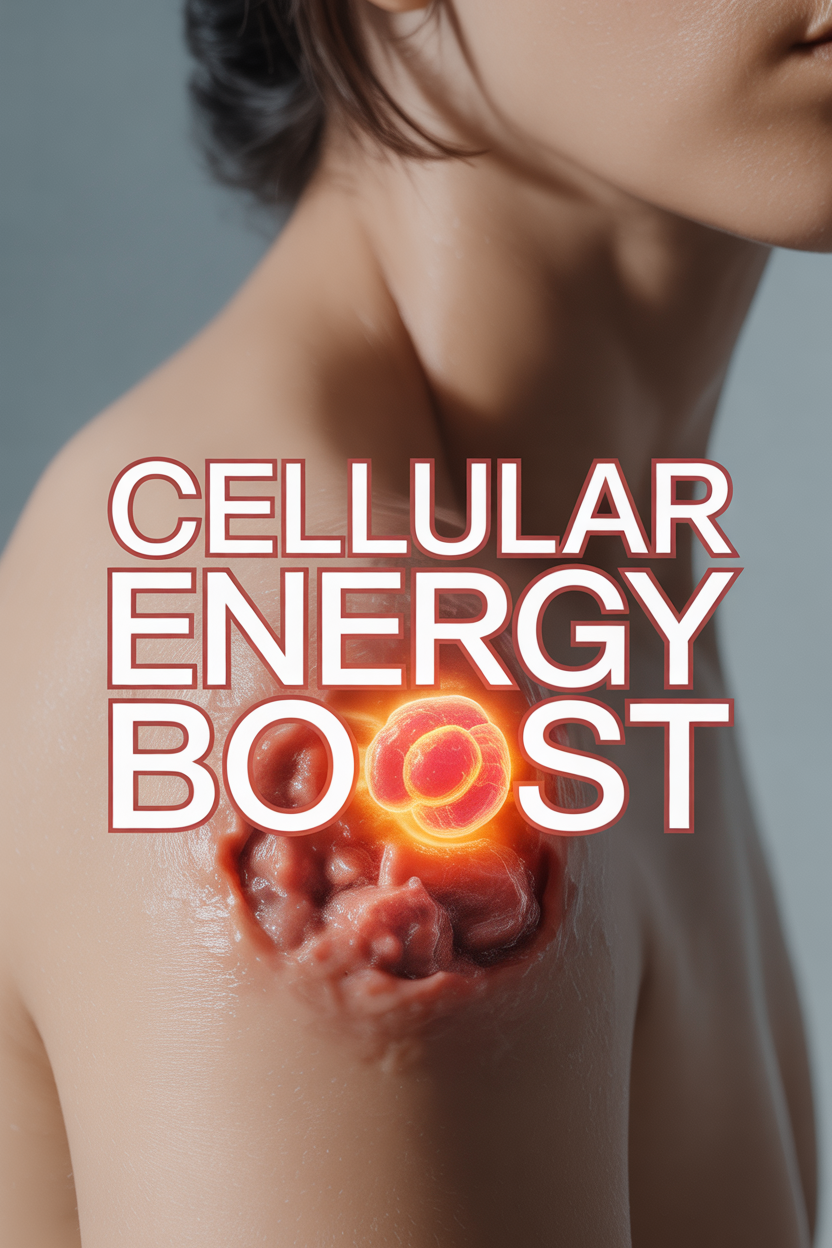
Red light therapy (also called photobiomodulation or low-level laser therapy) serves your cells a powerful energy boost. Unlike harmful ultraviolet light, these special red and near-infrared wavelengths penetrate your skin without causing damage.
When these light waves reach wounded areas, your mitochondria (cellular powerhouses) absorb the energy like a sponge. This essentially activates a “turbo boost” for your body’s natural healing processes. Your cells become energized and work overtime on repairs.
The Science Behind Red Light Therapy
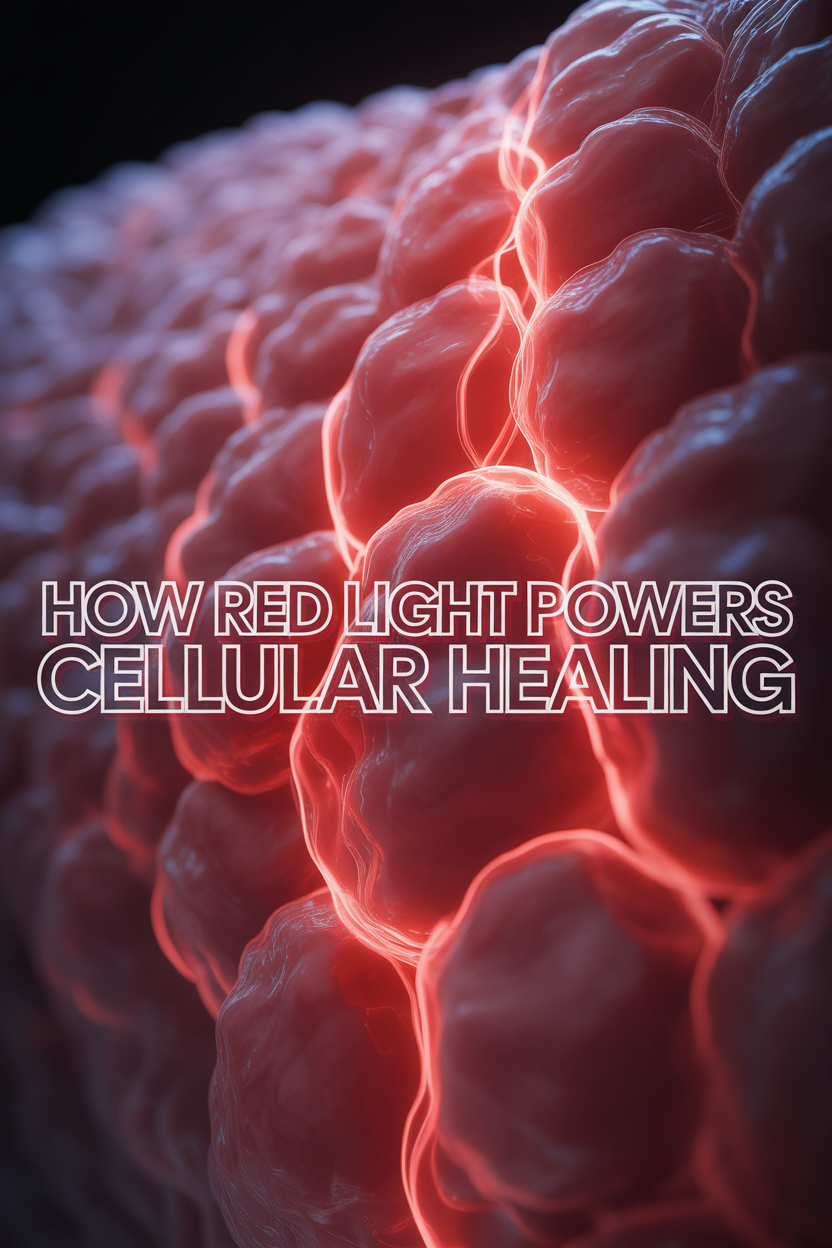
Here’s what happens beneath your skin when red lights do their work:
- Increased ATP Production: Your cellular batteries get supercharged, providing more energy for faster healing.
- Enhanced Cellular Proliferation: Your body produces more fibroblasts (collagen-making cells), creating stronger skin to close wounds.
- Improved Circulation: Blood vessels expand, delivering oxygen and nutrients to wounded areas more efficiently.
- Reduced Inflammation: Red light reduces swelling and redness, making healing more comfortable.
- Accelerated Tissue Formation: New skin forms quicker, sealing wounds faster.
Benefits for Different Types of Wounds
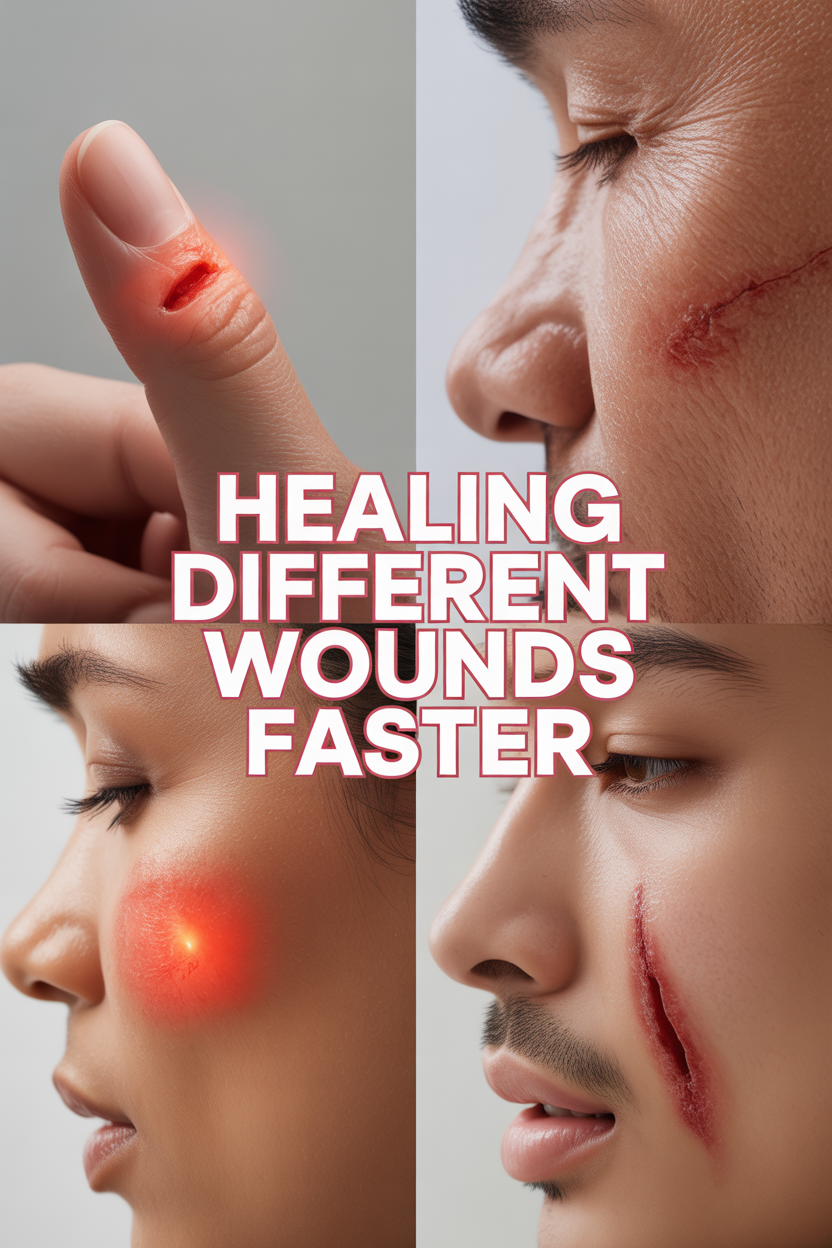
Red light therapy helps with many wound types:
Acute Wounds: Cuts, scrapes, and minor injuries can heal up to 40% faster with red light therapy.
Chronic Non-healing Wounds: Stubborn diabetic ulcers and pressure sores often respond when red light therapy joins the treatment plan.
Burns: Red light therapy speeds healing for burns and helps reduce scarring afterward.
Post-surgical Wounds: Recovery after surgery becomes easier with red light therapy. Patients report less pain and faster healing.
Evidence-Based Results
The research confirms red light therapy’s effectiveness:
A 2018 meta-analysis examined 22 studies with over 1,000 patients and concluded that red light therapy significantly speeds wound healing.
Harvard Medical School researchers found that certain red light wavelengths activate stem cells in skin, potentially revolutionizing wound treatment approaches.
While scientists continue studying all the mechanisms, strong evidence supports adding red light therapy to your healing toolkit.
Top Professional-Grade Devices

For serious treatment needs, these professional options deliver excellent results:
Joovv Pro: This premium device offers medical-grade quality with perfect wavelength combinations (660nm and 850nm) that accelerate wound healing. At $3,000+, it’s an investment that delivers consistent professional results.
Platinum LED BioMax Series: With five different wavelengths, these panels provide comprehensive healing benefits. Their 300 or 450 models deliver clinical-grade power that stimulates cellular repair and tissue regeneration.
Mito Red Light MitoPRO Series: These devices offer medical-grade output focusing on wavelengths that promote wound healing. With both 660nm and 850nm options, they target both surface wounds and deeper tissue damage simultaneously.
Best Handheld Devices
For portable treatment options that don’t require dedicated space:
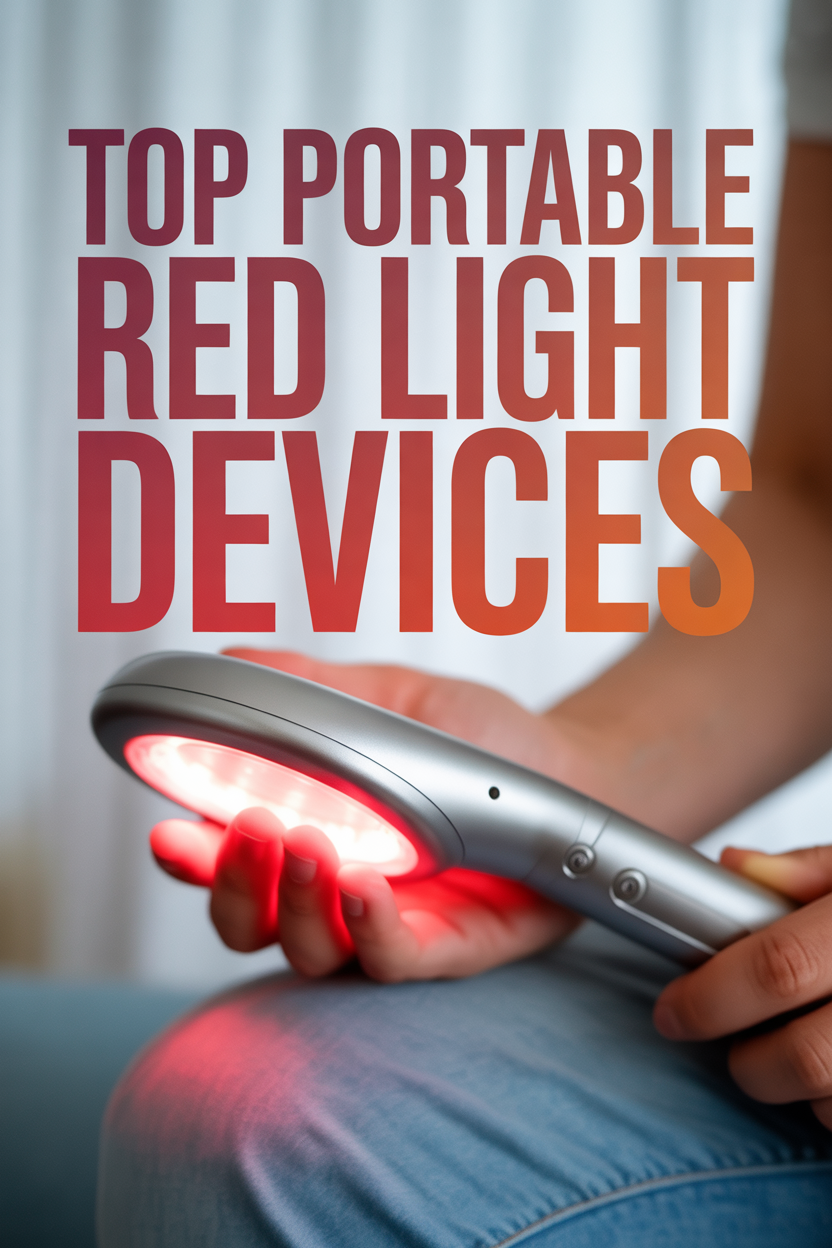
DPL II Light Therapy Panel: FDA-cleared and flexible enough to wrap around curved body parts. Perfect for treating awkward locations like ankles, elbows, and joints where wounds are common.
Tendlite Red Light Therapy Device: This pen-like tool delivers a focused beam of 660nm light with precision. It works well for small, targeted wounds but has limited coverage area for larger injuries.
Quantum Rejuvenation Red Light Therapy Handheld: Featuring both 660nm and 850nm wavelengths, this portable device penetrates deeper than most handhelds. Its rechargeable battery makes it convenient for treatment anywhere.
Are Red Light Panels Worth the Investment?
Large light panels offer several advantages:
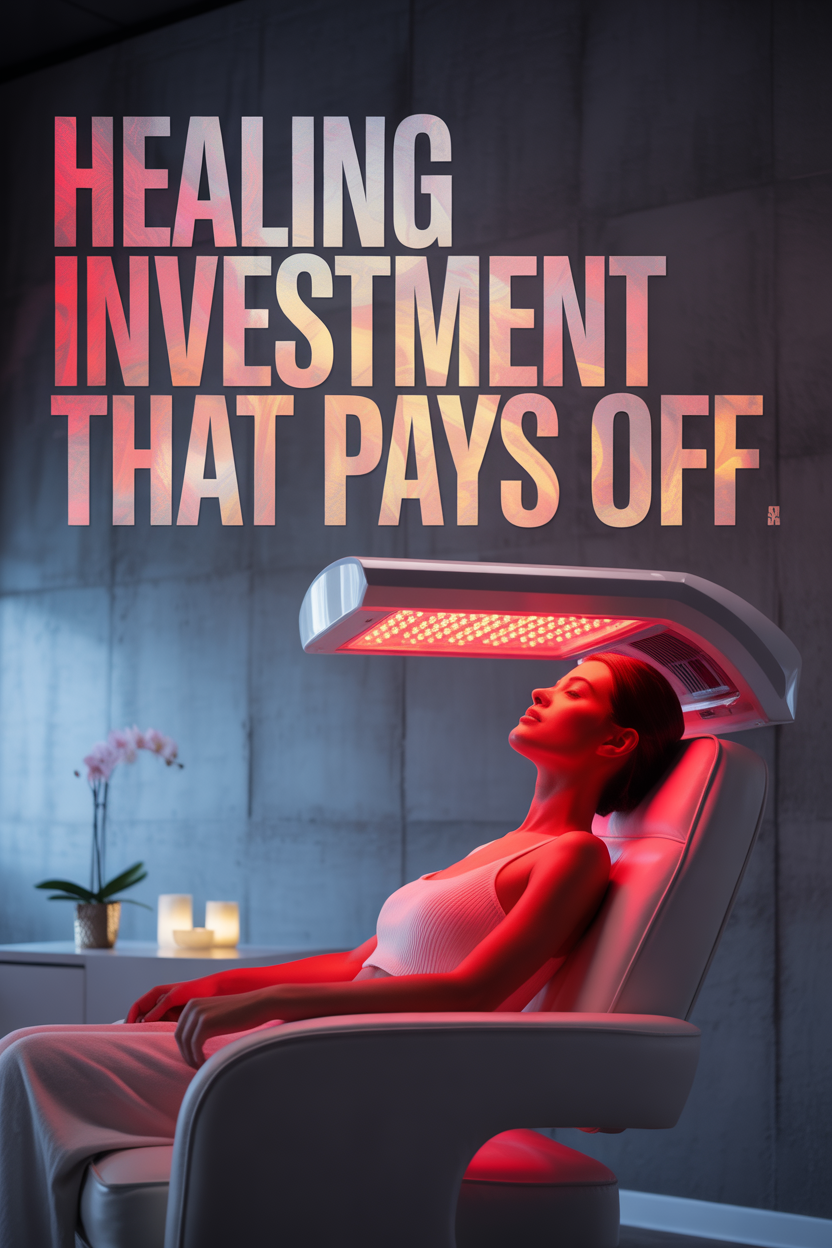
Coverage Benefits: Panels can treat larger areas faster than handhelds, allowing you to address multiple wounds simultaneously.
Power Output Consistency: Quality panels maintain even light distribution, ensuring every part of your wound receives equal healing energy.
Long-term Value: While prices range from $500-$5,000+, most panels last 50,000+ hours—equivalent to 5+ years of continuous use.
Versatility: Beyond wound healing, these systems address inflammation, pain, skin conditions, and more.
For people with chronic wounds or healthcare providers, these panels often pay for themselves through improved outcomes over time.
Wavelength Guide: 630nm vs. 660nm vs. 850nm
Different wavelengths serve different healing purposes:
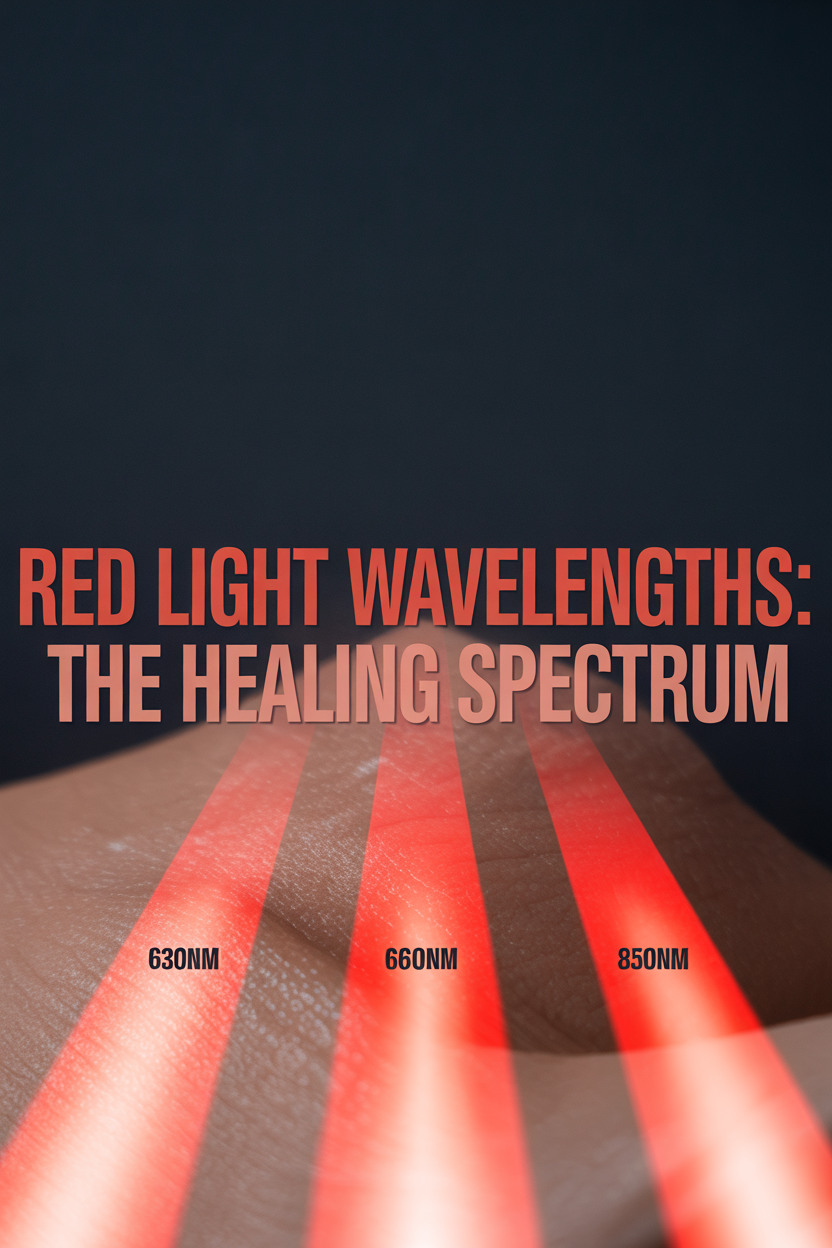
630nm (Red): This wavelength penetrates 2-3mm deep, making it ideal for surface wounds. It works effectively on paper cuts and surface scrapes.
660nm (Deep Red): Penetrating 3-5mm, this wavelength hits the sweet spot for most wound healing. It boosts cell energy production and collagen development efficiently.
850nm (Near-Infrared): This invisible light reaches 5-10mm below skin, targeting deep tissue damage, improving circulation, and reducing inflammation at deeper levels.
The most effective devices combine 660nm AND 850nm wavelengths, providing both surface and deep healing simultaneously.
Finding Your Ideal Red Light Device

Consider these factors when choosing a red light therapy device:
Wound Type and Depth: Surface wounds respond well to 630-660nm wavelengths, while deeper tissue damage needs 850nm wavelengths to reach hidden layers.
Treatment Area Size: Small wounds need only handheld devices, but larger areas or multiple wounds benefit from panel devices.
Power Output: Look for devices that specify their irradiance (mW/cm²). For effective wound healing, seek minimum levels of 20-30 mW/cm² for red wavelengths and 30-50 mW/cm² for near-infrared.
Treatment Convenience: Choose a device that fits your lifestyle—one you’ll actually use consistently, which is key for results.
Budget: While professional devices deliver superior results, several mid-range options provide good outcomes without breaking the bank.
Effective Treatment Protocols
Follow these guidelines to maximize your healing results:
Treatment Duration: Most research supports 3-15 minute sessions, depending on your device’s power. Higher power means shorter treatment times—more isn’t always better.
Treatment Frequency: Acute wounds benefit from daily treatments. Chronic wounds typically need 3-7 treatments weekly to maintain healing momentum.
Distance from Wound: Follow manufacturer instructions for optimal distance (usually 6-12 inches). Pressing the device against wounds won’t speed healing.
Treatment Course: Acute wounds often show improvement within 1-2 weeks of consistent therapy. Chronic wounds typically need 4-12 weeks of persistent treatment.
Documentation: Take photos to track progress objectively—visible improvements provide motivation to continue treatment.
Combination Approaches for Best Results
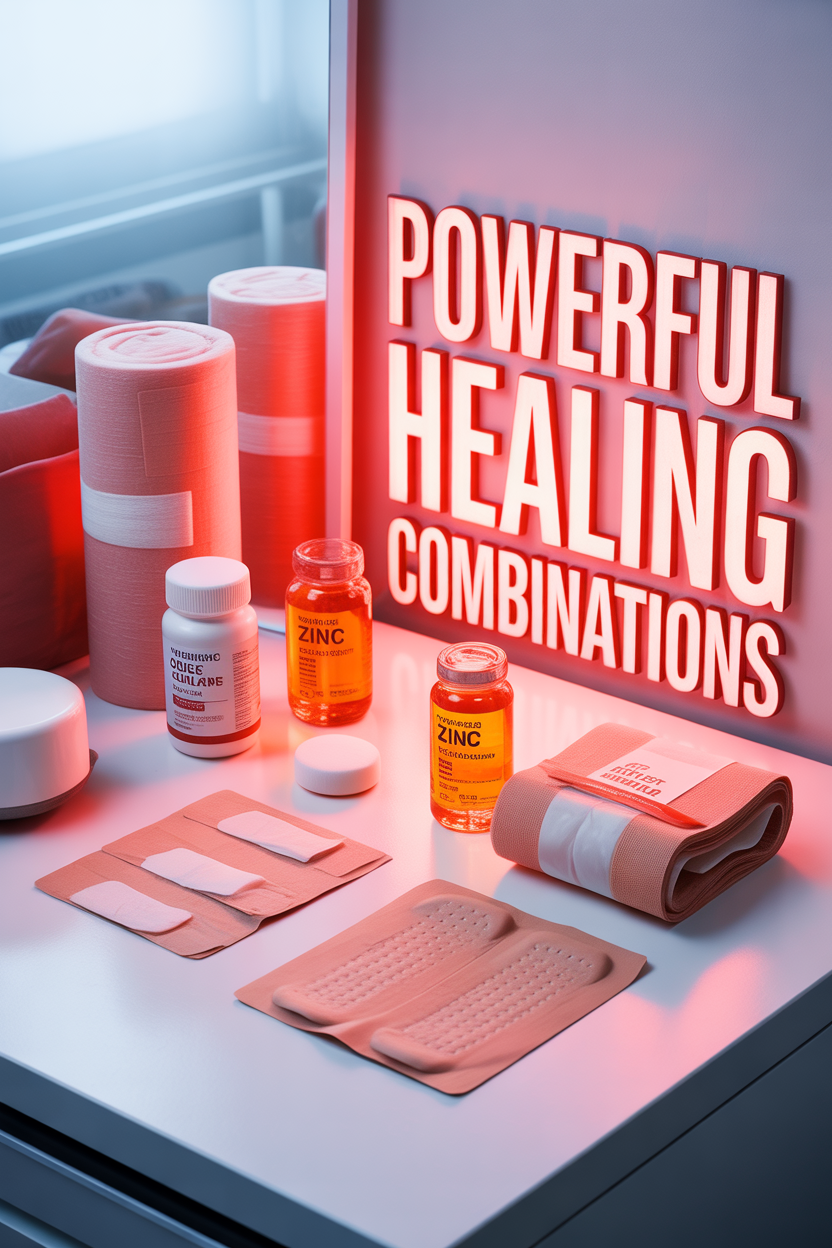
Red light therapy works best alongside other treatments:
Standard Wound Care: Continue cleaning and dressing wounds properly. Red light therapy enhances healing but doesn’t replace basic wound hygiene.
Nutritional Support: Provide your body with healing nutrients. Protein, vitamin C, and zinc give your body the building blocks needed for repairs.
Compression Therapy: For venous ulcers, compression combined with red light therapy creates powerful healing synergy.
Pressure Reduction: For diabetic foot ulcers, reducing pressure remains crucial while using light therapy.
Topical Treatments: Research suggests certain dressings work even better with red light therapy, creating enhanced healing results.
Safety Considerations
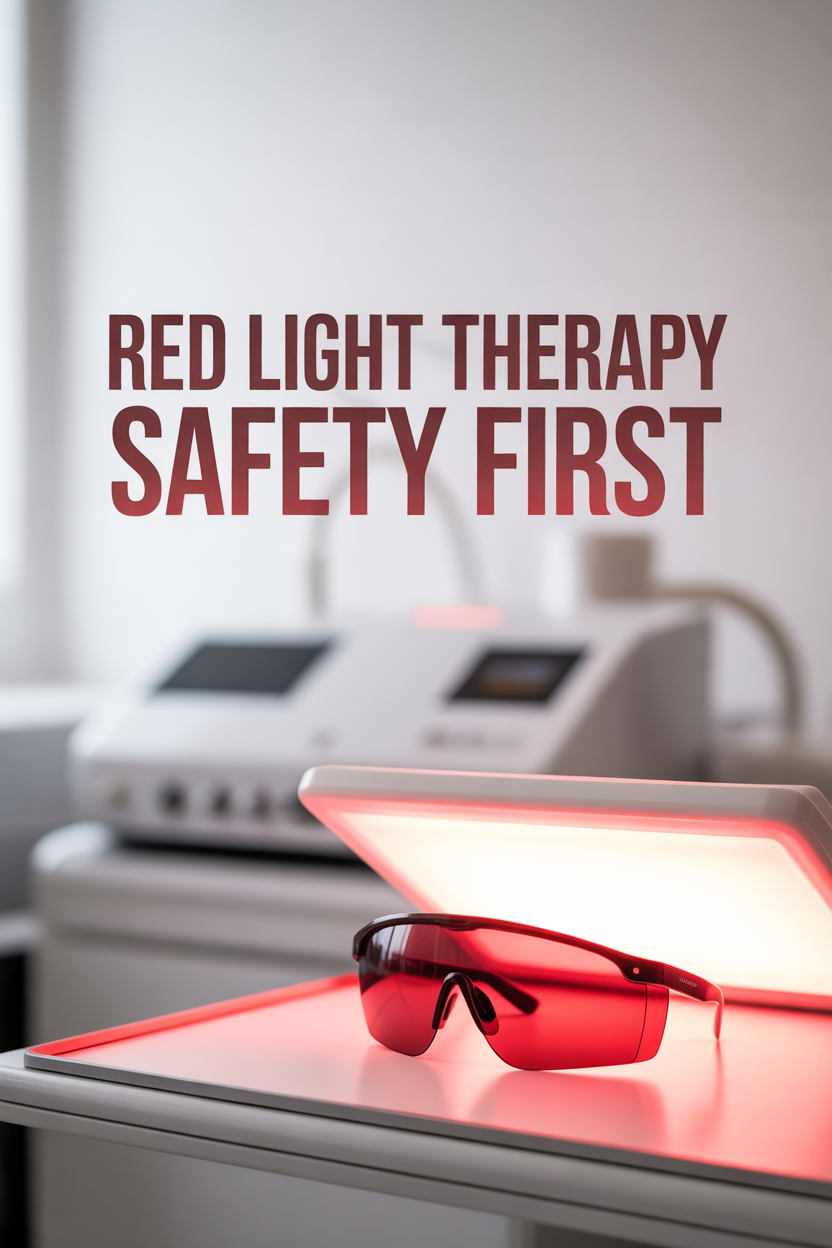
Red light therapy is generally very safe, but keep these precautions in mind:
Eye Protection: Wear protective glasses, especially with high-powered devices or near-infrared wavelengths.
Photosensitivity: If you take medications that increase light sensitivity, check with your healthcare provider before starting therapy.
Infection Control: Clean your devices between uses to prevent transferring bacteria between wounds.
Contraindications: Use cautiously with active cancer, over tattoos, or during pregnancy, as research in these areas is limited.
Medical Consultation: For serious wounds, especially with diabetes or circulation problems, seek professional medical advice.
Cost Comparison Guide
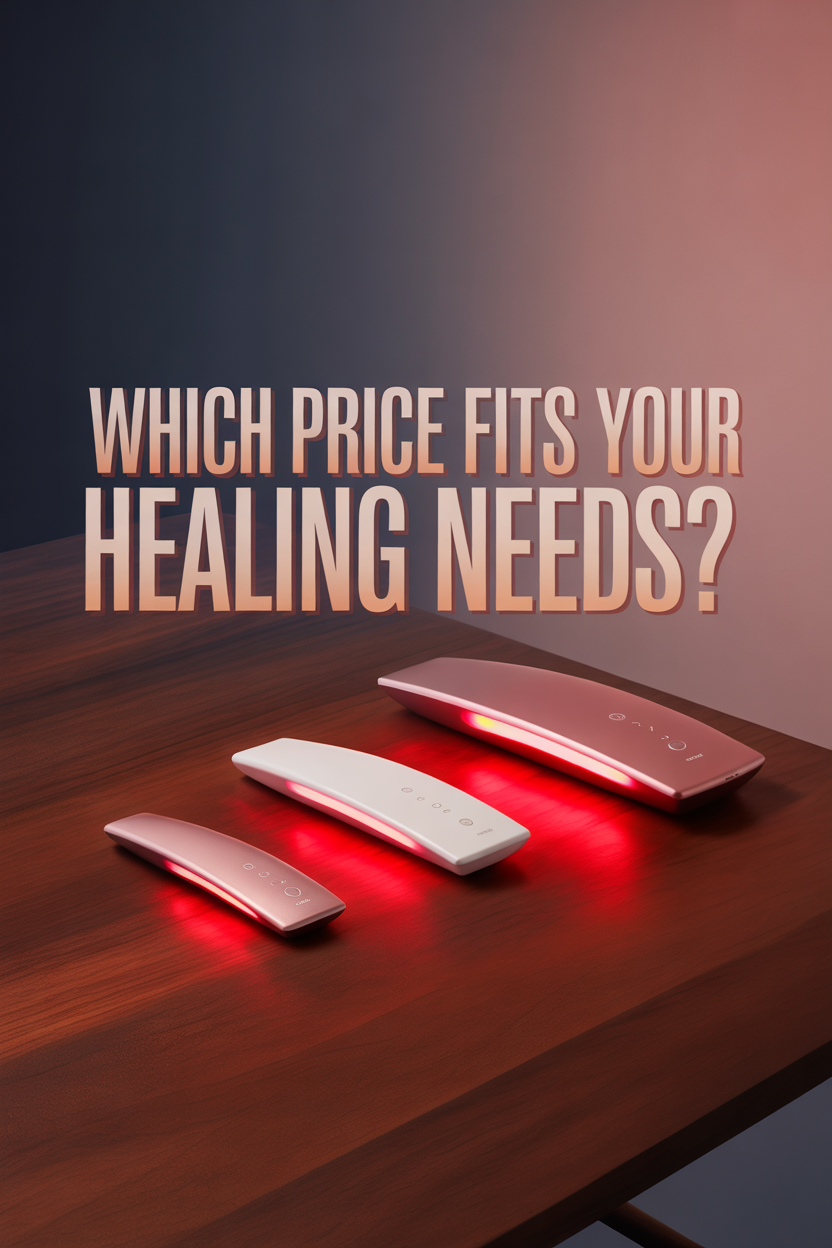
Red light therapy devices come at various price points:
Entry-Level ($50-200): These affordable handheld devices work for minor wounds but have lower power output, requiring longer treatment times.
Mid-Range ($200-800): These offer better power output, combination wavelengths, and larger treatment areas—a good balance for home users with ongoing wound care needs.
Premium ($800-3,000+): Professional-grade devices deliver optimal power, precise wavelengths, and large treatment areas. For chronic or complex wounds, these often prove worth the investment.
For chronic wound conditions, better devices often pay for themselves through faster healing, fewer complications, and reduced spending on traditional wound supplies.
Real Success Stories

Here are some inspiring real-world results:
Robert, 67, struggled with a diabetic foot ulcer for 8 months with minimal improvement. After adding red light therapy to his routine, he achieved 90% closure in just 6 weeks. His doctor now recommends this approach to other patients with persistent wounds.
Lisa, 42, used a mid-range handheld device on her surgical incision and healed 50% faster than her surgeon predicted. Her scar is so minimal that she feels confident wearing whatever she wants.
The VA has documented significant improvements in pressure ulcer healing with red light therapy—reducing healing time by 35% in documented cases.
While individual results vary, these patterns of accelerated healing appear consistently across different ages, wound types, and health conditions.
As research continues to uncover more benefits, red light therapy is establishing itself as an effective tool that helps your body heal faster and better. With the right device, consistent use, and proper supporting care, you might experience healing speeds that surprise both you and your healthcare providers.