
DIY Cupping Therapy: Bring Ancient Healing Into Your Home Without Breaking the Bank

The Complete Guide to Cupping Therapy at Home: Safe Techniques and Tips (That Won’t Suck… Unless They’re Supposed To!)
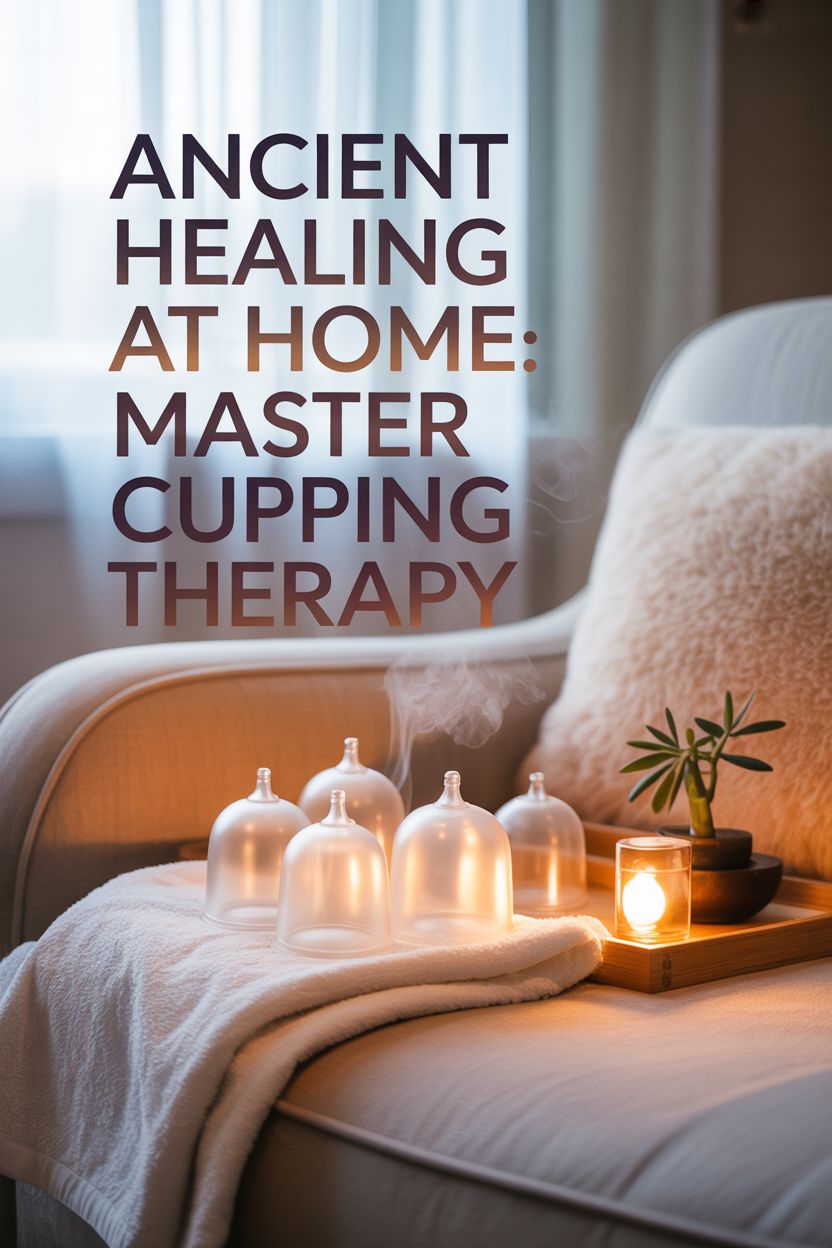
Cupping therapy has transformed from a fancy spa luxury to an accessible wellness practice you can do right in your own home. This ancient healing technique now lets you enjoy its benefits while relaxing in your living room. In this comprehensive guide, I’ll walk you through everything you need to know about performing cupping therapy safely at home without turning yourself into a human polka dot disaster.
What is Cupping Therapy? Understanding the Basics
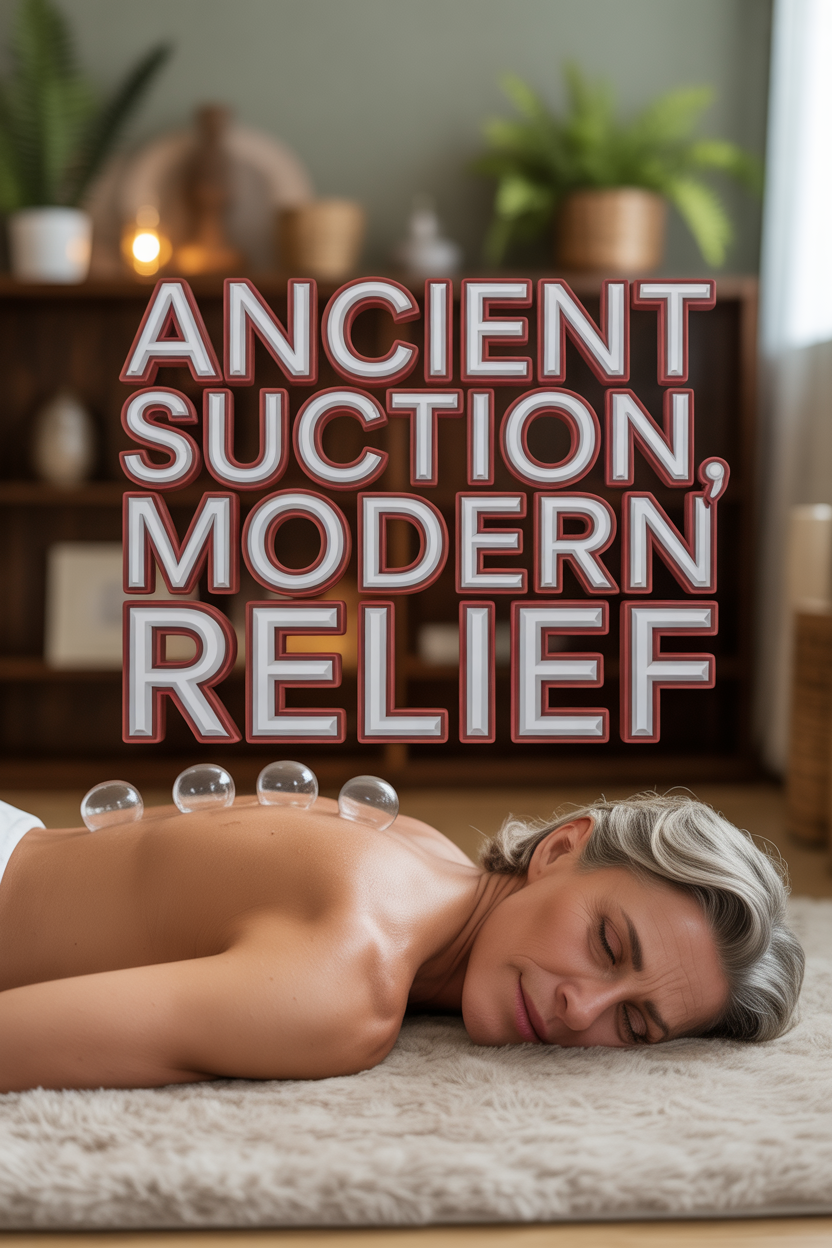
Cupping therapy is an ancient form of alternative medicine where special cups create suction on your skin. Think of it as a reverse massage—instead of pressing down, it’s pulling up! This therapeutic suction increases blood flow, which can help with pain, inflammation, circulation, and your overall wellness.
This practice has been around for thousands of years with roots in traditional Chinese medicine, ancient Egyptian, and Middle Eastern cultures. Back then, they used animal horns, bamboo, or ceramic cups. Today, we enjoy modern silicone, glass, or plastic cups specifically designed for home use.
The principle remains consistent throughout history: create a vacuum inside the cup, watch your skin get drawn upward, and enjoy increased circulation and natural healing benefits.
The Science Behind Cupping: How It Works in Your Body

While cupping might seem like an ancient mystical practice, modern science is beginning to explain its mechanisms. Here’s what happens under those cups:
- Increased blood circulation: The suction causes your capillaries to expand, bringing oxygen-rich blood to tissues.
- Fascial release: Cupping helps release adhesions in your fascia (the tissue wrapping your muscles), improving mobility.
- Pain modulation: The therapy triggers your body to release endorphins, providing natural pain relief.
- Inflammation response: The controlled microtrauma stimulates your body’s anti-inflammatory responses.
- Lymphatic drainage: The suction helps move stagnant lymph fluid, supporting detoxification and immune function.
These mechanisms explain why after a good cupping session, your muscles often feel relaxed and rejuvenated.
Benefits of Cupping Therapy You Can Experience at Home
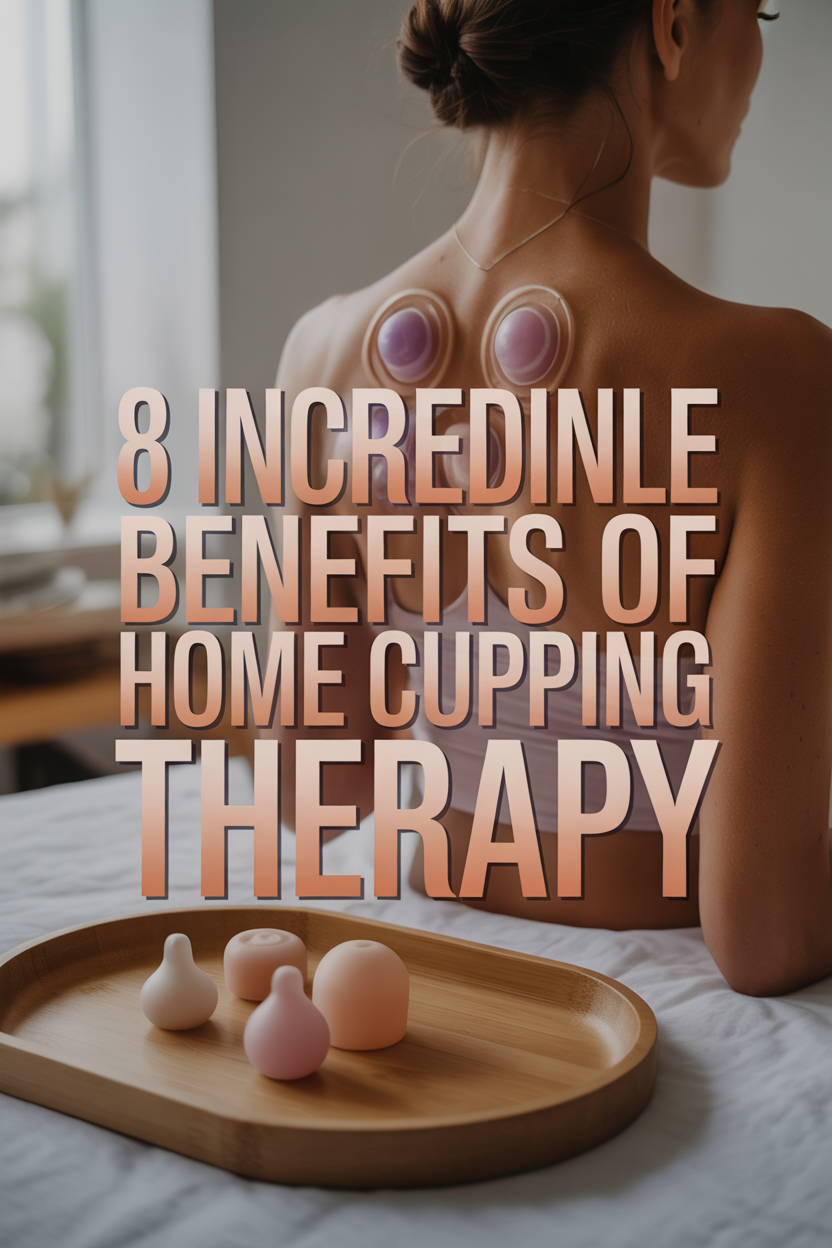
Cupping at home can provide numerous health benefits:
- Relief from muscle tension and soreness
- Reduction in back, neck, and shoulder pain from desk work
- Improved blood circulation to tissues
- Enhanced recovery after workouts
- Temporary relief from tension headaches
- Stress reduction
- Potential improvement in skin conditions like acne and cellulite
- Cost savings compared to professional treatments
- Convenience of treatment whenever you want
Many people find that regular at-home cupping becomes their personal self-care ritual—like having a spa day in the comfort of your own home.
Different Types of Cupping Sets: Choosing the Right Option for You
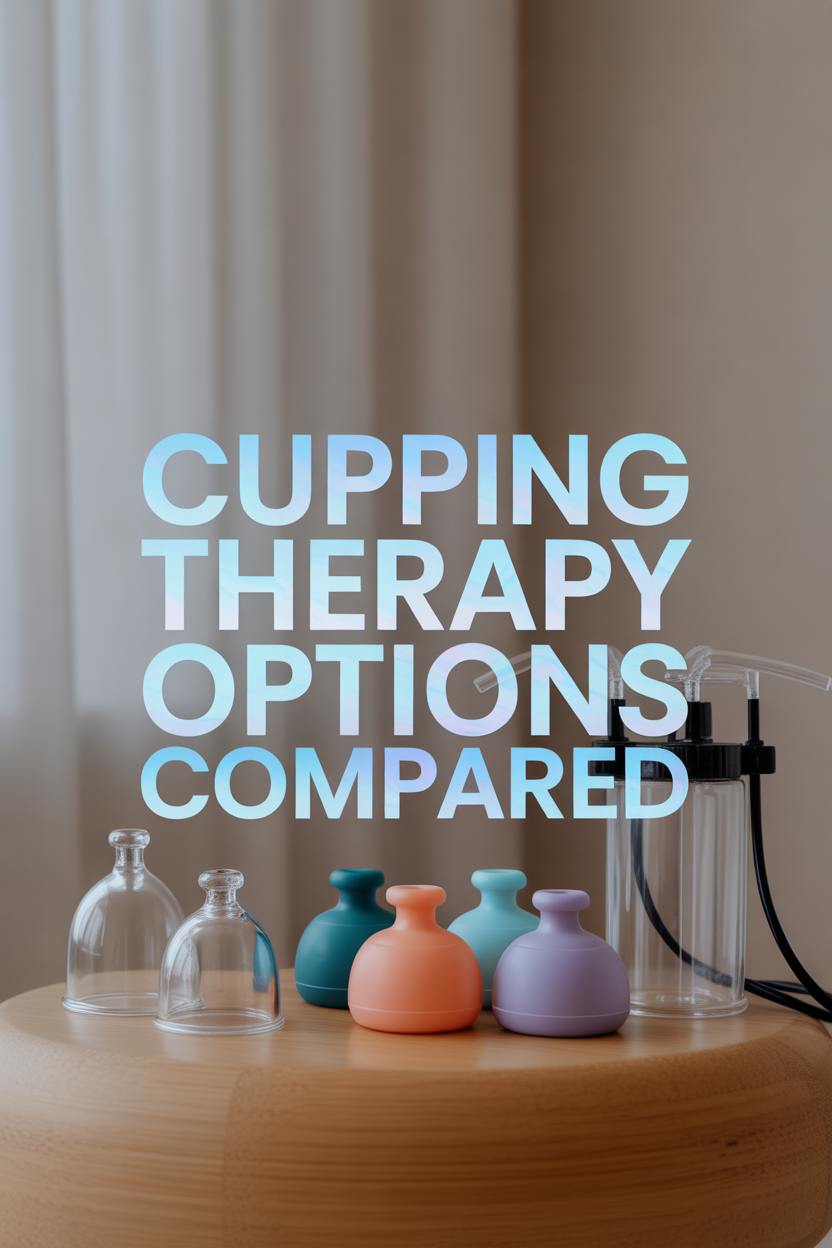
Each type of cupping set offers different benefits and challenges. Here’s a breakdown of your options:
Silicone Cups
Pros: Easy to use, flexible, fool-proof, no fire required, adjustable suction, washable and durable.
Cons: Not as powerful as traditional methods, can lose elasticity over time.
Best for: Beginners, self-application, facial cupping, and sensitive areas.
Glass Cups
Pros: Traditional method, powerful suction, transparent so you can see what’s happening, durable with proper care.
Cons: Requires fire for suction, risk of breaking, harder to use on yourself, steeper learning curve.
Best for: Experienced users, deeper tissue work, and traditionalists.
Plastic Cups
Pros: Affordable, lightweight, unbreakable, often comes with hand pumps for controlled suction.
Cons: Less environmentally friendly, may not last as long, sometimes creates less effective suction.
Best for: Budget-conscious beginners, travel kits, and those new to cupping.
For most home users, especially beginners, silicone cups are the most user-friendly option—forgiving, effective, and simple to use.
Essential Supplies for Your At-Home Cupping Kit
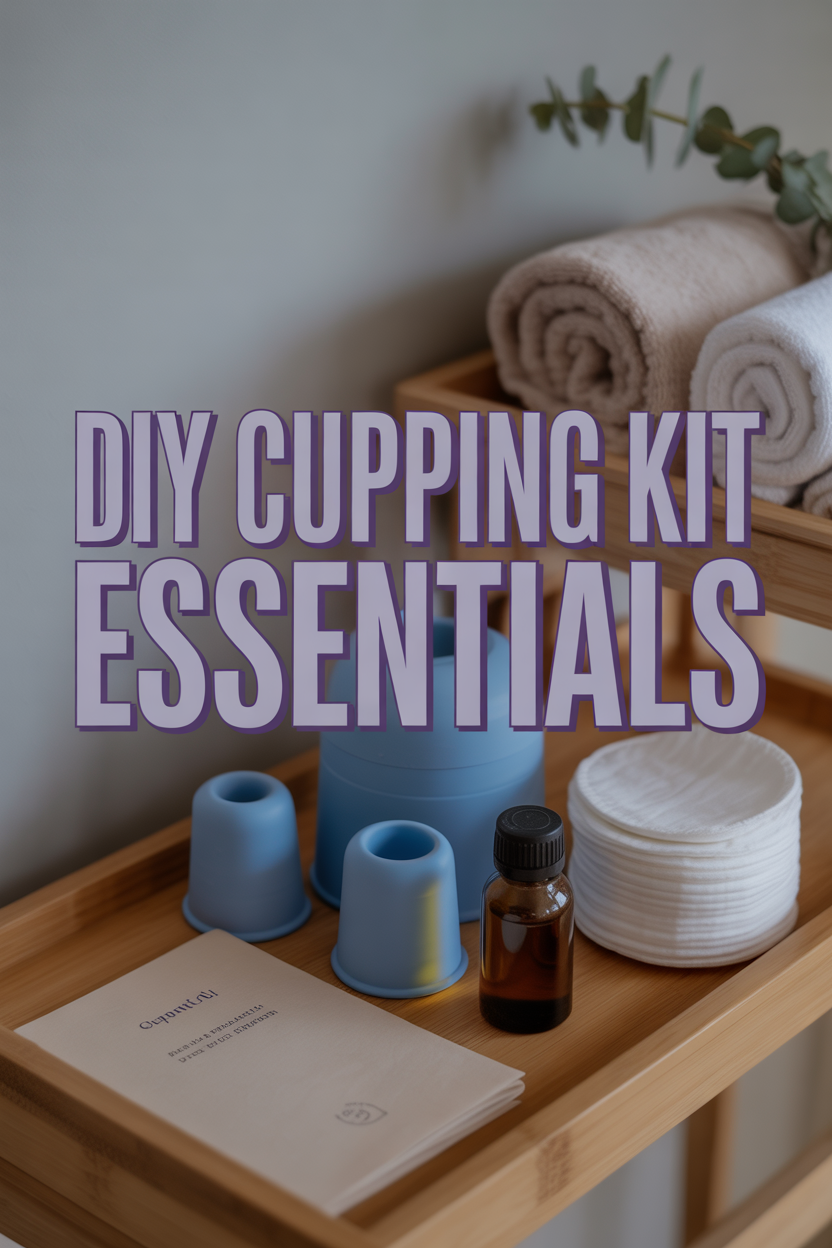
Here’s everything you’ll need for your cupping toolkit:
- Cupping set: A variety of sizes (small ones for detailed work, medium for most body areas, large for your back and thighs)
- Massage oil or lotion: Creates smooth movement and prevents uncomfortable skin dragging
- Cleaning supplies: Antibacterial soap or alcohol wipes to maintain proper hygiene
- Storage container: To keep your cups clean and dust-free
- Reference materials: Instructions or diagrams showing proper placement
If you’re attempting fire cupping, you’ll also need these additional items:
- Long-handled lighter or matches
- Cotton balls to hold the alcohol
- Alcohol in a safe container
- Heat-resistant surface
- Fire-safety equipment including water and fire extinguisher
For beginners, I recommend starting with a simple set of 4-6 silicone cups in different sizes for safety and ease of use.
Step-by-Step Guide to Performing Cupping Therapy Safely
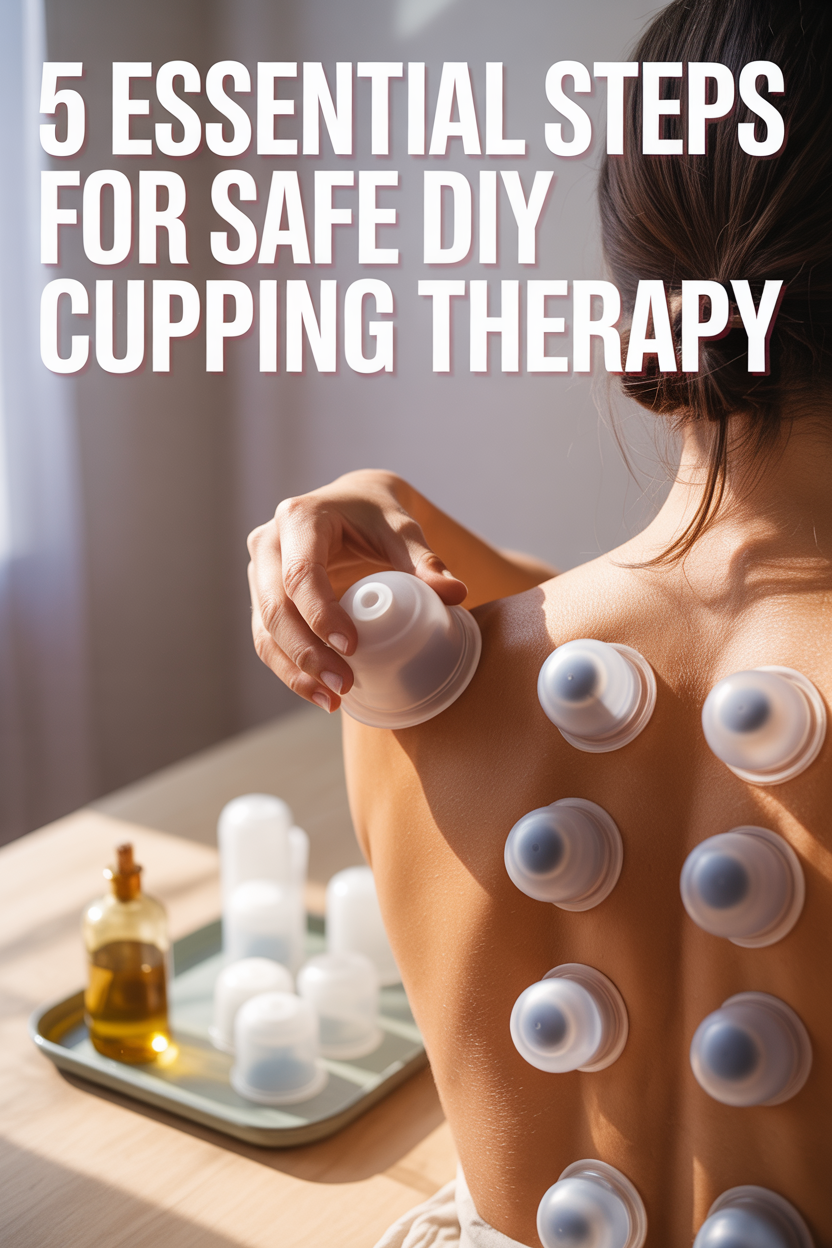
Follow these steps for a safe and effective cupping session:
- Prepare your space: Choose a comfortable, warm room where you won’t be interrupted. Have all supplies within reach.
- Clean your cups: Wash thoroughly with warm, soapy water or wipe with alcohol before each use.
- Apply massage oil: Spread a thin layer of oil on the treatment area for smooth cup movement.
- Position yourself: For self-application, make sure you can reach the treatment area comfortably.
- Create appropriate suction:
- For silicone cups: Squeeze the cup, place it on the oiled skin, and release slowly.
- For pump cups: Place on skin and use the attached pump, starting with just 1-2 pumps.
- For fire cupping (advanced users only): Follow proper fire cupping technique with extreme caution.
- Monitor sensation: You should feel a pulling sensation that’s noticeable but not painful.
- Time your session: Start with just 5-10 minutes for beginners.
- Remove cups safely: Press skin next to the cup edge to break the vacuum seal before removing.
- Post-cupping care: Gently massage the treated area and stay hydrated.
Remember to start gently and gradually build intensity as you become more experienced with the technique.
Best Body Areas for Self-Administered Cupping
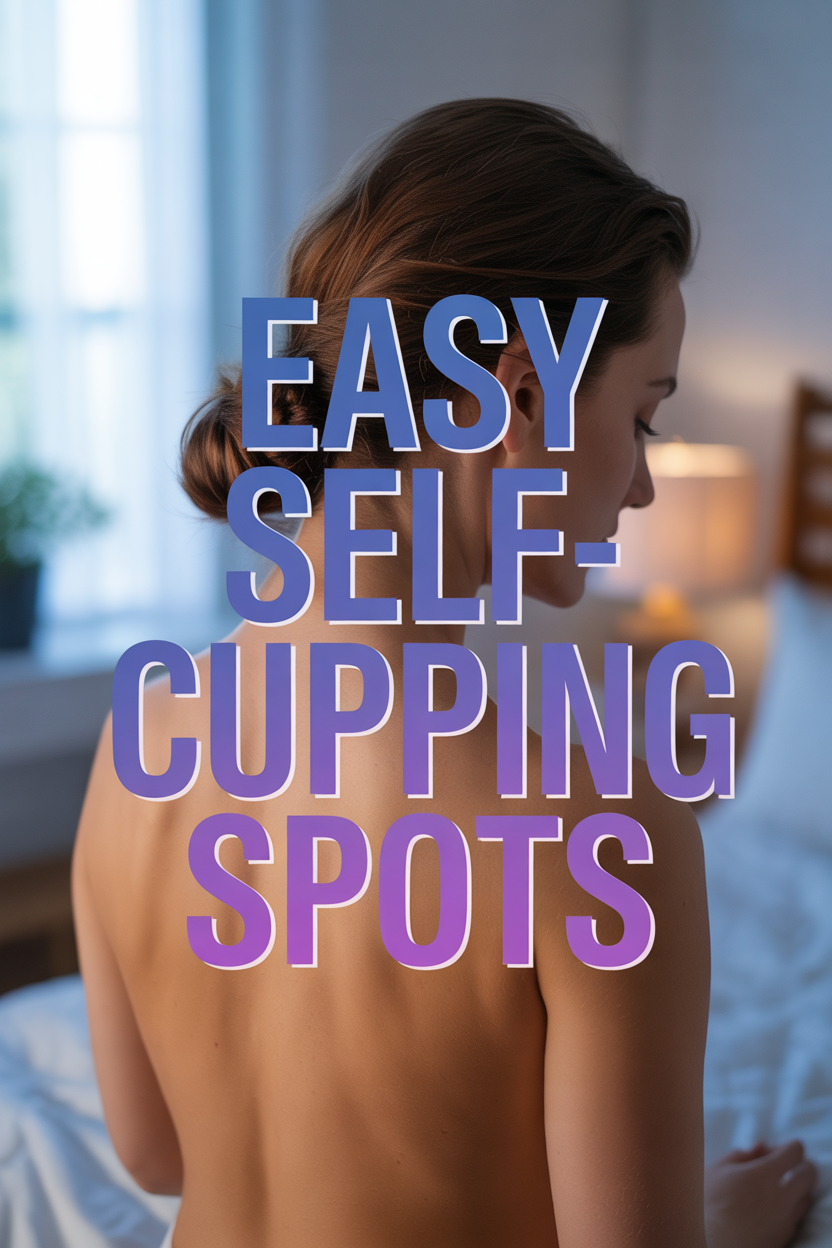
Some areas are easier to cup yourself than others:
- Upper back and shoulders: Perfect for computer-related tension. Place cups on the fleshy areas between spine and shoulder blades.
- Lower back: Great for addressing chronic low back pain. Focus on the muscular areas on either side of the spine.
- Thighs: Both front and back respond well to cupping and are easy to reach.
- Calves: Excellent for addressing exercise-related soreness or tension from high heels.
- Forearms: Perfect for relieving tension from repetitive movements like typing and texting.
- Face: Use only specially designed small facial cups with very light suction.
Areas to avoid or approach with extreme caution:
- Directly over your spine
- Areas with varicose veins
- Your neck, especially the front
- Any injured areas
- Places with skin issues, rashes, or sunburns
For hard-to-reach middle back areas, either develop good flexibility, ask a trusted partner for help, or invest in tools with handles.
How to Create the Perfect Suction
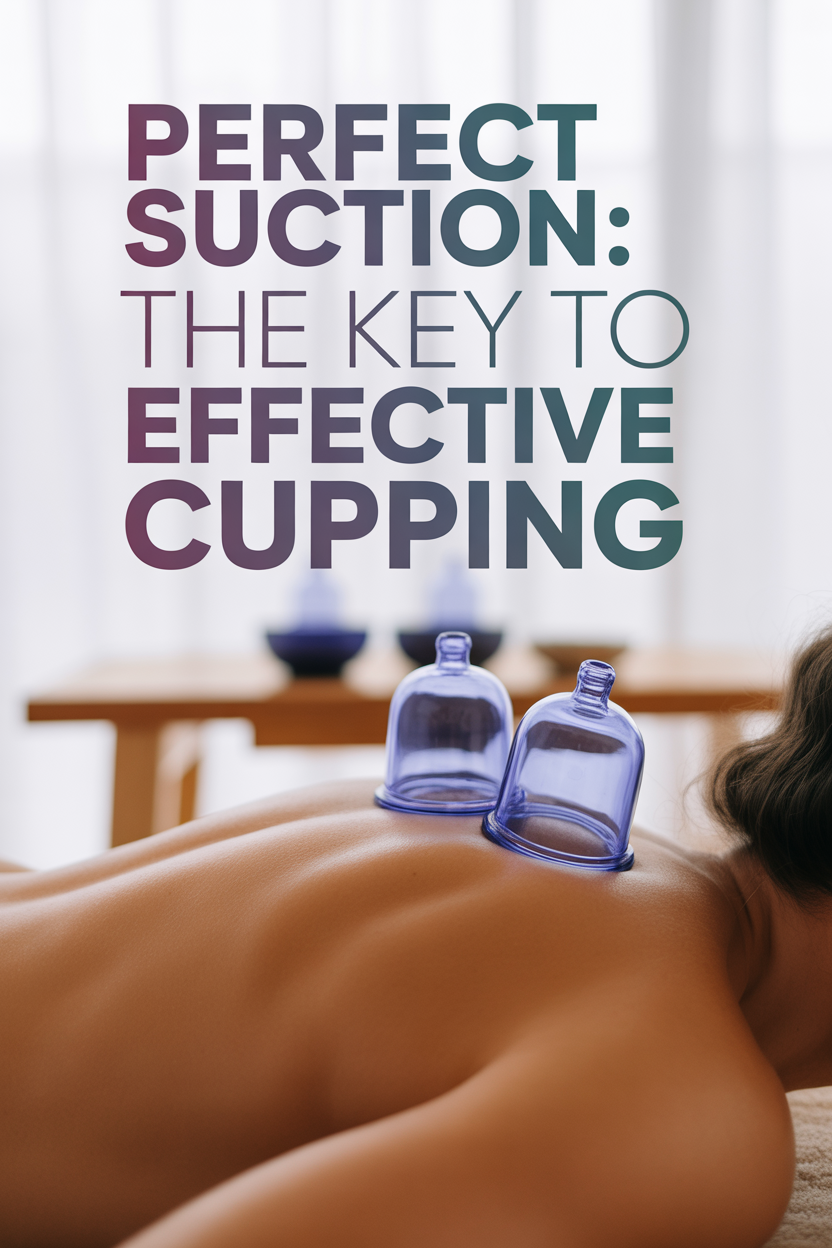
Creating appropriate suction is crucial for effective and safe cupping:
- Start with minimal pressure: Begin with the lightest possible suction, especially as a beginner.
- Implement gradual increases: As you gain experience, you can carefully increase intensity.
- Monitor skin response: Skin should rise gently into the cup—about 1/4 to 1/2 inch elevation is ideal.
- Adjust based on sensation: You should feel a pulling sensation that’s firm but not painful.
- Consider tissue type: Use lighter suction on areas with less padding and stronger suction on fleshier areas.
For silicone cups, the less you squeeze before placement, the gentler the suction. For pump cups, count each pump and start with just 1-2 pumps until you understand how your body responds.
Common Mistakes to Avoid When Cupping at Home
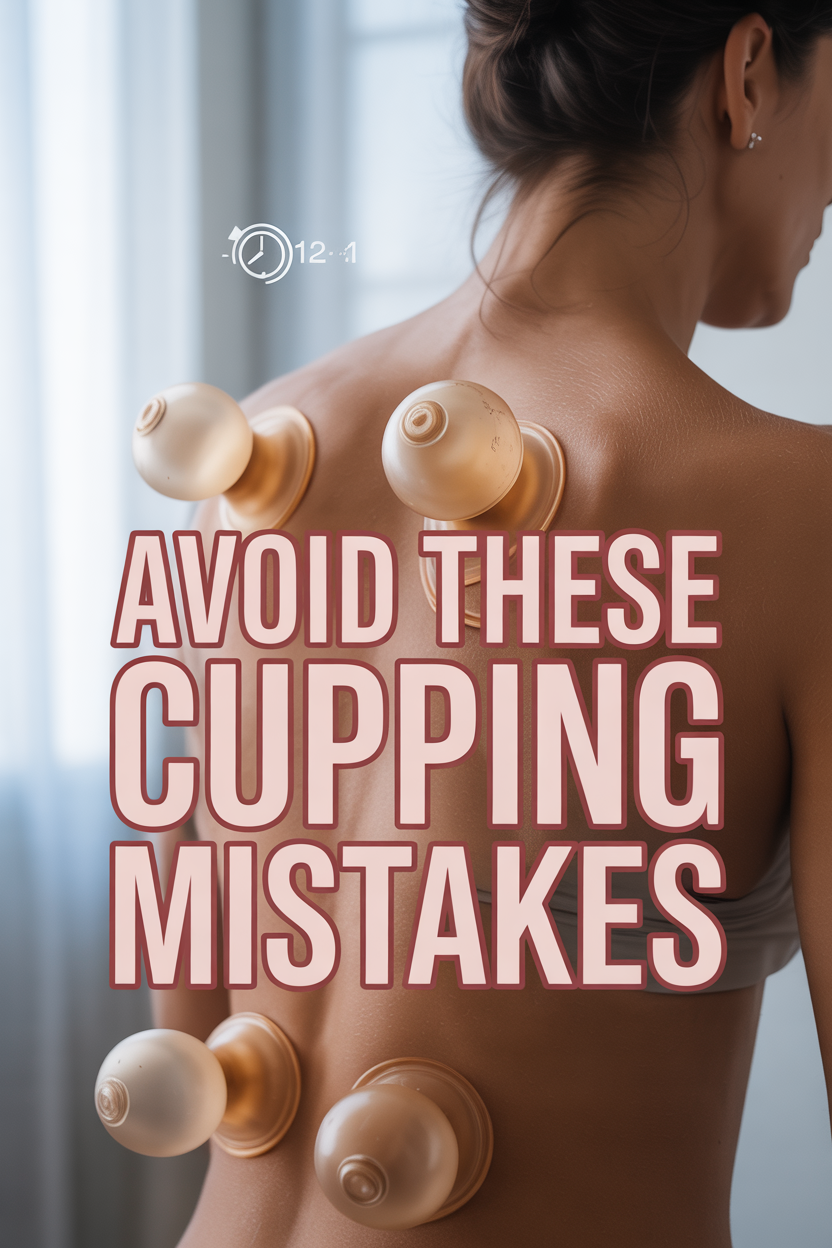
Steer clear of these common cupping errors:
- Excessive suction pressure: Creating too much vacuum can cause unnecessary pain and excessive bruising.
- Leaving cups on too long: More than 15-20 minutes increases risk of excessive marking and discomfort.
- Improper cup removal technique: Always break the seal before removing cups to prevent skin damage.
- Cupping over inappropriate areas: Avoid bony areas, varicose veins, and sensitive regions.
- Ignoring medical contraindications: Respect health conditions that make cupping inadvisable.
- Insufficient cleaning protocols: Always clean cups thoroughly before and after use.
- Cupping on an empty stomach: This can lead to dizziness and discomfort.
- Expecting immediate miracle results: Understand that benefits often develop gradually with consistent practice.
Take time to learn proper technique through reputable sources before attempting home cupping therapy.
Understanding Cupping Marks: What’s Normal vs. When to Worry
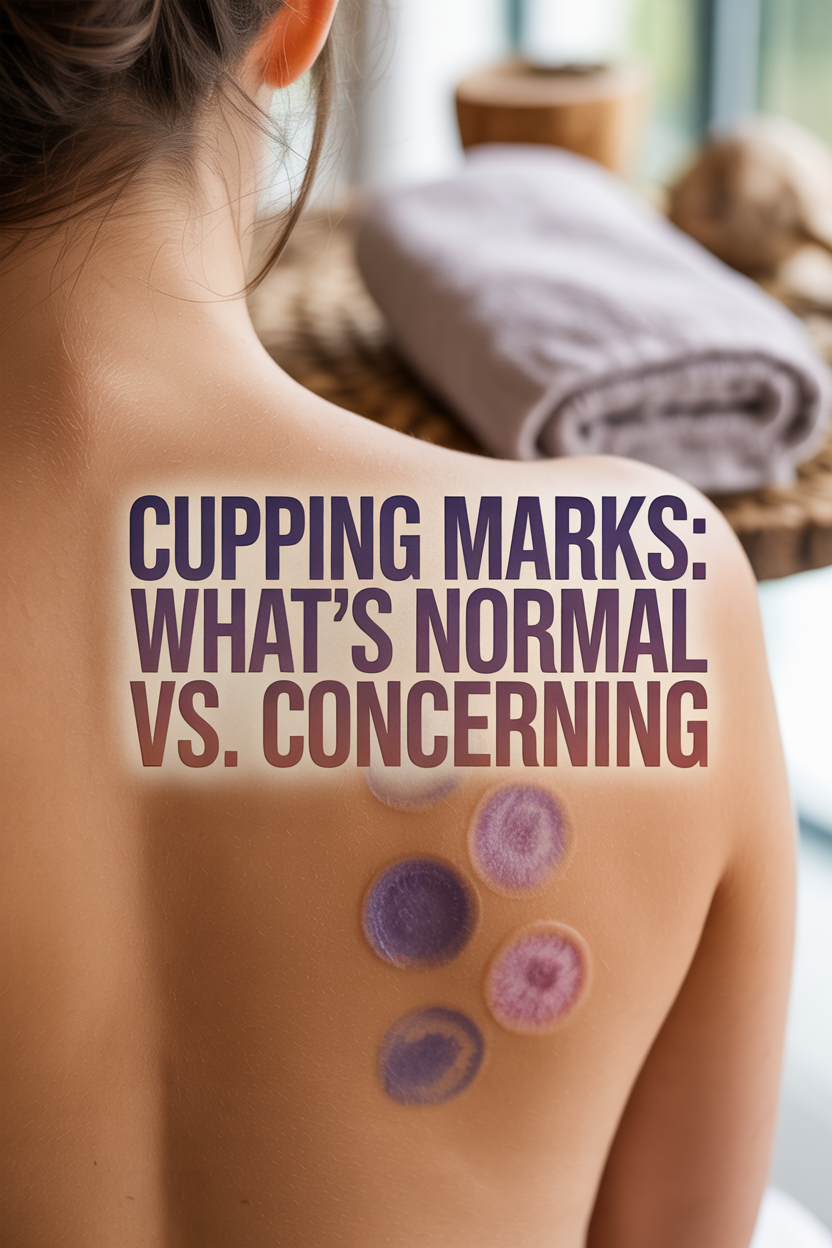
Those circular marks after cupping can be confusing—here’s what to know:
Normal cupping marks include:
- Circular discolorations ranging from light pink to dark purple
- Marks that fade gradually within 3-10 days
- Cupping sites that feel slightly tender but not painful after cup removal
- Even coloration within the circular area
When to be concerned and possibly consult a doctor:
- Blistering or skin breakage
- Marks lasting longer than two weeks
- Significant pain during or after treatment
- Signs of infection (increased warmth, swelling, pus)
- Excessive bruising that’s spreading beyond cup placement areas
In traditional Chinese medicine, darker marks supposedly indicate greater “stagnation” in that area. However, mark color varies based on many factors including skin type, circulation, hydration levels, and individual tendency to bruise.
Complementary Practices to Enhance Your Cupping Results
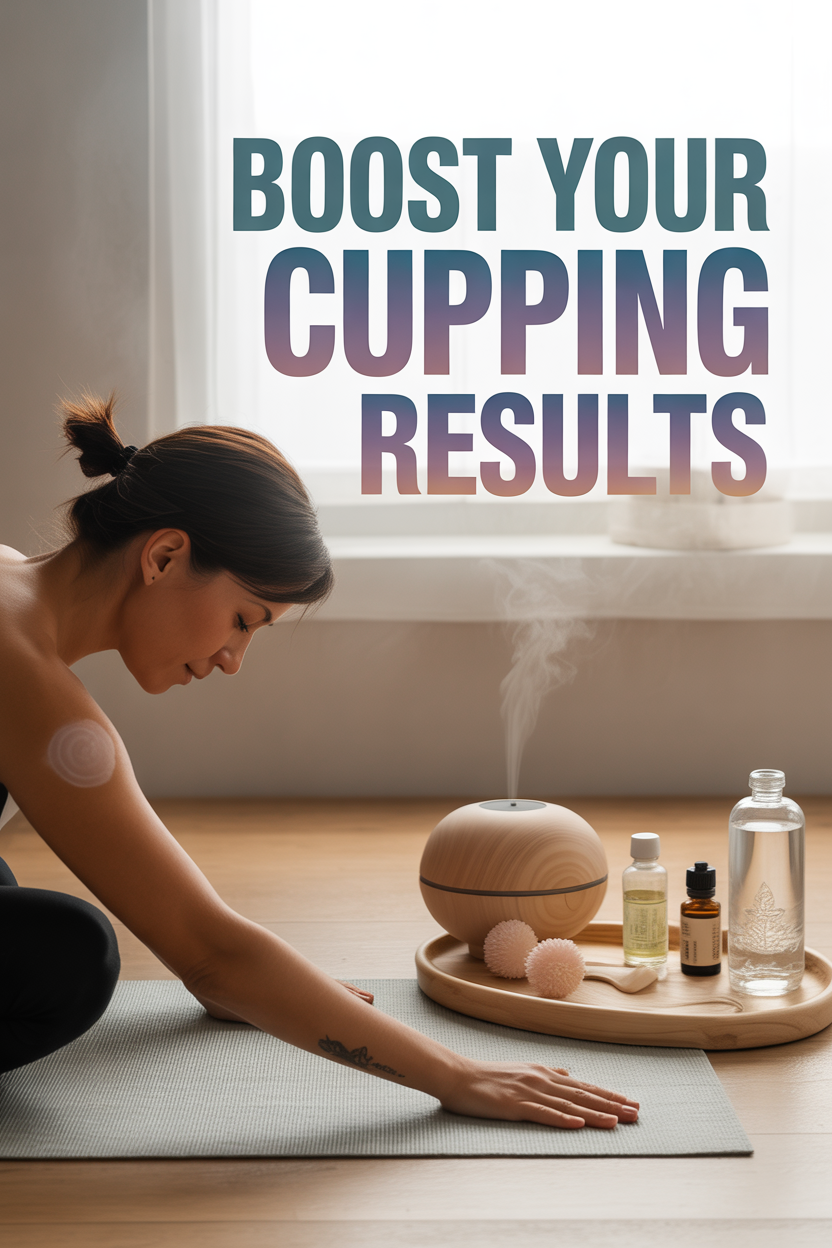
Combine cupping therapy with these complementary practices for maximum benefits:
- Gentle stretching: Perform stretches before and after cupping to prepare muscles and enhance results.
- Hydrotherapy contrast: Take warm showers before cupping to relax muscles, then cool showers after to reduce inflammation.
- Gua sha techniques: This scraping technique works synergistically with cupping for releasing tension.
- Therapeutic essential oils: Add appropriate oils to your massage oil for additional benefits.
- Deep breathing exercises: Practice mindful breathing during cupping to enhance relaxation.
- Optimal hydration: Drink plenty of water before and after to support detoxification processes.
- Heat therapy: Using heating pads before cupping helps prepare muscles for treatment.
- Self-massage techniques: Gentle massage after removing cups helps distribute blood flow.
Creating a holistic self-care routine where cupping works alongside these complementary practices often produces the best results.
Recommended Frequency: How Often Should You Cup?
Finding the right cupping frequency depends on your goals and body’s response:
- For maintenance and general wellness: Once every 1-2 weeks
- For specific pain or tension: 2-3 times per week until improvement, then reduce frequency
- For athletic recovery: After intense workouts, 1-3 times weekly
- For facial rejuvenation: 2-3 times per week with specialized facial cups
Important guidelines for your cupping schedule:
- Allow skin to fully recover between sessions
- Listen to your body’s responses and adjust accordingly
- Start with less frequent sessions and increase gradually
- Consider seasonal factors that may affect your body’s response
Consistent, appropriate sessions typically yield better results than overdoing it. Quality matters more than quantity when it comes to cupping therapy.
Addressing Specific Issues with Targeted Cupping Techniques
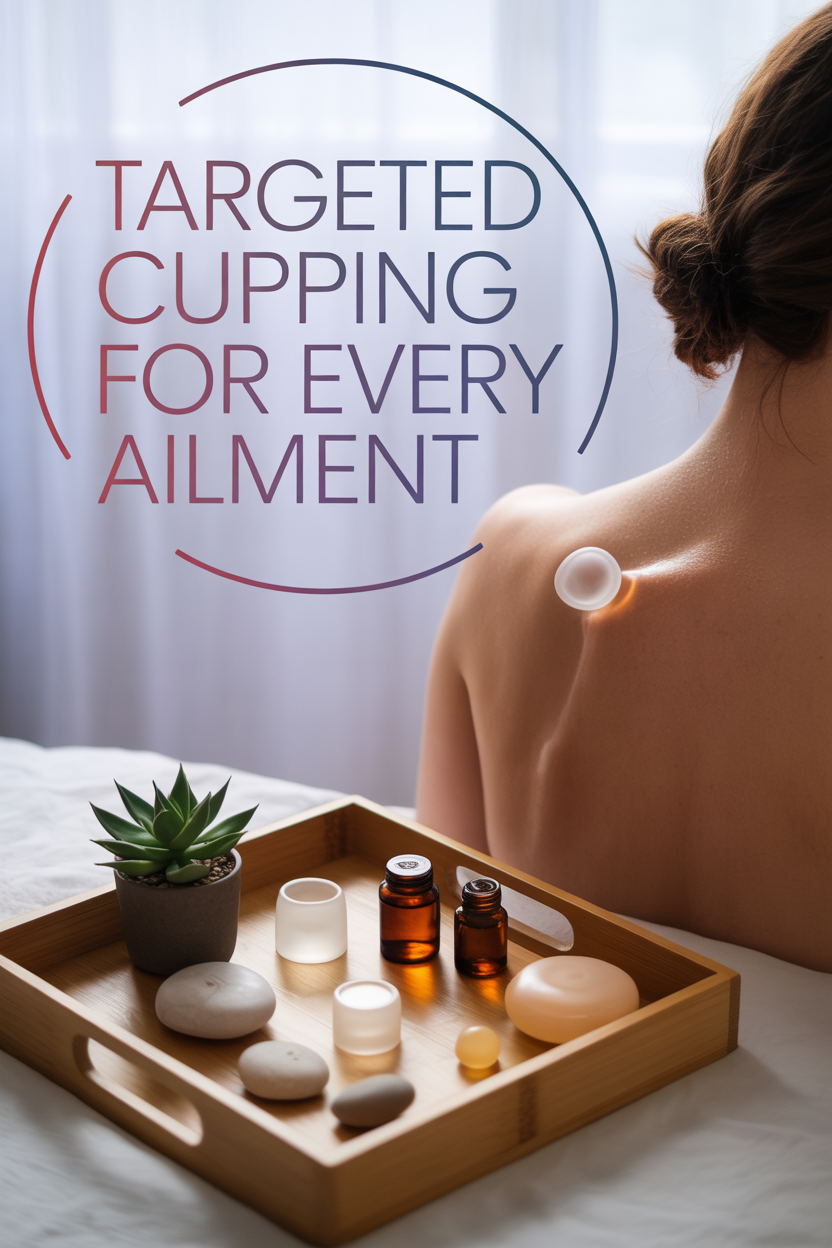
Different cupping approaches can address specific health concerns:
For muscle tension and knots:
Use static cupping for 5-10 minutes over the tightest areas. Focus on shoulders and upper back where tension commonly accumulates.
For improved circulation:
Try flash cupping (quickly placing and removing cups) or sliding cupping (moving well-lubricated cups across skin).
For headache and migraine relief:
Place small cups at the base of your skull and upper shoulders where tension often contributes to headaches.
For digestive comfort:
Apply gentle moving cups across the abdomen in clockwise circles to support digestive function.
For respiratory congestion:
Cup the upper back between shoulder blades to help loosen congestion and support respiratory function.
For facial rejuvenation:
Use tiny silicone facial cups with the lightest possible suction, moving continuously to promote circulation without causing marks.
Research specific protocols for your particular concerns, or consult with a professional for personalized guidance.
When to Skip Cupping: Contraindications and Precautions
There are times when cupping therapy should be avoided. Skip cupping if you have:
- Open wounds or skin infections
- Severe skin conditions in the treatment area
- Cancer diagnosis (especially during treatments)
- Blood disorders or if you’re taking blood thinners
- Fever or active infection
- Recent surgery (wait at least 8 weeks)
- Pregnancy (especially on abdomen and lower back)
- History of blood clots
- Severe heart conditions
- Organ failure
- Acute injuries in the treatment area
Use extra caution if you have:
- Diabetes
- Varicose veins
- Very thin or sensitive skin
- History of excessive bruising
- Sunburn or recent skin treatments
When in doubt, always consult with a healthcare provider before attempting cupping therapy.
Tracking Your Progress: What Improvements to Look For
Keep track of your cupping results by monitoring these factors:
- Physical improvements: Record pain levels before and after sessions to track relief patterns.
- Recovery patterns: Note how quickly your body recovers from physical activities.
- Energy level changes: Track improvements in fatigue and overall energy.
- Sleep quality indicators: Monitor sleep improvements following regular cupping sessions.
- Stress response patterns: Observe changes in how your body holds and releases tension.
- Cupping mark changes: Document how marks evolve over time as your circulation improves.
Take “before” photos or detailed notes so you can objectively assess changes. Be patient—while relaxation may be immediate, many deeper benefits develop gradually over time with consistent practice.
Remember that cupping works best alongside other good habits like proper nutrition, regular exercise, stress management, and adequate rest. It’s one valuable tool in your complete wellness toolkit.