
Illuminating Relief: How Red Light Therapy Is Revolutionizing Inflammation Treatment
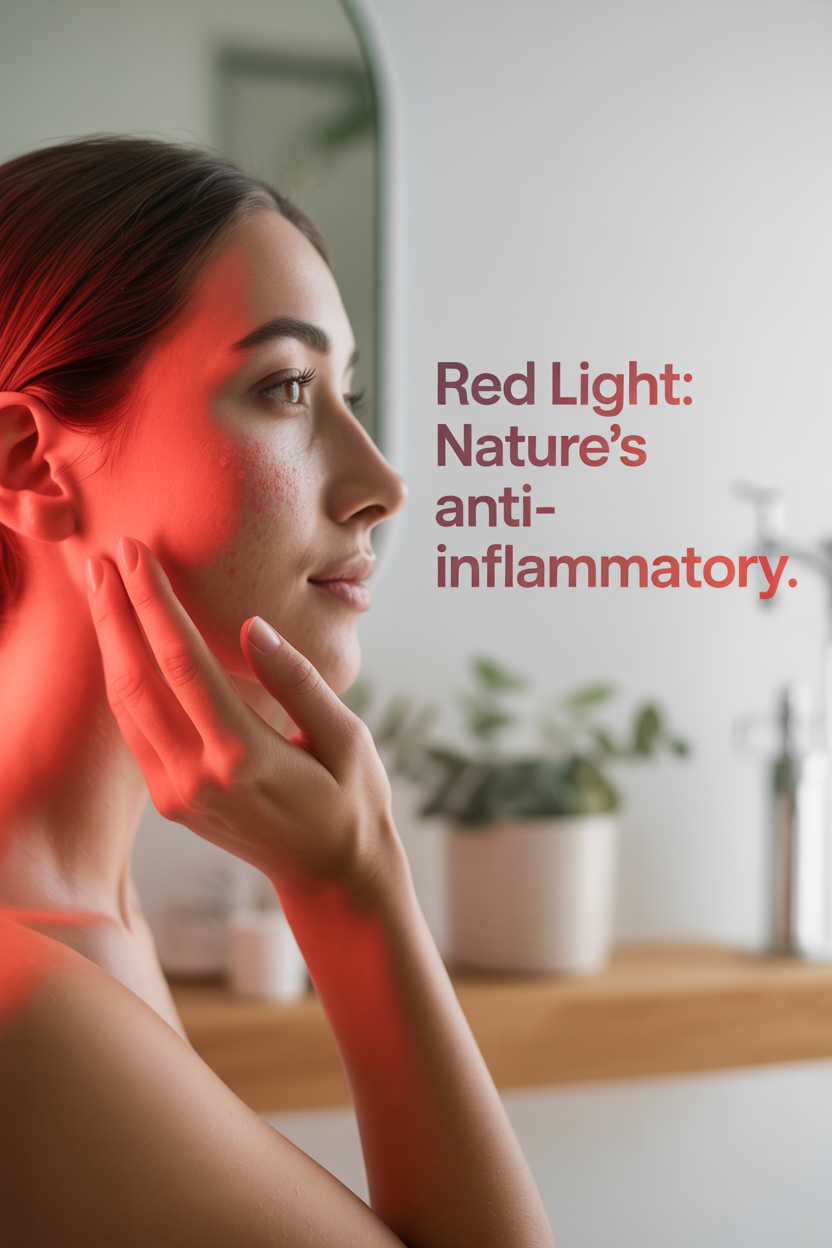
Red Light Therapy for Inflammation: A Comprehensive Guide

Inflammation is our body’s natural response to injury or infection. But when that helpful response refuses to stop, problems arise. Red light therapy offers a modern, non-invasive approach to fighting persistent inflammation. This science-backed treatment allows you to reduce inflammation while simply basking in a warm, healing glow.
The Science Behind Red Light Therapy

Red light therapy (also called photobiomodulation) uses specific wavelengths of red and near-infrared light (630-850nm) to penetrate skin and tissues. Unlike harmful UV rays, these gentle wavelengths don’t damage cells – they energize them.
The light beams reach your mitochondria, the cellular powerhouses, where they boost energy production through improved ATP synthesis. This gives each cell an energy boost, triggering healing responses and reducing oxidative stress – a major contributor to chronic inflammation and pain.
Understanding Inflammation: When Protection Becomes the Problem

Inflammation is your body’s security system rushing to address threats. When functioning properly, acute inflammation brings blood flow, activates immune cells, and releases chemicals to eliminate threats and repair damaged tissue.
The trouble starts when inflammation becomes chronic. This persistent inflammatory response can damage healthy tissues and contribute to numerous health problems including:
- Arthritis and joint pain
- Cardiovascular disease
- Autoimmune disorders
- Neurodegenerative conditions
- Chronic skin conditions
- Metabolic disorders
Managing inflammation effectively isn’t just about comfort – it’s crucial for recovery and preventing chronic health issues.
How Red Light Therapy Fights Inflammation

Red light therapy combats inflammation through several powerful mechanisms:
Reduced oxidative stress: It decreases reactive oxygen species (ROS) that damage cells.
Balanced cytokine production: It helps regulate pro-inflammatory and anti-inflammatory signals, creating better balance.
Enhanced circulation: Improved microcirculation delivers more oxygen and nutrients to inflamed tissues while removing waste products.
Accelerated healing: By boosting cellular energy, recovery gets fast-tracked, shortening the inflammatory phase of healing.
Improved mitochondrial function: Healthier mitochondria create better cellular function and resistance against inflammatory triggers.
Unlike many pharmaceutical approaches that suppress immune function, red light therapy creates an anti-inflammatory response without compromising your body’s ability to fight infections.
Clinical Evidence Supporting Red Light Therapy

The research backing red light therapy for inflammation continues to grow impressively:
A 2019 meta-analysis in the Journal of Inflammation Research examined 48 clinical trials and found significant reductions in inflammatory markers following red light therapy treatments.
A 2022 randomized controlled trial showed patients with inflammatory conditions who received red light therapy had a 31% greater reduction in C-reactive protein (a key inflammation marker) compared to control groups.
Laboratory studies consistently show that red light therapy reduces inflammatory compounds like IL-6 and TNF-alpha while boosting anti-inflammatory messengers like IL-10.
While more research is always beneficial, existing evidence strongly suggests red light therapy provides meaningful anti-inflammatory benefits with minimal side effects.
Red Light vs. Traditional Inflammation Treatments

Unlike conventional anti-inflammatory approaches, red light therapy offers several distinct advantages:
You can use red light therapy either as your primary inflammation-fighting tool for mild to moderate issues, or as a complementary therapy alongside conventional treatments for more severe inflammatory conditions.
Compared to NSAIDs and other anti-inflammatory medications, red light therapy doesn’t cause gastric irritation, increase cardiovascular risks, or burden your liver and kidneys. It works locally without systemic side effects.
For those seeking non-pharmaceutical options, red light therapy provides an evidence-based alternative that doesn’t rely on medication or invasive procedures.
Arthritis and Joint Inflammation Relief

Arthritis affects millions worldwide, causing painful joint inflammation and stiffness. Red light therapy has shown promising results without medication side effects.
For osteoarthritis, red light therapy helps by:
- Reducing inflammation in the synovial membrane
- Slowing cartilage degradation
- Improving circulation to joint tissues
- Relieving pain through endorphin release and nerve modulation
For rheumatoid arthritis, research suggests red light therapy may help moderate overactive immune responses while providing relief without compromising immune function.
A 2021 systematic review found patients with knee osteoarthritis experienced an average 22% reduction in pain and 26% improvement in function after red light therapy treatments.
Faster Muscle Recovery After Exercise

Athletes and fitness enthusiasts are turning to red light therapy to address post-workout muscle soreness and inflammation.
Research shows red light therapy for muscle inflammation can:
- Reduce delayed onset muscle soreness (DOMS)
- Decrease creatine kinase levels (a marker of muscle damage)
- Speed up glycogen replenishment
- Accelerate muscle repair
- Improve performance in subsequent workouts
Studies with both recreational and elite athletes show that red light therapy applied before or after intense exercise can reduce recovery time by up to 40% compared to placebo treatments.
Calming Skin Inflammation Naturally

Inflammatory skin conditions respond particularly well to red light therapy because the light can directly reach affected tissues. Conditions showing impressive benefits include:
Psoriasis: Red light therapy slows rapid cell turnover and reduces the inflammatory cascade driving flaky plaques, without the side effects of conventional treatments.
Eczema: By modulating immune responses in the skin, red light therapy reduces itching, redness, and flare frequency, helping break the persistent itch-scratch cycle.
Acne: Red light reduces inflammation and oil production while blue light (often used in combination) targets acne-causing bacteria for a comprehensive approach.
Rosacea: The anti-inflammatory and vessel-normalizing effects help reduce persistent facial redness and flushing.
Dermatological studies show that 8-12 weeks of consistent red light therapy typically produces visible improvements in inflammatory skin conditions with minimal side effects.
Addressing Neuroinflammation

The newest frontier in red light therapy research is addressing neuroinflammation—inflammatory processes in the brain and nervous system that contribute to conditions like:
- Traumatic brain injury
- Stroke recovery
- Neurodegenerative diseases
- Depression and anxiety
- Chronic pain syndromes
Specific wavelengths of red and near-infrared light can penetrate the skull to reach brain tissue and potentially reduce inflammatory markers contributing to cognitive decline and neurological symptoms.
While human research continues to develop, animal studies show promising reductions in brain inflammation and improved cognitive function after red light therapy. Several clinical trials are currently investigating applications for traumatic brain injury and neurodegenerative conditions.
Finding the Right Wavelengths and Dosages

Optimal wavelengths for inflammation reduction:
- 630-660nm (red): Effective for surface inflammation like skin issues
- 810-850nm (near-infrared): Penetrates deeper to reach joints, muscles, and internal tissues
Important dosage factors:
- Energy density (typically 4-60 J/cm²)
- Treatment duration (usually 3-20 minutes per area)
- Distance from light source
- Treatment frequency (often daily for acute inflammation, 2-3 times weekly for maintenance)
Interestingly, research shows a biphasic dose response—meaning more isn’t always better. Optimal anti-inflammatory effects occur within specific therapeutic windows that vary by condition. Finding the right balance is key to effectiveness.
Professional vs. Home Devices

When exploring red light therapy for inflammation, you’ll need to choose between professional treatments or home devices:
Professional devices offer:
- Higher power output
- Larger treatment areas
- Professional calibration
- Expert assessment
- Higher cost per session ($30-150)
Home devices provide:
- Lower long-term cost ($200-2000 initial investment)
- Convenience of daily use
- Smaller treatment areas
- Variable quality between brands
- Perfect for consistent, long-term use in chronic conditions
For serious inflammatory issues, consider starting with professional treatments to see if your body responds well before investing in home equipment. For maintenance or mild inflammation, quality home devices can be cost-effective for long-term use.
Creating an Effective Anti-Inflammatory Light Routine

For optimal results with red light therapy:
Maintain consistency: Establish a regular schedule based on your device and condition for best results.
Position correctly: Place the device at the recommended distance (usually 6-12 inches) for optimal light penetration.
Expose treatment areas: Remove clothing from treatment areas to allow maximum light penetration.
Time it right: For muscle recovery, use immediately after exercise; for chronic conditions, maintain consistent daily timing.
Track your progress: Keep notes on symptoms, pain levels, and changes to monitor effectiveness.
Be patient: While some effects happen quickly, the most significant benefits typically develop over 4-12 weeks of consistent use.
Many users find morning treatments energizing while evening sessions support recovery during sleep when inflammation often increases.
Safety Considerations

Red light therapy for inflammation is generally very safe, but be aware of:
Potential mild side effects:
- Temporary skin redness
- Mild eye discomfort (protective goggles recommended)
- Occasional headache in sensitive individuals
- Temporary fatigue as inflammation resolves
Use caution if you are:
- Taking photosensitizing medications
- Recently received steroid injections in treatment areas
- Pregnant (limited research, though no known risks)
- Dealing with active cancer in treatment areas
- Have epilepsy if using pulsed settings
Always start with shorter sessions to see how your body responds. Consult healthcare providers before treating serious inflammatory conditions, especially if you have underlying health concerns.
Combining Red Light With Other Anti-Inflammatory Approaches

Red light therapy works best as part of a comprehensive inflammation-fighting strategy. Powerful combinations include:
Anti-inflammatory nutrition: Diets rich in omega-3s, antioxidants, and polyphenols enhance red light therapy’s effects.
Regular movement: Appropriate exercise reduces systemic inflammation and improves circulation, complementing light therapy benefits.
Stress management: Meditation, breathing exercises, and adequate sleep help control stress-induced inflammation.
Targeted topicals: For skin inflammation, pair red light therapy with appropriate moisturizers or anti-inflammatory serums.
Temperature therapy: Alternating red light with cold treatments may enhance effects for acute injuries.
This multi-faceted approach addresses inflammation through different mechanisms for more comprehensive relief.
The Future of Red Light Therapy

Research into red light therapy continues to expand rapidly. Promising developments include:
- Wearable, flexible LED devices for targeting inflammation during daily activities
- AI-driven personalized protocols based on individual inflammatory patterns
- Combination devices integrating multiple wavelengths for enhanced effects
- Improved delivery systems for deeper penetration to reach internal inflammation
- Integration with health apps for tracking inflammatory markers over time
Ongoing clinical trials are investigating red light therapy for inflammatory conditions previously considered treatment-resistant, including autoimmune disorders, chronic fatigue syndrome, and long COVID-related inflammation.
As our understanding of inflammation’s role in disease continues to grow, red light therapy’s gentle approach to modulating these processes positions it as an increasingly important tool in modern healthcare.
Whether you’re dealing with arthritis pain, recovering from intense workouts, or managing a chronic inflammatory condition, red light therapy offers a promising approach with growing scientific support and minimal risk when properly applied.