
FlexBeam Red Light Therapy Review: Is This $549 Wearable Device Worth It for Muscle Recovery?
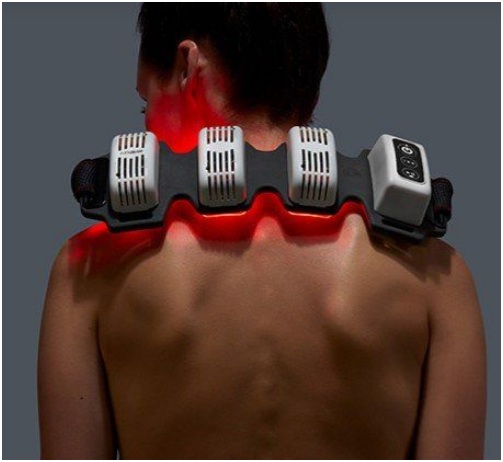
If you’ve ever wished you could take your red light therapy session with you to the gym, on a hike, or just wear it while watching TV, the FlexBeam might be exactly what you’ve been looking for. This isn’t your typical red light panel that requires you to sit perfectly still for 20 minutes – it’s a game-changing wearable device that’s reshaping how we think about phototherapy for muscle care.
After diving deep into this innovative device, I’m here to give you the complete picture of what the FlexBeam offers, where it shines, and where it might fall short of your expectations.
Product Overview: What Exactly Is the FlexBeam?
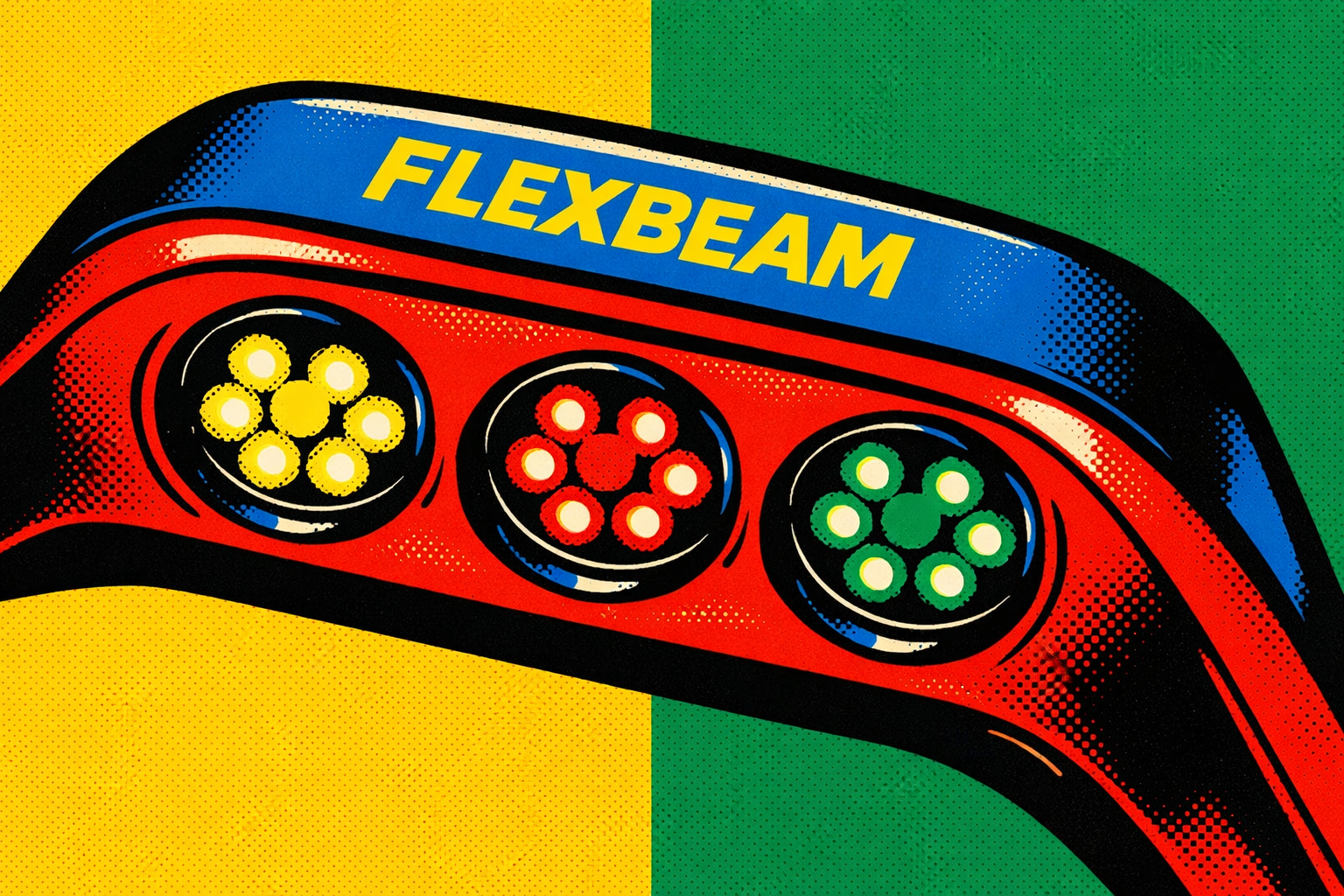
The FlexBeam is a portable, wearable red light therapy device created by Recharge Health that’s specifically designed for targeted muscle treatment and recovery. Think of it as red light therapy that moves with you – no more being tethered to a wall-mounted panel or having to schedule your life around stationary treatment sessions.
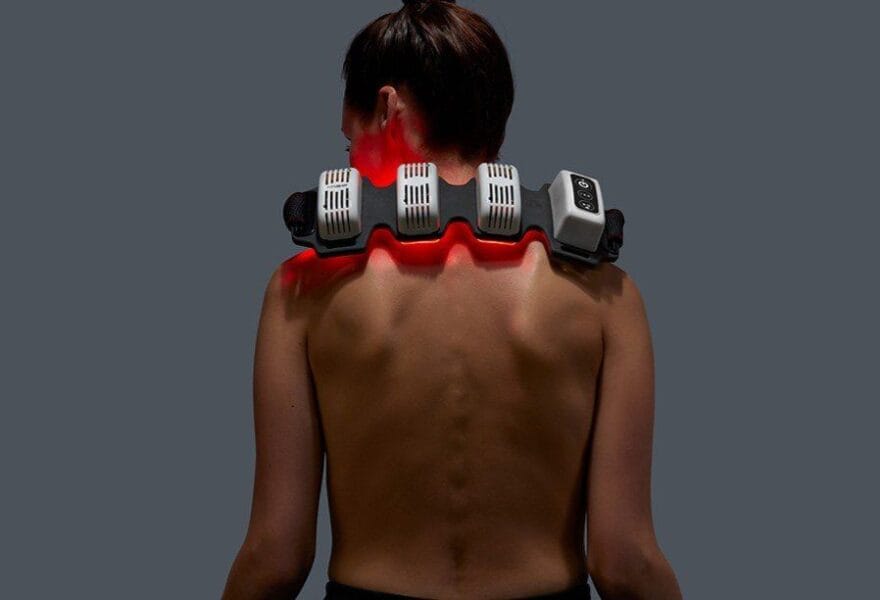
This FDA-cleared Class II medical device features three strategically placed light pods, each containing a combination of red and near-infrared LEDs. The device wraps around your body using adjustable velcro straps, allowing you to target specific areas like your lower back, knees, shoulders, or any muscle group that needs attention.
What sets the FlexBeam apart in the crowded red light therapy market is its focus on portability without sacrificing power. While most wearable light therapy devices are either too weak to be effective or too bulky to be practical, the FlexBeam aims to hit that sweet spot of being both powerful and genuinely portable.
Key Features Deep Dive
Impressive Power Output for a Portable Device
The FlexBeam packs a serious punch with its 5.5W total optical power output. To put this in perspective, many handheld red light devices struggle to deliver even 1W of power. Each of the three light pods contains two near-infrared LEDs (810-845nm) and one red LED (625-635nm), creating a therapeutic light cocktail that penetrates deep into muscle tissue.
The near-infrared wavelengths are particularly important here because they can penetrate up to 2-3 inches into your body, reaching deep muscle fibers and potentially promoting cellular repair at the mitochondrial level. The red wavelengths work closer to the surface, potentially helping with circulation and surface-level inflammation.
Thoughtful Wearable Design

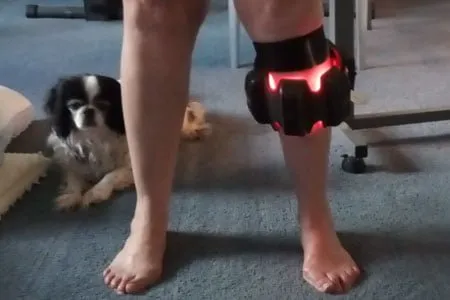
What immediately strikes you about the FlexBeam is how much thought went into making it actually wearable. The device has a contoured, flexible design that conforms to your body’s natural curves. Whether you’re wrapping it around your knee, lower back, or shoulder, it doesn’t feel like you’re strapping on some clunky piece of medical equipment.
The three velcro straps are adjustable and come in different sizes to accommodate various body types and treatment areas. I particularly appreciate that you can position the device and then move around – something that’s impossible with traditional red light panels.
Premium Build Quality and Materials
From the moment you unbox the FlexBeam, it’s clear this isn’t a cheaply made device. lighttherapyinsiders.com notes that the packaging itself feels premium, with organized compartments and detailed documentation that’s rare in the red light therapy space.
The device feels solid in your hands without being overly heavy. The materials have a medical-grade feel to them, and the LED arrangement looks professional rather than like something cobbled together in a garage. This attention to build quality gives you confidence that the device will hold up to regular use.
Comprehensive Educational Materials
One of the most impressive aspects of the FlexBeam package is the extensive manual and educational materials included. Unlike many red light devices that come with a single-page instruction sheet, the FlexBeam includes detailed explanations of the science behind red light therapy, specific applications for different conditions, and historical context about phototherapy.
This educational component is particularly valuable for newcomers to red light therapy who want to understand not just how to use the device, but why it works. The materials cover topics like immune function, recovery protocols, and joint health applications.
Hands-On Experience: Real-World Performance

Daily Use Scenarios
Using the FlexBeam feels refreshingly different from traditional red light therapy. Instead of scheduling a specific time to sit in front of a panel, you can strap on the FlexBeam and continue with your day. I found it particularly useful during these scenarios:
Post-workout recovery: After intense training sessions, I could immediately apply the FlexBeam to sore muscle groups while stretching or doing light movement. The 10-minute treatment sessions fit perfectly into a cool-down routine.
Work-from-home relief: For those dealing with lower back tension from sitting at a desk, the FlexBeam can be worn during work calls or while reading. It’s not completely silent due to active cooling, but the noise level is manageable.
Travel applications: The included hard-shell travel case makes it genuinely portable. Hotel room recovery sessions become possible without lugging around a large panel.
Treatment Effectiveness
mindbodygreen.com reports positive experiences with muscle recovery after tough workouts. While individual results will vary, the targeted nature of the treatment does seem to offer advantages for specific problem areas.
The 10-minute session length feels about right – long enough to potentially provide therapeutic benefit without being so long that you lose patience with the treatment. The device has built-in timers and indicators to guide your sessions.
User Experience Details
The learning curve for the FlexBeam is minimal. The velcro attachment system is intuitive, and finding the right positioning for different body parts becomes second nature after a few uses. The device is lightweight enough that you don’t feel weighed down while wearing it.
Battery life is reasonable for a device of this power output, though you’ll want to stay on top of charging if you’re using it daily. The rechargeable lithium-ion battery system means you’re not tied to a wall outlet during treatments.
Pros & Cons: The Complete Picture
✅ What We Love
Genuine portability: This is the first red light device I’ve used that truly feels portable without sacrificing effectiveness. You can genuinely take it anywhere and use it anywhere.
Targeted treatment capability: Being able to wrap the device around specific joints and muscle groups provides treatment precision that’s impossible with broad-spectrum panels.
Professional-grade power: The 5.5W output puts this device in a different league from typical consumer wearables while remaining safe for home use.
FDA clearance: Having FDA clearance as a Class II medical device provides additional confidence in the safety and quality standards.
Excellent documentation: The comprehensive manual and educational materials set a new standard for what should be included with red light devices.
No known side effects: The safety profile makes it accessible for family use, including children and pets.
❌ What Could Be Better
Premium pricing: At $549, this device requires a significant investment compared to basic red light lamps or handheld devices.
Session time limitations: While 10 minutes isn’t unreasonable, some users might prefer shorter treatment options for convenience.
Active cooling noise: The cooling system, while necessary for safety and performance, does create some operational noise that might be distracting in quiet environments.
Limited treatment area: While the targeted approach is an advantage, you can only treat one area at a time unless you purchase multiple devices.
Learning curve for positioning: Finding optimal placement for different body parts may take some experimentation.
Who Should Buy This?
The FlexBeam is ideal for several specific types of users:
Serious athletes and fitness enthusiasts who need reliable, convenient recovery tools that can travel with them and fit into busy training schedules.
Individuals with chronic pain conditions who want the flexibility to treat problem areas throughout the day without being confined to a specific location.
Busy professionals who struggle to find time for traditional red light therapy sessions but can incorporate 10-minute wearable treatments into their daily routine.
Frequent travelers who want to maintain their red light therapy routine on the road without lugging around bulky equipment.
People seeking targeted treatment for specific joints or muscle groups rather than full-body exposure.
Those new to red light therapy who appreciate comprehensive educational materials and want to understand the science behind their investment.
Who Should Skip This?
The FlexBeam might not be the right choice if:
You’re on a tight budget: At $549, there are more affordable options for those just wanting to try red light therapy.
You prefer full-body treatment: If you want to treat large areas or your entire body simultaneously, a panel system would be more efficient.
You’re sensitive to noise: The active cooling system might be bothersome if you plan to use the device in very quiet environments.
You want instant results: Like all red light therapy, the FlexBeam requires consistent use over time to see potential benefits.
You prefer passive treatment: If you want to completely relax during therapy sessions, a stationary panel might be more appealing.
How to Get the Best Deal
When considering a FlexBeam purchase, you have several options:
Standard FlexBeam ($549): The basic device with all core functionality – this is the best choice for most individual users.
FlexBeam + PRO Membership ($569): Offers a 5% discount on the bundle and includes additional support benefits, though the specific membership perks aren’t detailed in available information.
FlexBeam Two-Pack ($988): Provides a 10% discount for households with multiple users or individuals wanting to treat multiple areas simultaneously.
Keep an eye out for promotional codes and seasonal sales. therapeuticbeams.com mentions discount codes that can provide additional savings.
Consider your actual usage needs carefully. While the two-pack offers savings, most individual users will find the single device sufficient for their needs.
FAQ Section
Q: How long does each treatment session take?
A: Each FlexBeam session is designed for 10 minutes. The device has built-in timers to guide your treatment length. While this might seem limiting compared to devices with shorter session options, 10 minutes allows for potentially therapeutic light exposure without being overly time-consuming.
Q: Is the FlexBeam safe for daily use?
A: Yes, the FlexBeam has no known side effects and is FDA-cleared for safety. It’s designed for regular use and is safe for all ages, including children and pets. However, as with any therapeutic device, it’s wise to start with shorter, less frequent sessions and gradually increase usage as your body adapts.
Q: How does the FlexBeam compare to red light panels in terms of power?
A: While panels typically offer higher total power output, the FlexBeam’s targeted design delivers concentrated light directly to specific areas. The 5.5W output is impressive for a portable device and provides therapeutic levels of light exposure to the treatment area.
Q: Can I use the FlexBeam while exercising?
A: The FlexBeam is designed to be worn during light activities, but it’s not recommended for intense exercise. It’s ideal for post-workout recovery, stretching sessions, or sedentary activities. The device needs to maintain proper contact with your skin for optimal effectiveness.
Q: What’s included in the box?
A: The FlexBeam package includes the main device, three sets of velcro straps for different body sizes and areas, a hard-shell travel case, comprehensive manual and educational materials, and charging accessories. The premium packaging and documentation set it apart from many competitors.
Q: How long does the battery last?
A: Battery life depends on usage frequency, but the rechargeable lithium-ion system provides multiple treatment sessions per charge. For daily users, charging every few days is typical. The device will indicate when charging is needed, and the charging process is straightforward.
Final Verdict: A Premium Investment in Portable Recovery
The FlexBeam represents a significant evolution in red light therapy accessibility. At $549, it’s definitely a premium investment, but for the right user, it delivers on its promise of powerful, portable, targeted treatment.
This device excels when convenience and targeting matter more than broad coverage or budget considerations. If you’re serious about recovery, deal with specific problem areas, or struggle to maintain consistency with traditional red light therapy setups, the FlexBeam could be transformative for your routine.
The combination of genuine portability, professional-grade power output, FDA clearance, and excellent educational materials creates a compelling package for those willing to invest in their recovery and wellness routine.
However, if you’re new to red light therapy or working with a limited budget, you might want to start with a more affordable option to determine if this type of treatment works for you before making the FlexBeam investment.
For athletes, frequent travelers, and individuals with specific targeting needs who can justify the premium price point, the FlexBeam offers a unique solution that’s genuinely different from anything else in the red light therapy market.
Rating: 4.2/5 stars
The FlexBeam delivers on its core promises of portability and power, but the premium pricing and specific use case requirements prevent it from being a universal recommendation.