
Healing with Light: The Science Behind Laser Therapy’s Remarkable Results

Understanding Laser Light Therapy
Laser light therapy (or photobiomodulation for the technically minded) works like a cellular motivator. Instead of verbal encouragement, specific wavelengths of light signal your damaged cells to restore proper function.
Unlike surgical lasers designed to cut tissue, therapeutic lasers gently deliver healing energy to your cells, creating a revival effect for tissues that need repair. Think of it as a human version of photosynthesis – just without turning into a plant!
The Historical Journey of Light Therapy
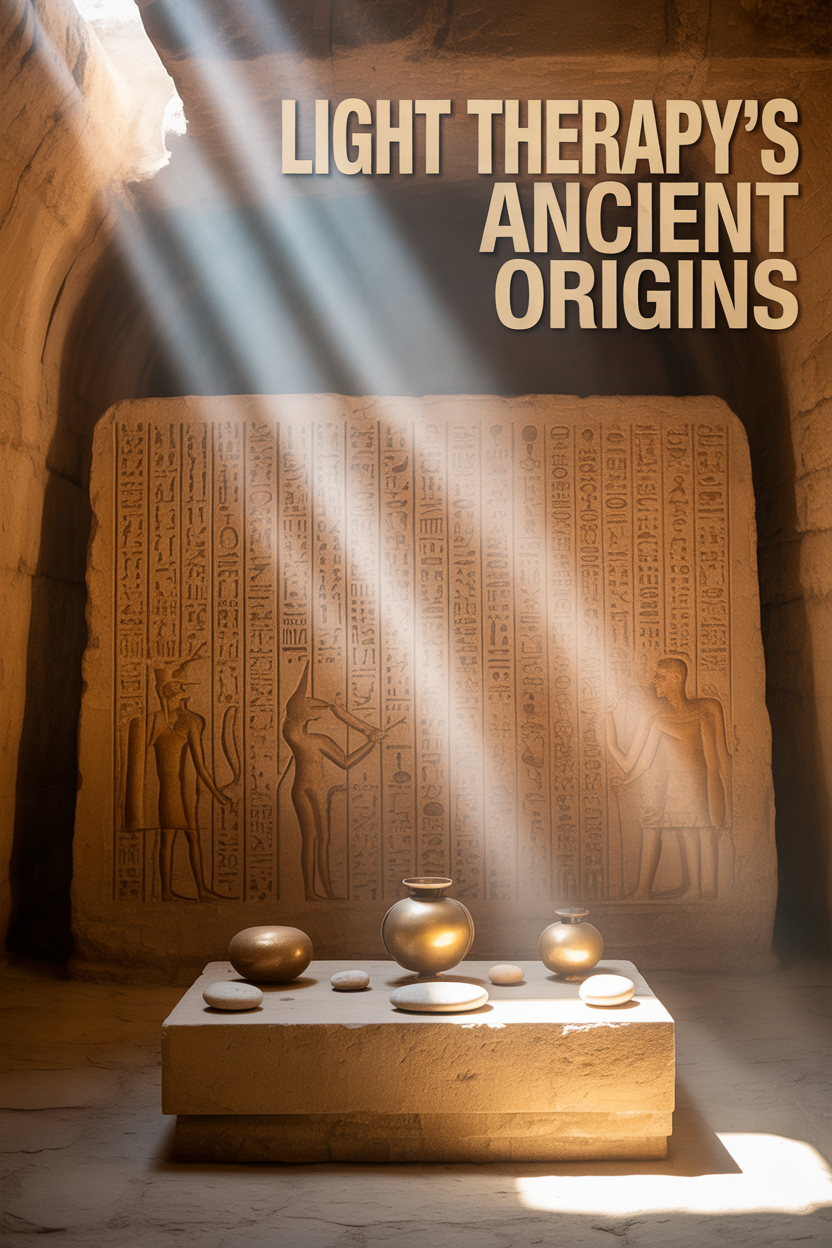
Ancient civilizations were onto something when they recognized the sun’s healing properties. Egyptians, Greeks, and Romans documented the therapeutic benefits of sunlight centuries ago.
Modern laser therapy began in 1967, when Hungarian scientist Endre Mester discovered that low-power laser light stimulated hair growth in mice. What started as a scientific curiosity in the 60s evolved into a legitimate medical field by the 80s and 90s.
Today, laser therapy has transformed from an alternative treatment to a scientifically-supported healing method with substantial clinical evidence.
How Laser Therapy Works at the Cellular Level
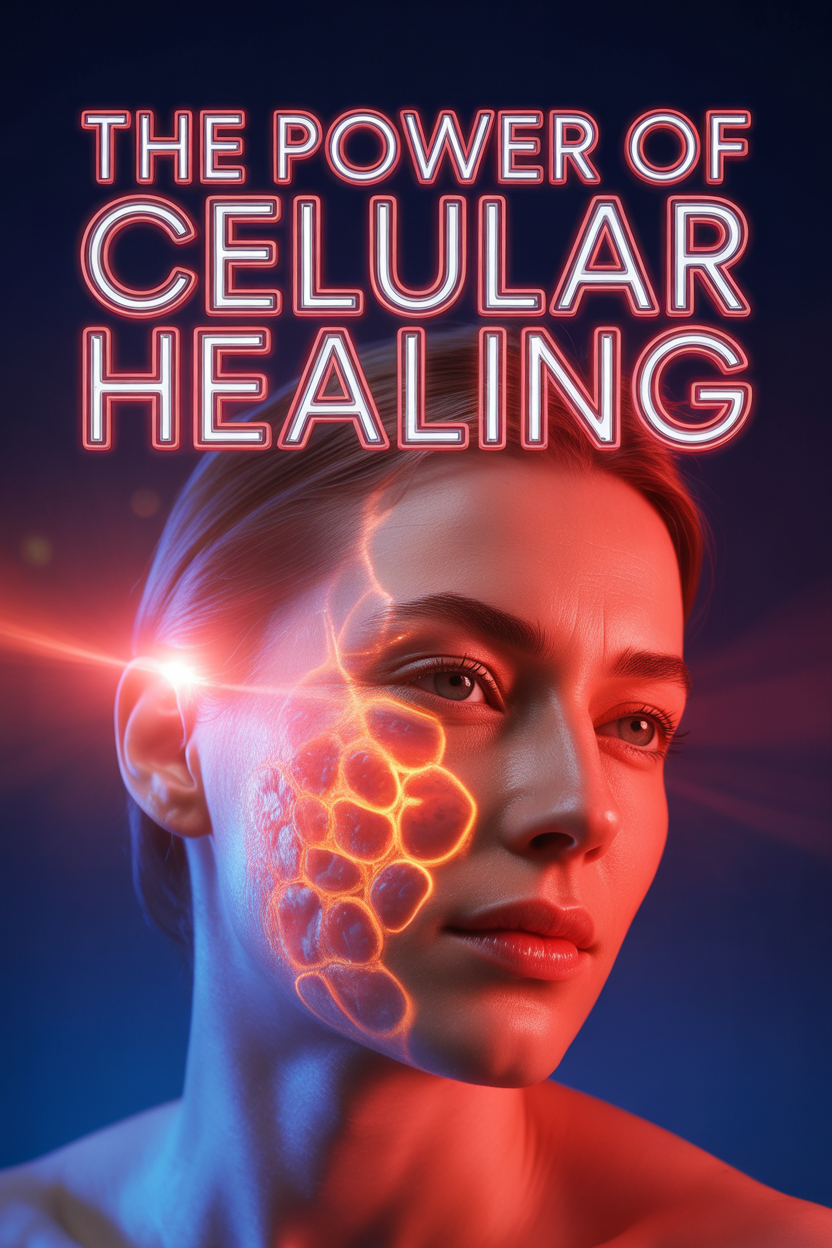
When specialized light beams penetrate your tissues, they’re absorbed by mitochondria – the energy producers in your cells. This light absorption triggers several beneficial processes:
- Increased ATP production (cellular energy)
- Enhanced cellular metabolism
- Improved blood circulation
- Reduced inflammation
- Accelerated tissue repair
- Natural endorphin release
Different wavelengths serve different purposes – longer ones penetrate deeper for muscle and joint issues, while shorter ones address surface problems like cuts and skin conditions.
Conditions That Respond to Laser Light Therapy

Laser therapy has demonstrated impressive results for numerous health issues:
- Musculoskeletal problems: Arthritis, tendonitis, and back pain
- Soft tissue injuries: Sprains, strains, and sports-related trauma
- Nerve pain: Neuropathy and nerve compression syndromes
- Skin conditions: Wounds, burns, and scar tissue
- Inflammatory issues: Both acute and chronic inflammation
- Dental concerns: Post-operative recovery and TMJ disorders
- Neurological conditions: Supporting brain and nerve tissue recovery
Researchers continue to discover new applications as clinical studies advance our understanding of light therapy’s potential.
Skin Rejuvenation and Healing Benefits
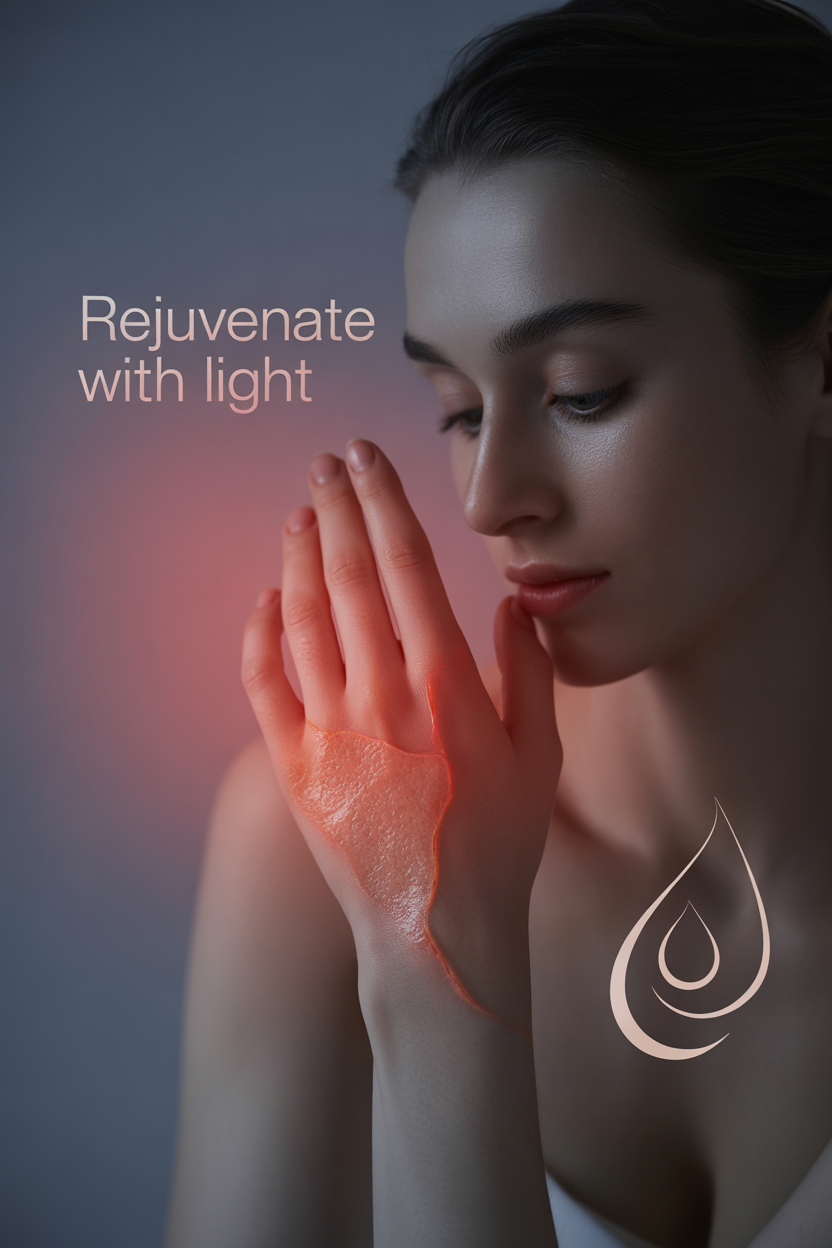
Laser light therapy offers remarkable skin benefits beyond just treating injuries:
- Accelerated wound healing: Faster closure for everything from minor cuts to surgical incisions
- Scar improvement: Helps remodel and minimize the appearance of scar tissue
- Anti-aging effects: Stimulates collagen production for more youthful skin
- Inflammatory skin conditions: Helps manage psoriasis and eczema flare-ups
- Hair restoration: Activates dormant hair follicles to encourage growth
The therapy essentially encourages your skin cells to function more efficiently, creating both healing and cosmetic improvements.
Safety Considerations and Precautions
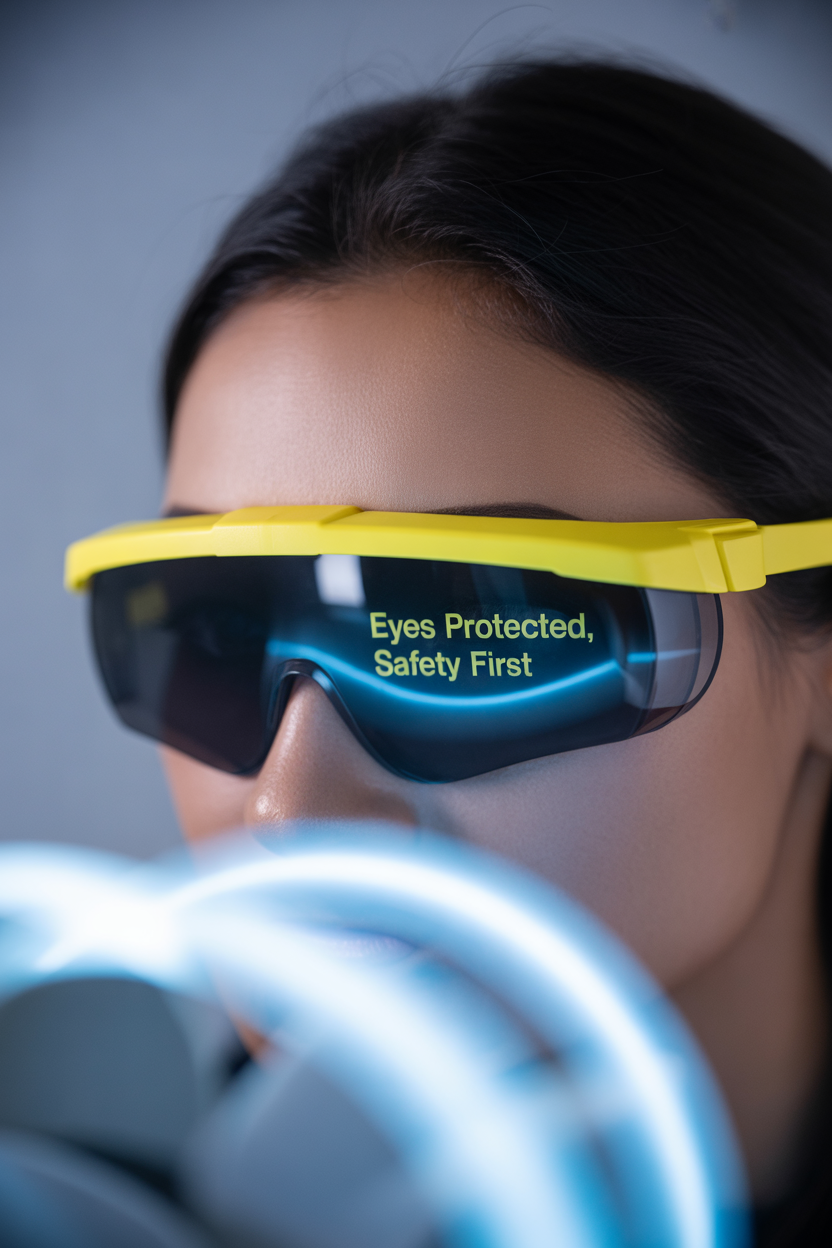
Laser light therapy has an excellent safety profile with minimal side effects. However, important precautions include:
- Eye protection: Always necessary to prevent retinal damage
- Contraindications: Not recommended over cancerous tissue, thyroid gland, or during pregnancy
- Medication awareness: Some medications may increase photosensitivity
- Potential reactions: Occasionally mild fatigue or temporary increase in symptoms
Compared to invasive procedures or medications with extensive side effect profiles, laser therapy presents minimal risk when properly administered.
Cost Considerations and Insurance Coverage
The financial aspects of laser therapy include:
- Professional session costs: Typically $40-150 per treatment
- Insurance coverage: Variable but improving as evidence supports effectiveness
- Documentation requirements: Medical necessity verification may be needed
- HSA/FSA eligibility: Often covered when prescribed by healthcare providers
- Home device investment: Higher initial cost but potential long-term savings
As evidence supporting laser therapy grows, insurance coverage is gradually expanding. Many patients find the expense worthwhile for the relief they experience, especially when comparing it to the costs of ongoing pain management alternatives.
Laser light therapy represents a unique healing approach that enhances your body’s natural repair systems. With minimal side effects, no drug interactions, and applications ranging from sports injuries to skin rejuvenation, it’s understandable why this therapy continues gaining popularity.
Whether you’re recovering from an injury, managing chronic pain, or seeking skin improvement, laser light therapy offers promising options. Consult with your healthcare provider to determine if this approach aligns with your health needs and treatment goals.
The Illuminating World of Laser Light Therapy for Healing: Where Science Meets Spectacular Recovery!
Grab your sunglasses because we’re about to shine a spotlight on laser light therapy – the innovative approach to healing that’s impressing scientists and active individuals alike. This isn’t a traditional treatment method. This is cutting-edge technology that uses light to help your body heal itself. No scalpels, no medications, just pure light guiding your path to recovery.
Types of Laser Light Therapy Devices
The healing laser market offers various options to address different needs:
- Class 3 Lasers: Lower-powered devices (1-500mW) suitable for most therapy applications
- Class 4 Lasers: Higher-powered options (>500mW) that penetrate deeper into tissues
- LED Devices: Non-laser light therapy options that still provide healing benefits
- Cold Lasers: Devices that heal without generating heat
- Cluster Probes: Multiple lasers working together to treat larger areas
Each type specializes in different applications, from targeting small trouble spots to covering larger treatment areas.
Low-Level vs. High-Power Laser Therapy
These two approaches offer different benefits for various conditions:
Low-Level Laser Therapy (1-500mW) works primarily through photochemical effects. Sessions typically last 5-20 minutes, reaching moderate tissue depths. It’s ideal for surface conditions and acupuncture points.
High-Power Laser Therapy (>500mW) combines photochemical and photothermal effects. Treatment times are shorter (2-10 minutes) while penetrating deeper into tissues. It excels at addressing stubborn deep tissue problems.
Your specific condition and treatment goals will determine which approach works best for your situation.
Laser Therapy for Pain Management
When it comes to pain relief, laser therapy offers several effective mechanisms:
- Reducing inflammation at the source
- Blocking pain signal transmission
- Stimulating endorphin release
- Relaxing muscle spasms
- Improving circulation to affected areas
Research shows laser therapy is particularly helpful for persistent conditions like osteoarthritis, fibromyalgia, and chronic back pain. Many patients experience significant relief after treatments, often reducing their need for pain medications.
Athletic Recovery and Performance Enhancement
Professional athletes increasingly use laser therapy as part of their recovery protocols:
- Rapid injury treatment: Reduces pain and swelling from acute injuries
- Accelerated recovery: Speeds healing between training sessions
- Reduced muscle fatigue: Helps clear metabolic waste products after intense exercise
- Injury prevention: Maintains tissue health to reduce injury risk
- Faster return to activity: Minimizes downtime after injury
Olympic teams and professional sports franchises incorporate laser therapy into their medical programs because of its proven effectiveness in keeping athletes performing at their best.
The Scientific Evidence Behind Laser Therapy
Research supporting laser therapy continues to grow, with numerous studies demonstrating its effectiveness:
- A 2019 meta-analysis found significant reduction in chronic neck pain
- Research shows improved healing rates for diabetic foot ulcers
- A 2021 Cochrane Review found moderate evidence supporting its use for knee osteoarthritis
While not every study shows dramatic results, the overall evidence strongly suggests laser therapy provides genuine benefits for many conditions. The quality and quantity of research continue to improve, strengthening the scientific foundation for this treatment approach.
What to Expect During Treatment
Assessment: Your practitioner evaluates the treatment area to determine the appropriate protocol.
Preparation: Everyone wears protective eyewear to shield eyes from laser light.
Treatment: The device is positioned on or near your skin for several minutes per treatment area.
Sensation: Most patients feel nothing or perhaps a gentle warming sensation.
Completion: No downtime is required after treatment – you can immediately return to normal activities.
Typically, you’ll need multiple sessions – usually 6-12 treatments over several weeks – for optimal results. Many conditions show gradual improvement with each session.
Professional Treatment vs. Home Devices
You have options for accessing laser therapy:
Professional devices offer greater power (Class 3B or 4), cost considerably more ($5,000-$30,000+), require trained operators, deliver faster results, and effectively address serious conditions.
Home-use devices provide gentler treatment (Class 1-3R), cost less ($100-$2,000), feature user-friendly designs, require more frequent application, and work well for maintenance and minor issues.
Many practitioners recommend starting with professional treatments for initial healing, then transitioning to home therapy for ongoing maintenance.