
How to Optimize Your Liver Health Diet After 60
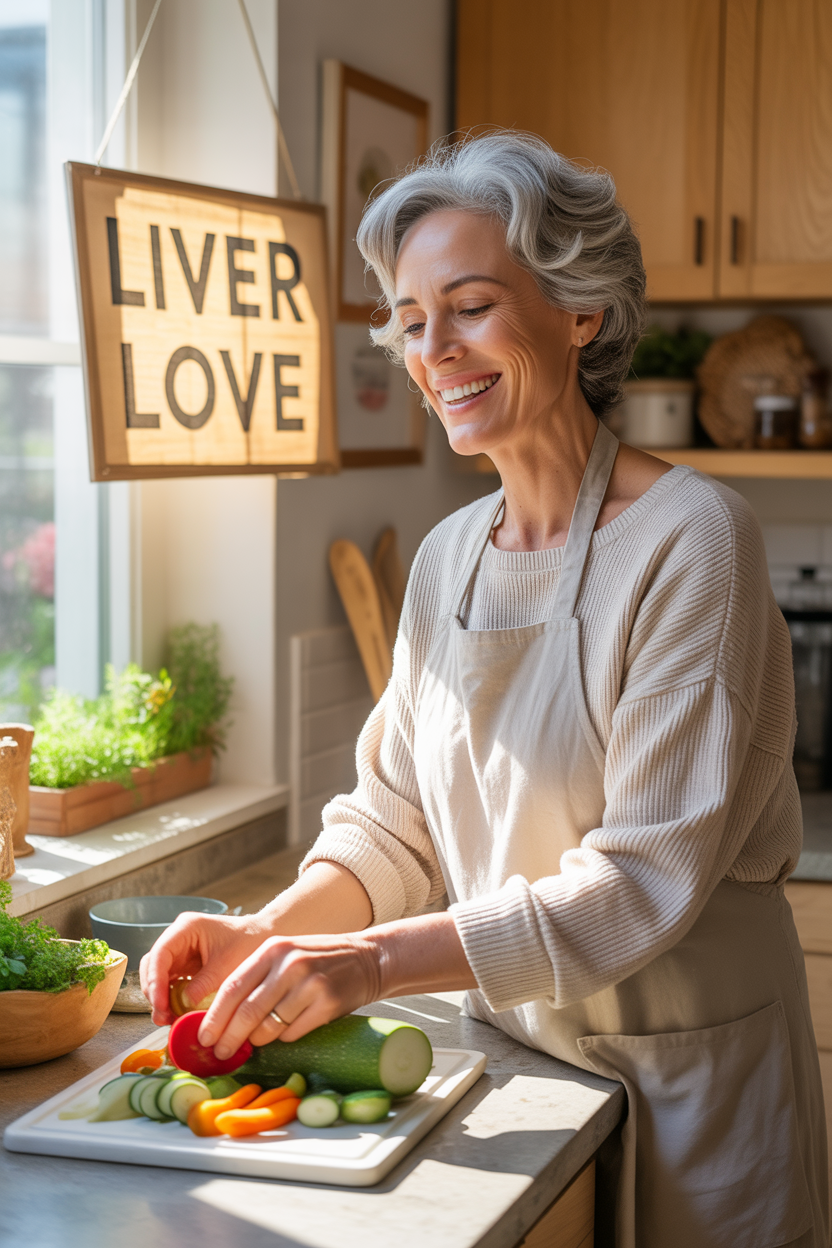
How to Design Your Kitchen for Effortless Wellness
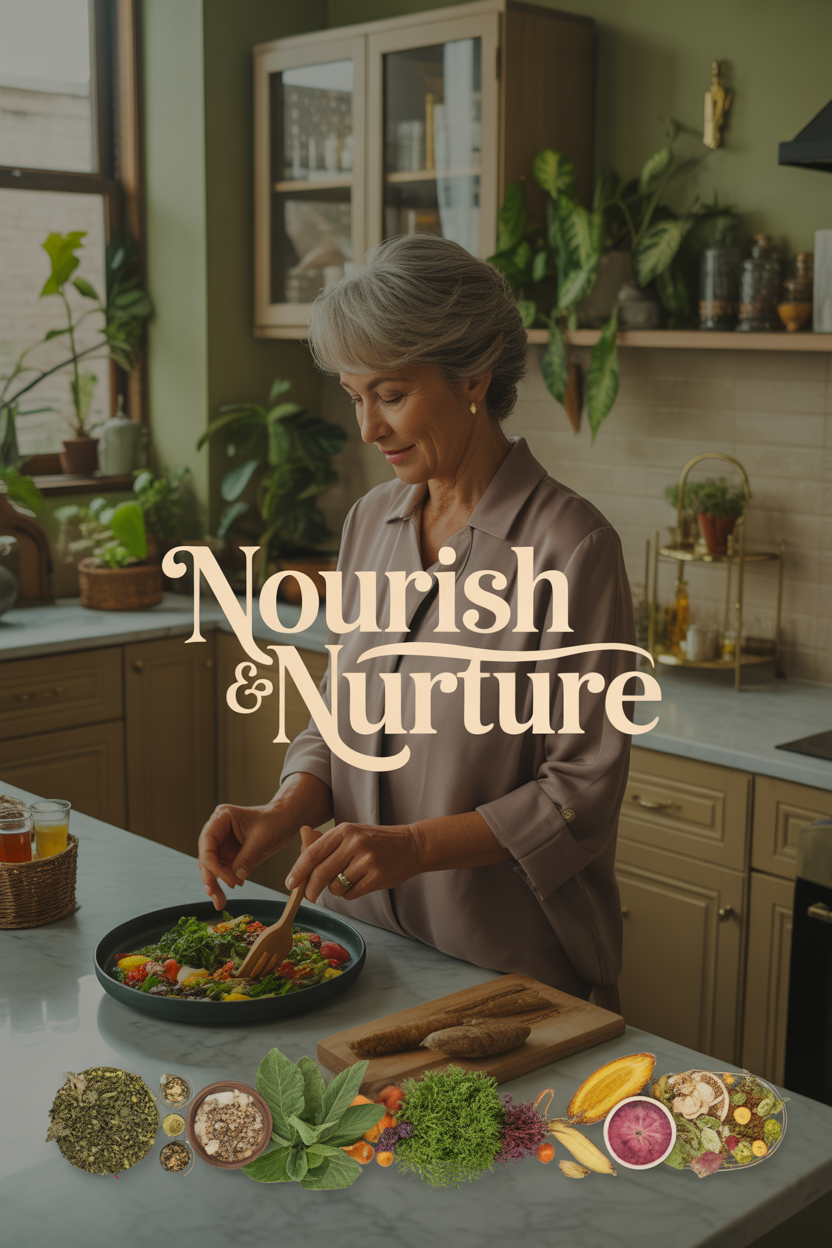
There’s something wonderful about creating a home that nurtures not just your senses, but your physical well-being, too. As we embrace our later years, the spaces we live in can become a beautiful reflection of our commitment to health.
You can keep the style and comfort you love while making healthy choices feel simple and natural. This journey begins in the heart of the home: the kitchen. By adding elements that support a liver health diet for women over 60, you can blend function with beauty.
Imagine a lovely tea station with herbs traditionally used for liver support, or a pantry arranged for easy access to nutritious ingredients. These simple adjustments can make healthy living feel like a natural part of your personal style.
Read on to discover how to design spaces that make nourishing choices easy, adding warmth and character to your home as you care for your body.
What Are the Best Antioxidant-Rich Foods?
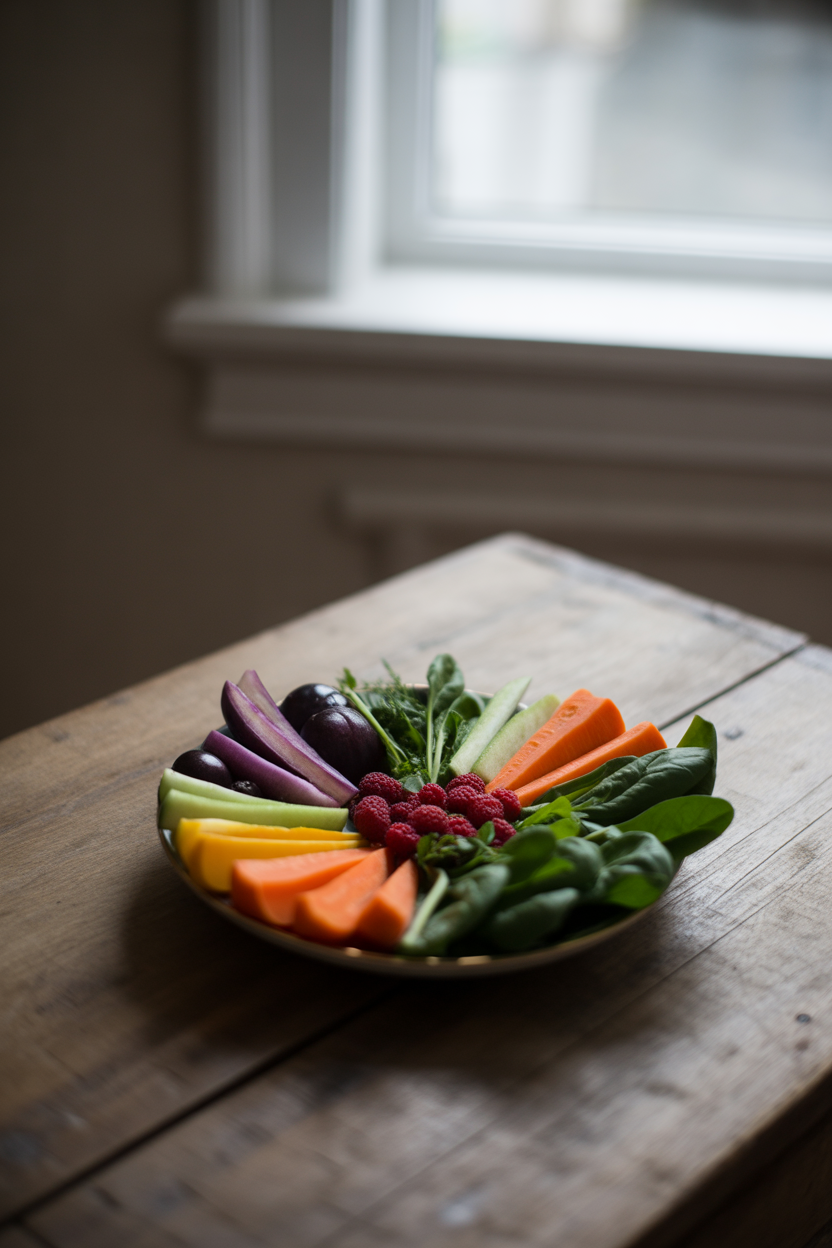
Antioxidant-rich foods are fantastic for supporting liver health, especially for women over 60. These nutritional gems help neutralize harmful free radicals that can cause stress and damage liver cells.
Colorful berries, dark leafy greens, and vibrant orange vegetables contain compounds like polyphenols and carotenoids. These actively support your liver’s natural regeneration processes and help keep it working at its best.
Adding these foods to your daily routine can be simple and enjoyable. You might start your morning with a small handful of blueberries, add spinach to your lunch, or enjoy carrots with dinner.
Women who consistently eat these foods often report feeling more energetic as their liver function improves, bringing a new sense of vitality to their days.
To make this a delightful habit, consider creating a rainbow plate at each meal. Aim to include at least three differently colored fruits or vegetables to maximize your antioxidant intake and give your liver the beautiful support it deserves.
Why Is Hydration So Important for Your Liver?
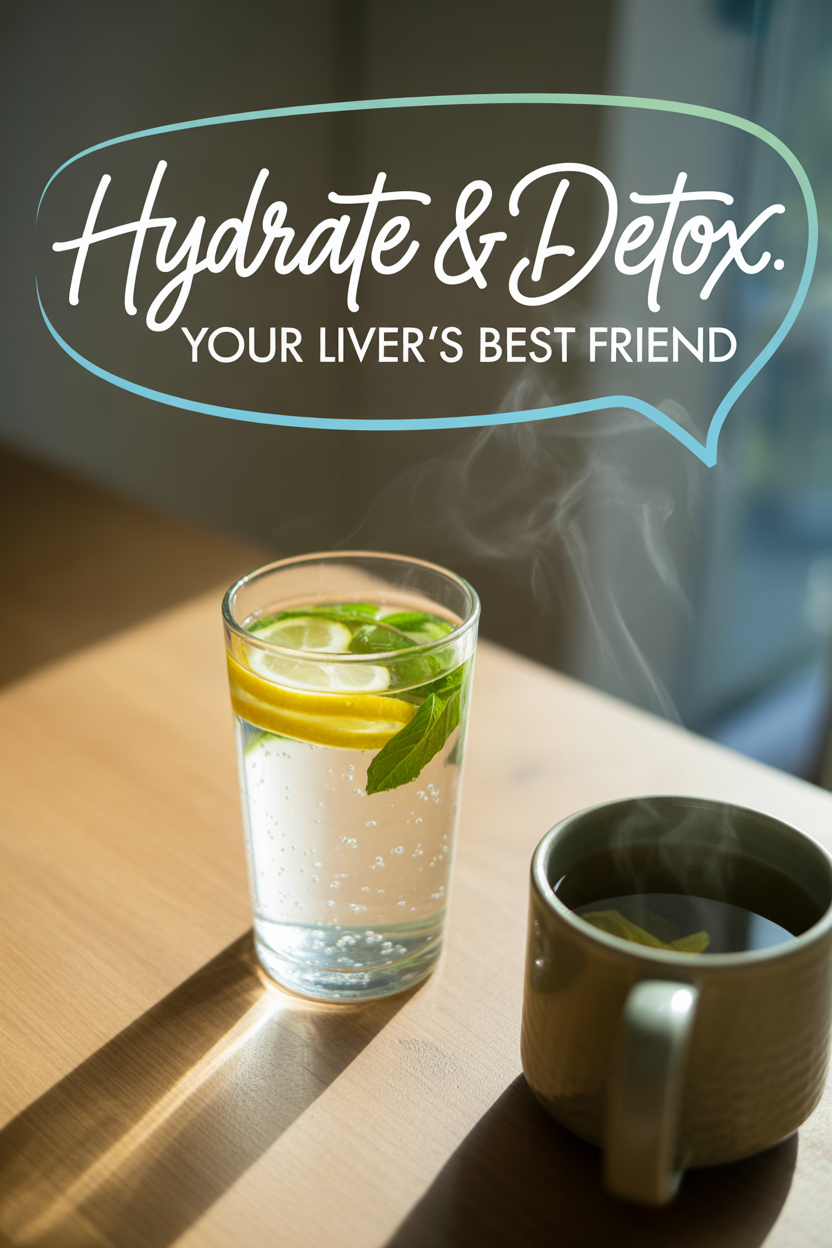
Proper hydration is a key part of liver health for women in their 60s and beyond. Your liver uses water to flush out toxins and perform its many crucial functions.
Beyond plain water, certain herbal teas can be a wonderful part of your hydration ritual. Dandelion and milk thistle are traditionally used to support liver health. While more research is needed, these herbs have a long history in wellness practices for protecting liver cells.
Make hydration an enjoyable habit by infusing your water with liver-friendly additions. Cucumber slices, lemon wedges, or a sprig of mint can add a refreshing twist.
You’ll likely notice improvements in your skin’s appearance and overall energy levels as your liver benefits from this consistent, gentle cleansing.
Try setting up a hydration schedule that works with your daily routine. A glass when you wake up, another before each meal, and one more before bed ensures your liver gets the fluid support it needs all day long.
How Does the Mediterranean Diet Support Liver Health?
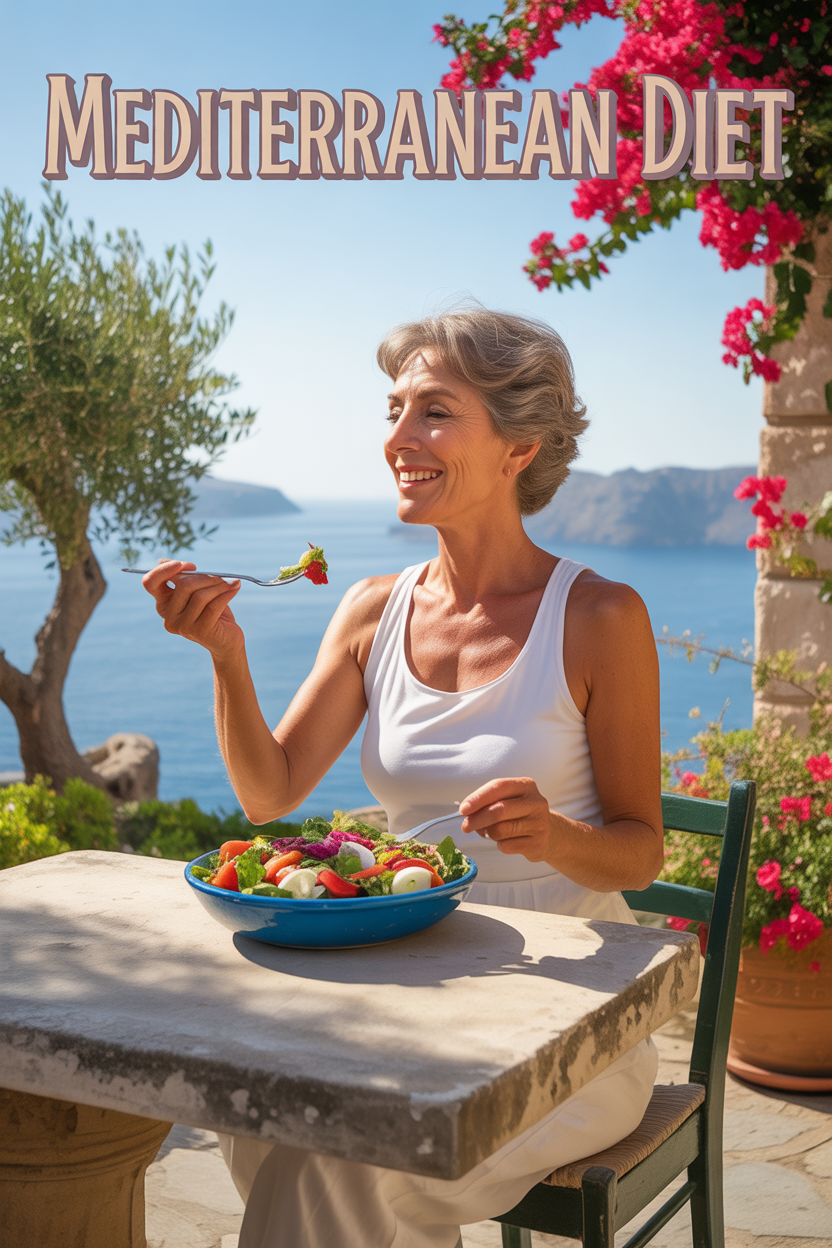
The Mediterranean way of eating offers wonderful benefits for liver health in women over 60. This eating pattern is proven to help combat chronic inflammation, a major stressor that can affect your liver’s function.
Rich in olive oil, fatty fish, nuts, and plenty of vegetables, this way of eating provides a perfect balance of nutrients. Studies show it can help reduce liver fat and improve overall liver health.
Following Mediterranean principles is surprisingly simple and elegant. You can replace butter with olive oil when cooking, enjoy fatty fish like salmon twice a week, and make colorful vegetables the star of your plate.
Women who adopt these patterns often experience less digestive discomfort and more stable energy as their liver function improves.
You can begin your Mediterranean journey by mastering one simple dish this week. A classic Greek salad with a drizzle of olive oil or a vegetable-rich ratatouille can be a delicious starting point for a repertoire of liver-loving meals.
Choose Healthy Fats to Nurture Your Liver
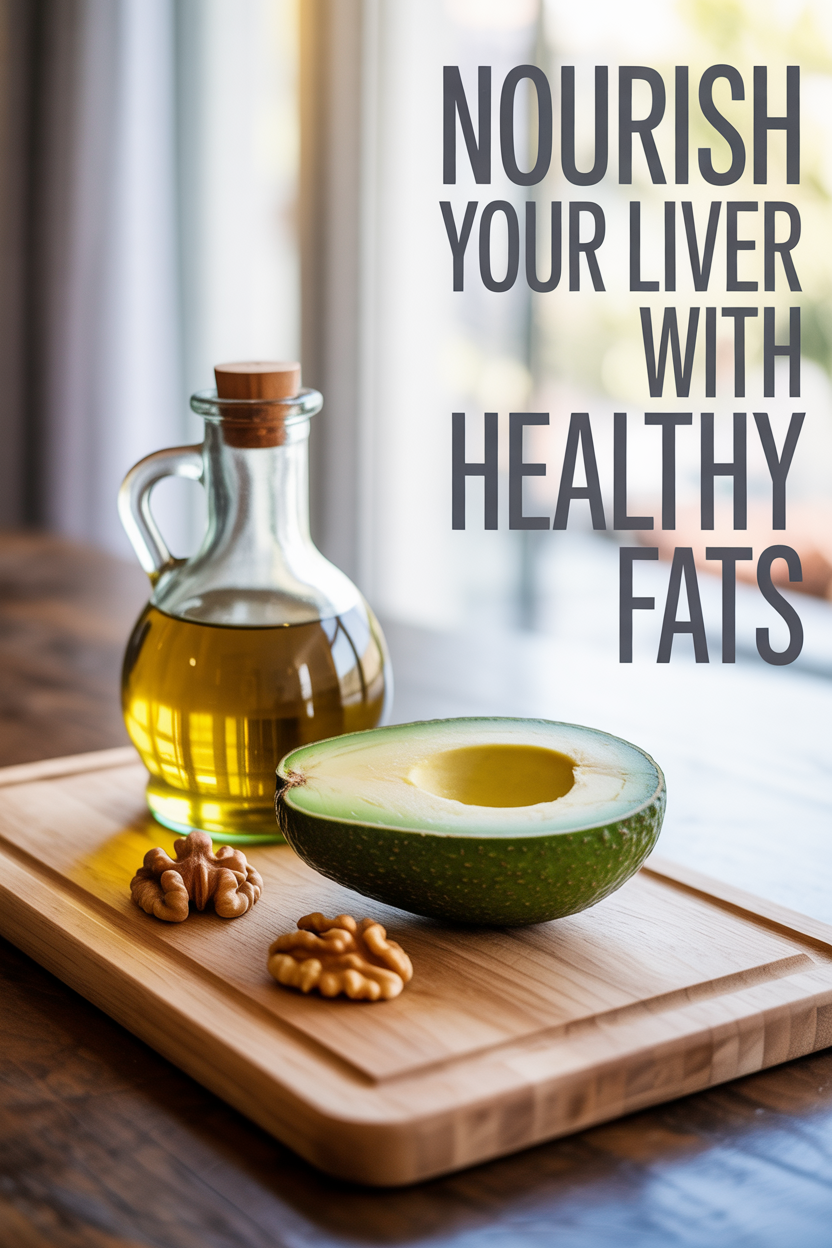
When it comes to fats, quality matters. Choosing the right ones is a key part of a liver-friendly diet. Healthy fats, like those found in avocados, nuts, seeds, and olive oil, help reduce inflammation and can decrease the amount of fat stored in the liver.
These beneficial fats provide a clean source of energy and support the structure of your body’s cells, including liver cells.
Adding monounsaturated fats from olive oil and omega-3 fatty acids from fish like salmon can actively work to protect your liver from damage. These fats are essential for maintaining a healthy balance within your body.
In contrast, saturated and trans fats found in many processed and fried foods can increase liver inflammation and contribute to fatty liver disease. Making a conscious choice to favor plant-based fats and fatty fish is an act of kindness to your liver.
A simple step is to start using olive oil as your primary cooking fat and enjoying a handful of walnuts or almonds as a snack. This small change can make a big difference in your liver’s well-being.
Protect Your Liver by Balancing Blood Sugar
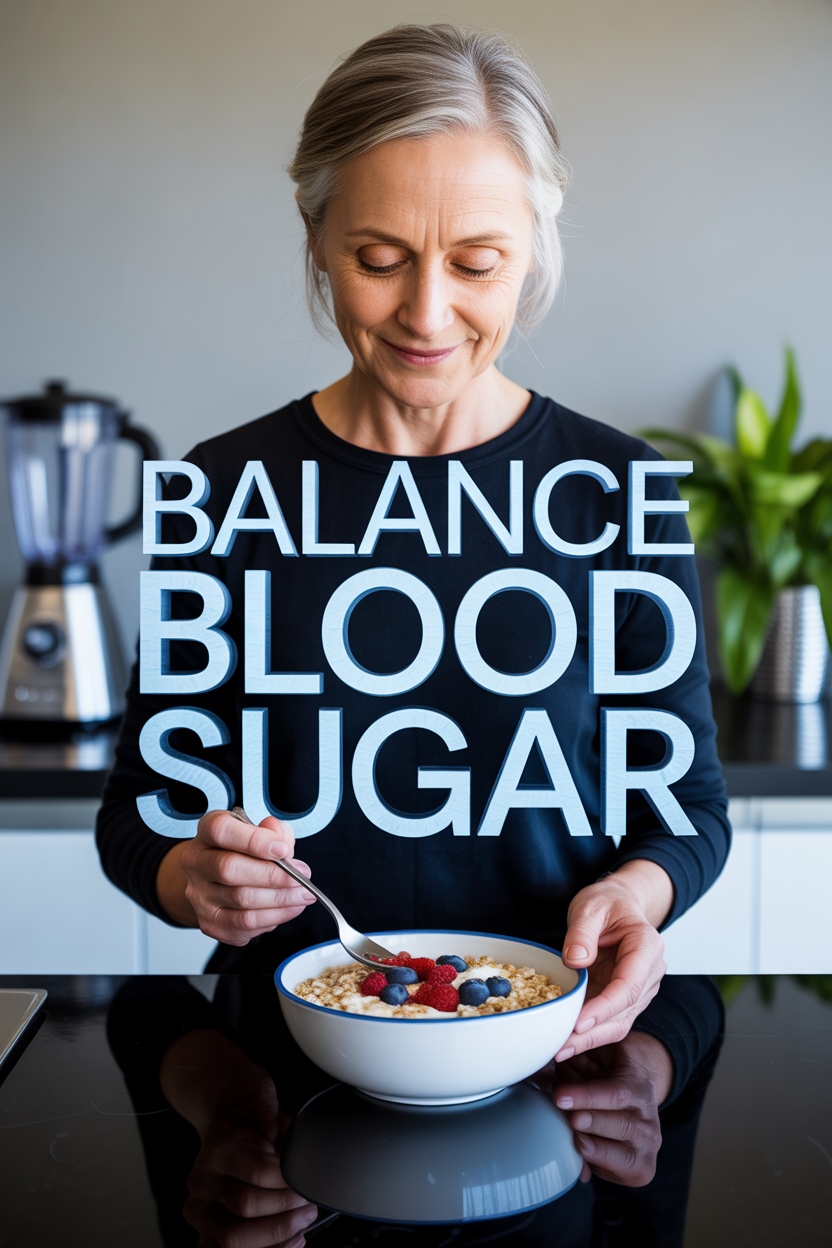
Stabilizing your blood sugar is a powerful way to support liver health as a woman over 60. When blood sugar levels swing up and down, your body can develop insulin resistance, forcing the liver to work overtime to process excess glucose.
This ongoing stress can lead to fatty liver development. By choosing complex carbohydrates and pairing them with healthy fats and proteins, you create a steady release of energy that is much gentler on your liver.
This balanced approach is a key strategy for reducing the risk of non-alcoholic fatty liver disease (NAFLD).
Practical strategies include starting your day with protein instead of sugary cereals and choosing whole grains over refined ones. You’ll likely notice more consistent energy and fewer cravings when your blood sugar is stable, which takes significant stress off your liver.
This week, you might explore your pantry to identify hidden sugars in common items. Gradually replacing them with lower-glycemic alternatives is a gentle way to be kinder to your blood sugar and your hardworking liver.
Strengthen Your Body’s Defenses with Cruciferous Vegetables
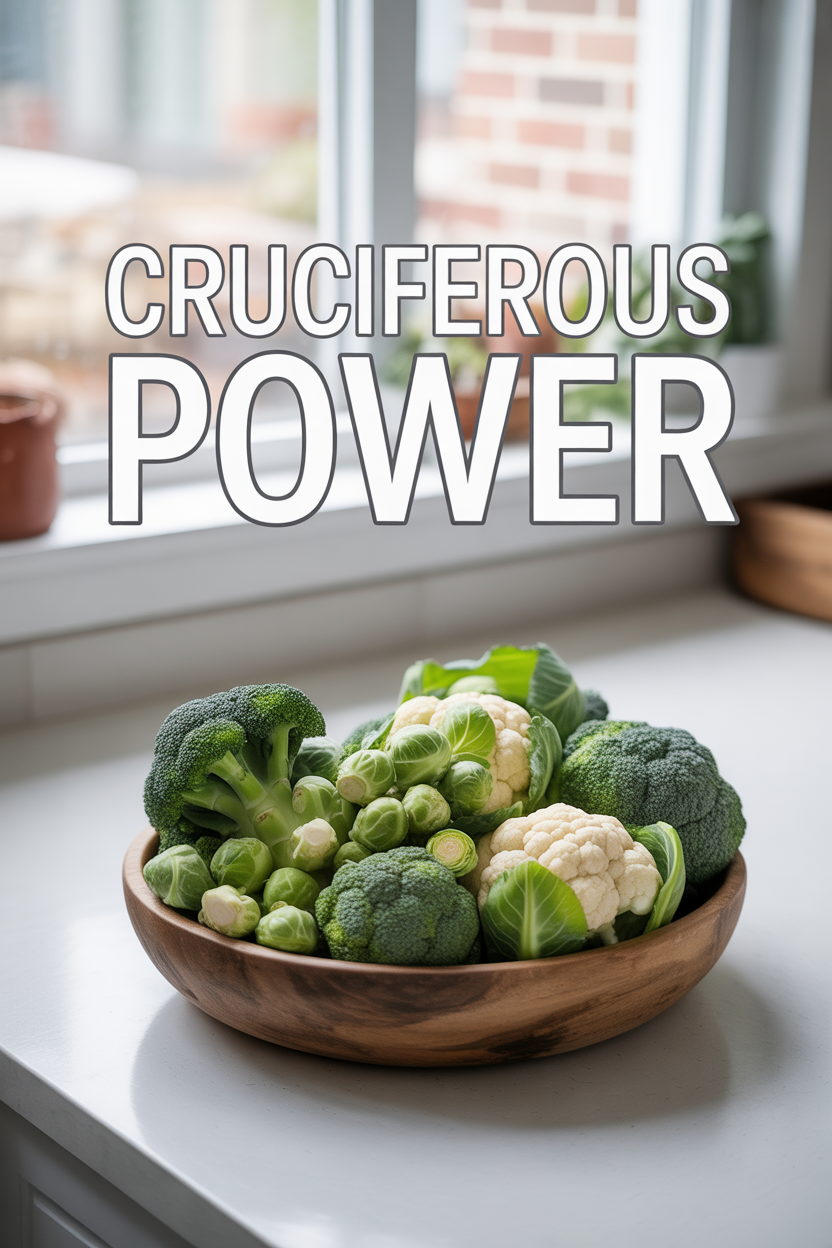
Cruciferous vegetables are extraordinary allies for your liver. These nutritional wonders contain compounds that help activate detoxification enzymes in your liver, boosting its ability to process and eliminate harmful substances.
Broccoli, Brussels sprouts, cabbage, and cauliflower all contain these special liver-supporting compounds, making them a vital part of your wellness routine.
Making cruciferous vegetables a regular feature on your menu can be simple and delicious. Roast them with olive oil for a caramelized flavor, shred them raw into salads, or lightly steam them to maintain their benefits.
Women who regularly eat these vegetables often report feeling lighter and noticing improved digestion as their liver’s natural functions are enhanced.
You could challenge yourself to include one cruciferous vegetable serving daily for the next week. Whether it’s a side dish or part of a main meal, notice how your body responds to this deeply nourishing addition.
How Does Protein Help Rebuild and Repair the Liver?
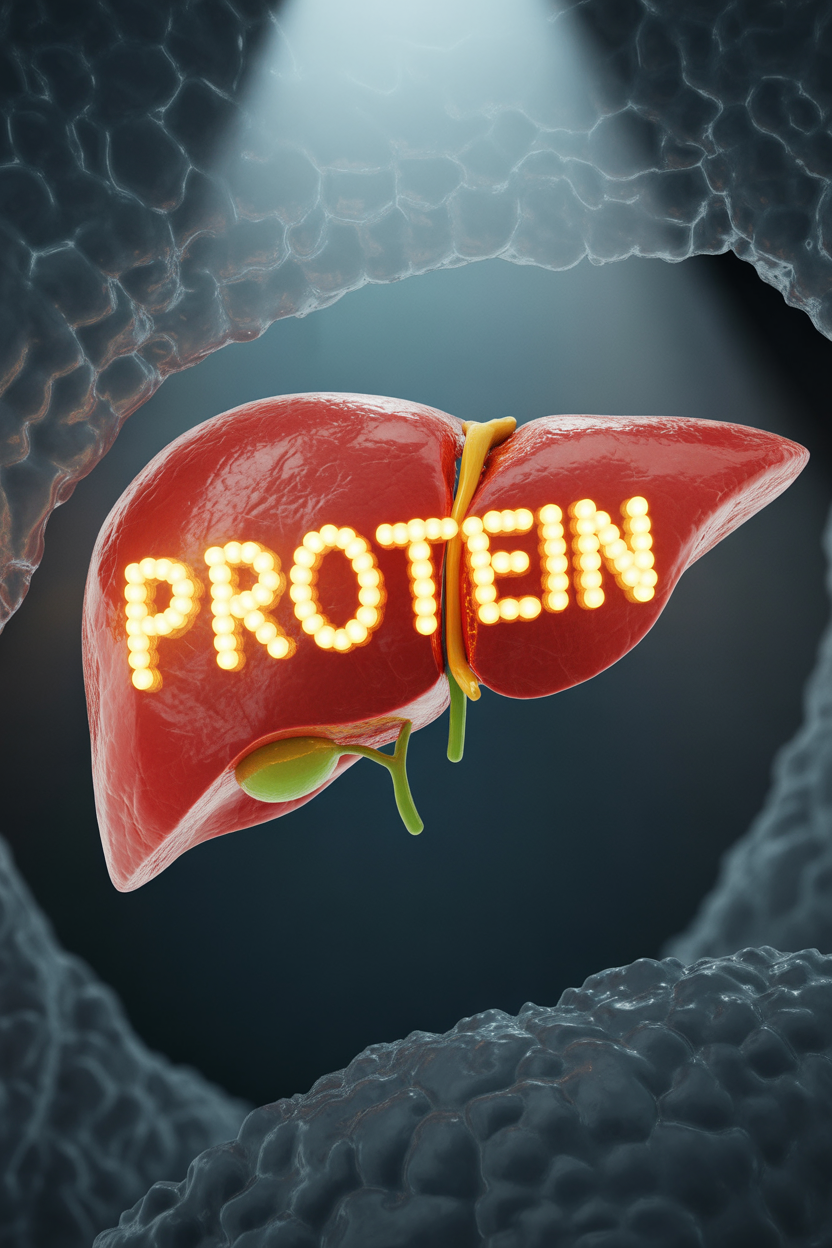
Quality protein is essential for maintaining a healthy liver. Your liver relies on amino acids from protein to create vital enzymes and repair its own tissue. Getting enough protein is crucial for optimal regeneration and function.
Both plant and animal sources can provide the amino acids your liver needs to perform its hundreds of essential tasks, from detoxification to metabolism.
Try to balance your protein intake throughout the day rather than consuming it all in one meal. You could include eggs at breakfast, add beans or lentils to a lunch salad, and enjoy a modest portion of fish or poultry at dinner.
Women who maintain good protein intake often notice improved healing and better overall resilience as their liver receives the building blocks it needs to thrive.
This week, you might explore new protein combinations that appeal to you. A flavorful chickpea and quinoa bowl or a comforting salmon and lentil salad can ensure your liver has a constant supply of the repair materials it requires.
Practice Mindful Servings for a Happy Liver
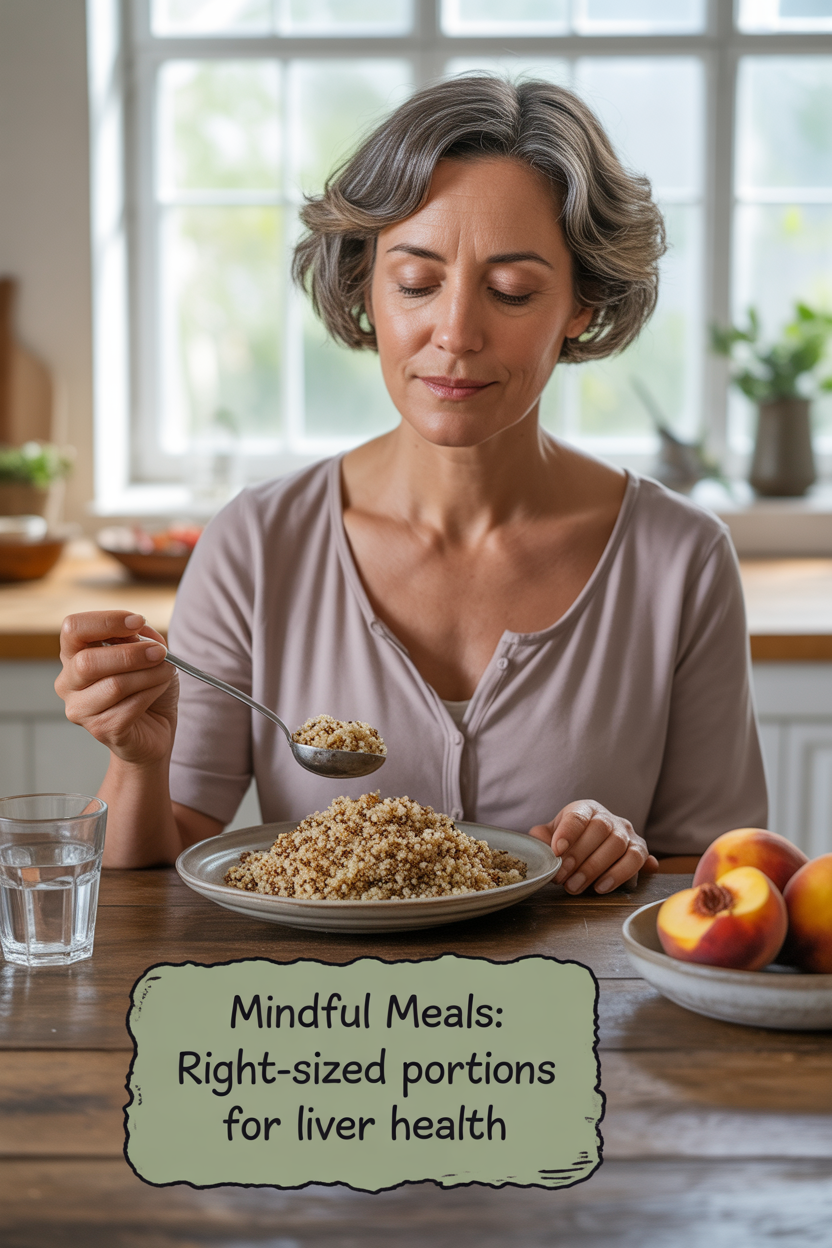
Mindful portion control is a powerful and gentle way to support your liver. Consistently eating right-sized meals prevents overloading your liver with excess calories that require extra processing.
When your liver isn’t overwhelmed by large portions, it can focus on its many other vital functions more efficiently. This directly helps with weight management and reduced liver stress.
Practical portion control can be elegant. Try using smaller plates, eating slowly to recognize your body’s fullness cues, and visually dividing your plate into sections for different food groups.
Women who practice this awareness often report feeling more comfortable after meals and find it easier to maintain a healthy weight, both of which greatly benefit liver function.
You can start using the hand measurement system this week. Using your palm for protein portions, a cupped hand for carbs, and your thumb for fats can help you naturally right-size meals without complicated counting.
Eat Mindfully to Improve Digestion
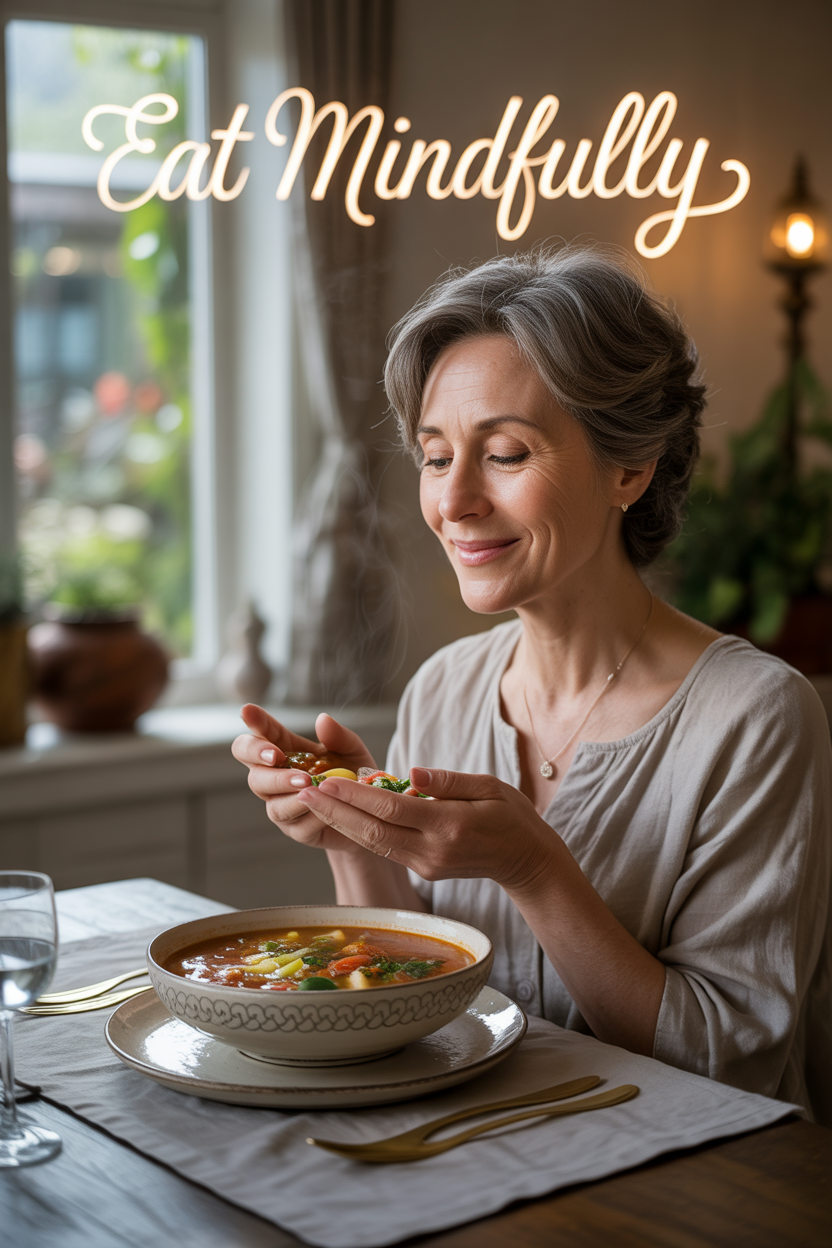
Beyond what you eat, how you eat plays a crucial role in your overall wellness and liver health. Mindful eating is the practice of bringing full awareness to the experience of eating, which can improve your relationship with food.
This practice encourages you to eat slowly, chew your food thoroughly, and savor each bite. Doing so helps digestion, allowing your body to absorb more nutrients with less effort.
When your digestive system works more efficiently, it places less of a burden on your liver, freeing it up to perform its other essential duties.
Creating a calm and pleasant environment for your meals, free from distractions like the television or your phone, also enhances this process. It helps you tune in to your body’s natural hunger and fullness signals, preventing overeating.
For one meal today, try sitting down without any distractions. Simply focus on the colors, textures, and flavors of your food, and notice how it makes you feel.
Show Your Liver Some Love by Limiting Certain Foods

Caring for your liver is as much about what you choose to limit as it is about what you choose to include. This is not about restriction, but about creating more space for deeply nourishing foods that help you feel your best.
Foods high in processed sugars, refined carbohydrates, and unhealthy fats can create inflammation and place significant stress on the liver. Over time, this can contribute to fat accumulation in the liver.
Gently reducing your intake of sugary drinks, packaged snacks, and deeply fried foods can make a world of difference. Your liver is responsible for processing everything you consume, and giving it fewer burdens allows it to function with more ease.
Likewise, moderating alcohol intake is one of the kindest things you can do for your liver, as it is a toxin that the liver must work hard to metabolize and clear from the body.
This week, consider swapping one processed snack for a piece of whole fruit or a handful of nuts. This simple, graceful exchange honors your body and supports your long-term vitality.
Your Path to a Vibrant, Healthy Life
Imagine waking up each morning with renewed energy that carries you through your day. This vitality
empowers you to pursue your passions, entertain with confidence, and create the beautiful home you’ve always envisioned.
Following a liver health diet for women over 60 doesn’t require a complete lifestyle overhaul. It is about making thoughtful adjustments that complement your personal taste and attention to detail.
You can start with something as simple as swapping your afternoon tea for a comforting cup of dandelion tea, a herb traditionally used in wellness practices to support the liver.
The dietary changes we’ve explored are about reclaiming the vitality that allows you to express your unique vision in every aspect of your life.
Your body, like your carefully curated home, deserves this same level of intentional care and graceful appreciation. Embracing these habits is a beautiful way to honor yourself in your later years.