
The Ultimate Guide to Neck Pain Relief Products: Finding What Works for You (Without Losing Your Head Over It!)

The Ultimate Guide to Neck Pain Relief Products: Finding What Works for You (Without Losing Your Head Over It!)

Let’s face it—living with neck pain is about as fun as wearing a turtleneck in a sauna! It can mess with everything from catching those precious Z’s to simply turning your head to say “no thanks” to that second slice of cake. With shelves packed with miracle neck pain relief products (each promising to be THE ONE), finding what actually works can feel like searching for a needle in a haystack… while your neck hurts! Fear not, fellow neck-pain sufferers! This guide breaks down the most effective options to help you find sweet relief without wasting your time or money.
Understanding the Root Causes of Neck Pain

Neck pain typically comes from several culprits. There’s the notorious “tech neck”—that lovely souvenir from hours hunched over phones and laptops like modern-day gargoyles.
Then there are those “oops” moments like whiplash or that ambitious yoga pose you definitely weren’t ready for.
Age-related conditions like cervical spondylosis (when your discs start deteriorating) also join the party.
Don’t forget stress-induced tension, sleeping in awkward positions, and repetitive movements that strain your neck muscles.
Understanding your particular type of neck discomfort is key to finding the right solution. Some products just mask symptoms, while others actually tackle the underlying issues for lasting relief.
Common Types of Neck Pain and Their Symptoms

Neck pain comes in several distinct varieties, each with its own characteristics:
- Muscular pain: The classic dull ache that makes you move like a rusty robot, complete with tender spots that become painful when pressed.
- Nerve pain: That electric, shooting sensation that zaps down your arms—often accompanied by tingling or numbness in your fingers.
- Joint pain: Featuring grinding, clicking, and popping! Often makes its grand entrance first thing in the morning.
- Referred pain: The sneaky pain that originates elsewhere but is felt in your neck area.
Knowing which type of pain you’re experiencing matters! Muscular pain might respond well to a massage tool, while nerve pain might prefer a TENS unit or specialized neck support for relief.
When to Seek Medical Help vs. At-Home Treatment

While many neck issues can be tackled with at-home remedies, some red flags should send you to a doctor immediately:
- Pain after an accident or injury that severely limits movement
- Neck pain that persists despite over-the-counter medications and rest
- Pain accompanied by headaches, fever, or unexplained weight loss
- Coordination issues or problems with bladder or bowel control
- Pain that radiates down both arms or legs
For ordinary neck discomfort without these warning signs, at-home treatments can work wonders.
That said, if your neck pain has persisted for more than two weeks, get it checked out! A healthcare professional might recommend specific products as part of your recovery plan.
Ergonomic Pillows: The Foundation of Neck Support
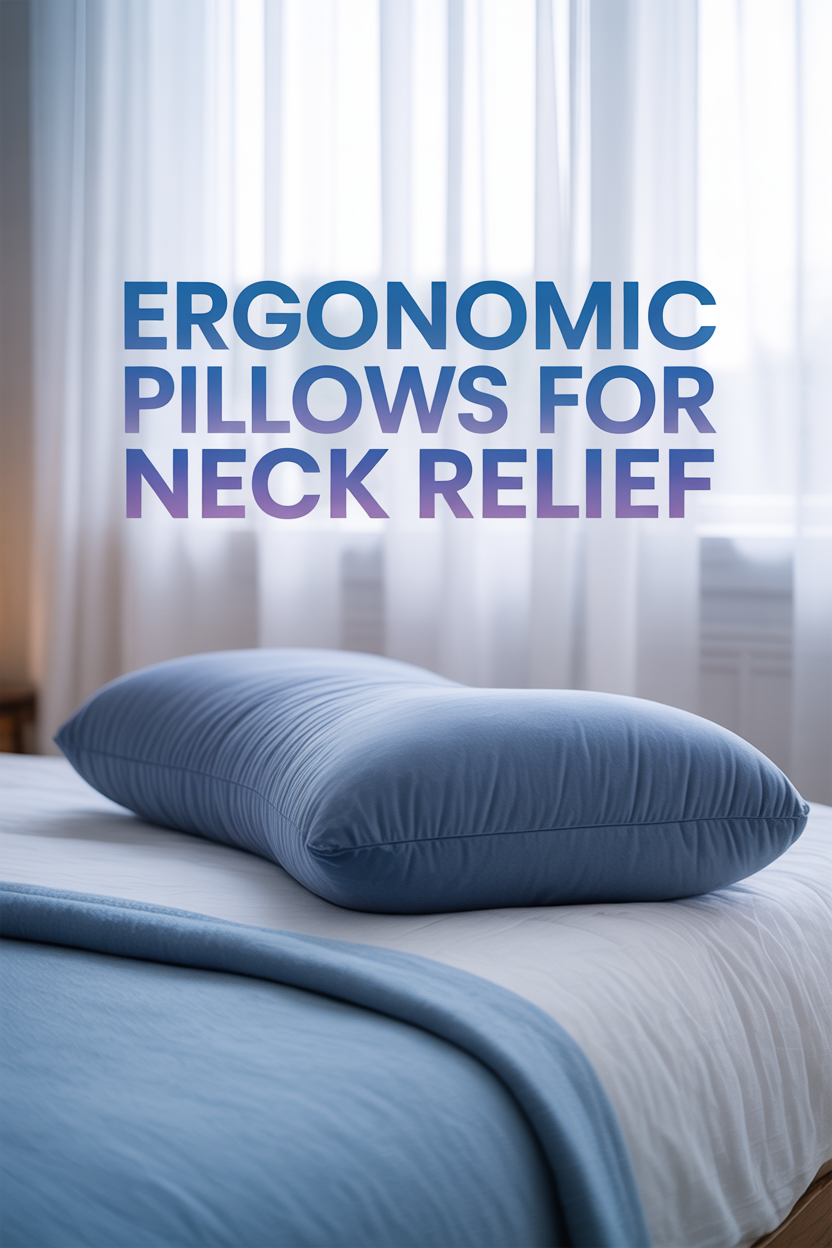
Ergonomic pillows are the VIPs of neck pain relief products because they keep your spine properly aligned while you sleep. Regular pillows can bend your neck at awkward angles, while ergonomic options cradle your head and support your cervical spine.
Memory foam cervical pillows conform to your unique shape for personalized support. Water pillows let you adjust firmness by adding or removing water to find your perfect comfort level.
Contoured pillows with a center depression and raised edges keep everything aligned no matter how much you move during sleep.
Choosing the right pillow depends on your preferred sleeping position. Side sleepers need thicker pillows to bridge the shoulder-head gap. Back sleepers do best with medium-height options with neck support.
Stomach sleepers need super-thin pillows—though this position generally puts significant strain on your neck and isn’t recommended for those with neck issues.
Neck Support Braces and Collars: Temporary Relief Solutions

Neck braces and collars temporarily immobilize your cervical spine, giving overworked muscles a much-needed break. Soft foam collars offer gentle support for minor strains, while rigid braces provide more substantial stabilization for serious neck conditions.
The benefits include reduced muscle strain, limited painful movement, and posture reminders throughout the day.
The downside: Extended use can lead to muscle weakness surprisingly quickly. Most doctors recommend using neck braces for just 1-2 weeks for minor injuries—they’re designed as a short-term solution, not a permanent fix!
Proper fit is crucial. Too loose provides little benefit, while too tight can restrict blood flow and cause discomfort. Today’s neck braces often feature adjustable designs, allowing you to find the optimal fit for your specific needs.
Heat and Cold Therapy: Simple but Powerful Relief

Heat and cold therapy are like the dynamic duo of neck pain relief—drug-free, affordable, and remarkably effective! But knowing when to use each makes all the difference.
Ice packs are ideal for fresh injuries (within the first 48-72 hours) or inflammation. Cold reduces blood flow, decreases swelling, and numbs pain receptors. Wrap that ice pack in a thin cloth for 15-20 minutes, then take a 40-minute break before reapplying.
Heating pads work wonders for chronic pain, stiffness, and tight muscles. Heat increases blood flow, relaxes tense muscles, and improves tissue flexibility.
Options include electric heating pads, microwavable neck wraps often infused with aromatherapy herbs, and adhesive heat patches for on-the-go relief. Apply for 15-20 minutes, being careful not to burn your skin.
For maximum benefit, try contrast therapy—alternating heat and cold. Ten minutes of heat followed by ten minutes of cold, repeated 2-3 times and ending with cold can provide significant relief for stubborn neck issues.
Massage Tools: Your Personal Therapy Session

Massage tools give you the benefits of professional massage without the ongoing expense. Hand-held massage guns deliver deep percussive therapy that works into tight muscle tissue, breaking up knots and improving circulation. These powerful tools come with various speed settings and attachments for different pressure needs.
Manual massage tools like neck-specific foam rollers provide a gentler approach. The uniquely shaped Thera Cane and similar devices reach those difficult spots between your shoulder blades that usually remain inaccessible.
Massage balls can be positioned between your neck and a wall for targeted pressure point release. For a hands-free option, shiatsu massage pillows with rotating nodes mimic actual hands kneading your muscles. Many include heat therapy for enhanced relief.
Always start gently with any massage tool; aggressive pressure can potentially worsen inflammation or strain already sensitive tissues.
TENS Units: Modern Pain-Blocking Technology

TENS (Transcutaneous Electrical Nerve Stimulation) units deliver tiny electrical currents to your skin via electrode pads. These clever devices interrupt pain signals and stimulate your body to release natural painkillers.
Modern TENS devices are compact and often wireless—far more convenient than older clinical models.
TENS works through two mechanisms: blocking pain signals from reaching your brain (gate control theory) and triggering your body to release endorphins, your natural pain-fighting chemicals.
Proper electrode placement is essential—position those pads on either side of the painful area, not directly on your spine or the front of your neck. Most units come with placement guides, but consulting with a physical therapist ensures you’re using the device effectively.
Start with lower intensity settings and gradually increase to a level that feels therapeutic but not uncomfortable. Many users find 15-30 minute sessions provide meaningful relief.
Neck Traction Devices: Creating Space for Healing

Neck traction devices gently pull your head away from your shoulders, creating space between compressed vertebrae. They range from over-the-door systems to inflatable collars you can use anywhere.
The potential benefits include reduced nerve pressure, stretched muscles, and improved mobility. However, these devices aren’t appropriate for everyone.
If you have osteoporosis, acute injuries, rheumatoid arthritis, or spinal instability, traction could potentially worsen your condition.
Start with short sessions (5-10 minutes) and minimal traction force. Most manufacturers recommend 2-3 daily sessions for optimal results.
If you experience increased pain, numbness, or tingling during use, stop immediately and consult your healthcare provider. When used properly, many people find traction provides significant relief from chronic neck compression.
Natural Relief Options: Alternative Approaches

Acupressure mats and neck pillows covered in plastic spikes stimulate pressure points across your neck and upper back. Based on traditional medicine principles, these tools trigger endorphin release and increase circulation to painful areas.
The sensation is initially intense but typically transforms into a pleasant, warming relief after a few minutes. Many users report decreased neck tension after 10-20 minute sessions.
Essential oils offer another natural approach through their anti-inflammatory and analgesic properties. Peppermint oil provides cooling relief, lavender reduces both pain and stress, and eucalyptus improves circulation while reducing inflammation.
Always dilute essential oils with a carrier oil like coconut or jojoba (3-5 drops per tablespoon) before applying to your skin to prevent irritation.
Other natural approaches include turmeric or ginger supplements for their anti-inflammatory properties, and magnesium supplements or Epsom salt baths to relax tense muscles.
Creating Your Personalized Neck Pain Relief Kit

A well-prepared neck pain relief kit ensures you’re never caught unprepared when neck pain flares up. Essential items to include:
- A reusable hot/cold pack shaped specifically for neck application
- A fast-acting topical pain reliever
- A compact massage tool for addressing tight spots
- Over-the-counter anti-inflammatory medication (with your doctor’s approval)
- A travel-sized cervical pillow for proper support away from home
- Kinesiology tape for gentle support without restriction
- A posture reminder device or app
- A small TENS unit if you find electrical stimulation helpful
Store these items in an easily accessible container at home, with a travel version for work or trips. Customize your kit based on what works best for your specific neck issues.
For lasting results, combine these products with preventive habits: regular movement breaks, strengthening exercises, stress management techniques, and ergonomic adjustments to your work and sleep environment.
Remember that while these products can provide significant relief, persistent or severe neck pain deserves professional evaluation. Some conditions require more comprehensive treatment approaches that only healthcare providers can recommend.
Topical Pain Relievers: Fast-Acting Local Treatment
Topical analgesics deliver pain-fighting ingredients directly to your neck without the systemic side effects of oral medications. These products work through various active ingredients:
- Menthol and camphor: Create cooling and warming sensations that distract pain receptors
- Capsaicin: Derived from chili peppers to desensitize pain nerves
- Salicylates: Related to aspirin, they penetrate skin to reduce inflammation
- Lidocaine: Temporarily numbs the area by blocking nerve signals
- CBD: A newer option that may reduce pain and inflammation through the endocannabinoid system
Delivery methods include fast-absorbing gels for immediate relief, creams with moisturizing properties, and adhesive patches that release medication gradually over several hours.
Follow application instructions carefully—using too much won’t increase effectiveness and may cause skin irritation. For best results, apply these products before pain becomes severe.
Posture Correction: Addressing the Source of Pain
Poor posture is a major contributor to neck pain. Posture correctors help pull slouching shoulders back into proper alignment, reducing strain on your neck muscles.
Traditional posture braces use straps to physically hold your shoulders in position. Newer electronic versions vibrate when you slouch, training you to maintain better posture throughout the day.
Research shows these devices can help short-term, but they don’t solve the underlying muscle weakness that allows poor posture to develop. For lasting benefits, combine posture correctors with exercises that strengthen your upper back and neck muscles.
Look for adjustable, breathable designs that won’t cause discomfort after extended wear. Start with short wearing periods—1-2 hours—and gradually increase as your muscles adapt.
Combine with regular posture checks throughout your day, especially during prolonged sitting or screen time when we tend to drift into forward head position.