
Ouch! 12 Ways to Kick Pain to the Curb (No Pills Required!)

Ouch! 12 Ways to Kick Pain to the Curb (No Pills Required!)

Whether it’s that stubborn backache that shows up like an uninvited party guest or the headaches that seem to have your name on speed dial, living with pain can turn even the simplest tasks into Olympic events. While medication certainly has its place, more and more people are exploring drug-free pain relief options. Think of this guide as your passport to the land of “Ahhh, that’s better”—without opening your medicine cabinet!
Understanding Pain: Know Your Enemy

Before diving into solutions, let’s get familiar with our frenemy, pain. It’s actually your body’s way of waving red flags when something’s not right.
Pain comes in several forms that affect how we treat it:
- Acute pain: The temporary kind that shows up after injuries like twisting your ankle
- Chronic pain: The uninvited houseguest that stays beyond the three-month mark
- Neuropathic pain: When your nervous system itself creates its own signals of discomfort
Your body has a network of nerves sending “HELP!” signals to your brain, which then translates them into the experience we all recognize. Understanding your specific type of pain helps you pick the right approach for relief.
Beyond Medication: Why Pills Aren’t Always the Answer

Modern medicine is fantastic, but medications can sometimes feel like using a sledgehammer for a small problem. The potential downsides include:
- Side effects that might be worse than the original problem
- Possible dependency on certain pain medications
- Needing higher doses over time as your body builds tolerance
- Drug interactions that complicate treatment
- Masking symptoms while underlying issues remain unaddressed
These concerns explain why many people seek alternative approaches to managing their pain naturally.
Mind-Body Connection: Your Brain’s Role in Pain Management
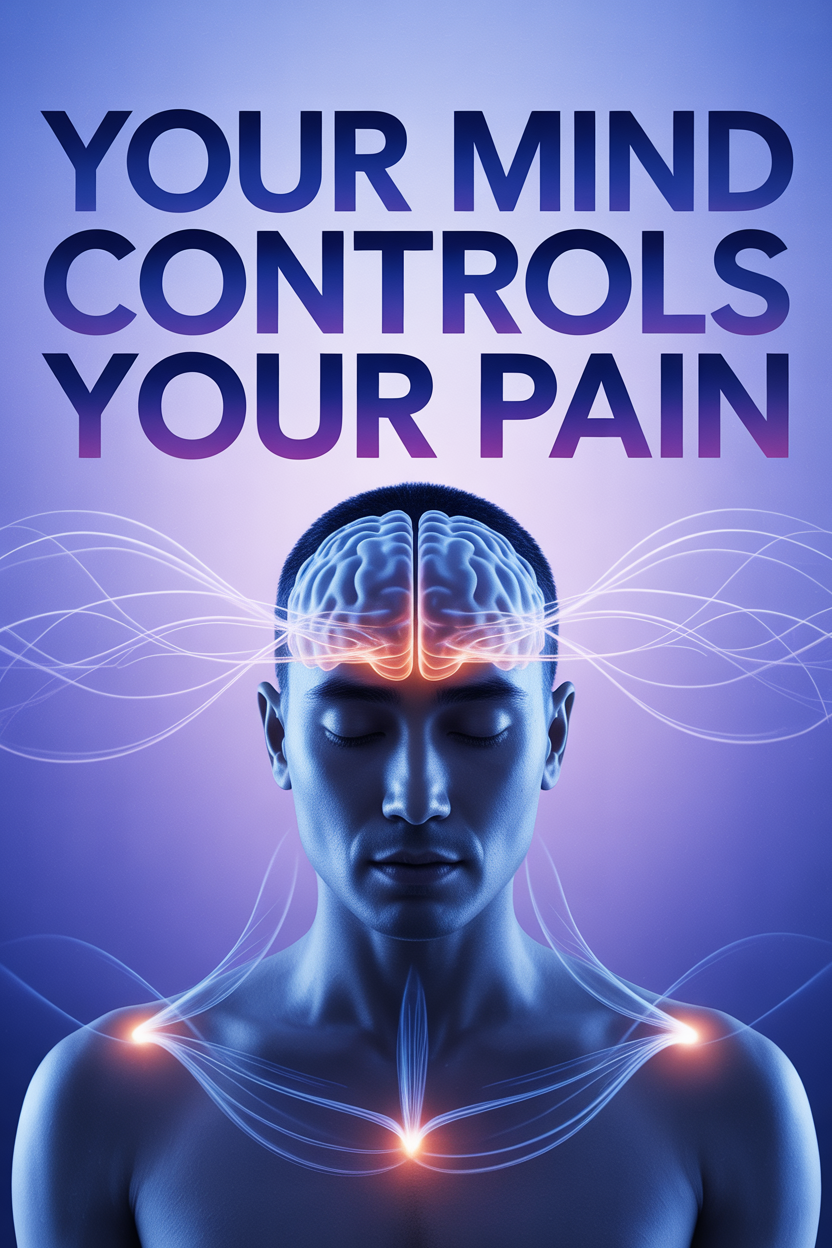
Your mind has incredible influence over how you experience pain. It’s like having an internal volume control you can learn to adjust.
Pain isn’t just physical—it’s a full sensory experience involving thoughts, emotions, and attention. By changing your mental approach, you can often reduce pain intensity without medication.
This connection explains why stress makes pain worse and why relaxation techniques can provide relief. Your nervous system responds to your thoughts about pain almost as much as to the pain itself.
Learning to harness this connection gives you a powerful tool for managing discomfort on your own terms.
Mindfulness Meditation: Practical Pain Relief
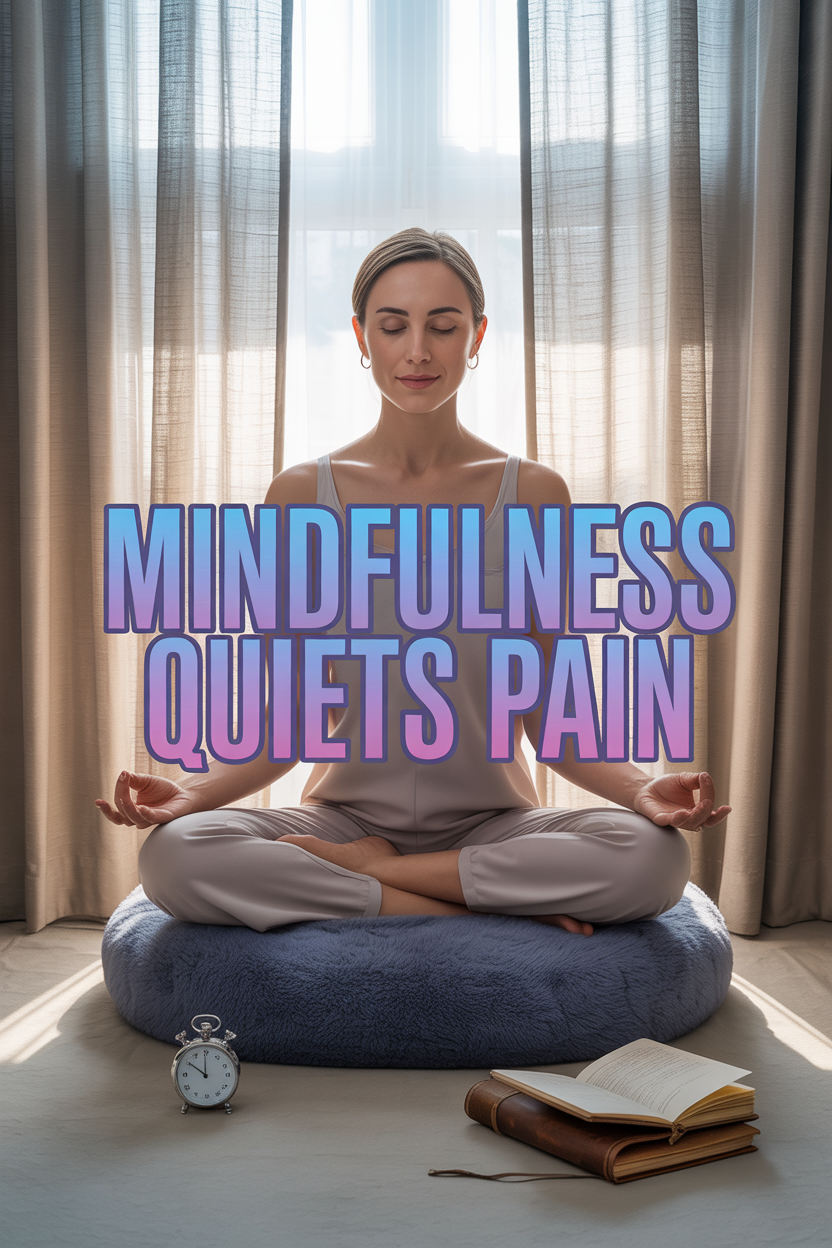
Mindfulness meditation isn’t just for wellness influencers. For pain management, it teaches your brain to acknowledge pain without escalating your response to it.
Regular meditation practice offers several benefits for pain sufferers:
- Lowers stress hormones that amplify pain signals
- Creates healthy distance between feeling pain and emotional reactions
- Helps you notice patterns in your pain triggers
- Builds resilience to discomfort over time
Even just 10-15 minutes daily can make a noticeable difference. You don’t need special equipment or positions—just a quiet spot and willingness to practice.
Simple body scans, where you mentally observe sensations without judgment, can be particularly effective for chronic pain conditions.
Breathing Techniques: The Foundation of Pain Control

Proper breathing breaks the pain-tension cycle that can trap your body in discomfort. Most people breathe too shallowly, especially when in pain.
Try these effective breathing patterns:
Diaphragmatic breathing involves inflating your belly rather than lifting your chest. Your shoulders should remain still while your abdomen expands.
The 4-7-8 technique means inhaling for 4 counts, holding for 7, and exhaling for 8. This pattern activates your parasympathetic nervous system, reducing stress and pain sensitivity.
Box breathing uses equal counts for inhaling, holding, exhaling, and holding again. Military personnel use this method during high-stress situations.
Pair these breathing exercises with progressive muscle relaxation—tensing and releasing muscle groups systematically—for a powerful pain-fighting combination that costs nothing to implement.
Movement Therapy: Finding Relief Through Exercise

When you’re hurting, exercise might seem counterintuitive. Yet the right kind of movement often provides exactly what your body needs:
- Triggers endorphin release—your body’s natural painkillers
- Strengthens supporting muscles around painful areas
- Improves circulation to promote healing
- Maintains joint mobility and prevents stiffness
- Enhances sleep quality, which further reduces pain sensitivity
Research consistently shows that inactivity often worsens pain conditions. The right activity helps break the cycle of “it hurts to move so I won’t move which makes it hurt more.”
Working with physical therapists or trainers who understand pain conditions can help you develop a safe, effective movement plan tailored to your needs.
Low-Impact Activities: Gentle Approaches for Pain Relief

Not all beneficial exercise requires intense effort. These gentler options provide pain relief without causing additional strain:
- Aquatic exercise: Water supports your body weight while providing natural resistance
- Walking: Simple, accessible, and remarkably effective for many pain conditions
- Tai Chi: Flowing movements combine physical benefits with meditative focus
- Therapeutic yoga: Modified poses designed specifically for pain management
- Recumbent cycling: Supports your back while providing cardiovascular benefits
Starting small is crucial. Begin with just five minutes if needed, gradually building duration and intensity as your body adapts.
Consistency matters more than intensity—regular gentle movement often provides better pain relief than occasional intense workouts.
Temperature Therapy: Simple Yet Effective Relief

Heat and cold treatments offer accessible, immediate pain management with minimal side effects:
Heat Therapy Benefits:
- Relaxes tight muscles and reduces spasms
- Improves circulation to stiff joints
- Eases chronic, persistent discomfort
- Apply for 15-20 minutes using heating pads, warm towels, or therapeutic baths
Cold Therapy Applications:
- Reduces inflammation in recent injuries
- Numbs localized pain temporarily
- Helps manage migraine headaches
- Apply for 15-20 minutes using ice packs, frozen gel packs, or even frozen vegetables wrapped in cloth
Some conditions respond well to alternating between heat and cold treatments. Always use cloth barriers to protect your skin, and consult healthcare providers if you have circulatory issues or reduced sensation.
Manual Therapies: Hands-On Approaches to Pain

These professional techniques address pain through physical manipulation and pressure:
- Massage therapy: Relieves muscle tension, improves circulation, and can reduce pain perception
- Acupuncture: Uses fine needles to stimulate specific points related to pain pathways
- Chiropractic care: Focuses on spinal alignment and its effects on the nervous system
- Myofascial release: Targets restrictions in the connective tissue surrounding muscles
Research supports these approaches for many pain conditions, though individual responses vary. Working with qualified, licensed practitioners ensures both safety and effectiveness.
Many insurance plans now cover these therapies when prescribed for specific pain conditions, making them more accessible than in the past.
Non-Invasive Devices: Technology for Pain Relief
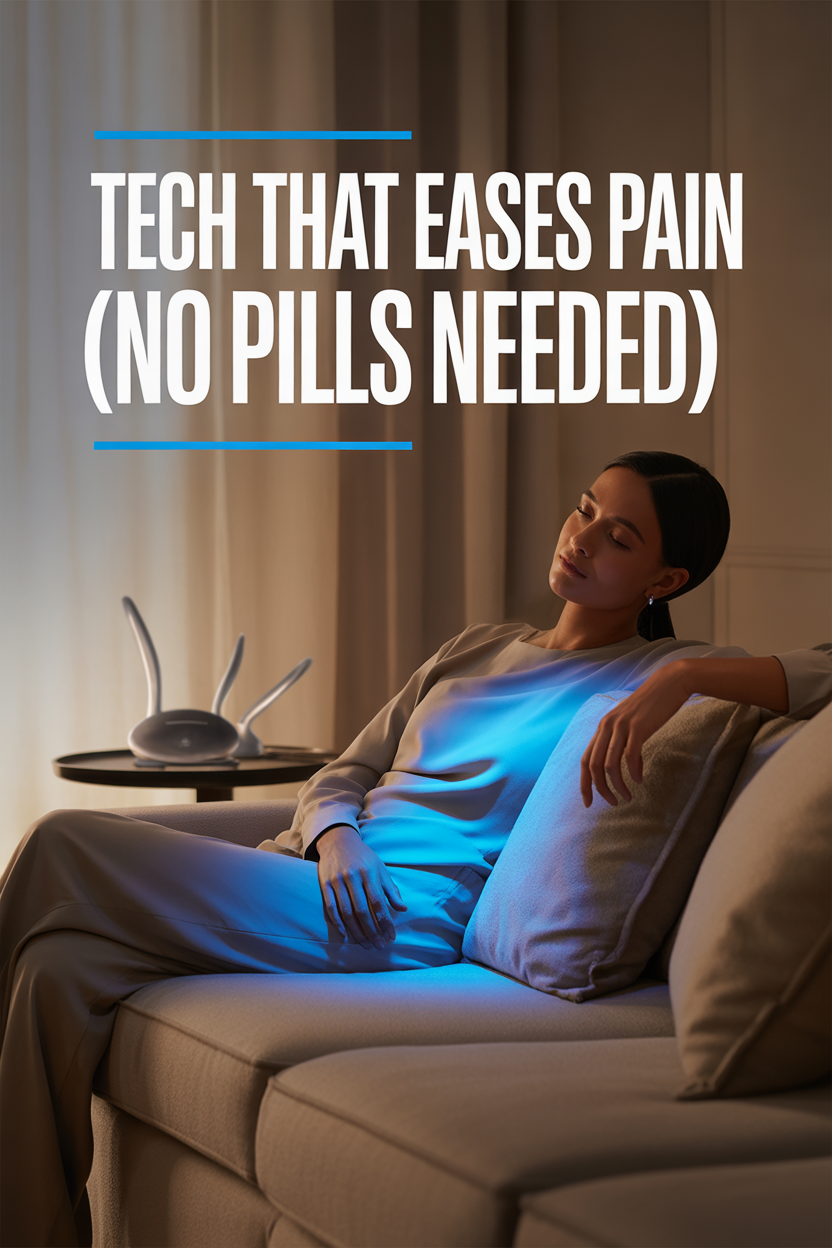
Several devices offer drug-free pain management through different mechanisms:
- TENS units: These deliver mild electrical currents that disrupt pain signals and stimulate endorphin release
- Biofeedback equipment: Displays your body’s responses in real-time, helping you learn to control tension and stress
- Acupressure mats: Provide multiple pressure points that stimulate blood flow and natural pain relief
- Red light therapy: Uses specific wavelengths to reduce inflammation and promote tissue healing
Most of these options are relatively affordable and can be used at home after proper instruction. Consult healthcare providers before using electronic devices if you have heart conditions or implanted medical devices.
Sleep Optimization: The Foundation of Pain Management

Poor sleep and pain create a vicious cycle that’s hard to break. Improving sleep quality can significantly reduce pain sensitivity by:
- Maintaining consistent sleep and wake times to regulate your body’s natural rhythms
- Creating a cool, dark, quiet sleeping environment free from distractions
- Limiting screen time before bed to support natural melatonin production
- Establishing a relaxing bedtime routine that signals your body to prepare for rest
- Using supportive pillows and mattresses that maintain proper alignment
Quality sleep allows your body to repair tissues, regulate inflammation, and reset pain perception thresholds. For many chronic pain sufferers, sleep improvement alone can create noticeable pain reduction.
Anti-Inflammatory Nutrition: Eating to Reduce Pain
Your diet directly affects inflammation levels in your body, which influences pain intensity. An anti-inflammatory eating approach includes:
- Omega-3 fatty acids: Found in fish, walnuts, and flaxseeds, these compounds naturally reduce inflammation
- Colorful fruits and vegetables: Contain antioxidants that fight inflammatory processes
- Anti-inflammatory herbs and spices: Turmeric, ginger, and rosemary offer natural pain-fighting properties
- Whole grains: Provide fiber that helps regulate inflammatory responses
Equally important is limiting inflammation triggers like processed foods, refined sugars, and excessive alcohol. Some people find additional relief by identifying personal food sensitivities through elimination diets.
Staying properly hydrated also supports tissue health and natural detoxification processes that can reduce pain.
Comprehensive Pain Management: Creating Your Personal Approach
Effective pain management without medication typically requires combining multiple strategies tailored to your specific needs. Consider working with healthcare providers to develop an integrated plan that might include:
- Physical techniques like movement therapy and manual treatments
- Psychological approaches including mindfulness and cognitive behavioral therapy
- Lifestyle modifications addressing sleep, nutrition, and stress management
- Social support through connections with understanding friends and support groups
Know when to seek professional help. Contact healthcare providers promptly for pain that is new, severe, accompanied by other symptoms, or significantly affecting your quality of life.
Remember that pain management is highly individual. What works for others may not work for you, and finding your effective combination often requires patience and experimentation.
By taking an active role in your pain management, you gain control over your comfort and well-being without relying solely on medication. This comprehensive approach offers sustainable relief and improved quality of life.