
Speed Up Your Recovery: How Red Light Therapy Is Revolutionizing Injury Healing

Red Light Therapy for Injuries: The Modern Solution for Faster Healing

When you’re dealing with an injury and looking for something to speed up healing without relying on medications, red light therapy offers a compelling solution. This non-invasive treatment is helping people recover faster, and it might be exactly what you need for your healing journey.
Understanding Red Light Therapy
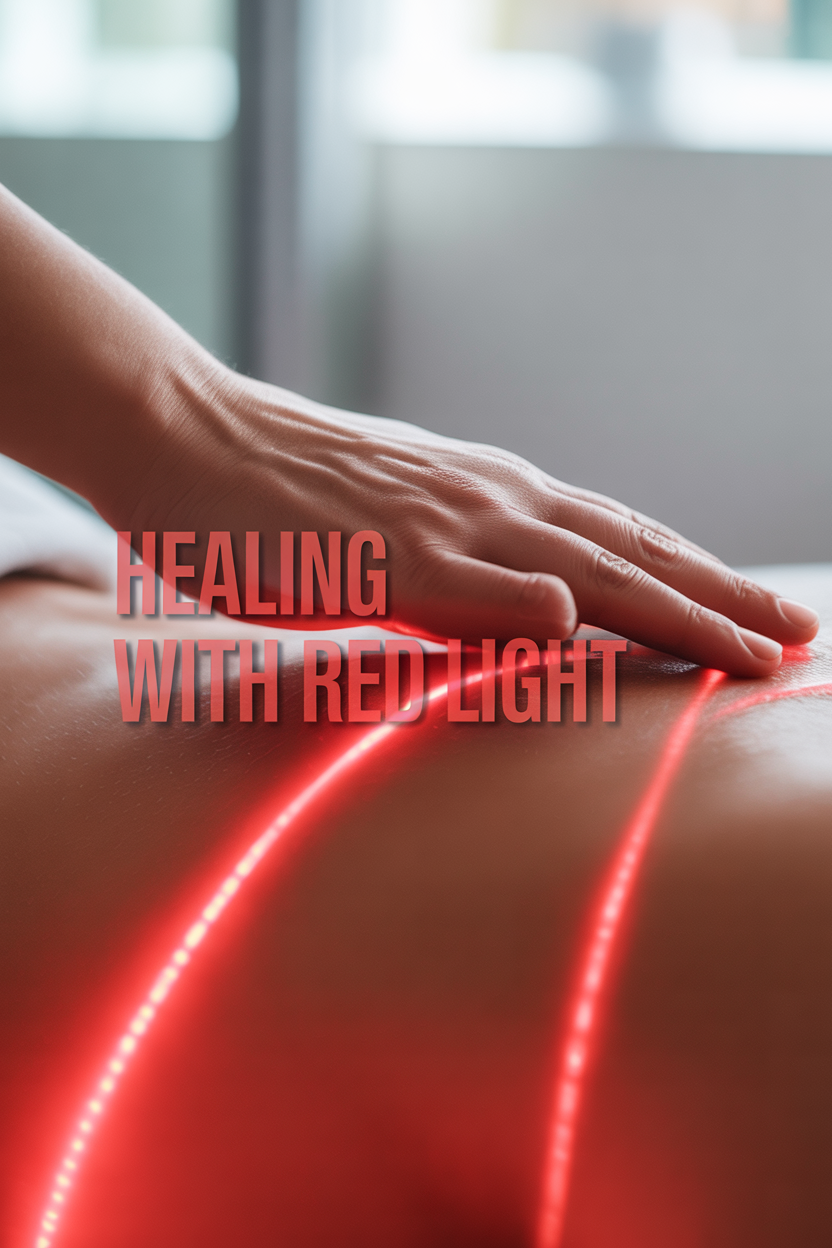
Red light therapy (RLT)—also known as low-level laser therapy or photobiomodulation—uses specific wavelengths of red and near-infrared light to enhance your body’s natural healing processes. Unlike harmful UV rays, this light penetrates your skin without causing damage.
Delivered through LED panels or handheld devices, these therapeutic wavelengths (typically 630-850 nanometers) stimulate your mitochondria—the powerhouses within your cells—to accelerate tissue repair and regeneration.
How Red Light Works at the Cellular Level
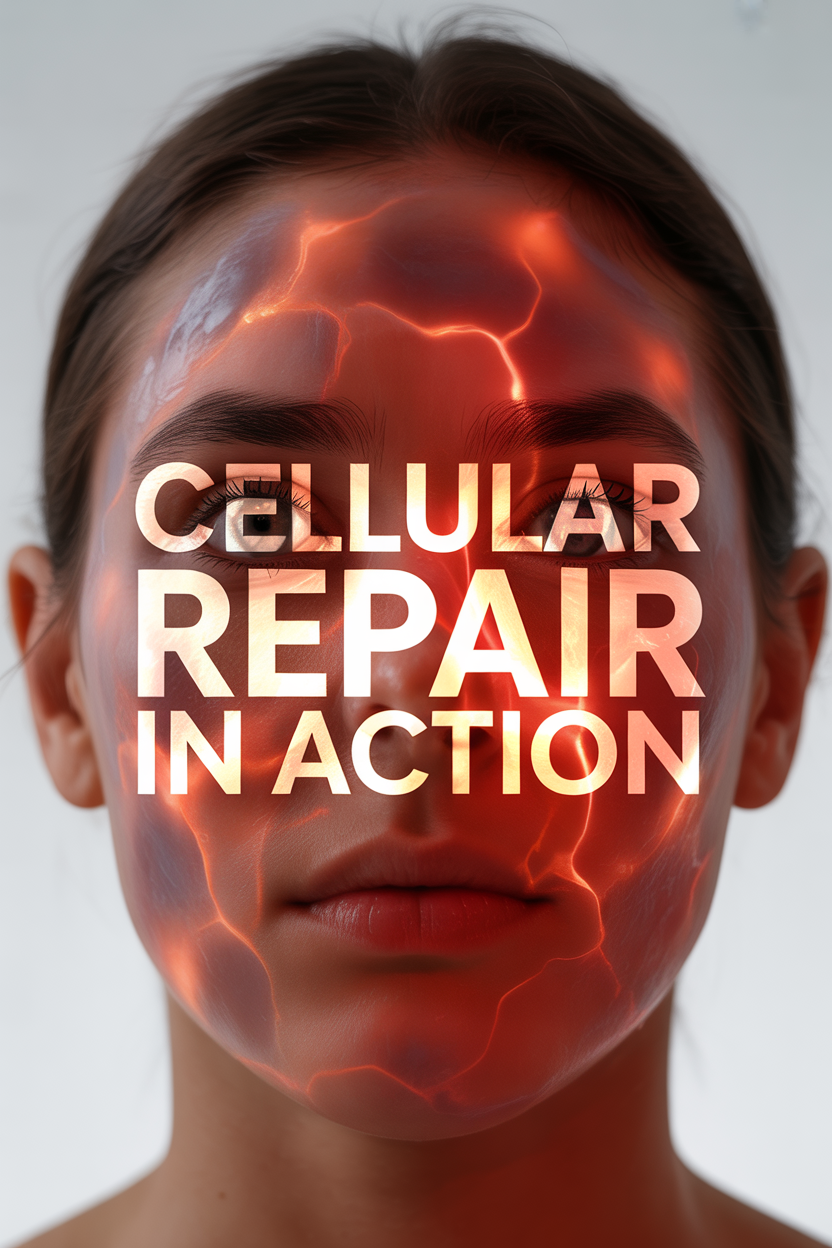
When red light penetrates your tissues, it creates a biological reaction that boosts healing. Your mitochondria absorb these light wavelengths and respond by increasing ATP production—the primary energy currency your cells need for repair work.
Red light therapy also promotes the release of nitric oxide, which improves blood circulation to injured areas. This enhanced blood flow delivers more oxygen and nutrients to damaged tissues.
Additionally, this therapy helps regulate inflammatory pathways that can sometimes impede recovery. The result is a more efficient healing process with less pain and swelling.
Injuries That Respond Well to Red Light Treatment

A wide range of injuries can benefit from red light therapy:
- Muscle strains and tears from physical activity
- Ligament sprains like twisted ankles
- Tendonitis including tennis elbow and Achilles issues
- Joint inflammation and arthritis pain
- Cartilage damage in knees and other joints
- Nerve injuries causing pain or numbness
- Skin wounds, cuts, and burns
- Bone injuries and fractures (as a complementary therapy)
Soft tissue injuries typically show the most dramatic improvements with red light therapy, as these tissues readily absorb the beneficial wavelengths.
Accelerating Your Body’s Natural Healing Process
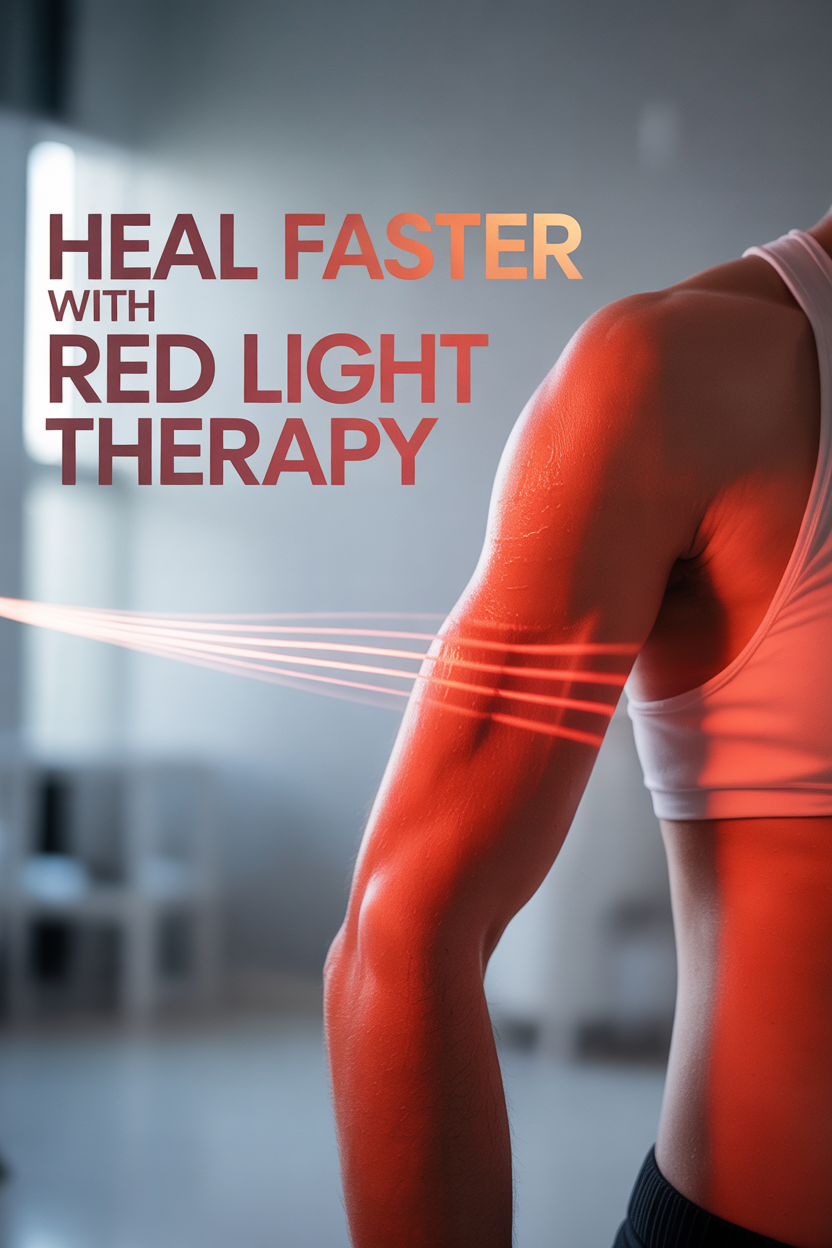
Your body heals in distinct phases, and red light therapy optimizes each stage. During the initial inflammation phase, it helps moderate the inflammatory response to prevent excessive swelling.
In the proliferation phase, red light stimulates fibroblasts to produce more collagen, which is essential for rebuilding damaged tissue. During the final remodeling phase, it helps organize collagen fibers for optimal strength and minimal scarring.
The result? Many patients experience recovery times reduced by 20-40% compared to conventional treatments alone. This significant improvement can mean getting back to your normal activities much sooner.
Treating Muscle Injuries Effectively
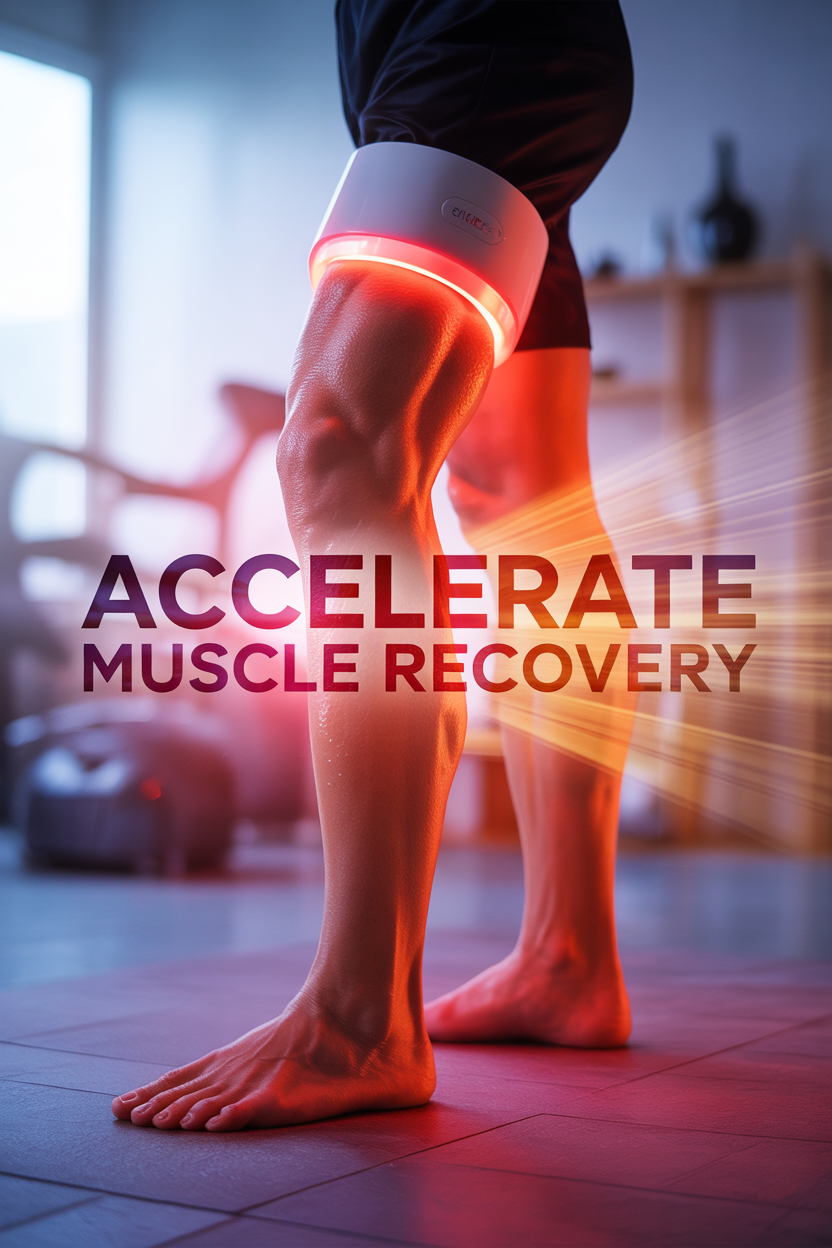
For muscle injuries, red light therapy offers several key benefits. When used on fresh strains, early treatment can limit the extent of damage by controlling inflammation.
As healing progresses, red light promotes myogenesis (the formation of new muscle tissue) and angiogenesis (the development of new blood vessels). These processes are crucial for complete muscle recovery.
Research shows that athletes receiving red light therapy often return to training faster than those using only conventional treatments. This therapy is particularly valuable for common muscle injuries like hamstring strains, calf tears, and quadriceps pulls.
Joint Recovery and Pain Relief
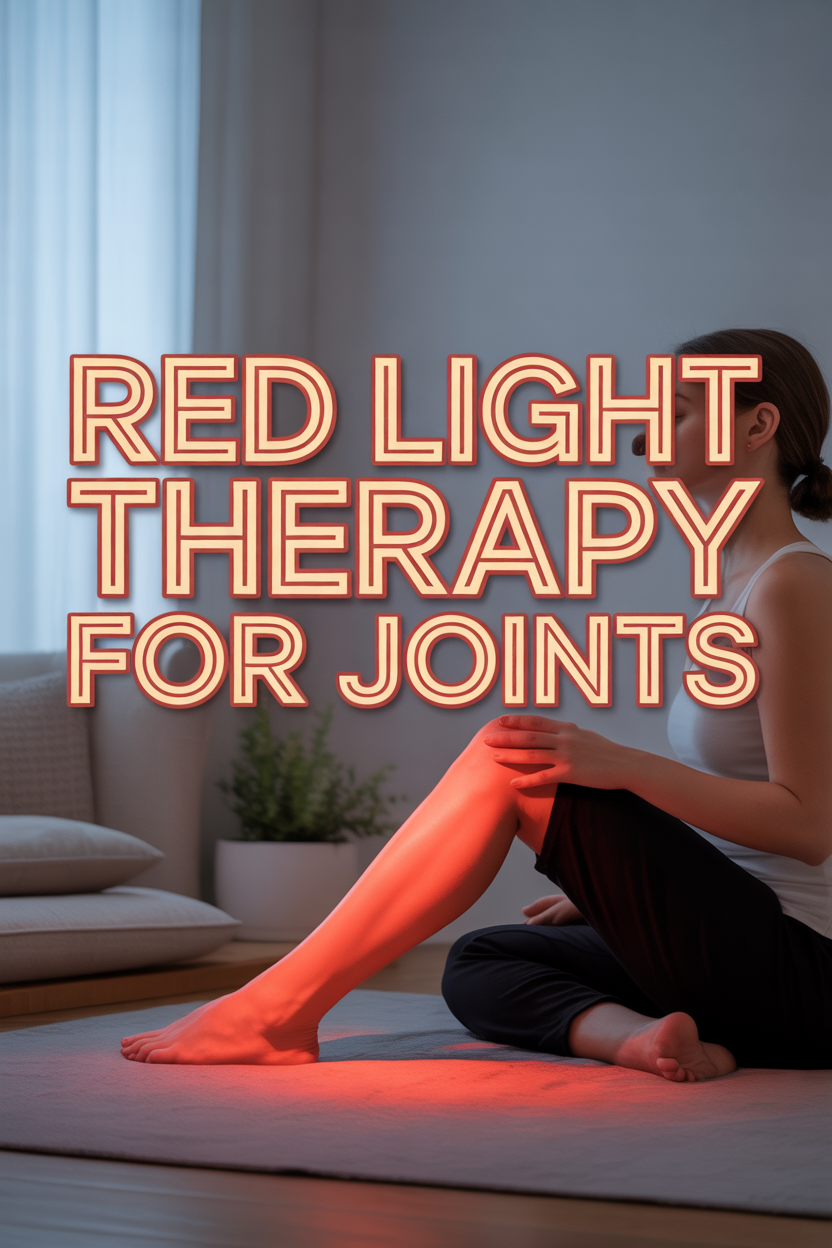
Joints involve complex interactions between different tissue types, making injuries in these areas particularly challenging. Red light therapy addresses joint injuries by reducing swelling more quickly than many traditional approaches.
It supports cartilage cells and creates an optimal healing environment for ligaments and menisci, which typically heal slowly due to limited blood supply. The improved microcirculation and metabolism in these tissues accelerate the repair process.
People with knee sprains, ankle injuries, or joint damage frequently report significant improvement after consistent treatments. Many experience reduced pain and improved mobility within weeks.
Specialized Benefits for Sports Injuries
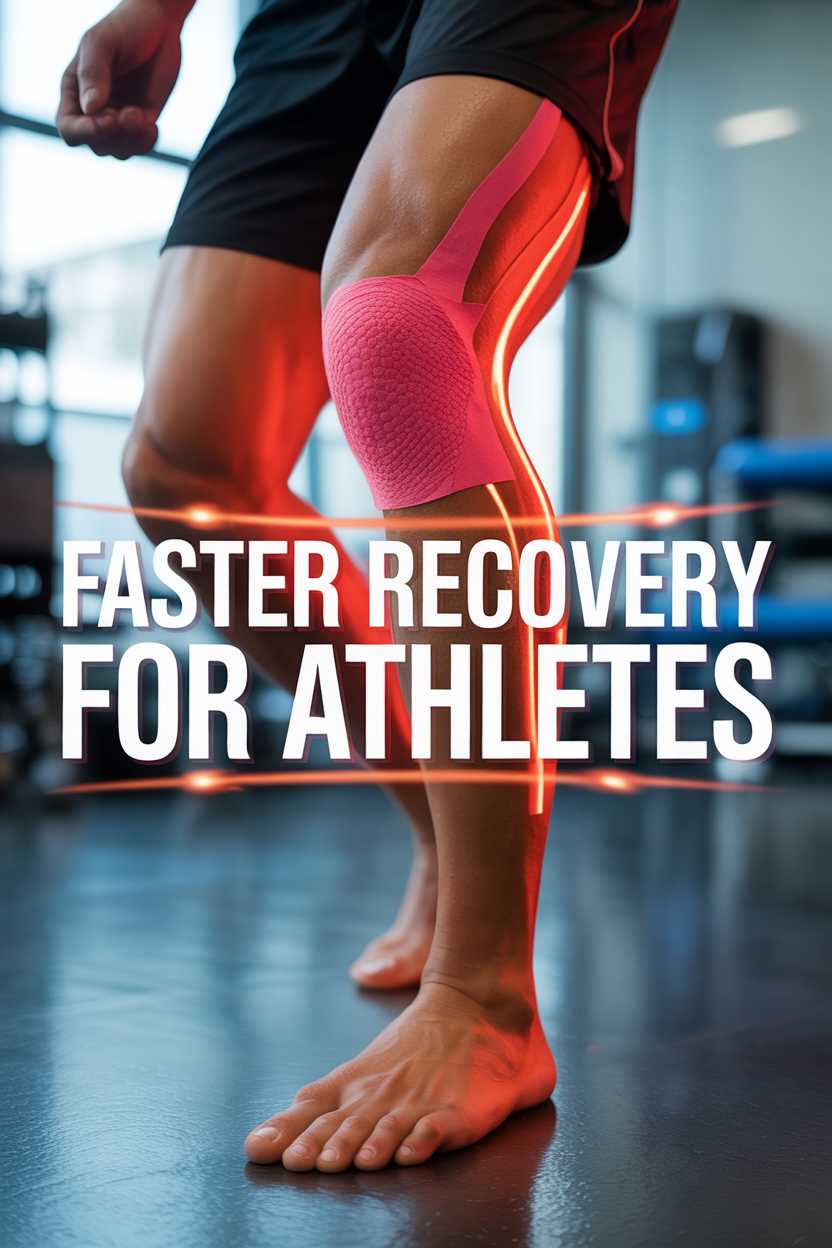
Athletes at all levels appreciate red light therapy because it facilitates recovery without the potential side effects associated with some conventional treatments. This makes it particularly valuable for getting back to training safely.
Red light therapy shows impressive results for common sports injuries including tennis elbow, golfer’s elbow, runner’s knee, and jumper’s knee. Ankle sprains also respond well, with many patients experiencing faster recovery times.
The effectiveness of this treatment has led many professional sports teams to install red light therapy systems in their training facilities. This mainstream adoption by elite sports medicine professionals speaks to its proven benefits.
Managing Pain and Inflammation

Unlike some medications that broadly suppress your immune system, red light therapy takes a more targeted approach to inflammation. It helps regulate the inflammatory response rather than simply shutting it down completely.
For pain management, red light works through multiple mechanisms: reducing inflammatory compounds that trigger pain signals, calming overactive nerve cells, and enhancing your body’s natural pain-relieving processes.
Many patients report noticeable pain relief after just a few sessions, though the full anti-inflammatory benefits typically develop after 1-2 weeks of consistent treatment. This gradual improvement leads to more sustainable pain relief.
The Scientific Evidence Behind Red Light Therapy
The research supporting red light therapy continues to grow stronger. A comprehensive 2021 review analyzing 46 controlled trials found substantial evidence for its effectiveness in treating musculoskeletal injuries, particularly for tendon problems and joint conditions.
Other notable research findings include:
- Athletes with hamstring injuries returning to play approximately 33% faster
- Significant pain reduction for people with chronic tendon injuries
- Improved markers of tissue regeneration at the cellular level
While researchers note that more standardized protocols would be beneficial, the existing evidence consistently supports red light therapy’s effectiveness for injury recovery.
Professional vs. At-Home Treatment Options
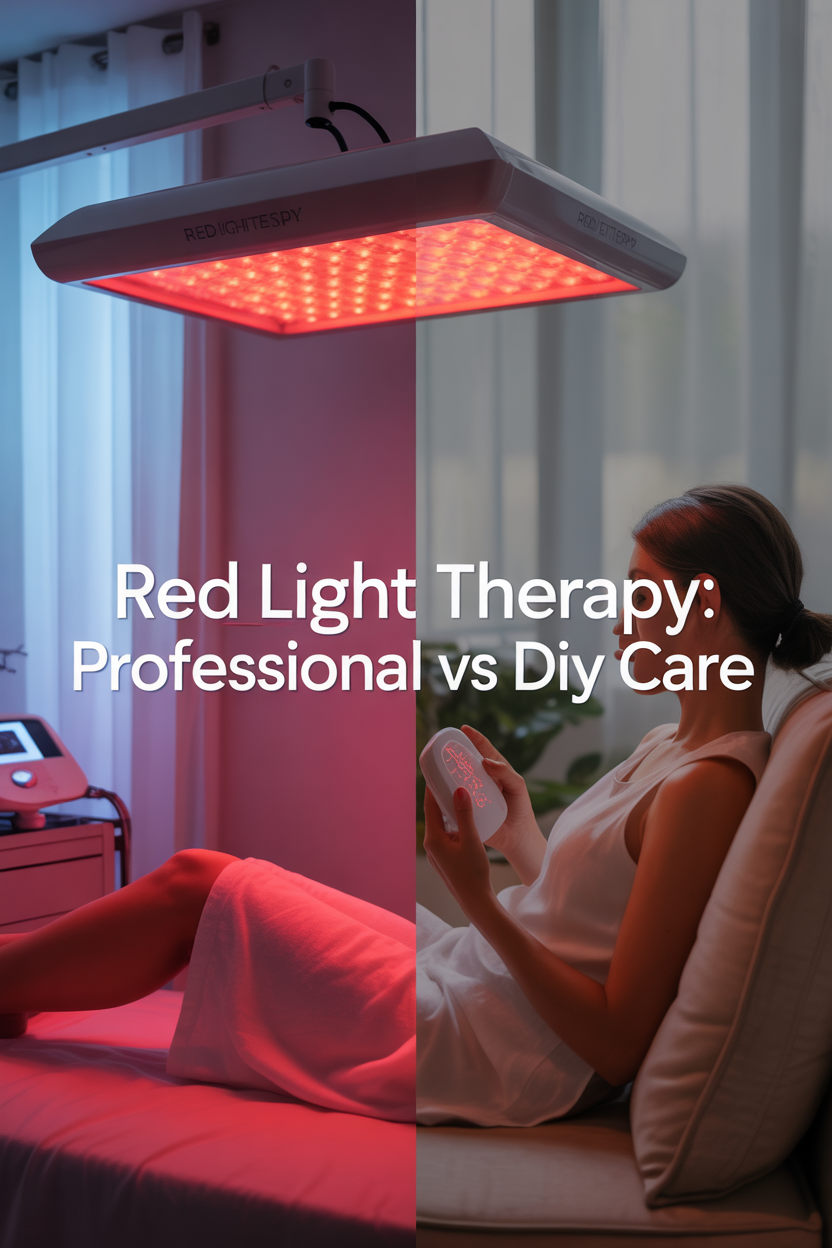
You can access red light therapy through professional services or at-home devices, each with distinct advantages.
Professional treatments typically offer higher-powered devices with precise calibration, administered by trained practitioners. These sessions generally cost between $30-150, depending on your location and the facility.
At-home devices range from compact handheld units ($50-200) to larger panels ($300-3,000+). While convenient for regular use, these devices usually deliver less power than professional equipment, requiring longer or more frequent sessions.
For serious injuries, many people find it beneficial to start with professional treatments and then transition to at-home maintenance as their condition improves.
Safety Guidelines and Best Practices
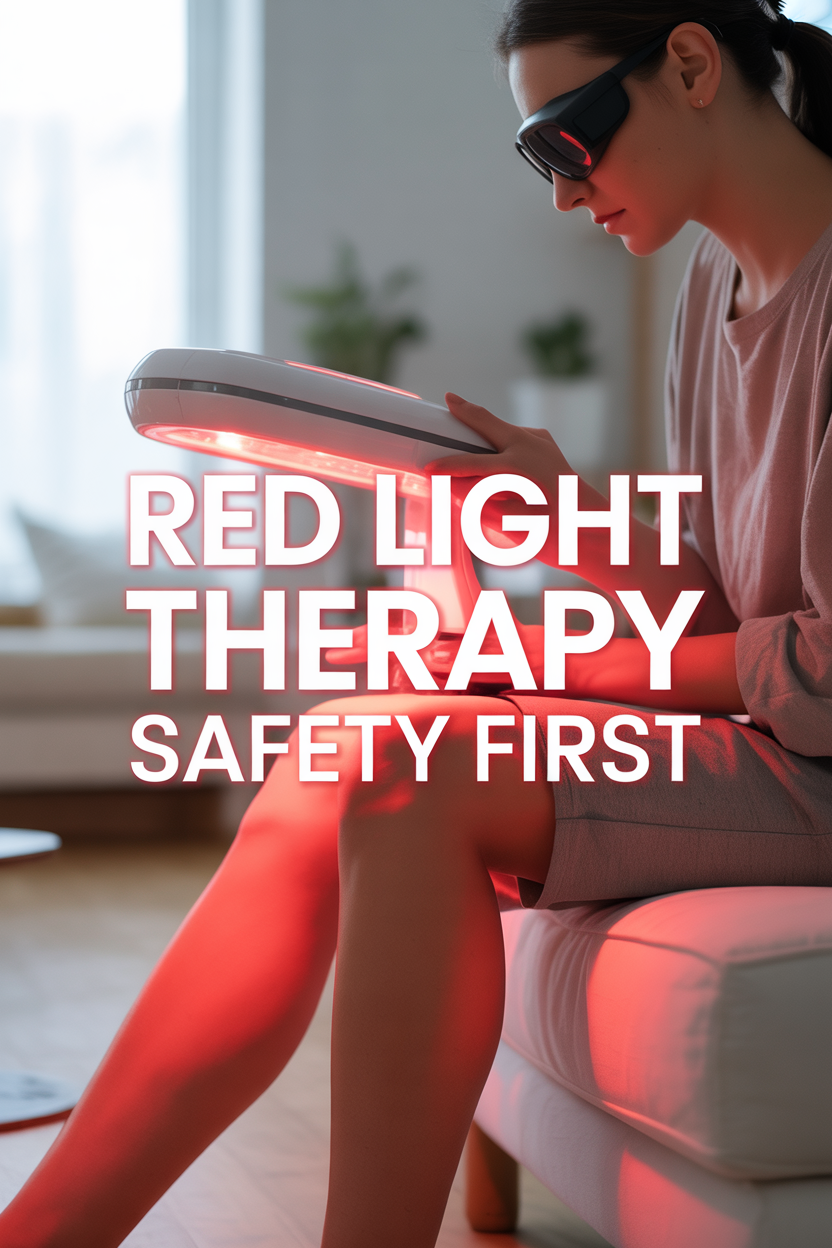
Red light therapy is generally very safe when used properly, but following these guidelines ensures optimal results:
Always follow manufacturer instructions regarding treatment distance and duration. Position devices 6-12 inches from your injury for most effective light penetration. Begin with shorter sessions (3-5 minutes) before gradually increasing to the recommended 10-20 minutes.
Consistency is crucial—daily treatments work best for acute injuries, while 3-5 sessions weekly may be sufficient for chronic conditions. While red light therapy doesn’t damage eyes like UV light, using protective eyewear is still recommended, especially with higher-powered devices.
Customizing Your Treatment Approach
Effective red light therapy requires adjusting your approach based on your specific injury. For recent injuries (within the first 72 hours), shorter, more frequent sessions (5-10 minutes, 2-3 times daily) often work best.
For chronic or older injuries, longer sessions (15-20 minutes) once or twice daily may be more effective. Most treatment plans range from 2-6 weeks, depending on the severity and nature of your injury.
Different injuries benefit from specific approaches:
- For muscle strains, target both the muscle belly and its attachment points
- With tendon issues, focus on the tendon itself and the muscle-tendon junction
- For joint injuries, position the device to reach all aspects of the joint structure
Combining Red Light With Other Treatments
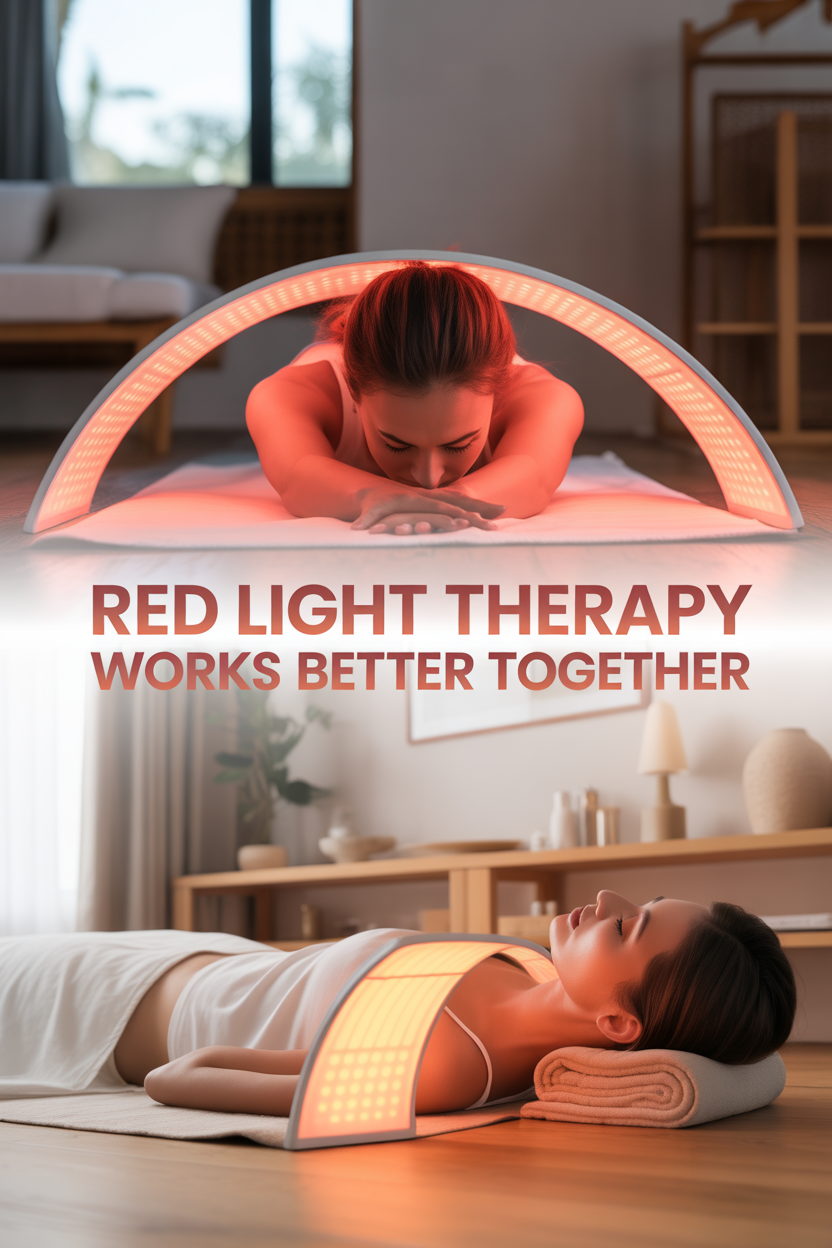
Red light therapy works effectively alongside many other recovery methods. Therapeutic exercise becomes more productive when preceded by red light treatment, as the increased cellular energy and blood flow prepare tissues for activity.
Manual therapies like massage and myofascial release complement red light therapy well. Proper nutrition, particularly adequate protein and anti-inflammatory foods, further supports the healing process by providing necessary building blocks for tissue repair.
Some treatments require careful timing. For example, separate cold therapy and red light treatment by at least 1-2 hours, as they work through opposing mechanisms. For optimal results, use red light before exercise to prepare tissues and again afterward to accelerate recovery.
Cost Considerations and Long-Term Value

When evaluating the financial aspect of red light therapy, consider both immediate costs and long-term benefits. Professional treatments ($30-150 per session) add up when multiple sessions are needed. Quality at-home devices require a larger upfront investment ($300-3,000) but offer unlimited treatments for you and your household.
The value becomes apparent when considering faster return to work, reduced need for pain medications, and potentially fewer physical therapy visits. For chronic conditions or injury-prone individuals, at-home devices often become cost-effective within 3-6 months compared to ongoing professional treatments.
Your personal circumstances, including injury frequency, severity, and budget, will determine which option provides the best value for your situation.
A Promising Tool for Injury Recovery
Red light therapy offers a valuable approach to injury treatment with minimal side effects and growing scientific support. Its ability to enhance cellular energy production, manage inflammation, and accelerate tissue repair makes it applicable to a wide range of injuries.
While individual results vary based on factors like injury severity and overall health, many people experience noticeably faster healing and reduced pain with consistent treatment. For optimal results, consider consulting a healthcare provider to integrate red light therapy into a comprehensive recovery plan.
With proper application and realistic expectations, red light therapy can be an effective tool to help you recover more quickly and get back to your normal activities with less downtime.