
15 Proven Relief Techniques for Upper Back Soreness (That Actually Work)

Complete Guide to Upper Back Soreness Relief: 15 Effective Strategies (That Won’t Make Your Back Even Angrier!)

Upper back soreness can make simple tasks feel like major challenges! Whether you’re experiencing tension between your shoulder blades from computer work, morning stiffness from poor sleeping positions, or mysterious aches, this guide provides the relief strategies you need. Let’s explore why your upper back hurts and how to help it feel better fast.
Understanding Upper Back Soreness: Common Causes

Your upper back pain typically stems from specific triggers. Muscle strain from overexertion or improper lifting is a frequent culprit.
Poor posture during long periods at your desk creates significant strain on back muscles.
Joint dysfunction between ribs or vertebrae can cause persistent discomfort.
Other common causes include weak, underused muscles, carrying heavy bags, and underlying conditions like osteoarthritis.
Identifying your specific pain trigger is the first step toward effective relief.
How Poor Posture Affects Your Upper Back

Modern lifestyles often lead to problematic posture patterns. When you slouch forward, your upper back muscles overstretch while chest muscles tighten, creating a painful imbalance.
“Text neck” from looking down at devices adds up to 60 pounds of pressure on your spine—equivalent to carrying a medium-sized dog on your neck all day!
This postural imbalance gradually transforms healthy back muscles into painful, knotted areas.
Simply becoming aware of your posture habits is the first step toward improvement.
The Connection Between Stress and Back Tension

Your emotional state directly affects your physical comfort. During stressful situations, your shoulders naturally rise toward your ears as your body physically holds tension.
The trapezius muscles across your upper back become stress storage areas, contracting involuntarily and restricting their own blood supply.
This creates a cycle where stress causes muscle tension, tension causes pain, and pain increases stress.
Addressing both physical symptoms and emotional triggers provides more complete relief than treating either aspect alone.
Fast Relief Techniques for Immediate Comfort

When your upper back demands immediate attention, several quick techniques can help.
Shoulder rolls loosen tight muscles—slowly circle your shoulders forward and backward to release tension.
Try the doorway stretch by standing in a doorframe with arms up at 90-degree angles, then gently leaning forward to open chest muscles and relieve back strain.
Self-massage with a tennis ball between your back and a wall helps release painful trigger points.
Over-the-counter pain relievers can provide temporary relief, while deep, intentional breathing helps relax tight muscles from the inside out.
Effective Stretches for Upper Back Release

Strategic stretching can significantly reduce upper back discomfort. The cat-cow stretch improves spinal mobility—on hands and knees, alternate between arching and rounding your back.
For thoracic extension, sit in a chair and gently arch backward over the chair back to counteract forward-leaning posture.
Child’s pose opens the space between shoulder blades while providing gentle relief to compressed spinal tissues.
The seated twist improves rotation in your upper spine—sit sideways on a chair and gently turn your upper body in the opposite direction.
Hold each stretch for 20-30 seconds and perform them daily for best results.
Strength Training to Prevent Recurring Pain

Building muscle support around your spine creates lasting protection against future discomfort.
Row exercises strengthen the muscles between your shoulder blades that counterbalance chest tightness.
Shoulder blade squeezes improve posture awareness—simply draw your shoulder blades together and hold briefly before releasing.
Wall angels train proper shoulder and back alignment while strengthening postural muscles.
The prone Y-T-I series, performed lying on a stability ball, targets multiple back muscle groups for comprehensive strengthening.
Include these exercises 2-3 times weekly to transform your back from a problem area to a source of strength.
Workplace Ergonomics for Back Health

Your workspace setup significantly impacts daily back comfort. Adjust your chair to support proper posture with feet flat, knees at right angles, and lower back well-supported.
Position your monitor at eye level to prevent neck strain that radiates into your upper back.
Your keyboard should allow arms to rest at 90-degree angles to minimize shoulder tension.
Consider a standing desk option to vary your position throughout the day.
Take movement breaks every 30-45 minutes to reset muscle tension patterns.
These small adjustments create substantial improvements in daily comfort.
Heat vs. Cold Therapy: When to Use Each

Temperature therapy offers targeted relief when used correctly. For recent injuries with inflammation, cold therapy reduces swelling and numbs pain—apply an ice pack wrapped in a thin towel for 15-20 minutes.
For chronic tension and stiffness, heat therapy increases blood flow to tight muscles—heating pads, warm showers, or heat wraps help relax persistent tension.
Some conditions respond well to alternating between heat and cold treatments.
Always protect your skin with proper barriers to prevent temperature-related injuries.
Self-Massage Techniques for Home Relief
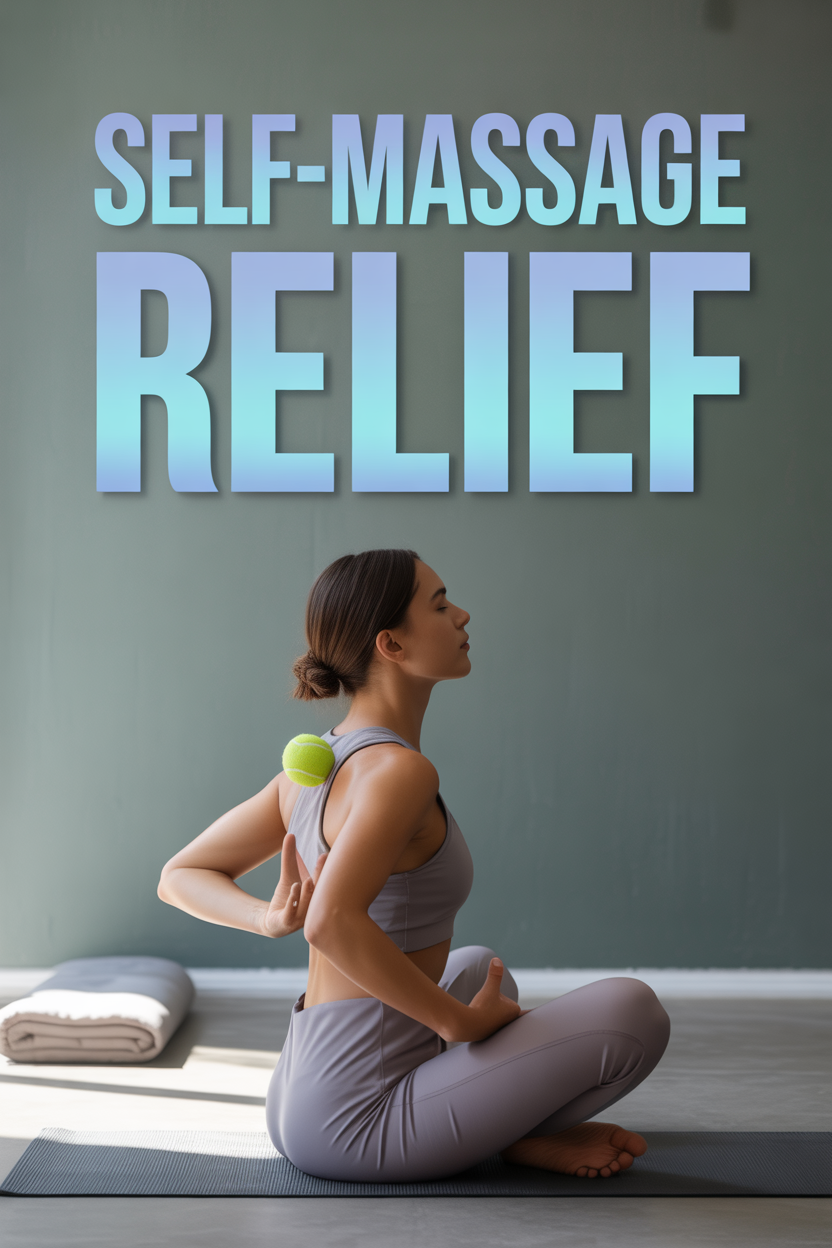
You can effectively address upper back tension without professional massage appointments.
The wall ball technique uses a tennis ball pressed between your back and a wall to release tight spots—move slowly until you find tender areas, then apply gentle pressure.
The “Butterfly” self-massage allows you to reach your own shoulders by placing one hand on the opposite shoulder and kneading gently.
Pressure point therapy identifies and releases specific tension points with sustained gentle pressure.
Always warm muscles first with light movement or heat before attempting deeper massage techniques.
Foam Rolling for Improved Back Mobility
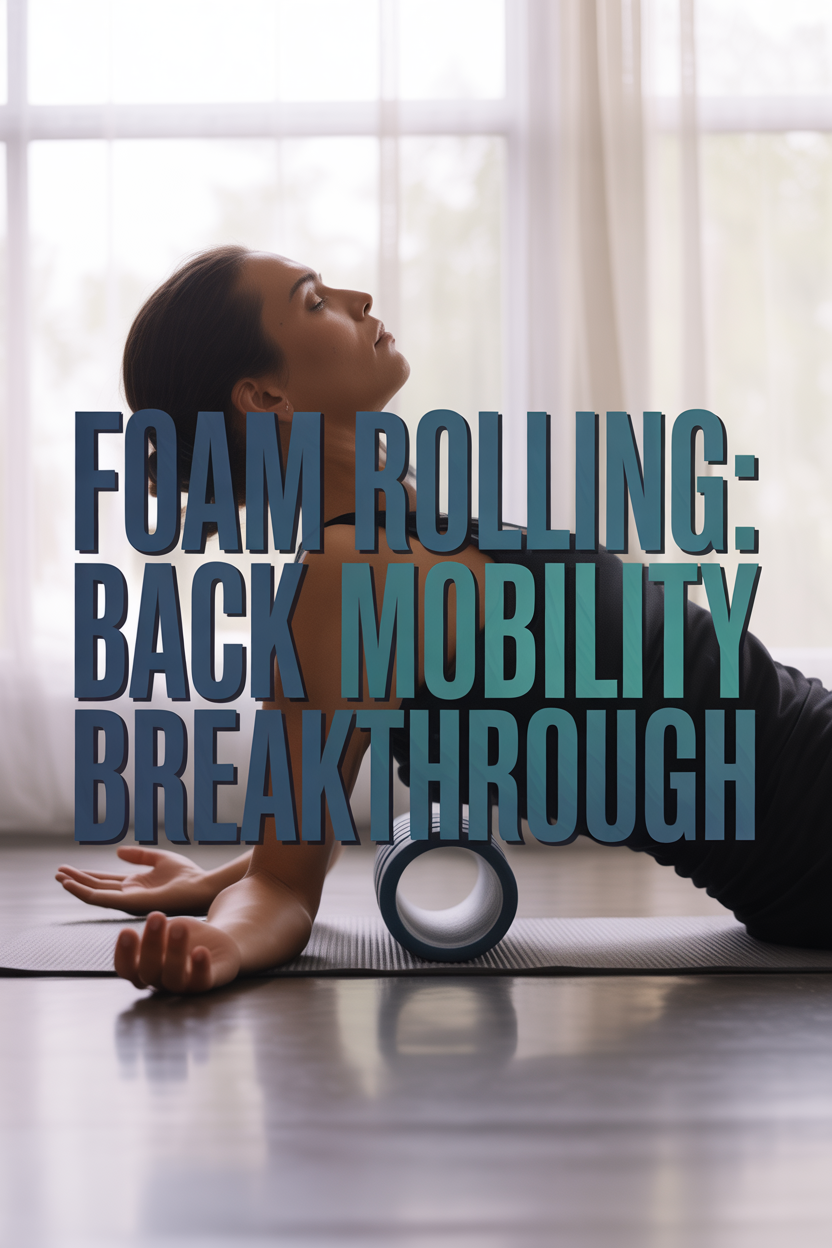
Foam rolling provides deep tissue release and improves movement quality. For basic upper back release, lie with the foam roller positioned horizontally across your mid-back, supporting your head as you gently roll up and down.
For thoracic mobility, position the roller horizontally and perform gentle back extensions over it to counteract forward posture.
Side rolling targets the often-overlooked latissimus dorsi muscles that contribute to upper back tension.
Start with a softer roller if you’re new to this technique, and spend just 5-10 minutes daily for significant improvement.
Yoga Benefits for Persistent Back Discomfort

Yoga combines strength, flexibility, and mindfulness for comprehensive back care. Specific poses like Cat-Cow improve spinal mobility, while Thread the Needle creates space between tight shoulder blades.
Cobra pose strengthens back muscles that support good posture, and Child’s Pose provides gentle stretching for tight shoulders.
Downward Dog strengthens the entire posterior chain while decompressing the spine.
The mindfulness component helps you recognize tension patterns before they become painful.
Even 10-15 minutes of daily practice can significantly improve chronic upper back discomfort.
When to Seek Professional Help

While self-care works for many back issues, certain symptoms warrant medical attention. Consult a healthcare provider if pain persists longer than two weeks despite home treatment.
Pain that radiates into your arms or chest may indicate nerve involvement requiring professional assessment.
Numbness, tingling, or weakness suggests nerve compression that needs prompt evaluation.
Difficulty breathing accompanied by back pain requires immediate medical care.
Pain that wakes you from sleep or comes with fever could indicate infection or other serious conditions.
Depending on your specific situation, physical therapists, chiropractors, massage therapists, or pain specialists can offer targeted treatments beyond self-care approaches.
Remember, your upper back discomfort didn’t develop overnight, and resolving it takes consistent attention. By combining these strategies and applying them regularly, you can transform your relationship with your upper back from painful to comfortable. These techniques work best together, each one enhancing the effectiveness of the others. With patience and persistence, you can overcome upper back soreness and return to comfortable, pain-free movement.