
The Wearable Revolution: How On-Body Tech Is Changing Pain Management Forever
Say Goodbye to Pain, Hello to Freedom: The Wonderful World of Wearable Pain Relief

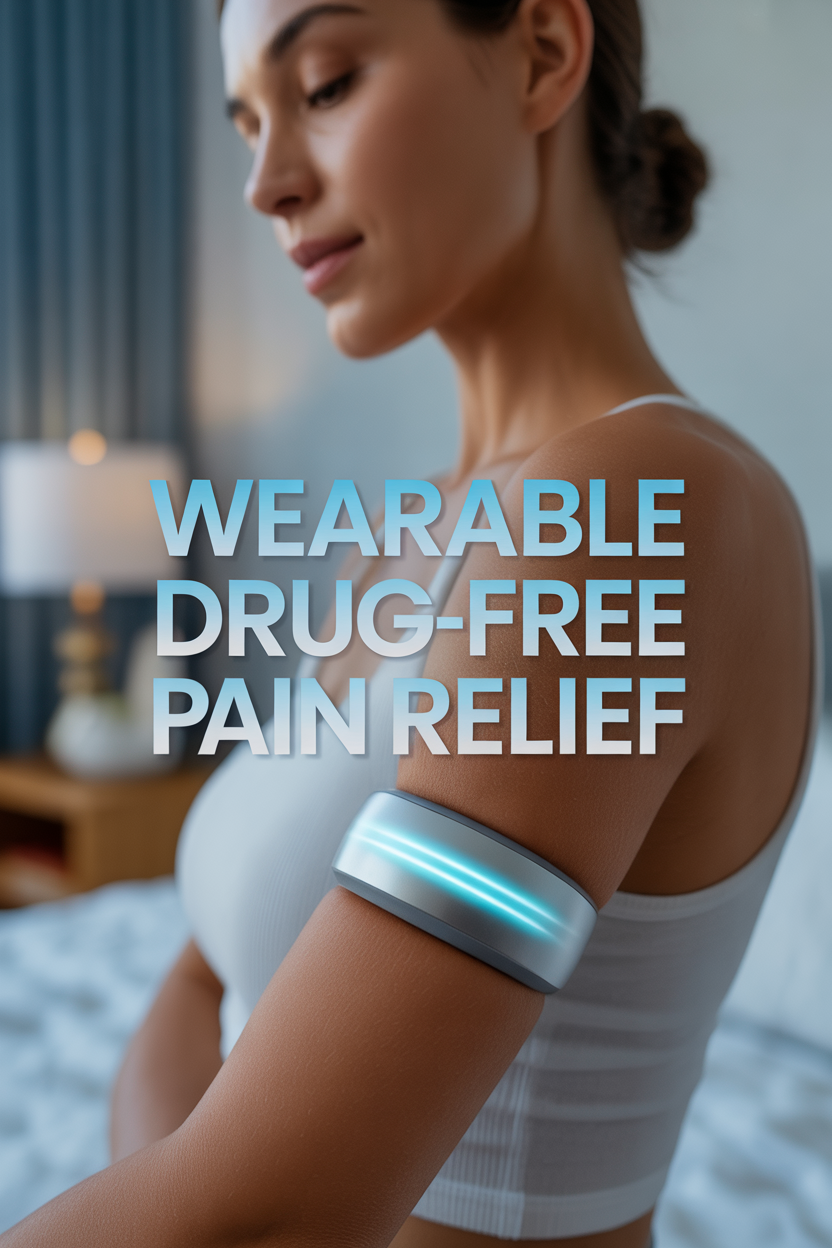
Chronic pain is that unwelcome guest who refuses to take a hint. But there’s good news – you don’t have to rely solely on medications anymore! Medical technology has created remarkable wearable pain relief devices that offer drug-free alternatives that fit seamlessly into your daily life.
These portable, often discreet tech devices are specifically designed to reduce pain while you go about your day. Unlike older approaches that required bulky equipment, today’s wearable pain solutions integrate easily into your lifestyle.
The science behind these devices centers on the gate control theory of pain. This concept explains how non-painful inputs can block painful signals from reaching your brain. Different devices use various methods—electrical stimulation, temperature therapy, or compression—to intercept those pain signals.
How Modern Pain-Fighting Devices Work

Most effective wearable pain relief gadgets work through one or more of these mechanisms:
- Neuromodulation: Sending tiny electrical currents to interrupt pain signals and create a neural blockade.
- Thermotherapy: Applying heat or cold that diverts attention from pain and improves blood flow to affected areas.
- Compression: Providing gentle pressure that improves circulation and reduces swelling in painful areas.
- Vibration therapy: Using gentle vibrations to distract nerves and enhance blood flow to affected tissues.
- Light therapy: Delivering specific wavelengths into tissues to reduce inflammation at the cellular level.
The best part? These technologies can work individually or together for enhanced pain management, without the concerning side effects associated with many medications.
Pain Relief Options for Every Situation

The wearable pain relief market has expanded dramatically with options ranging from simple single-function devices to sophisticated multi-therapy systems:
- TENS units that have evolved from clinical equipment to sleek wearable technology
- Portable heat therapy wraps that provide consistent warming relief
- Wearable cold therapy devices that deliver targeted cooling without mess
- Advanced compression sleeves with graduated pressure systems
- Combination devices offering multiple therapies in one unit
- Smart pain relief gadgets with app connectivity for personalized treatment
Each category addresses different types of pain situations, allowing you to customize your approach based on your specific needs. Many people with multiple pain locations find benefit in having several different devices for comprehensive relief.
TENS Units: Electrical Signals That Block Pain

TENS (Transcutaneous Electrical Nerve Stimulation) units deliver mild electrical currents through your skin that effectively block pain signals. They also stimulate your body to release natural endorphins—your internal pain-fighting chemicals.
Today’s wearable TENS devices have evolved significantly from their clinical predecessors:
- Discreet wireless units that attach directly to pain points without visible wires
- Ultra-thin designs that conform comfortably to your body’s contours
- Smartphone-controlled options for precise adjustment of intensity and patterns
- Extended-wear options for overnight relief when pain disrupts sleep
These electrical stimulation devices are particularly effective for nerve pain, muscle issues, and post-workout soreness. Most are available without a prescription, making them easily accessible for most people.
Heat Therapy Wearables: Soothing Warmth for Deep Relief

Heat therapy is one of the oldest and most instinctive pain remedies. Modern heat therapy wearables have advanced far beyond traditional heating pads that required constant connection to power outlets.
Today’s portable heat therapy options include:
- Battery-powered designs that allow complete mobility throughout your day
- Precise temperature controls that maintain optimal therapeutic heat levels
- Flexible, washable materials that contour perfectly to your body’s unique shape
- Extended battery life for all-day relief without interruption
- Fast-heating technology for immediate response to sudden pain flares
Heat therapy works by expanding blood vessels, improving circulation, and relaxing tense muscles. The latest wearable heat devices maintain therapeutic temperatures for hours while allowing you to remain active and engaged in daily activities.
Cold Therapy Wearables: Precision Cooling for Inflammation

Cold therapy excels at reducing inflammation, numbing acute pain, and controlling swelling after injuries or intense physical activity. Traditional methods like ice packs are messy and inconvenient, but modern cold therapy wearables solve these problems.
Today’s advanced cold therapy devices include:
- Chemical-free cooling systems that provide safe, controlled temperature reduction
- Battery-powered cooling elements with adjustable intensity settings
- Hybrid hot/cold devices that offer versatility for different pain conditions
- Specialized post-surgical cooling garments designed for recovery comfort
- Compression-cooling combination sleeves that address multiple aspects of pain
These cooling technologies are particularly beneficial for acute injuries, post-workout soreness, and inflammatory conditions, without the inconvenience and mess of traditional ice applications.
Compression Technology: Strategic Pressure for Pain Relief

Compression therapy works by applying graduated pressure that improves circulation, reduces swelling, and supports painful areas. Modern compression wearables have advanced far beyond basic elastic bandages.
Current compression options feature:
- Dynamic compression that mimics natural muscle contractions for enhanced circulation
- Pneumatic systems with adjustable pressure zones targeting specific pain areas
- Smart compression technology that adapts to your movement patterns
- Targeted joint stabilization that supports without limiting necessary movement
- Moisture-wicking, antimicrobial materials for comfortable extended wear
These compression solutions are ideal for joint pain, post-exercise recovery, and circulation issues. Many professional athletes and active individuals rely on them for both pain management and performance enhancement.
Smart Pain Relief: Connected Treatment for Better Results

The integration of pain relief wearables with smartphone apps has created new possibilities for personalized pain management. These smart devices collect data about your discomfort and adapt to your feedback for improved outcomes.
Key features of these connected pain management systems include:
- Real-time therapy adjustments based on your feedback for optimized relief
- Pain tracking that identifies patterns and triggers to help prevent future episodes
- Therapy scheduling with helpful reminders to maintain consistent treatment
- Detailed progress reports that document improvements over time
- Integration with other health metrics like activity and sleep for comprehensive insights
This connectivity helps you understand your pain better, creating a more complete picture of what triggers discomfort and what provides relief. Healthcare providers increasingly incorporate this data into treatment plans for more personalized care approaches.
Body-Specific Solutions: Targeted Relief Where You Need It

Pain varies dramatically based on location, and effective treatment requires devices designed for specific body regions. One-size-fits-all approaches often fail to address the unique challenges of different pain sites.
Specialized options for specific body regions include:
- Back and spine pain relief: Slim, contoured devices that provide targeted therapy without bulk
- Knee and joint pain management: Compression sleeves with integrated heating/cooling for comprehensive joint care
- Neck and shoulder pain devices: Collar-style wearables that deliver relief to these common tension areas
- Hand and wrist pain relief: Glove-like wearables for arthritis and repetitive strain injuries
- Foot pain technology: Insole-based devices for plantar fasciitis and other foot conditions
These specialized solutions provide better fit, improved effectiveness, and greater comfort than attempting to adapt general devices to specific problem areas.
Prescription vs. Over-the-Counter Options

Wearable pain relief devices are available in both prescription and over-the-counter varieties, with important differences between them.
Prescription pain wearables typically offer higher intensity settings for severe pain conditions, may be partially covered by insurance plans, sometimes require training from healthcare providers, often provide more customization options, and usually undergo more rigorous clinical testing.
Over-the-counter pain wearables generally provide moderate intensity ranges suitable for common pain conditions, require direct consumer payment (though some qualify for HSA/FSA coverage), feature user-friendly designs requiring minimal instruction, come at more accessible price points, and have varying levels of scientific validation.
Many people find that over-the-counter options work effectively for everyday discomfort, while those with serious chronic conditions often benefit from prescription-grade devices under medical supervision.
Evidence-Based Relief: What Research Shows

The scientific evidence supporting wearable pain relief varies by technology type, but research provides encouraging results for many approaches:
- TENS therapy shows consistent effectiveness for nerve pain in multiple clinical studies, demonstrating neural confusion that interrupts pain transmission
- Wearable heat therapy has substantial evidence supporting its use for muscle pain and arthritis, confirming its physiological benefits
- Compression wearables demonstrate measurable improvements in joint stability and reduction of edema in controlled studies
- Cold therapy wearables show clear benefits for acute injuries and post-surgical recovery through inflammation reduction
- Multi-modal devices that combine different therapies often demonstrate superior outcomes compared to single-approach methods
Individual response varies significantly, however. The pain relief approach that works remarkably well for one person may provide minimal benefit for another, reflecting the complex and personal nature of pain perception.
Finding Your Ideal Pain Management Solution

Selecting the right wearable pain relief technology requires consideration of several important factors:
- Pain type and underlying cause: Different pain mechanisms respond better to specific technologies
- Pain location and affected area size: Consider whether you need targeted or broader coverage
- Lifestyle requirements: Evaluate visibility, comfort during different activities, and wear duration
- Activity level: More active individuals need secure attachment and durability
- Treatment duration: Consider battery life and whether you need quick relief or extended treatment
- Ease of use: Be realistic about your comfort level with technology and preference for simplicity
Many manufacturers offer trial periods or satisfaction guarantees, allowing you to test devices before making a long-term commitment. This opportunity to experience different technologies helps identify which approach works best for your specific situation.
Cost Considerations and Insurance Coverage

Wearable pain relief technology spans a wide price range from affordable basics to sophisticated systems with premium features. Insurance coverage varies significantly:
- Basic over-the-counter devices typically aren’t covered by insurance but may qualify for HSA/FSA reimbursement
- Prescription-grade devices may receive partial coverage with proper medical documentation
- Medicare covers TENS units for specific qualifying conditions when properly prescribed
- Workers’ compensation programs often cover wearable pain relief for documented work-related injuries
- Some employers include pain management options in wellness programs or health benefits
When evaluating cost-effectiveness, remember to consider ongoing expenses like replacement electrodes, batteries, or subscription fees. The initial purchase represents only part of the total investment in your pain management approach.
Real-World User Experiences

Beyond clinical studies, real-world user experiences provide valuable insights into the practical benefits of wearable pain relief:
- Many chronic pain users report reduced reliance on pain medications after incorporating wearable devices into their management strategy
- Comfort and ease of use consistently rank as more important than technical specifications in determining regular usage
- Battery life remains a primary concern for users who need all-day relief without interruption
- Discreet designs receive higher satisfaction ratings due to their unobtrusive appearance in professional and social settings
- Consistent users typically report better results than intermittent users, highlighting the importance of regular treatment
- Many find that a collection of different devices for different situations provides the most comprehensive relief
Manufacturers who respond to this feedback continue to improve their products, addressing common concerns about convenience, comfort, and effectiveness. This user-driven innovation cycle benefits everyone seeking better pain management options.
The Future of Wearable Pain Relief

The wearable pain relief industry continues to evolve rapidly, with several promising developments on the horizon:
- AI-powered personalization: Devices that learn your pain patterns and automatically adapt therapy protocols
- Implantable-external hybrid systems: Technologies combining minimally invasive implants with external controllers
- Closed-loop pain management: Devices that automatically adjust based on physiological feedback without manual intervention
- Ultra-thin, flexible electronics: Pain relief systems that conform perfectly to body contours for maximum comfort
- Virtual reality integration: Combined physical therapy with immersive distraction for enhanced pain reduction
- Advanced power solutions: Longer-lasting batteries and innovative energy harvesting technologies
These innovations promise to make wearable pain relief even more effective, convenient, and personalized in coming years, offering hope to millions seeking better pain management solutions.
Taking Control of Your Pain Journey

Wearable pain relief technology represents one of the most significant advancements in modern pain management. These drug-free alternatives offer new possibilities for those seeking effective relief without medication side effects.
As with any health approach, consulting healthcare providers remains important, especially for serious pain conditions. However, the growing availability of evidence-based wearable solutions empowers you to take a more active role in managing your pain.
By understanding the different technologies available and selecting appropriate devices for your specific needs, wearable pain relief can become a powerful tool in your pain management strategy. These innovative solutions can help you reclaim activities and experiences that pain has limited, improving your quality of life and daily functioning.