
Healing Those Stubborn Scars: The Complete At-Home Red Light Therapy Guide
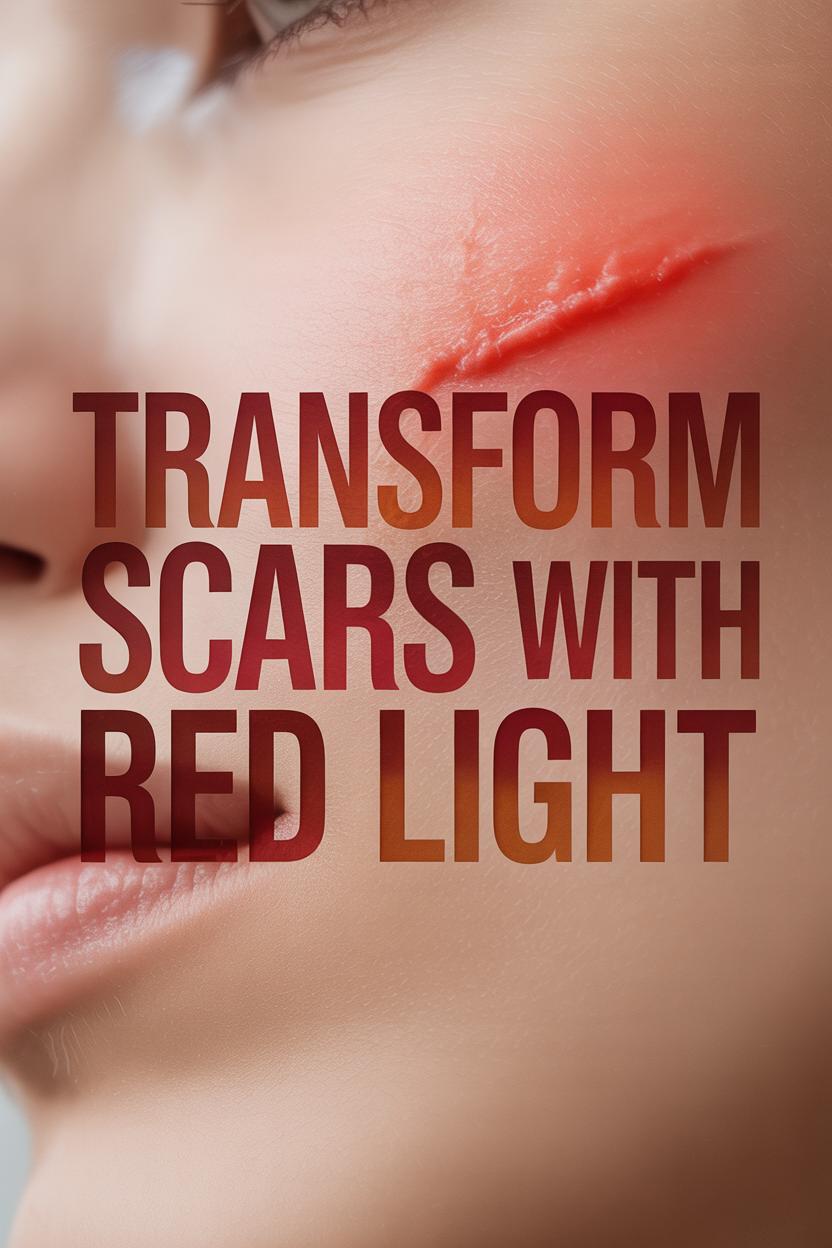
The Complete Guide to Red Light Therapy for Scars: Effective At-Home Treatment Options

Scars. Those stubborn reminders from surgeries, acne battles, or accidents aren’t always confidence boosters. But here’s some bright news – red light therapy has emerged as an effective and affordable at-home solution for improving scars. Let’s explore how this therapy works, the best devices to use in the comfort of your home, and what kind of results you can realistically expect.
Understanding How Red Light Therapy Works on Scar Tissue

Red light therapy – also known as low-level laser therapy (LLLT) or photobiomodulation – uses specific wavelengths of red light (typically 630-660nm) and near-infrared light (typically 810-850nm) that penetrate your skin and stimulate cellular healing.
When you direct this light at scars, it triggers several beneficial processes:
- Boosts blood circulation to your scar, creating better pathways for oxygen and nutrients
- Activates fibroblasts that produce collagen (the protein that makes your skin smooth)
- Reduces inflammation
- Encourages cells to repair and regenerate
- Helps break down stubborn fibrous tissue in raised scars
All this cellular activity helps your skin heal properly, gradually making scars less noticeable over time. Consistency is key for seeing results.
Types of Scars That Respond Well to Red Light Therapy

Not all scars respond equally to red light therapy. Here’s a breakdown of which ones typically show the best results:
Highly Responsive Scars:
- Acne scars – Especially the red, inflammatory ones
- Fresh surgical scars – Best results when treatment begins early
- Superficial burns – First and second-degree scars
Moderately Responsive Scars:
- Hypertrophic scars – Raised scars that stay within the wound boundary
- Stretch marks – Particularly newer ones with pinkish-red coloration
- Older surgical scars – They respond, but more slowly than fresh ones
Less Responsive Scars:
- Keloid scars – These extend beyond original wound boundaries and need comprehensive treatment
- Deep ice pick acne scars – Their depth makes them harder to treat
- Very old, white scars – These show modest improvements with persistence
Scientific Evidence Supporting Red Light for Scar Reduction

Scientific research consistently shows promising results for red light therapy and scar treatment:
- A 2018 review in Lasers in Medical Science showed that red light therapy significantly improved surgical scars compared to control groups.
- Research in the Journal of Cosmetic and Laser Therapy (2020) found that participants using red light therapy on acne scars twice weekly for 12 weeks saw an average 29.5% improvement.
- A 2022 study in Photomedicine and Laser Surgery reported that 85% of participants with hypertrophic scars experienced notable improvements after 24 sessions.
Research consistently suggests that regular red light therapy can improve scar texture, reduce redness, and make scars less obvious – especially when started early in the scar formation process.
Benefits of Red Light Therapy for Different Scar Types

Red light therapy offers specific benefits depending on the type of scar being treated:
For Acne Scars:
- Fades lingering redness
- Smooths out shallow indentations by stimulating collagen
- Improves overall skin texture
For Surgical Scars:
- Helps organize collagen formation during healing
- Reduces raised, thick appearance
- Minimizes discoloration
For Burn Scars:
- Calms inflammation and discomfort
- Improves flexibility and reduces tightness
- Helps normalize skin color
For Stretch Marks:
- Encourages collagen to fill in stretched areas
- Reduces purple-red color of fresh stretch marks
- Improves skin elasticity
At-Home vs Professional Red Light Therapy

Understanding the key differences between at-home and professional treatments can help you choose the right approach:
| Feature | Professional Treatments | At-Home Devices |
|---|---|---|
| Power Output | Higher power density, potentially faster results | Lower to moderate power, requires more sessions |
| Cost | $50-150 per session; full course $400-1800 | $100-2000 one-time investment |
| Convenience | Requires appointments, travel time | Use anytime at home, even while relaxing |
| Expertise | Supervised by trained professionals | Self-administered, learning curve |
| Consistency | Limited by scheduling and budget | Unlimited access enables consistent use |
| Customization | Tailored to specific needs | May need to adapt device to your situation |
For most scar types, at-home devices can provide significant benefits when used consistently over time. They might take longer to show results compared to professional treatments, but they offer excellent long-term value.
Top At-Home Red Light Therapy Devices for Scar Treatment

Ready to start your at-home treatment? Here are the top devices for different scar treatment needs:
Handheld Wands (Best for Small, Targeted Scars)
- ReVive Light Therapy DPL Wand – Features both red and infrared wavelengths for deep treatment.
- Tendlite Red Light Therapy Device – Medical-grade device perfect for precise treatment of surgical scars.
- Pulsaderm Red LED – Budget-friendly option with effective targeting capabilities.
Panels and Masks (Best for Facial Scars)
- Omnilux Contour Face – FDA-cleared flexible LED mask that conforms to facial contours.
- CurrentBody LED Light Therapy Mask – Combines red and near-infrared wavelengths for comprehensive facial treatment.
- Dr. Dennis Gross DRx SpectraLite FaceWare Pro – Professional-grade device with 100+ LED lights for thorough coverage.
Body Panels (Best for Larger Scar Areas)
- Platinum LED BioMax 300 – Professional-grade panel ideal for treating larger scar areas.
- Red Therapy Co. Red Light Device – Modular panels you can arrange to target different treatment areas.
- iRestore Professional – Flexible pad that conforms to body contours for effective treatment.
How to Choose the Right Device for Your Specific Scar Type

Finding the perfect red light device depends on several factors related to your specific scar situation:
Consider Your Scar Location
- Face/neck scars: LED masks or smaller handheld devices offer precision
- Body scars: Larger panels ensure efficient treatment of bigger areas
- Hard-to-reach areas: Handheld wands with extended handles improve accessibility
Consider Your Scar Size
- Small, precise scars: Focused beam devices for pinpoint accuracy
- Medium scars: Small panels or wands with broader heads for efficiency
- Large area scarring: Full panels to treat extensive areas effectively
Consider Your Scar Age and Type
- Fresh scars: Devices with both red and infrared wavelengths for early intervention
- Older scars: Higher power output devices for deeper penetration
- Keloids: Devices with infrared capabilities that can reach deeper tissue
Key Features to Look For:
- Wavelength: 630-660nm (red) and 810-850nm (near-infrared) for optimal results
- Power density: At least 20-30 mW/cm² for effective treatment
- FDA clearance: Ensures basic safety standards
- Timer functions: Helps track treatment duration accurately
- Warranty: At least 1-2 years for protection of your investment
Proper Technique: How to Use Red Light Therapy on Scars

Getting the technique right is crucial for achieving the best results:
Preparation:
- Clean your scar area thoroughly, removing all makeup, creams, or oils
- Pat the area completely dry to ensure optimal light penetration
- Consider gentle exfoliation beforehand for mature scars (avoid with fresh or sensitive scars)
During Treatment:
- Position your device at the recommended distance (usually 6-12 inches for panels, closer for wands)
- Keep the device steady for consistent exposure
- For handheld devices, move slowly and methodically across the treatment area
- Maintain each position for the recommended time (3-5 minutes for powerful devices, 10-20 minutes for gentler ones)
Post-Treatment:
- Apply a gentle moisturizer to hydrate the treated skin
- Consider adding hyaluronic acid, vitamin C, or peptides for enhanced benefits
- Avoid harsh products right after treatment
- Always apply sunscreen during daylight hours to protect healing tissue
Creating an Effective Treatment Schedule for Optimal Results

Consistency with your red light therapy is essential for seeing significant improvements. Here’s how to schedule your treatments:
For Fresh Scars:
- Initial phase: Daily treatments for 4-6 weeks
- Maintenance phase: 3-4 sessions weekly for 2-3 months
- Long-term: 1-2 sessions weekly to maintain results
For Mature Scars:
- Initial phase: 5-7 sessions weekly for 6-8 weeks
- Intermediate phase: 3-4 sessions weekly for 3-4 months
- Maintenance: 1-2 sessions weekly to continue progress
For Acne Scars:
- Initial phase: 4-5 sessions weekly for 8-12 weeks
- Maintenance: 2-3 sessions weekly ongoing
Session Duration Guidelines:
- Low-powered devices: 15-20 minutes per area
- Medium-powered devices: 10-15 minutes per area
- High-powered devices: 5-10 minutes per area
Creating a treatment calendar with reminders helps maintain consistency, which is critical for success.
Combining Red Light Therapy with Other Scar Treatments

Red light therapy works well with other treatments to enhance scar improvement:
Synergistic Topical Treatments:
- Silicone sheets/gel: Apply after red light sessions to maintain pressure on the scar
- Vitamin C serum: Use in the morning to brighten and support collagen production
- Peptide creams: Apply after red light to enhance collagen remodeling
- Hyaluronic acid: Adds hydration which improves light penetration
Complementary Physical Treatments:
- Gentle massage: Perform 1-2 hours after red light treatment to help break up scar tissue
- Microneedling: Schedule professional treatments 1-2 weeks apart from red light sessions
- Compression therapy: For raised scars, use between light treatments
Treatment Timing Tips:
- Apply vitamin C in the morning after nighttime red light sessions
- Use peptides immediately after red light when your skin is most receptive
- Wait at least 24 hours between exfoliation and red light therapy
- Space professional treatments (peels, microdermabrasion) 1-2 weeks from red light therapy
Always consult with a dermatologist before combining multiple treatment approaches, especially for complex scars.
Realistic Expectations: Timeline for Seeing Results

Understanding the typical timeline helps set realistic expectations for your scar treatment journey:
Short-term (1-4 weeks):
- Reduction in redness and inflammation
- Improved hydration in the scar area
- Initial softening of rigid scar tissue
- Decreased itching or discomfort
Medium-term (1-3 months):
- Noticeable improvement in scar texture
- Fading of discoloration
- Flattening of raised scars
- Increased flexibility in the scarred area
Long-term (3-6+ months):
- Significant reduction in visibility
- Better blending with surrounding skin
- Improved collagen organization
- Maximum results typically appear after 6-12 months of consistent treatment
Important factors that affect your results include:
- Newer scars generally respond better than older ones
- Superficial scars improve faster than deep ones
- Your personal healing capacity varies based on age, health, and genetics
- Consistency is more important than treatment intensity
Real Results from At-Home Red Light Therapy

Real-world case studies demonstrate the effectiveness of at-home red light therapy for scars:
Case Study 1: Surgical Scar Treatment
Sarah, 36, treated her 4-inch abdominal surgical scar using a panel device for 10 minutes daily:
- After 1 month: Significant reduction in redness and inflammation
- After 3 months: The scar flattened considerably
- After 6 months: The scar was approximately 60% less visible than similar scars from previous surgeries
Case Study 2: Acne Scarring
Michael, 28, treated moderate facial acne scars with a combination LED mask:
- After 6 weeks: Reduced redness and improved overall skin texture
- After 12 weeks: Noticeable improvement in boxcar scars
- After 6 months: Approximately 40% reduction in scar visibility
Case Study 3: Burn Scar
David, 42, used a handheld red light device on a second-degree burn scar on his forearm:
- After 3 weeks: Reduced tightness and improved mobility
- After 2 months: Significant fading of discoloration
- After 5 months: While still visible, the scar was much less obvious and the skin moved naturally
Taking before photos when starting treatment helps document your progress, as daily changes may be subtle but accumulate over time.
Potential Side Effects and Safety Precautions

Red light therapy is generally very safe, but here are some considerations:
Possible Side Effects:
- Temporary redness: Usually subsides within a few hours
- Mild warming sensation: Normal and expected during treatment
- Eye strain: May occur if proper eye protection isn’t used
- Headaches: Rare, but possible in light-sensitive individuals
- Temporary skin dryness: Can be addressed with moisturizer
Safety Precautions:
- Eye protection: Always wear appropriate goggles designed for red light therapy
- Medication check: Some medications increase photosensitivity
- Cancer precautions: Avoid using on suspicious moles or growths
- Pregnancy: Consult your doctor before use
- Epilepsy: Those with photosensitive epilepsy should consult their neurologist
- Thyroid concerns: Avoid direct application to the thyroid area
Device Safety:
- Follow manufacturer’s instructions precisely
- Keep devices clean and dust-free
- Check for damaged parts before use
- Never stare directly at the lights
- Allow proper cooling between sessions
When used properly, at-home red light therapy is incredibly safe and has minimal side effects.
Cost Comparison: At-Home Devices vs Professional Treatments

Understanding the financial aspects can help you make an informed decision:
Professional Red Light Therapy Treatment Costs:
- Average cost per session: $50-150 depending on location
- Recommended course: Minimum of 8-12 sessions
- Total initial investment: $400-1,800 for a complete treatment course
- Maintenance sessions: $50-150 monthly or quarterly
- Annual cost (year 1): $600-2,400 including initial and maintenance treatments
At-Home Red Light Therapy Device Costs:
- Handheld wands: $100-300 (average useful life: 2-3 years)
- LED masks: $200-500 (average useful life: 2-3 years)
- Professional-grade panels: $500-2,000 (average useful life: 5-10 years)
- Replacement parts/bulbs: $20-100 annually
- Electricity costs: Approximately $5-15 annually
Most at-home users break even within 2-6 months compared to professional treatments, making home devices a cost-effective long-term solution.
Frequently Asked Questions About Using Red Light Therapy for Scars

How often should I use red light therapy on my scars?
For best results, aim for 4-5 sessions per week initially for 8-12 weeks, then scale back to 2-3 maintenance sessions weekly. Fresh scars typically respond faster and may require more frequent initial treatments.
Can red light therapy completely remove scars?
Red light therapy can significantly improve scar appearance, potentially reducing visibility by 50-70% with consistent use. Complete removal is rare, but substantial improvement is achievable for most scar types.
Is it safe to use red light therapy on fresh scars?
Wait until your wound has fully closed and any stitches have been removed before starting treatment. Generally, you can begin about 2-3 weeks after complete closure, but consult your doctor first.
Can I use red light therapy if I have dark skin?
Yes! Red light therapy is safe for all skin tones. It doesn’t target melanin and won’t cause hyperpigmentation in darker skin tones, making it an inclusive treatment option.
How long should each red light therapy session last for scar treatment?
Session length depends on your device’s power. Lower-powered devices need 15-20 minutes per area, while higher-powered devices may only need 5-10 minutes. Always follow your specific device’s instructions.
Will red light therapy work on very old scars?
Older scars respond more slowly and less dramatically, but many users still see noticeable improvements with consistent long-term use. Results vary based on scar type, depth, and your body’s healing capacity.
Can children use red light therapy for scars?
Red light therapy is generally considered safe for children’s scars, but use shorter sessions (about half the adult time) and always consult with their pediatrician first. Adult supervision is required.
Do I need to wear eye protection during red light therapy treatments?
Yes! Always wear appropriate eye protection designed for red light therapy to prevent potential damage to your retinas during treatment sessions.
Can I use scar creams with red light therapy?
Yes, but apply scar creams AFTER your red light therapy session, not before. Some ingredients can block light penetration if used before treatment, reducing effectiveness.
How do I know if my at-home red light therapy device is effective for scar treatment?
Look for devices that clearly state their exact wavelengths (ideally 630-660nm red and/or 810-850nm near-infrared) and power density (at least 20mW/cm²). FDA-cleared devices have undergone testing for safety and efficacy.
Red light therapy offers a promising at-home approach for improving scars without invasive procedures. While it requires consistency and patience, many users experience significant improvements in their scars’ appearance and texture. By selecting the right device and maintaining a regular treatment schedule, you can work toward smoother, less visible scars in the comfort of your own home.