
7 Arthritic Knee Pain Relief Tips for Instant Comfort (No Meds)

What Causes Knee Arthritis and What Does it Feel Like?
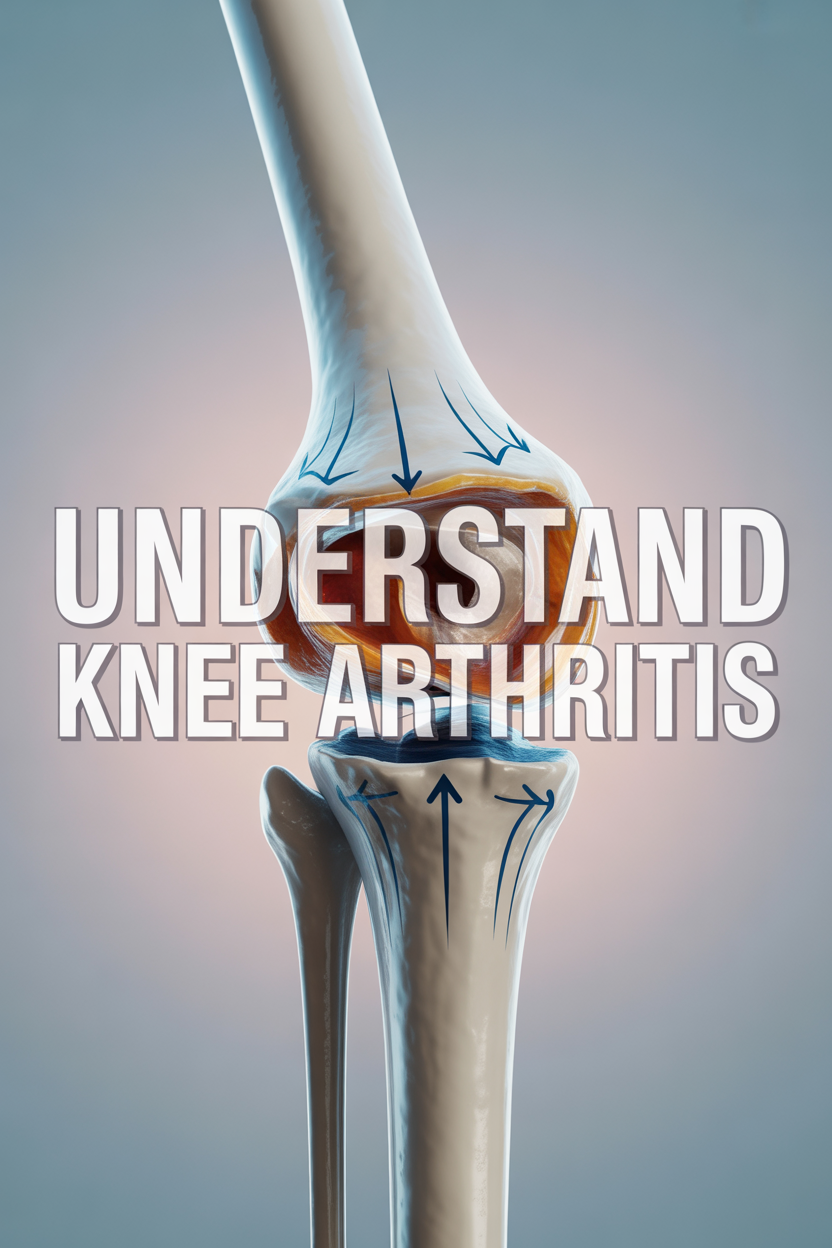
To effectively manage knee arthritis, it helps to know what’s happening inside the joint. The pain you feel often stems from the protective cartilage—the joint’s natural cushion—wearing down over time. Think of it as the tread on a tire becoming thin and less effective.
The primary cause is often the natural wear and tear that comes with a long and active life, a condition known as osteoarthritis. However, other factors can certainly contribute or accelerate this process.
Previous knee injuries can speed up cartilage deterioration. Additionally, carrying extra body weight places significantly more stress on your knee joints, and other health conditions like rheumatoid arthritis or gout can also be the root cause.
Pain is the most obvious symptom, often worsening after activity and improving with rest. You might also notice significant stiffness, especially first thing in the morning. This is often accompanied by a wobbly or unstable feeling in the knee, as if it might “give out.”
Other common signs include trouble fully straightening your leg and strange clicking, popping, or grinding sounds, known as crepitus. Swelling or a sensation of warmth around the joint is also a key indicator. A proper diagnosis from a doctor is always the best first step.
Motion is Lotion: The Power of Gentle Movement
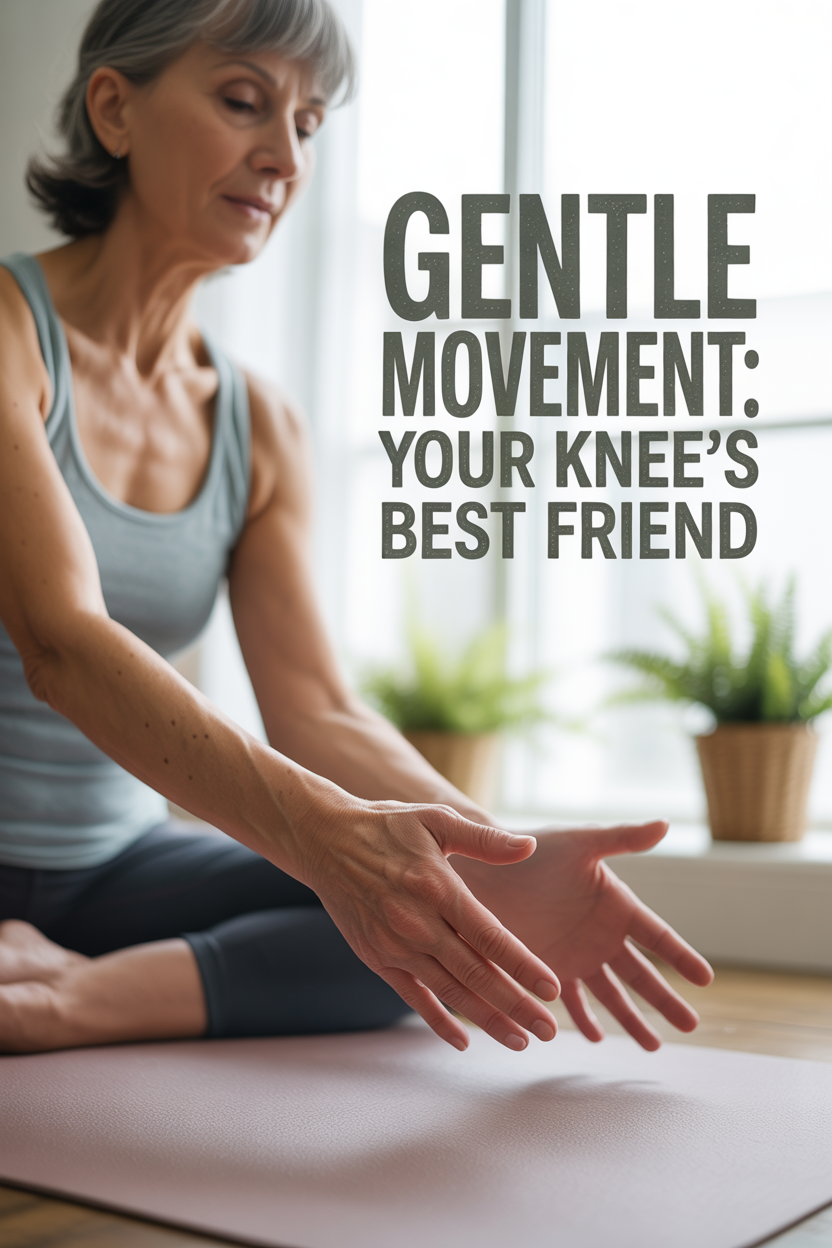
When your knee hurts, the last thing you might want to do is move. However, low-impact movement is one of the most beneficial things you can do for an arthritic joint. Gentle activity is like medicine for your knees.
This concept, often called “motion is lotion,” works by strengthening the muscles that surround and support your knee. A stronger support system means a more stable joint, which directly translates to less pain and better function.
Embrace some of these joint-friendly activities to get started:
- Swimming or water aerobics: The buoyancy of water supports your body, allowing you to build strength without any jarring impact on your joints.
- Walking: A simple 20-30 minute walk on a flat, even surface is a fantastic way to maintain joint mobility and prevent stiffness.
- Gentle stretching: Focus on keeping the large muscles in your legs—your thighs, hamstrings, and calves—flexible and strong. This helps them properly support the knee.
Consulting a physical therapist can be incredibly valuable. They can act as a personal trainer for your joints, creating a safe and effective exercise program tailored to your specific needs.
Find Your Flow with Gentle Yoga for Knee Health

The idea of yoga might seem intimidating for creaky knees, but you don’t need to become a human pretzel to reap the benefits. Gentle yoga is an amazing, evidence-based method to reduce pain and improve joint mobility. It focuses on gentle stretches and poses that reinforce the muscles around your knee joint.
Think of it as building a stronger, more reliable support system for your joints. When the muscles around your knee are strong and flexible, they take the pressure off the joint itself, leading to less pain.
If you’re new to the practice, look for classes specifically labeled as “gentle,” “restorative,” or “yoga for arthritis.” A qualified teacher will guide you on how to modify poses to ensure they feel good for your body and provide support where needed.
The most important rule in yoga is to listen to your body; if a pose causes pain, you should immediately ease out of it. Even just a couple of sessions per week can make a significant difference in your strength, balance, flexibility, and overall sense of well-being.
Fight Knee Pain with an Anti-Inflammatory Diet

The old saying “you are what you eat” holds profound truth when it comes to joint health. The foods you choose can either help calm the inflammation associated with arthritis or stir it up. Making mindful choices at the grocery store is a powerful tool for managing your knee arthritis pain.
Focus on incorporating more inflammation-fighting foods into your daily meals. Foods rich in omega-3 fatty acids, like salmon and walnuts, are excellent for soothing joints. Berries and leafy greens such as spinach are packed with antioxidants that help reduce inflammation from the inside out.
Managing your weight is also crucial. Every extra pound of body weight places about four additional pounds of pressure on your knees. Losing even a small amount of weight can provide tremendous relief by lightening the load your knees have to carry.
Don’t forget to stay hydrated, as water helps keep your joint cartilage lubricated. At the same time, try to limit inflammatory foods like processed snacks, sugary drinks, and excessive red meat.
Give Red Light Therapy a Glow for Natural Relief
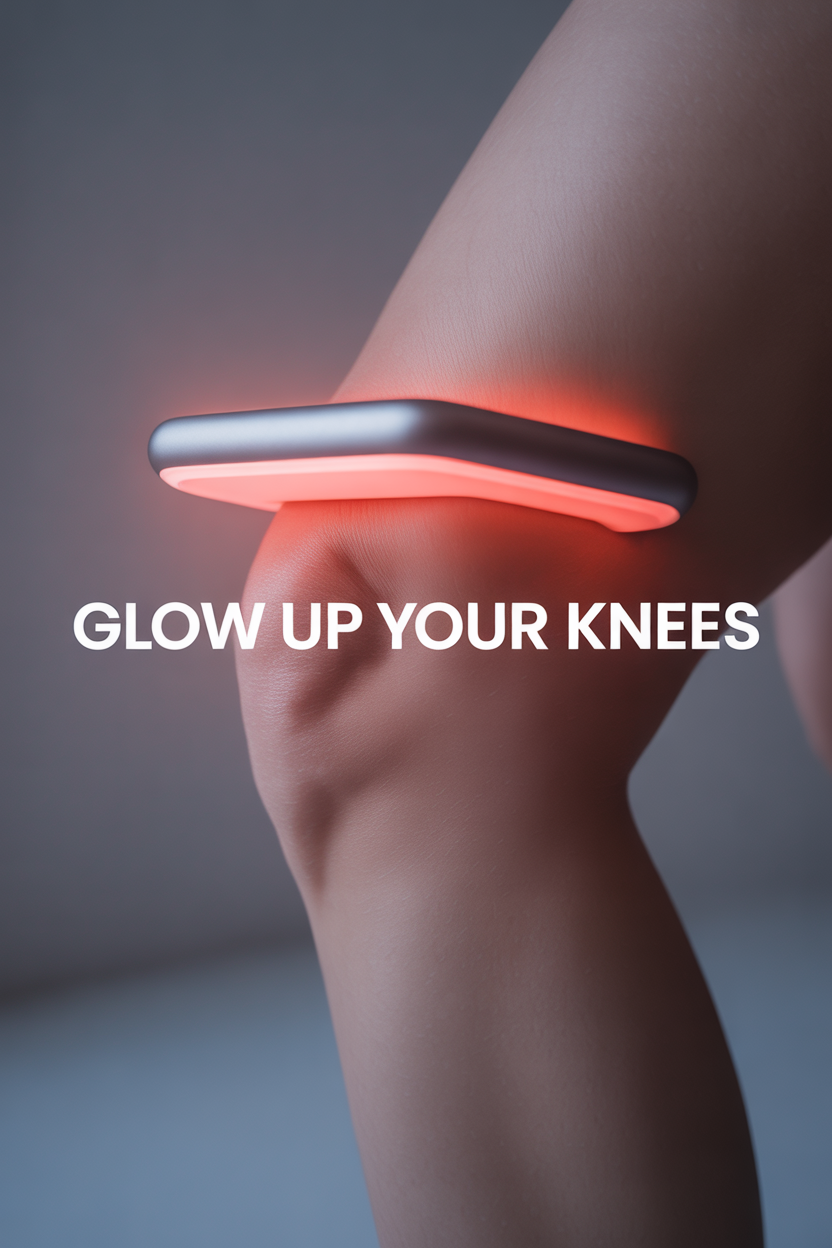
While it may sound futuristic, red light therapy is a gentle, complementary approach to easing the pain and swelling of knee arthritis. Also known as low-level light therapy (LLLT) or photobiomodulation, this therapy is gaining recognition for its healing potential.
It works by using specific wavelengths of red and near-infrared light that penetrate your skin to reach the knee joint. This light energy can help stimulate your cells’ natural healing processes from within.
You can use a small handheld device to target specific sore spots for about 15 minutes a day, like a mini spa treatment for your knee. These devices are excellent for calming down the irritated muscles and nerves around the joint.
Another option is a flexible wrap lined with red lights, which provides even coverage to the entire knee. This is particularly helpful for the constant, nagging pain associated with osteoarthritis.
While more research is always ongoing, some studies indicate that it can help improve mobility while reducing pain and stiffness. Consistent use is the key to noticing a cumulative benefit over several weeks.
Soothe Flare-Ups with Ice Pack Therapy
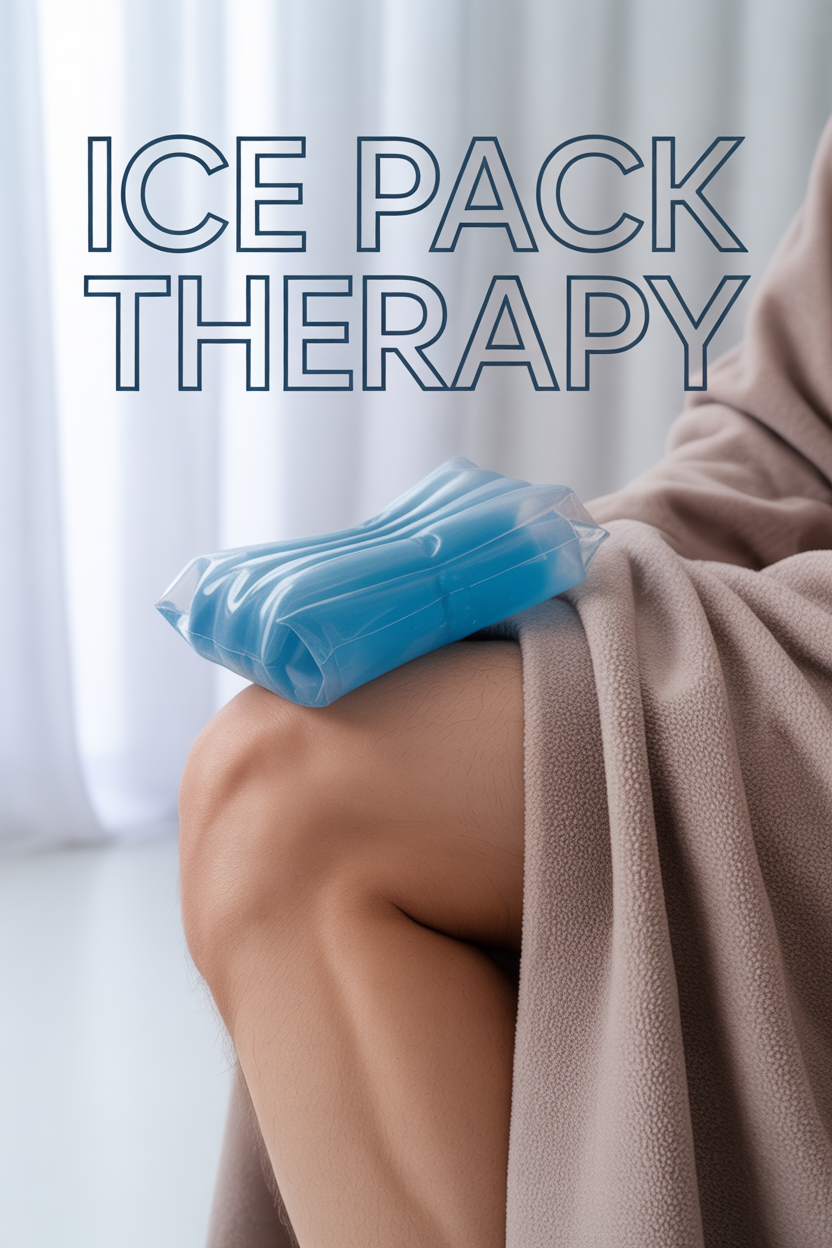
Never underestimate the power of a humble ice pack. This simple tool is your trusty friend for quick and effective arthritic knee pain relief. Cold therapy, also called cryotherapy, is especially useful during a flare-up or after activity when your knee feels hot and swollen.
Simply grab an ice pack or even a bag of frozen peas, wrap it in a thin towel to protect your skin, and place it on your knee for 15-20 minutes. The classic bag of frozen vegetables works wonders because it molds perfectly to the shape of your joint.
This method provides relief in two important ways. First, the cold numbs the area, which temporarily quiets the pain signals being sent to your brain. Second, it reduces inflammation by constricting blood vessels.
It’s a simple, inexpensive, and proven strategy for managing acute knee pain. As recommended by experts at the Mayo Clinic, it’s a fundamental part of self-care for arthritis.
Support Your Joint with the Right Knee Brace
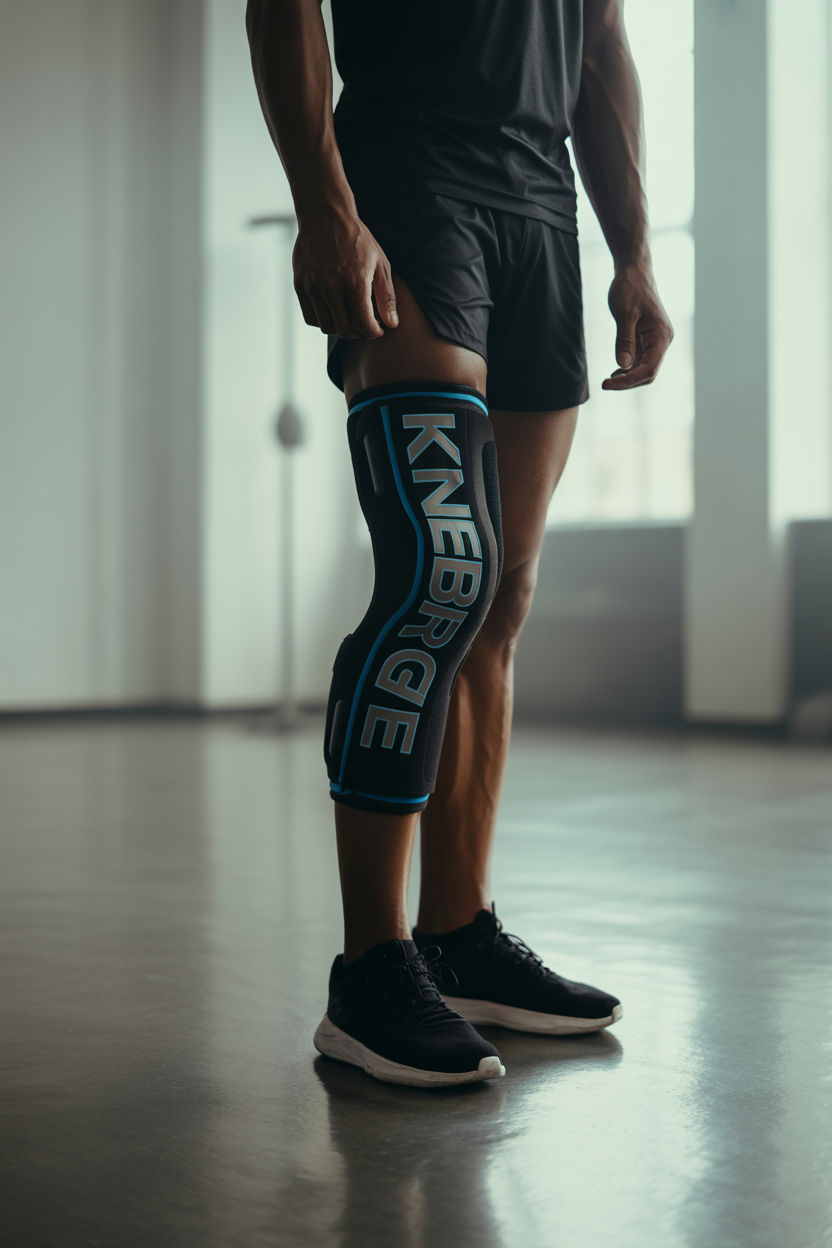
Sometimes your knee just needs a little extra support—a firm, reassuring hug to help you move with more confidence. That’s exactly what a good knee brace provides. There are various types of braces available, from simple sleeves to more structured supports.
A basic compression sleeve is an excellent starting point. It applies gentle, even pressure that can help reduce swelling and provides a comforting warmth to soothe stiffness. Think of it as a cozy, supportive sweater for your knee.
For pain that is concentrated on one side of the knee, an “unloader” brace can be remarkably effective. This type of brace is designed to shift your weight away from the worn-out, painful part of the joint, offering significant relief during movement.
The best brace for you depends on your pain level and activity. A sleeve might be perfect for daily walks, while a more structured brace can provide extra stability during exercise. A proper fit is essential—not too tight and not too loose. A physical therapist can provide guidance on selecting the ideal brace for your needs.
Target Pain Directly with Topical Anti-Inflammatory Creams
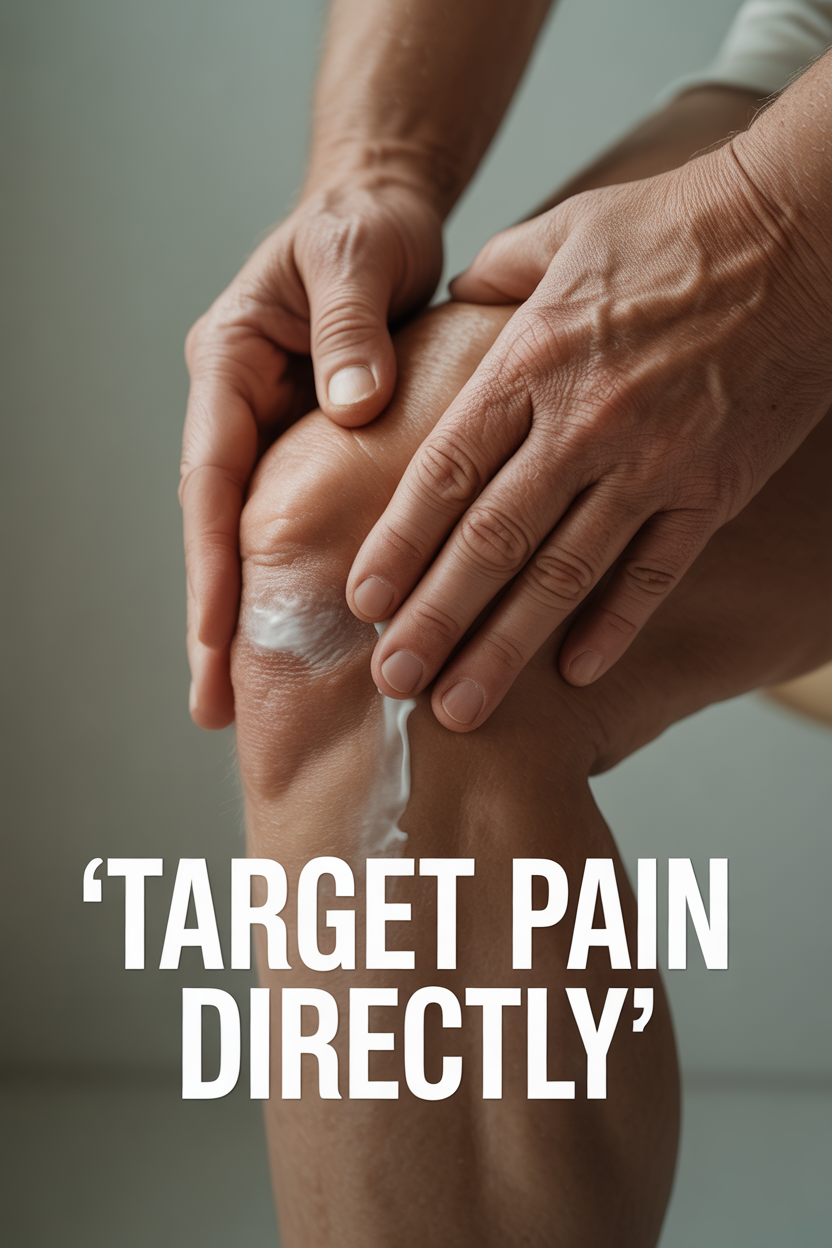
When you need relief, applying it directly to the source of pain can be incredibly effective. Topical creams containing an NSAID (nonsteroidal anti-inflammatory drug), such as diclofenac, do just that. In fact, topical NSAIDs are highly recommended as a first-line therapy for knee osteoarthritis.
These medicated creams are absorbed through your skin to reduce pain and inflammation in the underlying joint. You simply rub a measured amount onto your knee a few times a day as directed.
Because the medication is applied locally, very little of it enters your bloodstream compared to taking an oral pill. This results in a much lower risk of systemic side effects, making it a safer option for many people.
Always wash your hands before and after application. Just apply a thin layer and let it absorb fully without covering it. Most people begin to feel a noticeable improvement within a week of consistent use as part of a comprehensive pain management plan.
Protect Your Knees: Activities to Modify or Avoid
A key part of managing knee arthritis is protecting your joints from further stress. This means being mindful of the activities you choose. It’s wise to skip or modify exercises that involve high impact or excessive pounding on your joints.
Activities like running (especially on hard surfaces like concrete), jumping, and high-intensity sports can be particularly rough on an arthritic knee. These movements can aggravate pain and potentially accelerate cartilage wear.
This doesn’t mean you have to be sedentary. The goal is to swap high-impact exercises for low-impact alternatives. As mentioned earlier, activities like swimming, cycling, and walking allow you to stay active without jarring your knees.
You may also need to modify certain movements. Deep squats and lunges that put the knee through its full range of motion under a heavy load can be stressful. Consider performing partial squats or using support to reduce the strain on the joint.
How to Help Stop Knee Arthritis from Getting Worse

While you can’t turn back the clock on arthritis, you can take proactive steps to help slow its progression and protect your joints for the future. The focus is on reducing stress and building a strong, supportive structure around the knee.
One of the most powerful strategies is to strengthen the muscles around the knee. Strong quadriceps and hamstrings act as a natural brace, absorbing shock and stabilizing the joint so the cartilage doesn’t have to take the full impact.
Maintaining a healthy weight is equally important. Every pound you lose removes four pounds of pressure from your knees, dramatically reducing the daily wear and tear on your joints.
Consistently choosing joint-friendly activities over high-impact ones preserves your cartilage. By combining these key strategies—strength, weight management, and smart movement—you are actively working to keep your knee arthritis from getting worse and empowering yourself with long-term joint health.
Your Daily Plan for Arthritic Knee Pain Relief
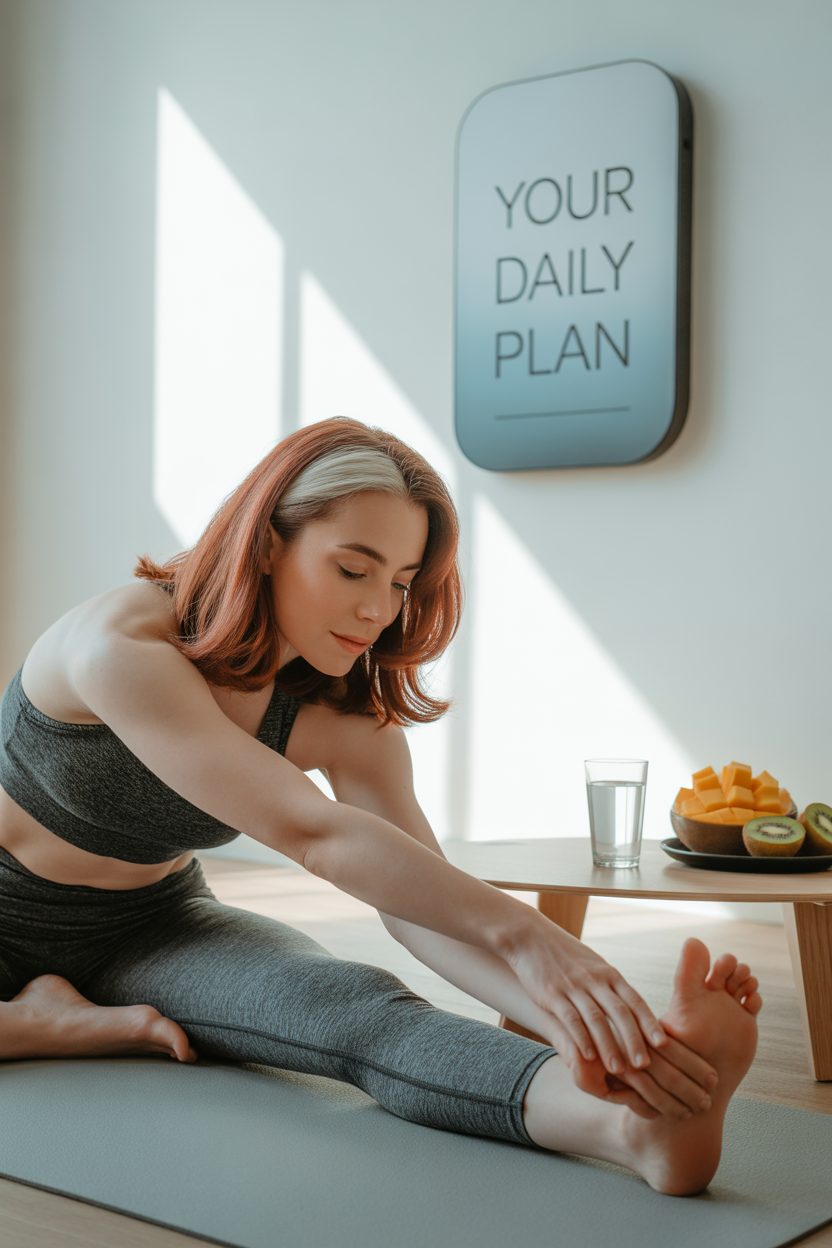
Creating a consistent daily routine is the best way to manage arthritic knee pain and improve your mobility. Weaving these simple strategies into your day can make a world of difference. Here’s what a proactive day might look like.
Start your morning by addressing stiffness with gentle stretches in bed or on a mat. Before you get moving, you could apply a topical anti-inflammatory cream to prepare the joint for the day’s activities.
During the day, prioritize low-impact movement. Go for a mindful walk on a flat surface or enjoy a swim at the local pool. Remember to make anti-inflammatory food choices at mealtime and stay well-hydrated with plenty of water.
In the evening, consider a restorative yoga session to unwind and improve flexibility. If your knee feels sore or swollen after your day, spend 15-20 minutes with an ice pack to calm the inflammation.
By combining gentle movement, supportive therapies, and mindful nutrition, you create a powerful, multimodal approach to relief. This daily plan puts you in control, helping you find lasting comfort and freedom from knee pain.
Your Daily Plan for Arthritic Knee Pain Relief

Creating a consistent daily routine is the best way to manage arthritic knee pain and improve your mobility. Weaving these simple strategies into your day can make a world of difference. Here’s what a proactive day might look like.
Start your morning by addressing stiffness with gentle stretches in bed or on a mat. Before you get moving, you could apply a topical anti-inflammatory cream to prepare the joint for the day’s activities.
During the day, prioritize low-impact movement. Go for a mindful walk on a flat surface or enjoy a swim at the local pool. Remember to make anti-inflammatory food choices at mealtime and stay well-hydrated with plenty of water.
In the evening, consider a restorative yoga session to unwind and improve flexibility. If your knee feels sore or swollen after your day, spend 15-20 minutes with an ice pack to calm the inflammation.
By combining gentle movement, supportive therapies, and mindful nutrition, you create a powerful, multimodal approach to relief. This daily plan puts you in control, helping you find lasting comfort and freedom from knee pain.