
How to Create the Easiest Indoor Herb Garden for Fresh Flavors Year-Round
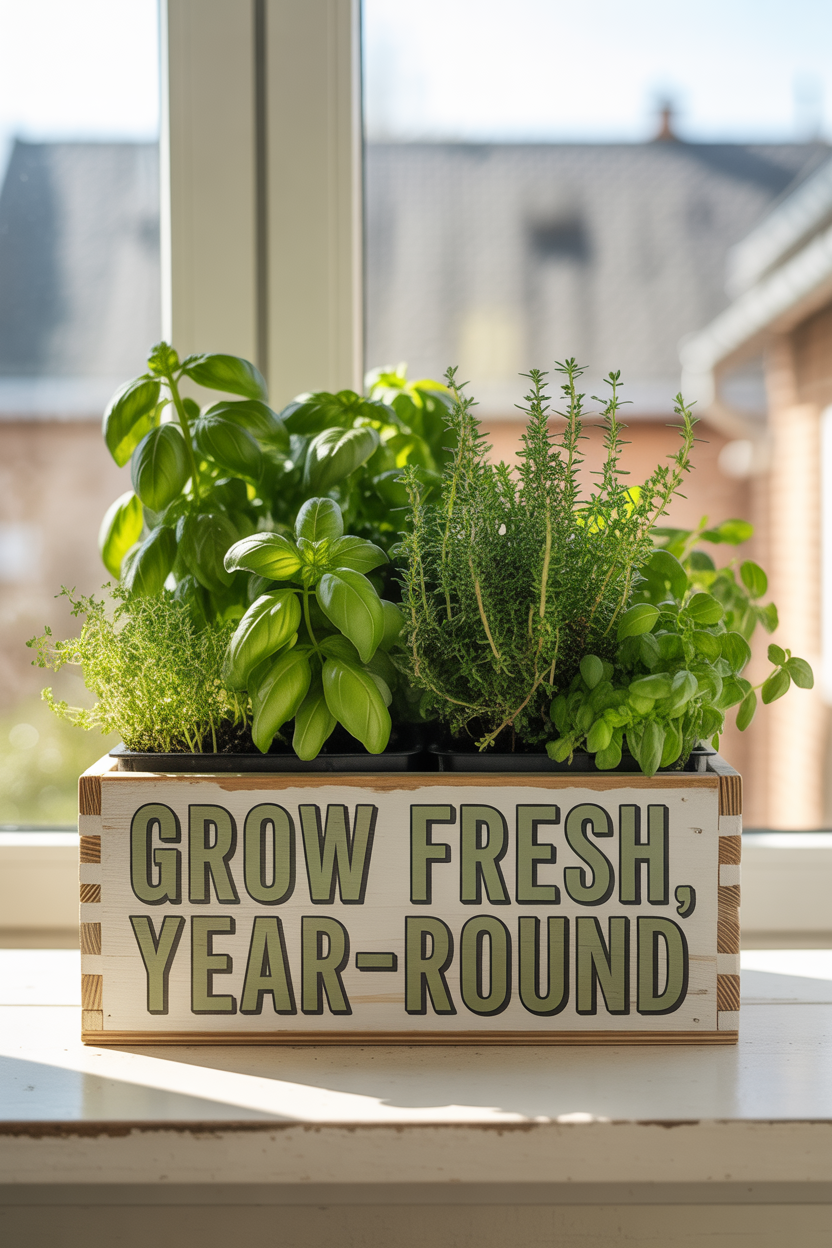
Embrace the Joy of a Kitchen Herb Garden
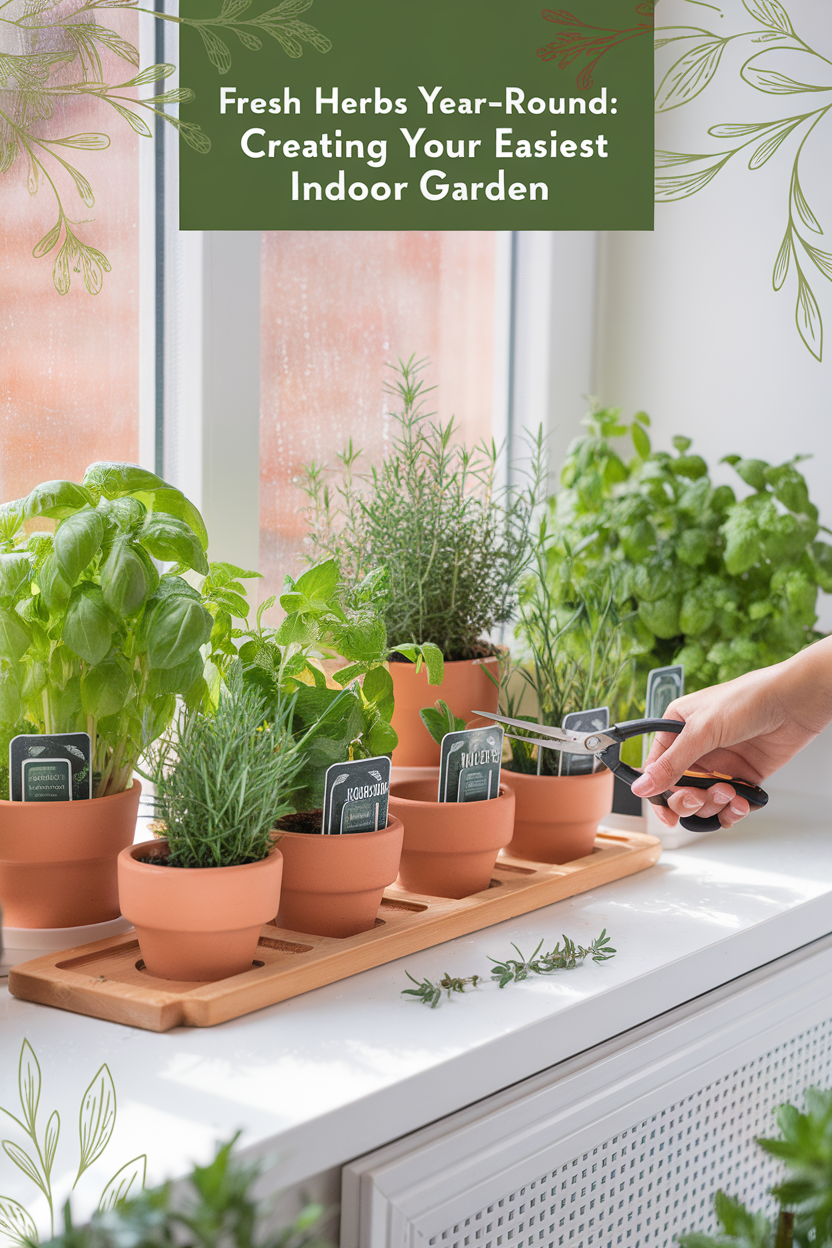
Isn’t there something magical about snipping fresh herbs from your own kitchen while cooking? It’s a simple act of self-care that connects you directly to nature.
The aroma of basil, mint, and rosemary filling your home creates an instant feeling of calm and wellness. This vibrant greenery brings life and color to your interior spaces.
Fresh herbs not only add wonderful flavor to everyday cooking but also double as living decor. They bring natural elegance to windowsills, countertops, and shelves, enriching your home environment.
In this guide, you’ll discover how to create the easiest indoor herb garden that thrives, even if you have no gardening experience. We’ll show you simple methods that fit into any busy schedule.
You can create your own aromatic herb display with these straightforward steps. Prepare to enjoy the simple luxury of fresh herbs, grown by you.
How Do I Choose the Best Herbs for Beginners?
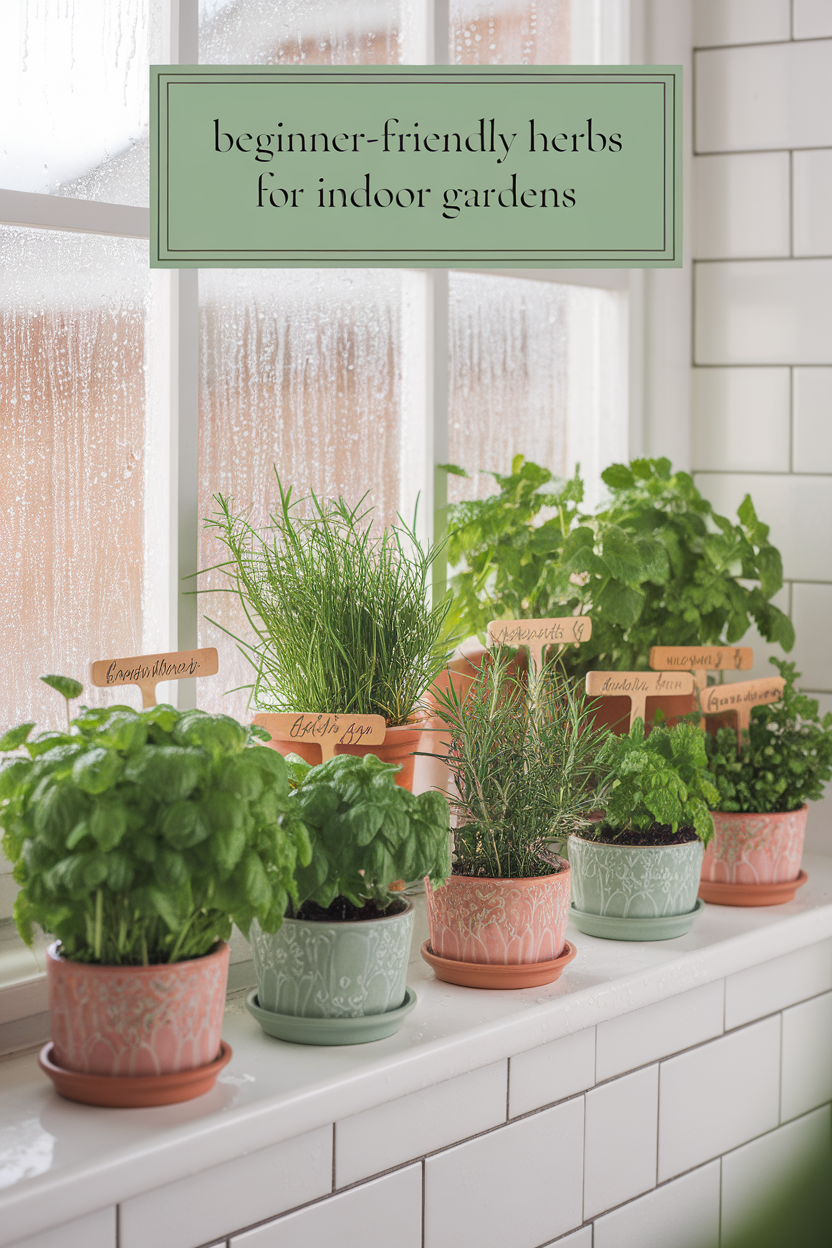
Starting an indoor herb garden is incredibly rewarding, especially when you select beginner-friendly varieties that practically grow themselves. Start with herbs that thrive indoors with minimal care.
Herbs like basil, mint, chives, and rosemary are perfect for new gardeners. They are forgiving and adapt well to indoor conditions, setting you up for success from day one.
Think about the herbs you love to cook with when you choose your plants. It is so satisfying to snip the exact herbs you need for dinner.
Dependable culinary herbs like parsley and thyme are excellent choices that you’ll use regularly. This makes your gardening efforts immediately worthwhile and delicious.
To avoid feeling overwhelmed, begin with just three types of herbs that you use most often. You can always expand your collection as you gain confidence.
Your Effortless 30-Minute Garden Setup
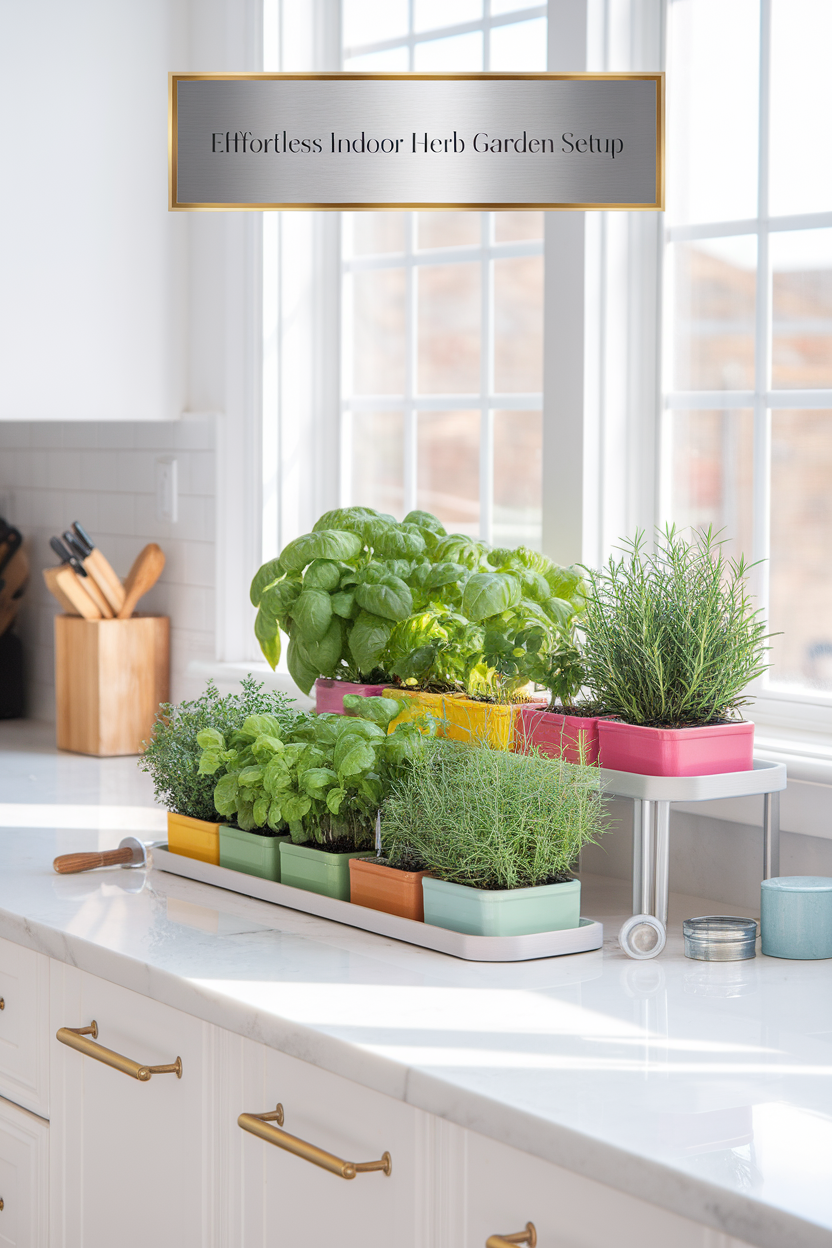
Creating an indoor herb garden doesn’t have to be complicated or messy. An easy setup is key to long-term enjoyment and success.
All-in-one kits offer the simplest starting point. They often provide containers, soil, and seeds in one convenient package, perfect for busy people who want fresh herbs without the fuss.
If you prefer a more custom approach, you can easily repurpose containers you already have at home. Just make sure they have drainage holes to keep your herbs healthy.
Use a quality, well-draining potting soil made for herbs to give your plants the perfect foundation. This simple choice helps you avoid common beginner mistakes.
Set aside just 30 minutes to assemble your garden. You’ll be amazed at how quickly this simple setup leads to months of fresh, flavorful herbs right at your fingertips.
Small Space, Big Flavor: Vertical Gardening Solutions
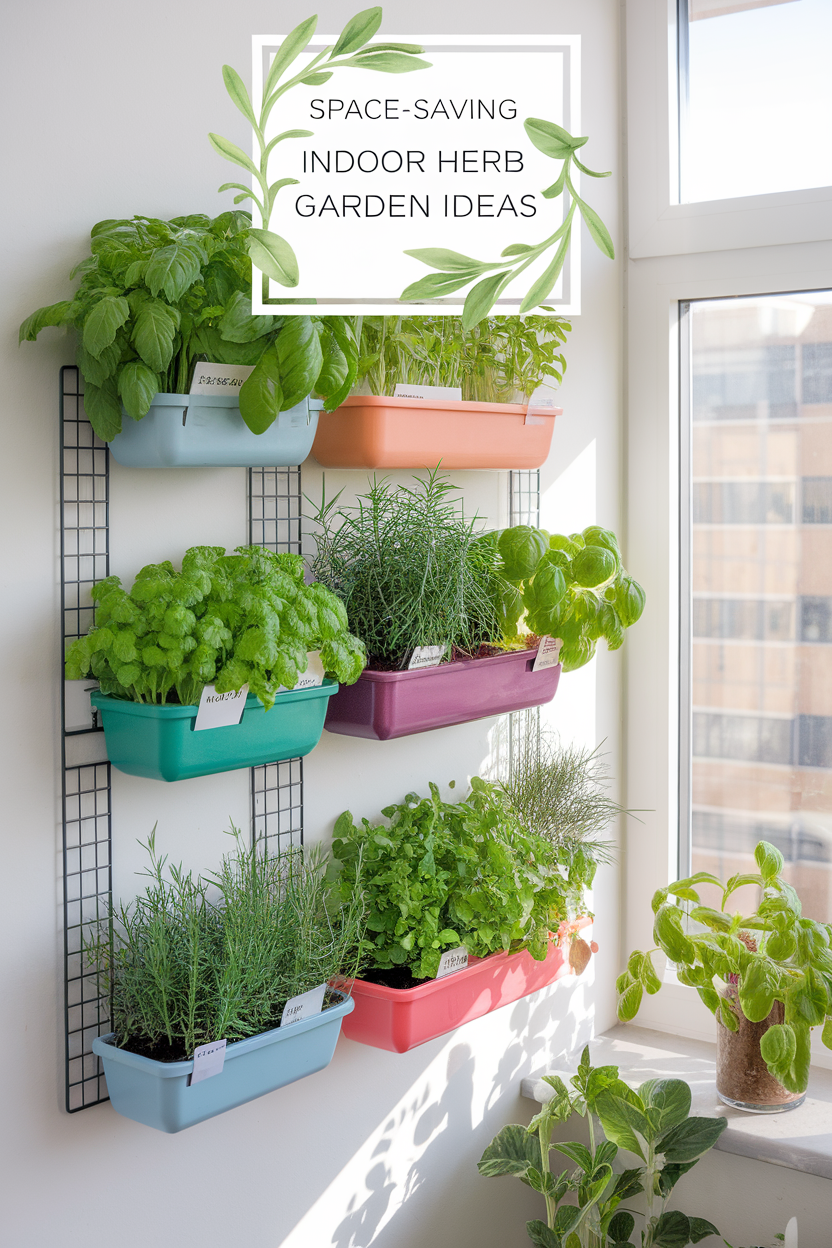
Even the tiniest kitchen or apartment can host a thriving herb garden with the right approach. You don’t need a large footprint to grow an abundance of flavor.
Vertical gardening is a brilliant way to multiply your growing space. Use wall-mounted planters, hanging baskets, or tiered stands to take advantage of unused vertical areas.
This technique turns a bare wall or empty corner into a lush, productive green space. It’s both a practical solution and a beautiful design element for your home.
Compact herb varieties are also perfect for small spaces. Look for spicy globe basil and dwarf sage, which deliver big flavor while taking up minimal room on windowsills and countertops.
Measure your available space and sketch a quick plan for your herb arrangement. Consider both easy access for harvesting and the visual appeal that will brighten your living space.
How Much Sun Do My Indoor Herbs Need?

Light is the secret ingredient to a flourishing indoor herb garden. It is crucial to understand your herbs’ light needs for their health and flavor.
Most culinary herbs require 6-8 hours of bright light daily. South-facing windows are ideal locations where your plants can soak up the sun and thrive with little effort.
Don’t worry if your home lacks perfect natural light. Affordable LED grow lights can supplement or even replace sunlight, ensuring your herbs get what they need.
For best results, position these lights 12-18 inches above your plants. Use a simple timer to ensure they get light every day, just like in nature.
Observe your herbs for signs they are getting the right amount of light. Compact growth with vibrant color means they are happy, while long stems or pale leaves suggest they need more light.
A Simple Watering Routine for Happy Herbs
Watering can be a common challenge in indoor gardening, but creating a simple, effective routine is easier than you think.
Overwatering is the number one mistake and can lead to root rot. Herbs generally prefer their soil to dry out slightly between waterings.
Before you water, use the simple finger test. If the top inch of soil feels dry to the touch, it’s time to give your plant a drink.
When you do water, do it thoroughly until water drains from the bottom of the pot. Then, empty any excess water from the saucer.
This simple habit prevents soggy soil and ensures your herb’s roots stay healthy and strong, which is the foundation of a thriving plant.
How to Fix Common Problems with Your Herb Garden
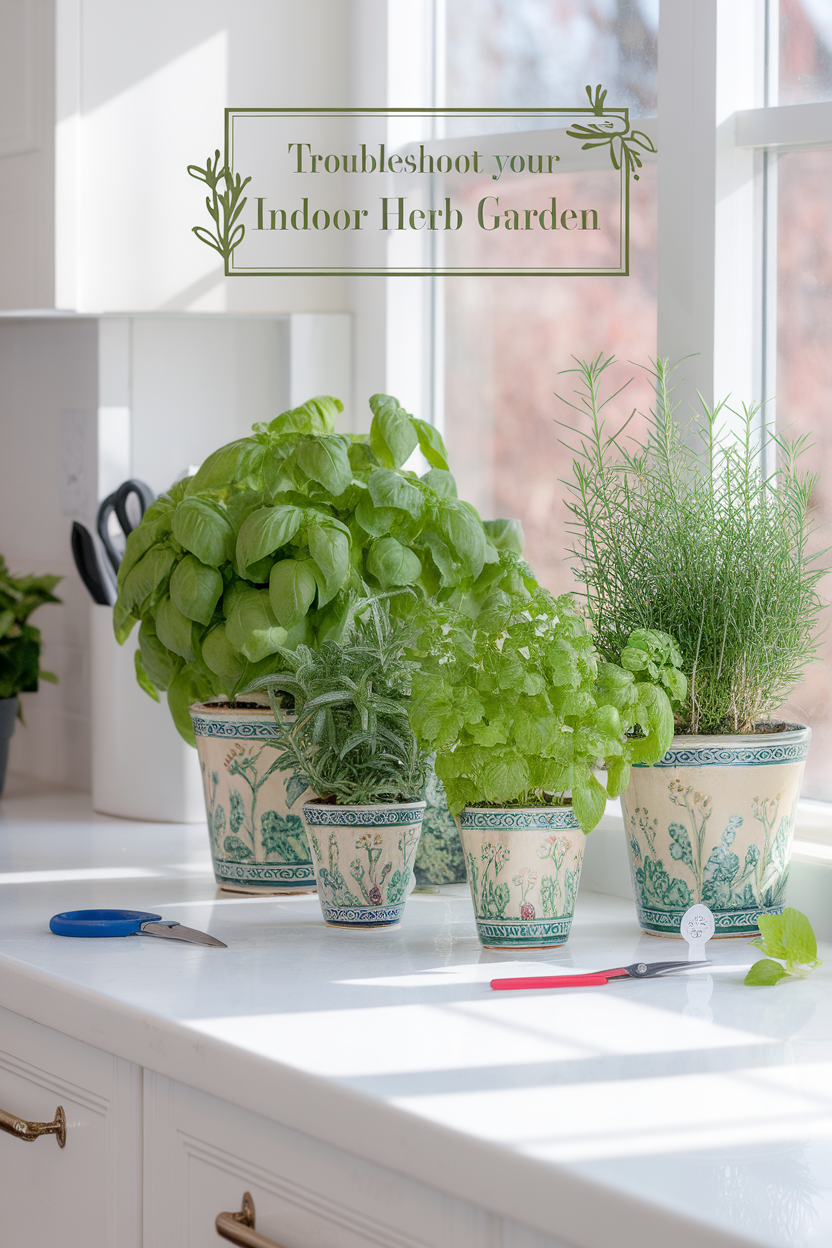
Every gardener faces challenges, but most herb problems have simple, natural solutions. You can solve them with confidence and ease.
Yellowing leaves often signal that the plant needs more nutrients. You can easily fix this with a diluted organic fertilizer applied about once a month.
For pest problems like aphids and spider mites, you don’t need harsh chemicals. A gentle spray of soapy water works wonders without harming the plants you plan to eat.
As a trusted source, Planet Natural confirms these simple fixes are highly effective for keeping indoor herbs healthy. Natural solutions are always best for your edible plants.
Check your herbs weekly for any early signs of trouble. Addressing issues right away will help you maintain healthy plants that provide fresh flavors for months.
How to Harvest Herbs for a Bushier, Healthier Plant
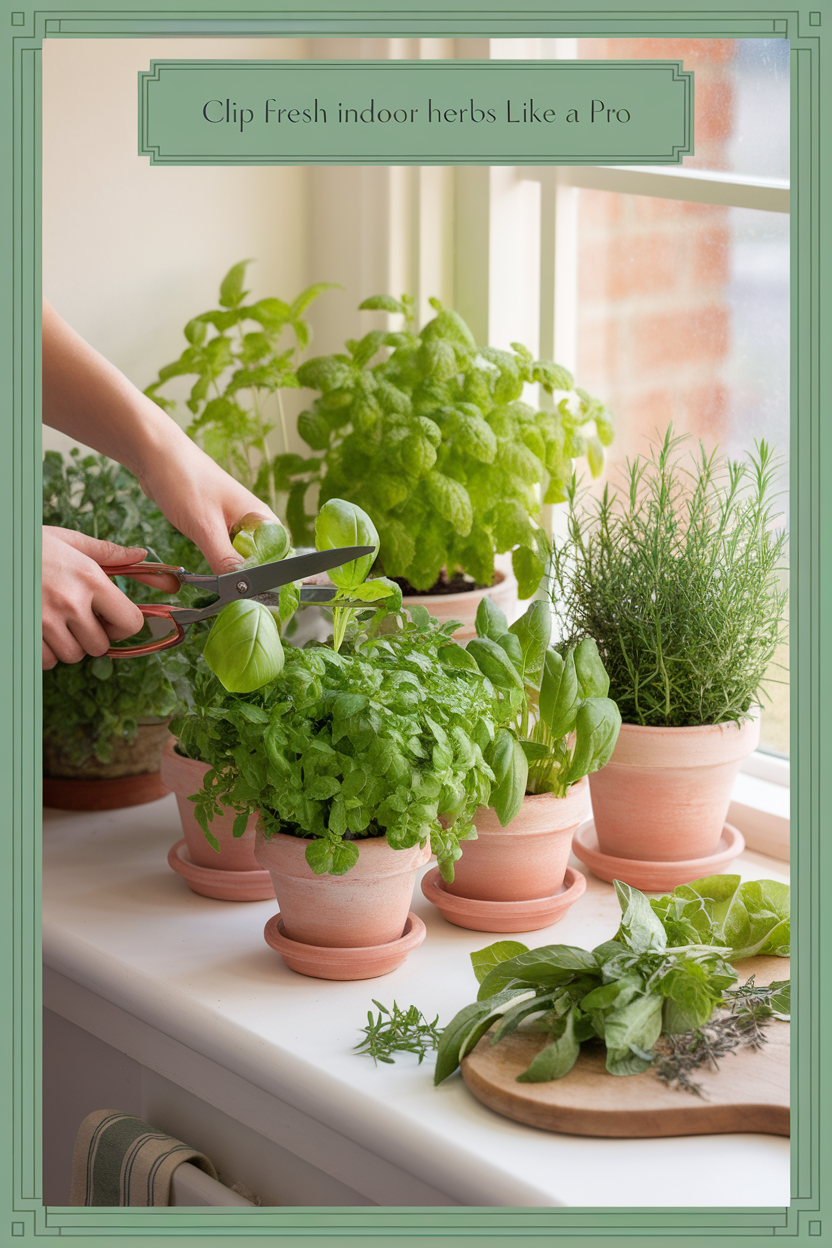
Harvesting is more than just collecting herbs for your meals. It’s an essential care step that promotes bushier growth and encourages the plant to produce more.
Regular trimming signals the plant to grow more branches and leaves. This results in a more abundant and healthier herb over time.
The morning hours are the perfect time to harvest. This is when the essential oils are most concentrated, giving you maximum flavor and aroma.
Use sharp scissors to make clean cuts just above a set of leaves. Try not to remove more than one-third of the plant at once so you don’t stress it.
Start a weekly harvesting routine, even if you only need a small amount. This regular pruning will keep your herbs compact, productive, and ready whenever you need them.
Grow and Multiply: Expand Your Herb Haven for Free
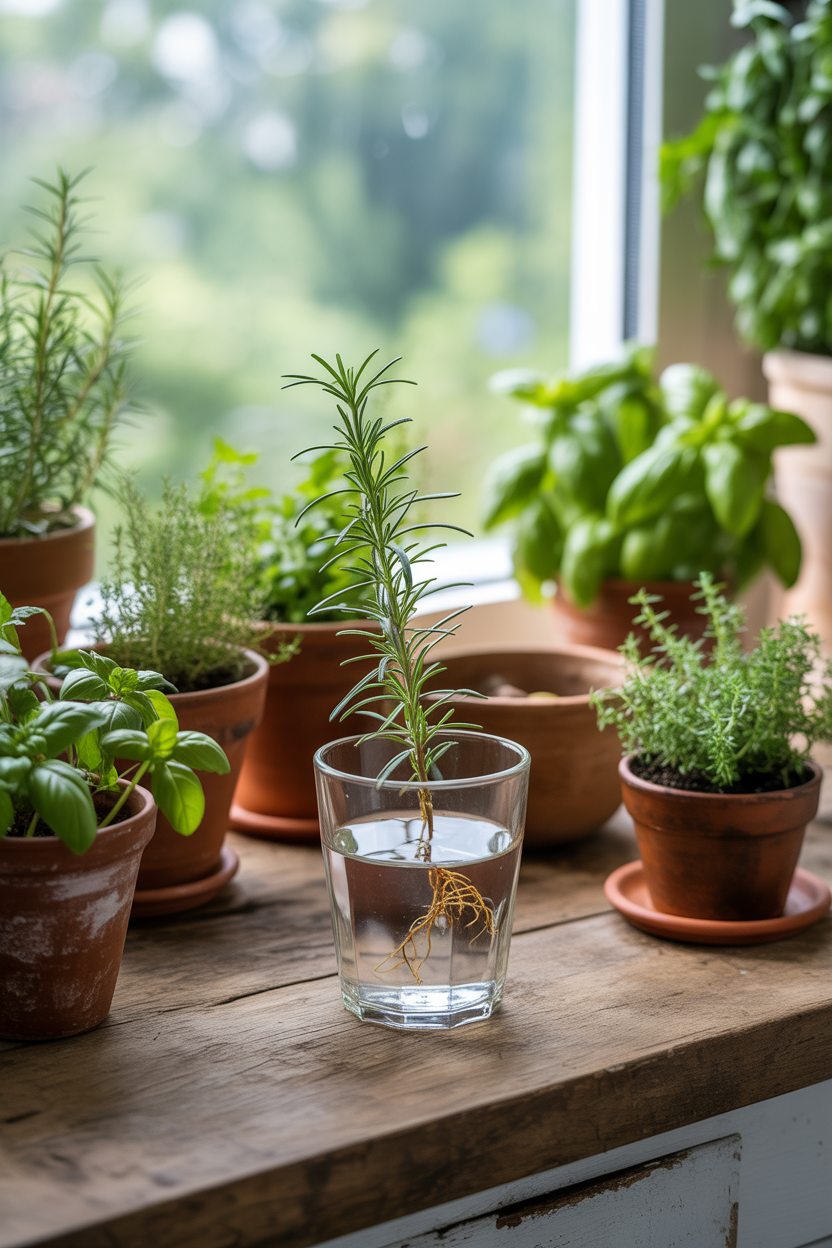
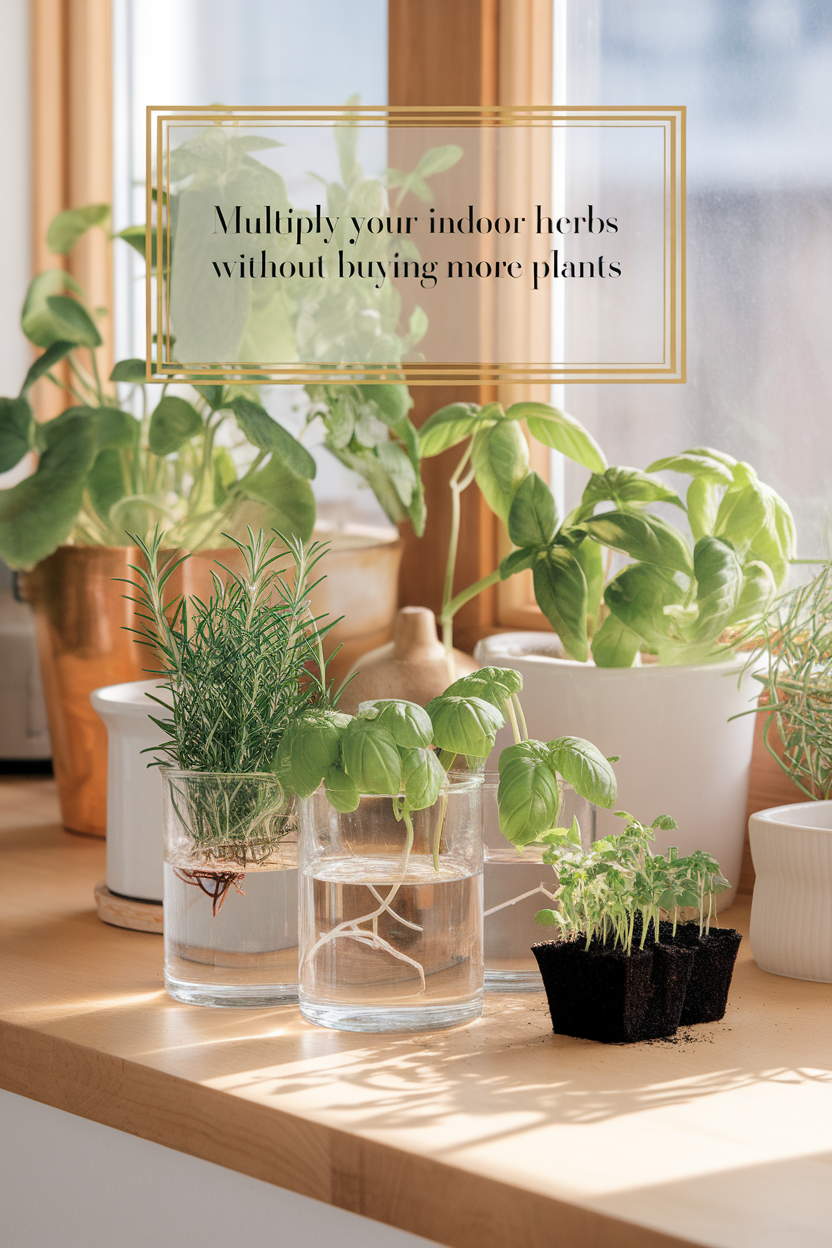
Once you’ve started, growing your herb collection doesn’t require buying more plants. You can easily multiply your plants with simple gardening techniques.
Propagating from cuttings is surprisingly easy. Simply snip a 4-inch stem from herbs like basil or mint, remove the lower leaves, and place it in a glass of water.
Once roots develop, you can plant your new herb in soil. It’s a magical process to watch and a great way to grow your garden sustainably.
Division is another free way to get more plants from clumping herbs like chives and oregano. Gently separate the root ball into sections and replant each one in its own pot.
As confirmed by experts, these propagation techniques are a rewarding and sustainable way to expand your collection. Choose one herb and try it for yourself!
Bring More Wellness into Your Home with Greenery
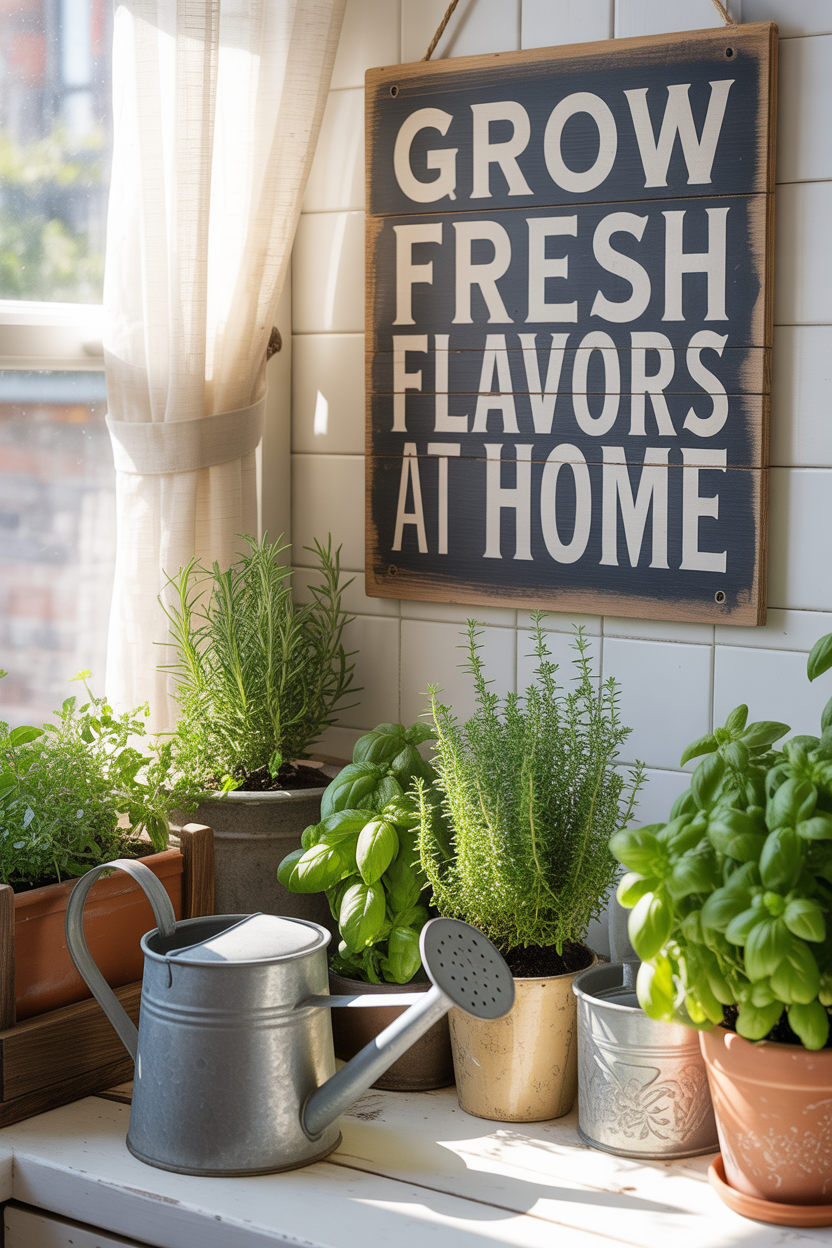
Imagine waking up to the fresh aroma of basil and mint right in your kitchen. An indoor herb garden turns your space into a vibrant sanctuary where function meets beauty.
You’ll experience the daily joy of adding fresh flavor to your meals. At the same time, you’re adding a stunning visual element that breathes life into your home.
Creating the easiest indoor herb garden is attainable self-care that requires just a few minutes each week. These living accents reward even minimal effort with lush growth.
You can start today. Just pick one to three of your favorite herbs and a pot that matches your style. You’ll love the fresh flavor and the touch of green it adds to your home.
Dive Deeper into Indoor Gardening: