
7 Surprising Enclosed Mobility Scooter Facts Every Potential Owner Should Know

Embrace All-Weather Freedom: The Unmatched Perks of Enclosed Mobility Scooters
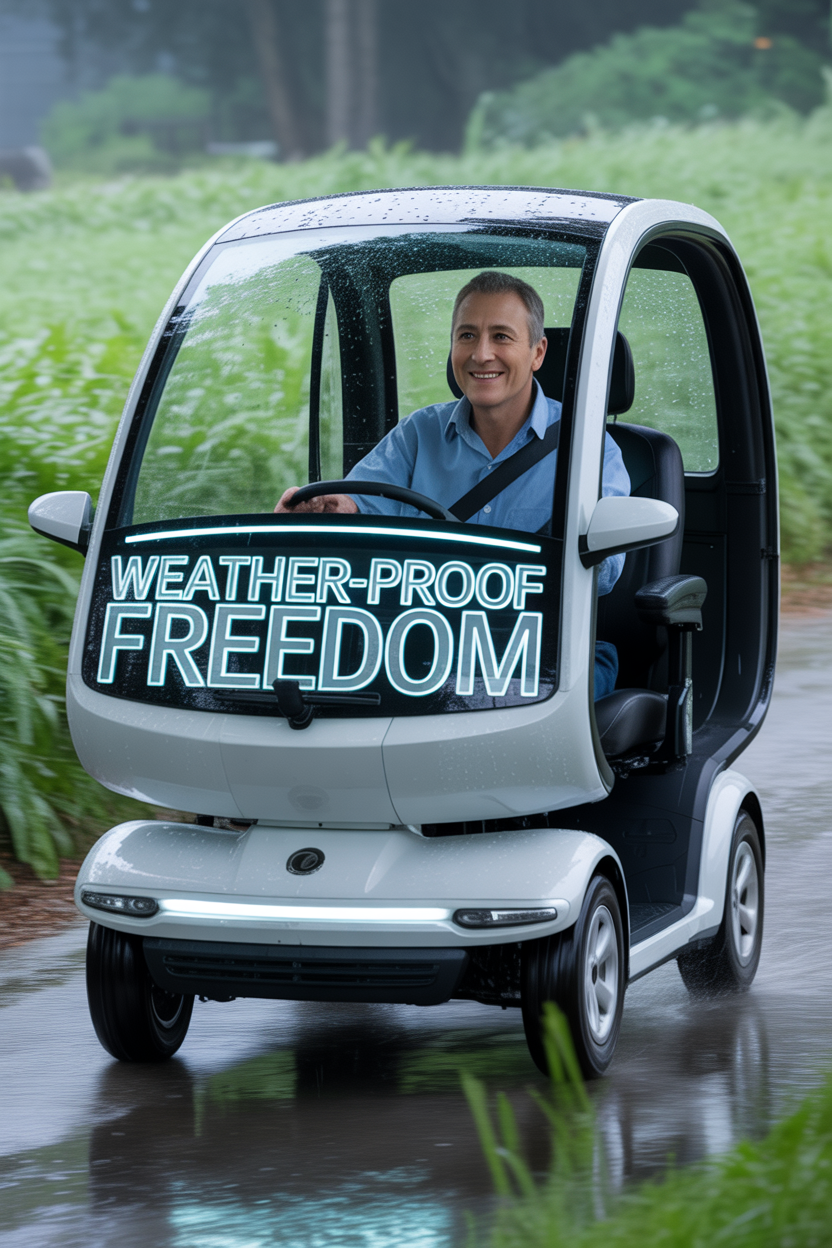
If a traditional mobility scooter is a dependable sidekick, an enclosed model is the superhero. These vehicles offer a wonderful boost to your independence, allowing you to reclaim your freedom no matter the forecast.
Imagine staying warm and dry from within your own cozy cabin. Enclosed mobility scooters come with structures that shield you from rain, wind, and even snow, letting you travel comfortably regardless of what Mother Nature has planned.
This all-weather capability means you can enjoy year-round adventures without letting winter force you indoors. The elements simply don’t stand a chance against a full cabin with a proper roof, windshield, and sturdy doors.
Beyond weather, these scooters offer a welcome sense of privacy on your travels. They are perfect for those moments when you just want to get from point A to point B without interruption.
You’ll also find plenty of storage for shopping sprees and daily errands. The capacity for cargo is significantly greater than what you’d find on an open scooter, making life more convenient.
The cabin even helps shield you from road dust and airborne debris. This added layer of protection is a simple but powerful wellness benefit for your daily journeys.
Why Enclosed Scooters Revolutionize Personal Mobility
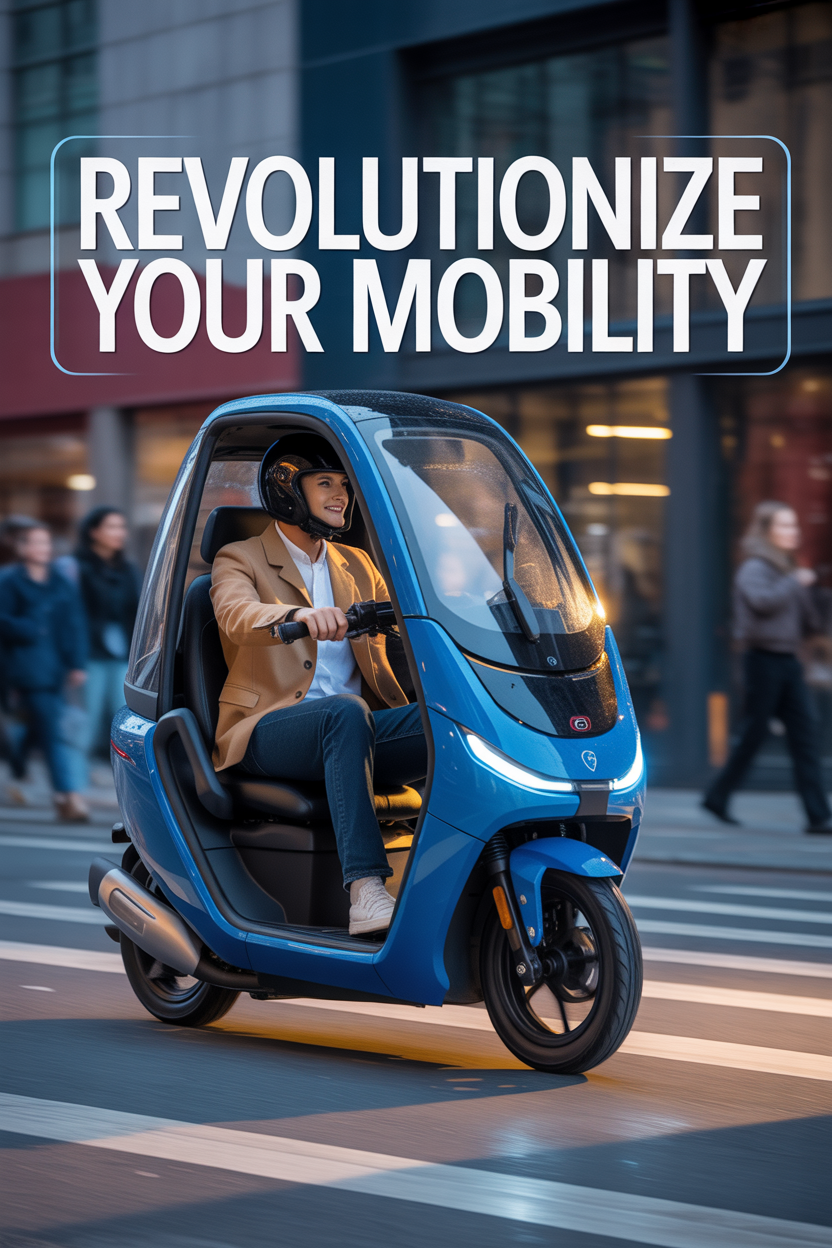
The advantages of enclosed mobility scooters extend far beyond basic transportation. They transform how users interact with their environment by eliminating weather-related barriers.
These innovative vehicles provide complete protection from rain, wind, snow, and extreme temperatures, ensuring year-round usability regardless of seasonal conditions. For many users, this means maintaining an active lifestyle throughout winter months when traditional scooters might remain unused.
The enclosed design offers enhanced privacy for those preferring personal space while traveling. This feature proves particularly valuable in crowded areas where maintaining comfortable distance from others matters.
With their increased storage capacity, these scooters accommodate shopping bags and daily necessities more effectively than open models. Many users appreciate the improved visibility to other vehicles, significantly enhancing safety on roads and in parking areas.
The cabin also provides valuable protection from pollution and road dust, an important consideration for users with respiratory sensitivities. The all-day comfort with shelter from both cold winds and hot sun extends usable hours and travel distances.
Comprehensive Weather Protection Features
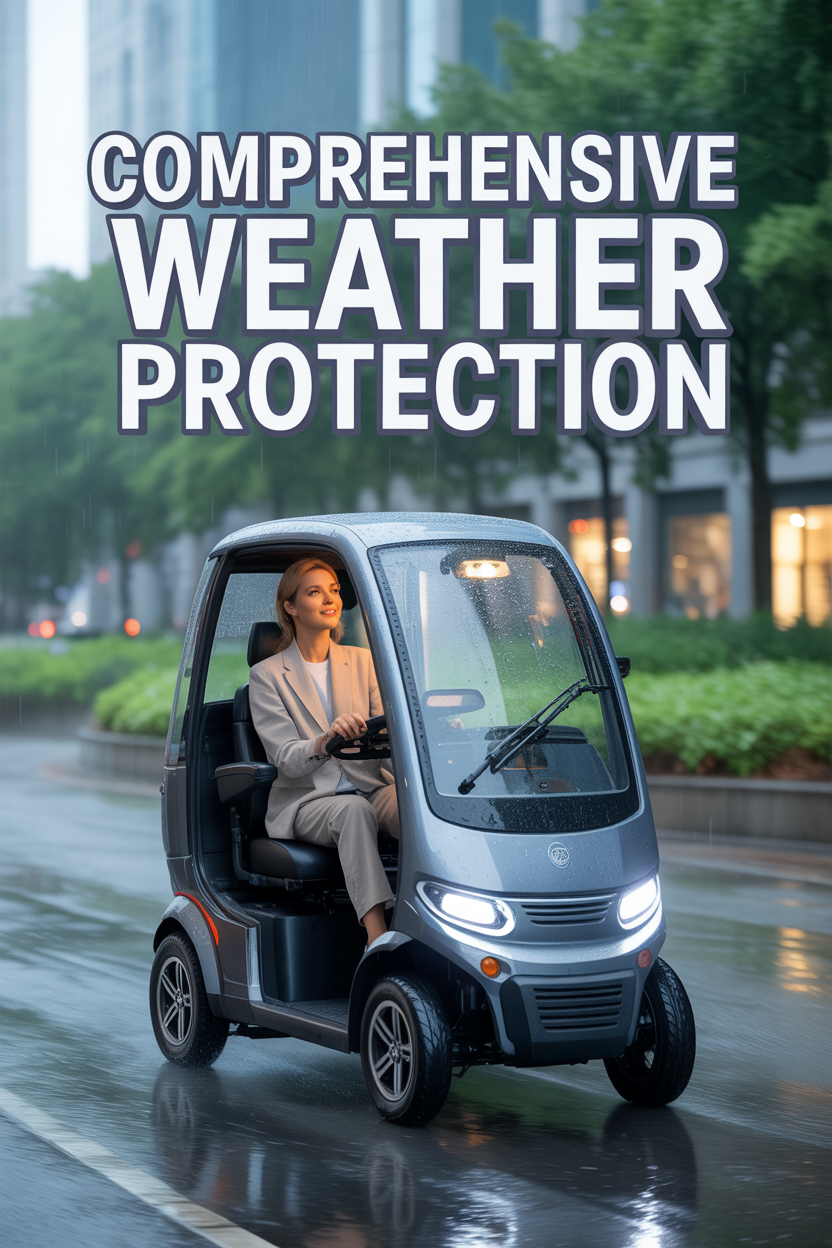
These mobility vehicles come equipped with sophisticated weather protection systems that rival those found in automobiles. The engineering behind these features focuses on creating a comfortable microenvironment for the user.
Full cabins provide car-like enclosure and protection, forming the foundation of the weather resistance system. Large windshields effectively block face-freezing winds while maintaining excellent visibility.
Waterproof roofs are specially designed to channel rain away from the rider, preventing water from entering the cabin. Functional doors create a complete weather barrier that seals out precipitation and drafts from all angles.
Premium models feature heating systems for cold weather comfort, transforming winter mobility from an endurance test to a pleasant experience. Windshield wipers maintain visibility during precipitation, just like in conventional vehicles.
Sophisticated ventilation systems prevent fogging and maintain air quality, creating a comfortable environment even during extended use. These systems often include adjustable vents to customize airflow according to user preference.
Enclosed vs. Open Scooters: Understanding the Fundamental Differences
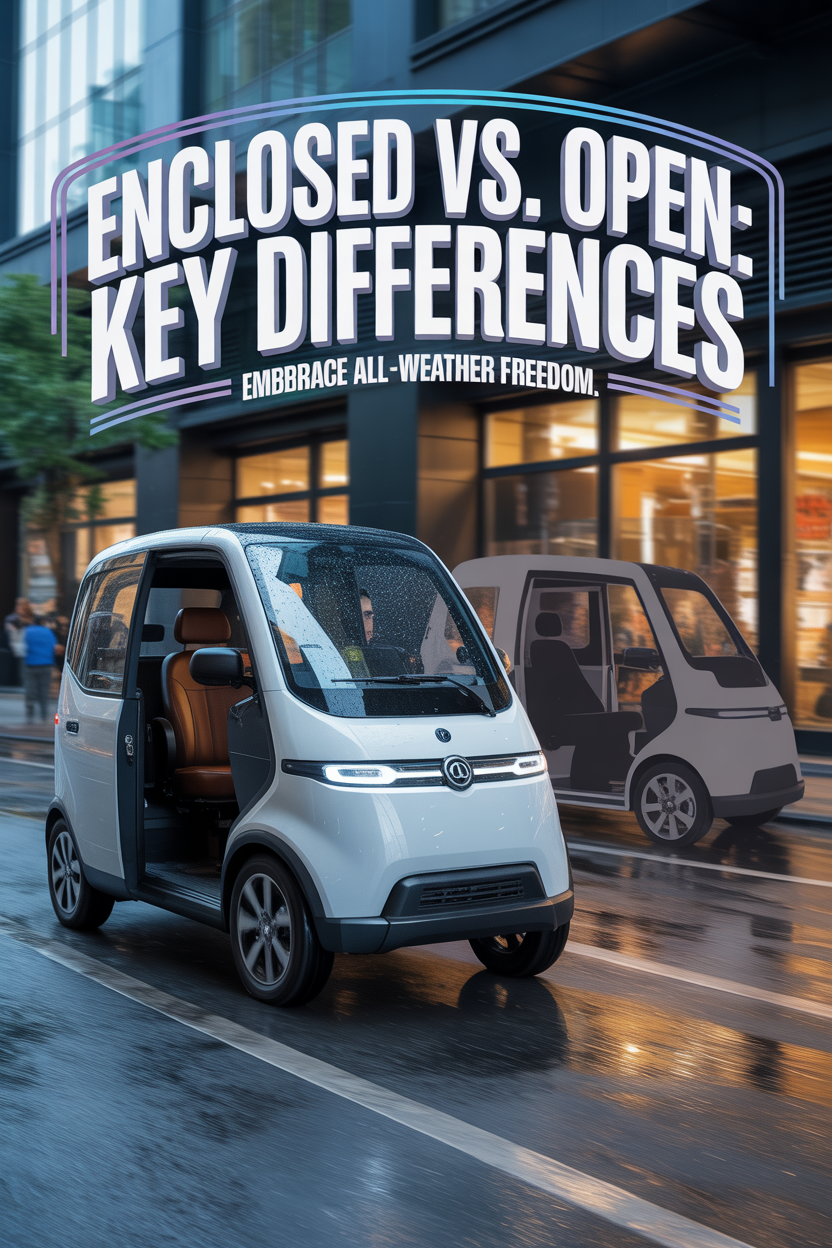
When comparing enclosed and open mobility scooters, several important distinctions emerge that impact everyday usability. These differences help determine which option best suits specific lifestyle needs.
The most obvious distinction involves weather protection. Enclosed models offer comprehensive protection while open models provide minimal shelter, typically limited to basic canopies at best.
Size represents another significant difference. Enclosed scooters are larger and bulkier than their open counterparts, affecting maneuverability in tight spaces.
Weight varies considerably between types. Enclosed options are significantly heavier due to cabin materials, impacting transportation requirements and handling characteristics.
Visibility to others improves with enclosed designs. These scooters have better visibility to vehicles and pedestrians, an important safety consideration in mixed traffic areas.
Storage capacity typically favors enclosed models, which offer dedicated compartments and more overall space for personal items and purchases.
Price represents perhaps the most significant practical difference. Enclosed scooters require a larger investment ($3,500-$15,000+) compared to open models ($800-$5,000), reflecting their additional features and materials.
Indoor usability generally favors open designs. Open scooters navigate indoor spaces more easily than enclosed models, which may struggle with doorways and tight corners in home environments.
Leading Enclosed Scooter Models Worth Considering
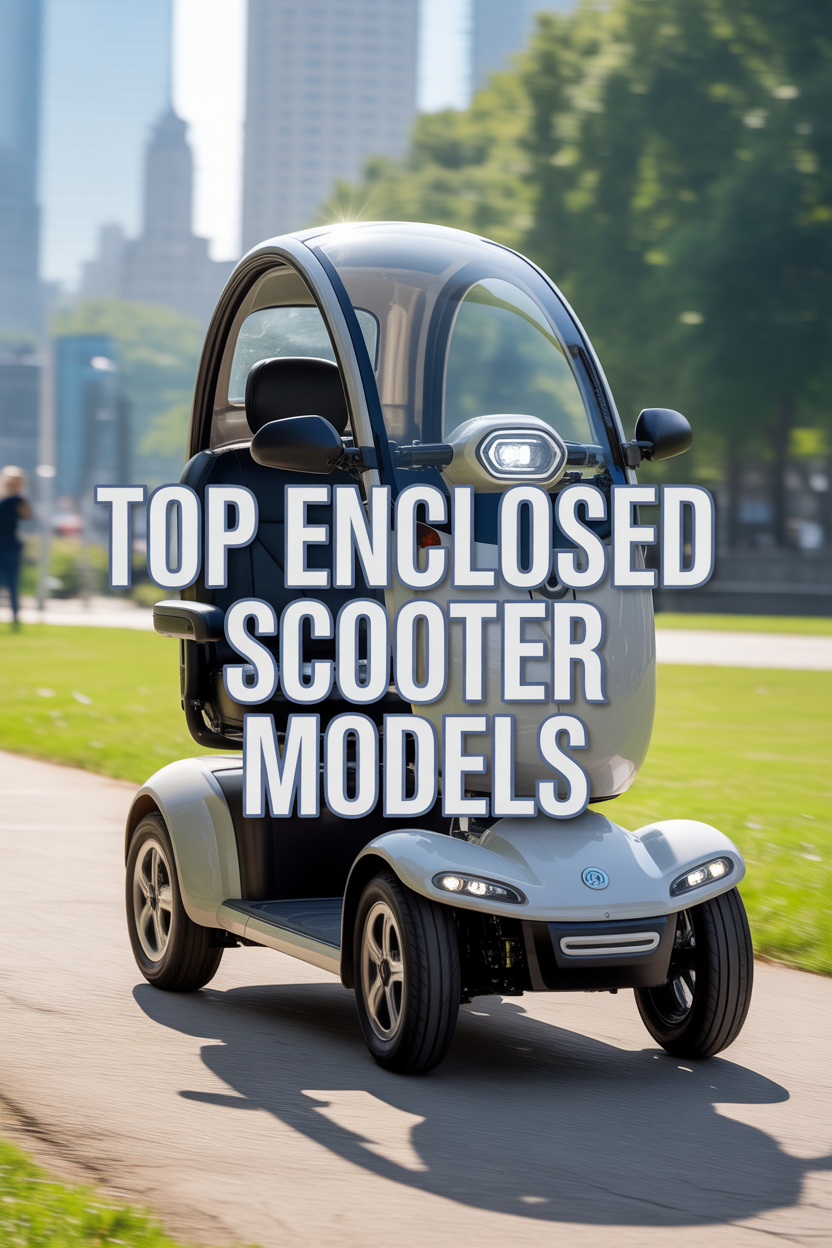
The market offers several noteworthy enclosed mobility scooter options, each with distinct advantages for different user needs. Understanding these differences helps match capabilities to individual requirements.
The Shoprider Flagship features a spacious design with ample storage, making it ideal for users who regularly transport groceries or personal items. Its comfortable seating accommodates longer journeys without fatigue.
For those seeking premium features, the Afiscooter S4 delivers luxury-level comfort with enhanced suspension and superior weather protection. Its automotive-grade components ensure reliability even with daily use.
The Pride Mobility Pursuit XL emphasizes extended range for longer journeys, perfect for users who value independence over greater distances. Its battery system optimizes energy usage for maximum efficiency.
The Heartway Aviator S8X offers a compact yet robust design that balances protection with maneuverability. This model works well for users navigating both urban environments and suburban settings.
Budget-conscious shoppers might consider the EV Rider Transport AF, a more affordable enclosed option that maintains essential weather protection while reducing costs on non-essential features.
Investment Considerations: Understanding the Full Cost Picture
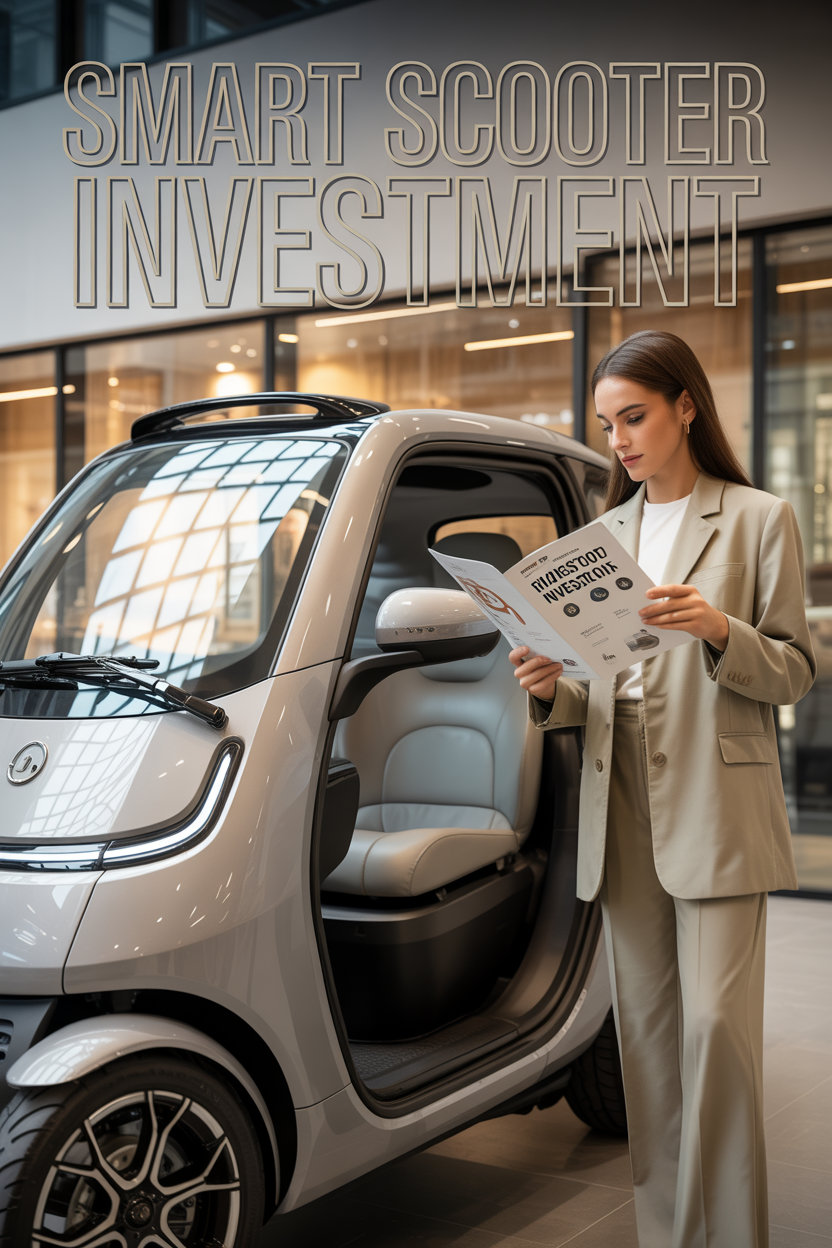
Enclosed mobility scooters represent a significant investment with several financial factors to consider beyond the initial purchase price. Being prepared for all associated costs ensures a realistic budget approach.
Entry-level models typically range from $3,500-$5,000, offering basic weather protection and essential features. These units provide good value for occasional users in moderate climates.
Mid-range options from $5,000-$8,000 introduce enhanced comfort features, improved battery life, and better suspension systems. Most daily users find this category offers the best balance of features and affordability.
Premium models priced between $8,000-$15,000+ deliver superior construction, comprehensive weather management, and luxury amenities. These high-end scooters often include automotive-grade components and extensive customization options.
Custom vehicles can exceed $20,000, incorporating specialized accessibility features, premium materials, and advanced technology integration. These units typically address specific medical or lifestyle requirements.
Additional costs include insurance, maintenance, accessories, and replacement batteries. While traditional scooters may receive Medicare coverage, enclosed models typically don’t qualify, though some insurance plans might contribute with proper medical documentation.
Most users should budget for annual maintenance costs between $200-$500, depending on usage patterns and model complexity. Battery replacement represents another significant expense, typically occurring every 2-3 years.
Battery Performance and Management Strategies
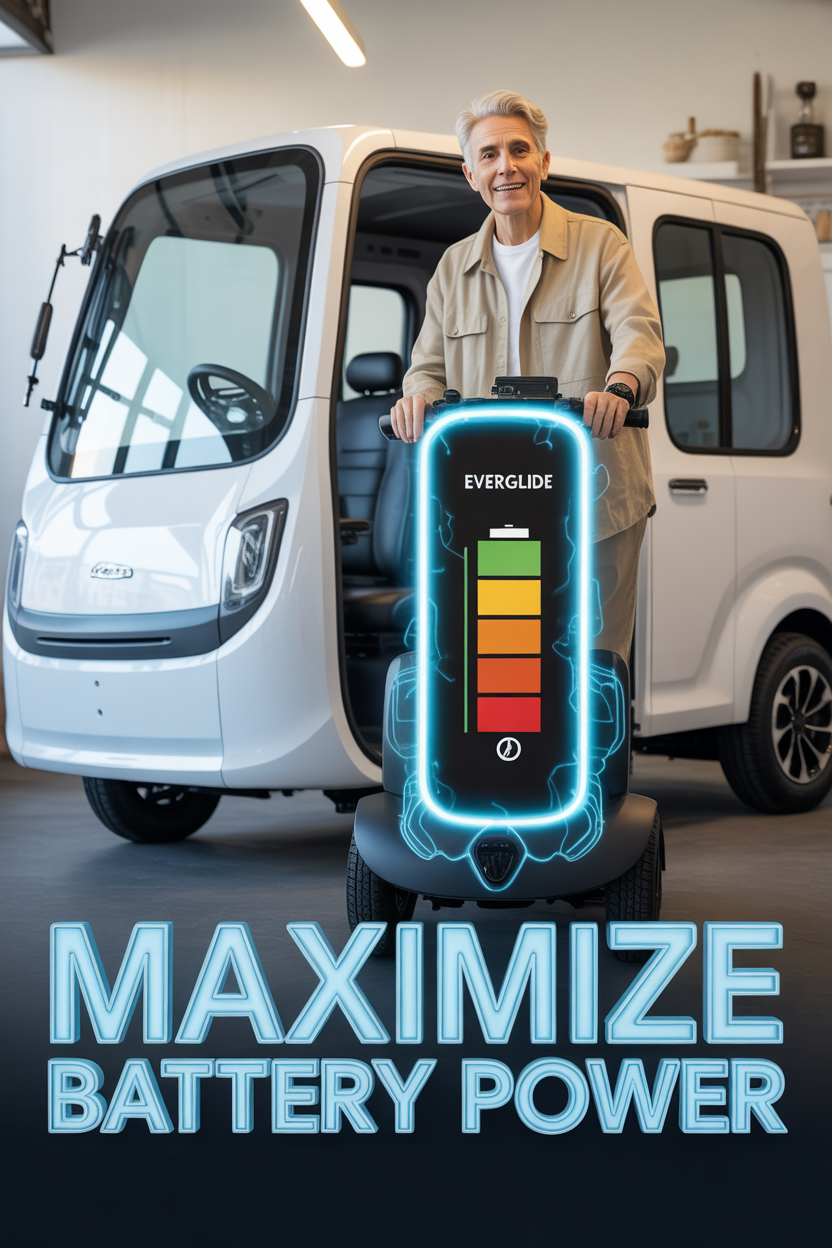
Understanding battery capabilities is essential for enclosed scooter owners who want to maximize range and longevity. Different battery technologies offer distinct advantages and limitations.
Most enclosed scooters provide a range of 15-35 miles per charge, though this varies significantly based on terrain, temperature, and rider weight. Manufacturers’ stated ranges typically reflect optimal conditions rather than real-world usage.
Battery types fall into two main categories: lead-acid (conventional) and lithium-ion (premium). Lead-acid batteries cost less initially but require more maintenance and replacement. Lithium-ion batteries command higher prices but offer longer lifespans and better cold-weather performance.
Charging time varies by battery type: 8-12 hours for lead-acid batteries versus 4-6 hours for lithium-ion models. Fast-charging options exist for some premium scooters but may reduce overall battery lifespan.
Most batteries last through 300-500 charge cycles, translating to approximately 2-3 years of regular use. Planning for this replacement cost helps avoid unexpected expenses.
Cold weather significantly impacts performance, with range reductions of 20-40% in low temperatures. This limitation proves particularly important for users in northern climates who rely on year-round mobility.
Speed Capabilities and Practical Travel Range
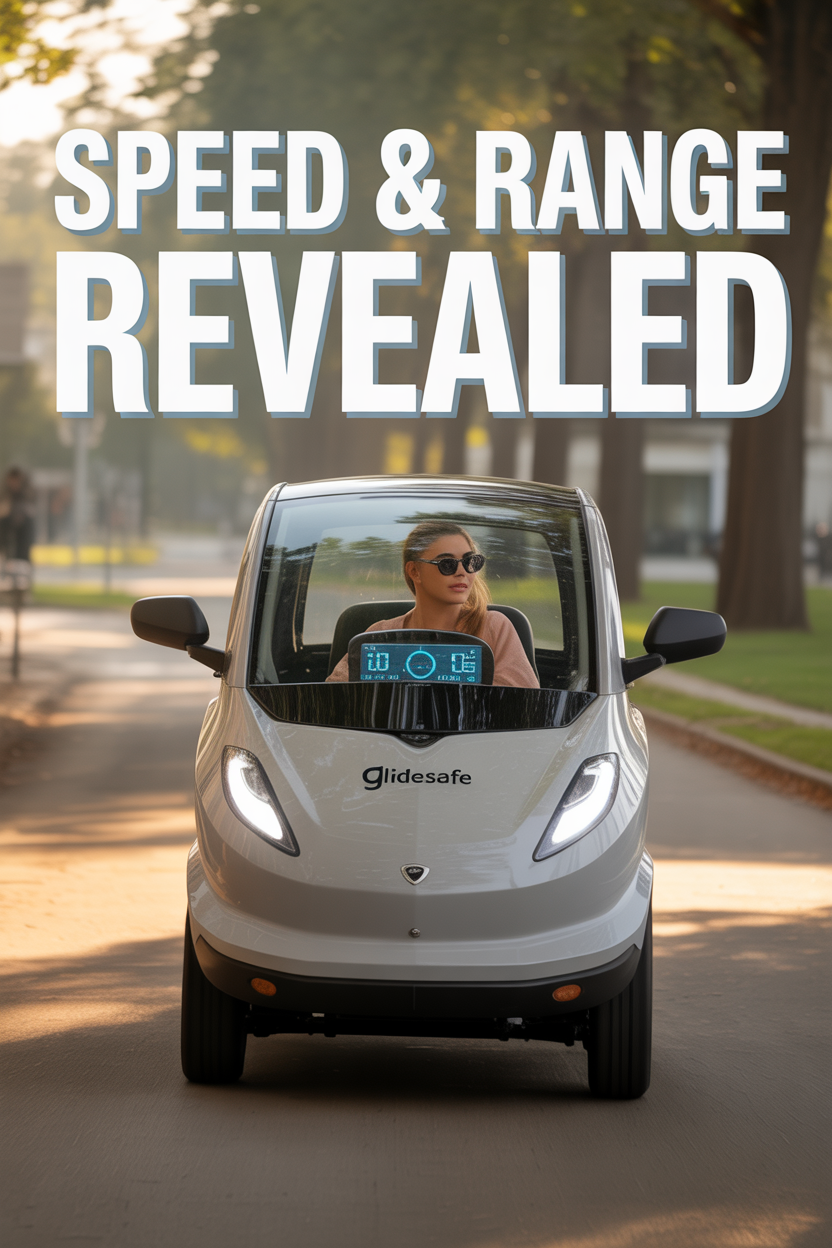
Enclosed scooters balance safety with practical travel capabilities to deliver reliable transportation within their design parameters. Understanding these limitations helps set realistic expectations for daily use.
Maximum speeds typically range from 5-15 mph, with electronic limiters preventing unsafe operation. This controlled performance prioritizes stability and control over pure speed.
Most users find a comfortable cruising speed between 4-8 mph, which balances efficiency with safe operation. This pace allows for predictable handling while maintaining reasonable travel times.
Range per charge spans from 15-35 miles depending on model and conditions. Factors affecting actual range include terrain (hills reduce range significantly), rider weight, driving style, and weather conditions.
Hill climbing ability typically handles 6-10 degree inclines, though performance decreases on longer slopes as motors heat up. Some premium models offer enhanced climbing capabilities for hilly environments.
Weight capacity ranges from 300-500 pounds including user and cargo. Exceeding these limits affects handling, battery performance, and component longevity.
Turning radius falls between 50-70 inches for most enclosed models, notably wider than open scooters. This measurement becomes critically important when navigating tight spaces or indoor environments.
Advanced Safety Features and Protection Systems
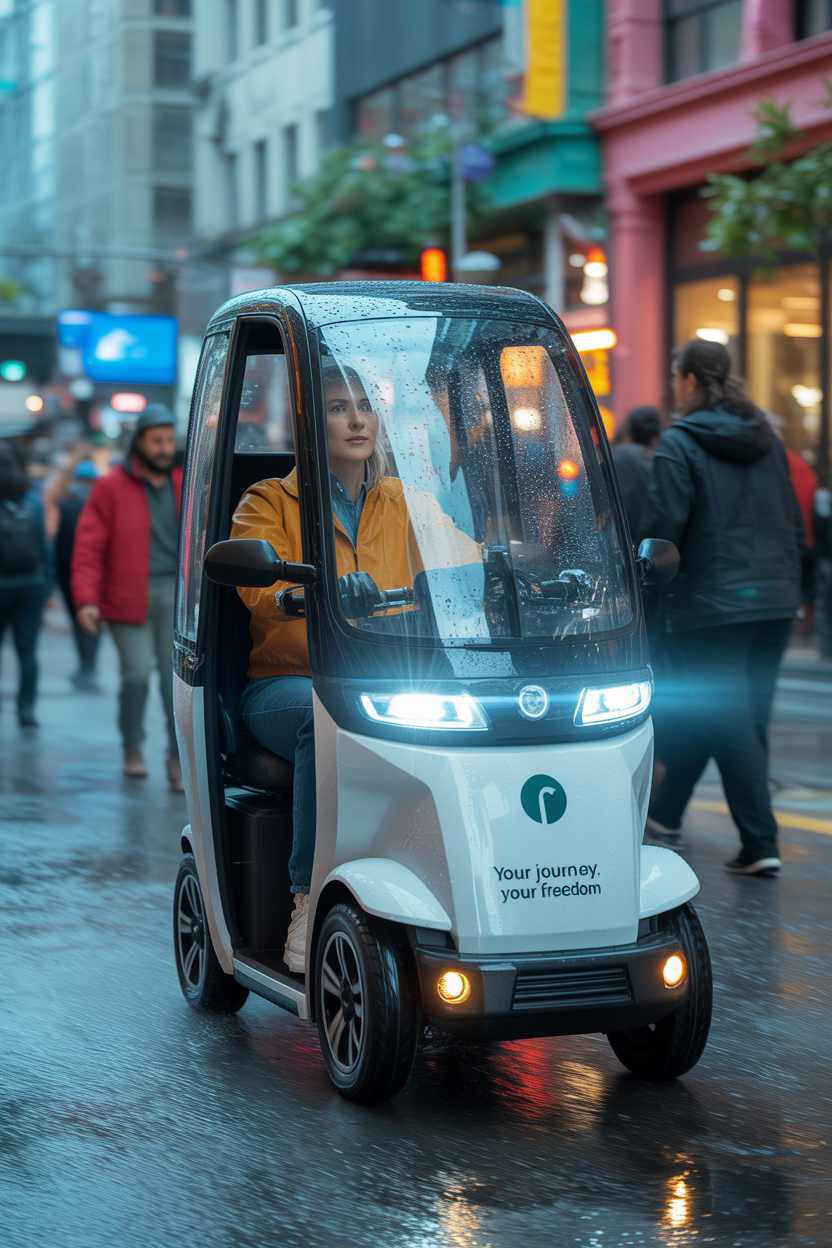
Enclosed mobility scooters incorporate numerous safety elements designed to protect both users and pedestrians. These systems work together to create a secure transportation experience in various environments.
Comprehensive lighting systems include headlights, taillights, turn signals, and hazard flashers for visibility in all conditions. Premium models often feature automatic lighting that activates in low-visibility situations.
Reflective materials enhance nighttime visibility from all angles, a crucial safety feature for users traveling at dusk or after dark. These passive systems require no power yet significantly increase visibility to drivers.
Adjustable mirrors provide essential rear visibility, allowing users to monitor approaching traffic without twisting uncomfortably. Some models include wide-angle options for expanded field of view.
Alert systems such as horns and electronic signals help communicate with pedestrians and vehicles when necessary. Volume-adjustable options accommodate different environments from quiet indoor spaces to busy streets.
Anti-tip wheels provide additional stability during turns and on uneven surfaces, preventing dangerous rollover situations. These small but critical components often go unnoticed until needed.
Seat belts offer user security during sudden stops or when traversing rough terrain. Three-point systems provide superior protection compared to lap belts alone.
Automatic braking systems engage when the throttle is released, ensuring the scooter stops safely if the user becomes unable to actively control it. This fail-safe feature prevents runaway situations.
Transportation Challenges and Storage Solutions
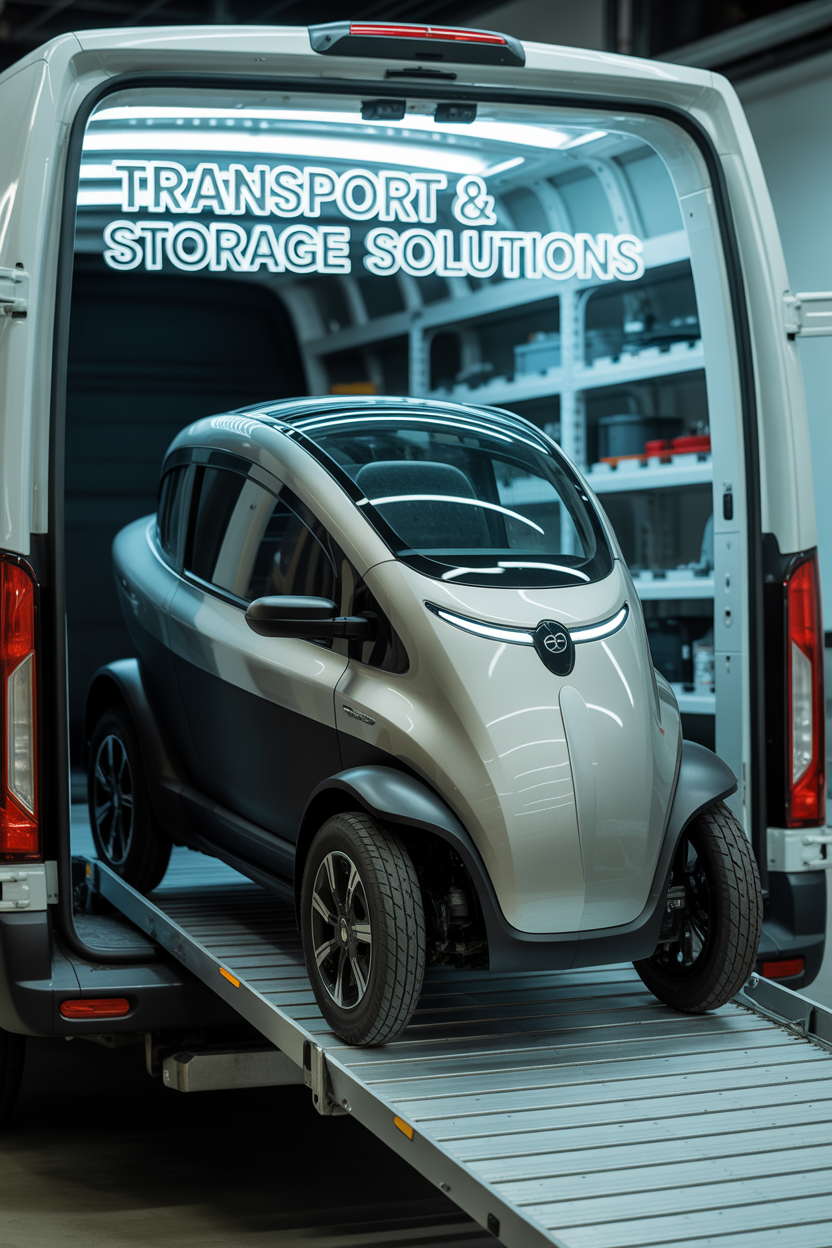
Enclosed scooters present unique logistical considerations that require planning and sometimes specialized equipment. Their size and weight make transportation more complex than with conventional mobility aids.
Vehicle transport typically requires a van with a ramp or a specialized trailer designed for mobility equipment. Standard car-mounted carriers rarely accommodate the weight and dimensions of enclosed models.
Unlike many open scooters, enclosed models offer limited disassembly options. Their integrated designs prioritize structural integrity over transport convenience, creating challenges for users who travel frequently.
Typical dimensions range from 30-36 inches wide by 50-60 inches long, comparable to a small motorcycle footprint. These measurements prove crucial when planning storage locations or determining whether the scooter will fit through doorways and passages.
Weight represents another significant consideration, with most enclosed scooters weighing between 200-400 pounds. This substantial mass requires appropriate ramps and lifting equipment for safe handling.
Professional transport assistance may become necessary for travel with enclosed scooters, particularly for users with limited physical strength. Many medical transport services offer specialized options for mobility equipment.
Some manufacturers have developed innovative folding or collapsible models that maintain weather protection while improving transportability. These designs typically command premium prices but solve critical logistics challenges.
Legal Requirements and Regulatory Considerations

Regulations for enclosed scooters vary significantly by location but generally include several common elements. Understanding these requirements prevents unintentional violations and ensures proper operation.
Most jurisdictions classify these vehicles as Personal Mobility Devices, distinguishing them from road vehicles subject to more stringent requirements. This classification affects where and how they can operate legally.
Operator licensing requirements remain minimal in most areas, with few locations requiring formal certification or testing. However, some regions have begun implementing basic knowledge assessments for higher-speed models.
Registration typically isn’t required for enclosed mobility scooters, though some municipalities have introduced voluntary registration programs to aid in recovery if stolen. These optional systems rarely involve fees or taxes.
Road access rules permit operation on sidewalks, bike lanes, and some low-speed roads in most jurisdictions. Restrictions often apply to highways and roads with speed limits exceeding 35 mph.
Lighting requirements become mandatory for night operation in virtually all locations. Required elements typically include forward-facing white lights and rear-facing red lights or reflectors.
Local regulations can vary dramatically between municipalities, making it essential to verify specific requirements in your area. Many mobility equipment dealers provide regulatory guidance as part of their service.
Insurance Protection Options and Coverage Considerations
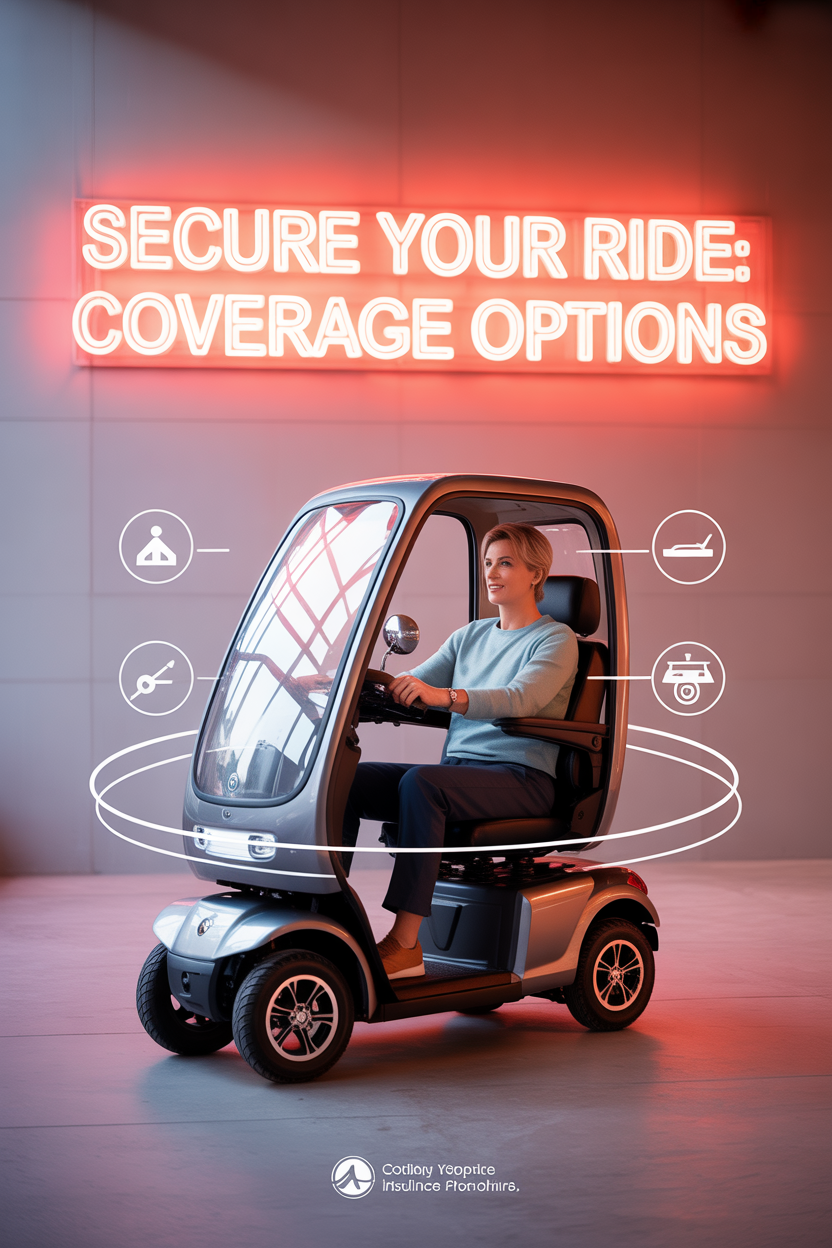
Protection plans for enclosed scooters range from basic liability to comprehensive coverage. Understanding these options helps users make informed decisions about risk management.
Coverage types vary from simple accident protection to comprehensive plans including theft, vandalism, and natural disasters. The appropriate level depends on usage patterns and storage conditions.
Annual costs typically range from $100-$300 depending on coverage level, location, and scooter value. Many insurers offer discounts for security features or safe driving records.
Homeowner’s insurance policies sometimes cover scooters as personal property, though specific coverage limitations may apply. Reviewing your existing policy helps identify potential gaps requiring supplemental coverage.
Medical insurance rarely covers the purchase of enclosed scooters but may contribute to costs with proper documentation of medical necessity. Working with healthcare providers to establish this documentation improves approval chances.
Medicare and Medicaid provide limited coverage for enclosed models, with significant variation between states. Traditional open scooters more commonly receive coverage than their enclosed counterparts.
At minimum, liability coverage protects against accident-related expenses involving other people or property. This basic protection proves particularly important for users who frequently operate in public spaces.
Customization Options for Personalized Comfort and Function
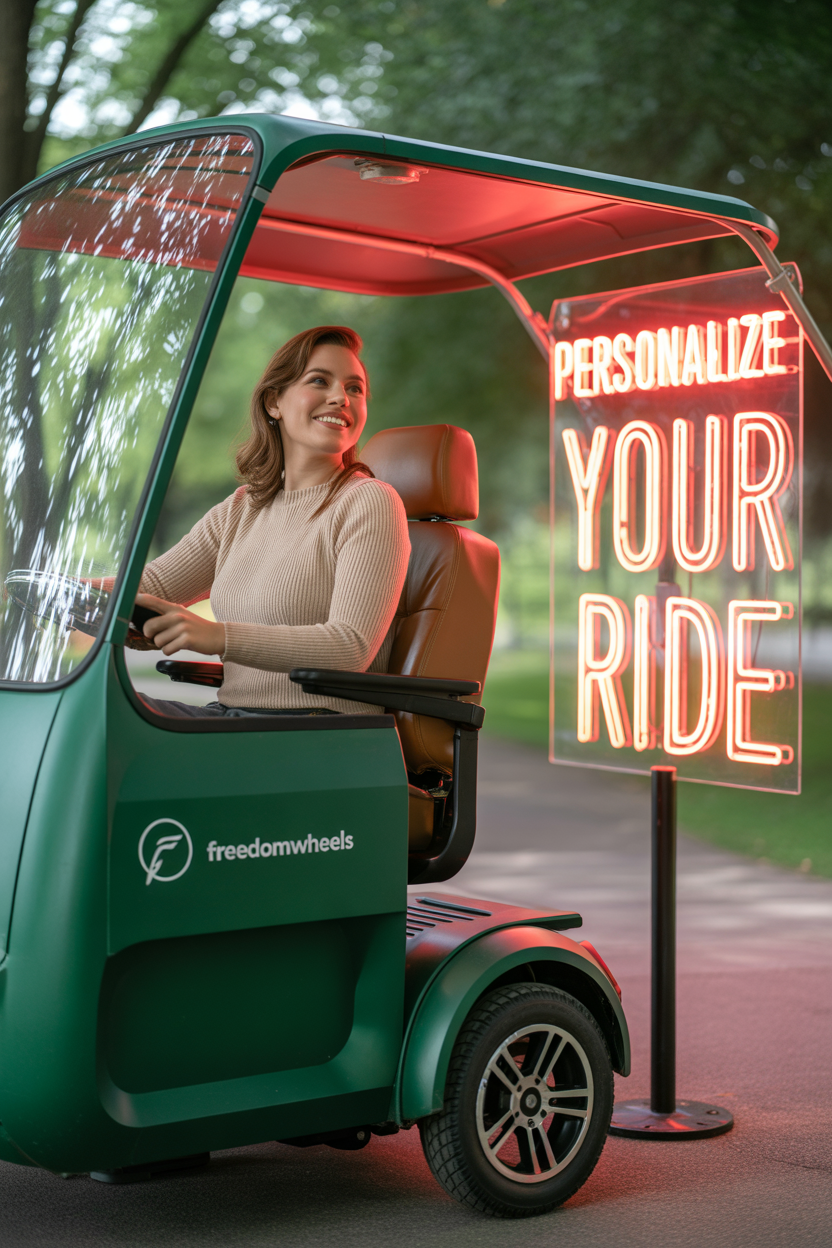
Enclosed scooters offer remarkable personalization possibilities that enhance both comfort and functionality. These modifications allow users to create truly individualized mobility solutions.
Cabin configurations include hard tops, soft sides, and removable panel options that adapt to seasonal needs. Some systems allow for partial opening during pleasant weather while maintaining full protection when conditions worsen.
Seating upgrades range from basic comfort improvements to advanced ergonomic designs addressing specific physical needs. Options include adjustable lumbar support, therapeutic cushioning, and heated surfaces for cold-weather comfort.
Storage additions such as lockable compartments, organization systems, and external carriers expand carrying capacity for shopping, medical equipment, or personal items. These practical enhancements significantly improve everyday utility.
Technology enhancements such as GPS navigation, phone mounts, and charging ports bring modern convenience to mobility solutions. Bluetooth connectivity options allow for hands-free communication and entertainment.
Exterior styling options include custom colors, graphics, and reflective elements that personalize appearance while potentially enhancing visibility. These aesthetic choices help users express individuality through their mobility equipment.
Comfort accessories such as cup holders, armrest extensions, and advanced climate control systems improve the daily experience, particularly for users who spend extended time in their scooters.
Maintenance Requirements for Long-Term Reliability
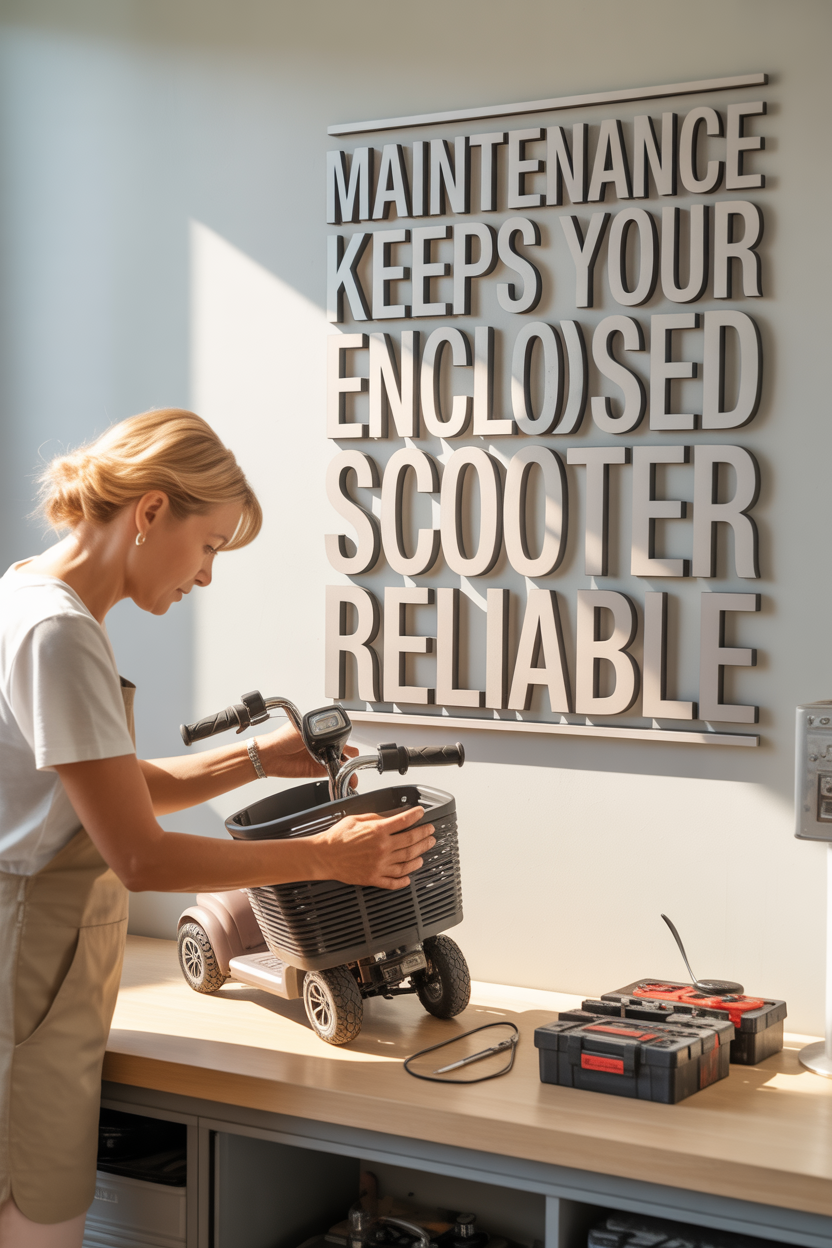
Proper care ensures longevity for enclosed scooters, protecting both the functional systems and the cabin structure. Regular maintenance prevents costly repairs and extends useful life.
Professional servicing at 12-18 month intervals provides comprehensive system checks and preventative maintenance. These scheduled visits often identify potential issues before they cause breakdowns.
Battery maintenance includes monthly connection checks and cleaning to prevent corrosion and ensure reliable power delivery. Proper charging practices significantly extend battery lifespan.
Tire care through regular pressure monitoring prevents uneven wear and maintains optimal handling characteristics. Some premium models feature solid tires that eliminate puncture risks but require different maintenance approaches.
Electrical system inspections should occur annually, focusing on connections, controls, and lighting elements. Water intrusion can damage these components, making regular checks particularly important for scooters used in wet conditions.
Cabin maintenance involves regular cleaning of windows and seal inspection to prevent water intrusion. Lubrication of door hinges and latches ensures smooth operation and prevents binding.
Seasonal storage preparation includes battery maintenance, appropriate covering, and climate control considerations. Improper storage accelerates deterioration, particularly for scooters unused during winter months.
Enclosed mobility scooters represent a significant advancement in personal mobility, offering independence regardless of weather conditions. With options spanning different budgets and needs, these vehicles provide freedom and confidence for users seeking reliable, comfortable transportation throughout the year.