
Good Pain Relief for Back Pain: How Simple Habits Can Shut Out the Ache
What’s Causing My Back Pain?

If you’ve been searching for lasting relief from back pain, you’re not alone. Back pain affects millions of people, but the good news is that finding relief is often simpler than you think. Understanding what’s causing your discomfort is the first step toward feeling better, and simple, everyday habits can make a world of difference.
Before you can find lasting relief, it helps to know what’s causing the strain. Your spine has cushion-like discs between the bones (vertebrae) that can wear down over time. This is known as degenerative disc disease and can reduce their ability to absorb shock, leading to discomfort.
Sometimes, one of these discs can bulge or even rupture, which is called a herniated disc. This can press on a nearby nerve, often causing pain that travels to other parts of your body, like your legs.
A sudden awkward movement or lifting something too heavy can cause a muscle or ligament strain. This is your back’s way of telling you it was unprepared for the demand you placed on it.
Even something as simple as your posture can be a major cause of pain. Slouching while sitting or standing compresses your spine, allowing tension to build up and cause a persistent ache.
If you feel a sharp, buzzing sensation traveling down your leg, you may be experiencing sciatica. This is a classic sign of an irritated sciatic nerve, which needs gentle care and attention to heal.
When to Seek Professional Medical Advice

While many back aches get better with self-care, some symptoms are your body’s way of saying you need a doctor. It’s always smart to listen to your body and get professional help when something feels seriously wrong.
Pay close attention to sudden, sharp numbness or tingling that travels down one or both of your legs. This could indicate nerve pressure that needs a medical evaluation.
A loss of bladder or bowel control is a serious symptom that requires immediate medical attention. Do not hesitate to go to an emergency room if you experience this with back pain.
If your back pain comes with a fever or chills, your body might be fighting an infection. A healthcare provider can help find the underlying issue.
Pain that begins after a fall, accident, or other trauma should always be checked by a doctor. Likewise, if your pain doesn’t improve after two weeks of consistent home care, it’s time to get a professional opinion.
How Can Good Posture Protect Your Back?

Good posture is one of the most powerful ways to find back relief and prevent future pain. Making small, conscious adjustments to how you sit and stand can have a huge impact on your spinal health.
Start with an ergonomic office setup. Make sure your chair supports your back, your shoulders are relaxed, and your feet are flat on the floor. Your computer monitor should be at eye level to keep your spine in a neutral position.
The shoes you wear also play a role in your back health. Choose footwear that provides good arch support and cushions your heels to help absorb shock with every step.
Make a habit of performing daily posture checks. Set reminders on your phone to encourage you to sit or stand tall, especially when you find yourself scrolling on your phone or driving.
When standing for long periods, spread your weight evenly on both feet. Keep a slight bend in your knees to avoid locking them, which can reduce strain on your lower back.
Strengthen Your Core for Lasting Spinal Support

A strong core acts as a natural corset, providing essential support for your spine and shielding it from injury. Adding simple core-strengthening exercises to your routine is a positive step toward long-term relief.
Planks are a fantastic way to build core stability. Start by holding the position for 15 seconds, focusing on keeping a straight line from your head to your heels. Gradually work your way up to one minute.
The Bird-Dog exercise helps improve balance while strengthening your back muscles. On all fours, extend one arm and the opposite leg, keeping your back flat. Aim for ten repetitions on each side.
Bridges are excellent for activating your glutes, which are key muscles for supporting your lower back. Lie on your back with knees bent, lift your hips toward the ceiling, hold for a few seconds, and then slowly lower back down.
Pelvic tilts are a gentle way to increase spinal flexibility and release tension. Lie on your back with your knees bent and gently press your lower back against the floor, repeating fifteen times.
Embrace Flexibility with Gentle Back Stretches

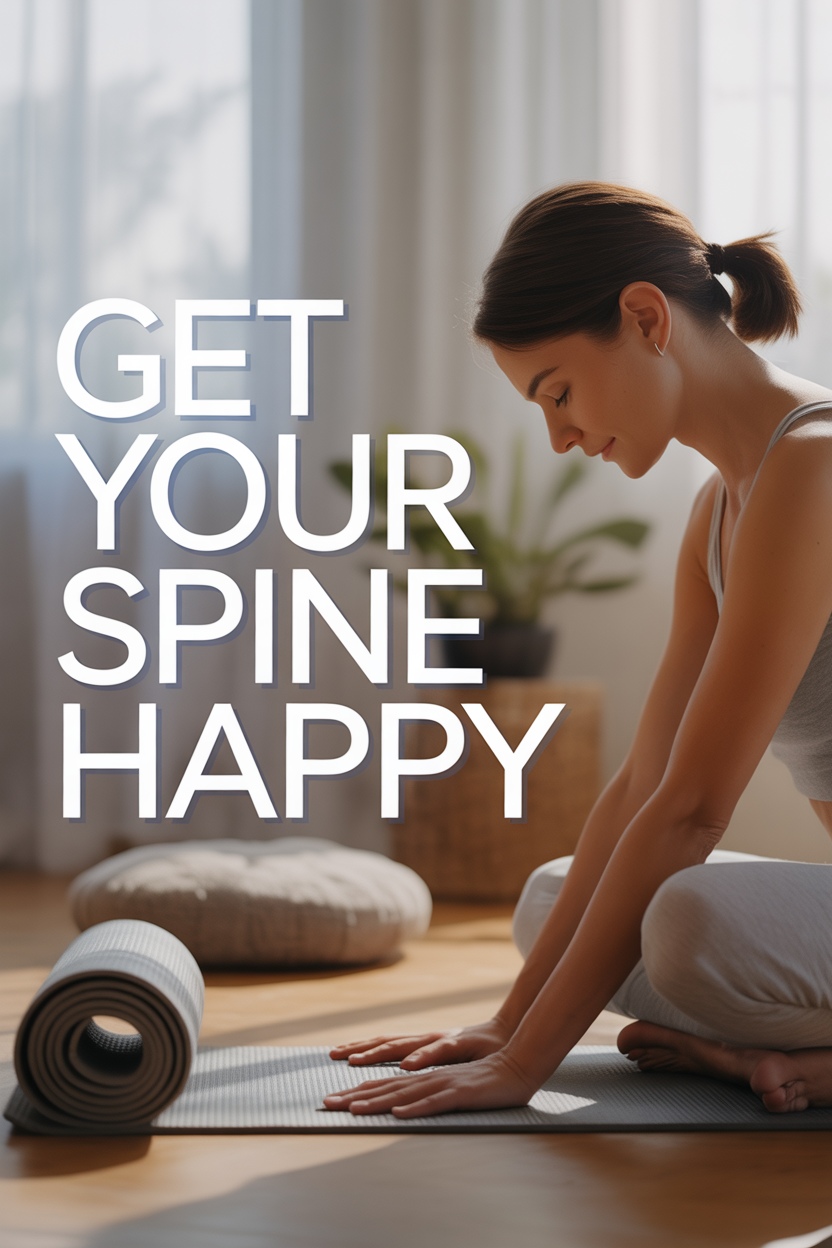
Stretching regularly is like a mini-retreat for your muscles, helping to ease tension, improve your range of motion, and promote relaxation. Performing gentle stretches daily can significantly reduce back pain.
The knee-to-chest stretch is a simple way to lengthen your lower back. Lie on your back, bring both knees toward your chest, and hold for 30 seconds to feel a gentle release.
Tight hip muscles can pull on your lower back. Try a hip flexor stretch by kneeling in a lunge position, gently pushing your hips forward, and holding for 30 seconds on each side.
Tight hamstrings are another common cause of back pain. To stretch them, sit on the floor with one leg straight, lean forward gently from your hips until you feel a stretch, and hold for 30 seconds per leg.
The Cat-Cow pose is a classic yoga movement that boosts spinal flexibility. On your hands and knees, alternate between arching your back toward the floor (cow) and rounding your spine toward the ceiling (cat) to relieve built-up tension.
Should I Use Heat or Ice for My Back Pain?

Knowing whether to grab a heat pack or an ice pack can make a big difference in how you feel. Heat is wonderful for soothing stiff, long-lasting aches, while ice is best for calming down a new injury and reducing inflammation.
For new injuries (within the first 48 hours) or for spots with visible swelling, apply an ice pack. Use it for 15-20 minutes at a time to reduce blood flow and create a numbing effect.
For chronic tightness or general muscle soreness, heat therapy is your friend. A heating pad or warm compress can boost blood flow and help tight muscles relax and let go.
Some people find the most relief by alternating between heat and ice. This can help block pain signals and calm persistent muscle spasms.
Always remember to protect your skin. Wrap any heat or ice pack in a thin towel to prevent burns or frostbite before placing it on the affected area.
Smart Medication Use and Natural Alternatives

While over-the-counter pain medications can provide temporary relief, it’s important to use them wisely. Exploring natural alternatives can offer a gentler, more sustainable approach to managing your pain.
Long-term use of NSAIDs like ibuprofen may have risks for your stomach, kidneys, and heart. It’s also worth noting that some studies question how effective acetaminophen is for acute back pain.
Consider adding natural anti-inflammatories to your diet. Supplements like turmeric, omega-3 fatty acids, and ginger have properties that may help manage pain naturally from the inside out.
Topical relief can also be very helpful. Gels and creams with ingredients like menthol or capsaicin can provide targeted pain relief with fewer side effects than oral medications.
Whatever you choose, always follow dosage instructions carefully. Talk with a healthcare professional before starting any new medication or supplement to make sure it’s the right choice for you.
The Role of Physical Therapy in Your Recovery

Think of a physical therapist as a personal coach for your back’s recovery. They will create a plan just for you to help restore movement and reduce pain.
A therapist can use manual therapy, which includes hands-on techniques like massage and gentle joint movements. These methods are designed to improve motion and provide immediate relief.
They may also use tools like therapeutic ultrasound or electrical stimulation (TENS). These can target deep-seated pain and support your body’s natural healing process.
Best of all, you will receive an exercise plan tailored to you. This unique routine of stretches and strengthening moves is designed to address your specific pain triggers and weaknesses.
Physical therapy also teaches you how to move in ways that prevent future back issues. This education empowers you to take control of your health and is a key part of effective, long-term care.
What Other Therapies Can Relieve Back Pain?

If you want to look beyond traditional medicine, several alternative therapies have shown great promise for back pain. These holistic practices treat both the body and the mind.
Acupuncture involves inserting tiny, thin needles at specific points on the body. This ancient practice is thought to release endorphins—your body’s natural painkillers—and change how the brain processes pain signals.
Massage therapy is a wonderful way to soothe muscle tension, boost circulation, and promote deep relaxation. A skilled therapist can target trigger points and release knots that contribute to your back pain.
Chiropractic care focuses on spinal adjustments to improve alignment and relieve pressure on nerves. Correct alignment can restore function and allow the body to heal itself more effectively.
Gentle, flowing practices like Yoga and Tai Chi are excellent for improving core strength, balance, and flexibility. They also have a calming effect on the nervous system, helping to ease both physical and mental tension.
Everyday Lifestyle Tweaks for a Healthier Back

Lasting back pain relief often comes from making small, positive changes to your daily life. These simple habits can add up to make a huge difference in how you feel.
Managing your weight is important, as extra pounds add stress to your spine. Even a small amount of weight loss can significantly reduce the strain on your back.
Add low-impact activities to your fitness routine. Walking, swimming, and cycling are excellent for keeping your back mobile and strong without the jarring impact of high-intensity exercises.
Break up long periods of sitting. Get up to stand, stretch, and walk around every 30-45 minutes. This simple habit helps prevent stiffness and keeps your circulation flowing.
Staying hydrated is more important than you might think. Water is crucial for keeping the discs between your vertebrae plump and healthy, so drink up for a happy back.
Optimize Your Sleep for Nightly Restoration

The way you sleep can either help or hurt your back’s recovery. Creating the right sleep setup can turn your night’s rest into a time of true healing and restoration.
If you’re a side sleeper, place a pillow between your knees. This simple trick helps keep your hips, pelvis, and spine in proper alignment all night long.
For back sleepers, placing a small pillow under your knees can make a big difference. This helps maintain the natural curve in your lower back and reduces strain.
Sleeping on your stomach is generally not recommended if you have back pain. If you must sleep this way, place a flat pillow under your lower abdomen to lessen the curve and strain on your spine.
Your mattress matters. A medium-firm mattress often provides the best balance of comfort and support, keeping your spine aligned without being too rigid.
Finally, find a pillow that keeps your head and neck in a neutral line with the rest of your spine. This prevents neck strain that can easily travel down your back.
The Mind-Back Connection: How Stress Impacts Pain

The link between your mind and your back is strong. Emotional stress often shows up as tight muscles, so managing that stress is a key, non-negotiable step toward feeling better.
Start your day with five minutes of deep belly breathing. This simple practice can calm your nervous system and help melt away muscle tension before it gets worse.
Mindfulness meditation can train your brain to respond differently to pain signals. Using a guided meditation app can help you build resilience and reduce your perception of pain.
Weave gentle movement into your day, such as short walks and simple stretch breaks. Movement keeps circulation flowing and prevents the stiffness that can result from both mental and physical stress.
Try progressive muscle relaxation, where you systematically tense and then release different muscle groups. This practice helps you become aware of and consciously let go of stored tension in your back and throughout your body.