
What Andrew Huberman Really Says About Red Light Therapy: Science-Backed Benefits Revealed

Red Light Therapy Benefits: What Andrew Huberman’s Research Reveals (But Make It Fun!)
Well hello there, light enthusiasts! Red light therapy has burst onto the wellness scene like a disco ball at a health convention. It’s the biohacking tool everyone’s talking about – and our brain-science superhero Dr. Andrew Huberman can’t stop gushing about it! Today, we’re diving headfirst into the crimson glow of information to uncover what Huberman’s research really tells us about red light therapy. Buckle up for a radiant ride through science that’ll actually brighten your day (and possibly your cells too)!
Meet Your Red Light Tour Guide: Andrew Huberman
If you haven’t heard of Dr. Andrew Huberman yet, where have you been hiding? This Stanford neuroscience professor and podcast host extraordinaire has become the scientific equivalent of that really smart friend who explains complicated stuff so even your cat could understand it.
On his wildly popular Huberman Lab podcast, he’s tackled photobiomodulation (fancy science-speak for red light therapy) numerous times, breaking down how these specific wavelengths work their magic on our bodies.
According to Huberman, light isn’t just for helping you avoid walking into furniture in the dark! It’s a powerful biological signal that influences practically everything your body does.
He describes red light therapy as a non-invasive way to bathe your cells in specific wavelengths that basically give them a pep talk to function better. And who doesn’t love a good cellular pep talk?
The Science Behind Red Light Magic
Warning: I’m about to drop some science that’ll make you the smartest person at your next dinner party!
According to Huberman, red light therapy operates through photobiomodulation. Specific wavelengths of light (630-670nm for red and 810-850nm for near-infrared) penetrate your skin like tiny light ninjas and make a beeline for the mitochondria in your cells – you remember those from biology class, right? The “powerhouse of the cell”!
These light wavelengths interact with something called cytochrome c oxidase in your mitochondria, which boosts production of ATP – basically your body’s version of premium fuel instead of the regular stuff.
It’s like upgrading your cellular energy from instant coffee to a fancy espresso! This energy boost triggers all sorts of beneficial processes throughout your body. Who knew becoming a glowing red beacon could be so good for you?
Supercharged Cellular Batteries: Mitochondria on Red Light
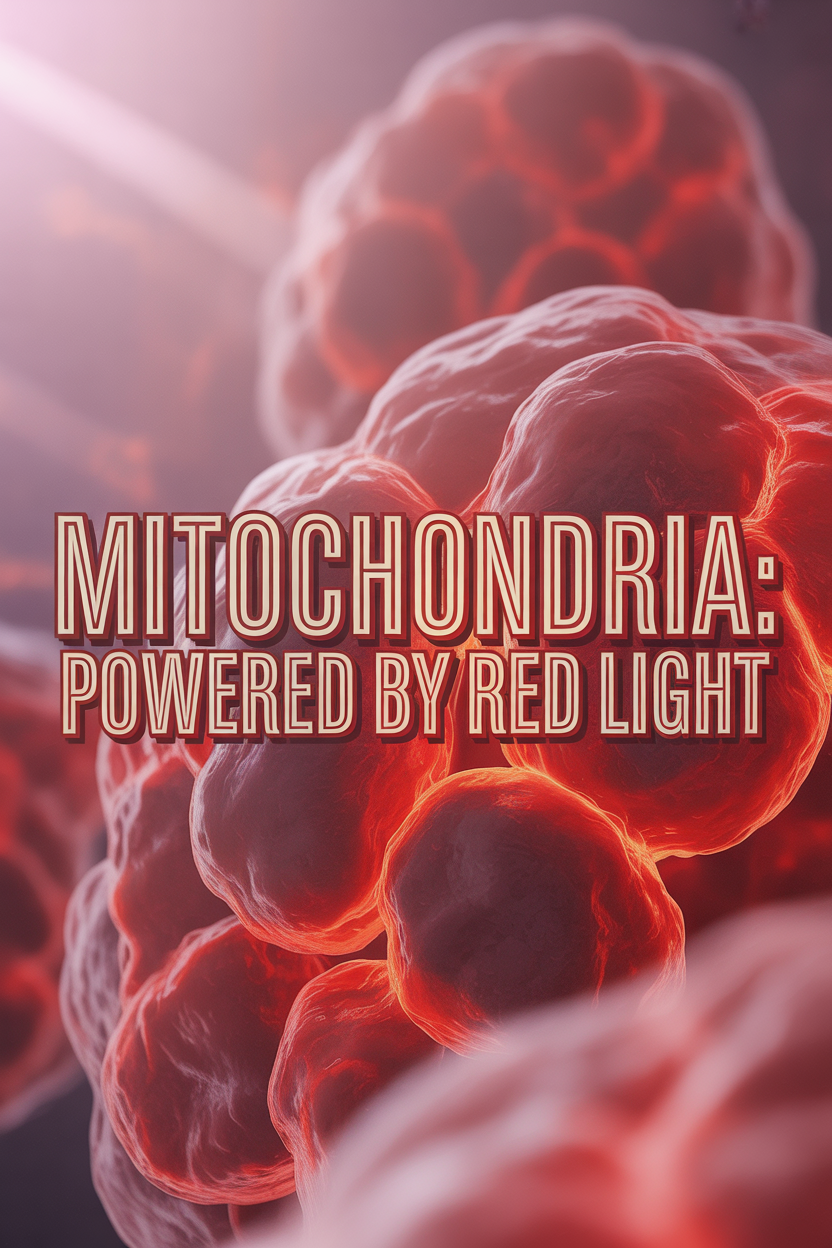
Let’s talk mitochondria – those tiny cellular power plants working overtime to keep you functioning. Huberman gets positively giddy when explaining how red and near-infrared light gives these hardworking organelles a serious upgrade.
When these special wavelengths hit your mitochondria, it’s like adding a turbocharger to your cellular engines!
This enhanced energy production benefits virtually every cell in your body – which explains why red light therapy seems to help with approximately everything short of fixing your WiFi connection.
Your muscle, brain, and skin cells – the energy-hungry divas of your body – particularly love this mitochondrial makeover. According to Huberman, this cellular energy boost might be the most important benefit of all.
It’s basically like giving every cell in your body a double espresso without the jitters!
Turning Back the Clock: Skin Benefits That Make You Glow
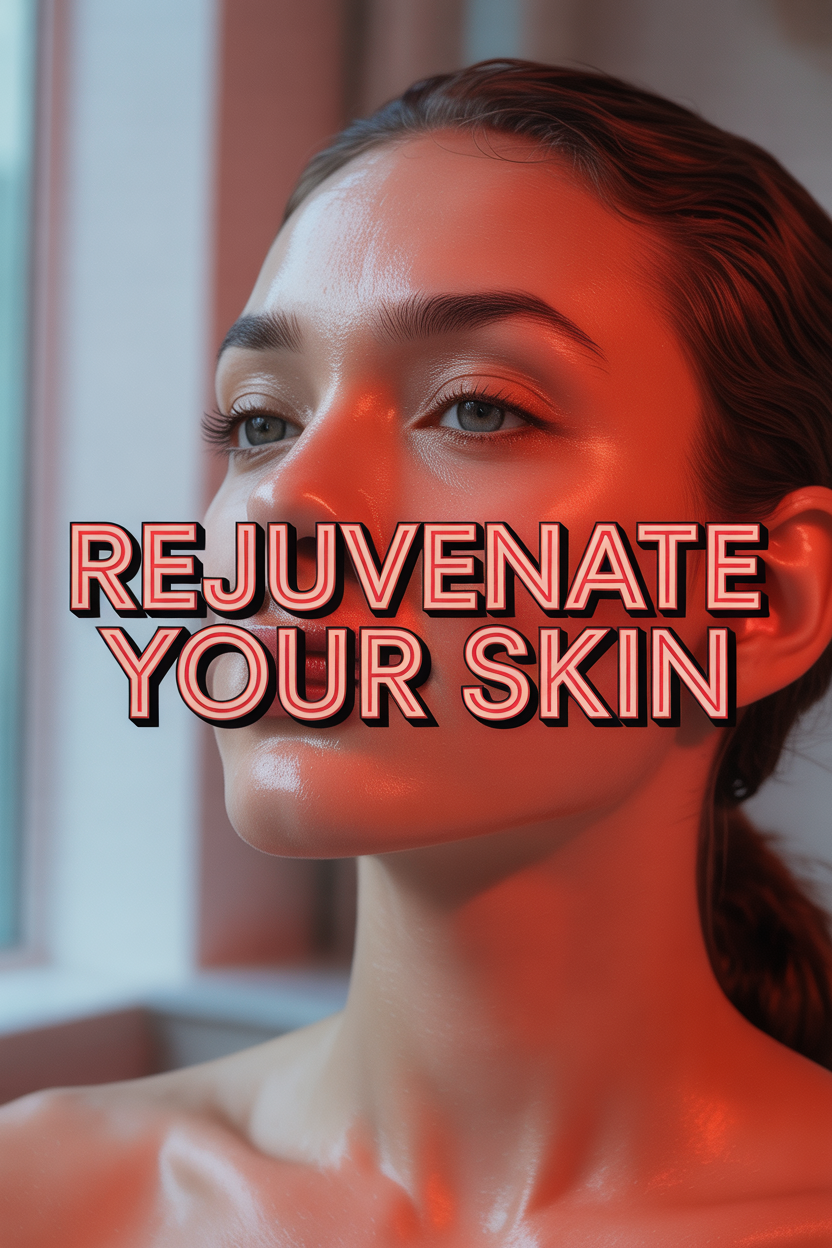
Who doesn’t want to look like they’ve been drinking from the fountain of youth? Huberman acknowledges the well-documented effects of red light therapy on your skin – and they’re pretty impressive!
The light stimulates collagen production (hello, natural face plumping!), reduces oxidative stress (goodbye, damage!), and improves blood flow to your skin (bringing all the good stuff to the surface!).
These mechanisms can help smooth out those fine lines that appeared after your last work deadline, improve skin tone and texture, and speed up healing – handy for when you accidentally walked into that door while texting.
The anti-inflammatory effects can also calm down angry skin conditions like acne, rosacea, and eczema. According to Huberman, consistent red light therapy might be the best thing to happen to your skin since someone invented sunscreen.
Your future selfies will thank you!
Athletic Performance and Recovery Benefits
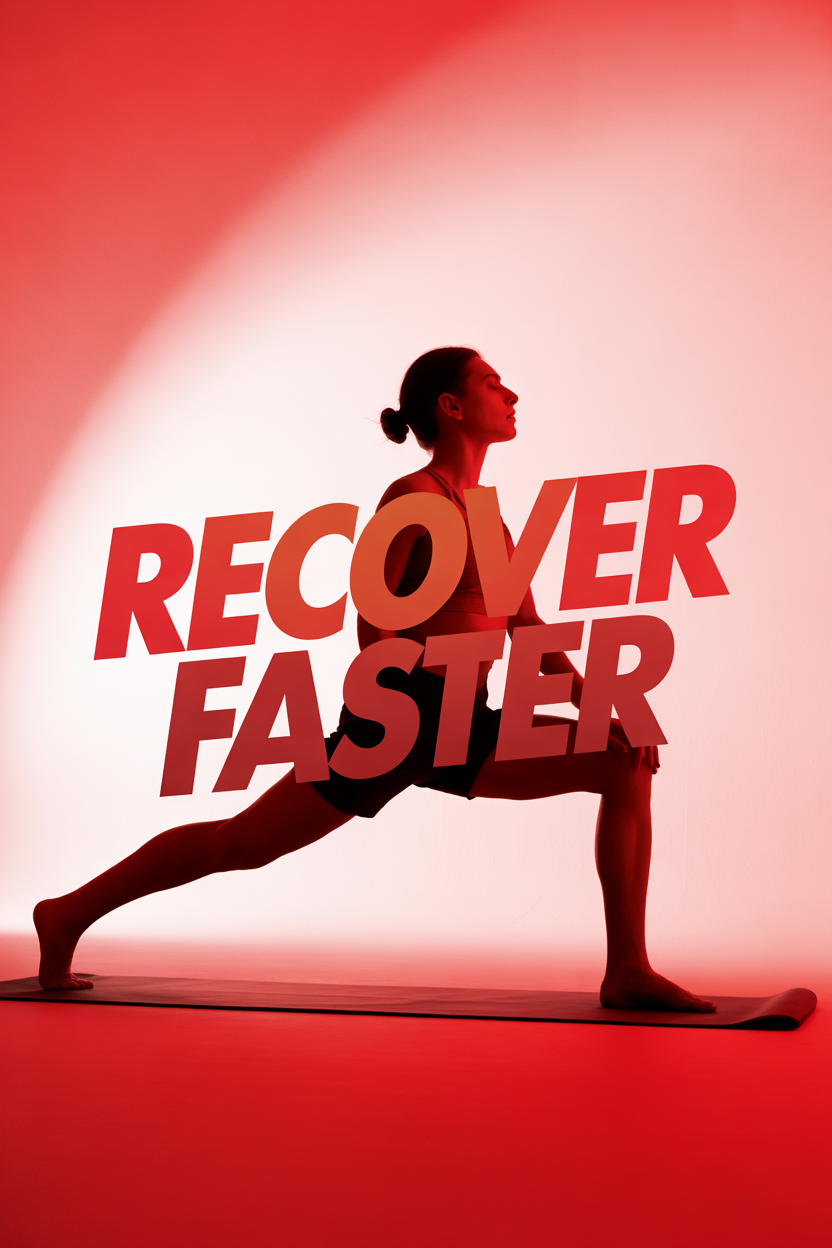
Attention fitness fanatics and weekend warriors! Huberman has some seriously exciting news for your muscles. Red light therapy before your workout may enhance performance by prepping your mitochondria to bring their A-game.
It’s like giving your cells a motivational speech before they hit the gym!
Even better, post-workout red light can speed up recovery by reducing muscle soreness, inflammation, and oxidative stress. Translation: less time whimpering after leg day!
Huberman points to studies showing improvements in strength, endurance, and muscle growth when red light therapy becomes part of your training routine.
For athletes looking for a legitimate performance edge (no sketchy supplements required), red light therapy might be your new best friend. Sorry, protein shakes – you’ve been demoted!
Inflammation: How Red Light Helps Extinguish the Fire Inside
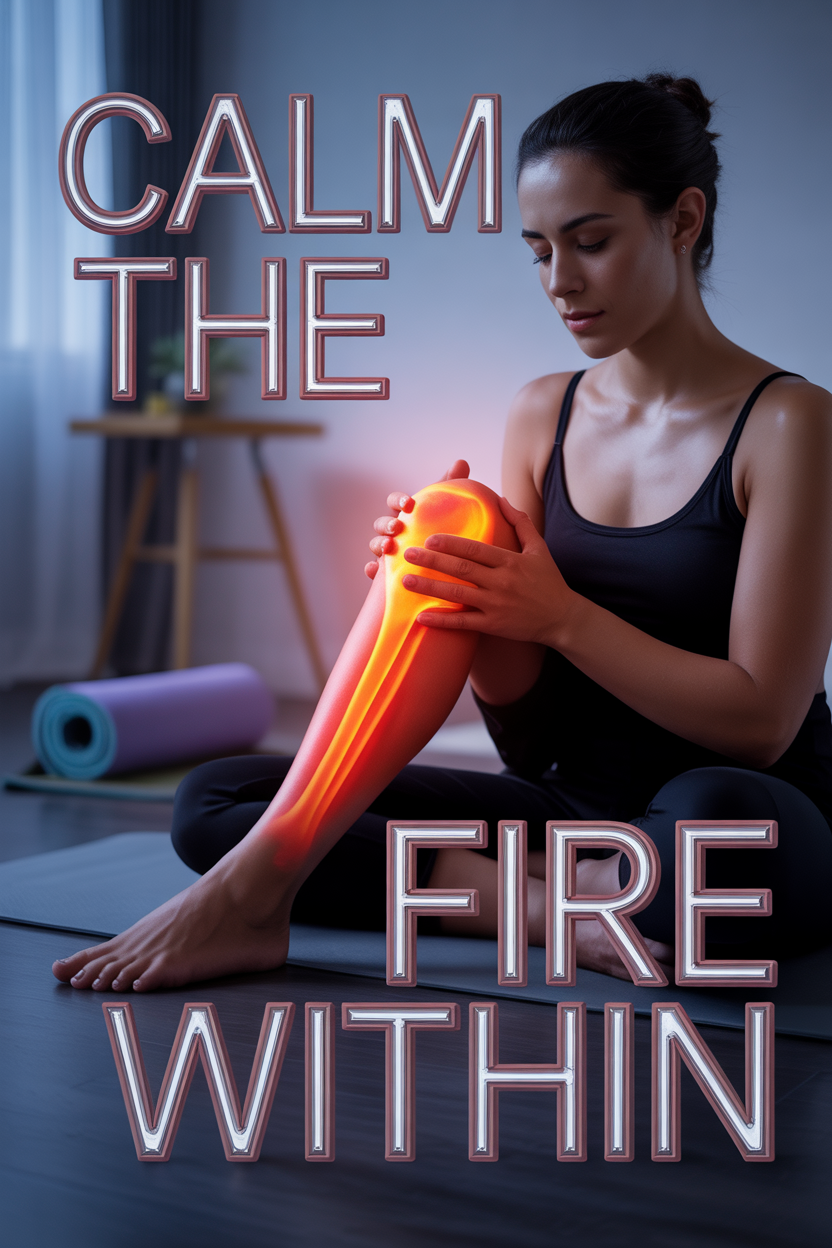
Chronic inflammation is like that houseguest who overstays their welcome and starts rearranging your furniture. According to Huberman, red light therapy helps show inflammation the door by stimulating cellular repair processes and reducing the oxidative stress that feeds the inflammatory fire.
Huberman notes that red light therapy could be revolutionary for chronic pain by increasing circulation, reducing muscle tension, and potentially changing how pain signals travel.
For folks tired of popping pain pills like they’re candy, this offers a drug-free approach with minimal side effects.
If you’re battling joint pain, muscle soreness, or inflammatory conditions, Huberman’s research suggests regular red light sessions might bring sweet relief without the pharmaceutical baggage.
Your liver just sighed with relief!
Sleep Improvements: Rest Like Never Before
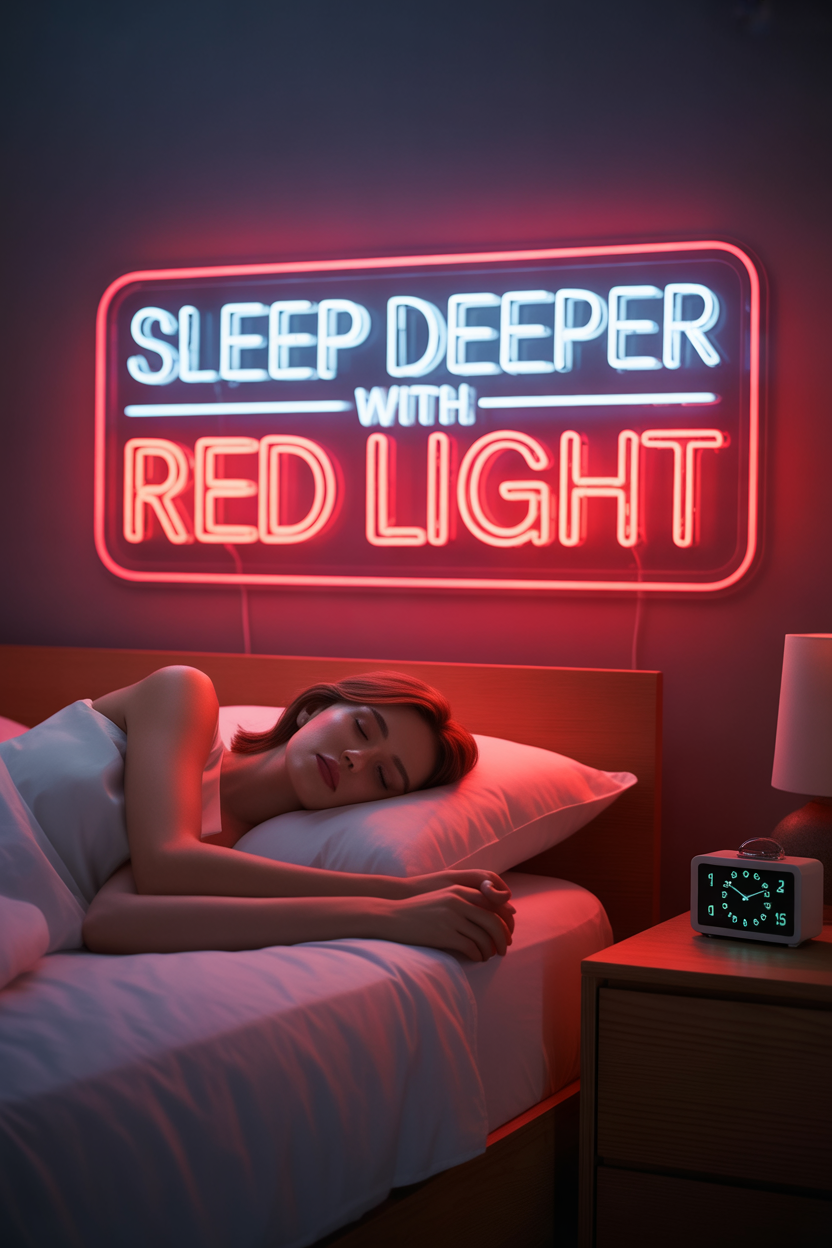
Sleep problems? Join the club – we have T-shirts and meet at 3 AM when we’re all staring at the ceiling! Huberman has fascinating insights on how red light can help escort you to dreamland.
Unlike blue light (the sleep-destroying villain emitted by your phone that you’re probably reading this on), red light is like a lullaby for your circadian rhythm.
Huberman suggests that evening exposure to red light, particularly sunset-like wavelengths, signals your body that it’s time to wind down, potentially improving sleep quality and helping you drift off faster.
It’s like telling your body, “Yes, it’s actually nighttime, despite what your Instagram scrolling suggests!”
Huberman often recommends red light devices instead of harsh white lighting before bed, creating a sleep-friendly environment that doesn’t confuse your poor, light-sensitive hormones.
Your melatonin will write you a thank-you note!
Brain Boost: Cognitive Function Enhancement
Here’s where things get really exciting – Huberman is particularly enthusiastic about what red light might do for your brain!
Near-infrared wavelengths can actually penetrate your skull (in a good way, not a sci-fi horror way) and reach brain tissue, where they support neuronal function through improved mitochondrial activity and increased blood flow.
Huberman points to research suggesting benefits for cognitive performance, memory, focus, and even mood regulation.
Studies exploring red light therapy for traumatic brain injuries, stroke recovery, and neurodegenerative conditions show promising results.
Transcranial red light therapy (fancy way of saying “shining it on your head”) could become a powerful tool for brain health. It’s like a spa day for your neurons!
Finding Your Perfect Wavelength: Technical Tips
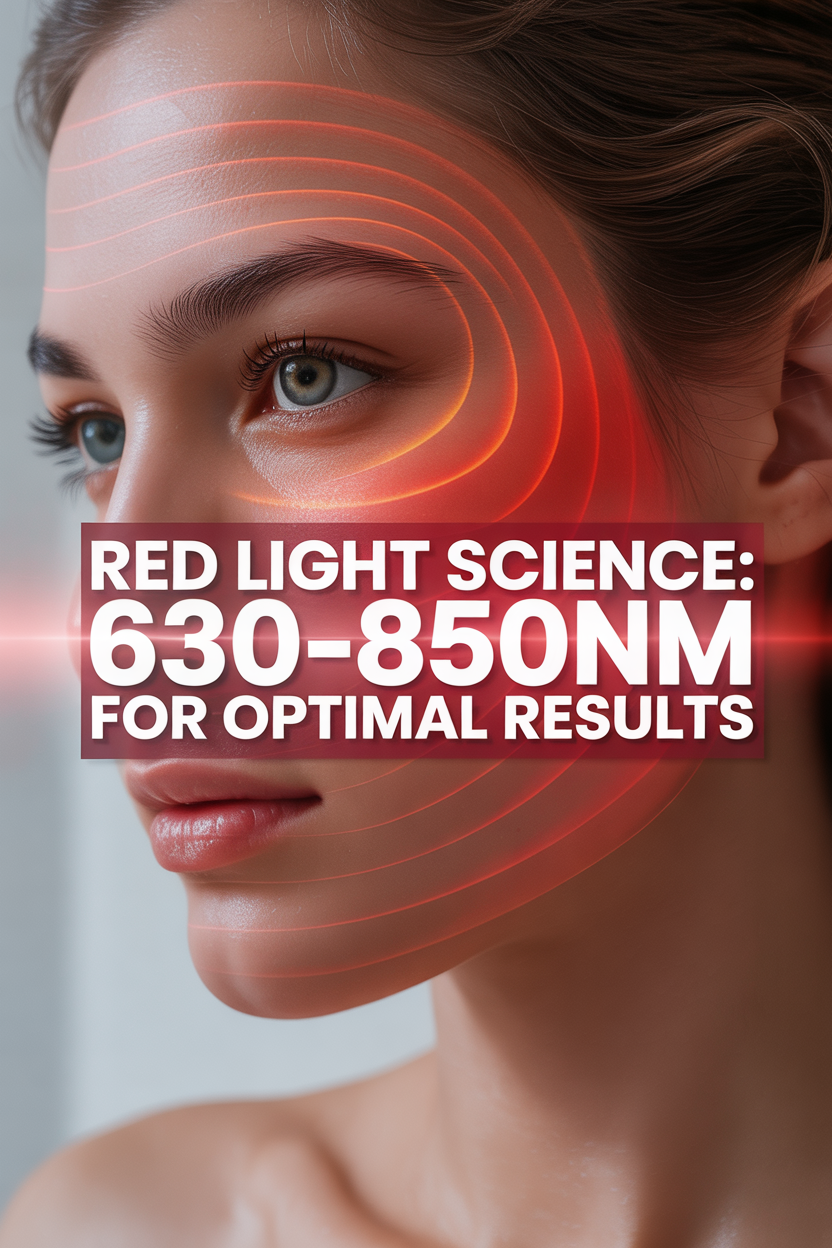
Not all red light is created equal – you can’t just put a red bulb in your lamp and expect miracles! Huberman emphasizes using the right wavelengths for specific goals, generally recommending:
- 630-670nm (red light): Perfect for skin health, surface healing, and energizing outer tissues (think: your face’s new best friend)
- 810-850nm (near-infrared): The deep-tissue champion that reaches muscles, joints, and potentially brain tissue (like a submarine that goes deeper)
For dosage, Huberman suggests following research parameters ranging from 3-20 J/cm² depending on what you’re targeting. And here’s a plot twist – more isn’t always better!
Excessive exposure might actually reduce benefits. Finding the right balance of wavelength, intensity, and exposure time is crucial for maximizing benefits.
It’s like Goldilocks looking for the perfect bowl of light – not too much, not too little, but juuuust right!
Best Practices for Red Light Therapy Success
Based on Huberman’s discussions, here’s how to get red light therapy right:
- Consistency: 3-5 times weekly works better than that once-a-month panic session when you remember you bought an expensive light
- Proximity: Follow device recommendations (typically 6-12 inches away) – this isn’t a tanning bed situation!
- Duration: 5-20 minutes depending on your device and goals (perfect time to listen to half a podcast episode)
- Timing: Morning sessions for energy; evening sessions for recovery and sleep (like coffee vs. chamomile tea)
- Exposed skin: The more skin exposed to light, the better the absorption (clothing blocks the good stuff!)
Huberman recommends starting with shorter sessions and gradually increasing as your body adapts.
Also, track your results objectively when possible – is your sleep actually improving, or did you just have a really good dream about flying?
Monitoring helps determine if your protocol is working or if you need to adjust your light relationship status.
Red Light vs. Other Light Therapies: The Differences
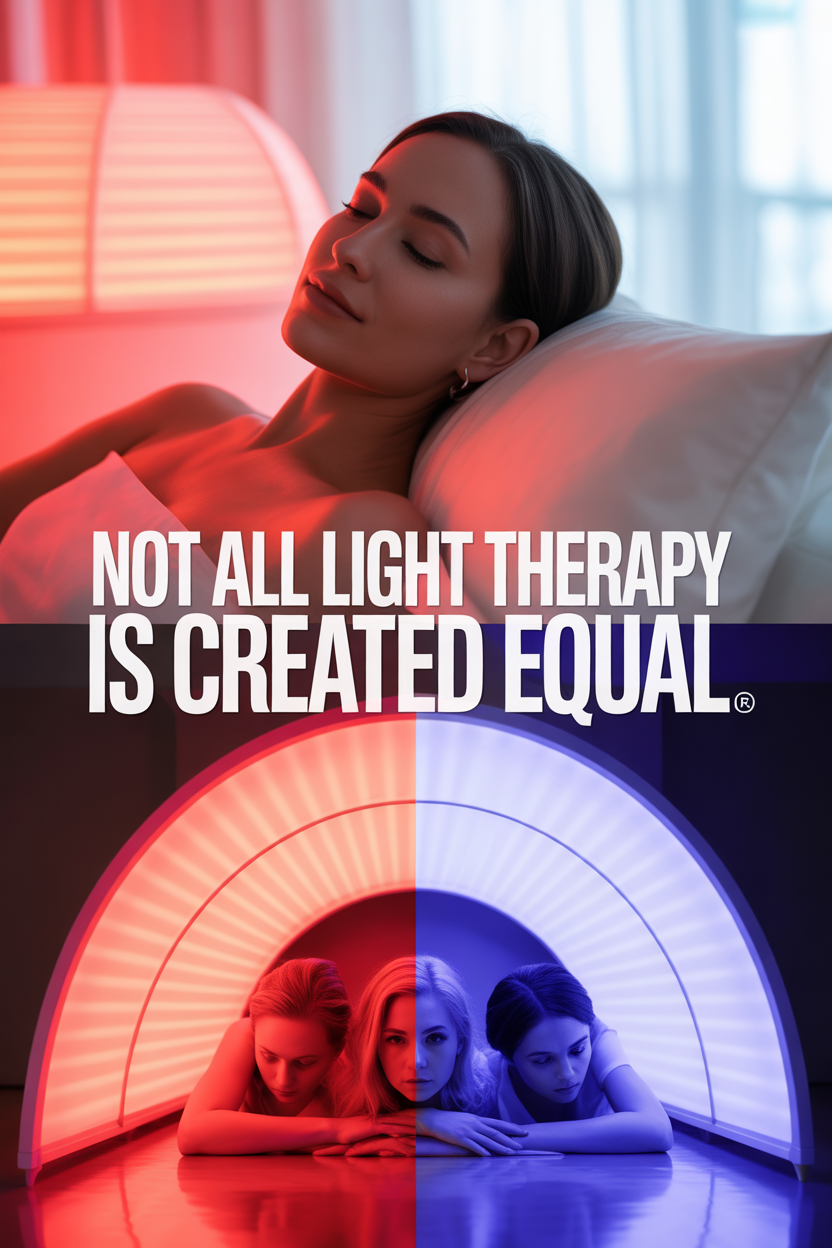
Don’t get your light therapies mixed up at parties! Huberman clearly distinguishes red light therapy from other light-based treatments like blue light therapy (for acne and SAD), bright light therapy (for circadian reset and mood), and UV therapy (for certain skin conditions but with a side of DNA damage).
Each works differently and targets different systems in your body.
Unlike these other light therapies, red light works primarily at the cellular level through mitochondrial stimulation rather than through your retinas or skin surface.
And unlike that tanning bed from your college years, red light carries none of the DNA damage risks of UV exposure. It’s like getting all the benefits of light without the scary cancer warnings – what a concept!
Safety Considerations and Side Effects
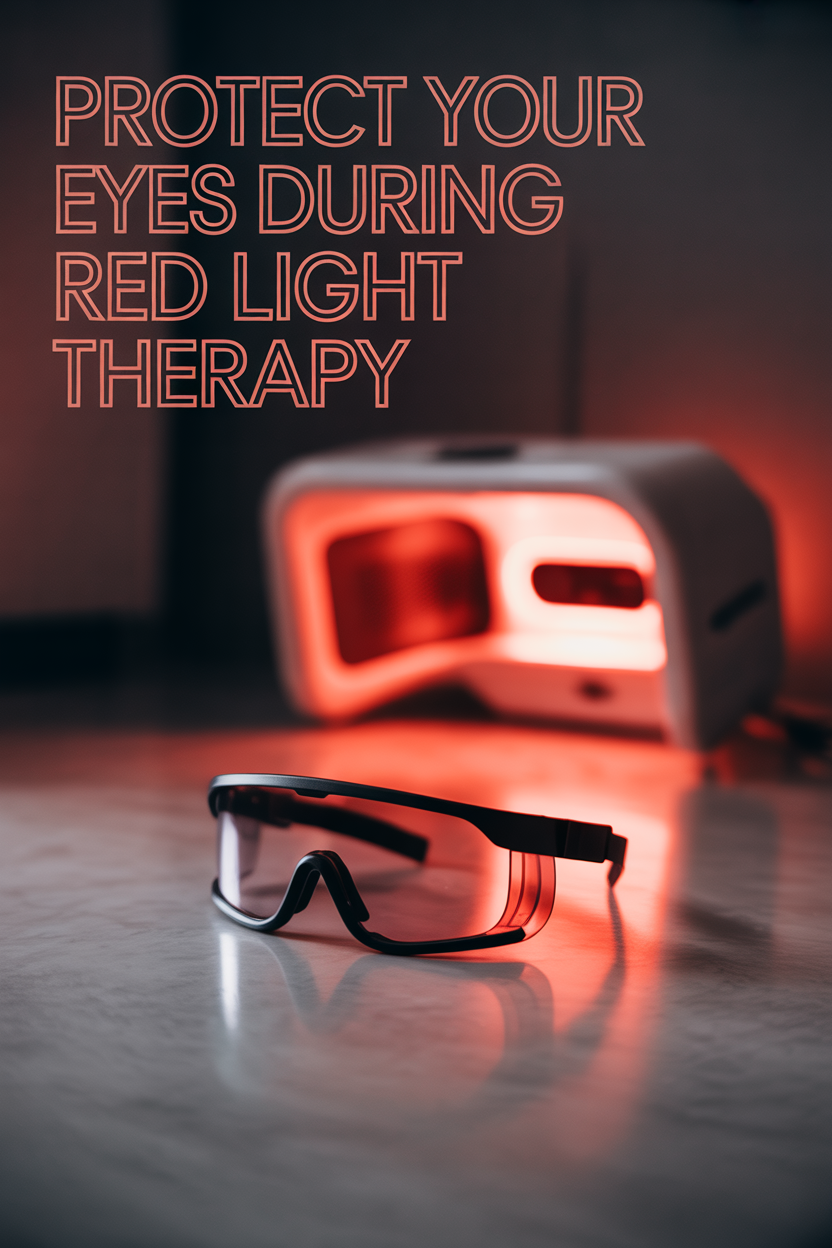
According to Huberman, red light therapy is generally safer than attempting to assemble furniture without instructions. However, he does caution about potential eye damage from direct exposure – so wear appropriate eye protection during treatments!
Your future self with good vision will thank you.
He also notes that certain medications and conditions might create photosensitivity, so check with healthcare providers before becoming one with the red light.
And here’s a fun fact: avoid using red light therapy over tattoos, as some pigments may react to the light. Your tribal armband tattoo from 2003 probably doesn’t need any extra attention anyway!
The Future of Red Light Therapy
Huberman gets visibly excited (which is saying something for a neuroscientist) about emerging research in several red light areas:
- Neurodegenerative disease applications (because who doesn’t want to keep their brain in top shape?)
- Mental health treatments for depression and anxiety (light therapy for mood – brilliant!)
- Optimized protocols for specific conditions (precision light medicine)
- Combination approaches with exercise or nutrition (the wellness trifecta!)
- Brain-specific applications for cognitive enhancement (smarter through light – yes please!)
- Metabolism improvements and weight management potential (the holy grail)
While current research makes Huberman enthusiastic, he emphasizes that larger clinical trials are still needed.
He frequently updates his recommendations as new research emerges – because science, like your relationship status, is constantly evolving!
Maximizing Your Red Light Therapy Journey
Dr. Andrew Huberman’s evidence-based approach to red light therapy shines a spotlight (pun absolutely intended) on this exciting health modality.
From supercharging your cells to practical applications for your skin, athletic performance, pain management, and brain function, the science suggests there’s something illuminating here for almost everyone!
Individual results may vary – we’re all unique with different cellular responses, after all. It’s worth chatting with healthcare providers before diving in, especially for specific medical conditions.
By understanding the mechanisms and following research-based protocols as outlined by Huberman, red light therapy offers an accessible tool for potentially enhancing various aspects of your health and performance.
With proper application, red light therapy might become the glowing addition your wellness routine has been missing!
Now go forth and shine, you magnificent light-seeking creature! Your mitochondria await their glow-up!