
Scent Away the Pain: 10 Essential Oils Science Proves Actually Work

Understanding How Aromatherapy Works for Pain Management

Aromatherapy works in two primary ways: through inhalation and topical application. When we inhale essential oil molecules, they travel directly to our brain’s limbic system—the part responsible for emotions, memories, and pain perception. This explains why certain scents can quickly influence your mood and comfort level.
When properly diluted and applied to your skin, these oils penetrate through the skin layers and work from the outside in. This dual-action approach makes aromatherapy particularly effective for addressing pain from multiple angles.
The Science Behind Essential Oils and Pain Relief
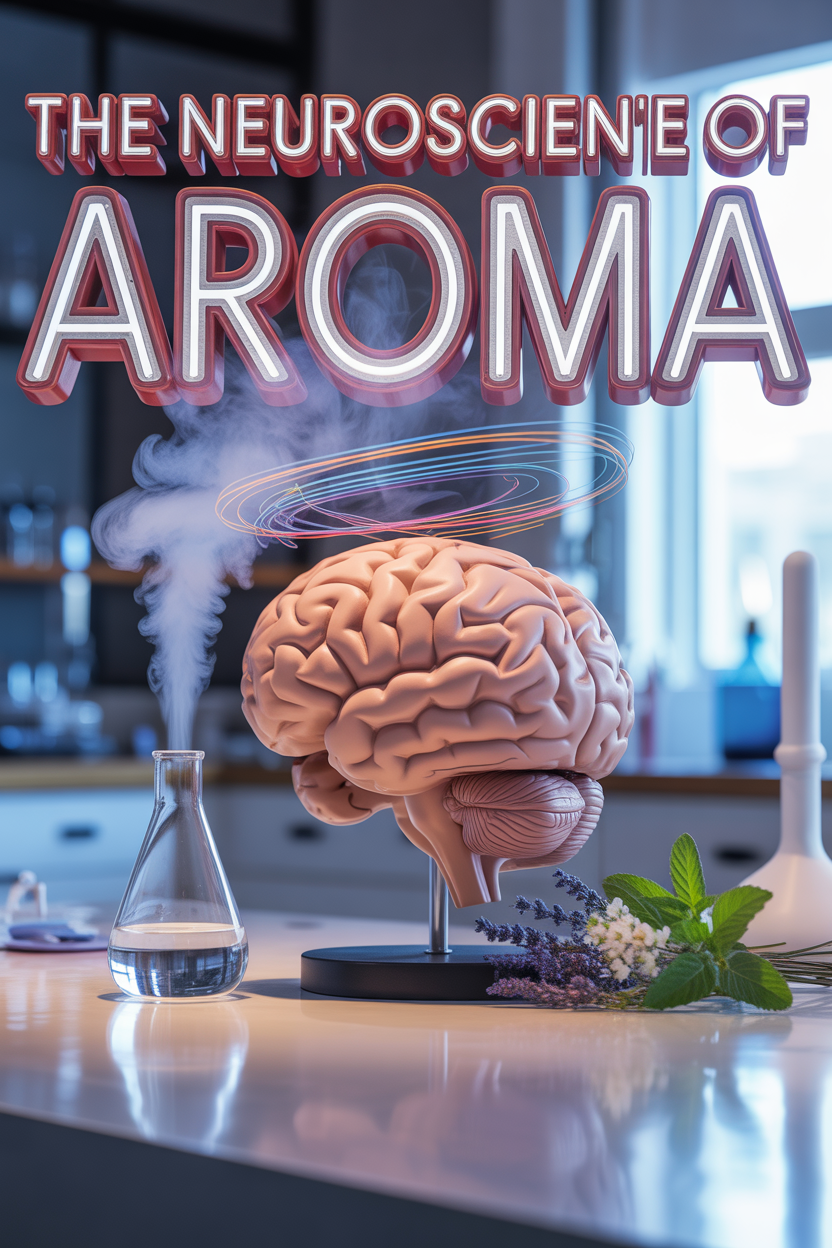
Essential oils contain scientifically validated compounds with measurable effects on the body. Researchers have identified several mechanisms through which these aromatic compounds help manage pain:
- Anti-inflammatory properties that reduce swelling
- Analgesic compounds that interact with pain receptors
- Muscle-relaxing effects that ease tension
- Circulation-boosting properties that improve blood flow
- Anxiety-reducing effects that help manage pain perception
Brain imaging studies have actually documented changes in activity within pain-processing regions when subjects use certain essential oils. This provides objective evidence that aromatherapy influences our neurological response to pain.
Top 10 Essential Oils Proven to Reduce Pain
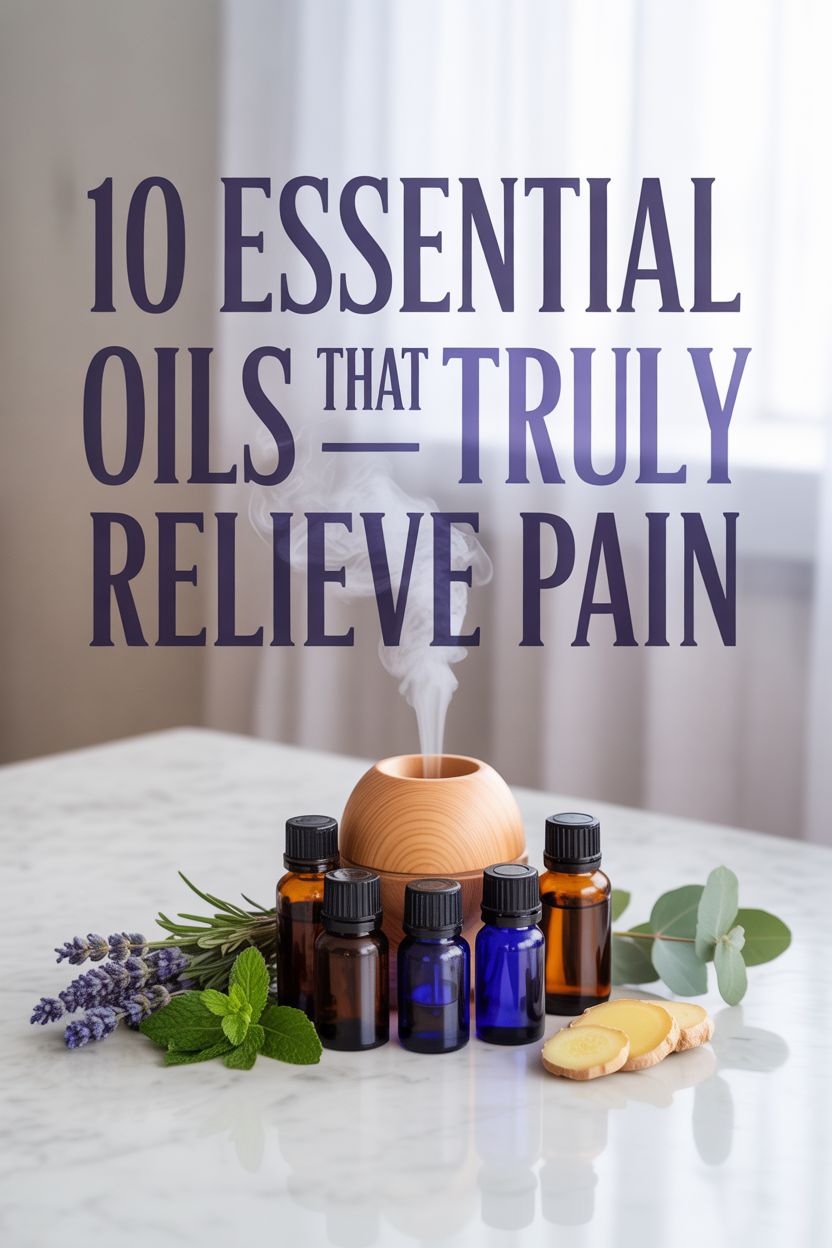
Based on both traditional wisdom and scientific research, these essential oils stand out for their pain-fighting properties:
- Lavender (Lavandula angustifolia) – Versatile relief for multiple pain types
- Peppermint (Mentha piperita) – Provides cooling relief with analgesic properties
- Eucalyptus (Eucalyptus globulus) – Powerful anti-inflammatory for respiratory and joint pain
- Rosemary (Rosmarinus officinalis) – Stimulating oil with circulation benefits
- Roman chamomile (Chamaemelum nobile) – Gentle yet effective for chronic conditions
- Ginger (Zingiber officinale) – Warming oil that targets inflammation
- Frankincense (Boswellia carterii) – Ancient resin with modern pain-relief applications
- Marjoram (Origanum majorana) – Exceptional for muscle tension relief
- Clary sage (Salvia sclarea) – Particularly effective for menstrual discomfort
- Turmeric (Curcuma longa) – Contains powerful anti-inflammatory compounds
Let’s explore some of these pain-fighting champions in greater detail.
Lavender: The Versatile Pain-Relieving Powerhouse

Lavender essential oil excels at addressing multiple types of pain through its calming and anti-inflammatory properties. Its impressive pain-fighting capabilities include relief for:
- Headaches and migraines
- Menstrual cramps
- Minor burns and wounds
- Muscle aches
- Arthritis pain
Research published in 2012 found that inhaling lavender for just 15 minutes during a migraine attack significantly reduced pain intensity. What makes this purple flowering plant particularly valuable is its ability to address both physical pain and the accompanying anxiety, creating a comprehensive approach to pain management.
Peppermint Oil for Headaches and Muscle Pain

Peppermint oil contains menthol, which creates a cooling sensation that temporarily overrides pain signals. This natural compound effectively disrupts pain transmission, making peppermint especially beneficial for:
- Tension headaches
- Muscle soreness
- Fibromyalgia pain
- Digestive discomfort
A 2019 research review found that applying diluted peppermint oil to temples and forehead can be comparable to some over-the-counter headache medications. It’s important to remember that peppermint oil is potent and requires proper dilution to prevent skin irritation while still delivering its pain-relieving benefits.
Eucalyptus: Breaking Through Inflammatory Pain

Eucalyptus oil contains eucalyptol, a powerful anti-inflammatory compound that makes it particularly effective for:
- Respiratory-related pain
- Sinus headaches
- Joint inflammation
- Post-exercise muscle soreness
Clinical studies have demonstrated that eucalyptus reduces inflammatory markers in the body, effectively targeting the root cause of many pain conditions. Its distinctive medicinal scent provides immediate sensory feedback, while its therapeutic compounds work to address underlying inflammation.
Rosemary Oil for Joint Pain and Arthritis
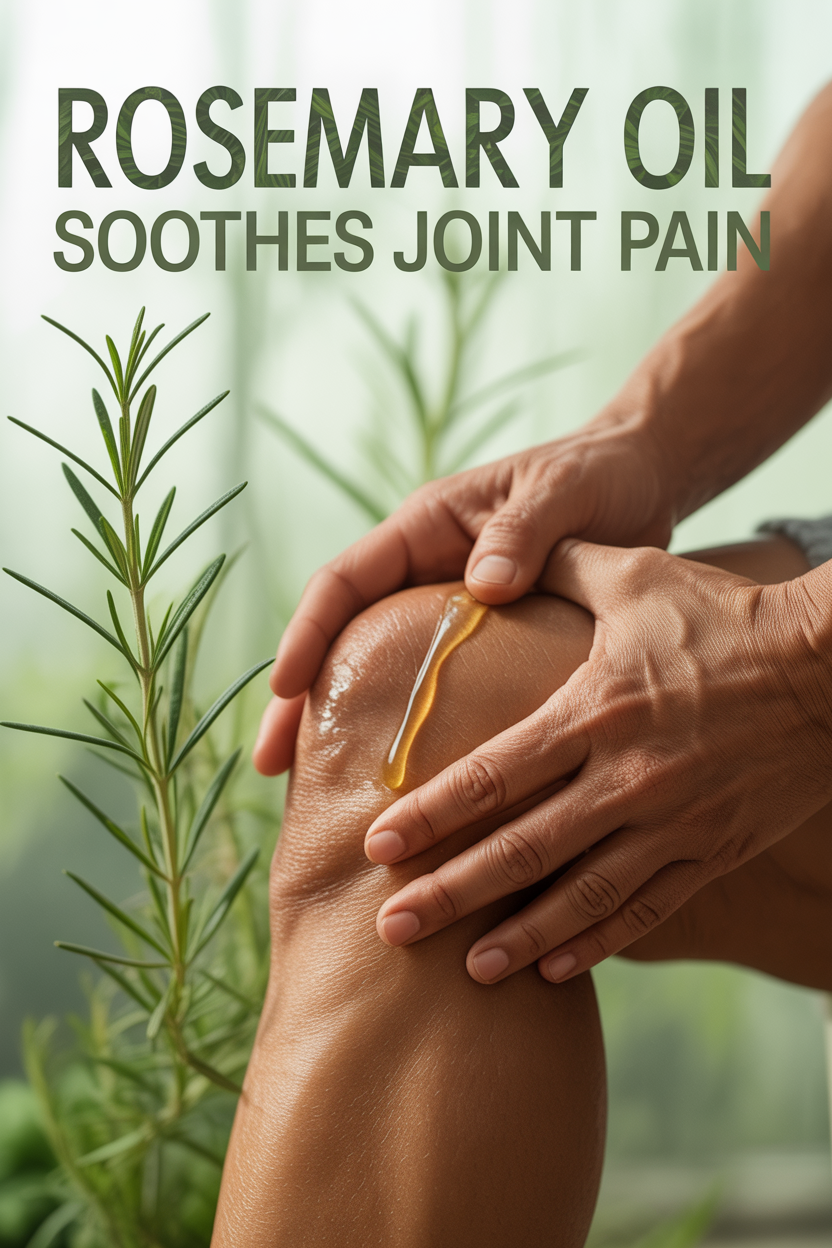
Rosemary essential oil contains camphor and carnosol, compounds that make it especially effective for joint-related discomfort. It provides relief for:
- Arthritis pain
- Joint stiffness
- Muscular aches
- Circulation-related pain
Research from 2017 found that participants with rheumatoid arthritis who received massages with rosemary oil experienced greater pain relief than those receiving unscented massage. Additionally, rosemary’s stimulating properties help combat fatigue often associated with chronic pain conditions, providing a dual benefit.
Chamomile: Gentle Relief for Chronic Pain Conditions

Roman chamomile offers gentle yet effective pain relief, making it ideal for sensitive individuals or long-term use. This calming oil excels at addressing:
- Neuralgic pain
- Digestive discomfort
- Menstrual pain
- Stress headaches
- Inflammatory skin conditions
Scientific analysis shows chamomile binds to the same GABA receptors in the brain targeted by anti-anxiety medications. This provides both emotional and physical relief, making chamomile particularly valuable for those with chronic pain conditions requiring consistent, gentle management approaches.
Ginger and Turmeric Oils for Inflammatory Pain
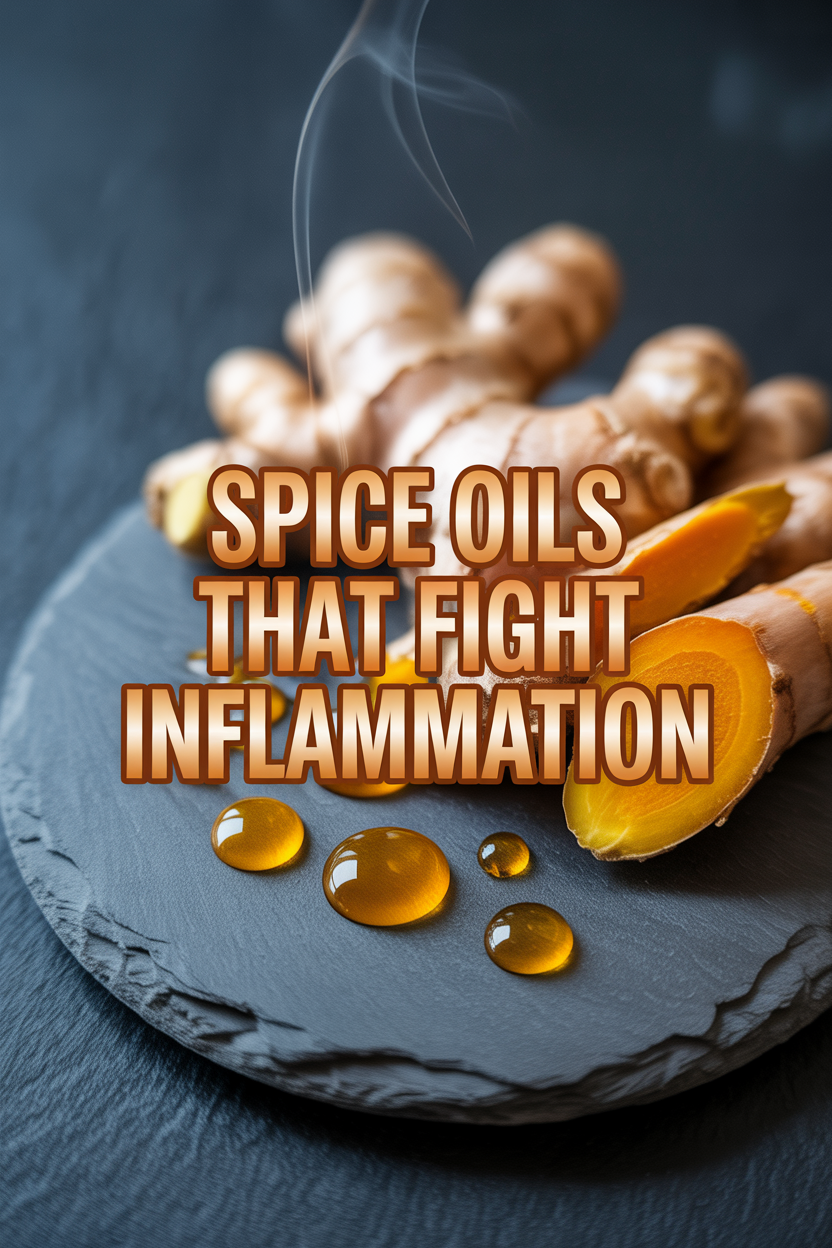
Ginger and turmeric oils offer warming, inflammation-fighting properties that target pain at its source. These spice-derived oils excel at addressing:
- Arthritic and rheumatic pain
- Muscle inflammation
- Digestive pain
- Joint stiffness
Ginger oil contains zingibain, which breaks down inflammation-causing proteins, while turmeric oil’s turmerones target inflammatory pathways. The topical application of these oils delivers their therapeutic compounds directly to pain sites, bypassing the digestive system for more immediate relief compared to oral supplements.
Methods of Application: Diffusers, Topical Use, and Baths

To maximize the benefits of aromatherapy for pain relief, consider these effective application methods:
Diffuser use distributes essential oil molecules throughout the air, making it ideal for:
- Headaches and migraines
- Addressing the emotional aspects of pain
- Creating an environment conducive to healing
Simply add 5-10 drops to your diffuser and run it for 30-60 minutes in your living space or bedroom.
For topical application, proper dilution is essential for safety and effectiveness. Mix essential oils with carrier oils like jojoba, sweet almond, or coconut oil using these guidelines:
- For acute pain: 3-5% dilution (15-25 drops per ounce of carrier oil)
- For regular use: 1-2% dilution (5-10 drops per ounce of carrier oil)
- For sensitive skin: 0.5-1% dilution (3-5 drops per ounce of carrier oil)
Aromatherapy baths combine inhalation, absorption, and warm water muscle relaxation for comprehensive pain relief:
- Mix 5-8 drops of pain-fighting essential oils with a tablespoon of carrier oil or unscented soap
- Add to warm water and mix thoroughly
- Soak for 20-30 minutes to allow the oils to work effectively
Creating Effective Pain-Relief Blends at Home
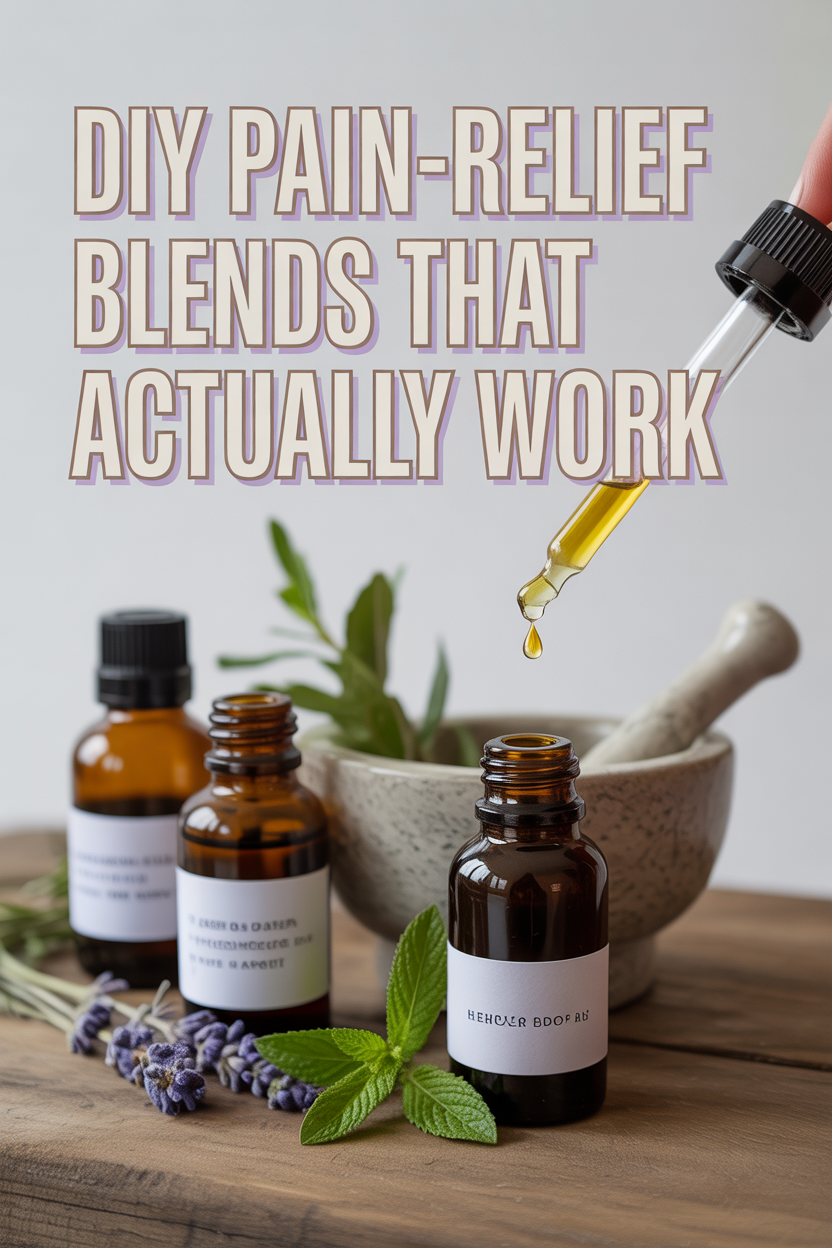
Combining complementary essential oils can enhance their pain-relieving properties. Try these proven blends:
General Pain Relief Blend
- 10 drops lavender essential oil
- 8 drops peppermint essential oil
- 7 drops frankincense essential oil
- 5 drops copaiba essential oil
- 2 ounces carrier oil
Headache Relief Blend
- 10 drops lavender essential oil
- 8 drops peppermint essential oil
- 6 drops eucalyptus essential oil
- 4 drops rosemary essential oil
- 1 ounce carrier oil
Joint and Arthritis Pain Blend
- 8 drops ginger essential oil
- 8 drops frankincense essential oil
- 6 drops rosemary essential oil
- 5 drops black pepper essential oil
- 3 drops turmeric essential oil
- 2 ounces carrier oil
Store your blends in dark glass bottles away from direct sunlight to preserve their therapeutic properties. Label each blend clearly and note that most maintain their potency for 6-12 months when properly stored.
Precautions and Safety Considerations
To ensure safe and effective aromatherapy use for pain management, observe these important guidelines:
Choose only pure, therapeutic-grade essential oils from reputable suppliers to ensure quality and effectiveness. Inexpensive oils from questionable sources may contain synthetic additives that reduce benefits and increase risks.
Always dilute essential oils properly before applying to skin. With few exceptions (such as lavender for minor burns), neat application can cause skin irritation or sensitization. Proper dilution not only enhances safety but also improves effectiveness by preventing rapid evaporation.
Exercise additional caution for these vulnerable groups:
- Pregnant women (many essential oils are contraindicated during pregnancy)
- Children under 12 (require significant dilution and careful oil selection)
- Elderly individuals (often have thinner, more sensitive skin)
- Those with multiple chemical sensitivities (may react unpredictably)
Important medical considerations include:
- Consulting healthcare providers about severe or persistent pain
- Disclosing aromatherapy use to medical professionals, as some oils interact with medications
- Never ingesting essential oils unless under qualified professional guidance
- Discontinuing use immediately if adverse reactions occur (headaches, skin irritation, nausea)
Building Your Aromatherapy Pain Relief Toolkit

Aromatherapy offers a customizable approach to pain management that can be tailored to your specific needs. Whether you’re dealing with occasional headaches, post-exercise soreness, or chronic conditions requiring ongoing support, essential oils can be valuable additions to your pain management strategy.
Begin with one or two oils specifically targeted to your pain concerns, then gradually expand your collection based on your personal response. Consistent use typically yields better results than occasional application, as these plant compounds work best when used as part of a regular wellness routine.
Scientific research continues to validate traditional knowledge about these plant extracts, providing increasing evidence of their effectiveness in interacting with our body’s pain response systems. The bioactive compounds in essential oils offer natural pathways to comfort without many of the side effects associated with conventional pain medications.
Always prioritize safety, quality, and your individual response when exploring aromatherapy for pain relief. With proper application and realistic expectations, essential oils can become effective tools in your pain management arsenal, helping you improve comfort and quality of life naturally.