
Grounding Mat vs Red Light Therapy: Which Natural Treatment Delivers Better Results?
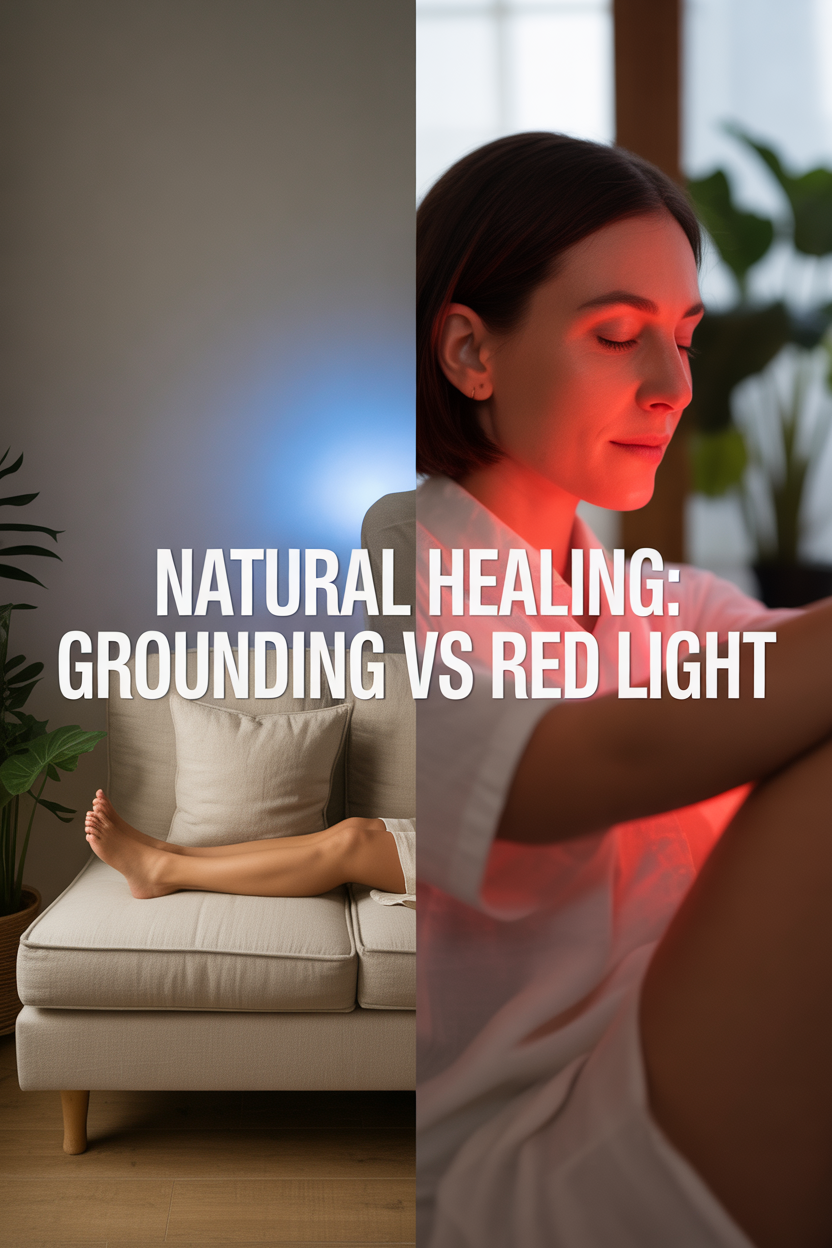
The Holistic Health Showdown: Grounding vs. Red Light Therapy

Hello there, health enthusiasts! As we all continue to explore natural wellness solutions, two therapies are stealing the spotlight: grounding mats and red light therapy. Both promise amazing benefits without poking, prodding, or prescriptions, making them attractive additions to any self-care routine.
But here’s the interesting part: they work through completely different mechanisms. Think of them as unrelated cousins on the family tree of wellness, each with its own unique talents. They don’t overlap in function, but they both aim for the same goal of supporting your body’s natural healing power.
If you find yourself wondering which of these might be your new health best friend, you’re in the right place. We’re about to break down this holistic health showdown with all the details you need to make an informed choice.
Grab a cup of herbal tea, get comfortable, and let’s explore whether grounding or red light therapy is the right fit for your wellness journey. Prepare to feel empowered on your path to better health!
What is Grounding? Tapping into Mother Earth’s Energy

Grounding therapy, also called earthing, is like giving your body a direct connection to Mother Earth’s natural electrical energy. Remember that incredible feeling of walking barefoot through cool grass on a summer day? Grounding mats are designed to bottle up that magic and deliver it to you anytime.
These mats contain conductive materials, like carbon or silver threads, that connect to the ground port of an electrical outlet or directly to the Earth with a grounding rod. When your skin touches the mat, a flow of free electrons from the Earth’s surface enters your body. It’s nature’s own electron delivery service at your beck and call.
The science behind it is quite simple. Our modern lifestyle, with its rubber-soled shoes and high-rise apartments, has insulated us from the Earth’s natural electrical field. Studies suggest this disconnect may contribute to health issues, especially the pesky inflammation that is so common.
Inflammation is often caused by an excess of positively charged free radicals. The Earth’s surface is a natural reservoir of negatively charged free electrons that act as powerful antioxidants. When you connect to a grounding mat, these electrons rush into your body to neutralize those troublemaking free radicals.
This process helps to calm the inflammatory response throughout your entire body. It’s like having a firefighter on call to put out the small fires of chronic inflammation before they can cause widespread issues. This may help address the root cause of inflammation, rather than just masking its symptoms.
Furthermore, grounding has been shown to improve the electrical charge of red blood cells. This change allows them to flow more freely without clumping together, turning a potential traffic jam into a smooth-flowing highway. This improved circulation enhances the delivery of oxygen and nutrients to all your tissues.
What is Red Light Therapy? A Cellular Spa Day for Your Body

Red light therapy (RLT) is like throwing a cellular dance party where all your cells get supercharged with energy. Also known by its scientific name, photobiomodulation, this therapy uses specific wavelengths of red and near-infrared light to energize your cellular function from within.
Unlike damaging UV light from the sun, these gentle wavelengths of 630-660 nm (red light) and 810-850 nm (near-infrared) penetrate your skin without causing harm. Think of it as a gentle, energizing massage for your cells, leaving them refreshed and ready to work.
The science is fascinating. Your mitochondria—the powerhouses within your cells—absorb these light photons, triggering a cascade of positive events. This process significantly boosts the production of ATP, which is the high-octane fuel that powers everything your cells do.
With this incredible energy boost, your cells become overachievers. They repair themselves faster, perform their jobs better, and sweep away oxidative stress more efficiently. It’s like giving your body’s repair crew a powerful espresso shot, but without any of the jitters!
RLT also stimulates the release of nitric oxide, a compound that helps dilate blood vessels. This effect improves circulation, allowing more oxygen and nutrients to be delivered to your tissues, like a premium same-day shipping service for your cells.
On top of that, RLT can even influence which of your genes are turned on or off. It helps activate the helpful genes involved in cellular repair and anti-inflammatory processes, giving your cells a complete wellness makeover.
What Are the Benefits of Grounding?

So, what can you expect from connecting to the Earth with a grounding mat? While much of the research is still emerging, the findings and user reports are incredibly promising. Many people experience a noticeable shift in their overall well-being.
One of the most celebrated benefits is reduced inflammation. By neutralizing inflammatory free radicals with the Earth’s electrons, grounding may significantly calm the fires of chronic inflammation. This often translates to a reduction in pain, especially for those with conditions like arthritis.
Improved sleep is another cornerstone of grounding. Many users report falling asleep faster, staying asleep longer, and waking up feeling more refreshed. It appears to normalize cortisol rhythms, helping your body wind down at night as nature intended.
This regulation of cortisol also contributes to significant stress reduction. Grounding helps shift your nervous system out of the “fight-or-flight” state and into the calming “rest-and-digest” mode. Your mind and body get a chance to truly relax and recover from daily stressors.
Finally, by improving blood viscosity and circulation, grounding supports the entire body’s healing processes. With better blood flow, your body’s natural repair crew can work more efficiently to heal tissues and maintain vibrant health.
What Are the Benefits of Red Light Therapy?

Red light therapy boasts an extensive library of scientific studies, with a large body of evidence supporting a wide range of benefits. It has become a trusted tool for professionals in dermatology, physical therapy, and sports medicine.
Its effects on skin health are particularly well-documented. RLT stimulates collagen production, which helps reduce wrinkles, improve skin tone, and speed up wound healing. It’s like a fountain of youth powered by light!
Pain management is another area where red light therapy shines. Studies show it can be highly effective for joint pain, muscle soreness after exercise, and chronic conditions like fibromyalgia. Athletes often swear by it for recovering faster after intense workouts.
Like grounding, RLT also helps cool the inflammatory fire, just through different cellular mechanisms. This makes it a powerful tool for recovery from both injury and exercise. Some research even suggests it can stimulate hair growth in cases of androgenetic alopecia.
Beyond the physical, RLT may also offer mental health support. Early research points to benefits for seasonal depression, anxiety, and other mood issues by helping to regulate your body’s internal clock and melatonin production. It’s like a dose of sunshine for your brain, promoting a brighter outlook and better sleep.
How Does the Science for Each Therapy Compare?

When it comes to scientific validation, these two therapies are not quite equals, but both show significant promise. It’s important to understand where the science stands for each before you invest your time and money.
For Grounding, the research is still in its earlier stages. It’s the new kid on the scientific block, with many existing studies being small in scale. However, these studies reveal fascinating physiological changes in inflammation markers, cortisol, and blood viscosity, which has intrigued many researchers.
While the large-scale scientific validation is still growing, the anecdotal evidence for grounding is impressive. Sources like Harvard Health acknowledge its potential, and the wellness community is buzzing with positive stories. More robust studies are on the way.
For Red Light Therapy, the story is different. It’s the popular kid in research circles, with thousands of peer-reviewed studies to its name. We have a clear understanding of exactly how it works at the cellular level, leaving little mystery about its mechanisms.
Its effectiveness is supported by systematic reviews and meta-analyses, the gold standard of research. The FDA has even cleared RLT for several medical applications, including pain relief and skin rejuvenation. This robust backing makes it a widely accepted therapy in many professional health settings.
What Is the Cost of Each Therapy?

Let’s talk about the investment required for these powerful wellness tools. Grounding mats and red light therapy devices come with very different price tags, making one much more accessible to start with.
Grounding mats are the clear budget-friendly option. You can find effective entry-level mats for as little as $30 to $80. Mid-range and premium options for your bed or desk chair typically range from $80 to $300. You can browse current options on Amazon to see the variety available.
One of the best features of grounding mats is the low ongoing cost. They require no electricity to run and only need to be replaced every few years. This makes them an energy-efficient and highly affordable long-term wellness tool.
Red light therapy devices represent a more significant financial investment. Small, targeted wands can start around $60, but mid-range panels often cost between $300 and $700. Professional-level, full-body systems can range from $1,000 to over $5,000, representing a serious commitment to your health routine.
The good news is that the ongoing costs are minimal. These devices use very little electricity, and the high-quality LED bulbs have an incredibly long lifespan of 50,000 hours or more. While the initial cost is higher, a quality device from a reputable brand like those found here can last for many years of consistent use.
Real-Life Routines: Which Therapy Fits Your Lifestyle?

Even the most amazing therapy is useless if it’s too inconvenient to fit into your daily life. The best wellness tool is one you will actually use consistently. So, let’s see how these two therapies stack up in terms of real-world convenience.
Grounding mats are the undisputed winner for passive, low-effort wellness. You can use them while you sleep, watch TV, or work at your desk. They are the ultimate multitasker’s dream, providing health benefits without requiring any dedicated time from your busy schedule.
The main requirement is direct skin contact and access to a properly grounded electrical outlet. You can place a mat in your bed for overnight use or under your feet at your desk. The “set it and forget it” nature of grounding makes it incredibly easy to integrate into any routine.
Red light therapy, on the other hand, requires active participation and dedicated “me-time.” Sessions are relatively brief, typically lasting 5 to 20 minutes per treatment area, but you cannot multitask during this time. You need to remain positioned in front of the device to receive the benefits.
This therapy is for those who can carve out a specific slot in their day for self-care. It requires a conscious effort, but as this usage guide shows, the targeted results can be well worth the dedicated time. It’s the classic wellness tradeoff: passive and general versus active and targeted.
The Ultimate Wellness Duo: Can You Use Both Therapies Together?

After learning about the unique benefits of each therapy, you might be wondering: “Who says I have to choose?” Many wellness enthusiasts adopt a “more is more” approach, and in this case, it’s a fantastic idea.
The great news is that grounding and red light therapy play very nicely together. There are no known negative interactions between them. In fact, they may form the ultimate wellness power couple, complementing each other’s effects perfectly.
Think of it this way: grounding works on a systemic level to address electrical imbalances and reduce inflammation. Meanwhile, RLT works at a cellular level to boost energy and repair specific tissues. It’s like having both a general contractor and a master electrician working on your body’s renovation project.
A dream-team protocol might involve a morning red light session to energize your cells, grounding while you work, an evening RLT session for targeted trouble spots, and grounding overnight for deep repair. Some practitioners believe this combined approach delivers synergistic results, where the benefits together are greater than the sum of their parts.
However, it’s wise to start slowly. Introduce one therapy at a time and give your body a few weeks to adjust. This way, you can clearly see how you respond to each one individually before combining them for an even greater wellness boost.
Is a Grounding Mat Your Perfect Match? Who Benefits Most

Based on the current research and countless user testimonials, a grounding mat might be the perfect addition to your life if you identify with any of the following profiles. This therapy is especially suited for those seeking broad, systemic benefits with minimal effort.
If you are an “inflammation warrior” battling conditions like arthritis, autoimmune issues, or general aches and pains, grounding could be your new best friend. Its ability to calm inflammation from the inside out may provide significant relief and improve your quality of life.
This therapy can be life-changing for “sleep strugglers.” If you toss and turn, have trouble falling asleep, or wake up feeling groggy, grounding overnight can help normalize your sleep cycles and deliver the deep, restorative rest your body craves.
Grounding is also ideal for “stress magnets” and those who are “EMF-concerned.” By helping to balance your nervous system and regulate cortisol, it can promote a sense of calm and resilience. For “passive therapy fans,” its “set it and forget it” nature is unbeatable.
Finally, “heart health seekers” may also benefit. Early research points to positive effects on blood flow and circulation, which could make your entire cardiovascular system do a happy dance. It’s a gentle yet powerful way to support whole-body health.
Is Red Light Therapy Your Go-To? Who Benefits Most

Red light therapy tends to shine brightest (pun intended!) for individuals who are seeking targeted results for specific concerns. With its extensive research backing, RLT is a powerful tool for these particular groups.
It is a must-have for “skin care enthusiasts.” If you are looking to combat signs of aging, reduce acne or rosacea, or improve the appearance of scars, the collagen-boosting power of RLT can help you achieve a radiant, glowing complexion.
“Fitness fanatics” and “recovery speedsters” will love how RLT enhances muscle recovery and reduces post-workout soreness. Its ability to speed up tissue repair also makes it invaluable for recovering faster from injuries.
If you’re a “joint pain warrior” dealing with conditions like osteoarthritis, or a “nerve pain endurer” with neuropathy, the targeted pain relief from RLT can be life-changing. It’s also a beacon of hope for “hair loss battlers,” with research showing its potential to stimulate new growth.
Lastly, it’s a wonderful tool for “winter blues sufferers” and anyone needing a mood lift. The light can help regulate your circadian rhythm, improving sleep and brightening your mood. For anyone needing precise, focused treatment, RLT delivers powerful results right where you need them.
How to Start Safely and Get the Best Results

The wonderful news is that both grounding and red light therapy are very safe for most people. They are non-invasive tools that support your body’s innate healing capacity. However, to ensure you have the best and safest experience, here are a few expert tips to maximize your results.
For grounding, safety is mostly about proper connection. Ensure you are using a correctly wired, grounded outlet and avoid using your mat during a lightning storm. As noted by Harvard Health, it’s a crucial first step. To maximize results, start with 30-minute sessions and gradually work up to longer periods, with overnight grounding being the gold standard for deep repair.
For red light therapy, eye protection is recommended, especially with powerful panels. It’s also advised to avoid using it directly over cancerous tissues. To get the most from your sessions, consistency is key. Follow your device’s guidelines for distance and duration, typically 5-20 minutes per area, 3-5 times per week.
As with any new wellness practice, it’s always wise to chat with your healthcare provider before you begin, especially if you have pre-existing health conditions or take medications. They can offer personalized advice to ensure your new therapy is a perfect fit for you.
Remember, consistency is key for both of these therapies. Whichever path you choose, you are taking a wonderful step toward better health. Investing in your well-being is one of the best choices you can make!
Who Benefits Most from Red Light Therapy

Red light therapy typically shows strongest results for:
- Skin health enthusiasts – Those addressing aging, acne, rosacea, scars, or general complexion concerns
- Active individuals – Athletes seeking faster recovery, enhanced performance, and injury healing
- Joint pain sufferers – People with osteoarthritis, rheumatoid arthritis, or other painful joint conditions
- Hair loss patients – Both men and women experiencing certain types of hair thinning
- Seasonal mood disorder sufferers – Those experiencing winter blues or seasonal depression
- Recovery-focused patients – People healing from injuries or surgery who want to accelerate natural healing
- Neuropathy patients – Those with nerve pain or peripheral neuropathy
- Targeted treatment seekers – Anyone needing precise treatment of specific body areas
Safety Considerations and Potential Side Effects

Both therapies have excellent safety profiles, but a few considerations warrant attention:
Grounding Mats:
- Some sensitive individuals report temporary detoxification symptoms when first starting
- Should not be used during lightning storms
- Requires medical consultation for those with electrical implants like pacemakers
- Proper electrical connection is essential for safety and effectiveness
- Should complement rather than replace necessary medical treatment
Red Light Therapy:
- Eye protection recommended, especially with higher-powered devices
- Not recommended directly over known cancerous tissues
- May interact with photosensitizing medications
- Follow recommended treatment durations (more is not necessarily better)
- Temporary skin redness is normal and typically subsides quickly
- Device quality significantly impacts results and safety
Always consult with your healthcare provider before beginning either therapy, particularly if you have existing health conditions or take medications regularly.
Expert Recommendations for Optimal Results

To maximize benefits from either approach, follow these expert-recommended protocols:
Grounding Mat Protocols:
- Begin with 30-minute sessions, gradually increasing duration
- Aim for daily grounding of at least 2 hours for therapeutic effects
- Overnight grounding during sleep provides maximum benefits
- Ensure direct skin contact for proper electrical connection
- Stay well-hydrated to improve electrical conductivity
- Allow 2-4 weeks of consistent use before assessing results
Red Light Therapy Protocols:
- Standard sessions: 5-20 minutes per treatment area
- Position yourself 6-18 inches from the device (follow manufacturer guidelines)
- Begin with 3-5 sessions weekly, adjusting based on your response
- Maintain consistency rather than occasional intensive sessions
- For skin concerns: typically 10 minutes daily or 20 minutes 3-5 times weekly
- For deep tissue issues: near-infrared wavelengths for 10-20 minutes per area
- For general wellness: full-body exposure 2-3 times weekly
Consistency is crucial for both therapies. Regular, moderate use typically produces better results than occasional extended sessions.
Making Your Final Decision

To determine which therapy best suits your needs, consider these key factors:
Health priorities: Match the therapy to your primary concerns. For systemic inflammation, sleep issues, and stress management, grounding often works well. For skin health, targeted pain relief, or specific tissue repair, red light therapy may be more effective.
Budget considerations: If financial constraints exist, grounding mats require less initial investment and might be a practical starting point.
Time availability: Consider your lifestyle realistically. If you prefer passive approaches that integrate with existing activities, grounding is ideal. If you can commit to dedicated treatment sessions, red light therapy might fit well.
Evidence requirements: If you prefer therapies with extensive scientific validation, red light therapy currently has more comprehensive research support.
Treatment specificity: For whole-body systemic effects, grounding provides broad benefits. For focused treatment of specific issues, red light therapy offers more targeted results.
Lifestyle compatibility: Evaluate how each therapy would integrate with your daily routine and which you’re most likely to use consistently.
Remember that these therapies aren’t mutually exclusive. Many health-conscious individuals eventually incorporate both into their wellness routines, starting with whichever addresses their most pressing concerns.
Whichever approach you choose, both grounding mat therapy and red light therapy offer non-invasive, medication-free ways to support your body’s natural healing processes. This investment in your health will likely pay dividends in improved wellbeing for years to come.