
15 Effective Migraine Treatments You Can Try at Home (Without Becoming a Pharmacy Regular!)

15 Effective Migraine Treatments You Can Try at Home (Without Becoming a Pharmacy Regular!)

Living with migraines is like having an uninvited party crasher who shows up at the worst possible moments – during your big presentation, your child’s recital, or that date night you’ve been planning for weeks! While medical treatments have their place, there’s a whole world of natural remedies you can try right at home before reaching for prescription medications. Let’s explore some evidence-based approaches that might save your next day from being completely ruined.
Creating Your Personal Migraine Sanctuary at Home
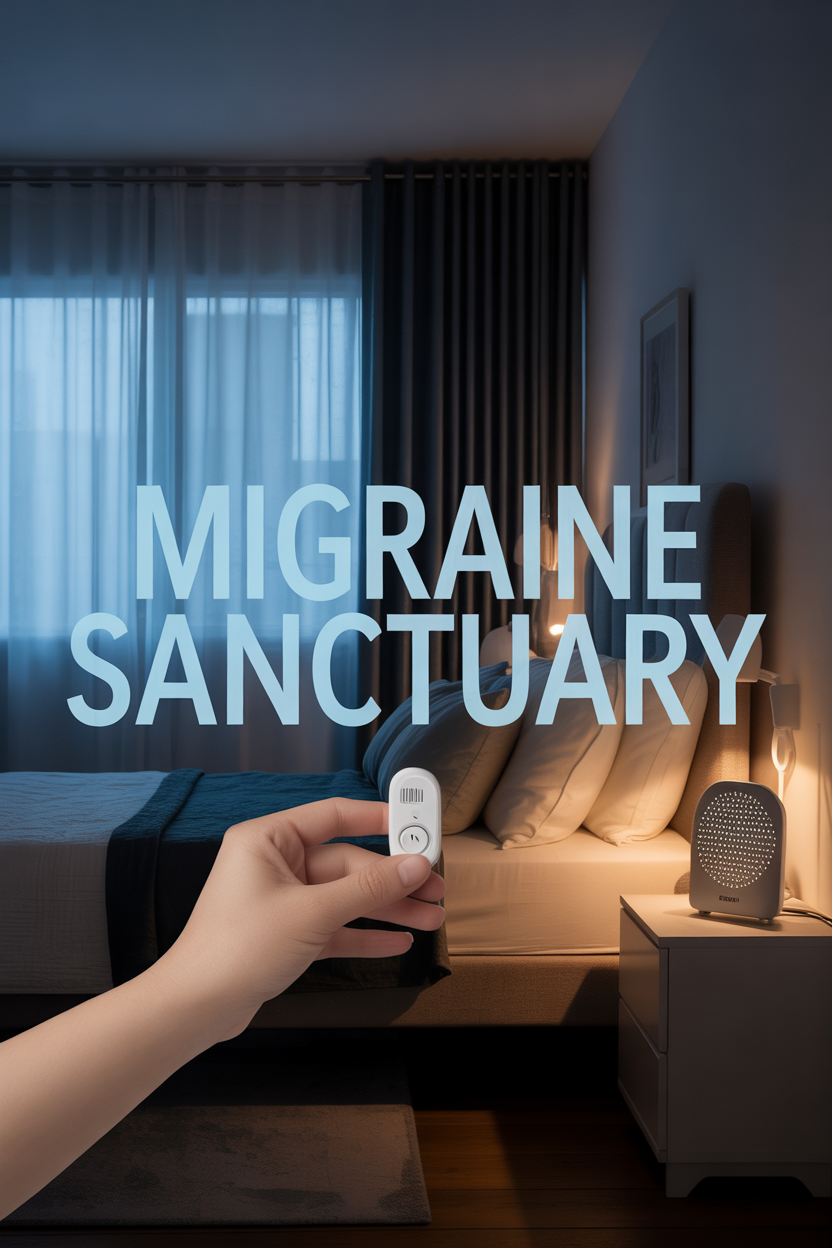
Transform your home into a migraine-resistant environment with these practical modifications:
- Lighting solutions: Install dimmer switches to control brightness levels. Blackout curtains can block intense sunlight that often triggers or worsens migraines.
- Noise management: Designate a quiet space in your home. White noise machines effectively mask distracting background sounds.
- Scent-free zone: Switch to fragrance-free cleaning products and personal care items, as strong scents commonly trigger migraines.
- Air purification: Air purifiers help eliminate airborne triggers like dust, pollen, and pet dander that can contribute to headaches.
- Screen modifications: Apply blue light filters to all devices. Practice the 20-20-20 rule: every 20 minutes, look 20 feet away for 20 seconds to reduce eye strain.
Hydration and Nutrition: Critical Factors in Migraine Prevention

What you consume significantly impacts your migraine frequency and severity:
Proper hydration: Your brain requires adequate fluid to function optimally. Aim for 8-10 glasses of water daily, and don’t wait until you feel thirsty to drink. Carry a water bottle with you throughout the day.
Consistent meal timing: Blood sugar fluctuations can trigger migraines. Eat at regular intervals, even during busy days. Skipping meals often leads to headaches that could have been prevented.
Common dietary migraine triggers to monitor include:
- Aged cheeses with tyramine
- Processed foods containing MSG
- Cured meats with nitrates
- Alcoholic beverages, particularly red wine
- Chocolate and caffeine for some individuals
- Certain citrus fruits
Beneficial foods include magnesium-rich options like spinach, almonds, and pumpkin seeds; omega-3 sources such as salmon and flaxseeds; and ginger, which helps with both pain and nausea.
Sleep Quality: The Foundation of Migraine Prevention

Sleep disruptions and migraines form a challenging cycle that requires consistent habits to break:
- Maintain a regular sleep schedule every day, including weekends
- Create an optimal sleep environment: cool, dark, and quiet
- Eliminate screen time at least 30 minutes before bedtime
- Develop a calming pre-sleep routine with reading, gentle stretching, or meditation
- Keep naps under 30 minutes to avoid disrupting nighttime sleep
- Invest in supportive pillows and mattresses to prevent neck strain
Finding your personal sleep sweet spot is essential. Too little sleep triggers migraines, but oversleeping can also cause them. Most adults need 7-9 hours for optimal brain function.
Temperature Therapy: Simple Yet Powerful Relief

These accessible temperature treatments provide immediate comfort during migraine attacks:
Cold therapy: Cold compresses constrict blood vessels and reduce inflammation. Apply a wrapped ice pack to your forehead, temples, or neck for 15-minute intervals. Reusable gel masks designed specifically for headaches can be especially effective.
Heat therapy: While cold works for most headache pain, warmth helps relax tense muscles in your neck and shoulders that often accompany migraines. A warm shower directed at these areas can provide significant relief.
Contrast therapy: Some people find alternating cold on the head with heat on the shoulders creates the most effective relief. This combination addresses both the vascular and muscular components of migraine pain.
Experiment with different temperature applications to discover which provides the most relief for your specific migraine pattern.
The Caffeine Connection: Finding Your Balance

Caffeine plays a complex role in migraine management:
Potential benefits: In moderate amounts, caffeine constricts blood vessels and enhances pain medication effectiveness. Many over-the-counter migraine formulations include caffeine for this reason.
Possible drawbacks: Regular high caffeine consumption leads to dependency. Missing your usual caffeine intake can trigger withdrawal headaches that mimic migraines. Caffeine can also disrupt sleep quality, creating a problematic cycle.
Strategic approach: If you consume caffeine, maintain consistency in both amount (under 200mg daily) and timing. Track your response to different caffeine levels to find your personal threshold. Remember that chocolate, tea, and some sodas also contain caffeine.
Understanding Migraines: More Than Just a Severe Headache
Migraines aren’t just intense headaches. They’re complex neurological events that often affect one side of your head and can last up to 72 hours.
What sets migraines apart are their additional symptoms – debilitating nausea, extreme sensitivity to light, and sometimes the “migraine aura” – those visual disturbances where you see zigzags and sparkles. Your brain essentially experiences a chaotic chemical reaction that disrupts your entire day.
Understanding that migraines are neurological events helps explain why they require specific treatment approaches beyond standard headache remedies.
Stress Management Techniques That Actually Work
Stress remains one of the most common migraine triggers. These evidence-based approaches can help manage it effectively:
Mindfulness meditation: Even 5-10 minutes daily can reduce migraine frequency. User-friendly apps like Headspace or Calm provide guided sessions for beginners.
Breathing exercises: The 4-7-8 technique (inhale for 4 counts, hold for 7, exhale for 8) calms your nervous system quickly and can be done anywhere.
Progressive muscle relaxation: Systematically tensing and releasing each muscle group from feet to head reduces physical tension that contributes to migraines.
Thought restructuring: Notice catastrophic thinking patterns and challenge them with more balanced perspectives. This cognitive approach prevents stress escalation.
Regular journaling: Writing down concerns transfers them from your mind to paper, reducing mental rumination that often leads to tension headaches and migraines.
Essential Oils: Natural Relief Through Aromatherapy
These plant-derived oils offer notable benefits for migraine sufferers:
- Peppermint oil: Creates a cooling sensation and helps relax tense muscles. Dilute with a carrier oil before applying to temples or forehead to avoid skin irritation.
- Lavender oil: Reduces stress and improves sleep quality. Inhale directly from the bottle or use in a diffuser during migraine attacks.
- Rosemary oil: Contains anti-inflammatory compounds that may reduce pain intensity. Add a few drops to a warm bath for whole-body relief.
- Eucalyptus oil: Particularly helpful when sinus congestion contributes to headaches. Steam inhalation with this oil can open nasal passages and ease related pressure.
Always perform a patch test before applying any essential oil to sensitive areas, and discontinue use if irritation occurs.
Acupressure Techniques You Can Do Yourself
These specific pressure points can help relieve migraine pain without medication:
- LI-4 (Hegu): Located in the webbing between your thumb and index finger. Apply firm pressure for 5 minutes, alternating hands.
- GB-20 (Feng Chi): Found in the hollow spaces where your neck muscles connect to your skull. Press gently upward with your thumbs for relief from head and neck tension.
- Third Eye Point: Positioned between your eyebrows. Apply gentle pressure with your index finger while breathing deeply for 1-2 minutes.
- Yintang Point: Located at the bridge of your nose between the eyebrows. Gentle pressure here helps relieve frontal headaches and sinus pressure.
These techniques should create a sensation of release rather than pain. If discomfort increases, try a different point or reduce pressure.
Gentle Movement: When Exercise Is Medicine
While intense workouts can trigger migraines, gentle movement often provides relief:
Migraine-friendly yoga poses include:
- Child’s pose: Relieves tension in your back, shoulders, and neck
- Forward fold: Improves circulation to your head and reduces muscle tightness
- Bridge pose: Opens your chest and counteracts the forward hunching that contributes to tension headaches
- Legs up the wall: Enhances circulation and promotes relaxation without straining your neck
Simple neck stretches can release muscle tension that contributes to migraine pain. Gently tilt your ear toward your shoulder, holding for 30 seconds on each side.
Slow shoulder rolls help release upper body tension that often accompanies or precedes migraines. Perform 10 forward and 10 backward rolls several times daily.
Always stop any movement that increases pain, as migraines require gentleness rather than pushing through discomfort.
Herbal Remedies with Scientific Support
These plant-based options have research backing their effectiveness for migraine prevention:
- Feverfew: Clinical studies show this herb may reduce migraine frequency and severity. Available as supplements or tea, it works by inhibiting inflammatory compounds.
- Butterbur: Research demonstrates impressive results for preventing migraines. Always choose PA-free preparations to avoid liver toxicity concerns.
- Ginger: Addresses both pain and nausea through its anti-inflammatory properties. Fresh ginger tea provides accessible relief during migraine attacks.
- Willow bark: Contains salicin, similar to aspirin’s active compound, offering pain relief with fewer digestive side effects than synthetic options.
Consult with your healthcare provider before starting any herbal supplement, especially if you take prescription medications or have chronic health conditions.
Tracking Triggers: Your Personalized Migraine Detective Work
A systematic approach to identifying your specific triggers provides the foundation for effective prevention:
- Record the exact timing of migraine onset
- Rate pain intensity on a consistent scale
- Document accompanying symptoms like nausea or visual changes
- Note potential triggers including foods, environmental factors, and stress events
- Track treatment attempts and their effectiveness
- Monitor sleep quality and duration
- Record physical activity and exertion levels
After collecting several weeks of data, review your journal to identify patterns. Many people discover combinations of triggers that, when occurring together, reliably produce migraines. This knowledge empowers you to make targeted lifestyle adjustments.
When to Seek Medical Help: Important Warning Signs
While home management works for typical migraines, certain situations require immediate medical attention:
- Sudden, severe headache unlike any previous experience
- Headache accompanied by fever, stiff neck, confusion, seizures, or vision changes
- Pain following head trauma
- Headache concentrated specifically in one eye or ear
- Pain that progressively worsens despite treatment attempts
- New headache patterns developing after age 50
- Increasing frequency or severity of headaches over time
Schedule a non-emergency medical consultation if you experience more than four migraines monthly, find that migraines significantly impact your quality of life despite home remedies, rely on pain relievers more than twice weekly, or notice sudden changes in your typical headache pattern.
By combining these home-based approaches and knowing when professional help is needed, you can gain substantial control over your migraines. Remember that effective management often requires personalized combinations of these strategies. With patience and consistent tracking, you can develop a tailored approach that minimizes both the frequency and impact of migraines on your life.