
Zapping Away Pain: The Ultimate Guide to Electronic Pain Relief Technologies

Zapping Pain Away: Your Guide to Electronic Pain Management

Pain relief has gone high-tech! Electronic pain management offers innovative alternatives to traditional medications by using electrical currents, electromagnetic fields, and various energy forms to interrupt pain signals. From portable devices you can purchase at your local pharmacy to advanced implantable systems, these technologies provide relief without the side effects often associated with pain medications.
For millions of chronic pain sufferers, electronic alternatives offer a welcome change from medication side effects. These solutions are particularly effective for people who don’t respond well to conventional pain treatments.
The Science Behind the Zap: How These Devices Work

Electronic pain management works through several proven mechanisms:
- Gate control theory: These devices block pain signals from reaching your brain by closing the neural “gates” that transmit pain.
- Endorphin release: Electronic stimulation triggers your body to release natural pain-relieving chemicals similar to those produced during exercise.
- Nerve desensitization: Regular electronic therapy reduces the sensitivity of overactive nerves.
- Improved circulation: Better blood flow reduces inflammation and promotes faster healing.
These mechanisms work together to provide customized relief that targets your specific pain issues more precisely than many traditional methods.
TENS Units: Portable Pain Relief Power

TENS (Transcutaneous Electrical Nerve Stimulation) units have become increasingly popular for at-home pain management. These portable devices send mild electrical currents through adhesive pads placed on your skin, creating sensations that interrupt pain signals.
TENS therapy works in two primary ways:
- High-frequency mode (80-120 Hz): Blocks pain signals for immediate relief
- Low-frequency mode (2-10 Hz): Triggers your body’s natural painkillers for longer-lasting effects
Modern TENS units let you adjust frequencies and intensity to customize your treatment. They’re particularly effective for arthritis, chronic back pain, and even during labor. Many users appreciate the ability to manage their pain without reaching for medication.
EMS Therapy: Rehabilitating Muscles to Reduce Pain

Electrical Muscle Stimulation (EMS) focuses primarily on muscle tissue rather than nerve pathways. While often confused with TENS, EMS specifically targets muscles to improve strength and function.
For pain management, EMS provides several important benefits:
- Prevents muscle atrophy during recovery periods
- Increases blood flow to injured areas
- Reduces muscle spasms that contribute to pain
- Strengthens muscles around painful joints for better support
EMS is particularly valuable for treating musculoskeletal pain. Physical therapists commonly use these devices in clinical settings, but home units are now available for continuing treatment between appointments.
PEMF Devices: Deep-Penetrating Pain Relief
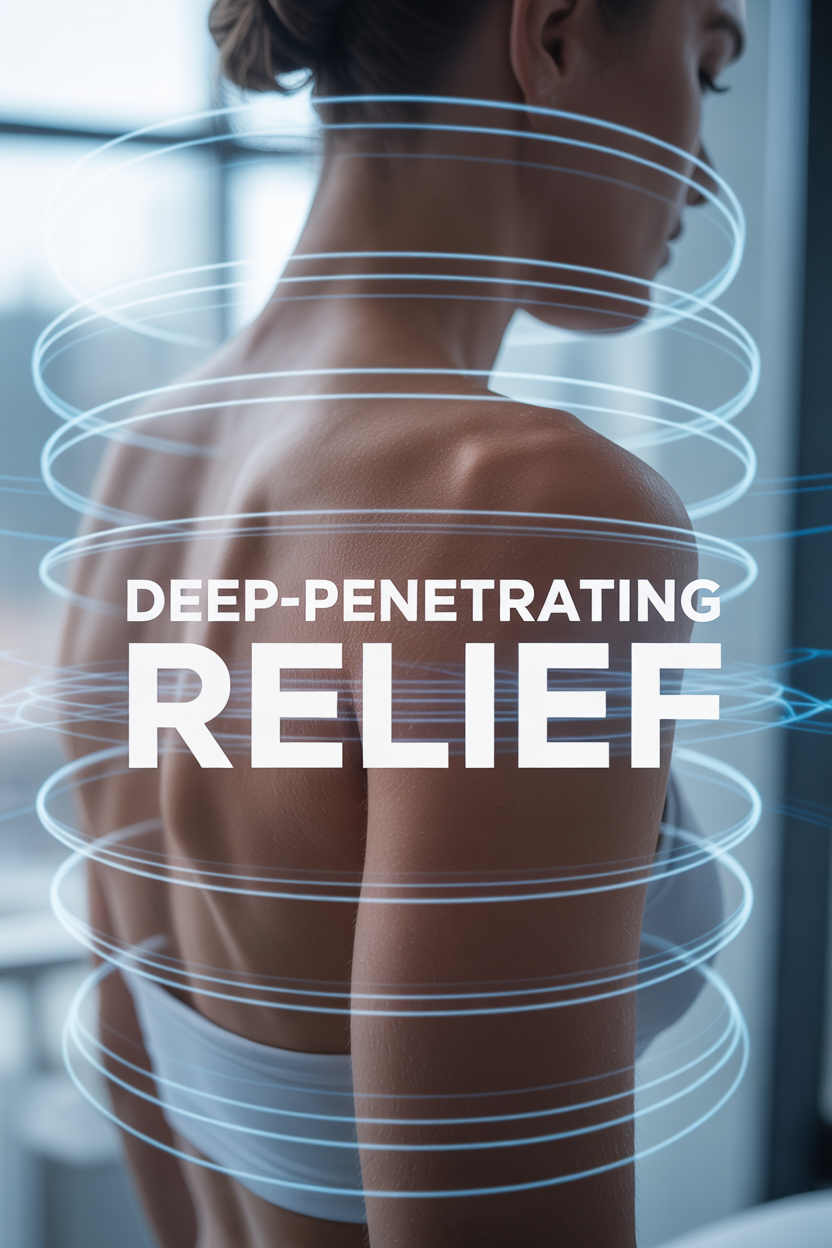
Pulsed Electromagnetic Field (PEMF) therapy represents a more advanced approach to electronic pain management. These devices create magnetic fields that penetrate deep into tissues without direct contact.
PEMF therapy works through several powerful mechanisms:
- Enhances cellular energy production to support healing
- Reduces inflammation at the tissue level
- Improves microcirculation throughout the treatment area
- Accelerates the body’s natural healing processes
PEMF devices range from full-body mats to targeted applicators for specific problem areas. They’ve shown promising results for conditions like osteoarthritis, fibromyalgia, and delayed bone healing. Many athletes also use PEMF technology for post-workout recovery.
Neurostimulation: Advanced Electronic Pain Solutions

When standard approaches fail to provide adequate relief, neurostimulation offers more sophisticated options for managing severe chronic pain. These advanced treatments directly target the nervous system’s pain pathways.
The most established neurostimulation approaches include:
- Spinal cord stimulation (SCS): Electrodes placed near the spinal cord intercept pain signals before they reach the brain.
- Peripheral nerve stimulation (PNS): Targets specific problematic nerves rather than the entire spinal pathway.
- Deep brain stimulation (DBS): Precision electrodes implanted in the brain modulate pain centers directly.
- Transcranial magnetic stimulation (TMS): Non-invasive technology that uses magnetic fields to regulate brain pain processing.
These specialized treatments are typically reserved for patients with severe chronic pain who haven’t responded to other interventions. They represent some of the most sophisticated approaches in pain management technology.
External vs. Implantable Devices: Choosing the Right Approach

When exploring electronic pain management options, you’ll need to consider whether an external or implantable device best suits your needs.
External devices offer several advantages:
- Portable TENS units for on-demand relief
- User-friendly EMS devices for home use
- PEMF mats and applicators for targeted treatment
- Non-invasive options that don’t require surgical procedures
These non-surgical options provide flexibility, allowing you to use them as needed without long-term commitment. They’re generally more affordable and have fewer risks than implanted alternatives.
Implantable systems offer different benefits:
- Spinal cord stimulators providing continuous 24/7 relief
- Deep brain stimulation for severe, treatment-resistant pain
- Implanted nerve stimulators targeting specific problem areas
- Combination systems that integrate electronic therapy with medication delivery
Implantable options require surgical procedures but offer the convenience of continuous therapy without having to apply external devices. They’re typically considered for severe, persistent pain that significantly impacts quality of life.
FDA-Approved Devices: Ensuring Safety and Effectiveness
The FDA has reviewed and cleared numerous electronic pain management devices, providing assurance about their safety and effectiveness. Looking for FDA approval helps you identify reputable options among the many products on the market.
- TENS devices: Multiple FDA-cleared options available for consumer purchase
- Spinal cord stimulation systems: Advanced implantable devices from medical technology companies like Medtronic, Boston Scientific, and Abbott
- PEMF therapy devices: Several FDA-cleared systems for various applications
- Peripheral nerve stimulators: Targeted systems designed for specific nerve-related pain conditions
FDA approval is an important consideration when selecting a device, though it doesn’t guarantee the product will work for your specific condition. Always consult with healthcare providers to determine which FDA-approved options might be appropriate for your situation.
Using Electronic Pain Management Effectively

To get the most benefit from electronic pain relief devices, follow these important guidelines:
- Consult healthcare professionals before starting any electronic pain therapy to ensure it’s appropriate for your condition.
- Begin with low intensity settings and gradually increase to comfortable levels as you become accustomed to the sensation.
- Follow placement instructions precisely to target the correct areas and avoid ineffective treatment.
- Maintain your device properly, including regular cleaning of electrode pads and components.
- Monitor your results by tracking pain levels, settings used, and treatment timing to identify what works best.
- Be aware of contraindications – most devices shouldn’t be used during pregnancy, with pacemakers, or over certain sensitive areas.
- Integrate electronic therapy with other appropriate treatments like physical therapy and exercise for comprehensive pain management.
Using these devices correctly not only improves their effectiveness but also reduces the risk of side effects or complications.
Research Evidence Supporting Electronic Pain Management

Scientific research has demonstrated the effectiveness of various electronic pain management approaches:
- TENS therapy: Studies show moderate short-term relief, particularly for musculoskeletal and nerve-related pain conditions.
- EMS treatment: Strong evidence supports its effectiveness for preventing muscle atrophy and managing specific pain types.
- PEMF therapy: Growing research demonstrates benefits for osteoarthritis, bone healing, and certain nerve pain conditions.
- Spinal cord stimulation: Clinical trials consistently show effectiveness for complex pain conditions like failed back surgery syndrome and complex regional pain syndrome.
Research in electronic pain management continues to advance rapidly. For the most current information about specific devices or approaches, consult recent studies related to your particular condition.
Combining Electronic Therapies with Traditional Pain Management

Electronic pain management works best as part of a comprehensive treatment plan. Effective combination strategies include:
- Using TENS therapy alongside physical therapy exercises to improve mobility and function
- Combining PEMF treatment with targeted medications during pain flare-ups
- Implementing advanced neurostimulation while gradually reducing pain medications under medical supervision
- Integrating electronic therapies with cognitive behavioral therapy to address both physical symptoms and psychological impacts of chronic pain
A multi-modal approach tackles pain from multiple angles – addressing physical symptoms, functional limitations, and psychological effects while potentially reducing reliance on medications.
Safety Considerations and Potential Side Effects

While electronic pain management is generally safer than many medication options, users should be aware of potential concerns:
- Skin irritation from electrode pads can occur with regular TENS or EMS use
- Temporary muscle soreness may follow EMS sessions as muscles adapt to stimulation
- Headaches or dizziness occasionally occur with certain neurostimulation protocols
- Surgical risks apply to implantable devices, including infection potential and lead migration
- Technical malfunctions can interrupt treatment or require device replacement
- Electromagnetic interference with other medical devices is possible with some technologies
Most electronic pain technologies are contraindicated during pregnancy, for people with pacemakers or certain implanted devices, and for those with epilepsy or specific heart conditions. Always consult healthcare providers before beginning any electronic pain management approach.
Costs and Insurance Coverage

The financial aspects of electronic pain management vary considerably depending on the technology:
- Basic TENS units typically cost between $30-200 and rarely receive insurance coverage
- Prescription-quality TENS and EMS devices might receive partial insurance coverage with proper documentation
- PEMF treatment systems range from hundreds to thousands of dollars with limited insurance coverage
- Advanced implantable systems can cost $30,000-50,000 or more but often receive insurance coverage after documenting treatment failure with other approaches
Insurance coverage for electronic pain management typically requires thorough documentation showing that conventional treatments have been ineffective. Some manufacturers offer payment plans or assistance programs for patients facing coverage challenges.
Success Stories: Real Results from Electronic Pain Management
Many patients have found significant relief through electronic pain management technologies.
Maria, 58, lives with diabetic neuropathy that caused constant burning pain in her feet. After incorporating daily TENS sessions into her routine, she reduced her pain enough to resume regular walking, which improved both her condition and overall health.
James, 42, suffered from debilitating back pain following an injury. When medications caused troublesome side effects without adequate relief, an implanted spinal cord stimulator helped him return to work and significantly reduce his need for pain medications.
Sarah, 35, manages her fibromyalgia with a combination of PEMF therapy and targeted EMS treatments. This approach addresses both her widespread pain and the accompanying fatigue, allowing her to maintain a more active lifestyle.
These experiences demonstrate how electronic pain management can both reduce pain symptoms and improve quality of life for people with chronic conditions.