
7 Natural & Veterinary Pain Relief Solutions Every Dog Owner Should Know

How to Tell When Your Dog Is Hurting: Spotting the Signs

When our furry friends are suffering, they can’t exactly text us a pain update with a sad-face emoji.
As devoted dog parents, recognizing those “ouch” signals becomes essential for keeping our four-legged companions wagging happily.
Dogs are the ultimate poker players when it comes to hiding pain, but even the toughest pooches have tells. As veterinary professionals from VCA Hospitals point out, signs can be both obvious and subtle.
Watch for your normally bouncy buddy suddenly acting like stairs are Mount Everest, or your typically cuddly companion growling when you touch their favorite scritching spot.
Other giveaways include obsessive licking, turning up their nose at dinner, pacing, panting while just chilling, or the heartbreaking whimper-when-touched.
The American Kennel Club (AKC) also highlights subtle signs like squinty eyes, a hunched posture, or suddenly acting like your touch is offensive.
Catching these signs early means quicker relief for your best friend.
What Types of Pain Do Dogs Experience?
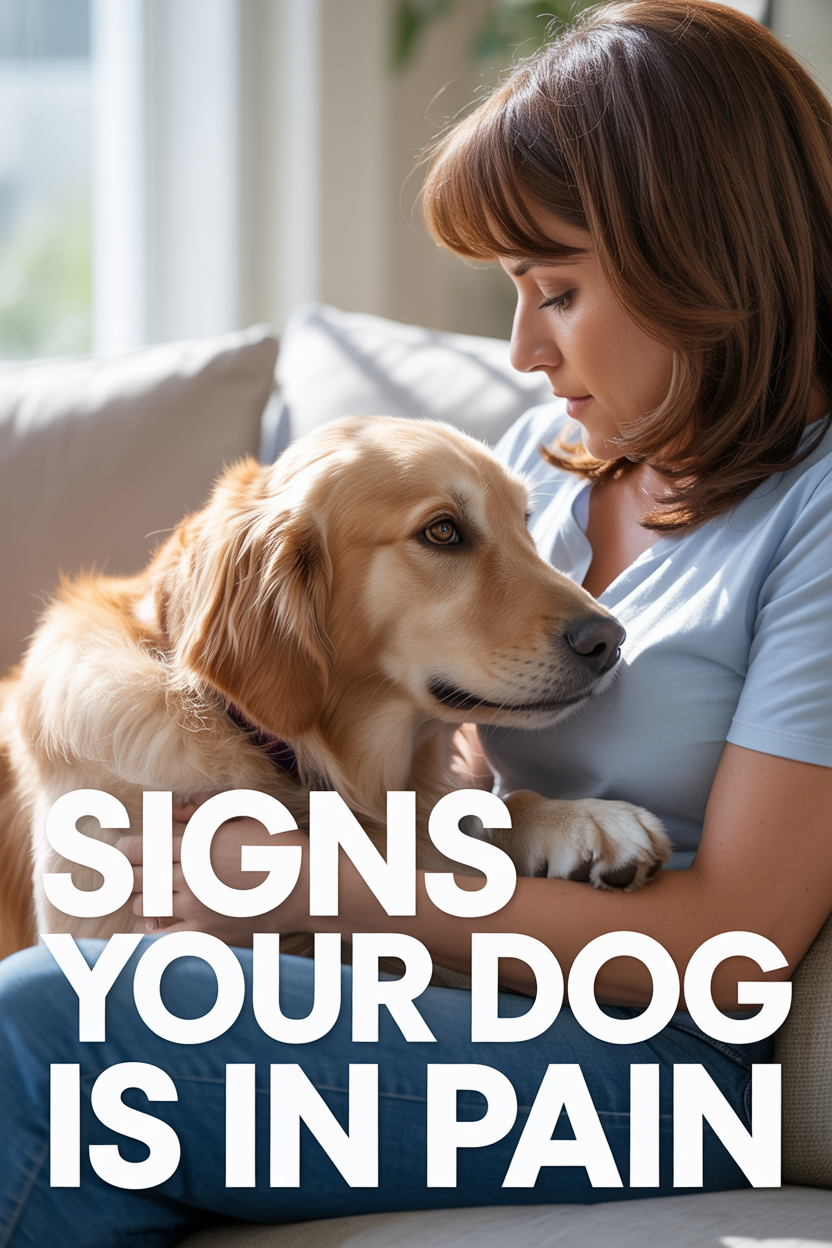
Our pups experience pain varieties that would put fancy coffee menus to shame. There’s acute pain—the “I just stepped on a Lego” of dog pain—coming from injuries, post-surgical recovery, or sudden illness.
Chronic pain is that uninvited houseguest that just won’t leave, often showing up with arthritis or cancer.
As explained in a study from the National Institutes of Health, chronic pain can be complex and multifactorial.
Neuropathic pain happens when nerves throw tantrums, creating particularly tricky treatment puzzles.
Inflammatory pain is basically the body’s overenthusiastic response team causing more chaos than the problem they’re fixing, such as in cases of osteoarthritis.
According to PetMD, knowing which pain personality your dog is dealing with helps you and your vet become the dynamic duo of relief.
Natural Pain Relief Options That Actually Work

Who knew Mother Nature was such a dog lover? For mild to moderate “ouches,” her remedies can work wonders.
Turmeric isn’t just for fancy lattes; its anti-inflammatory superpowers can help soothe achy joints. As the AKC notes, many natural ingredients can support a dog’s comfort.
Omega-3s from fish oil do double-duty by making coats shiny and fighting inflammation.
Ginger can settle upset tummies while calming inflammation—but it’s important to use it in safe, small amounts cleared by your vet, as experts advise.
For external boo-boos, comfrey and arnica are like nature’s own ice pack and heating pad. Alternating heat and cold can feel like a spa day for sore muscles.
Just remember, while natural remedies can be amazing, always loop in your vet before starting any new regimen.
What You Need to Know About CBD Oil for Dogs

CBD oil is the popular new student that everyone’s talking about in the pain relief high school.
Early research suggests it might help with inflammation, joint discomfort, and even anxiety.
According to PetMD, CBD works by interacting with your dog’s endocannabinoid system, which helps regulate everything from pain to mood.
If you’re CBD-curious for your canine, the American Kennel Club advises looking for pet-specific, full-spectrum products.
Ensure it has a certificate of analysis from a third-party lab, because we trust but verify!
Start with tiny amounts and watch how your pup responds. And yes, your vet should absolutely be in this conversation.
When Your Vet Prescribes Medication: What to Expect
When your dog’s pain laughs in the face of natural remedies, it’s time to call in the pharmaceutical big guns.
Dog-specific NSAIDs (nonsteroidal anti-inflammatory drugs) like Carprofen, Meloxicam, or Deracoxib fight inflammation like tiny warriors in your dog’s system.
For more severe pain, opioids like Tramadol might join the battle. As noted by GoodRx Health, other drugs like Gabapentin work magic on nerve pain, while amantadine is a chronic pain specialist.
But here’s a flashing-neon-sign warning: NEVER give your dog human pain meds.
That Advil in your medicine cabinet is essentially poison to your pooch. The AKC warns that human pain relievers can cause liver failure or kidney damage.
Using human medication can turn your ordinary Tuesday into an emergency vet visit, which is not the quality time you were hoping for.
How Physical Therapy Helps Dogs Feel Better

Physical therapy isn’t just for humans anymore; it can be a powerful tool for dogs recovering from injuries or managing chronic pain.
Therapeutic exercises strengthen muscles without the “no pain, no gain” mentality. As veterinary experts explain, rehabilitation can significantly improve mobility and quality of life.
Hydrotherapy lets dogs channel their inner Michael Phelps while being gentle on sore joints.
Laser therapy sounds futuristic because it is, using light to reduce inflammation and promote healing.
Ultrasound therapy delivers deep heat that makes tissues say “ahhhh.”
Many vet practices now have rehab specialists who create customized get-better plans that make your dog feel like they have their own personal health guru.
Simple Massage Techniques Your Dog Will Love

Who doesn’t love a good massage? Your dog certainly does!
Massage therapy isn’t just an excuse for extra pets, though that’s a bonus. As the AKC confirms, gentle effleurage strokes are the ultimate relaxation technique for tight muscles.
Veterinary sources describe petrissage, or kneading, which works out muscle knots.
Circular friction movements around cranky joints can help bring back the happy dance when the leash comes out.
For best results, create a zen-den environment with calm vibes. Use gentle pressure and watch your dog’s reactions closely.
Regular massage sessions not only help with pain but also give you both the perfect excuse for quality cuddle time.
How Diet and Supplements Help Fight Pain

It turns out, good food really does make everything better. Nutrition plays a starring role in managing dog pain, especially for inflammatory conditions.
According to PetMD, adding anti-inflammatory superstars like blueberries, fatty fish, and leafy greens can give your pup’s diet a pain-fighting boost.
Perhaps the biggest dietary power move is keeping your dog at a healthy weight. Those extra pounds are like carrying around a backpack full of rocks all day—brutal for achy joints.
Supplement-wise, the AKC recommends discussing several MVPs with your vet:
- Glucosamine and chondroitin: The dynamic duo for joint support, like Batman and Robin for cartilage.
- MSM: The inflammation fighter with the complicated name.
- Green-lipped mussel extract: Not a weird seafood appetizer, but amazing for joint protection!
Partner with your vet to create a diet plan that addresses your dog’s specific needs, because one size definitely doesn’t fit all.
Alternative Therapies: Pokes, Pods, and Professional Adjustments

If your dog could talk, they might be skeptical about some alternative approaches, but these are gaining serious street cred in the pain relief world.
Acupuncture might look like a pin cushion audition, but those needles trigger natural pain-fighting chemicals and improve blood flow.
Chiropractic adjustments can fix out-of-whack alignments that are causing your dog discomfort.
Electromagnetic field therapy sounds like something from a sci-fi movie but actually reduces inflammation like a boss.
Cold laser therapy uses special light beams to kick-start healing and provide relief.
These approaches work best as part of a team effort with traditional treatments and should always be performed by licensed professionals.
Creating a Comfortable Space at Home

Your home can be either a pain paradise or a discomfort disaster for your hurting hound. Start by investing in an orthopedic bed with memory foam that supports achy joints.
Install mobility aids like ramps or steps so your pup doesn’t have to high-jump onto the couch.
Position food and water bowls at chin-height to prevent the awkward neck-crane that makes eating feel like a chore.
As suggested by PetMD, making floors non-slip zones can prevent painful falls.
For our gray-muzzled buddies, these tips are crucial. The AKC provides great advice for keeping senior dogs comfortable, like gentle exercise and shorter nail trims to improve their gait.
These simple tweaks can turn your home into a healing haven for dogs of any age.
How to Prevent Pain Before It Starts

The best pain strategy is making sure it never shows up to begin with. Keep your pup at their ideal weight to protect their joints.
Regular, appropriate exercise keeps everything strong and flexible without overdoing it.
The AKC emphasizes that proactive care is key. Consider starting joint supplements early, especially for breeds prone to arthritis.
As veterinary experts agree, prevention is the new black.
Feed them a quality, life-stage-appropriate diet. Brush those teeth regularly, because dental pain can be a silent source of misery.
Finally, schedule regular vet check-ups to catch small issues before they become major dramas. Your future self (and dog) will thank you.
Working with Your Vet for the Best Results

While some pain is manageable at home, certain symptoms are a “drop everything and drive” scenario. According to PetMD, you should seek immediate care if your dog can’t move, cries out suddenly, is having trouble breathing, or has a visibly injured limb.
The golden rule, emphasized by the AKC, is when in doubt, get it checked out. A late-night vet call is always better than regret.
Effective pain management is a team effort with your veterinarian as the MVP. As sources like VCA Hospitals stress, a collaborative approach is crucial.
Come to appointments prepared with detailed observations. Discuss treatment options, possible side effects, and how you will monitor progress together.
Schedule regular follow-ups, because pain management is a marathon, not a sprint.
Remember, it’s an ongoing conversation that helps your dog live their best, most comfortable life.
When to Seek Emergency Veterinary Care

Some pain situations require immediate professional attention. Know these warning signs that indicate an emergency.
Seek urgent care if your dog suddenly cannot or will not move, cries out without being touched, or has a visibly swollen limb. Labored breathing while at rest, repeated dry-heaving, or sudden inability to use a limb also warrant emergency visits.
Visible injuries from accidents or suspected ingestion of harmful substances need prompt attention. Changes in gum color (pale, blue, or bright red) may indicate serious underlying issues.
When in doubt, contact your veterinarian or emergency clinic. Quick intervention often leads to better outcomes and prevents unnecessary suffering.
Partnering With Your Veterinarian

Effective pain management requires teamwork between you and your veterinary care providers. Open communication ensures your dog receives optimal care.
Prepare for appointments by documenting when symptoms started, what triggers seem to cause pain, what appears to help, and how the discomfort affects daily activities.
Discuss all treatment options thoroughly, including potential side effects and monitoring requirements. Establish clear methods for tracking progress and evaluating treatment effectiveness.
Schedule regular follow-up appointments to adjust the pain management plan as needed. Remember that pain control often requires ongoing adjustments as your dog’s condition changes.
Our canine companions depend on us completely to recognize and relieve their discomfort. By learning to identify pain signals, exploring appropriate treatment options, and working closely with veterinary professionals, we can help our dogs live comfortable, happy lives. A pain-free dog means more tail wags, playful moments, and quality time together – exactly what both of you deserve.