
Ditch the Pills: 7 Surprising Ways Drug-Free Pain Patches Are Revolutionizing Relief

The Complete Guide to Drug-Free Pain Relief Patches: Natural Solutions for Everyday Discomfort (Without the Pharmacy Trip!)
Ah, pain. That unwelcome houseguest that overstays its welcome, whether it’s from your chronic back issues, that ambitious weekend workout, or just the natural aging process. While many folks automatically reach for the pill bottle, drug-free pain relief patches deliver targeted relief right where it hurts without sending medication on a full-body tour. Let’s dive into the wonderful world of stick-on pain management that might make your life a whole lot more comfortable!
How Drug-Free Pain Relief Patches Actually Work

Drug-free pain patches operate on a brilliantly simple principle: put the relief directly where it hurts. Unlike pills that travel through your digestive system, these non-medicinal solutions work right at pain’s source.
Most patches use naturally derived ingredients that create cooling or warming sensations, delivering plant-based compounds that reduce inflammation. The patch adheres to your skin, creating a barrier that allows active ingredients to gradually penetrate the affected area over several hours.
This targeted approach means you get relief exactly where you need it, without affecting your entire body.
The Science Behind Transdermal Pain Relief

When you apply a pain patch to your skin, the active ingredients bypass your digestive system and liver, delivering relief directly to the painful area.
This works through passive diffusion—ingredients moving from the patch (where concentration is high) to your skin (where concentration is low). Your body heat activates these compounds, enhancing their effectiveness.
Many patches use mild counterirritants that essentially confuse your nervous system by creating sensations that distract your brain from pain signals. By stimulating nerves that aren’t pain receptors, they effectively close the “gate” that allows pain messages to reach your brain.
This targeted delivery system means less medication circulating through your entire body and more focused relief where you actually need it.
Nature’s Powerful Ingredients in Drug-Free Pain Patches

These patches contain ingredients specifically chosen for their pain-relieving properties:
- Menthol: Creates a cooling sensation that numbs pain and reduces inflammation
- Camphor: Provides both warming and cooling effects that help increase blood flow and distract from pain signals
- Capsaicin: Derived from chili peppers, it creates heat that blocks pain signals and reduces substance P, a pain transmitter
- Arnica: A plant extract with powerful anti-inflammatory properties that helps reduce bruising and swelling
- Essential oils: Including eucalyptus, peppermint, and lavender, which provide both pain relief and aromatherapy benefits
- Methyl salicylate: Found in wintergreen oil, creating warming sensations that improve circulation to painful areas
Finding Your Perfect Match: Types of Drug-Free Pain Patches
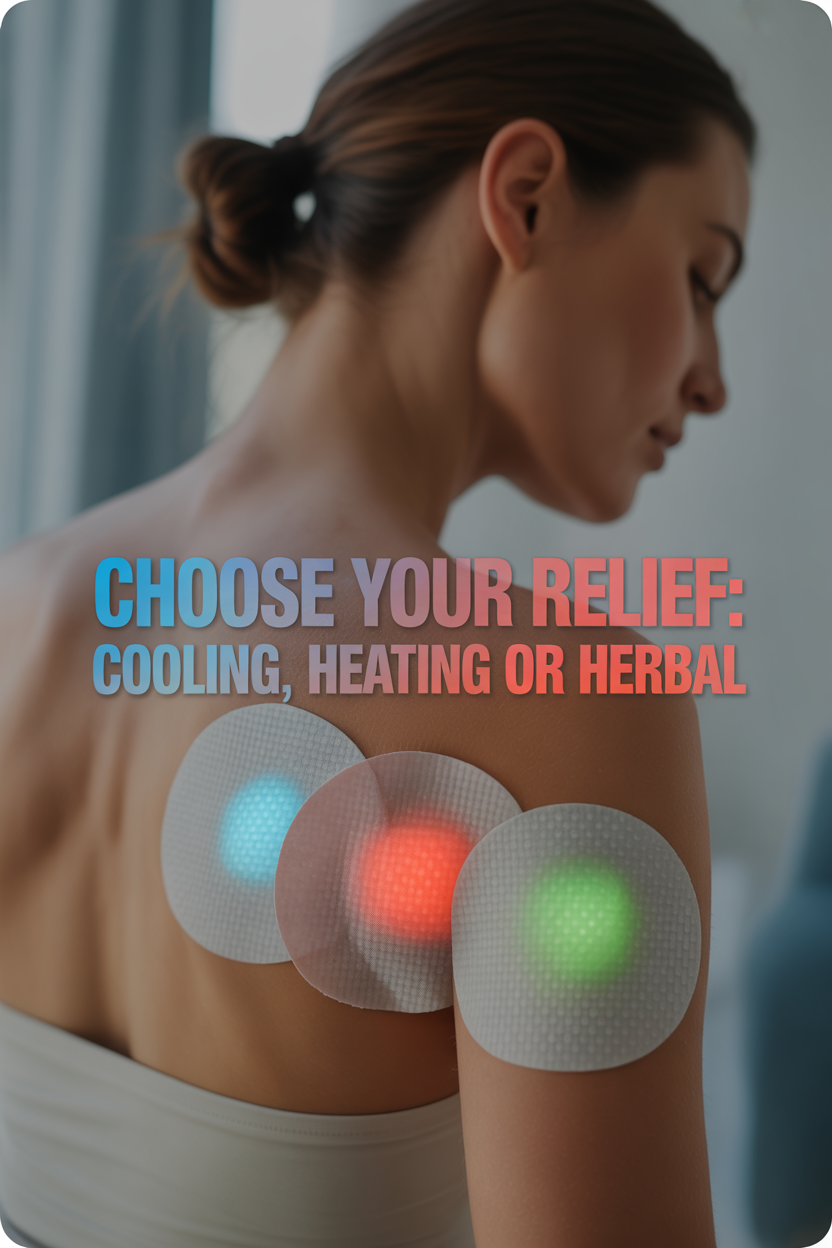
Pain patches come in several varieties to address different types of discomfort:
- Cooling patches: These menthol-infused options reduce inflammation and numb pain, perfect for acute injuries and inflammatory conditions
- Heating patches: Increase blood flow to tight muscles, helping to relax tension and improve mobility in stiff areas
- Herbal patches: Harness traditional plant remedies like willow bark and turmeric that have been used for centuries to manage pain
- Magnetic patches: Contain tiny magnets that may improve blood flow and reduce pain through magnetic field effects
- Far infrared patches: Reflect your body heat back into deeper tissues, potentially helping with chronic pain conditions
Most patches combine several technologies for maximum effectiveness, giving you multiple mechanisms of relief in one convenient application.
Strategic Placement: Where to Apply Pain Relief Patches
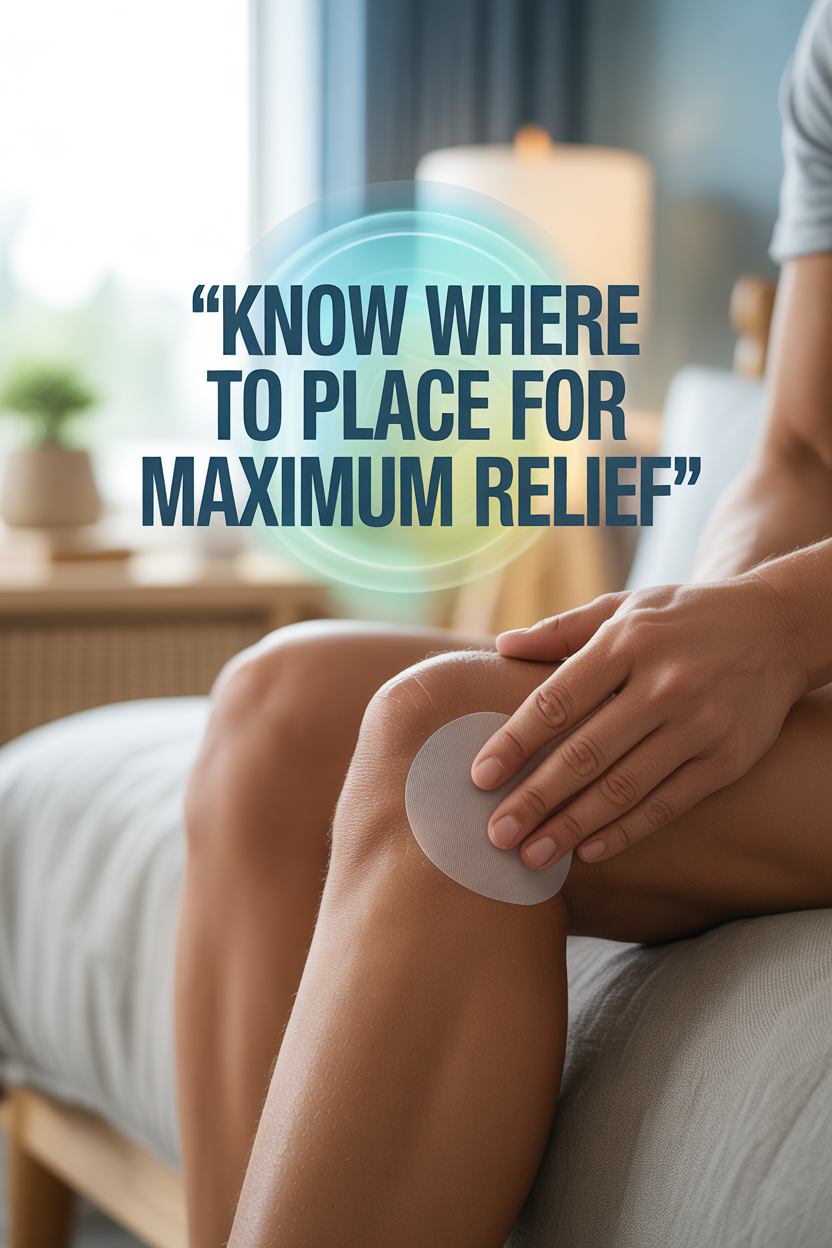
Proper placement makes all the difference in how effective your pain patch will be:
- Lower back: Apply directly to the painful area, avoiding the spine itself
- Neck and shoulders: Place on the largest muscle mass, avoiding the front of the throat and spine
- Knees: Position on the sides or above/below the joint, not directly on the kneecap
- Elbows: Apply to the muscle areas surrounding the joint rather than directly on the point of the elbow
- Wrists: Place on the fleshy parts above or below the joint, not directly over tendons
- Ankles: Position on the muscular areas surrounding the joint, avoiding bony prominences
For best results, clean and dry your skin before application. Patches won’t adhere well to sweaty, oily, or lotioned skin. Also, avoid placing patches on irritated skin, open wounds, or broken skin.
Timing Your Relief: How Long to Wear Pain Patches

Most drug-free pain patches are designed to provide relief for 8-12 hours. Some extended-release options can last up to 24 hours, providing all-day relief with a single application.
Always follow the manufacturer’s guidelines regarding wear time. Leaving a patch on longer than recommended can increase the risk of skin irritation without providing additional benefits.
For ongoing pain, you can apply a new patch after removing the old one, but try to shift positions slightly to prevent skin irritation in one spot. Give your skin occasional breaks between applications, especially if you notice any redness or sensitivity.
If you’re using a heating patch, remove it before sleeping to prevent potential burns or excessive skin irritation overnight.
Safety First: Potential Side Effects and Precautions
While drug-free patches generally have fewer side effects than oral medications, they aren’t completely risk-free:
- Skin irritation: The most common issue, particularly with extended use or sensitive skin
- Allergic reactions: Some people may react to specific natural ingredients
- Burns: Particularly with heating patches if left on too long or used while sleeping
- Medication interactions: Even natural ingredients can sometimes interact with certain prescription medications
Take these safety precautions:
- Perform a small patch test first if you have sensitive skin
- Avoid sleeping with heating patches
- Consult your doctor during pregnancy or if you have underlying health conditions
- Keep patches away from eyes and mucous membranes
- Stop use immediately if you experience increased pain, rash, or discomfort
Beyond the Patch: Other Drug-Free Pain Management Options
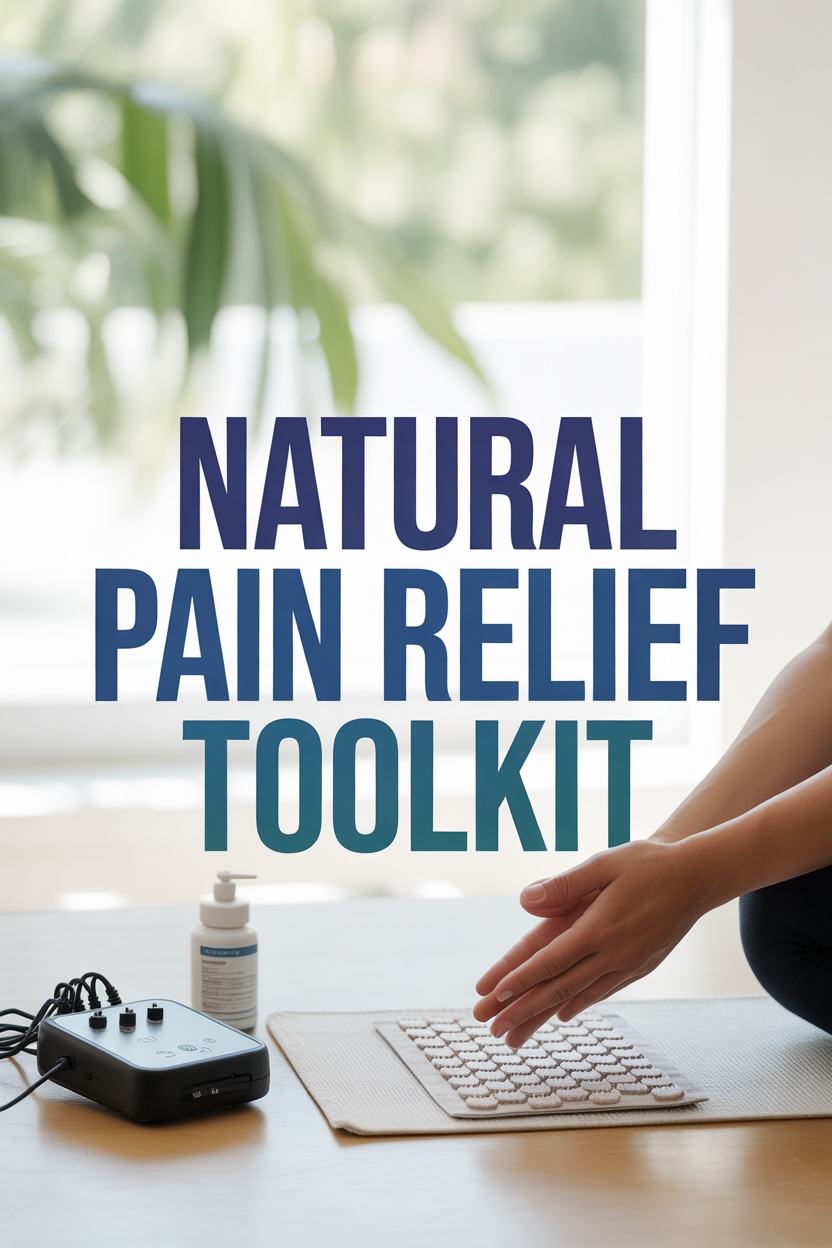
Pain patches work well alongside other natural pain relief methods:
- TENS units: Deliver mild electrical stimulation that blocks pain signals and increases endorphin production
- Acupressure mats: Stimulate pressure points across large areas of the body to reduce tension and pain
- Topical creams and gels: Offer similar benefits to patches but in a different delivery format
- Herbal supplements: Such as turmeric and ginger that fight inflammation systemically
- Physical therapy exercises: Strengthen supporting muscles and improve mobility to reduce pain at its source
- Mindfulness and meditation: Change how your brain processes and responds to pain signals
Combining approaches—like using a drug-free pain patch while practicing gentle stretching—often provides better relief than any single method alone. This comprehensive strategy addresses both the symptoms and potential causes of your discomfort.
Cost Comparison: How Pain Patches Stack Up

When considering your pain management budget:
- Drug-free pain patches typically cost between $1-5 per patch
- Over-the-counter pain medications might cost less per dose but require more frequent use
- Prescription medications can be significantly more expensive without insurance coverage
- Professional treatments like massage or physical therapy sessions range from $50-150 each
While patches might seem pricier upfront compared to basic pain relievers, they offer targeted relief without systemic side effects. Many users find they need fewer treatments over time as they address the root causes of their pain rather than just masking symptoms.
Consider the potential savings on additional medications to treat digestive side effects from oral pain relievers, which makes patches even more cost-effective in the long run.
Who Benefits Most From Drug-Free Pain Relief Patches

These innovative pain solutions are particularly valuable for:
- Athletes: Who need targeted relief without affecting overall performance
- Older adults: Who may be more sensitive to medication side effects or take multiple prescriptions
- People with sensitive stomachs: Who experience digestive issues with oral pain medications
- Those with liver or kidney concerns: Who need to minimize medications processed through these organs
- Chronic pain patients: Looking to reduce overall medication use while maintaining comfort
- Anyone seeking natural alternatives: Who prefers plant-based solutions to synthetic chemicals
Drug-free patches can be used as a standalone solution for mild to moderate pain or as part of a comprehensive treatment plan for more severe conditions.
Creating Your Complete Pain Relief Strategy

For maximum benefit, think of pain patches as one element in your overall wellness plan:
- Gentle stretching: Improves flexibility and releases tension in tight muscles
- Proper hydration: Keeps tissues pliable and helps flush inflammatory compounds
- Anti-inflammatory diet: Reduces systemic inflammation that can worsen pain
- Adequate sleep: Gives your body time to repair and regenerate damaged tissues
- Stress management: Prevents tension that can amplify pain signals
- Ergonomic improvements: Reduces strain on muscles and joints during daily activities
Combining these approaches with pain patches creates a comprehensive strategy that addresses both immediate discomfort and underlying causes. This holistic approach often leads to better long-term outcomes than relying on any single method.
Heat vs. Cold: Choosing the Right Therapy for Your Pain
Selecting between heat and cold therapy depends entirely on your specific condition:
Cold therapy patches work best for:
- Fresh injuries within the first 48-72 hours
- Inflammation and swelling
- Headaches and migraines
- Sprains and strains
- Burning pain sensations
Heat therapy patches work best for:
- Chronic pain conditions
- Stiff, achy muscles
- Joint pain from arthritis
- Menstrual cramps
- Tension headaches
Many people find that alternating between heat and cold provides optimal relief. This approach, called contrast therapy, reduces inflammation while boosting circulation—giving you the benefits of both treatment types.
When to Seek Professional Help for Pain
While drug-free patches are excellent for many types of discomfort, certain situations warrant medical attention. Contact your healthcare provider if:
- Your pain persists for more than two weeks despite consistent self-care
- The pain is severe enough to disrupt sleep or daily activities
- You experience pain accompanied by numbness, tingling, or weakness
- Joint pain comes with significant swelling, redness, or warmth
- The pain resulted from a serious injury that might involve structural damage
- You have pain plus fever, unexplained weight loss, or other concerning symptoms
Remember that pain serves as your body’s warning system. While managing symptoms is important, addressing underlying causes is essential for true healing. A healthcare professional can help determine if your pain requires more comprehensive treatment.
Drug-free pain relief patches offer a safe, targeted approach to managing discomfort without the drawbacks of oral medications. They provide you with control over your comfort while supporting your body’s natural healing processes. Whether you’re dealing with occasional soreness or chronic pain, these innovative solutions deserve a place in your wellness toolkit.