
Beyond Pills: The Invisible Force That’s Revolutionizing Pain Relief

Zap That Pain Away! Understanding Electromagnetic Pain Relief Therapy

Electromagnetic pain relief therapy uses targeted electromagnetic fields to activate your body’s natural healing processes. Unlike conventional medications that mask symptoms with chemicals, this innovative approach addresses pain at its cellular source.
How Electromagnetic Pain Relief Therapy Works
Electromagnetic therapy interacts directly with your body’s electrical system to treat pain at its origin. These specialized electromagnetic fields target painful areas, encouraging cells to function properly again.
The therapy reduces inflammation and interrupts persistent pain signals that conventional treatments often fail to address. Rather than simply covering up symptoms, it works to resolve the underlying causes of discomfort.
By engaging with your body’s natural healing mechanisms, electromagnetic therapy offers a comprehensive approach to pain management that many patients find more sustainable than medication alone.
The Science Behind the Relief

Your body operates on electrical impulses that control everything from heartbeats to neural communications. When injury or disease occurs, these electrical patterns become disrupted.
Electromagnetic pain relief essentially resets these disrupted circuits. The therapy influences ion channels and cell membranes, helping restore normal cellular function.
This restoration process improves blood circulation, reduces inflammation, and accelerates tissue healing. Treatment providers customize the electromagnetic frequencies and intensities specifically for your condition and pain level.
This personalized approach ensures you receive the precise electromagnetic stimulation your body needs for optimal recovery.
Conditions That Respond to Electromagnetic Therapy

Electromagnetic therapy shows promise for a wide range of painful conditions. Arthritis sufferers often experience reduced joint pain and improved mobility following consistent treatment.
Those with fibromyalgia may find relief from widespread pain when conventional approaches have failed. Athletes recovering from injuries frequently report faster healing times with electromagnetic therapy.
The therapy has shown effectiveness for several common pain conditions:
- Osteoarthritis and rheumatoid arthritis
- Lower back pain and sciatica
- Neuropathic pain and nerve damage
- Post-surgical pain
- Migraines and tension headaches
- TMJ disorders
- Plantar fasciitis
- Tendonitis and bursitis
Results vary between individuals, as each person’s pain response and healing capacity differ.
PEMF Therapy: Advanced Electromagnetic Treatment

Pulsed Electromagnetic Field (PEMF) therapy represents one of the most researched forms of electromagnetic pain relief. This technique delivers gentle electrical currents that stimulate cellular repair and regeneration.
PEMF devices range from full-body mats for comprehensive treatment to targeted applicators for specific pain points. The FDA approved PEMF for bone healing in 1979, and its applications have expanded significantly since then.
For osteoarthritis patients, PEMF therapy has demonstrated impressive results in clinical studies, with many participants reporting substantial improvements in pain scores and function.
Treatment sessions typically last between 20 minutes and a few hours. The pulsed nature of the therapy prevents your body from adapting to the electromagnetic fields, maintaining effectiveness throughout the treatment course.
rTMS: Electromagnetic Brain Stimulation for Pain Relief
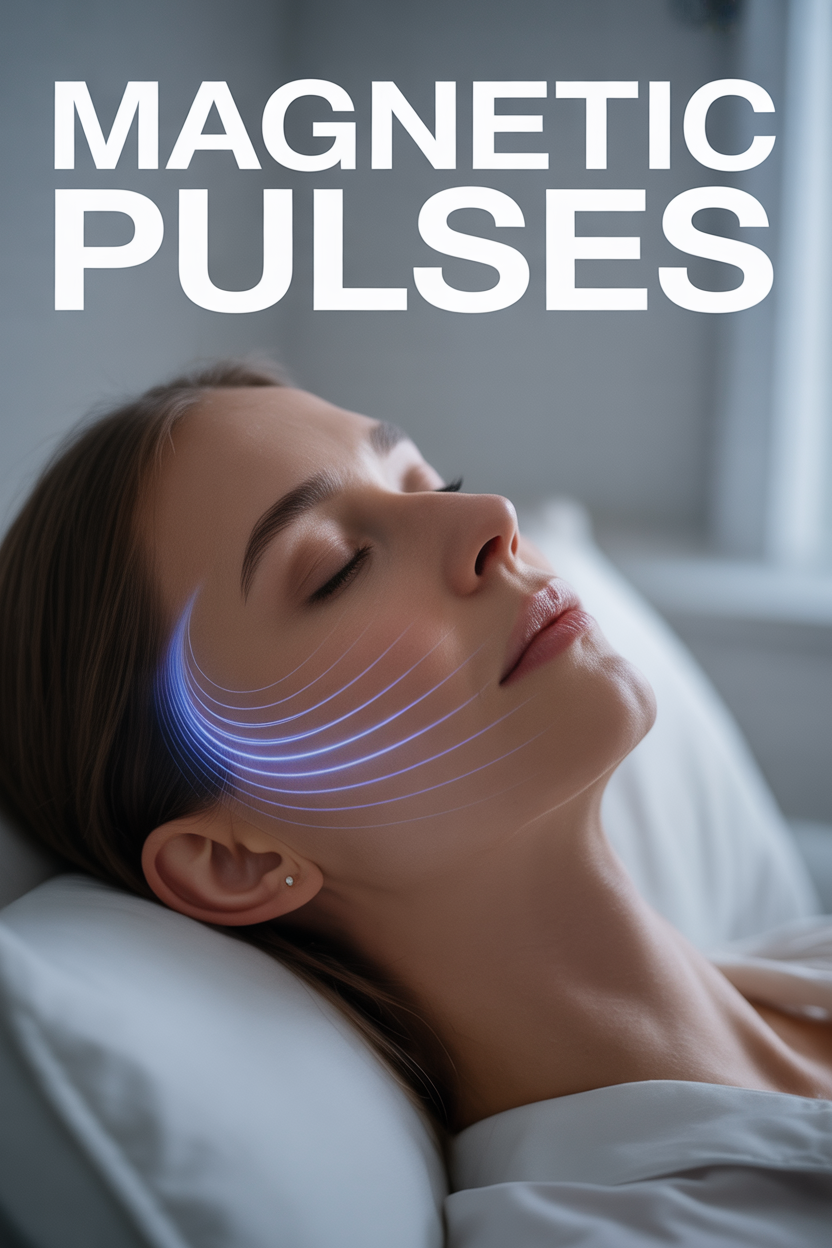
Repetitive Transcranial Magnetic Stimulation (rTMS) targets pain processing at the neural level. This specialized form of electromagnetic therapy uses a magnetic coil placed against the scalp to send focused pulses through to specific brain regions.
Originally developed for depression treatment, rTMS has shown promising results for chronic pain conditions, particularly neuropathic pain that resists conventional treatment approaches.
The therapy essentially resets dysfunctional pain processing networks in the brain. Treatment typically involves multiple sessions over several weeks to achieve optimal results.
A significant advantage of rTMS is its non-pharmaceutical approach with minimal side effects for most patients, making it suitable for those who cannot tolerate medication side effects.
FDA-Approved Electromagnetic Devices
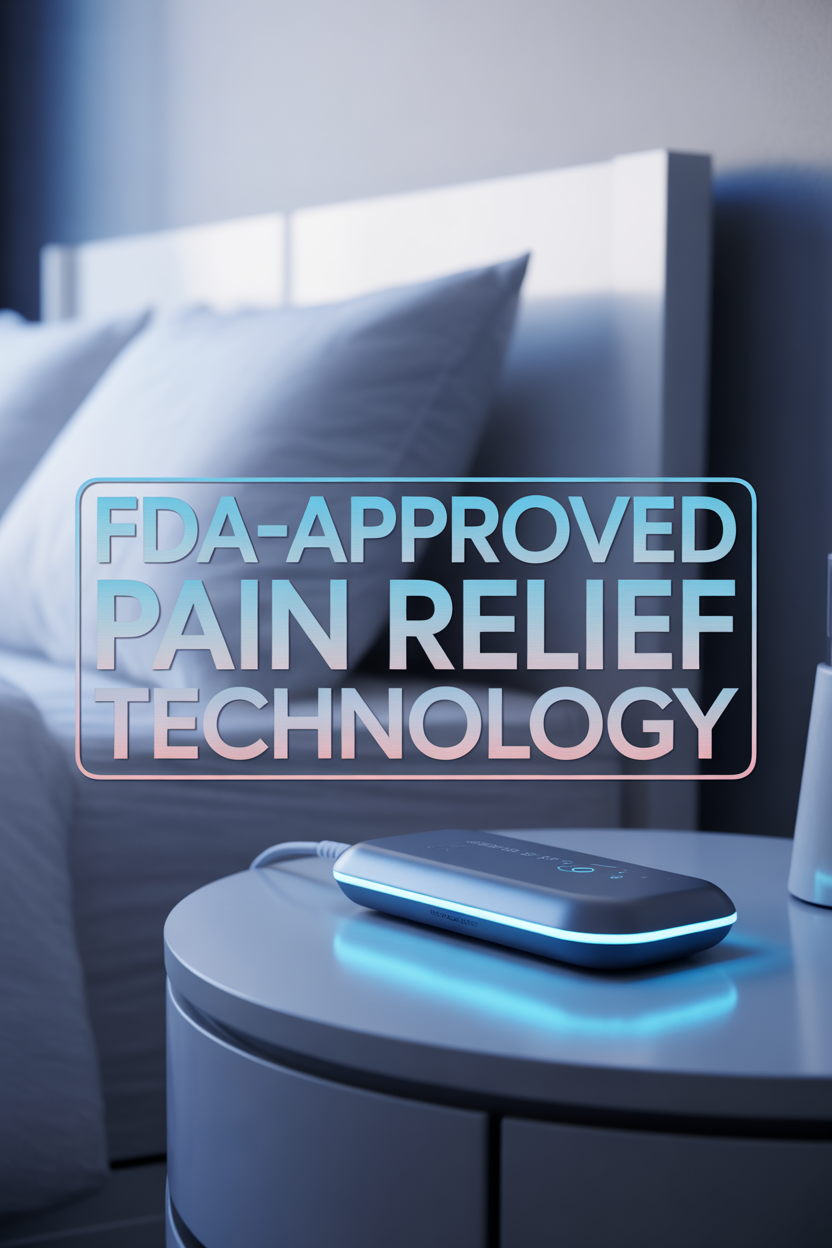
Several electromagnetic pain relief devices have received FDA clearance, ensuring they meet safety and efficacy standards. PEMF devices are approved for bone healing and certain pain conditions, while rTMS systems are cleared for depression treatment with growing off-label use for pain management.
Other FDA-approved electromagnetic technologies include:
- Diathermy devices that use electromagnetic energy to generate therapeutic heat in tissues
- Specialized electromagnetic field therapy devices for post-surgical pain management
- Advanced TENS units that use electrical currents to block pain signals
FDA clearance provides assurance that these devices have demonstrated both safety and effectiveness in clinical trials, though individual results may vary.
Home Treatment vs. Professional Application

Electromagnetic pain relief offers options for both professional treatment and home use. Home devices provide convenience and regular access to therapy, though typically at lower power levels than clinical equipment.
Options include portable PEMF mats, wearable electromagnetic bands, and handheld devices for targeted relief. These allow for consistent daily treatment in the comfort of your home.
Professional treatments utilize more powerful equipment with precise controls and advanced features. Clinical systems often incorporate real-time tissue monitoring and synchronized multi-field application for enhanced effectiveness.
Many patients achieve optimal results by combining professional sessions for intensive treatment with home devices for daily maintenance. This integrated approach provides both the higher power of clinical equipment and the consistency of home therapy.
Current Research on Electromagnetic Pain Relief

Scientific evidence supporting electromagnetic pain relief continues to grow. The strongest research supports PEMF therapy for osteoarthritis and bone healing, with multiple controlled studies showing superiority over placebo treatments.
A 2023 meta-analysis found moderate evidence supporting electromagnetic therapy for chronic low back pain. Research on fibromyalgia shows promising preliminary results, though larger studies are still needed.
Studies examining rTMS for neuropathic pain demonstrate particularly encouraging outcomes for patients who haven’t responded to other treatments. The quality of research varies across different applications, with some conditions having more robust evidence than others.
The field continues to advance rapidly, with new studies regularly providing better understanding of optimal treatment parameters and identifying which patients are most likely to benefit.
Safety Profile and Potential Side Effects

Electromagnetic pain relief generally demonstrates an excellent safety profile with fewer side effects than many pharmaceutical options. Most reactions are mild and temporary, including:
- Localized warming or tingling sensations during treatment
- Temporary fatigue following sessions
- Occasional mild headaches
- Minor skin irritation at application sites
Important safety considerations exist for certain groups. Pregnant individuals, people with electronic implants like pacemakers, those with certain metal implants, and patients with active cancer should avoid electromagnetic therapy unless specifically cleared by their healthcare provider.
Individuals with seizure disorders should exercise caution, particularly with rTMS. Always consult your healthcare provider before beginning any electromagnetic therapy and follow manufacturer instructions precisely.
Integrating with Traditional Pain Management

Electromagnetic pain relief works most effectively as part of a comprehensive treatment approach. Many specialists recommend using these therapies alongside conventional pain management strategies rather than as standalone treatments.
The electromagnetic approach may help reduce reliance on pain medications, including opioids, by addressing pain through different physiological pathways. When combined with physical therapy, the increased circulation and reduced inflammation from electromagnetic treatment can enhance exercise tolerance and results.
Adding psychological approaches like cognitive behavioral therapy addresses the mental aspects of pain management, creating a truly comprehensive plan. Always keep all your healthcare providers informed about your full treatment regimen to ensure proper coordination of care.
Treatment Considerations for Acute vs. Chronic Pain

Electromagnetic therapy approaches differ significantly between acute and chronic pain conditions. For acute injuries, treatments typically focus on reducing inflammation and accelerating healing with higher intensity, shorter-duration sessions during the critical recovery phase.
Chronic pain management requires a different strategy emphasizing consistency over intensity. Long-term, regular applications help maintain improvements rather than seeking dramatic immediate results.
Some chronic pain patients benefit from daily home treatments, while others maintain results with periodic professional sessions. Patience proves essential with chronic conditions, as electromagnetic therapy often requires several weeks of regular application before reaching maximum effectiveness.
This gradual improvement reflects the therapy’s focus on restoring normal cellular function rather than masking symptoms.
Cost Considerations and Insurance Coverage

The financial aspects of electromagnetic pain relief vary widely based on treatment type and delivery method. Professional PEMF sessions typically cost between $40-150 per treatment, with recommended courses often including 10-20 sessions.
rTMS treatments run higher at $200-400 per session, with standard protocols requiring 20-30 sessions. Home devices represent a significant initial investment, with quality PEMF systems ranging from $1,500 to over $10,000, though they eliminate ongoing treatment expenses.
Insurance coverage remains inconsistent. Medicare and many private insurers cover rTMS for depression but provide limited coverage for pain applications. PEMF therapy generally has restricted coverage, though some plans may cover FDA-approved applications.
Before starting treatment, verify your insurance benefits and explore alternative payment options such as HSA/FSA accounts, payment plans, or device rental programs.