
7 Powerful Home Remedies for Back Pain That Work Better Than Pills

Ouch! My Aching Back: Natural Home Remedies That Actually Work
Let me guess—you’re reading this while awkwardly hunched over your phone or laptop, wincing with every slight movement? Welcome to the not-so-exclusive “My Back Is Killing Me” club! Millions of us are card-carrying members, searching for relief without having to swallow pills like they’re candy.
The good news? Your kitchen, living room, and even that dusty yoga mat in the corner might hold the keys to sweet relief. Let’s dive into the world of natural treatment for back pain at home that doesn’t involve begging your cat to walk on your spine (though honestly, I’ve tried it… results were mixed!)

Understanding What’s Causing Your Back Pain

Before we start fixing what’s broken, let’s figure out WHY your back is staging this painful protest in the first place. Back pain is like an uninvited guest—and there are many reasons it’s crashed your party.
Your back might be screaming because of:
- That “small item” you tried to move that actually weighed as much as a small rhino
- Discs that have decided to bulge in directions they shouldn’t
- Arthritis making itself comfortable in your lower back
- Your spine taking a creative approach to straightness (scoliosis)
- Bones that have become more fragile than fine china (osteoporosis)
When to Seek Professional Help vs. Self-Treatment

While I’m all for taking matters into your own hands with natural remedies, there are times when you need to call in the experts. Your back pain requires professional attention if:
- It appeared after a significant injury or fall
- You’re running a fever alongside your back pain
- Your legs are experiencing numbness or tingling
- Bathroom functions are being mysteriously affected
- The pain is so severe that you can’t find comfort in any position
- Pain is radiating down your legs
- You’re experiencing unexpected weakness in your legs
For everything else? Let’s explore natural solutions!
Perfect Your Posture: The Foundation of Back Health
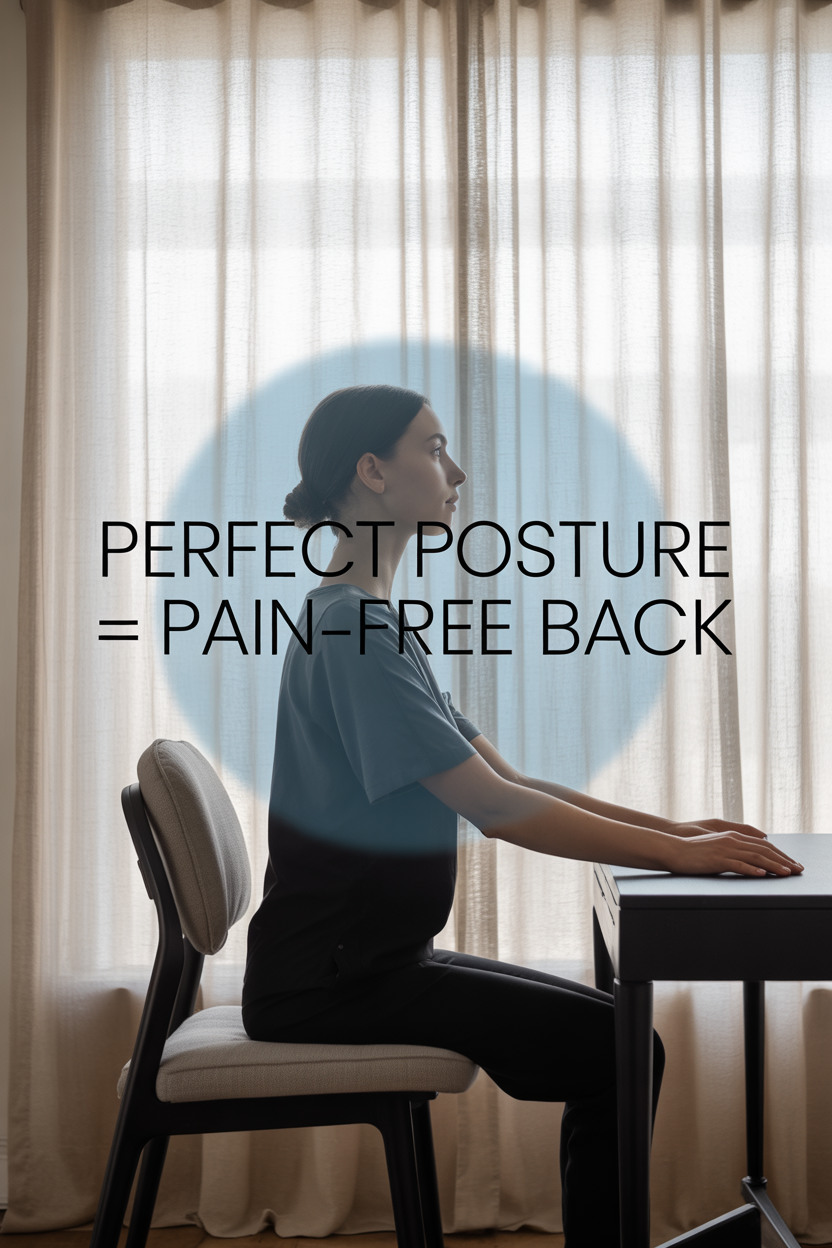
Remember how your mom always reminded you to “sit up straight”? Turns out, she wasn’t just trying to make you look presentable—she was saving your future back! Poor posture puts unnecessary strain on your muscles and spine.
Here’s your posture cheat sheet:
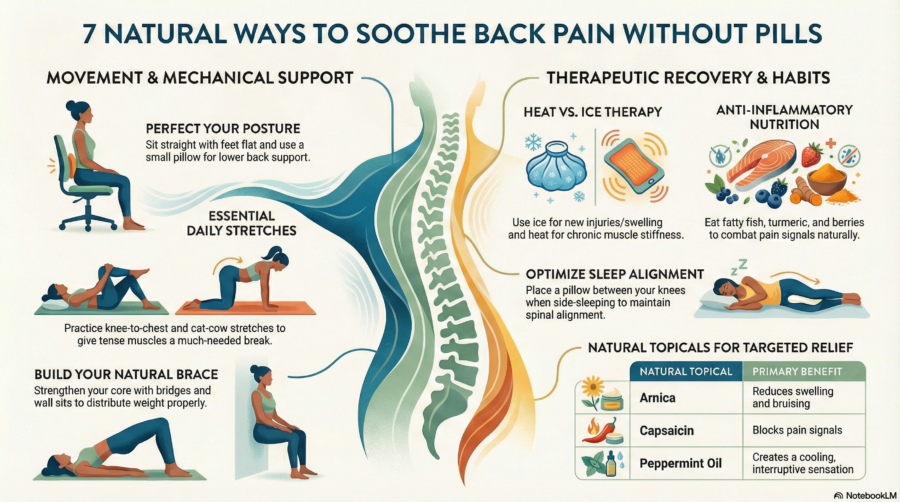
- Sit with your back straight, shoulders relaxed, and head positioned as if balancing a book
- Keep your feet flat on the floor rather than crossing your legs
- Stand with your weight evenly distributed and your shoulders pulled gently back
- Avoid hunching forward, especially when using electronic devices
- Place a small pillow behind your lower back for support when sitting
- Change positions frequently to avoid muscle fatigue
Essential Stretches for Immediate Relief

Stretching for back pain is like giving your muscles a much-needed break. These moves can be done during your favorite TV show or even during short breaks throughout your day:
- Knee-to-chest stretch: Lie down and gently pull one knee toward your chest. Hold for 15-30 seconds, then switch legs.
- Cat-cow stretch: On all fours, alternate between arching your back up and allowing it to gently sag, moving with your breath.
- Child’s pose: A restful position where you kneel and extend your arms forward while sitting back on your heels.
- Gentle spinal twist: Lying down, bring your knees to one side while keeping your shoulders flat against the floor.
Remember: stretching should feel good—like a pleasant release, not painful. Move slowly and respect your body’s limits.
Core Strengthening: Your Back’s Natural Support System

Your core muscles act as your back’s personal support team. When they’re strong, they help distribute weight and pressure properly. When they’re weak, your back takes the brunt of the load.
Add these gentle exercises to your natural treatment for back pain at home routine:
- Bridges: Lie down, bend your knees, and lift your hips toward the ceiling, creating a straight line from shoulders to knees.
- Bird dog: On hands and knees, extend one arm forward while extending the opposite leg backward, maintaining balance and core engagement.
- Partial crunches: A gentler version of crunches that supports your lower back while strengthening abdominals.
- Wall sits: With your back against a wall, slide down until your knees form a 90-degree angle, holding the position to build strength.
- Swimming: Lie on your stomach and alternately lift opposite arms and legs in a gentle, controlled motion.
Start with just a few repetitions and gradually increase as your strength improves.
Heat or Ice: Choosing the Right Temperature Therapy

The choice between hot and cold therapy isn’t just personal preference—each serves a specific purpose in healing back pain.
When to use cold therapy:
- Immediately after an injury to reduce inflammation
- When experiencing swelling or sharp, intense pain
- To temporarily numb the area for relief
- Always wrap ice packs in a thin cloth to protect your skin
When to use heat therapy:
- For chronic pain that’s lingered for weeks
- When muscles feel stiff or tense
- To increase blood flow to the affected area
- Options include heating pads, warm towels, or a relaxing warm bath
Some people find alternating between hot and cold provides the most relief for stubborn back pain.
Anti-Inflammatory Foods for Pain Reduction

Your diet plays a surprising role in managing back pain. Certain foods can either fuel inflammation or help fight it. Stock your kitchen with these back-friendly options:
- Fatty fish like salmon, mackerel, and sardines contain omega-3 fatty acids that combat inflammation
- Colorful berries packed with antioxidants that help reduce pain signals
- Dark leafy greens provide vitamins and minerals that support tissue healing
- Nuts and seeds offer healthy fats and protein for muscle repair
- Olive oil contains compounds that work similarly to non-steroidal anti-inflammatory drugs
- Turmeric and ginger have potent natural anti-inflammatory properties
Meanwhile, consider reducing inflammatory foods like processed items, excessive sugar, and refined carbohydrates that may worsen pain.
Natural Topical Remedies That Actually Work

Modern natural topical remedies can provide significant relief without overwhelming medicinal scents:
- Arnica: A plant-based remedy that reduces pain and swelling from minor injuries
- Capsaicin: Derived from hot peppers, it temporarily blocks pain signals by depleting substance P
- Peppermint oil: Creates a cooling sensation that can interrupt pain pathways
- Lavender oil: Helps relax tense muscles while providing gentle pain relief
- Comfrey: An herb with anti-inflammatory properties that can speed healing
Always perform a small patch test before applying topical treatments widely to ensure you don’t have a sensitivity.
Beginner-Friendly Yoga for Back Pain Relief

Gentle yoga is one of the most effective natural treatments for back pain at home, even for those with limited flexibility. These beginner-friendly poses provide relief without requiring advanced skills:
- Downward-Facing Dog: Creates length in the spine while strengthening the arms and shoulders—a full-body stretch that decompresses the back.
- Sphinx Pose: A gentle backbend that strengthens the spine and opens the chest while being accessible to most beginners.
- Pigeon Pose: Releases tension in the hips that often contributes to back pain, especially for those who sit frequently.
- Supported Bridge: Using a block or pillow under your sacrum provides a gentle inversion that relieves pressure on the spine.
Start with a beginner-focused video specifically for back pain relief and move at your own pace, honoring your body’s limitations.
Self-Massage Techniques to Release Tension
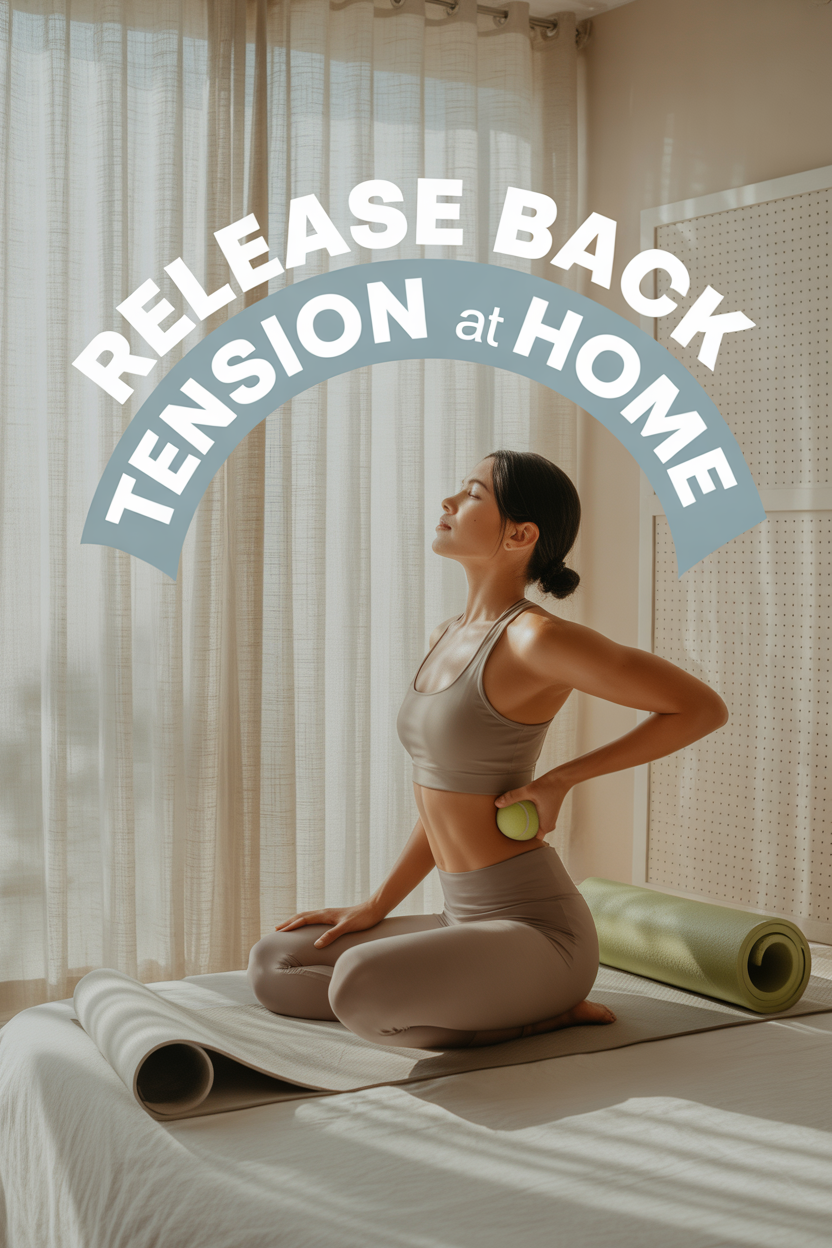
When professional massage isn’t an option, these self-massage techniques can provide significant relief:
- Tennis ball therapy: Place a tennis ball between your back and a wall, then gently roll against it to target tight muscles and trigger points.
- Foam roller techniques: Using a foam roller along your mid and upper back can release tension in hard-to-reach areas.
- Trigger point therapy: Apply sustained pressure to tight knots in accessible muscles until you feel the tension begin to release.
- Gentle kneading: Use your hands to massage the lower back and hips in a circular motion, applying comfortable pressure.
These techniques are most effective when done consistently as part of your daily routine, even when pain isn’t acute.
Creating an Ergonomic Environment

Your surroundings might be secret contributors to your back pain. These ergonomic adjustments can make a significant difference:
- Office chair: Invest in one with proper lumbar support that encourages healthy posture
- Computer setup: Position your screen at eye level to prevent neck strain that can lead to back problems
- Adjustable desk: Alternate between sitting and standing to vary your position throughout the day
- Phone habits: Use speaker or headphones rather than cradling your phone between ear and shoulder
- Lifting technique: Bend at the knees and hips while keeping your back straight when lifting objects
- Kitchen and home organization: Store frequently used items at waist height to minimize reaching and bending
Sleep Positions and Mattress Solutions

How you sleep significantly impacts back health. Optimize your sleep environment with these strategies:
Best sleep positions for back pain:
- Side sleeping with a pillow between knees to maintain spinal alignment
- Back sleeping with a pillow under the knees to reduce pressure on the spine
- Avoid stomach sleeping, which twists the neck and strains the back
Mattress considerations:
- Medium-firm mattresses generally provide the best support for back pain sufferers
- Memory foam or latex materials contour to your body while providing support
- Replace mattresses showing significant wear or sagging in the middle
- Quality mattress toppers can temporarily improve an aging mattress
Many people find their back pain significantly improves with proper sleep positioning and supportive bedding.
Your Long-Term Back Pain Prevention Plan

The best natural treatment for back pain at home is preventing it from returning. These lifestyle habits protect your back for years to come:
- Maintain a healthy weight: Extra weight, especially around the midsection, puts strain on the lower back
- Stay consistently active: Regular movement keeps muscles flexible and strong
- Practice proper body mechanics: Use your legs rather than your back when lifting
- Take movement breaks: Set a timer to remind yourself to stand, stretch, and walk briefly every hour
- Stay well-hydrated: Proper hydration helps maintain spinal disc health
- Avoid smoking: Smoking reduces blood flow to spinal discs, accelerating degeneration
Consistency with these practices yields much better results than sporadic intense efforts followed by neglect.
Natural treatment for back pain at home isn’t just possible—it’s often remarkably effective! By combining proper posture, targeted exercises, anti-inflammatory nutrition, and stress management, you’re building a comprehensive approach to back health.
Remember, healing takes time and consistency. Be patient with your body and celebrate small improvements. With the right approach, you can significantly reduce pain and return to your favorite activities with confidence and comfort.