
7 Natural Pain Relief Techniques That Actually Work, According to Science

The Pain-Free Revolution: Natural Management Techniques You Need

Let’s face it—pain is that uninvited party guest who shows up, raids your fridge, and refuses to leave! But before you reach for that medicine cabinet (again), I’ve got some news that might just make your day: your body has some pretty impressive built-in pain-fighting superpowers! Whether you’re nursing that “I exercised for the first time in years” soreness or dealing with something more persistent, these natural pain management techniques could be your new best friends. Trust me, your body will thank you later!
Pain is your body’s way of sending alert signals—”Hey! Something’s wrong over here!” Those tiny nociceptors send urgent messages through your spinal cord to your brain, which then recognizes the sensation as painful. It’s like an elaborate communication system that ends with you saying “ouch!”
Natural pain relief offers multiple approaches instead of just one solution. While medications often silence pain signals completely, natural methods work to identify the source of pain while reducing its intensity. They reduce inflammation, block pain signals, release those natural painkillers called endorphins, relax tense muscles, and even change how your brain processes pain signals.
Medication vs. Natural Approaches: Understanding Your Options

Medications certainly deserve recognition in pain management. However, natural approaches offer several compelling advantages:
- Fewer side effects on your digestive system and liver
- No risk of dependency or addiction
- Often address the underlying cause rather than just masking symptoms
- Compatible with conventional treatments
- More cost-effective long-term
- Greater personal control over your health management
That said, let’s be realistic—if you’ve just had surgery or suffered a significant injury, natural remedies alone might not provide adequate relief. The ideal approach? Finding the right combination of conventional and natural methods with your doctor’s guidance. It’s not about choosing one over the other—it’s about creating your perfect pain management strategy.
Mindfulness Meditation: Changing Your Brain’s Response to Pain

Mindfulness meditation isn’t just for spiritual practitioners. Research from Johns Hopkins University shows it can reduce pain perception by up to 40% in some individuals—a significant improvement by any standard!
How does it work? You’re training your brain to observe pain with detachment rather than emotional reaction. “I notice that sensation in my lower back.” This breaks the cycle where pain causes stress, which in turn intensifies the pain experience.
Here’s a simple way to start:
- Find a quiet location free from interruptions
- Focus on your natural breathing pattern
- When pain arises, observe it objectively without judgment
- Avoid labeling pain as “terrible” or “unbearable”—it’s simply a sensation
- When your attention wanders, gently redirect it to your breathing
Begin with just 5 minutes daily and gradually increase to 20 minutes for maximum benefit. Consistency is more important than duration—regular short sessions are more effective than occasional longer ones.
Breathwork: Your Built-in Pain Relief System

Changing your breathing pattern can immediately influence how intensely you feel pain. Proper breathing activates your parasympathetic nervous system (your “rest and digest” mode), which naturally dampens pain signals.
Try these breathing techniques when pain strikes:
4-7-8 Breathing: Inhale through your nose for 4 counts, hold your breath for 7 counts, then exhale slowly for 8 counts. This pattern helps reset stress hormones that amplify pain.
Diaphragmatic Breathing: Place one hand on your chest and another on your stomach. Breathe so your belly expands more than your chest. This stimulates the vagus nerve, which helps quiet pain signals.
Box Breathing: Inhale for 4 counts, hold for 4, exhale for 4, hold for 4. Repeat until pain diminishes. This technique works particularly well for pain accompanied by anxiety.
Temperature Therapy: When to Use Hot or Cold for Pain Relief

Both heat and cold therapy can provide significant pain relief, but knowing which to use when makes all the difference.
Heat Therapy works best for:
- Chronic or persistent pain conditions
- Muscle tension and stiffness
- Arthritis discomfort
- Old injuries that periodically flare up
Heat increases blood circulation, relaxes tight muscles, and improves tissue flexibility. Apply for 15-20 minutes using a heating pad, warm towel, or hot bath.
Cold Therapy is more effective for:
- Recent injuries (within the first 48 hours)
- Inflammation and swelling
- Headaches and migraines
- Acute joint pain flare-ups
Cold reduces blood flow, decreases swelling, and numbs nerve endings. Wrap ice in a thin towel and apply for 15-20 minutes, then wait at least 40 minutes before reapplying to prevent skin damage.
Some people find alternating between hot and cold treatments (contrast therapy) particularly effective—it creates a pumping action in the tissues that can significantly reduce pain.
Anti-Inflammatory Foods: How Your Diet Affects Pain

Your kitchen likely contains powerful pain relievers already! What you eat directly influences your body’s inflammation levels, making diet a foundational element of natural pain management. While dietary changes work more gradually than medications, their effects can be more comprehensive and lasting.
Add these inflammation-fighting foods to your meals:
- Fatty fish like salmon and mackerel (rich in omega-3 fatty acids)
- Berries of all varieties (packed with antioxidants)
- Leafy greens like spinach and kale (high in anti-inflammatory compounds)
- Turmeric, which contains curcumin with powerful anti-inflammatory properties
- Ginger, a natural COX-2 inhibitor similar to some pain medications
- Green tea, containing EGCG that reduces inflammatory responses
- Olive oil, which contains compounds similar to ibuprofen
Equally important is reducing inflammatory triggers: processed foods, refined sugars, and excessive red meat. Many people with chronic pain also find significant relief by eliminating gluten or dairy—these dietary changes can be challenging initially but often yield substantial improvements.
Acupuncture and Acupressure: Ancient Techniques With Modern Validation
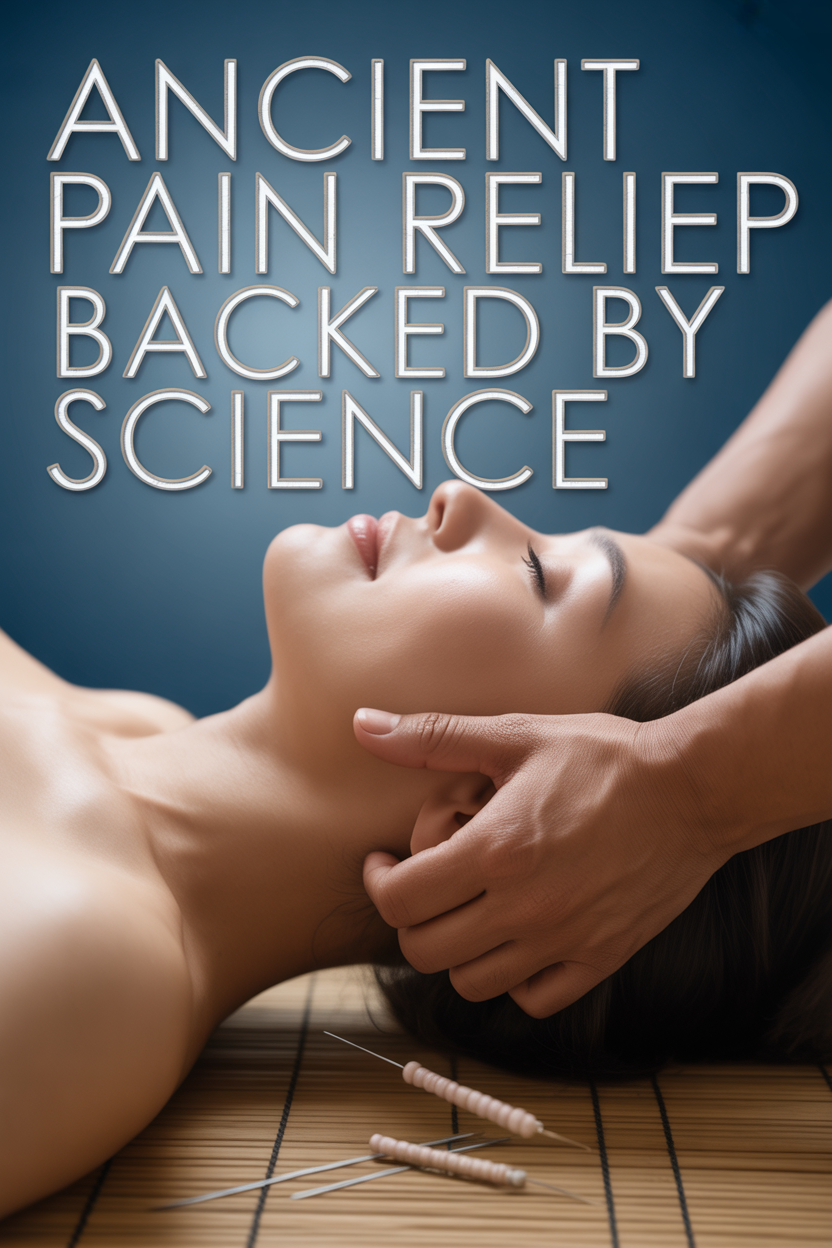
Acupuncture—the strategic placement of thin needles at specific body points—has gained scientific recognition as an effective pain management technique. Even the National Institutes of Health acknowledges its benefits for many pain conditions.
These techniques work through several mechanisms:
- Triggering endorphin release (your body’s natural painkillers)
- Increasing blood flow to injured areas
- Relaxing tight muscles
- Modifying pain signal transmission through your nervous system
If acupuncture isn’t accessible or appealing, acupressure offers a needleless alternative you can practice yourself. Try these pressure points:
- LI4: The web between thumb and index finger (effective for headaches, but avoid during pregnancy)
- GB20: The base of your skull where neck muscles attach (relieves tension headaches)
- B23 and B47: Located about two inches on either side of your spine in the lower back (helps with back pain)
Apply firm pressure for 1-2 minutes while breathing deeply. Some tenderness at the pressure point is normal and often indicates you’ve found the right spot.
Self-Massage Techniques: Hands-On Relief

While professional massage therapy offers tremendous benefits, you can perform many effective techniques yourself between sessions. Self-massage puts you in control of pressure, technique, and timing.
Useful self-massage tools include:
- Tennis or lacrosse balls for targeting trigger points and knots
- Foam rollers for releasing larger muscle groups
- Massage sticks for reaching difficult areas
- Hand-held massagers for when manual pressure becomes tiring
One equipment-free technique is progressive muscle relaxation: Intentionally tense a painful muscle group for 5-10 seconds, then completely release, focusing on the sensation of relaxation that follows. This technique helps muscles relax more completely than they would through conscious effort alone.
Sleep Optimization: Pain Relief While You Rest

Pain and poor sleep create a difficult cycle—pain disrupts sleep quality, and sleep deprivation amplifies pain sensitivity. Breaking this cycle can significantly improve pain management results.
Just one night of inadequate sleep can:
- Lower your pain threshold by 15%
- Increase inflammation throughout your body
- Reduce the effectiveness of other pain management techniques
Improve your sleep with these pain-friendly strategies:
- Maintain consistent sleep and wake times
- Create an optimal sleep environment: cool, dark, and quiet
- Avoid screen time at least one hour before bedtime
- Use pillows strategically to support painful areas
- Practice relaxation techniques before sleep
- Consider sleep-supporting supplements like magnesium if appropriate
For people with chronic pain, improving sleep quality often becomes the foundation of their entire pain management approach. Quality sleep enhances your body’s natural healing processes and improves pain tolerance during waking hours.
Stress Management: Preventing Pain Amplification

Stress and pain intensify each other in a feedback loop. When you’re stressed, your body releases cortisol and adrenaline, which can increase muscle tension and pain sensitivity.
Beyond meditation and breathing techniques, consider these stress-reduction methods:
Biofeedback: This technique uses monitoring devices to provide real-time information about bodily functions like heart rate and muscle tension, allowing you to learn control over these processes. It’s particularly effective for headaches, jaw pain, and fibromyalgia.
Nature exposure: Spending time in natural settings, especially among trees, reduces stress hormones quickly and effectively. Even short periods outdoors can significantly decrease pain perception.
Expressive writing: Journaling about painful experiences for 15-20 minutes several times weekly has been shown to reduce pain intensity. Writing helps process emotions associated with pain.
Social connection: Meaningful social interactions release oxytocin, which counteracts pain. Isolation typically worsens pain, while supportive relationships can significantly improve pain management outcomes.
When to Seek Professional Help

While natural pain management can be remarkably effective, certain situations warrant immediate medical attention. Contact a healthcare provider promptly if you experience:
- Sudden, severe pain without clear cause
- Pain accompanied by unexplained weight loss or fever
- Pain that consistently wakes you from sleep
- Progressive weakness or numbness, especially in limbs
- Changes in bladder or bowel function
- Pain following falls or accidents
For existing pain conditions, consider professional guidance when:
- Pain significantly interferes with daily activities
- Natural methods haven’t provided adequate relief
- You’re taking multiple supplements and medications
- You need personalized advice for your specific condition
Many healthcare providers now integrate conventional treatments with evidence-based natural approaches, offering comprehensive pain management strategies.
Tracking Your Progress: The Key to Optimization

Systematic tracking helps identify which techniques provide the most benefit for your specific pain condition. This information allows you to refine your approach over time.
- Rate your pain (0-10 scale) before and after different interventions
- Note how long relief lasts after each technique
- Identify factors that enhance or reduce effectiveness
- Look for patterns in pain intensity throughout your day or week
- Monitor how sleep, mood, and activity levels change as you implement different approaches
Many pain tracking apps are available, but a simple notebook works effectively. Brief daily notes are more valuable than occasional detailed entries. These records can also significantly improve communication with healthcare providers, enabling more targeted treatment recommendations.
Your Path to Better Pain Management

Natural pain management isn’t about rejecting conventional medicine—it’s about expanding your options with evidence-based approaches that work through different mechanisms. The most effective strategy often combines traditional medical care with complementary natural techniques.
Remember that pain management is highly individualized. What works perfectly for someone else might not work for you, and what helps one type of pain might not affect another. The process requires patience, experimentation, and attention to your body’s responses.
By incorporating these natural approaches into your routine, you’ll likely find you need less medication over time. More importantly, you’ll develop skills that give you greater control over your health. The journey to effective pain management may include some trial and error, but with these tools at your disposal, you’re well-equipped to find your optimal combination of relief strategies.
Movement Therapy: Gentle Exercise That Reduces Pain
Gentle movement practices can actually decrease pain rather than aggravate it. Yoga and tai chi combine physical movement with breathing and mindfulness—a powerful combination for pain management.
Yoga offers multiple benefits for pain conditions:
- Low back pain relief (often more effective than conventional physical therapy)
- Improved joint function in arthritis
- Decreased sensitivity and increased energy for fibromyalgia
- Reduced frequency and duration of tension headaches
Beginner-friendly poses include gentle cat-cow stretches for spine mobility, child’s pose for relaxation, and seated twists for gentle spinal decompression.
Tai Chi, often described as “meditation in motion,” uses flowing movements that improve balance, strength, and body awareness while reducing pain. Its gentle nature makes it accessible even during pain flare-ups.
Both practices are best learned from qualified instructors who understand pain conditions and can provide appropriate modifications. Look for teachers who emphasize proper alignment and comfort rather than pushing through discomfort.
Natural Supplements: Evidence-Based Options
Several natural supplements have substantial research supporting their effectiveness for pain management. Quality matters significantly with supplements, so choosing reputable products is essential.
CBD (cannabidiol) interacts with your endocannabinoid system to help regulate pain signaling. Unlike THC, it doesn’t produce psychoactive effects, making it suitable for daytime use.
Omega-3 fatty acids reduce inflammatory processes throughout the body. They’ve shown effectiveness for conditions ranging from rheumatoid arthritis to menstrual cramps, though consistent use over time is necessary for optimal results.
Glucosamine and chondroitin support joint health and may help with osteoarthritis pain, particularly in the knees and hips. Results vary between individuals, but many find significant improvement.
White willow bark contains salicin, a compound similar to aspirin, and can help with lower back pain and osteoarthritis.
Devil’s claw has demonstrated effectiveness for back pain and arthritis in clinical studies.
Look for supplements tested by independent organizations like USP or NSF International to ensure you’re getting quality products with verified ingredients.
Creating Your Personalized Pain Management Plan
With so many approaches available, the key is finding the right combination for your specific situation. Your ideal plan will be as unique as you are.
Consider these factors when designing your approach:
- Pain type and location: Different pain conditions respond better to specific techniques
- Triggering factors: Identify what consistently worsens your pain
- Practical limitations: Be realistic about what you can consistently implement
- Personal preferences: Choose techniques you’ll actually enjoy using
A well-rounded plan might include:
- Daily quick practices (brief breathing exercises, anti-inflammatory meals, gentle stretching)
- Weekly deeper interventions (yoga classes, longer meditation sessions)
- Strategies for pain flare-ups (temperature therapy, specific pressure points)
- Environmental modifications (ergonomic adjustments, sleep setup improvements)
Track your results to identify what works best. Even simple notes about pain levels before and after different interventions can reveal valuable patterns over time.