
15 Effective Products to Relieve Back Pain: A Comprehensive Guide (That Won’t Break Your Back or Bank!)

15 Effective Products to Relieve Back Pain: A Comprehensive Guide (That Won’t Break Your Back or Bank!)
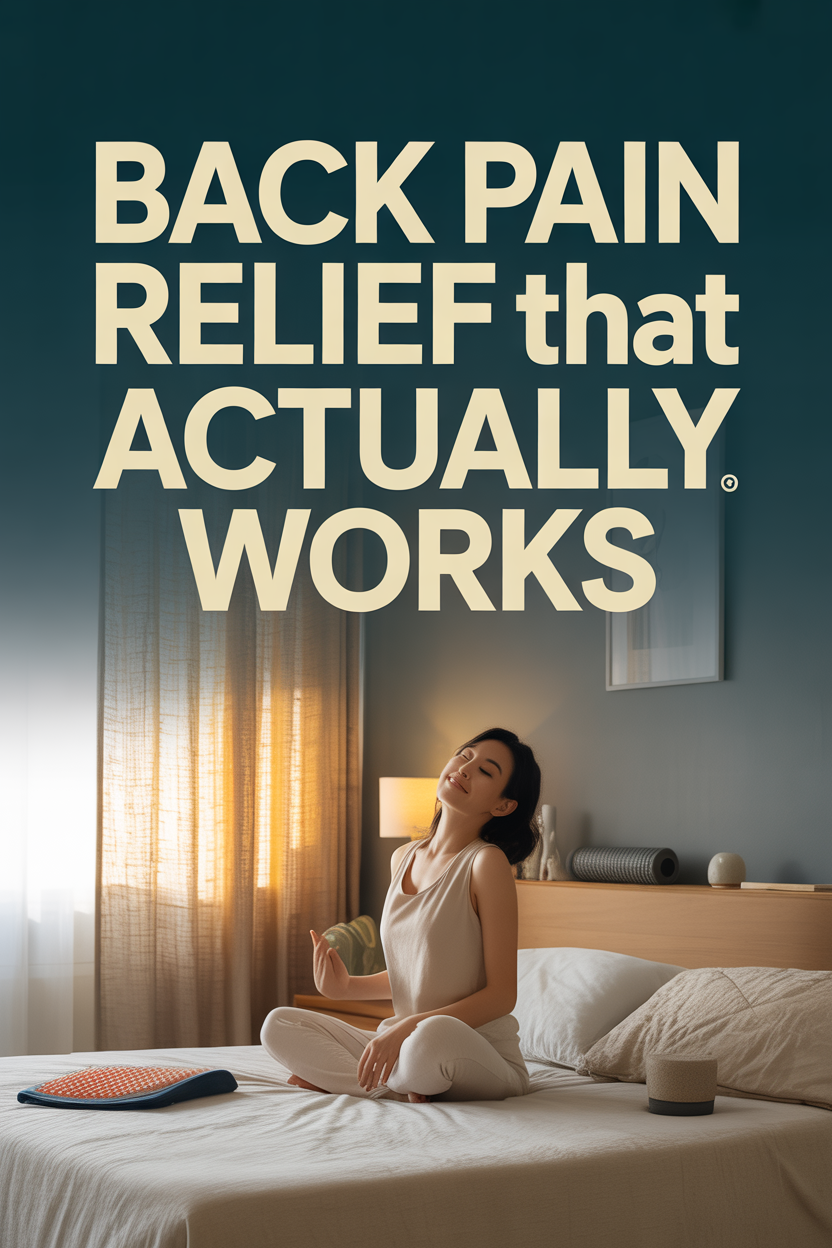
Back pain is a stubborn condition that affects millions of people daily, turning simple tasks like tying shoelaces into challenging events. Whether you’re dealing with a temporary twinge from moving furniture or a chronic condition that’s been troubling you for years, finding the right pain relief products can make a tremendous difference in your quality of life. Let’s explore effective solutions that can help ease your discomfort and get you moving freely again.
Understanding Why Your Back Hurts

Back pain stems from various sources – from muscle strains caused by improper lifting to more serious conditions like herniated discs, arthritis, or osteoporosis. Your lifestyle choices play a significant role too.
Poor posture, ineffective lifting techniques, excess weight, and sedentary habits all contribute to back problems. Identifying the specific cause of your particular discomfort is essential for finding relief that works for your unique situation.
Most back pain falls into one of several categories, each requiring different approaches to treatment.
Recognizing Different Types of Back Pain

Back pain manifests in several distinct forms, each with its own timeline and characteristics:
- Acute back pain: Appears suddenly and typically resolves within six weeks, often following a specific incident
- Subacute back pain: Persists for 6-12 weeks, falling between temporary and chronic categories
- Chronic back pain: Continues for more than 12 weeks, long after the initial cause may have healed
- Radicular pain: Radiates down your leg, commonly known as sciatica
- Referred pain: Feels like it originates in one area but actually stems from another location
Symptoms range from mild, dull aches to sharp, stabbing sensations. You might experience limited mobility, difficulty bending, or pain that worsens with certain movements. Understanding your specific pain pattern helps target effective treatments.
When to Seek Professional Help

While many back pain episodes respond well to self-care, certain warning signs indicate you should consult a healthcare provider promptly:
- Pain resulting from a fall or injury
- Persistent pain that doesn’t improve with rest or over-the-counter remedies
- Pain radiating down your legs, especially below the knee
- Tingling, weakness, or numbness in your legs
- Unexplained weight loss accompanying your back pain
- Fever occurring alongside back pain
- Bladder or bowel control issues
For milder back complaints without these red flags, self-treatment with appropriate products often provides significant relief. However, persistent or worsening pain should always be evaluated by a professional.
Topical Pain Relief Solutions

Direct application treatments can provide quick, targeted relief for many back pain sufferers:
- Menthol/camphor creams and gels: Create cooling or warming sensations that interrupt pain signals
- Lidocaine patches: Deliver numbing medication directly to painful areas
- CBD-infused topicals: May reduce inflammation with minimal side effects
- Capsaicin products: Use compounds from hot peppers to desensitize pain receptors
- Arnica gels: Offer natural anti-inflammatory properties for bruising and soreness
Apply these products directly to your trouble spots several times daily according to package directions. Remember that more isn’t necessarily better – follow recommended dosages carefully.
Effective Oral Medications

When you need relief throughout your body, oral medications can help address pain and inflammation:
- NSAIDs: Ibuprofen and naproxen reduce both pain and inflammation
- Acetaminophen: Relieves pain without addressing inflammation, making it suitable for those who can’t tolerate NSAIDs
- Aspirin: An effective pain reliever that requires caution due to bleeding risks
- Muscle relaxant combinations: Help release tension in tightly contracted back muscles
Despite their availability without prescription, these medications require careful use. Follow dosage instructions carefully and consult your doctor if you take other medications or have underlying health conditions.
Heat Therapy for Persistent Pain
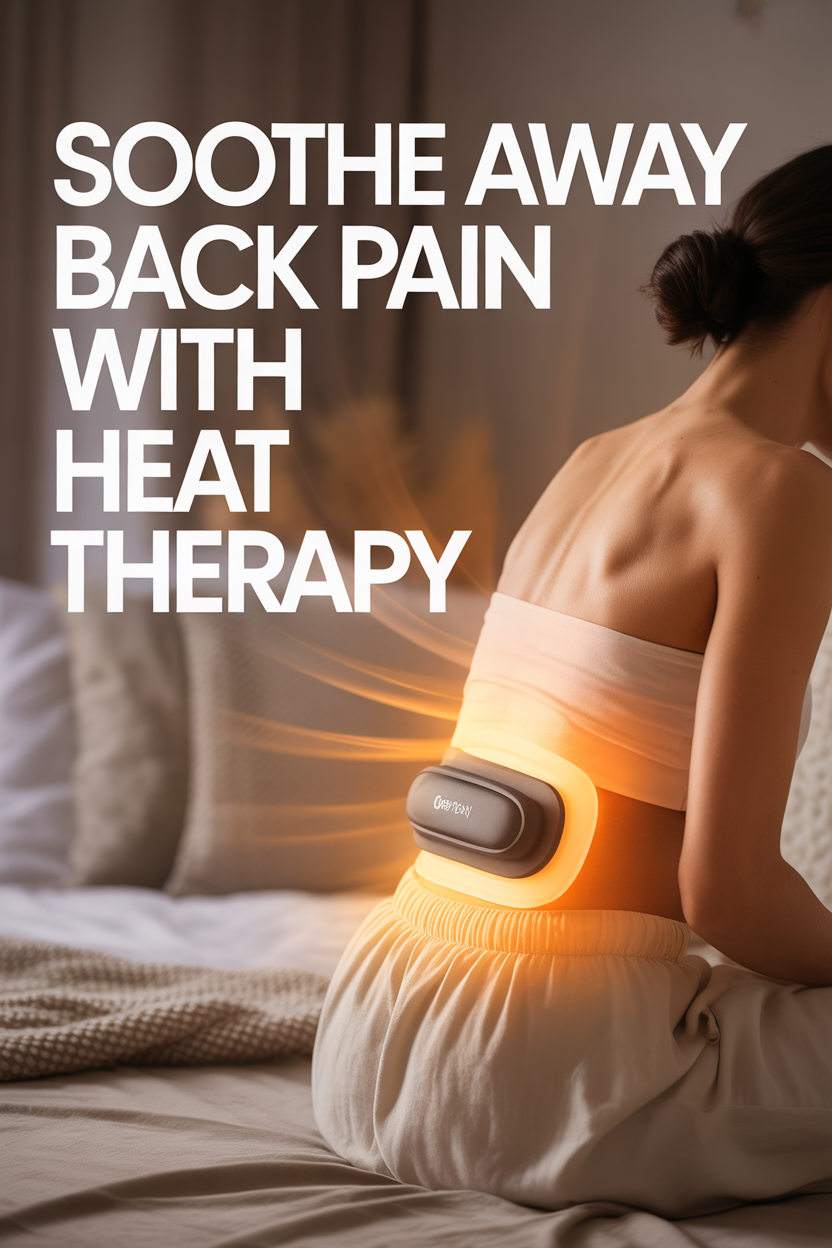
Heat therapy increases blood flow to tight, painful muscles, promoting relaxation and healing:
- Electric heating pads: Provide adjustable, consistent warmth with automatic shut-off features
- Microwavable heat packs: Offer portable warmth filled with rice, flaxseed, or gel
- Heat wraps: Allow mobility while delivering continuous heat therapy
- Hot water bottles: Provide simple, effective relief without requiring electricity
- Infrared heating devices: Penetrate deeper tissues than conventional heat sources
Heat works particularly well for chronic aches and morning stiffness. Apply for 15-20 minute sessions several times daily for optimal results. Heat should feel comfortably warm, never painfully hot.
Cold Therapy for Fresh Injuries
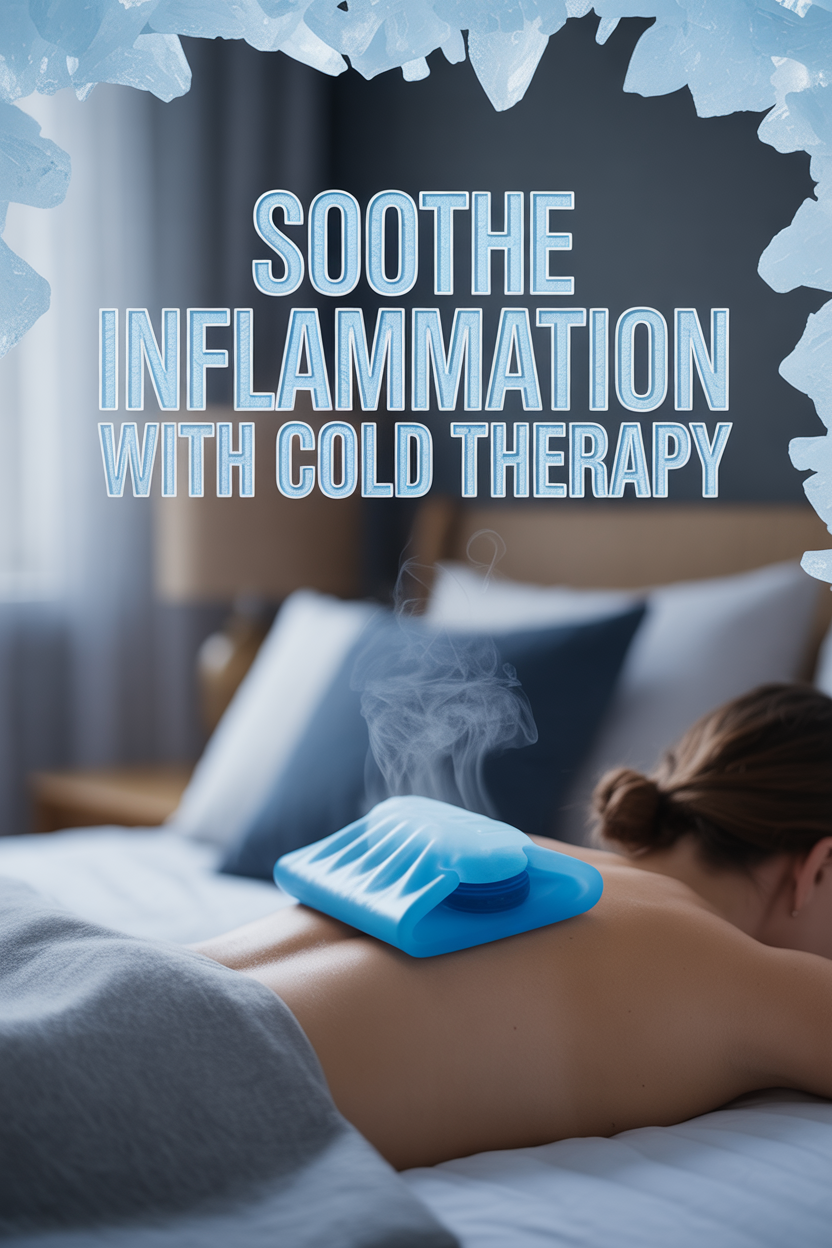
Cold therapy excels at reducing inflammation, especially in the early stages after injury:
- Gel ice packs: Remain flexible when frozen, conforming to body contours
- Frozen towels: Provide an inexpensive, effective cold therapy option
- Cold therapy wraps: Allow hands-free cooling during daily activities
- Cooling sprays: Deliver immediate, short-term relief through evaporation
- Combination cold/compression systems: Reduce both inflammation and swelling simultaneously
Always wrap cold sources in a thin cloth to protect your skin, and limit applications to 15-20 minutes at a time. Cold therapy is most effective during the first 48-72 hours after an injury or pain flare-up.
Supportive Devices for Stability
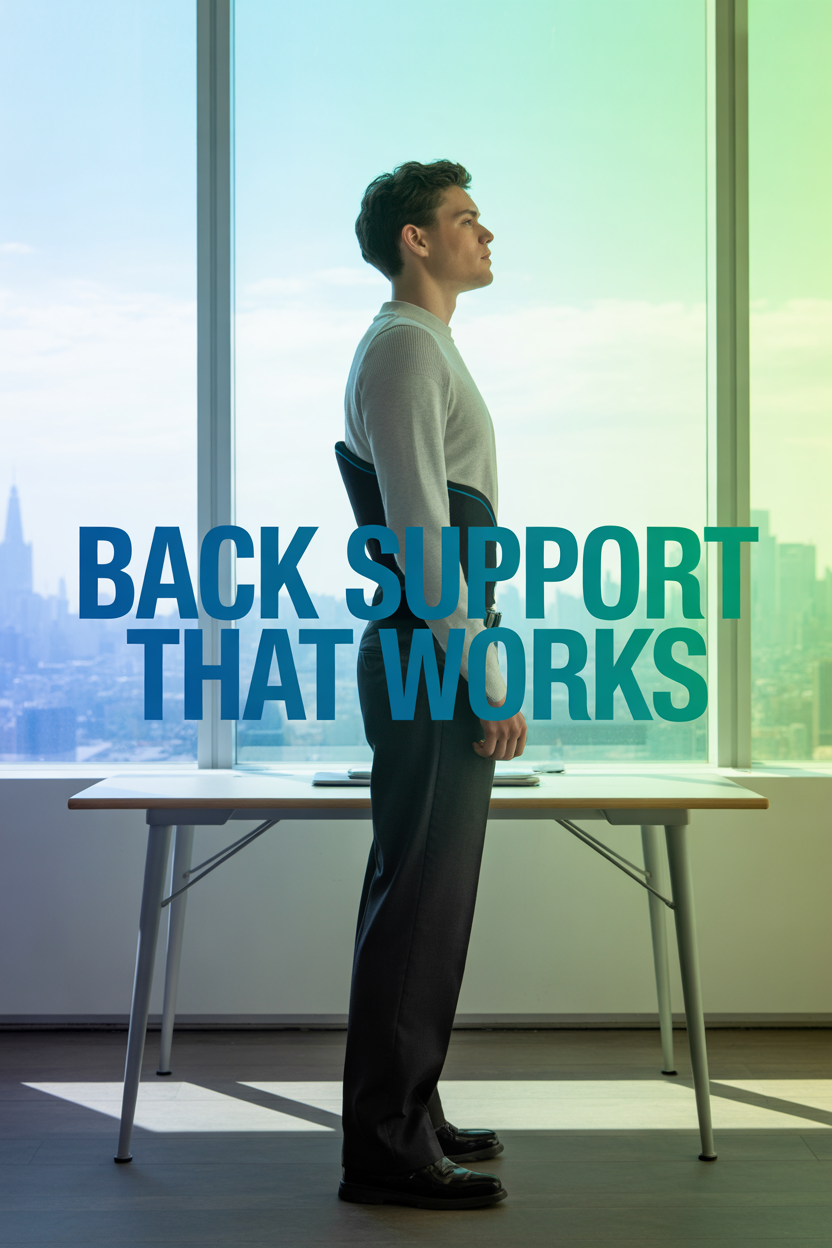
When your back needs additional structural support:
- Lumbar support belts: Provide compression and support for the lower back
- Posture correctors: Guide your spine into proper alignment during daily activities
- Sacroiliac joint belts: Target stabilization of the SI joint specifically
- Full back braces: Offer comprehensive support for more serious conditions
- Compression garments: Provide discreet support under regular clothing
Use these devices strategically rather than continuously. Prolonged, constant use without professional guidance can lead to muscle weakness as your body becomes dependent on external support.
Ergonomic Solutions for Prevention
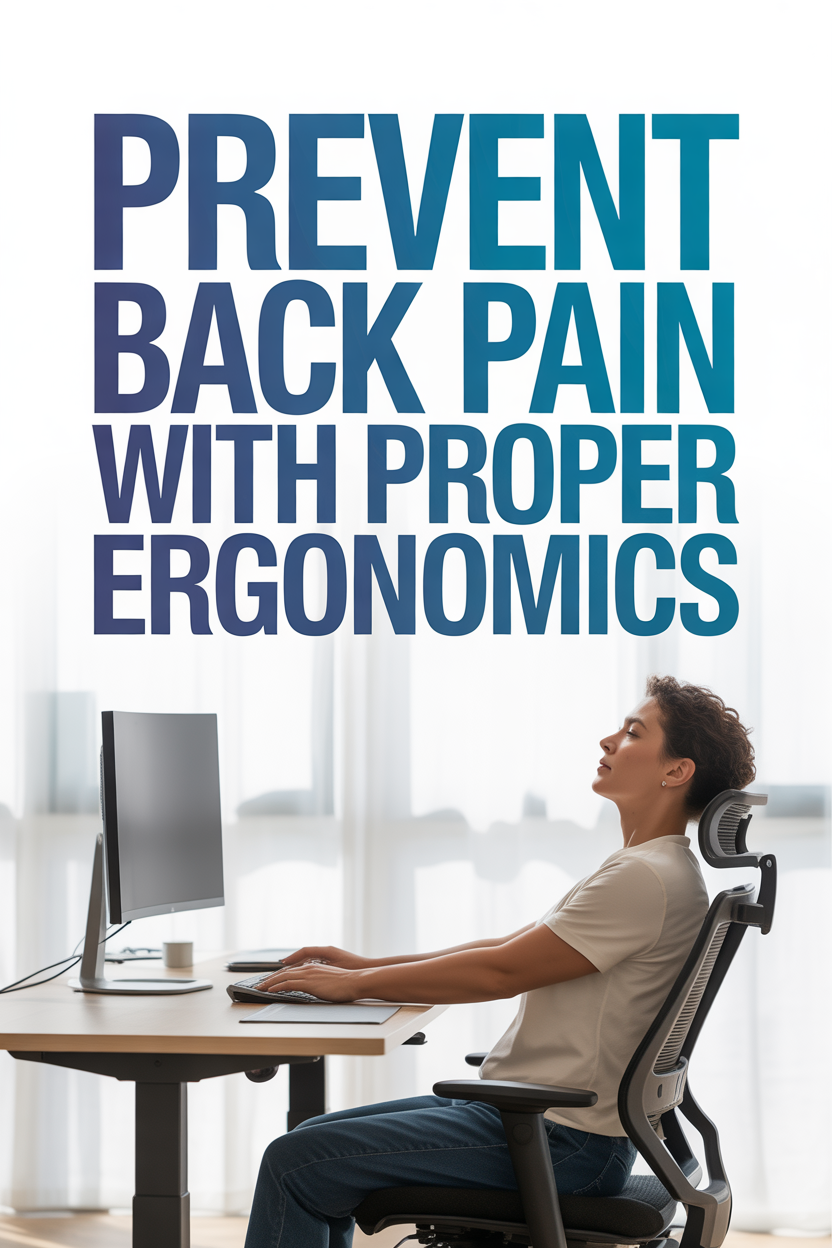
Proper ergonomics helps prevent back pain before it begins:
- Ergonomic office chairs: Support proper spinal alignment during long work sessions
- Standing desks: Allow alternating between sitting and standing throughout the day
- Lumbar cushions: Add support to existing chairs that lack proper back contours
- Footrests: Reduce pressure on the lower back by supporting proper leg positioning
- Monitor stands: Position screens at eye level to prevent neck and upper back strain
- Ergonomic keyboards and mice: Reduce tension that can travel from wrists to shoulders and back
The effectiveness of ergonomic products depends entirely on using them correctly and consistently. Take time to adjust your equipment properly and maintain good posture throughout the day.
Sleep Solutions for Overnight Recovery

Since you spend approximately one-third of your life in bed, your sleeping setup significantly impacts back health:
- Medium-firm mattresses: Provide the ideal balance of support and comfort for most back pain sufferers
- Memory foam mattresses: Contour to your body’s unique shape, filling gaps and supporting curves
- Latex mattresses: Offer responsive support with environmentally friendly materials
- Adjustable beds: Enable customized positioning to relieve pressure on problem areas
- Cervical pillows: Support proper neck alignment to prevent strain on the entire spine
- Body pillows: Help side sleepers maintain proper spinal alignment throughout the night
- Lumbar pillows: Provide targeted support for the lower back during sleep
Finding the right sleep surface is highly individual. Take advantage of trial periods offered by many manufacturers to find what works best for your specific needs and sleep style.
Massage Tools for Muscle Relief
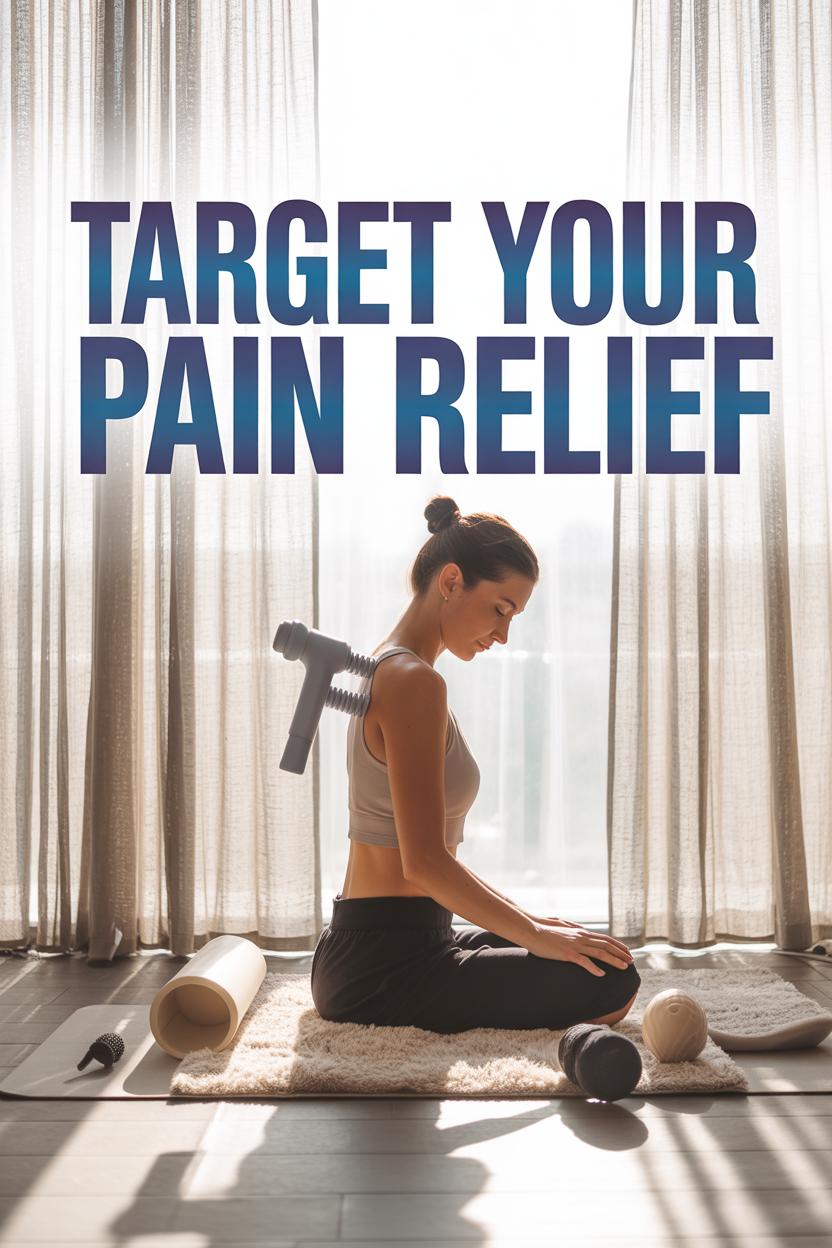
Self-massage tools help release tension between professional treatments:
- Foam rollers: Allow you to apply pressure to tight muscles through body weight
- Massage guns: Deliver percussive therapy that penetrates deep into muscle tissue
- Massage balls: Target specific trigger points with precise pressure
- Extended-reach tools: Access difficult-to-reach areas of the back independently
- Shiatsu massage pillows: Provide automated kneading massage while you relax
- Acupressure mats: Stimulate multiple pressure points simultaneously
Begin gently with any massage tool, gradually increasing intensity as your muscles adapt. Consistent, moderate use typically produces better results than occasional intense sessions.
Electrical Stimulation for Pain Interruption
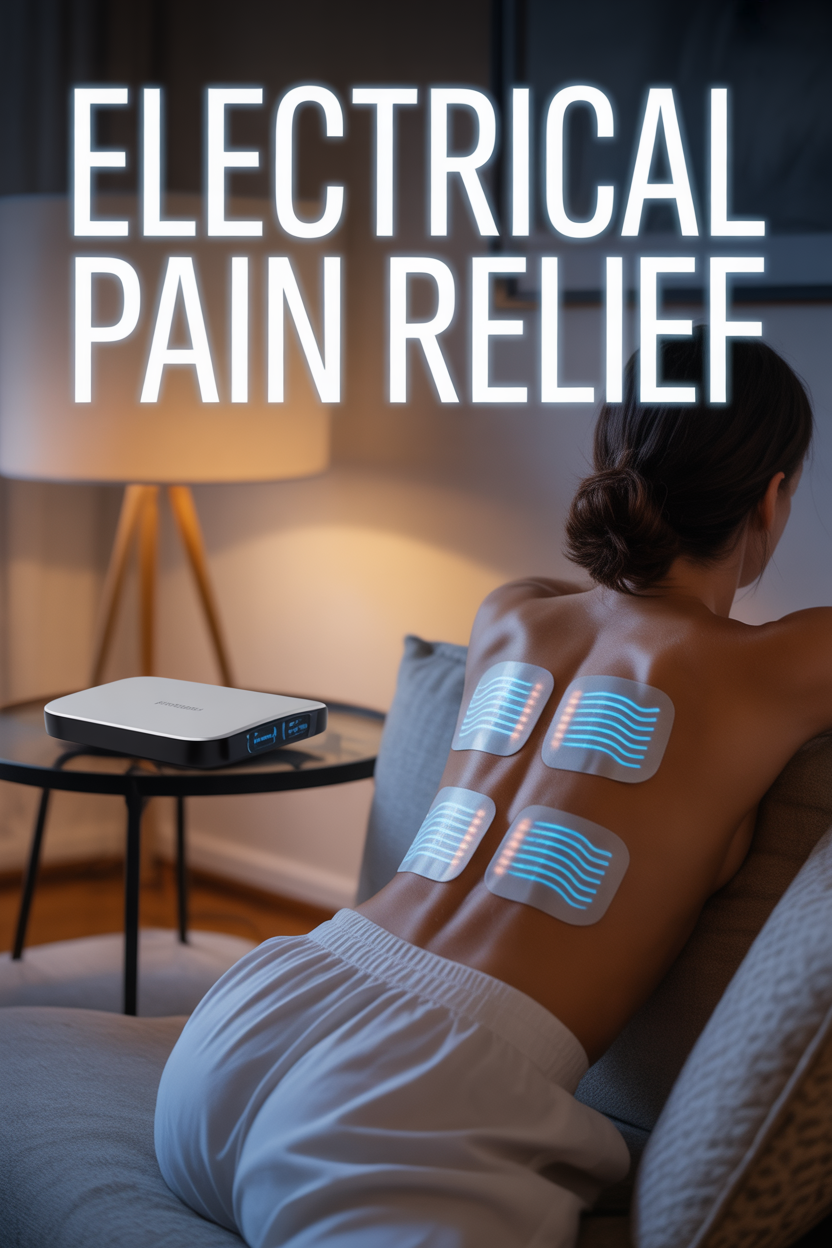
These devices use mild electrical current to modify pain signals or stimulate natural pain relief:
- Portable TENS units: Send controlled electrical pulses through adhesive pads placed on painful areas
- Wireless TENS devices: Provide the benefits of electrical stimulation without limiting mobility
- TENS garments: Incorporate electrodes directly into wearable supports
- Combination units: Offer both pain relief and muscle strengthening functions
- App-controlled devices: Allow precise customization of treatment parameters
TENS therapy works either by blocking pain transmission or by stimulating endorphin release. While available without prescription, proper electrode placement and intensity settings maximize effectiveness and comfort.
Strengthening Equipment for Long-Term Relief
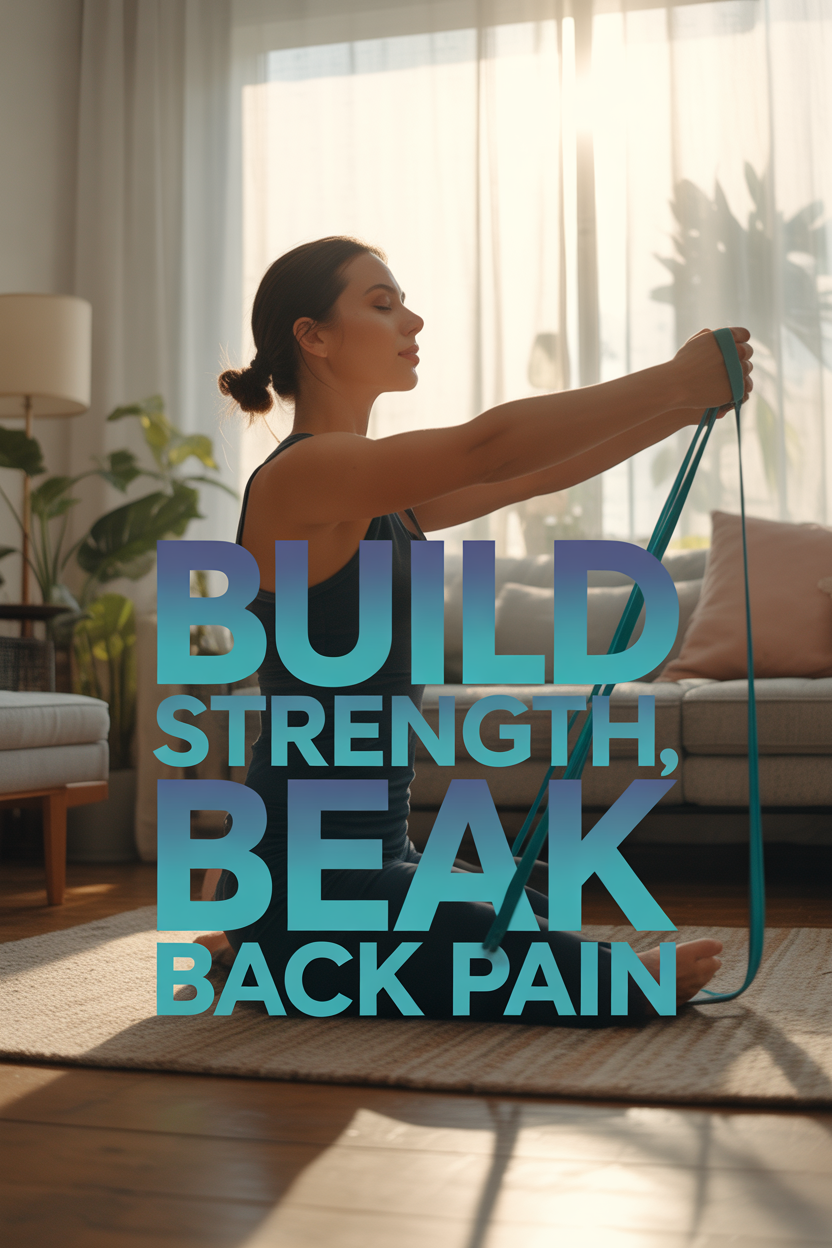
Building a stronger, more resilient back provides lasting protection against pain:
- Stability balls: Engage core muscles during both sitting and exercise
- Resistance bands: Allow progressive strength training with minimal storage space
- Back extension benches: Focus specifically on lower back strengthening
- Inversion tables: Create gentle spinal decompression through controlled inversion
- Yoga props: Make therapeutic postures accessible even during pain episodes
- Core training devices: Strengthen the natural muscular support system around your spine
Proper form is crucial when using any strengthening equipment. Consider working with a physical therapist or qualified trainer initially to learn correct techniques that will prevent further injury.
Natural and Alternative Approaches
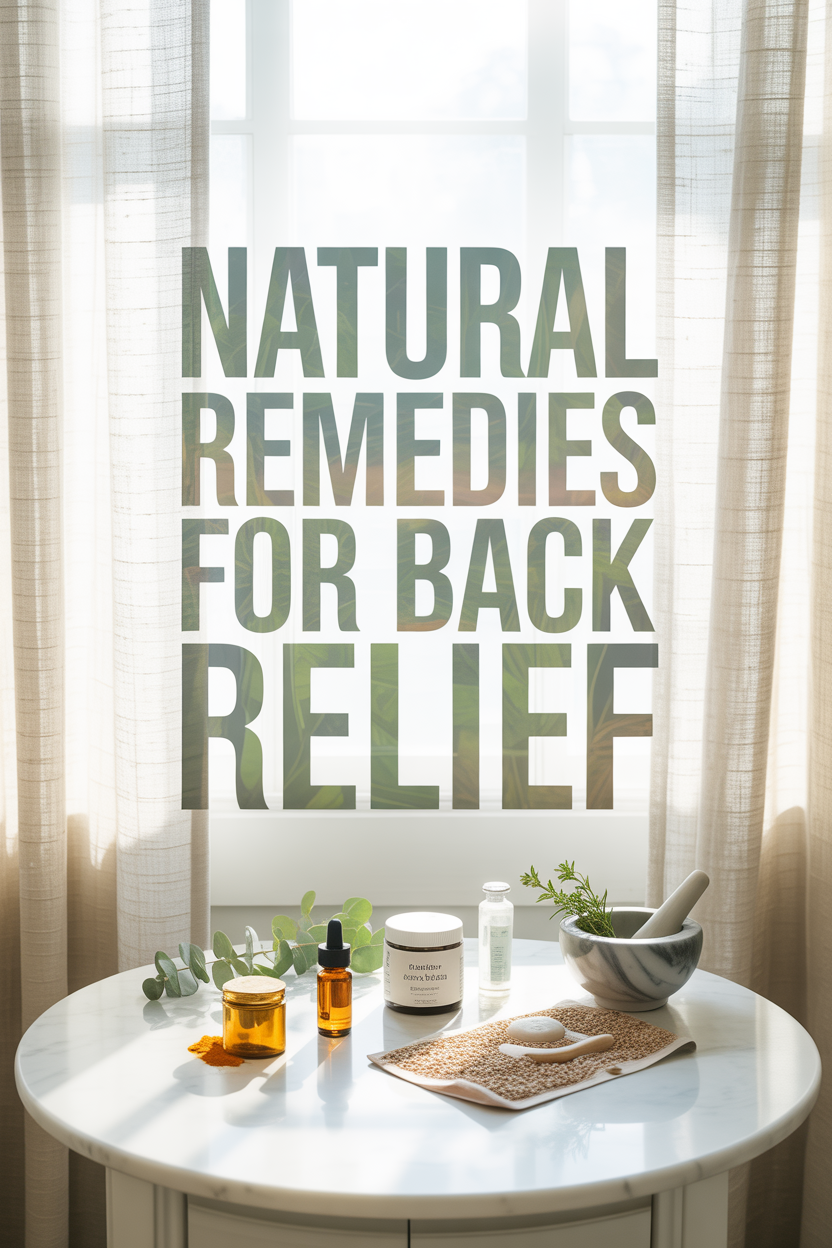
Complementary treatments can enhance conventional approaches to back pain:
- Turmeric supplements: Contain curcumin, which may reduce inflammation naturally
- Magnesium products: Help relax tense muscles and support nerve function
- Willow bark supplements: Contain salicin, a natural compound similar to aspirin
- Essential oils: Include peppermint, eucalyptus, and lavender for topical pain relief
- Acupressure tools: Stimulate specific points associated with pain relief
- Herbal heat patches: Combine warming effects with plant-based anti-inflammatories
- CBD products: May reduce inflammation and pain through interaction with the endocannabinoid system
Consult your healthcare provider before adding supplements to your regimen, especially if you take prescription medications. Natural products can have powerful effects and potential interactions that require monitoring.
Creating Your Comprehensive Pain Relief Strategy
The most effective approach to back pain often combines multiple solutions tailored to your specific needs:
- For acute pain: Ice, gentle support, and appropriate pain medication provide initial relief
- For chronic pain: Alternating heat, TENS, and massage throughout the day maintains comfort
- For prevention: Ergonomic improvements, quality sleep surfaces, and consistent strengthening build resilience
- For around-the-clock relief: Different tools for daytime activity versus nighttime rest ensure continuous care
- For activity-specific needs: Targeted support varies based on whether you’re working, exercising, or relaxing
Track your results in a pain journal to identify which combinations work best for your particular condition. Your optimal solution may change as your back pain evolves or responds to treatment.
Finding effective back pain solutions requires some experimentation, but the right combination can dramatically improve your comfort and function. Quick-fix products work best as part of a comprehensive strategy that addresses the underlying causes of your discomfort.
For persistent or severe pain, partner with healthcare professionals who can guide your product choices and overall treatment plan. With patience and the right tools, you can significantly reduce your back pain and return to activities you enjoy without constant discomfort.