
Glowing or Growling? Understanding Red Light Therapy’s Breakout Effect
Is Red Light Therapy Causing a Breakout? The Lowdown on “The Purge”

Hello, skincare enthusiasts! 👋 If you’ve been exploring the world of wellness, you’ve likely seen red light therapy glowing on your radar. It’s a fantastic tool for encouraging radiant, healthy skin.
While many people report skin that’s practically singing with joy, others face a temporary breakout when they first begin. Don’t panic! This is often a normal part of the process, sometimes called a “skin purge.”
I’m here with your guide to understanding why your skin might throw a little tantrum before it starts to glow. Let’s illuminate this situation together!
What Is Red Light Therapy and How Does It Work?

Red light therapy (RLT), also known as photobiomodulation, uses specific wavelengths of red light to penetrate your skin. Unlike UV light, it doesn’t burn or damage your skin. Instead, it acts like a gentle cheerleader for your cells.
Fun fact: NASA originally explored this technology for growing plants in space! As research shows, its journey from helping space lettuce to becoming a skincare star is quite a story. 🚀
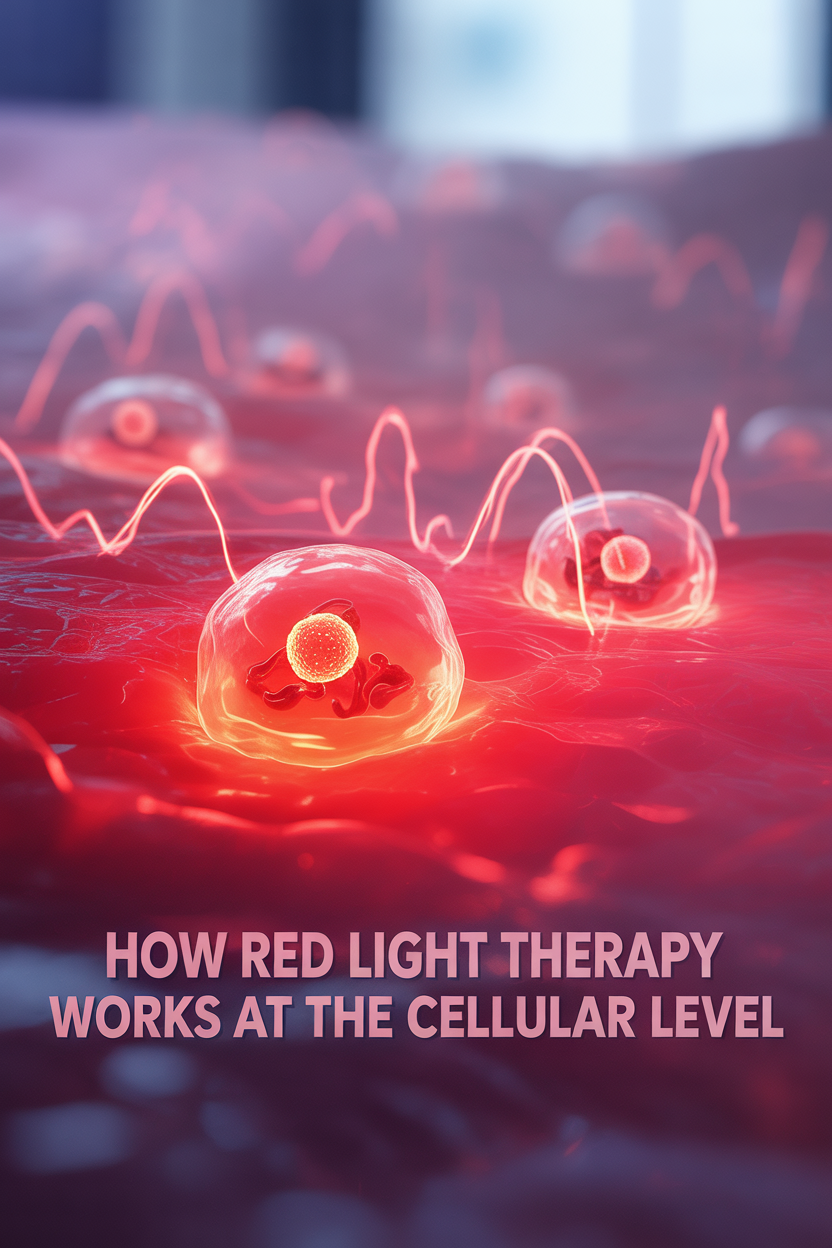
These light beams travel below your skin’s surface, where your mitochondria absorb them. This absorption stimulates ATP (adenosine triphosphate) production, which is the fuel your cells run on. This process empowers them to work more efficiently and repair themselves.
This boost in cellular energy can lead to increased collagen production, giving you plumper skin and fewer fine lines. It also enhances blood circulation, delivering vital oxygen and nutrients to your skin cells.
RLT is also celebrated for reducing inflammation, which helps calm skin conditions like rosacea and eczema. It can speed up your skin’s natural healing process and even help regulate oil production.
Reputable scientific journals like Seminars in Cutaneous Medicine and Surgery have published studies showing significant improvements in skin appearance with regular use. Science for the win! 🔬
Is It a Purge or a Problem? How to Tell the Difference

Now for some detective work: how do you know if your skin is just purging or if it’s genuinely having a bad reaction? Let’s look at the clues.
One sign you’re just purging is that breakouts appear in your usual acne-prone areas. These are your skin’s regular spots of rebellion.
With purging, pimples tend to come to a head and disappear faster than your typical breakouts. Your skin should also show gradual improvement after this initial breakout phase.
A normal purge doesn’t involve severe pain, extreme redness, or swelling—just the usual acne annoyances. This is a sign the process is working as it should.
However, signs of an adverse reaction include breakouts in odd places where you’ve never had acne before. You might also experience severe irritation, hives, a rash, or a burning sensation.
If your skin continues to get worse beyond six weeks, it’s likely not a purge. A purge should have an end date. If you suspect an adverse reaction, pause your treatment and chat with a dermatologist. For more on safe usage, this guide can help. 👩⚕️
Why Might Breakouts Happen During Red Light Therapy?

Several factors can contribute to breakouts during your red light journey. Accelerated cell turnover is the primary cause of a purge, as it brings hidden congestion to the surface.
Some devices generate gentle warmth, which might temporarily trigger your oil glands to increase production.
A dirty device can also be a culprit. If not cleaned properly, it can harbor bacteria that contribute to breakouts.
The products you use matter, too. As skincare experts explain, some ingredients, particularly those that are photosensitizing, may not react well with light exposure.
Finally, if you have pre-existing skin conditions, your skin might need time to adjust, which can cause temporary flare-ups. Understanding these potential issues can help you minimize your breakout risk.
How to Prepare Your Skin for a Flawless Session

Setting your skin up for success before red light therapy is like preparing for a first date—you want to make a good impression!
Always cleanse thoroughly before your session. Remove all makeup, sunscreen, and skincare products that might block the light.
Temporarily pause the use of retinoids, alpha hydroxy acids (AHAs), and other photosensitive ingredients right before treatment.
Incorporate gentle exfoliation one to two times a week, but not immediately before a session, to prevent dead skin buildup.
Avoid heavy moisturizers and oils right before your session, as they can create a barrier the light can’t penetrate. Post-treatment, stick to lightweight, non-comedogenic products.
Most importantly, clean your device! Make sure your gadget is sanitized before each use, as hygiene is crucial. Following these prep steps helps you get the most out of your session while reducing the chances of a breakout. ✨
What’s the Right Red Light Therapy Schedule for Clear Skin?

Finding the perfect treatment schedule is like finding the ideal coffee strength—too little has no effect, while too much can make you jittery!
If you’re a beginner, start with just one to two sessions per week for 5-10 minutes each. This gives your skin time to acclimate.
As your skin builds tolerance, you can gradually work your way up to 3-5 sessions weekly. Always give your skin at least 24 hours to rest between treatments.
For maintenance, most sources suggest 3-5 sessions weekly for 10-20 minutes is the sweet spot. Consistency is more important than duration—short, regular sessions are more effective than long, infrequent ones.
You might notice subtle improvements within two to four weeks. The most noticeable results typically appear after 8-12 weeks of consistent use.
Remember, more isn’t always better! Overdoing it can potentially irritate your skin. It’s light therapy, not a light marathon! 🏃♀️💡
How to Fit Red Light Therapy Into Your Skincare Routine

Integrating red light therapy into your regimen is like adding a new instrument to a band—timing and harmony matter!
Always start with freshly cleansed skin before treatment. Skip any products that could block light, such as serums, creams, or oils.
After your session is the perfect time to apply hydrating, non-comedogenic products. Your skin is extra receptive at this point.
Look for products with soothing ingredients like hyaluronic acid, niacinamide, or ceramides. It’s best to wait a bit before using strong active ingredients like retinoids or potent acids. Experts often advise leaving a buffer period, especially for sensitive skin.
Ingredients that play nicely with red light therapy include hyaluronic acid, peptides, and Vitamin C (for morning routines). Gentle exfoliants a few times a week, on days you’re not using RLT, can also be helpful.
Your Game Plan for Managing a Skin Purge

Let’s create a strategy to keep those pesky breakouts at bay. Start slowly with shorter, less frequent sessions—like dipping your toes in a pool before doing a cannonball.
Clean your device before and after each use. Be consistent with your treatments, as an irregular schedule can confuse your skin.
Hydrate like it’s your job! Drinking plenty of water supports skin health from the inside out. You might also consider a device that pairs red and blue light, as blue light is known to target acne-causing bacteria.
If a purge happens, try not to panic or quit. Keep your hands off your face to avoid scarring and more inflammation.
You can dial back your treatment frequency until things calm down. Spot treat blemishes with ingredients like salicylic acid and moisturize with gentle, non-comedogenic formulas.
Try hydrocolloid patches to gently extract impurities from pimples while protecting them. For more tips, check out this guide on managing skin purging. Be patient and give your skin 4-6 weeks to adjust.
Need some inspiration? Real-life stories show the “worse before it gets better” phase is often worth it.
Sarah, 34, confesses: “I nearly threw in the towel after two weeks. But after reading about purging, I stuck it out. By week six, my skin was clearer than it had been since college!”
Michael, 42, shares: “The first month was rough with some flare-ups, but I stayed the course. After three months, my active breakouts mostly vanished, and many of my acne scars had faded.”
Who Should Be Cautious with Red Light Therapy?

While red light therapy is generally safe, it’s not for everyone. People with photosensitivity disorders, such as lupus, should get medical guidance first.
If you’re taking certain antibiotics, retinoids, or other photosensitizing medications, your skin may be more reactive to light.
For those with severe, active acne, it may be best to get breakouts under control before introducing a new treatment.
If you have a history of skin cancer, always check with your dermatologist before starting any new skin therapy.
As clinical guidance suggests, it’s best to be cautious during pregnancy, as there is limited research on RLT’s effects in this case.
When in doubt, a quick consultation with a dermatologist can help determine if this treatment is a good fit for you. Better safe than sorry! 🔍
What Are Some Other Light Therapies for Acne?

If red light therapy and your skin aren’t getting along, don’t despair! The American Academy of Dermatology acknowledges other light therapies that can be effective for acne-prone skin.
Blue light therapy is known for targeting acne-causing bacteria. This light destroys C. acnes bacteria, and it’s less likely to trigger purging.
Combination red and blue light devices offer a dynamic duo for skincare. They combine the anti-inflammatory benefits of red light with the bacteria-fighting powers of blue light.
Green light therapy is an emerging option for helping with hyperpigmentation and discoloration left behind by breakouts.
Yellow light therapy is a gentle choice for sensitive skin that helps reduce overall redness and calm irritation.
For more severe cases, a dermatologist can perform professional photodynamic therapy (PDT), which combines light with a photosensitizing agent for powerful results.
When Is It Time to Call a Dermatologist?

While some purging is normal, certain situations signal it’s time to get professional help. Call a dermatologist if breakouts stick around for more than six to eight weeks or you develop severe, painful cystic acne.
You should also seek help for unusual reactions like hives, extreme redness, or a burning sensation. A dermatologist can determine if your skin’s response is normal, suggest changes to your routine, or recommend alternative treatments for your unique needs.
Working with a professional ensures you’re navigating any bumps in the road safely and effectively! Have you tried red light therapy? Share your glowing stories in the comments below!
Who Should Approach Red Light Therapy With Caution

While red light therapy is generally well-tolerated, these groups should proceed with extra care:
- People with photosensitivity disorders: Conditions like lupus or porphyria may be aggravated by light therapy.
- Those taking photosensitizing medications: Antibiotics, retinoids, or other drugs might make your skin more reactive to light.
- Individuals with severe active acne: It may be better to get major breakouts under control first before adding another variable.
- People with rosacea: Start with very brief, gentle sessions to monitor how your easily-flushed skin responds.
- Skin cancer survivors: Consult with your dermatologist before beginning treatment.
- Pregnant women: While no problems have been reported, research on red light therapy during pregnancy is limited.
When in doubt, a consultation with a dermatologist can help determine if this treatment is appropriate for your specific skin concerns.
Can Red Light Therapy Actually Cause Acne?
Here’s where things get interesting. Despite its impressive benefits, some users report breakouts after starting red light therapy. It’s the skincare equivalent of an “it’s complicated” relationship status.
While many people successfully use RLT to improve acne, others see a temporary increase in blemishes. This apparent contradiction comes down to a process called “skin purging.”
Purging happens when increased cell turnover brings clogged pores hiding under the surface to light faster than they normally would. Because red light therapy can speed up cell turnover, it pushes this underlying gunk to the surface.
During this “skin spring cleaning,” those invisible microcomedones (the very beginning of a pimple) suddenly mature and become visible. Existing clogged pores might get more inflamed before clearing out, like a traffic jam that gets worse before it resolves.
This purging phase typically lasts between two to six weeks while your skin adjusts. As experts note, you might see more breakouts, but they generally clear up faster than regular acne. If you can hang in there, it’s often worth it! 🌟
When Professional Help Is Needed
While some breakouts during red light therapy are normal, seek professional guidance if you experience:
- Breakouts that persist beyond 6-8 weeks of treatment
- Severe, painful cystic acne developing after starting therapy
- Unusual skin reactions like hives, extreme redness, or burning sensations
- Breakouts in areas where you’ve never had acne before
- Worsening of pre-existing skin conditions like rosacea or eczema
- Development of dark spots or other discoloration
- Discomfort that significantly affects your daily life
A dermatologist can help determine whether your skin’s response is normal, suggest adjustments to your treatment approach, or recommend alternatives better suited to your unique skin needs.
Remember, while red light therapy has shown impressive results for many skin conditions, everyone’s skin responds differently. Working with a skincare professional ensures you’re getting the most appropriate treatment for your specific concerns and helps you navigate any challenges along the way.
Have you tried red light therapy? Share your experience in the comments below, especially if you encountered breakouts and how you handled them!