
The Silent Waves That Silence Pain: Inside Ultrasound Massagers

What Is an Ultrasound Massager?
This innovative device uses low-intensity sound waves to reach the hidden layers beneath the skin.
Unlike a traditional massager that works on the surface, the ultrasound massager sends gentle vibrations through the tissue, easing tightness, loosening sore muscles, and improving blood flow.
Most models come with a handheld head and a pad that you place on the trouble spot.
You’ll find them available in battery-powered or plug-in options, giving you flexibility wherever you need relief.
How Ultrasound Therapy Works in the Body
The science behind ultrasound is straightforward. Those sound waves you can’t hear still create movement in your tissues.
When they reach muscle cells, they generate tiny vibrations—just enough to reduce inflammation, smooth out scar tissue, and enhance circulation.
It delivers a gentle, non-invasive deep massage, perfect for when surface treatments aren’t effective enough.
This therapy targets issues at their source, not just masking symptoms on the surface.
Types of Ultrasound Massagers
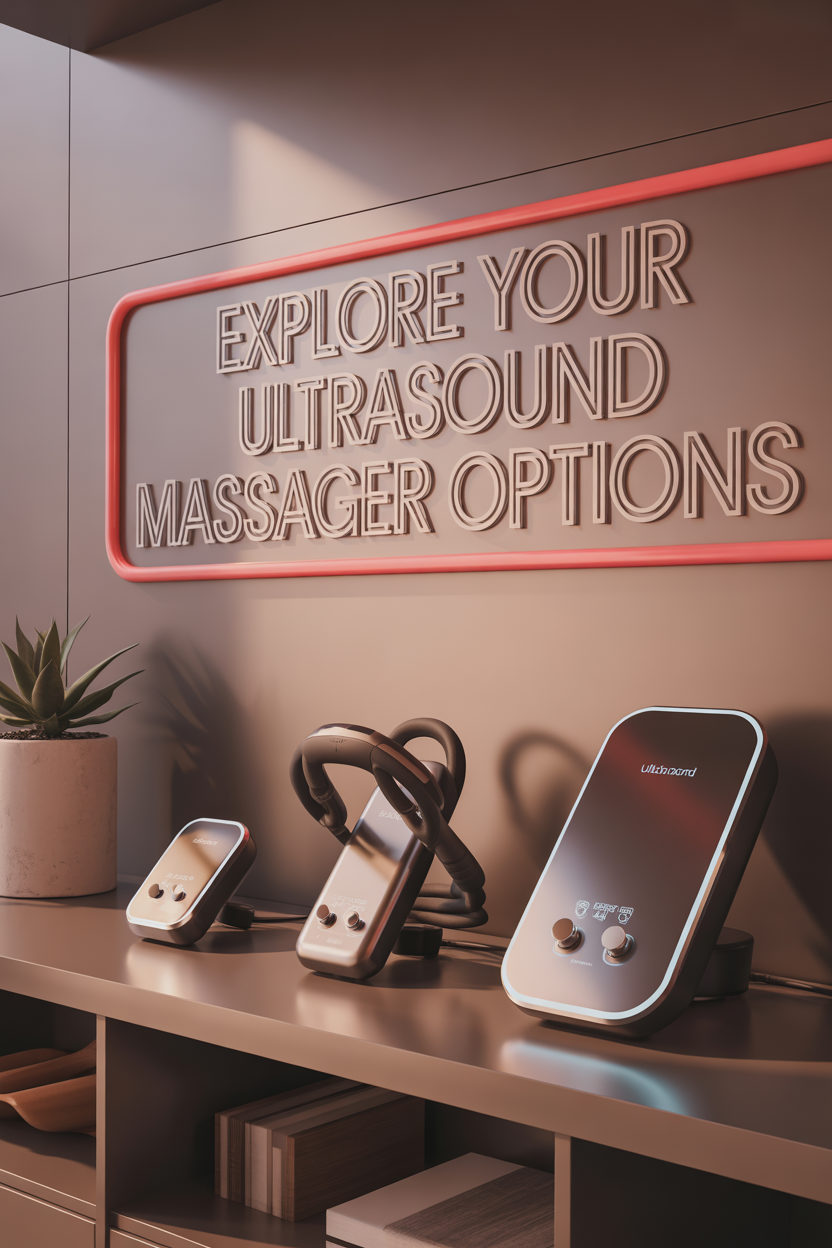
The market offers several options to suit different needs:
- Handheld devices – Lightweight, usually around 110W, perfect for targeted relief at the shoulders, knees, or neck. Ideal for people on the go.
- Body-wrapping units – These larger pads wrap around joints or the torso, delivering even pressure across a broader area. They provide consistent therapy without having to hold the device.
- Full-body machines – Professional-grade devices with multiple transducers and computer control, similar to what you’d find in physical therapy clinics. These offer comprehensive treatment for serious pain management.
Choose the right option by considering which body parts need treatment and your budget constraints.
Essential Features to Look For

Before purchasing an ultrasound massager, consider these important features:
- Power settings – Look for at least three modes: soft, medium, and intense. This allows you to customize treatment based on sensitivity.
- Portability – A compact design with a travel case makes it convenient if you travel frequently.
- Battery life – Cordless units should provide 1-2 hours per charge, enough for multiple treatment sessions.
- Safety certifications – Ensure it has CE, FCC, UL, or other relevant safety marks.
- Additional features – Consider adjustable heads, preset programs, and ergonomic grip based on your preference for customization or convenience.
Ultrasound vs. Traditional Therapies

Understanding how ultrasound compares to other pain relief methods can help you decide when to use each:
- Mechanism – Ultrasound provides deep tissue vibration; heat offers soothing warmth; cold numbs pain and reduces swelling.
- Best applications – Ultrasound works well for muscle tension and post-exercise soreness; heat helps chronic stiffness; cold treats acute injuries or swelling.
- Treatment time – Ultrasound requires 5-10 minutes per area; heat needs 15-30 minutes; cold is effective in 10-20 minutes.
- Potential risks – Excessive ultrasound can irritate skin; too much heat may cause burns; prolonged cold exposure risks frostbite.
Who Can Safely Use These Devices?

Most adults without serious medical conditions can use ultrasound massagers safely, but there are important considerations:
- Age considerations – Children under 12 should only use these devices with adult supervision.
- Pregnancy precautions – Avoid using on the abdomen and pelvic area unless specifically approved by your healthcare provider.
- Medical considerations – People with pacemakers, metal implants, or serious blood disorders should consult a healthcare professional before use.
When in doubt, always check with your doctor before starting any new therapy.
Important Safety Precautions
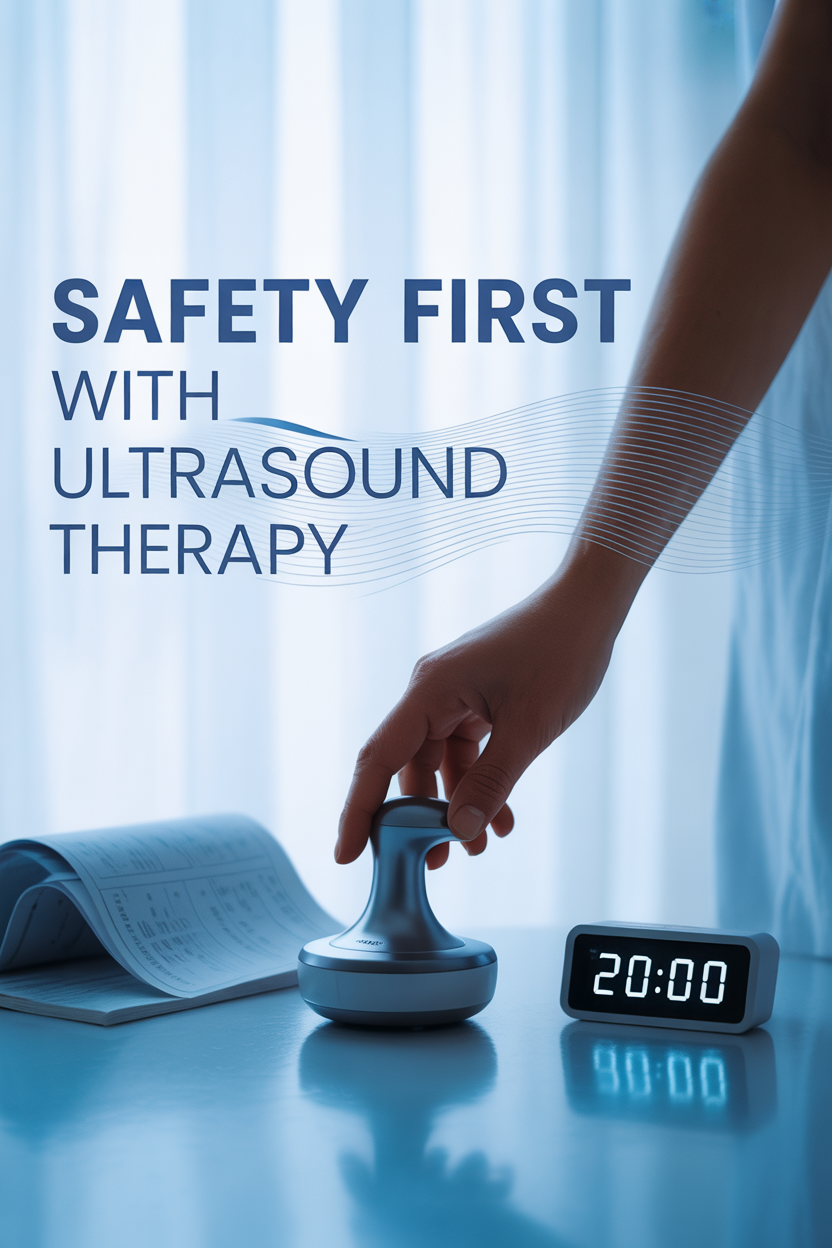
Be aware of these potential risks:
- Avoid using over bandages as waves don’t pass through adhesive effectively.
- Use caution with metal implants as they can heat up during treatment.
- Never use directly on open wounds as this could worsen irritation.
- Limit treatment to recommended times—typically no more than 20 minutes on the same area.
Always read the manual thoroughly and follow the manufacturer’s guidelines for safe use.
How to Use Your Device Effectively
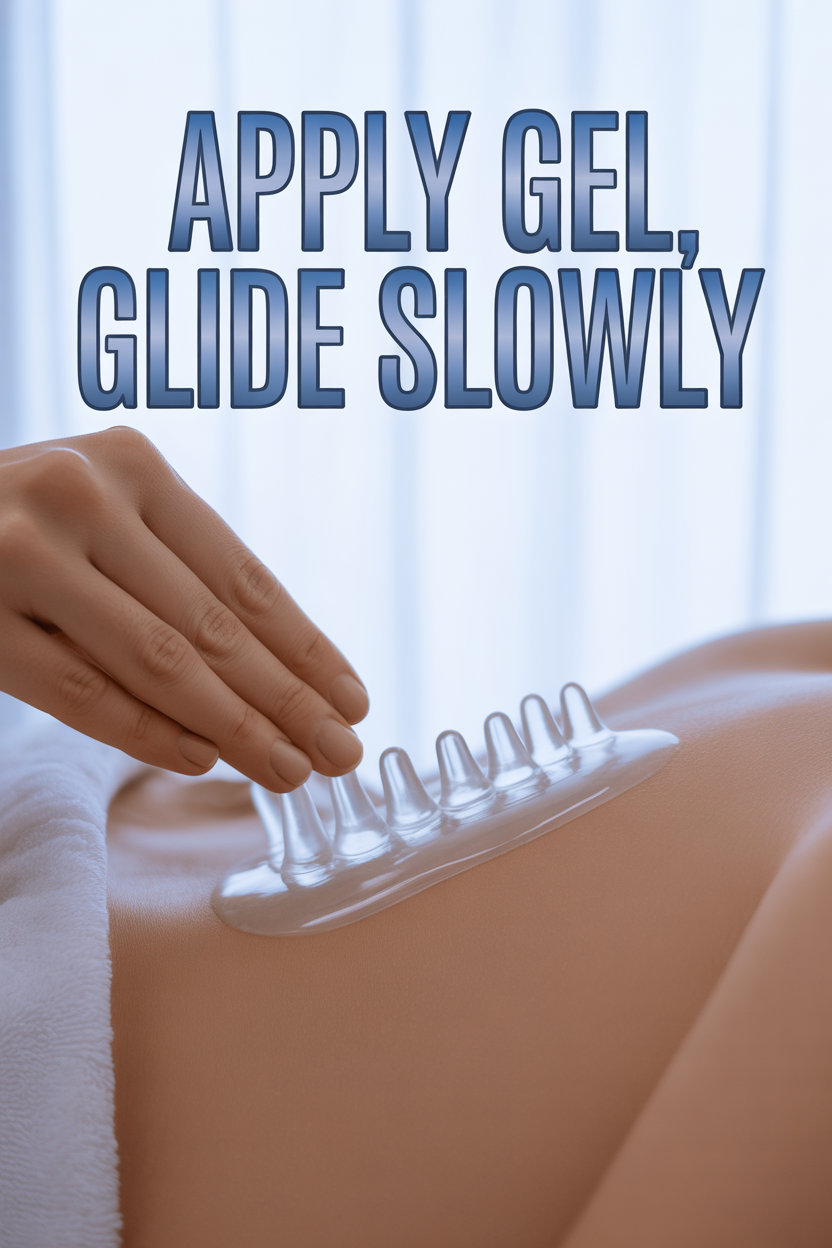
Follow these steps for optimal results:
- Clean the skin area to remove oils or lotions.
- Apply a thin layer of ultrasound gel to help transmit the sound waves.
- Start with the lowest power setting, especially if you’re new to this therapy.
- Move the device slowly across the treatment area, maintaining contact without pressing too hard.
- Limit sessions to 5-10 minutes per spot, 2-3 times weekly.
- If you experience tingling or discomfort, reduce the power immediately.
Consistency yields the best results—regular treatments twice weekly can significantly reduce moderate pain and muscle tension.
Creating a Complete Pain Relief Strategy

Ultrasound therapy works best as part of a comprehensive approach:
- Complementary stretching – Gentle stretches before or after treatment help loosen fascial tissue and extend benefits.
- Topical treatments – Consider using appropriate creams or gels for additional pain and inflammation reduction.
- Post-exercise recovery – Using ultrasound after physical activity can accelerate muscle recovery and prevent stiffness.
The key is consistency. Your body responds best to regular, thoughtful care rather than sporadic intensive treatments.
Success Stories from Real Users

These experiences illustrate the potential benefits of ultrasound therapy:
- Megan, 47 – After suffering from chronic lower back pain, she used a 10-minute nightly ultrasound routine for one month. Her pain level decreased from 7/10 to 3/10, allowing her to walk longer distances comfortably.
- Tom, 34 – With arthritis in his right knee, Tom used a handheld unit morning and evening. He experienced reduced stiffness and improved mobility within weeks.
- Lydia, 29 – Following a hamstring injury, Lydia alternated ultrasound with ice therapy. This combination reduced swelling and helped her return to activity in just two weeks.
While individual results vary, these stories show how ultrasound therapy can integrate seamlessly into daily life with positive outcomes.
When to Consult a Professional

Contact a healthcare provider if you notice any of these warning signs:
- Sharp or worsening pain following treatment
- Persistent skin irritation
- New or unexplained swelling
- Numbness or unusual tingling sensations
These symptoms may indicate underlying issues that require professional assessment beyond what self-treatment can address.
Maintaining Your Device
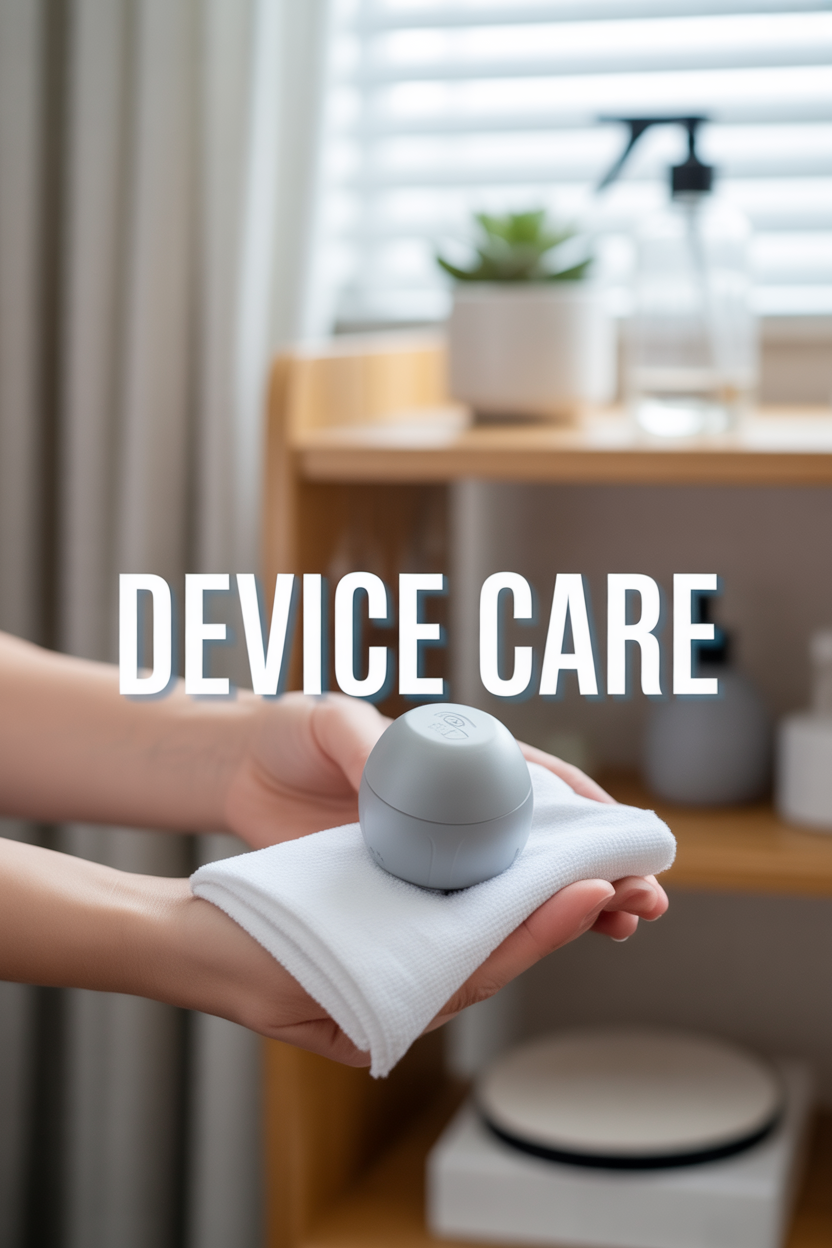
Proper care ensures safety and extends the life of your investment:
- Regular cleaning – Wipe the treatment head with mild soap and water after each use, then allow it to air dry.
- Battery maintenance – Replace or recharge batteries when they hold less than 60% of their original capacity.
- Proper storage – Keep the device in a dry place away from direct sunlight and extreme temperatures.
- Inspection routine – Regularly check the treatment head for cracks or damage, replacing parts as needed.
- Software updates – If your device has an app or firmware, install updates promptly for optimal performance.
These simple maintenance steps keep your device working safely and effectively for years.
Answers to Common Questions

Is ultrasound pain relief permanent? It can provide lasting relief by addressing underlying tissue issues, though symptoms may return if new strains occur.
Can I use it while moving around? Yes, many handheld devices allow movement during treatment as long as you maintain proper contact with the skin.
Do I need a prescription? Most consumer-grade units are available without prescription, though higher-powered professional models may require medical authorization.
Is it suitable for people with claustrophobia? Handheld or body-wrap devices are better options than full-body machines if confined spaces cause anxiety.
Will I hear the ultrasound? No, the waves operate at frequencies beyond human hearing range—you’ll feel the effects but won’t hear the sound.
Is an Ultrasound Massager Worth the Investment?
For those seeking a gentle, non-invasive solution to muscle tension and mild chronic pain, an ultrasound massager proves to be a valuable home therapy option.
Start with a reasonably priced device that meets safety standards and offers user-friendly operation.
Many users experience immediate comfort and faster recovery from common muscle and joint discomfort.
While not a replacement for professional care in serious cases, these devices offer convenient, effective relief that fits into your daily routine.
When matched to your specific needs and used properly, an ultrasound massager represents a smart addition to your personal wellness toolkit.