
Red Light Therapy During Pregnancy: Safe Relief or Risky Treatment?

Red Light Therapy During Pregnancy: Safety, Benefits, and What Expectant Mothers Should Know
Oh, the joys of pregnancy! The miracle of growing a tiny human, the adorable baby bump, the… constant backache, skin changes, and various discomforts that make you question how something so beautiful can feel so uncomfortable! If you’re an expectant mama searching for relief options, you’ve probably stumbled across red light therapy in your late-night “please make this pain stop” Google sessions. But wait—is shining red lights on your pregnant body actually safe? Let’s dive into everything you need to know about red light therapy during pregnancy!
What is Red Light Therapy and How Does it Work?
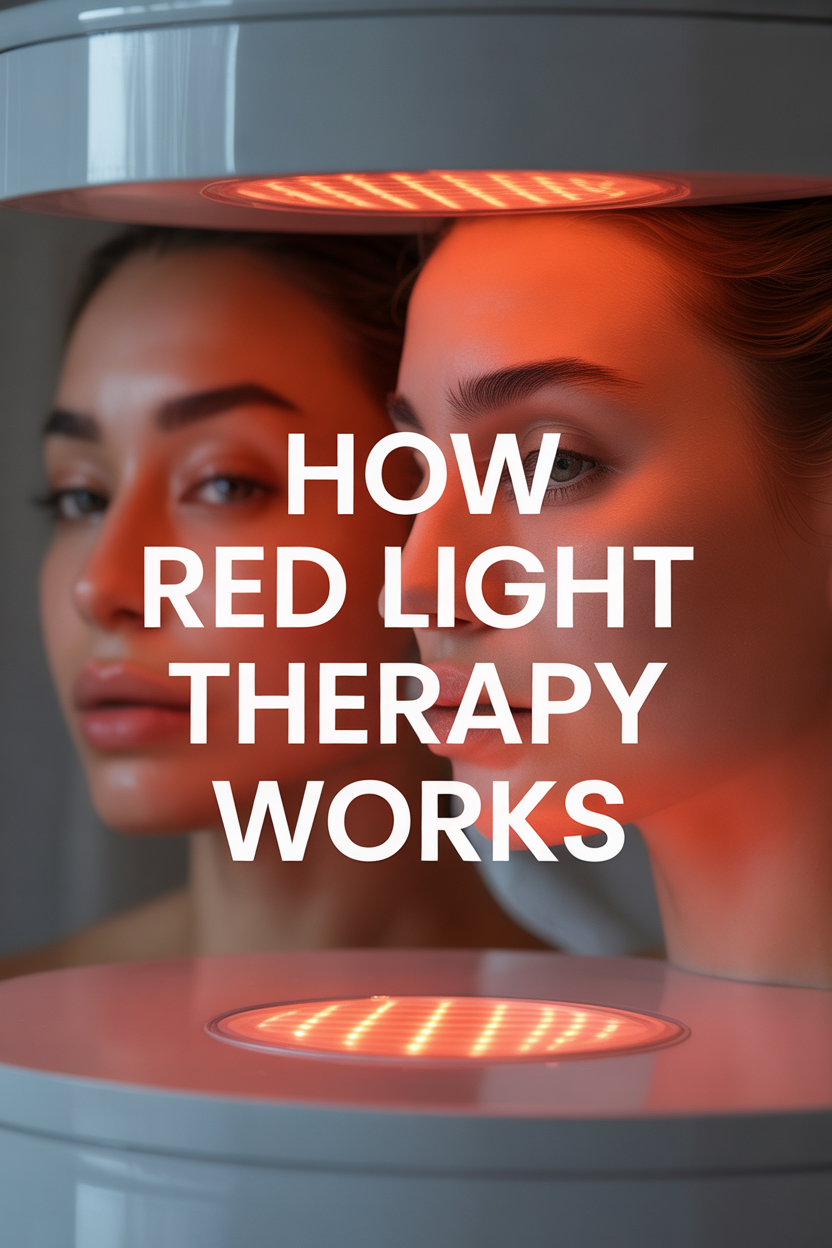
Red light therapy (RLT)—also known by its scientific names photobiomodulation or low-level light therapy—gives your cells a natural energy boost. Unlike ultraviolet light that causes sunburns, red light therapy uses gentle wavelengths that penetrate your skin without damage.
The therapy typically comes via LED panels, specialized lamps, or handy devices you can use at home. Sessions usually last just 10-20 minutes—about the length of time you now spend trying to put on socks without being able to see your feet. This non-invasive treatment has become popular both in clinics and for at-home use because it seems to work without major side effects.
The Science Behind Red Light Therapy’s Healing Effects
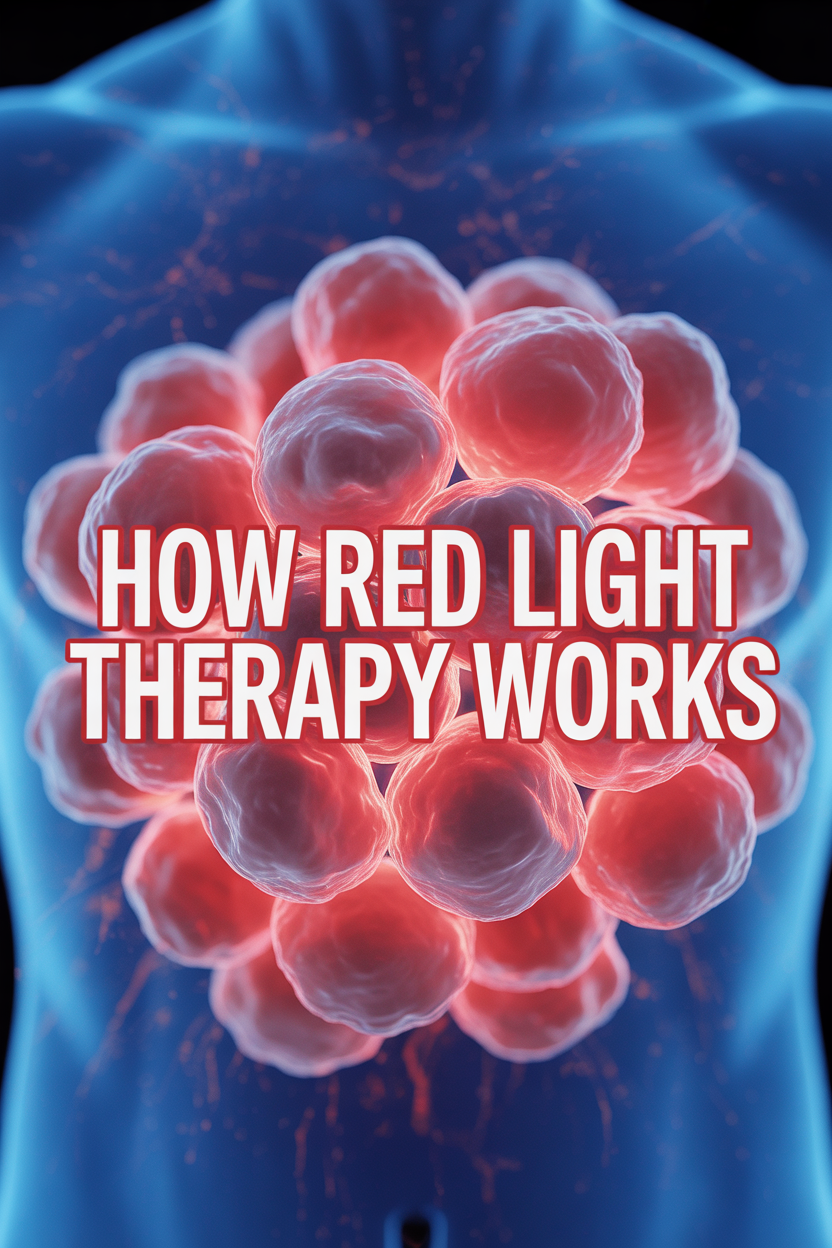
Red light therapy works through photobiomodulation, a process where special red and near-infrared light wavelengths (630-850 nanometers) reach your cells. Your mitochondria absorb this light and respond by creating more ATP—essentially your body’s cellular energy currency.
This cellular energy boost can trigger several beneficial effects throughout your body:
- Enhanced cellular repair and regeneration
- Improved blood circulation
- Reduced oxidative stress
- Decreased inflammation
- Increased collagen production
Different wavelengths work for different issues: red light (630-660nm) is perfect for surface concerns like skin problems, while near-infrared light (810-850nm) goes deeper to reach achy muscles and joints that are currently sending you SOS signals.
Proven Benefits of Red Light Therapy for General Health
Research has discovered several potential benefits of red light therapy for regular, non-pregnant individuals:
- Skin improvements: More collagen, fewer wrinkles, faster healing, and less scarring
- Pain relief: Significant reduction in joint pain and muscle soreness
- Anti-inflammatory effects: Reduces inflammation throughout the body
- Hair regrowth: Stimulates dormant hair follicles
- Better sleep: Helps regulate circadian rhythms
- Faster muscle recovery: Speeds recovery after physical activity
All these benefits sound amazing, right? But here’s where caution comes in—research specifically looking at pregnant women is extremely limited. This creates important questions about using red light therapy during pregnancy.
Pregnancy Safety Considerations: Why Caution Matters

Pregnancy is that special time when suddenly everyone has an opinion about what you should eat, drink, and do. But in all seriousness, there are good reasons why medical professionals are extra cautious during pregnancy:
- Ethical constraints prevent researchers from experimenting on pregnant women
- Your body during pregnancy functions differently than normal
- The developing baby might be more sensitive to external influences
- Each trimester comes with unique safety considerations
Medical professionals typically follow the “better safe than sorry” principle during pregnancy: unless something is proven both safe AND necessary, new or experimental treatments are approached with caution—especially during the first trimester when your baby is forming all major organs.
Current Research on Red Light Therapy During Pregnancy

The research on red light therapy during human pregnancy is extremely limited. Our current understanding comes from:
- Animal studies that have shown mixed results
- General safety profiles in non-pregnant humans
- Theoretical understanding of how light interacts with tissues
The few studies that exist haven’t found clear dangers, but they also haven’t proven it’s completely safe either. Research suggests those therapeutic light wavelengths don’t penetrate deeply enough to directly reach your baby, especially in the second and third trimesters when they’re cushioned by more protective layers.
The systemic effects—like increased circulation and changed inflammation responses—could potentially affect pregnancy in ways we don’t fully understand yet. This knowledge gap doesn’t necessarily mean red light therapy is unsafe during pregnancy, but it does call for a cautious approach.
Potential Benefits for Pregnancy Discomforts
If future research confirms safety, red light therapy could theoretically help with several pregnancy-related issues:
- Back and joint pain: The anti-inflammatory properties might help manage the discomfort that comes from carrying a baby
- Skin changes: Potentially helping with melasma (pregnancy mask) and stretch marks
- Postpartum healing: Assisting C-section scars or episiotomy sites to heal faster
- Inflammation reduction: Decreasing overall inflammation and swelling
- Sleep improvement: Potentially helping with sleep when your baby is actively moving at night
Remember though—these benefits remain theoretical for pregnant women until more research confirms both safety and effectiveness during pregnancy.
When to Avoid Red Light Therapy During Pregnancy
Even if future research gives red light therapy during pregnancy a cautious approval, there are still situations where you should definitely avoid it:
- High-risk pregnancies: If you have preeclampsia, gestational diabetes, or placental issues, experimental therapies should be avoided
- Medication-induced photosensitivity: If your medications make you more sensitive to light, adding more light exposure is unwise
- Direct abdominal application: Applying light directly to your baby bump raises more concerns than treatment focused on your back or feet
- First trimester: When all those tiny organs are forming, it’s best to avoid unproven therapies
- History of pregnancy loss: Extra caution with any unproven therapy makes sense if you’ve experienced previous losses
When in doubt, consider saving this treatment option for your postpartum recovery or have a detailed conversation with your healthcare provider who knows your specific situation.
Medical Professional Perspectives
Healthcare providers often have varying opinions about red light therapy during pregnancy, largely because of the limited research available:
- OB/GYNs: Most take a conservative approach—without solid research confirming safety, they typically recommend avoiding it
- Certified nurse-midwives: Some might be more open to complementary therapies but still emphasize caution
- Dermatologists: Skin specialists know red light therapy’s benefits but often suggest postponing cosmetic treatments until after delivery
- Physical therapists: Those using red light therapy for pain might restrict its use during pregnancy to areas away from your abdomen
The general consensus among medical professionals? Without pregnancy-specific safety data, red light therapy should be approached with caution—especially considering pregnancy is temporary, and there are other proven safe options available.
Professional vs. At-Home Red Light Therapy
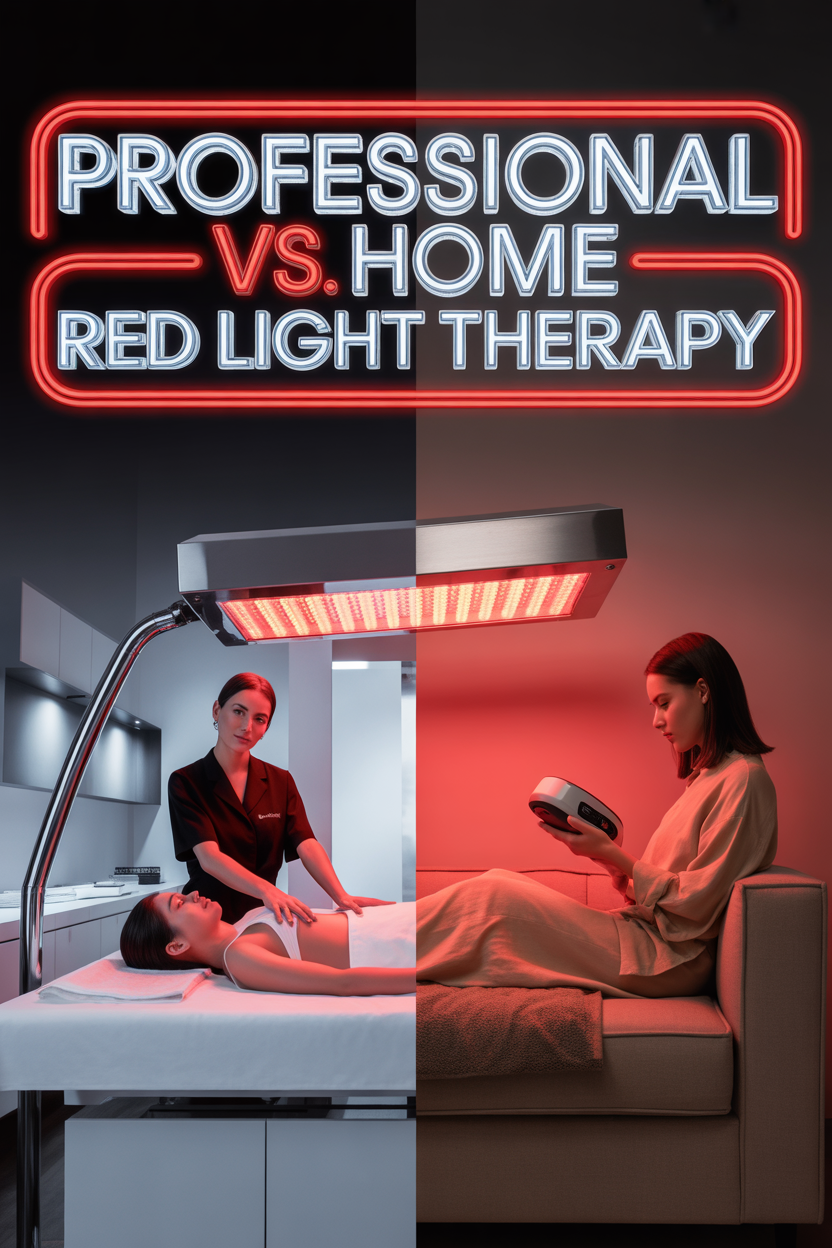
If you’re still considering red light therapy while pregnant, here’s how your options compare:
Professional treatments:
- Higher-powered devices with more intense light
- Administered by professionals who should know pregnancy precautions
- More precisely targeted with proper shielding
- May include monitoring to ensure safety
At-home devices:
- Generally lower powered but still potentially effective
- No professional oversight during use
- Quality and wavelength precision vary widely between brands
- Typically involve more frequent but gentler exposure
If you decide to try red light therapy during pregnancy, professional administration might offer additional safety measures, but the fundamental questions about pregnancy safety apply to both options.
Safe Alternatives for Pregnancy Discomfort
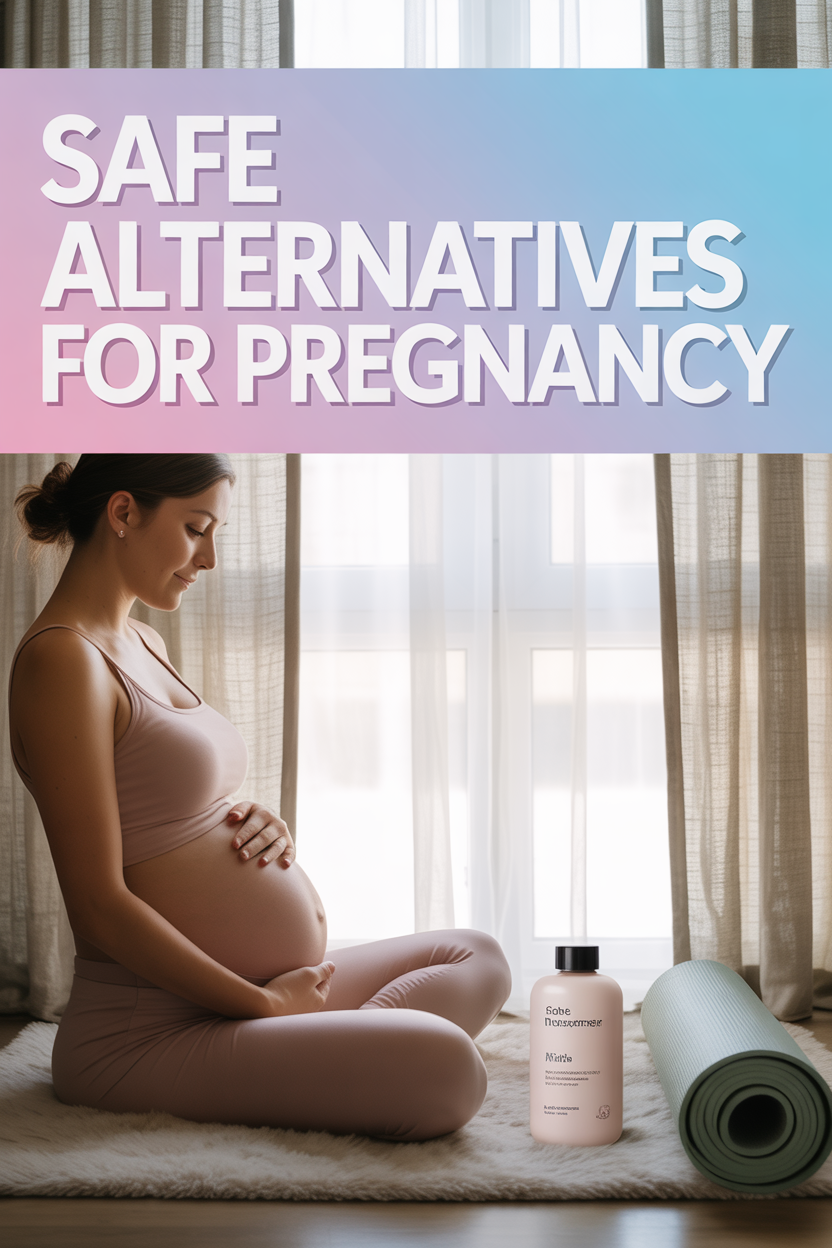
Instead of experimental treatments lacking pregnancy research, consider these well-established alternatives:
- For pain relief: Prenatal massage, pregnancy-specific physical therapy, supportive maternity belts, and pregnancy-approved pain relievers
- For skin changes: Gentle pregnancy-safe moisturizers, diligent sun protection, and pregnancy-approved skincare
- For sleep issues: Pregnancy pillows, consistent sleep schedules, and relaxation techniques
- For general wellness: Prenatal yoga classes, swimming, and gentle walking
- For stress reduction: Meditation, deep breathing, and mindfulness practices
These alternatives have established safety profiles during pregnancy and might effectively address many of the same issues that have you considering red light therapy.
First Trimester Considerations

The first trimester (weeks 1-12) is your baby’s critical development phase when all major organs and systems are forming. During these crucial early weeks:
- Your developing embryo is particularly sensitive to outside influences
- Many miscarriages naturally occur during this developmental window
- The protective placental barrier is still developing
- Your body experiences significant hormonal fluctuations
Most medical professionals strongly recommend avoiding any treatment without established pregnancy safety data during this critical time. If you discover you’re pregnant while using red light therapy, consider pausing treatment—at least during the first trimester—until you can consult with your healthcare provider.
Later Pregnancy Considerations

As your pregnancy progresses into the second (weeks 13-26) and third trimesters (weeks 27-40), different safety factors come into play:
- Your placenta is fully formed, providing additional protection
- Major organ systems have developed, potentially reducing certain vulnerabilities
- Your body has somewhat adjusted to the pregnancy state
- Physical discomforts often increase significantly
- Your growing baby creates more physical distance between external treatments and the fetus
While these factors might theoretically lower certain risks during later pregnancy stages, they don’t eliminate the fundamental research gap. If you do use red light therapy later in pregnancy, targeting areas away from your abdomen would generally raise fewer concerns than direct belly exposure.
Postpartum Applications
After delivery, red light therapy might offer several potential benefits for your recovery—when many of the pregnancy concerns no longer apply:
- C-section recovery: May help heal the incision faster and reduce scarring
- Perineal healing: For recovery after vaginal deliveries, especially with episiotomies or tears
- Pain management: General relief for postpartum discomfort
- Skin restoration: Addressing pregnancy-related skin changes like melasma or stretch marks
- Overall recovery: Supporting healing during the challenging postpartum period
If you’re breastfeeding, it’s still wise to check with your healthcare provider before starting red light therapy. While no specific negative effects on milk have been documented, it’s always better to verify when your milk production is involved.
Questions to Ask Your Healthcare Provider

If you’re considering red light therapy during pregnancy, prepare these questions for a productive conversation with your healthcare provider:
- Based on current research, do you consider red light therapy safe during my specific pregnancy stage?
- For my particular pregnancy concerns, what established treatments would you recommend before considering red light therapy?
- If I decide to use red light therapy, are there specific body areas I should completely avoid?
- Would professional treatment be safer than at-home devices?
- Are certain wavelengths or intensity levels more concerning during pregnancy?
- Could red light therapy interact with any of my pregnancy medications or supplements?
- What warning signs should I watch for if I proceed with treatment?
- Should I limit treatment duration or frequency compared to standard protocols?
Bring detailed information about the specific device or treatment you’re considering, including wavelengths and power output. The more information you provide, the better guidance you’ll receive.
Making an Informed Decision
The decision to use red light therapy during pregnancy requires careful consideration of potential benefits against the current research limitations:
- Red light therapy shows promising benefits for non-pregnant people with growing research support
- Research specifically examining safety during pregnancy is extremely limited
- The theoretical risks are likely lower than many other interventions, but uncertainty remains
- If considering it while pregnant, targeting areas away from your abdomen and waiting until after the first trimester is more conservative
- Well-established, pregnancy-safe alternatives exist for most common pregnancy discomforts
- The postpartum period might be a better time to explore red light therapy’s potential benefits
Remember that pregnancy is temporary, and many women choose to be cautious with any treatment lacking specific pregnancy safety data. Talk openly with your healthcare providers about any therapies you’re considering during this special time in your life.
And if you decide to wait until after delivery to try red light therapy, just think of it as another thing to look forward to—along with sushi, sleeping on your stomach, and having a glass of wine!