
Infrared vs Red Light Therapy: A Bright Comparison That Won’t Leave You In The Dark!
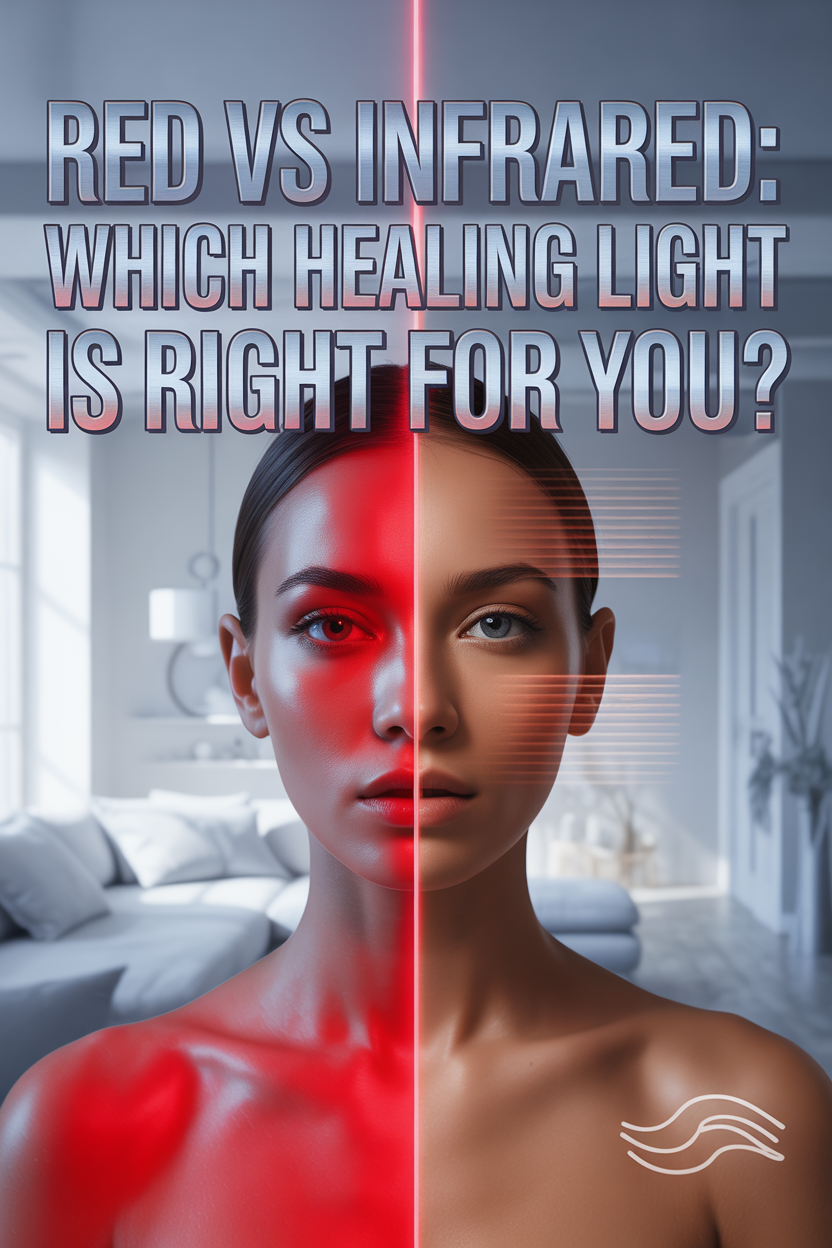
What is Infrared Light Therapy? The Invisible Deep Healer

Infrared light therapy operates just beyond the spectrum of light that our eyes can see. It uses longer wavelengths, beginning around 700 nm and extending further.
While you can’t see the light itself, your body can often feel its effects as a gentle, soothing warmth. This is the invisible healer working deep within your tissues.
Infrared light comes in different types. Near-infrared (NIR) light, from 700-1000 nm, is a close cousin to red light and shares some similar benefits. Far-infrared light, with wavelengths beyond 1000 nm, is known for its ability to penetrate deeply into the body.
The main way infrared therapy works is by delivering thermal energy to your tissues. This process helps to boost circulation, support cellular regeneration, and soothe aches and inflammation in areas that other therapies cannot reach.
Think of it as a microscopic spa treatment that warms your body from the inside out, promoting profound relaxation and healing.
How Deep Do Red and Infrared Light Go?

The most crucial distinction between red and infrared light is how deeply they can travel into the body’s tissues. This depth is determined by their wavelength.
Red light, with its shorter wavelengths (630-700 nm), is a surface-level specialist. It penetrates about 2-3 millimeters, making it ideal for targeting the skin, hair follicles, and superficial wounds.
Near-infrared light (700-1000 nm) goes a step further. It can reach 5-10 millimeters or more, allowing it to impact muscles, ligaments, and joints just beneath the surface.
Far-infrared light is the deep-diving champion, capable of penetrating several centimeters (up to 2 inches). This impressive depth allows it to warm deep muscles, major joints, and even influence internal organs. This is why longer wavelengths generally dive deeper.
This difference in penetration is why a wellness professional might recommend infrared for a deep-seated knee joint issue, but suggest red light for concerns like fine lines or acne.
How Do These Therapies Energize Your Cells?

While both red and infrared light influence cellular activity, they do so with slightly different approaches. Both methods are effective, but their mechanisms are unique.
Red light therapy acts as a personal trainer for your mitochondria. It specifically stimulates an enzyme called cytochrome c oxidase, which ramps up ATP production and gives your cells an energy surplus for repair.
It also triggers a controlled amount of reactive oxygen species (ROS). While that sounds intimidating, this mild stress signal actually activates your cells’ natural defense and repair systems.
Infrared light therapy is a multitasker, working through both chemical effects like red light and a significant thermal (heat) effect. The gentle warmth it generates increases blood flow, which delivers more oxygen to tissues.
This heat can also activate special “heat shock proteins” that help your cells repair damage and function more effectively. Both therapies also encourage the release of nitric oxide, a molecule that widens blood vessels to enhance circulation.
What Are the Benefits of Red Light Therapy?

Red light therapy truly shines when it comes to rejuvenating the body’s surface. One of its most celebrated benefits is improving skin health.
By boosting collagen production, it can help smooth wrinkles and fine lines, giving the skin a firmer, more youthful appearance.
It’s also a great tool for managing acne. RLT helps calm the inflammation that causes breakouts and can reduce the presence of acne-causing bacteria on the skin.
For those dealing with slow-healing cuts or scars, red light can speed up tissue repair and minimize the appearance of scarring. It may even revitalize dormant hair follicles, potentially encouraging regrowth.
Because it addresses inflammation at a cellular level, it has a wide range of anti-inflammatory effects, making it effective for addressing surface-level problems and promoting overall cellular health.
What Are the Benefits of Infrared Light Therapy?

Infrared light therapy delivers healing benefits that go far beyond the skin’s surface. It is a champion of deep tissue pain relief, offering comfort for those with arthritis, chronic back pain, and fibromyalgia.
The gentle heat created by infrared light naturally expands blood vessels. This process improves blood flow, delivering more oxygen and nutrients to tired tissues while carrying away waste products.
This enhanced circulation is fantastic for accelerating muscle recovery after a tough workout. It can significantly reduce delayed onset muscle soreness and help you get back to your routine faster.
The warming effect also helps relax tight muscles and connective tissues, which may lead to improved joint flexibility and range of motion. Furthermore, by promoting therapeutic sweating, it can aid in the body’s natural detoxification processes.
The deep, soothing warmth is also incredibly relaxing, helping to ease physical and mental stress. Its ability to penetrate deeply makes it ideal for issues in muscles and joints that red light simply can’t reach.
Skin Rejuvenation: The Ultimate Beauty Showdown

When it comes to improving your skin’s appearance, which therapeutic light takes the crown? For cosmetic benefits, red light therapy is the top contender.
It directly targets fibroblasts, the skin cells responsible for creating collagen and elastin. By stimulating these cellular factories, RLT helps restore the skin’s foundational structure.
Studies have shown that consistent use can visibly reduce wrinkles and fine lines. It also works to improve overall skin tone, fade sun spots, and minimize the appearance of pores.
Infrared light is a worthy runner-up in this beauty contest. Its primary benefit for skin is boosting circulation, which delivers vital nutrients and helps create a healthy-from-within glow.
While it doesn’t stimulate collagen as directly as red light, near-infrared is an excellent partner to red light, providing deeper healing support. For this reason, many advanced anti-aging devices combine both wavelengths for a comprehensive approach.
What Kinds of At-Home Devices Are Available?

Bringing light therapy into your home is easier than ever, with devices available for every need and budget. Red light devices often come as LED facial masks, handheld wands for targeted spots, or large panels for broader coverage.
Infrared therapy devices include near-infrared LED panels, which look similar to red light devices but have invisible superpowers. They also come as infrared saunas, portable sauna blankets, and targeted heating pads.
In terms of cost, targeted red light devices can range from $60 to $300, while larger panels might cost $300 to $900. Professional sessions typically run from $25 to $100 each.
Infrared heating pads start around $50, while a full home sauna is a larger investment, from $1,200 to $6,000. For many, trying a few sessions at a local wellness clinic is a great way to start.
The most popular devices today often combine both red and infrared wavelengths. This allows you to tackle surface-level skin concerns and deep tissue pain with a single, versatile tool. While home devices have an upfront cost, they often prove more economical over time than repeated professional sessions, much like buying the coffee maker instead of a daily latte.
How Can Light Therapy Help with Muscle Recovery?

For fitness enthusiasts looking to improve performance and minimize downtime, light therapy offers a powerful advantage.
Red light therapy can help by reducing oxidative stress and inflammation in surface muscles after a workout. It supports the cellular energy production needed for immediate repair.
However, for serious muscle recovery, infrared light therapy is the clear MVP. Its ability to penetrate deeply means it can reach entire muscle groups more comprehensively.
Research shows infrared can significantly reduce markers of muscle damage and decrease post-workout soreness. This allows athletes to bounce back faster between intense training sessions.
Many professional athletes and sports teams now incorporate full-body red and infrared therapy into their regular recovery protocols. This combination helps them manage inflammation, soothe sore muscles, and maintain peak physical condition throughout a demanding season.
Safety First: What You Need to Know

The great news is that both red and infrared light therapies have excellent safety records when used correctly. They do not contain harmful UV radiation, so there is no risk of skin damage or tanning.
Red light therapy is incredibly safe, with very few reported side effects. Some users may experience temporary redness in the treatment area, but this typically fades quickly.
Infrared therapy is also generally safe, but its heating element requires some extra consideration. It’s important to stay well-hydrated during sauna sessions and to avoid overheating.
Individuals with certain medical conditions, such as pregnancy, heart issues, or multiple sclerosis, should consult their doctor before using heat-based therapies.
Crucially, light therapy of any kind should be avoided over areas with active cancer. The increased circulation and cellular activity could potentially support unwanted cell growth. Always start with shorter session times to see how your body responds.
So, Which Therapy Is Your Ideal Wellness Partner?

Choosing the right light therapy is all about matching your personal wellness goals with the right technology. Your ideal choice depends on what you want to achieve.
You should consider red light therapy if your primary goals are on the surface. This includes fighting wrinkles and acne, healing scars, or supporting hair growth. It’s the perfect choice if you want general cellular health support without the warming sensation of infrared.
You should lean toward infrared light therapy if your concerns are deeper. This is your best bet for joint pain, deep muscle recovery, and enhanced athletic performance. If you enjoy the relaxing sensation of gentle heat and want to boost circulation and detoxification, infrared is the way to go.
If you have multiple health goals, you might consider combination therapy. Many find this dual approach offers the best of both worlds, addressing skin health on the surface while providing deep healing below.
Whichever path you choose, consistency is the key to success. Most studies show significant benefits after 8 to 12 weeks of regular use, typically 3 to 5 times per week. Before beginning any new therapy, it’s always wise to chat with a healthcare provider to ensure it’s the right fit for you.
Device Options and Accessibility

Light therapy devices come in various forms to suit different needs:
Red Light Therapy Devices:
- LED panels and facial masks for targeted skin treatment
- Handheld wands for precise application
- Full-body treatment beds for comprehensive coverage
- Primarily use energy-efficient LED technology
Infrared Light Therapy Devices:
- Near-infrared LED panels similar to red light devices but with different wavelengths
- Infrared saunas and portable sauna blankets for full-body treatment
- Infrared heating pads and wraps for targeted therapy
- Often incorporate ceramic heaters or carbon fiber elements for far-infrared delivery
Combination devices offering both red and infrared wavelengths have become increasingly popular, providing comprehensive benefits across multiple tissue depths.
Investment Comparison

The cost of light therapy varies based on device type and treatment setting:
Red Light Therapy:
- Home devices: $60-$300 for targeted tools; $300-$900 for larger panels
- Professional treatments: $25-$100 per session
- Membership packages: $100-$200 monthly at wellness clinics
Infrared Light Therapy:
- Near-infrared devices: Similar pricing to red light therapy
- Infrared saunas: $1,200-$6,000 for home units
- Infrared sauna sessions: $30-$75 per session
- Infrared heating pads: $50-$500 depending on size and quality
While the initial investment for home devices may be significant, they often prove cost-effective over time compared to ongoing professional sessions, especially for chronic conditions requiring regular treatment.
What is Red Light Therapy? A Gentle Glow for Your Cells
Red light therapy (RLT) harnesses specific, visible red light wavelengths, typically falling between 630 and 700 nanometers (nm). Think of it as a targeted energy boost for your body, delivered directly to your skin and cells.
This therapeutic light works its magic without any harsh UV rays or excessive heat, making it a gentle yet powerful wellness tool.
The core mechanism of RLT involves stimulating your mitochondria, which are the tiny power plants inside every cell. This stimulation boosts the production of ATP (adenosine triphosphate), the primary energy currency of your cells.
With more ATP available, your cells have the fuel they need to repair tissue, calm inflammation, and accelerate healing processes. It’s like giving your cellular workforce a clean, efficient energy source.
A key feature of red light therapy is its visibility. That comforting crimson glow you see during a session is a clear sign the device is active and delivering its therapeutic wavelengths.
Pain Relief: Which Light Wins the Battle?
When chronic aches and acute pains appear, both red and infrared light can offer relief, but they excel in different arenas.
Red light therapy is your choice for pain located at or near the surface. It’s excellent for skin inflammation, such as sunburns, and can help soothe minor injuries and wounds as they heal.
Its power lies in reducing inflammatory markers and speeding up the repair of surface tissues, acting like a tiny first-aid crew right where you need it.
For deep, stubborn, and chronic pain, infrared light therapy is the heavyweight champion. It is significantly more effective for conditions like arthritis, deep muscle soreness, nerve pain, and fibromyalgia.
Its superior penetration depth allows it to reach the actual source of the pain within muscles and joints. The gentle heat provides immediate comfort by relaxing tightness and boosting circulation to the afflicted area, sending a rescue team directly to the pain’s hideout.
Choosing the Right Light Therapy for You
Finding your ideal light therapy depends on your specific health goals:
Consider red light therapy if:
- You’re primarily concerned with skin rejuvenation, wrinkles, acne, or scarring
- You’re experiencing hair thinning and want to stimulate regrowth
- You prefer treatments without heat
- You’re looking for general cellular health support and surface-level inflammation reduction
Consider infrared light therapy if:
- You have joint pain, arthritis, or persistent muscle soreness
- You’re focused on faster muscle recovery and enhanced athletic performance
- You enjoy gentle heat therapy and its relaxation benefits
- You want improved circulation and metabolic support
Consider combination therapy if:
- You want both surface benefits and deep tissue healing
- You have multiple health concerns across different tissue depths
- You’re ready to invest in more advanced technology
Consistency is crucial for optimal results. Most research shows significant benefits after 8-12 weeks of regular treatment, typically 3-5 times weekly.
Consulting with a healthcare provider before starting light therapy is advisable, especially if you have existing health conditions or take medications that might increase light sensitivity.
Whether you choose the visible red glow, the invisible infrared warmth, or a combined approach, these gentle light-based therapies offer promising benefits with minimal risks when used properly.