
15 Natural Ways to Banish Body Aches: What Actually Works

15 Effective Approaches for Body Aches Relief: From “Ouch!” to “Ahhh!”

Body aches can make daily life challenging. Whether you’re recovering from yesterday’s ambitious workout, dealing with chronic pain, or fighting an illness that makes your entire body hurt – finding relief becomes your top priority. This comprehensive guide will help you understand why your body is rebelling and discover solutions that actually work. Your achy joints and sore muscles will thank you!
Understanding Different Types of Body Aches

Body aches come in several distinct varieties. Muscular pain feels like your muscles are protesting after an ambitious workout or long day of physical activity.
Joint pain presents as stiffness and swelling that makes simple tasks like opening jars surprisingly difficult.
Nerve pain creates sharp, electric sensations that shoot through specific pathways in your body.
Inflammatory pain is your body’s immune response, complete with swelling, redness, and heat.
Fibromyalgia pain manifests as whole-body discomfort accompanied by fatigue and sleep problems.
Identifying which type of pain you’re experiencing is crucial for finding the right relief strategy for your particular situation.
Common Causes of Body Aches

That intense workout might have triggered delayed onset muscle soreness (DOMS) – your muscles’ natural response to unusual exertion.
Stress and anxiety commonly settle in your neck and shoulders, creating painful knots and tension.
Poor posture while working or using devices can lead to spine and muscle complaints.
Infections like the flu or COVID-19 often include body aches as part of their symptom package.
Dehydration reduces the cushioning protection around your joints and muscles, increasing discomfort.
Vitamin deficiencies, particularly in D, B12, or magnesium, can cause widespread muscle complaints.
Chronic conditions like fibromyalgia, arthritis, and autoimmune disorders create persistent aches requiring comprehensive management approaches.
The Connection Between Inflammation and Body Pain
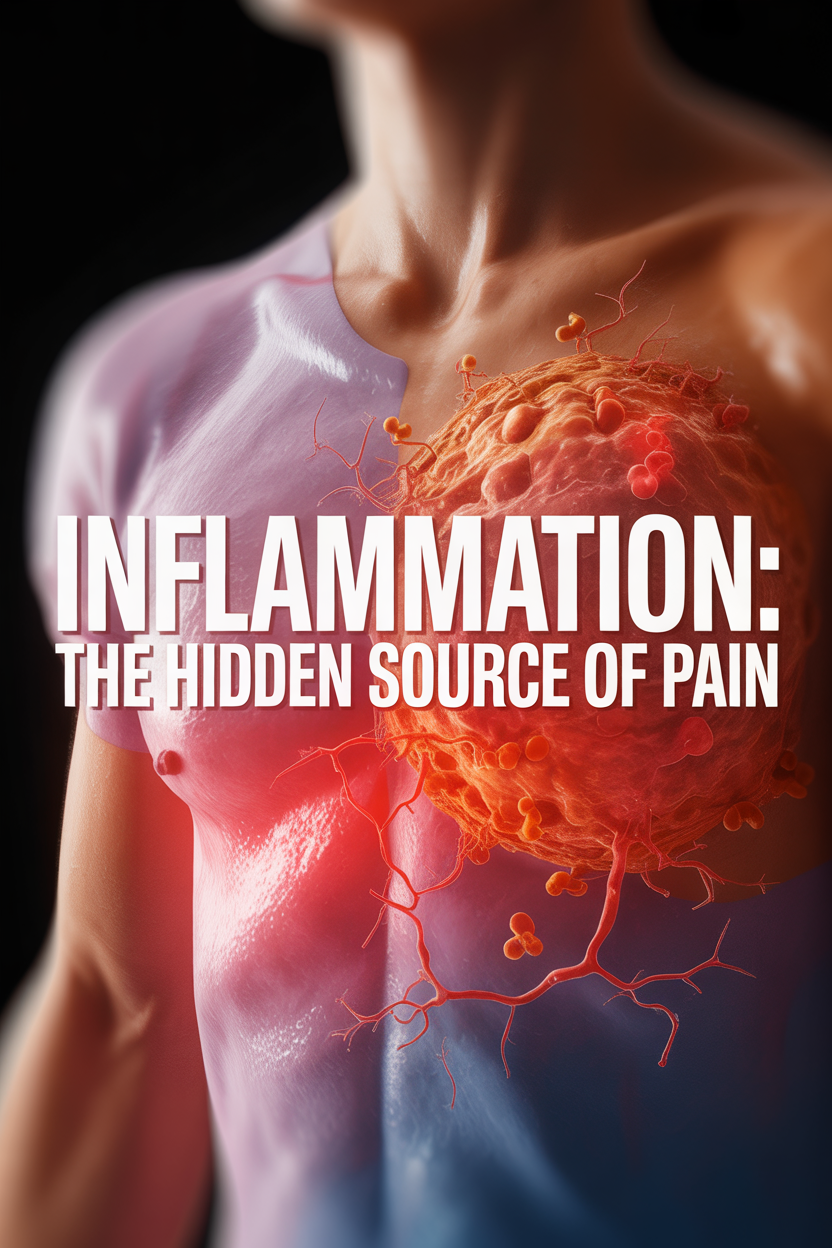
Inflammation and pain are closely linked bodily responses. When tissues become damaged or stressed, your body launches an inflammatory response, sending immune cells to the affected area.
This process is essential for healing but also creates uncomfortable swelling and sensitivity.
Acute inflammation helps you recover from injuries or infections. Chronic inflammation persists due to autoimmune conditions, stress, poor diet, or environmental factors.
Think of chronic inflammation as your body’s alarm system stuck in the “ON” position. Addressing inflammation through lifestyle changes, anti-inflammatory foods, and appropriate medications can significantly reduce body aches.
Many people find their pain levels improve dramatically once underlying inflammation is properly addressed.
Over-the-Counter Medications for Quick Relief

Your local pharmacy offers several effective options for pain management. NSAIDs like ibuprofen and naproxen sodium tackle both inflammation and pain simultaneously.
Acetaminophen helps with pain but doesn’t address inflammation directly.
Topical analgesics provide localized relief – menthol creams create cooling sensations that distract from pain, while lidocaine patches and capsaicin products disrupt pain signals.
Over-the-counter muscle relaxants might help reduce tension in tight, painful muscles.
Remember that these medications work best as part of your overall pain management strategy, not as standalone solutions. Always follow dosage instructions carefully to protect your liver and digestive system.
Natural Anti-Inflammatory Remedies
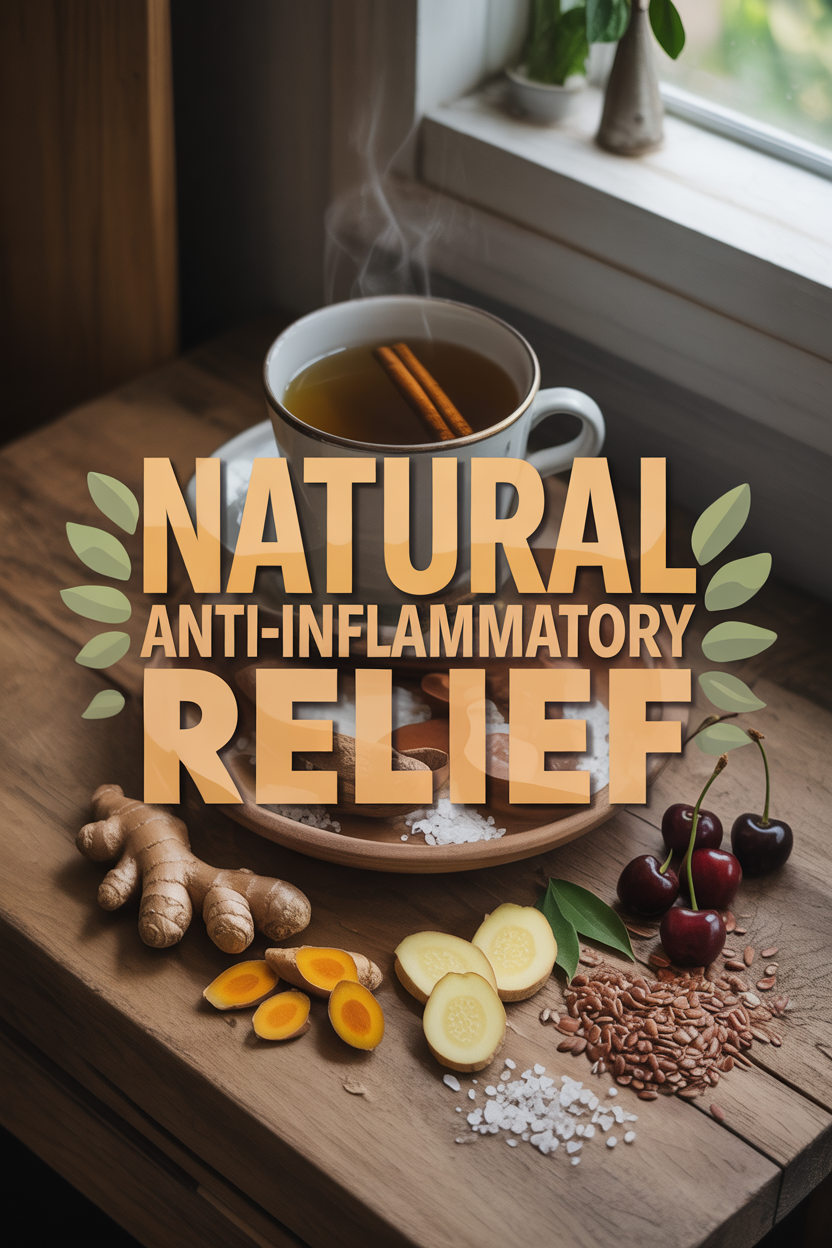
Nature offers powerful tools for fighting pain and inflammation. Turmeric contains curcumin, a potent natural anti-inflammatory compound that you can add to foods, drink as tea, or take as a supplement.
Ginger provides similar benefits while enhancing flavor in various dishes and beverages.
Tart cherry juice has been shown to reduce muscle soreness after exercise and contains beneficial antioxidants.
Omega-3 fatty acids from fish oil, flaxseeds, and walnuts help reduce inflammatory processes throughout the body.
Arnica, applied as a gel or cream, may alleviate muscle soreness and joint pain without harsh side effects.
Epsom salt baths combine magnesium absorption with warm-water relaxation for comprehensive relief. Many people find combining several natural remedies creates better results than using just one approach.
The Power of Proper Hydration

Water plays a crucial role in pain management. It makes up a significant portion of your joint cartilage, acting as both lubricant and shock absorber.
When you’re dehydrated, your body experiences increased friction and reduced cushioning in joints and muscles.
Proper hydration helps flush inflammatory compounds from your system and ensures efficient nutrient delivery to tissues.
It also maintains optimal blood volume, improving circulation to painful areas. Many people report significant improvement in body aches simply by increasing their water intake.
For maximum benefit, drink water consistently throughout the day rather than all at once. Aim for 8-10 cups daily, more if you’re active, sweating, or fighting illness.
Your urine should be pale yellow – not clear (indicating overhydration) and not dark (signaling dehydration).
Heat vs. Cold Therapy: Choosing the Right Temperature

Temperature therapy offers targeted relief for different pain conditions. Cold therapy works best for acute injuries and inflammation.
Applying ice or cold packs for 15-20 minutes reduces blood flow, decreases swelling, and numbs pain. This approach is particularly effective within the first 48 hours after injury.
Heat therapy benefits chronic pain, stiffness, and muscle tension. Warm compresses, heating pads, or therapeutic baths increase blood flow, relaxing tight muscles and improving tissue flexibility.
Heat works well for arthritis pain, ongoing back discomfort, and morning stiffness.
Some conditions respond well to alternating between heat and cold treatments to stimulate circulation.
Always protect your skin with a cloth barrier when applying temperature therapy to prevent tissue damage.
Gentle Stretches and Movements for Pain Relief

Strategic movement can be powerful medicine for body aches. Gentle stretching increases flexibility, improves circulation, and releases painful muscle knots.
For upper body tension, try shoulder rolls, neck tilts, and chest opening stretches to release tight muscles.
For lower body complaints, hamstring stretches, gentle knee-to-chest pulls, and calf stretches can provide significant relief.
Low-impact activities like walking, swimming, and cycling help loosen stiff muscles without stressing painful areas.
Tai chi and gentle yoga combine controlled movements with mindfulness, addressing both physical tension and contributing stress factors.
When stretching for pain relief, move slowly without bouncing, hold stretches for 20-30 seconds while breathing deeply, and never push to the point of pain.
Consistency trumps intensity – 10-15 minutes daily provides better results than occasional intense sessions.
Quality Sleep: Your Body’s Recovery Time

Sleep plays a critical role in pain management. During quality sleep, your body repairs tissues and regulates inflammatory processes.
Poor sleep prevents proper healing and lowers your pain threshold – making everything hurt more intensely.
Research shows that sleep deprivation increases your body’s inflammatory response, creating a vicious cycle where pain disrupts sleep and poor sleep worsens pain.
A supportive mattress and pillows maintain proper alignment, preventing morning stiffness and discomfort.
Establishing a consistent sleep schedule helps regulate your body’s internal clock and optimize restorative sleep phases where healing occurs.
Good sleep hygiene practices include limiting screen time before bed, keeping your bedroom cool and dark, and avoiding caffeine and alcohol near bedtime.
For those whose pain makes sleeping difficult, relaxation techniques like progressive muscle relaxation or guided imagery may help prepare your body for rest.
Stress Reduction Techniques

The mind-body connection significantly influences pain perception. Chronic stress triggers muscle tension and releases hormones that increase inflammation and pain sensitivity.
Deep breathing exercises activate your parasympathetic nervous system – the “rest and digest” mode that counters stress hormones and muscle tension.
Meditation and mindfulness practices help separate physical sensations from emotional responses that amplify discomfort.
Progressive muscle relaxation involves systematically tensing and releasing muscle groups to reduce chronic tension patterns.
Engaging in enjoyable activities triggers positive neurochemical responses that temporarily lower pain perception.
Your body cannot be in fight-or-flight and rest-and-heal modes simultaneously – learning to activate the latter more frequently can dramatically reduce pain levels.
Many people find that combining several stress management approaches creates a comprehensive strategy that complements other pain relief methods.
Professional Physical Therapy

When self-care isn’t enough, physical therapists offer specialized expertise. These movement specialists provide personalized assessment and treatment plans addressing underlying causes of pain, not just symptoms.
Manual therapy techniques performed by trained professionals can release tight fascia, improve joint mobility, and reduce stubborn muscle knots.
Therapeutic exercises prescribed by physical therapists target specific muscle groups to improve stability, coordination, and functional movement patterns.
Physical therapists also educate patients about body mechanics and posture, helping prevent future pain episodes.
Consider seeking physical therapy when pain persists beyond two weeks despite self-care efforts, after injuries, when pain limits daily activities, or when you need guidance on safe exercise with chronic conditions.
Most insurance plans cover physical therapy, making it an accessible option for comprehensive pain management.
Nutrition and Supplements for Pain Management
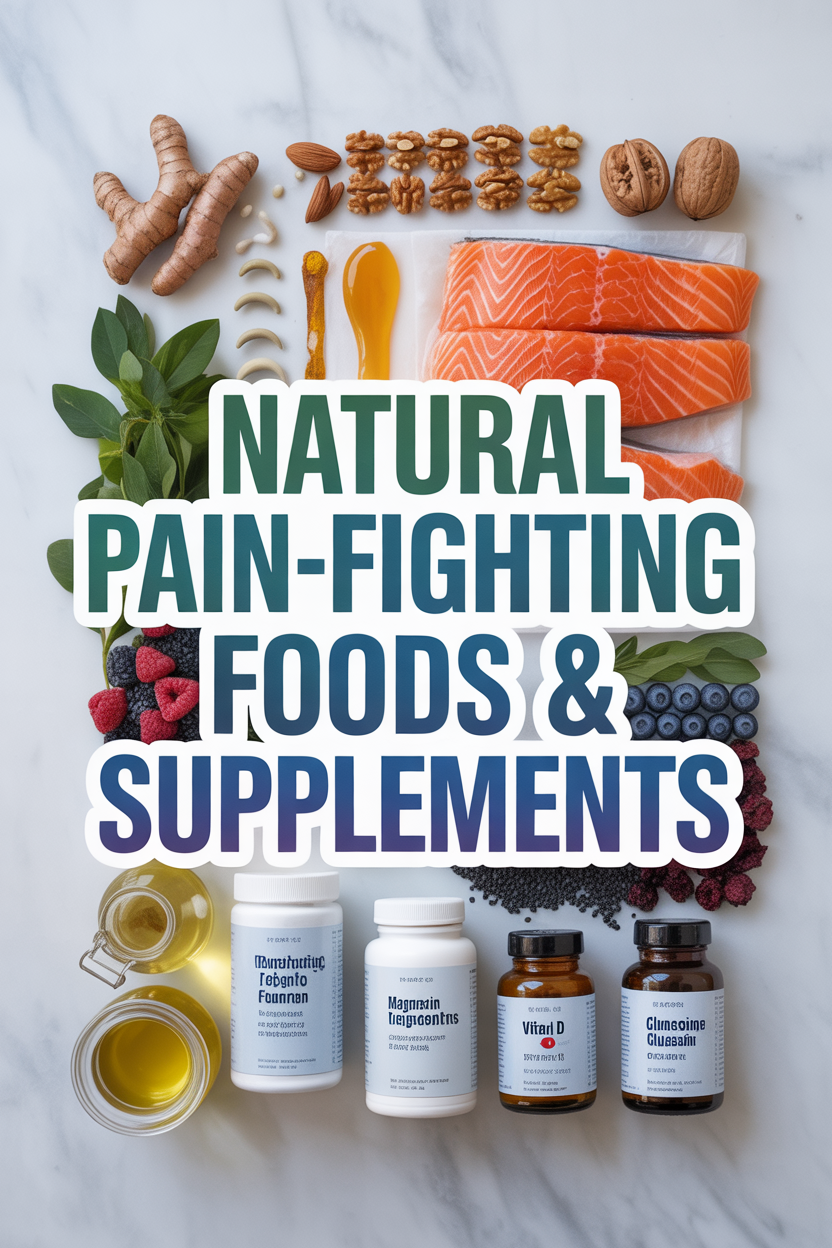
Your diet directly impacts inflammation and pain levels. An anti-inflammatory eating approach emphasizes colorful fruits and vegetables, whole grains, lean proteins, and healthy fats while limiting processed foods, refined sugars, and excessive red meat.
Specific inflammation-fighting foods include fatty fish (salmon, mackerel), berries, nuts, olive oil, and dark leafy greens.
Several supplements show promise for pain relief. Omega-3 fatty acids reduce inflammatory markers and help with joint and muscle pain.
Vitamin D supplementation can address deficiency-related pain, particularly in muscles and bones.
Glucosamine and chondroitin may benefit joint health, especially for osteoarthritis sufferers.
Magnesium supports muscle function and relaxation, potentially easing tension-related pain.
Turmeric/curcumin supplements provide concentrated anti-inflammatory effects beyond what dietary sources deliver.
Before adding supplements, consult healthcare providers, particularly if you take medications or have existing health conditions.
Alternative Approaches Worth Considering

Looking beyond conventional medicine opens additional pain relief possibilities. Acupuncture balances energy flow and stimulates your body’s natural pain-relieving compounds.
Research supports its effectiveness for various pain conditions, including back pain, arthritis, and headaches.
Massage therapy addresses muscle tension, improves circulation, and triggers endorphin release. Different techniques target various pain presentations: Swedish for general relaxation, deep tissue for stubborn knots, and myofascial release for connective tissue issues.
CBD products, available as oils, topicals, and edibles, interact with your body’s endocannabinoid system, potentially reducing inflammation and altering pain perception.
When exploring alternative options, seek qualified practitioners, start conservatively, and keep your primary healthcare providers informed about all treatments you’re using.
When to See a Doctor

While most body aches respond to self-care, certain symptoms require immediate medical attention. Seek emergency care for severe pain that begins suddenly, especially when accompanied by chest pressure, shortness of breath, or pain radiating into your left arm or jaw.
Pain with unexplained fever, particularly with rash or stiff neck, requires urgent assessment to rule out serious infections.
Sudden weakness, numbness, or inability to move a limb might indicate neurological problems requiring immediate medical care.
Schedule a prompt medical consultation for pain lasting longer than two weeks despite home care efforts, pain that wakes you from sleep or worsens with rest, unexplained weight loss with pain, or progressive weakness.
Pain following injuries should be evaluated if severe or persisting beyond expected recovery timeframes.
Proper medical assessment ensures you’re addressing the true cause of your pain rather than just treating symptoms.
Creating Your Personalized Pain Management Plan

Effective pain relief typically requires a customized approach combining multiple strategies. Begin by tracking your pain patterns – note when pain occurs, what makes it worse or better, and how it affects your daily activities.
Include both immediate relief strategies (like appropriate medications or temperature therapy) and long-term approaches (such as regular stretching, stress management, and dietary changes).
Document what works and what doesn’t to create your personal pain management toolkit that you can refine over time.
Partner with healthcare providers who listen to your concerns and support a comprehensive approach. Your team might include primary care physicians, physical therapists, pain specialists, nutritionists, or mental health professionals.
Remember that effective pain management typically focuses on reducing pain’s impact on your quality of life rather than eliminating it completely.
With patience and persistence, you can develop strategies that allow you to manage body aches effectively and maintain meaningful activities despite occasional discomfort.