
Red Light Therapy: Could This Natural Treatment Be the Joint Pain Breakthrough You Need?



Shining a New Light on Joint Pain: Red Light Therapy to the Rescue!

Joint pain affects millions of people worldwide, limiting mobility and simple pleasures. While medication and physical therapy remain common treatments, red light therapy is emerging as an effective alternative. This pain-free approach uses specific light wavelengths to penetrate troubled tissues and activate your body’s natural healing abilities. Let’s explore how red light therapy works for joint healing and why it might be worth considering.
The Science Behind the Glow

Red light therapy (also called photobiomodulation or low-level laser therapy) uses red and near-infrared light wavelengths between 630-850 nanometers. These light waves penetrate your skin without causing damage or pain.
At the cellular level, these light waves target your mitochondria – the powerhouses of your cells. When the light reaches these cellular factories, they increase production of ATP (cellular energy). This essentially supercharges your body’s natural healing mechanisms.
The therapy also triggers the release of nitric oxide, improving blood flow to the affected area. This creates better delivery of oxygen and nutrients to damaged joint tissues. It also helps reduce oxidative stress that contributes to joint damage.
How Red Light Treats Different Joint Tissues
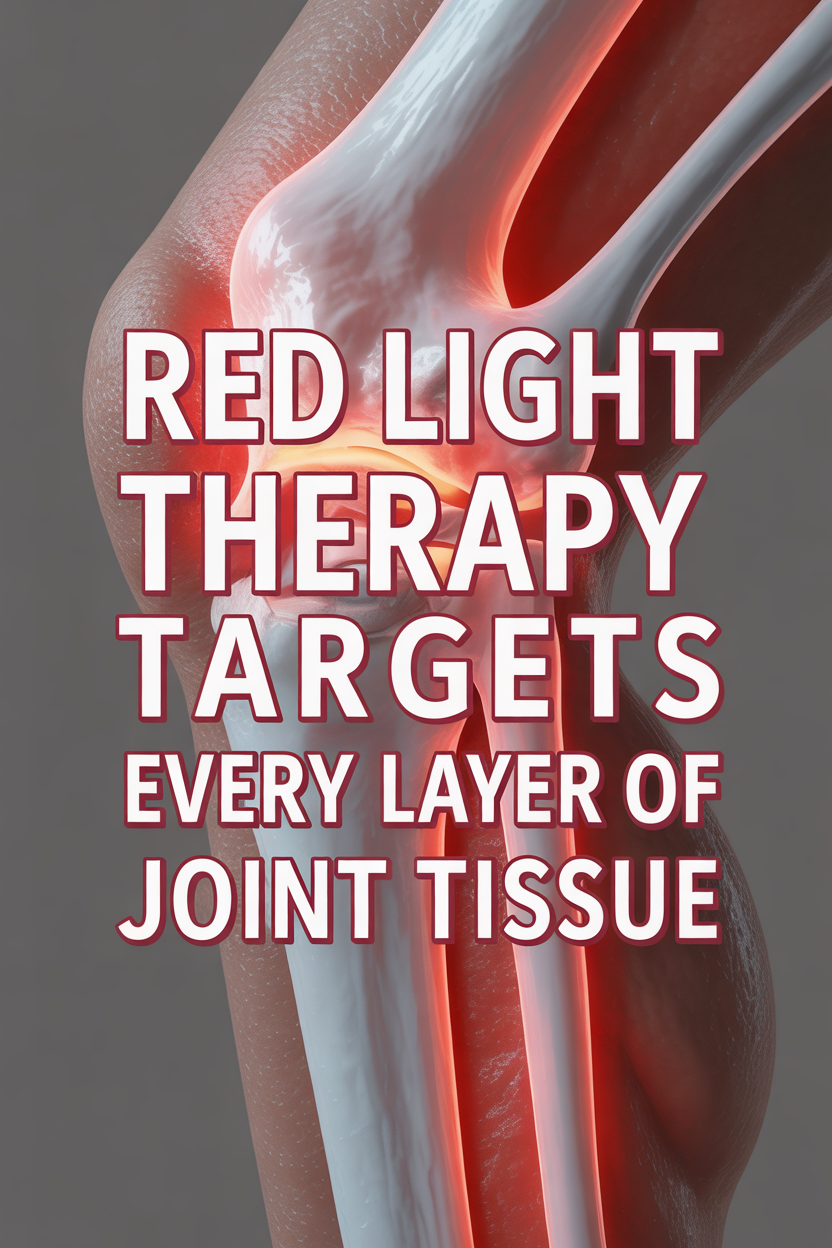
Joints contain various tissues, and red light therapy benefits each in unique ways:
- Cartilage: Red light stimulates cartilage cells (chondrocytes) to produce more collagen and proteoglycans, helping rebuild joint surfaces
- Synovial membrane: This therapy reduces inflammation in the membrane that produces joint lubricating fluid, allowing smoother movement
- Ligaments and tendons: Red light encourages fibroblasts to produce more collagen, strengthening the joint’s support system
- Bone: The light stimulates bone-forming cells near joints, providing better structural support
The major advantage of red light therapy is its multifaceted approach, addressing several joint issues simultaneously rather than just targeting pain or inflammation.
Benefits for Arthritis and Joint Inflammation

With over 50 million American adults suffering from arthritis, the potential benefits of red light therapy are significant.
For osteoarthritis (wear-and-tear arthritis):
- Reduces pain without medication side effects
- Decreases morning stiffness, improving daily function
- Increases range of motion
- Potentially slows cartilage breakdown through cellular regeneration
- Reduces dependence on pain medications
For rheumatoid arthritis (autoimmune arthritis):
- Helps moderate overactive immune responses
- Reduces inflammatory cytokines that drive joint destruction
- Decreases swelling and tenderness
- Improves joint function and quality of life
Many people with arthritis report noticeable improvements after just 2-4 weeks of consistent red light therapy, though individual results vary based on condition severity.
Red Light Therapy for Sports Injuries

Athletes increasingly use red light therapy to recover from joint injuries:
- Faster recovery: Helps athletes return to activity sooner after sprains, strains, and minor tears
- Reduced inflammation: Decreases swelling after acute injuries, allowing earlier rehabilitation
- Pain management: Offers drug-free pain relief that addresses causes rather than just masking symptoms
- Injury prevention: Regular sessions may strengthen joint tissues against future damage
Professional sports teams now routinely include red light therapy in their recovery protocols, with many athletes crediting it for extending their careers and maintaining peak performance.
Red Light vs. Traditional Treatments
Many healthcare providers now include red light therapy as part of a comprehensive approach to joint healing. Its excellent safety profile makes it suitable for long-term use, unlike many medications that can cause side effects with extended use.
Red light therapy works well alongside traditional treatments like physical therapy and carefully prescribed medications. This integrated approach often provides better outcomes than any single treatment alone.
Research Supporting Red Light for Joint Healing

Scientific evidence continues to build for red light therapy’s effectiveness:
- A 2019 meta-analysis in Lasers in Medical Science reviewed 22 controlled trials and found that red light therapy significantly reduced knee osteoarthritis pain and improved function, with benefits lasting up to 12 weeks
- Research in the Journal of Rheumatology showed that twice-weekly sessions for 4 weeks reduced pain by approximately 70% in rheumatoid arthritis patients, compared to just 19% in placebo groups
- A 2021 study in the American Journal of Sports Medicine found that athletes with ankle sprains returned to activity almost 4 days earlier with red light therapy
While the evidence is promising, scientists agree that larger long-term studies and standardized protocols are still needed. However, the existing research has convinced many joint specialists to include red light therapy in their treatment approaches.
Types of Red Light Devices for Joint Treatment
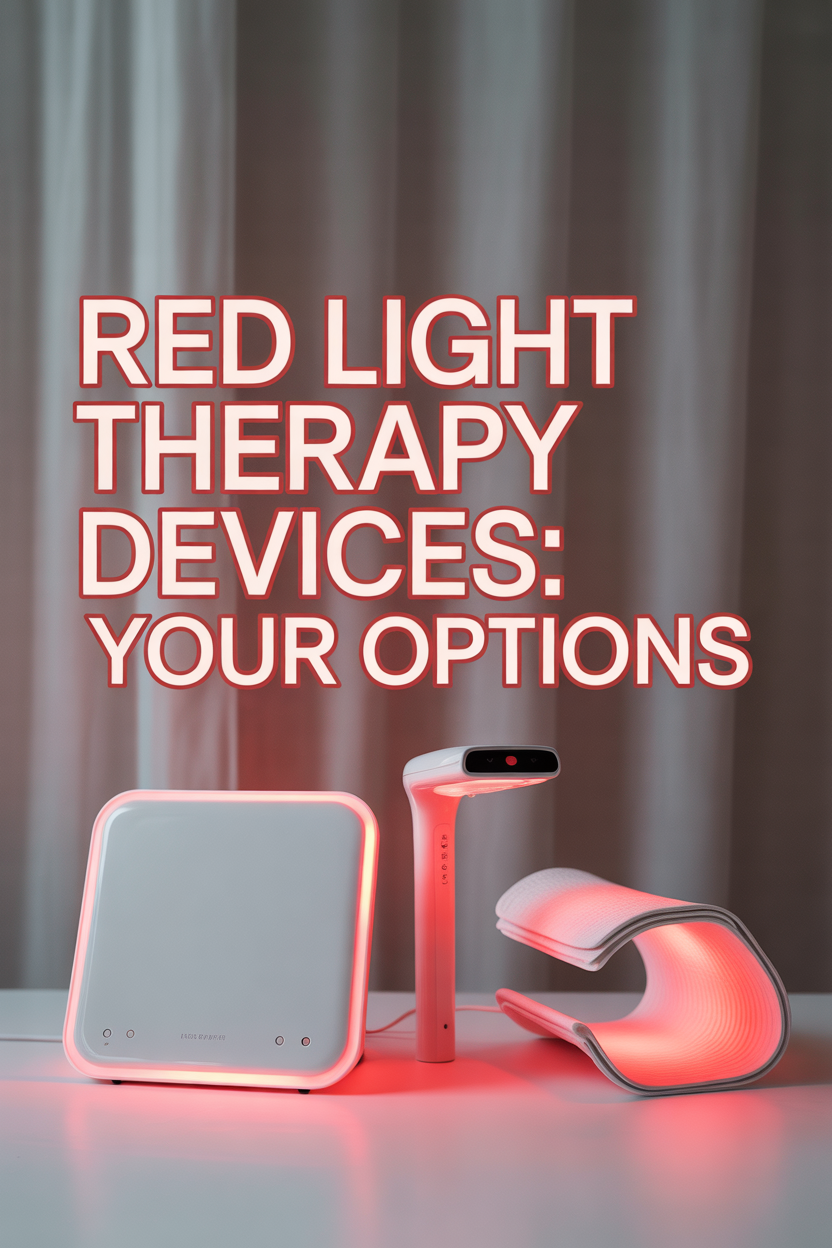
Several device options are available for red light therapy:
- Light panels: Large wall-sized panels that can treat multiple joints simultaneously
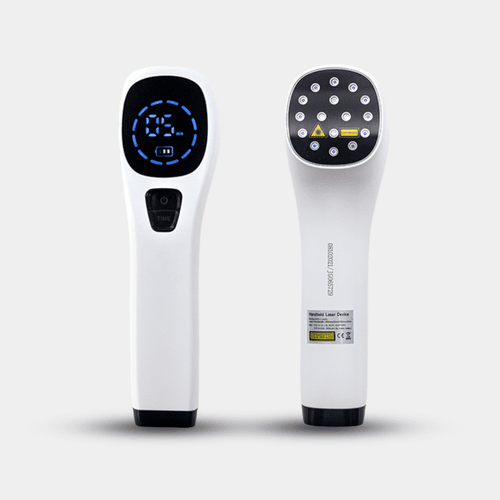
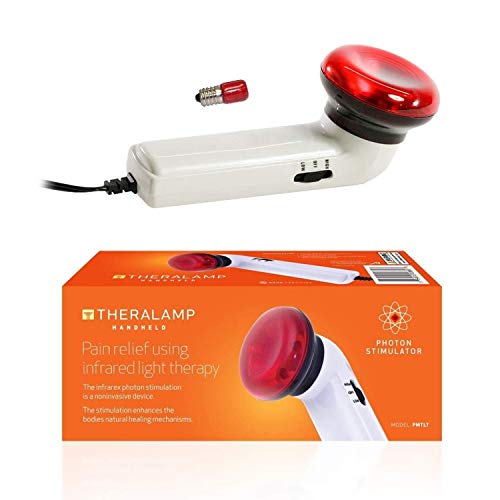
- Handheld devices: Portable wands perfect for targeting smaller joints
- Flexible pads: Wraps that conform to joints like knees and elbows
- Combo devices: Systems that pair red light with near-infrared or heat
- Professional systems: More powerful devices found in clinical settings
When selecting a device, consider which joints need treatment, your condition’s severity, and whether you’re addressing an acute injury or chronic condition.
Home vs. Clinical Red Light Sessions
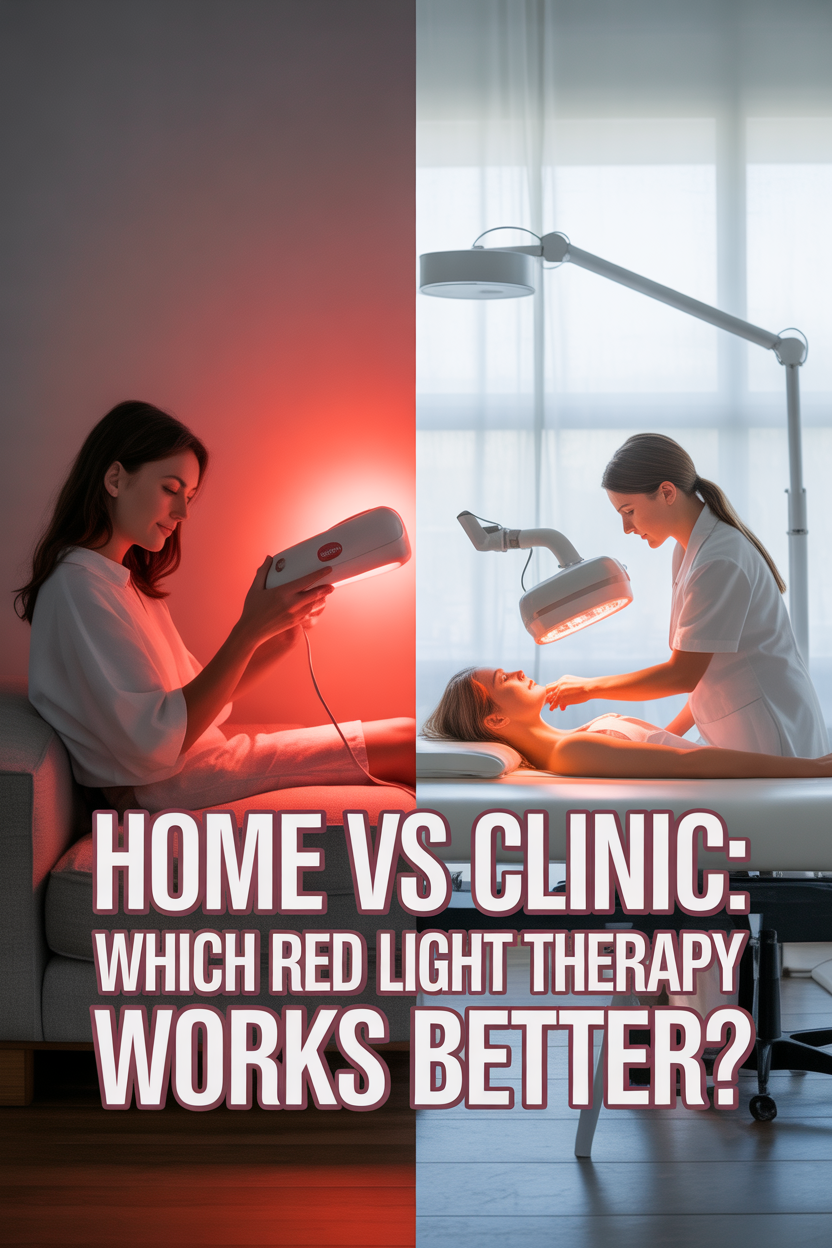
Both home and professional treatments offer distinct advantages:
Home treatment benefits:
- Convenience of treating at your preferred time
- Lower cost per session over time
- Privacy during treatment
- No travel required
- Ability to treat immediately after exercise when tissues are primed for healing
Professional treatment advantages:
- Higher-powered devices that may work more efficiently
- Expert guidance ensures proper technique
- Often combined with complementary treatments
- Professional progress tracking
- Access to advanced technology without purchasing equipment
Many people take a hybrid approach—starting with professional sessions to learn proper techniques, then maintaining with home devices once they understand the process.
Finding the Right Wavelengths for Your Joints
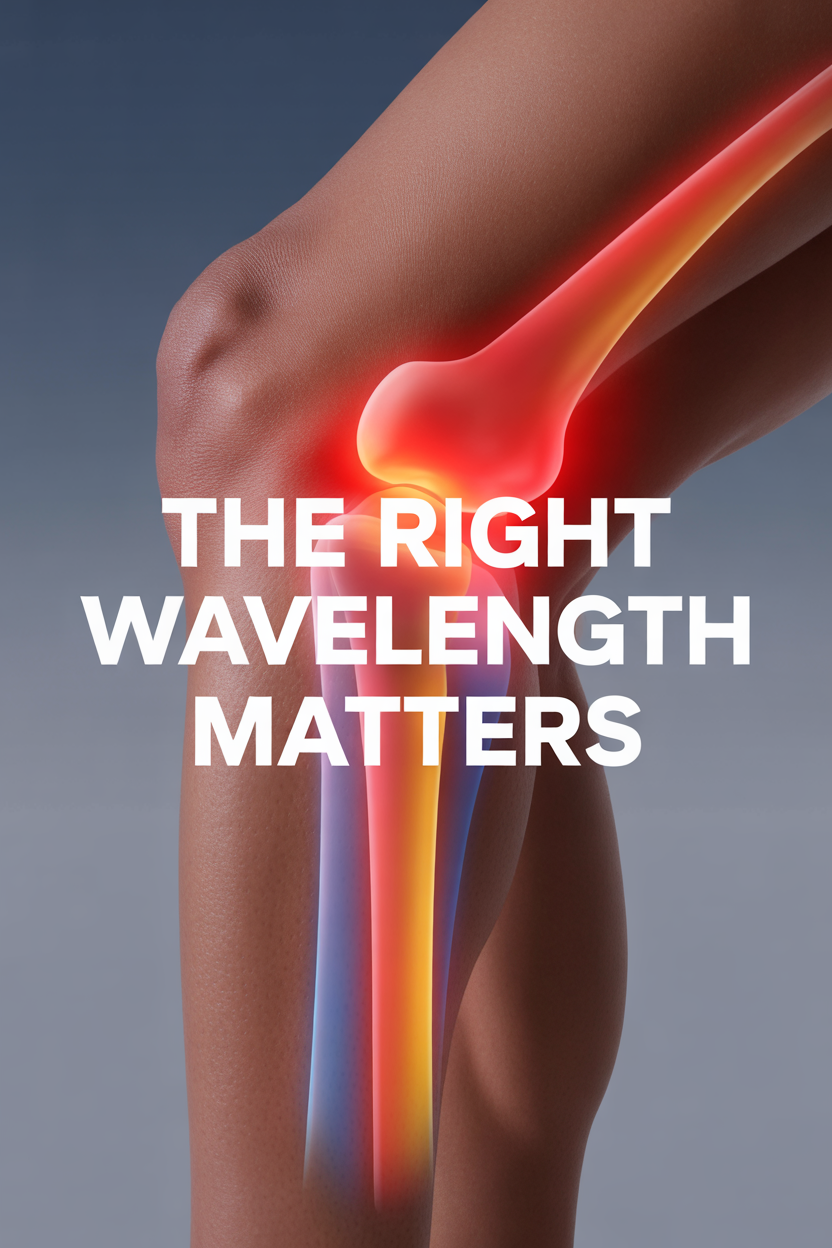
Different wavelengths target different tissue depths:
- 630-660nm (red light): Best for surface-level issues and smaller joints like fingers and wrists
- 810-850nm (near-infrared): Penetrates deeper for larger joints like knees, hips, and shoulders
- Combination therapy: Using both wavelengths provides comprehensive treatment for various tissue depths
Deeper joints typically require longer wavelengths to reach the affected tissues. The light must penetrate skin, fat, and sometimes muscle to reach the targeted joint structures.
Treatment Protocols for Maximum Benefits
Successful red light therapy follows specific timing and frequency guidelines:
- Session length: 10-20 minutes per treatment area
- Frequency: Daily for acute injuries, or 2-3 times weekly for chronic conditions
- Distance: Usually 6-12 inches from the device to the treatment area
- Initial course: Commit to 4-6 weeks before evaluating results
- Maintenance: Once improvement occurs, reduce to 1-2 weekly sessions
Consistency is crucial for success. Regular treatment sessions allow cellular regeneration processes to build momentum and create lasting changes in joint tissues.
Success Stories from Real People

“After 15 years of knee osteoarthritis and trying numerous treatments, red light therapy has been transformative. Six weeks in, I’ve reduced my pain medications by half and can walk my dog for 30 minutes without discomfort.” – Margaret, 67
“As a marathon runner, persistent ankle inflammation threatened my career. After three months of red light therapy, my pain decreased by about 80% and I’ve completed two more marathons. I maintain with twice-weekly sessions now.” – James, 42
“Rheumatoid arthritis severely limited the function of my hands. Since starting home red light therapy, my morning stiffness has decreased from 2 hours to 20 minutes. I can open jars again and perform daily tasks independently.” – Susan, 58
Results vary based on condition severity, treatment consistency, and whether red light therapy is part of a comprehensive joint health strategy.
Combining Red Light with Other Joint Treatments

Red light therapy works effectively alongside other approaches:
- With exercise: Performing strengthening routines after red light sessions can enhance their effectiveness
- With anti-inflammatory foods: Pairing external light therapy with internal anti-inflammatory nutrition creates a comprehensive approach
- With physical therapy: Many physical therapists use red light before manual techniques to improve tissue responsiveness
- With supplements: Collagen, glucosamine, and chondroitin can support cartilage health alongside red light therapy
- With contrast therapy: Alternating cold and heat before red light can prepare tissues for optimal response
The most impressive joint improvements typically occur when red light therapy is part of a broader health strategy rather than used in isolation.
Side Effects and Precautions

Red light therapy is generally very safe, but some considerations include:
- Eye safety: Wear protective goggles during facial treatments to protect your retinas
- Temporary redness: Some people experience mild skin redness after treatment due to increased blood flow
- Photosensitivity: Certain medications increase sensitivity to light. Check with your doctor if you take tetracycline antibiotics or specific anti-inflammatories
- Overuse: Follow recommended protocols—more intense or frequent treatments aren’t necessarily better
Red light therapy isn’t recommended for:
- Pregnancy
- Active cancer in the treatment area (consult your oncologist first)
- Recent steroid injections (wait about 2 weeks)
- Epilepsy (especially for devices with pulsing features)
Always consult your healthcare provider before starting red light therapy, especially if you have underlying conditions or take medications that might interact with the treatment.
Cost Comparison with Other Treatments

While quality home devices require an initial investment (typically $300-$1000+), the long-term cost comparison often favors red light therapy. Most users find their device becomes economical within 3-6 months compared to ongoing professional treatments or medications.
Professional clinic sessions generally range from $30-$100 per treatment, making home devices cost-effective for those needing regular, long-term therapy.
The Future of Red Light Therapy

Exciting innovations are emerging in red light therapy technology:
- Wearable devices: Flexible, portable light therapy options that can be used during daily activities
- Wavelength customization: Next-generation devices that adjust wavelengths based on specific joint conditions
- Smart protocols: Systems using artificial intelligence to develop personalized treatment plans
- Combination therapies: Integrated devices that combine red light with other therapeutic modalities
- Improved insurance coverage: As evidence grows, more insurance providers may begin covering these treatments
Researchers continue exploring optimized wavelength combinations and pulsing patterns to enhance healing effects. These developments promise to make red light therapy even more effective and accessible.
Illuminating Your Path to Joint Health
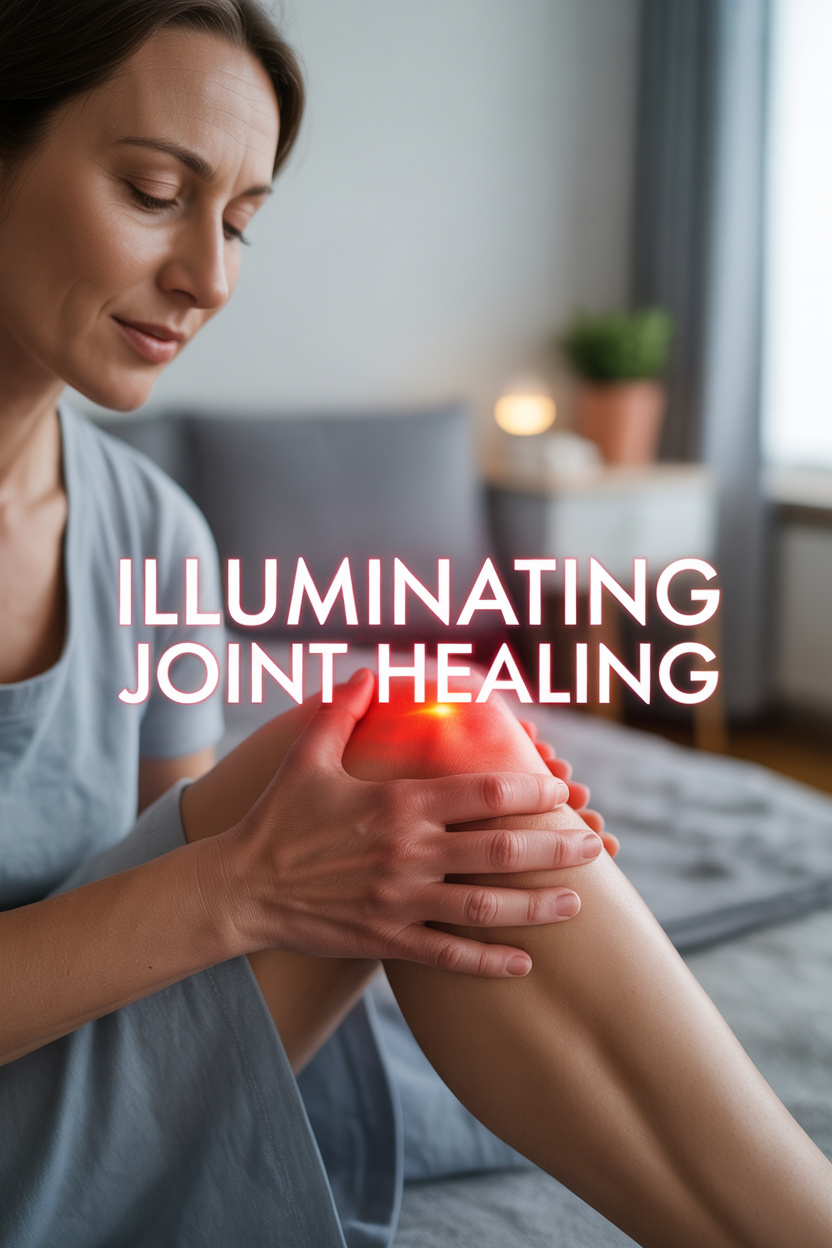
Red light therapy represents a promising approach to joint healing that addresses underlying causes rather than just masking symptoms. With minimal side effects and growing scientific support, it offers a compelling option for anyone seeking alternatives to conventional treatments.
While not a miracle cure, red light therapy can be a valuable component of your joint health strategy. If you’re tired of medication side effects or facing invasive procedures, discussing red light therapy with your healthcare provider could open new possibilities for improved mobility and comfort.
As research advances and technology evolves, red light therapy is positioned to play an increasingly important role in joint health management. Its ability to stimulate your body’s natural healing processes at the cellular level represents a fundamental shift toward regenerative approaches that could benefit millions of people with joint pain.