
Beyond Pills: 7 Natural Pain Relief Strategies That Actually Work

Ouch! That Hurts! A Fun Guide to Pain Management Alternatives

Living with chronic pain is about as fun as stepping on a LEGO at 3 AM. It can make everything from tying your shoes to getting a good night’s sleep feel like mission impossible! While traditional pain meds certainly have their place, many of us are looking for alternatives. Maybe you’re tired of side effects, worried about dependency, or perhaps the usual treatments just aren’t working anymore. Let’s explore some non-pharmaceutical pain management techniques that might improve your quality of life.
Why More People Are Seeking Pain Relief Alternatives

The quest for alternative pain treatments has grown significantly in recent years. There are several solid reasons behind this trend: increasing awareness about opioid addiction risks, recognition that chronic pain is complex, and understanding that one-size-fits-all approaches rarely work.
With approximately 20% of adults worldwide experiencing chronic pain, many discover that conventional treatments either don’t provide sufficient relief or come with unwanted side effects. This explains the growing interest in holistic approaches that address pain from physical, emotional, and cognitive perspectives.
Understanding Different Types of Pain

Before treating your pain, it helps to understand what type you’re experiencing:
- Nociceptive pain: The classic “ouch” pain from tissue damage. Think paper cuts, burns, or arthritis making your knees crackle.
- Neuropathic pain: When your nerves malfunction and send pain signals inappropriately. Often described as burning, tingling, or shooting sensations.
- Inflammatory pain: Your body’s response to injury – swelling, redness, and heightened sensitivity.
- Functional pain: Pain with no obvious physical cause, like fibromyalgia or irritable bowel syndrome.
Identifying your specific pain type significantly increases your chances of finding effective relief strategies.
Limitations of Traditional Pain Medications

Conventional pain medications can be lifesavers, but they come with drawbacks that might make alternatives appealing:
NSAIDs like ibuprofen can irritate your stomach and potentially cause kidney issues with long-term use. They may also increase cardiovascular risks for some people.
Opioid medications are effective but carry risks of dependence and tolerance. Ironically, they can sometimes make you more sensitive to pain over time.
Acetaminophen is less effective for certain pain types and can impact liver function, especially when combined with alcohol.
Even specialized prescription medications for nerve pain or muscle spasms often cause side effects like drowsiness or dizziness. These limitations explain why many seek complementary approaches.
Mind-Body Techniques for Pain Management

Your brain plays a crucial role in how you perceive pain. It constantly integrates physical sensations with psychological responses to create your unique pain experience. This explains why anxiety and depression often accompany chronic pain, creating a cycle where emotional distress amplifies physical discomfort.
Biofeedback techniques provide real-time information about physiological processes like muscle tension and heart rate. With practice, you can learn to influence these processes, essentially training your nervous system to respond differently to pain signals.
The placebo effect demonstrates the power of belief in pain relief. When your brain expects improvement, it can actually reduce pain perception. Modern pain specialists often leverage this mental component alongside other treatments for enhanced results.
Movement-Based Approaches to Pain Relief

Exercise might seem counterintuitive when you’re hurting, but movement-based approaches are among the most evidence-supported pain management strategies. Physical therapy tailored to your condition can:
- Strengthen muscles to support painful areas
- Improve flexibility and range of motion
- Correct problematic movement patterns
- Teach self-management techniques for pain flare-ups
Low-impact activities like swimming, walking, and cycling allow you to maintain fitness without aggravating pain. For many conditions—especially chronic back pain—appropriate movement actually reduces discomfort, even if it seems counterintuitive initially.
Specialized movement practices offer additional benefits:
- Tai Chi: These flowing movements have shown effectiveness for fibromyalgia, arthritis, and back pain.
- Yoga: Combines physical postures with breathing techniques and mindfulness for comprehensive pain management.
- Pilates: Focuses on core strength and proper alignment, particularly beneficial for back pain and posture-related issues.
The key is finding movement that gradually builds strength and flexibility without exacerbating your symptoms.
Acupuncture and Traditional Chinese Medicine

Acupuncture involves extremely thin needles—much finer than typical medical needles. In Traditional Chinese Medicine, this practice balances the body’s energy (qi) flowing through pathways called meridians. Western medical explanations suggest acupuncture stimulates nerves, increases blood flow, and triggers natural pain-relieving chemicals.
Research shows acupuncture can be effective for:
- Chronic low back pain
- Neck pain
- Osteoarthritis
- Headaches and migraines
- Shoulder pain
Beyond acupuncture, Traditional Chinese Medicine offers other pain management techniques:
- Cupping: Creating suction on the skin to improve circulation
- Gua sha: Scraping the skin to promote blood flow
- Chinese herbal medicine: Customized herbal formulations for specific conditions
When seeking acupuncture treatment, ensure you find a licensed practitioner who uses sterile, disposable needles.
Therapeutic Massage and Manual Therapies

Beyond feeling pleasurable, therapeutic massage provides pain relief through several mechanisms:
- Increasing blood flow to affected tissues
- Relaxing tense muscles
- Triggering endorphin release
- Breaking up adhesions in connective tissue
Different massage styles offer varying benefits:
- Swedish massage: Gentle, flowing strokes for general relaxation
- Deep tissue massage: Targeting deeper muscle layers for chronic tension
- Myofascial release: Focusing on the fascia surrounding muscles
- Trigger point therapy: Addressing specific painful points that radiate discomfort
Related manual therapies include:
- Chiropractic adjustments: Spinal manipulation to improve alignment and function
- Osteopathic manipulation: Hands-on techniques performed by osteopathic physicians
- Rolfing: Intensive structural integration focusing on fascial alignment
Ensure your practitioner has appropriate credentials and understands your complete medical history before beginning treatment.
Heat and Cold Therapy: Simple Yet Effective

Temperature therapies offer accessible, affordable pain relief options that you can easily implement at home.
Heat therapy works by:
- Increasing blood flow to the affected area
- Relaxing tight muscles
- Improving tissue flexibility
- Creating a pleasant sensation that competes with pain signals
Heat options include heating pads, warm baths, heated gel packs, and infrared lamps. This approach works particularly well for muscle pain, stiff joints, and arthritic discomfort.
Cold therapy provides relief by:
- Reducing inflammation
- Numbing nerve endings
- Decreasing swelling
- Constricting blood vessels to limit inflammatory responses
Cold can be applied through ice packs, cold compresses, ice massage, or cooling sprays. It’s especially effective for recent injuries, inflammatory conditions, and certain headaches.
For many chronic conditions, alternating between heat and cold works better than either approach alone. Generally, use cold for fresh injuries (first 48-72 hours) and heat for ongoing issues, but pay attention to what provides the most relief for your specific condition.
TENS and Electrical Stimulation Therapies

Transcutaneous Electrical Nerve Stimulation (TENS) uses low-voltage electrical currents to manage pain. These portable devices help by:
- Blocking pain signals from reaching your brain
- Stimulating endorphin release
- Improving blood circulation to painful areas
- Calming muscle spasms
Modern TENS units are user-friendly with adjustable settings to customize your treatment. They’re generally safe with minimal side effects, though not recommended for people with pacemakers, pregnant women, or for use on broken skin.
Related electrical therapies include:
- PENS therapy: Uses needles to deliver current below the skin
- Interferential current therapy: Uses multiple currents to reach deeper tissues
- Microcurrent therapy: Employs tiny currents that match the body’s natural electrical activity
These approaches have shown promising results for back pain, arthritis, nerve pain, and post-surgical discomfort.
CBD and Cannabis-Based Options

Cannabis-derived products have gained attention for pain management. The two primary compounds involved are:
- CBD (cannabidiol): Non-intoxicating compound that may help with inflammation and pain perception
- THC (tetrahydrocannabinol): Psychoactive compound that can relieve pain but also causes cognitive effects
These substances come in various forms:
- Oils and tinctures for sublingual administration
- Topical creams and balms for localized relief
- Edibles for oral consumption
- Capsules and pills for consistent dosing
- Vaporized or smoked products where legally available
Research suggests these may help with nerve pain, cancer-related pain, and inflammatory conditions. CBD-only products won’t cause intoxication and are more widely legal, though they may interact with certain medications.
Regulations vary significantly by location, so understand your local laws before using these products. Quality and concentration also vary between manufacturers, making it important to choose reputable sources.
Consult healthcare providers before starting any cannabis-based treatment, especially if you take other medications or have existing health conditions.
Anti-Inflammatory Nutrition Strategies

Your diet significantly influences inflammation and pain levels. Certain eating patterns can help reduce inflammatory responses:
- Mediterranean diet: Emphasizes olive oil, fish, fresh produce, nuts, and whole grains
- Elimination diets: Temporarily removes potential trigger foods to identify personal sensitivities
- Low-FODMAP diet: May help those with digestive system pain conditions
Some foods act as natural anti-inflammatories:
- Fatty fish rich in omega-3 fatty acids
- Colorful fruits and vegetables containing antioxidants
- Turmeric with its active compound curcumin
- Ginger containing anti-inflammatory gingerol compounds
- Green tea with beneficial polyphenols
- Olive oil containing oleocanthal, which has properties similar to ibuprofen
Conversely, some foods tend to promote inflammation:
- Refined carbohydrates and added sugars
- Processed meats high in preservatives
- Trans fats found in many processed foods
- Excessive alcohol consumption
Proper hydration is also crucial, as dehydration can worsen certain pain conditions, particularly headaches and muscle cramps.
While dietary changes alone may not eliminate chronic pain, they can significantly reduce inflammatory processes and enhance the effectiveness of other pain management strategies.
Meditation and Mindfulness Practices

Scientific research now confirms that meditation and mindfulness can measurably reduce pain perception. Brain scans show these practices actually change how pain signals are processed. Mindfulness teaches you to observe pain sensations without the automatic emotional reactions that often amplify suffering.
Effective mindfulness approaches include:
- Mindfulness-Based Stress Reduction (MBSR): An 8-week program combining meditation, body awareness, and gentle yoga
- Body scan meditation: Systematically bringing attention to different body parts without judgment
- Loving-kindness meditation: Developing compassion for yourself and others
- Breath awareness: Using your breath as an anchor when pain distracts your attention
Neuroimaging studies demonstrate that regular meditation practice can rewire pain processing centers in the brain. These changes correlate with reduced pain intensity and emotional suffering in practitioners.
Beyond pain reduction, these practices often improve sleep quality, decrease anxiety, and enhance overall coping abilities—all valuable benefits for those managing chronic pain.
Getting started requires minimal equipment or expense. Even five minutes of daily practice can begin training your brain to respond differently to pain signals.
Cognitive Behavioral Therapy for Pain

Cognitive Behavioral Therapy (CBT) is an evidence-based approach for physical pain management. It recognizes that while pain itself might be unavoidable, suffering can be reduced by changing how we respond to it.
Key components of CBT for pain include:
- Identifying thought patterns that intensify pain, such as catastrophizing or all-or-nothing thinking
- Developing coping strategies for pain flare-ups
- Learning activity pacing to prevent overexertion and subsequent crashes
- Setting realistic goals for functioning despite ongoing pain
- Addressing secondary issues like sleep disturbances or relationship difficulties
Research consistently demonstrates CBT’s effectiveness for various chronic pain conditions. While traditionally delivered by pain psychologists, you can now access CBT principles through self-help books, online programs, and specialized apps.
A related approach called Acceptance and Commitment Therapy (ACT) focuses on accepting pain’s presence while still pursuing meaningful activities and values.
Innovative Technologies for Pain Relief

Technology is creating exciting new options for non-medication pain management:
- Virtual reality therapy: Immersive environments that distract the brain from pain signals. Particularly helpful for procedural pain, burns, and phantom limb sensations.
- Advanced neuromodulation: Sophisticated devices like spinal cord stimulators and transcranial magnetic stimulation that directly influence neural circuits involved in pain perception.
- Wearable biofeedback: Devices tracking physiological stress and pain markers, providing real-time feedback to help manage responses.
- Pain management apps: Digital tools offering structured programs, symptom tracking, guided meditation, and CBT techniques specifically for pain control.
- Radiofrequency ablation: Using heat from radio waves to disrupt specific pain signals.
While some advanced technologies require medical supervision, many options are becoming increasingly accessible for everyday use. Results vary significantly depending on your specific condition and individual biology.
Creating Your Comprehensive Pain Management Plan
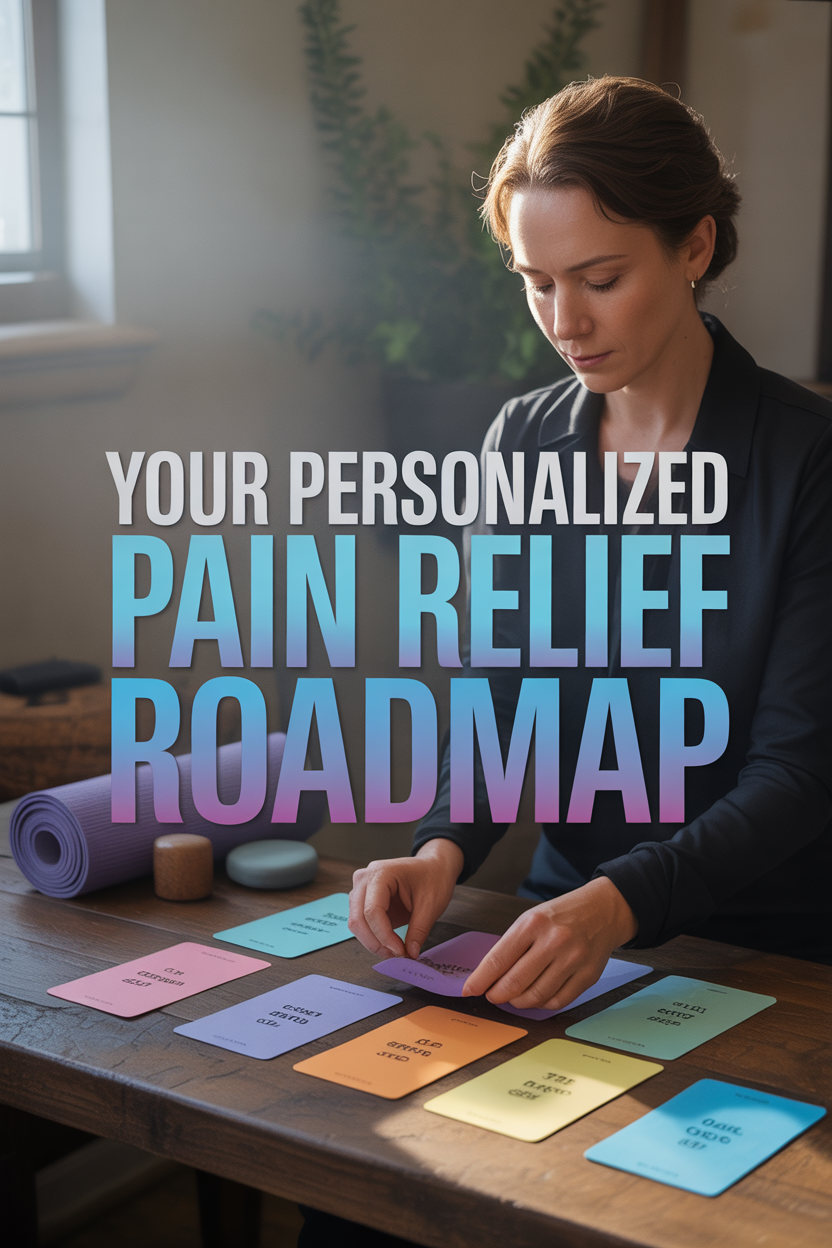
The most effective approach to pain management typically combines multiple strategies tailored to your specific situation. Developing your personalized plan involves:
- Obtaining an accurate diagnosis: Understanding the underlying cause helps target treatments appropriately.
- Setting realistic goals: Complete pain elimination might not be possible, but improving function and quality of life often are achievable targets.
- Combining approaches: Integrate physical interventions with psychological techniques for a more comprehensive strategy.
- Regular reassessment: Chronic pain conditions evolve over time, requiring periodic adjustments to your management plan.
- Building a support team: Assemble healthcare providers who communicate effectively and respect your input about your pain experience.
While exploring alternatives, keep your healthcare providers informed. Some approaches complement conventional treatments well, while others might interact with medications in problematic ways.
Remember that effective pain management is highly individual. Finding your optimal combination of strategies often requires patience, experimentation, and persistence.
Taking Control of Your Pain Experience

Pain management alternatives offer numerous options beyond medication. By exploring different approaches—from physical techniques and mind-body practices to dietary modifications and emerging technologies—you can develop a personalized strategy that addresses pain from multiple angles.
The most successful pain management typically involves several complementary approaches working together, customized to your specific needs and regularly updated as those needs change. While completely eliminating pain might not always be possible, these alternative techniques can significantly improve function, reduce suffering, and help you reclaim aspects of life that pain has affected.
As research advances, the toolkit of evidence-based options continues to expand, offering hope to anyone seeking effective, sustainable pain solutions with fewer side effects than medications alone. Your pain journey may have challenges, but with these alternatives in your toolkit, you’re better equipped to navigate toward improved quality of life.