
12 Evidence-Based Muscle Pain Relief Methods That Actually Work

12 Best Methods for Muscle Pain Relief: Evidence-Based Solutions That Actually Work

If you’re reading this, I’m guessing your muscles are causing you significant discomfort right now. Don’t worry – you’re in excellent company! Millions of Americans are currently experiencing muscle pain in various forms. With countless products claiming to provide relief, finding effective solutions can be challenging. Let me guide you through scientifically-backed options that will help you move comfortably again.
Understanding Different Types of Muscle Pain

Before exploring relief options, it’s important to identify what type of muscle pain you’re experiencing.
Acute muscle pain follows exercise (delayed onset muscle soreness or DOMS), minor injuries, or physical exertion like moving furniture. This type typically resolves within days with proper care.
Chronic muscle pain persists for months and might connect to conditions like fibromyalgia, myofascial pain syndrome, or other ongoing medical issues. Knowing which type you’re dealing with helps determine the most effective treatment approach.
Over-the-Counter Medications

When you need quick relief, these over-the-counter options can be effective:
- Acetaminophen (Tylenol): Reduces pain signals without addressing inflammation
- Ibuprofen (Advil, Motrin): Tackles both pain and inflammation
- Naproxen sodium (Aleve): Provides relief for up to 12 hours
- Aspirin: Classic pain-fighter (avoid if you have bleeding issues)
These medications work well for mild to moderate discomfort, but always follow dosage instructions carefully to avoid complications.
The Role of NSAIDs
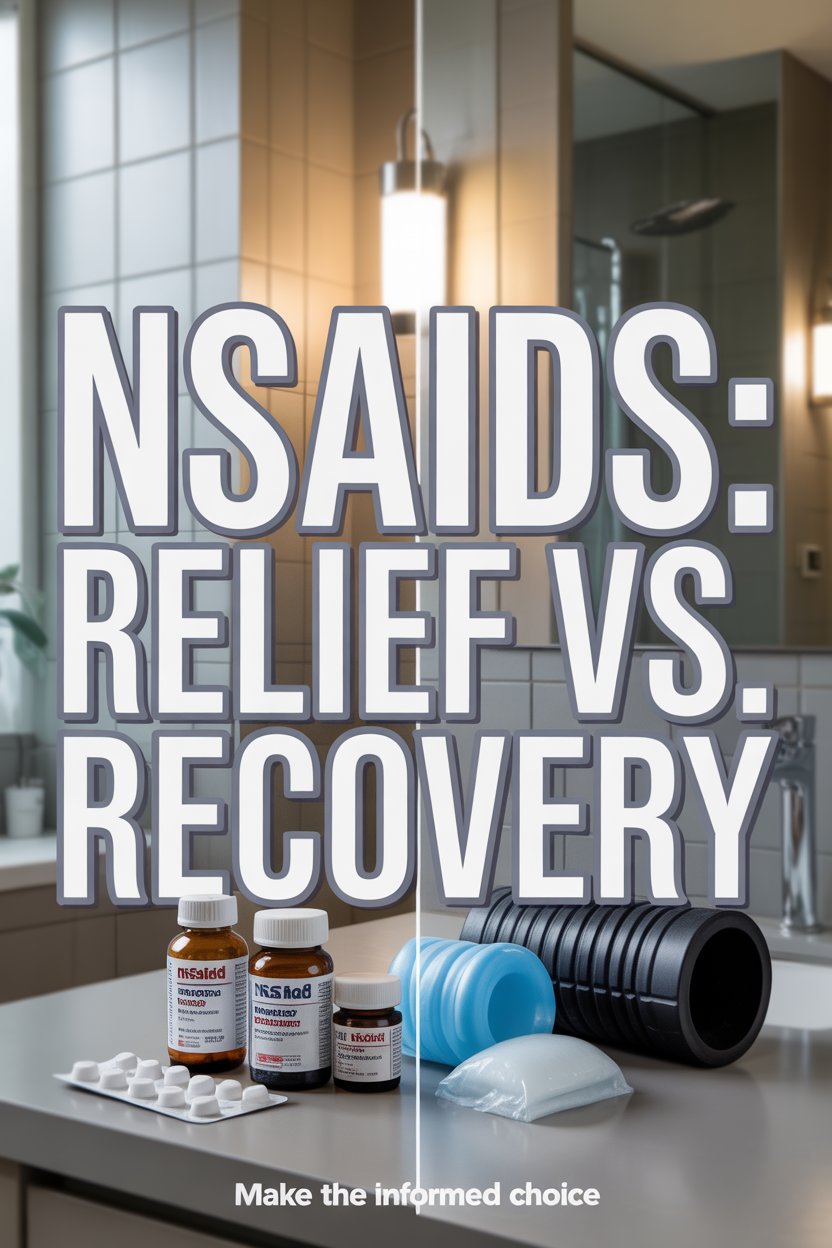
NSAIDs like ibuprofen and naproxen effectively reduce inflammation by blocking pain-producing enzymes. They excel when muscles are both painful and inflamed.
However, recent research suggests NSAIDs might potentially slow your muscle’s natural recovery process. Some sports medicine experts now caution against using NSAIDs for regular workout soreness.
Long-term NSAID use comes with potential side effects: stomach irritation, kidney problems, and possible heart issues, particularly in older adults. Always consult your healthcare provider before using NSAIDs regularly.
Topical Treatments
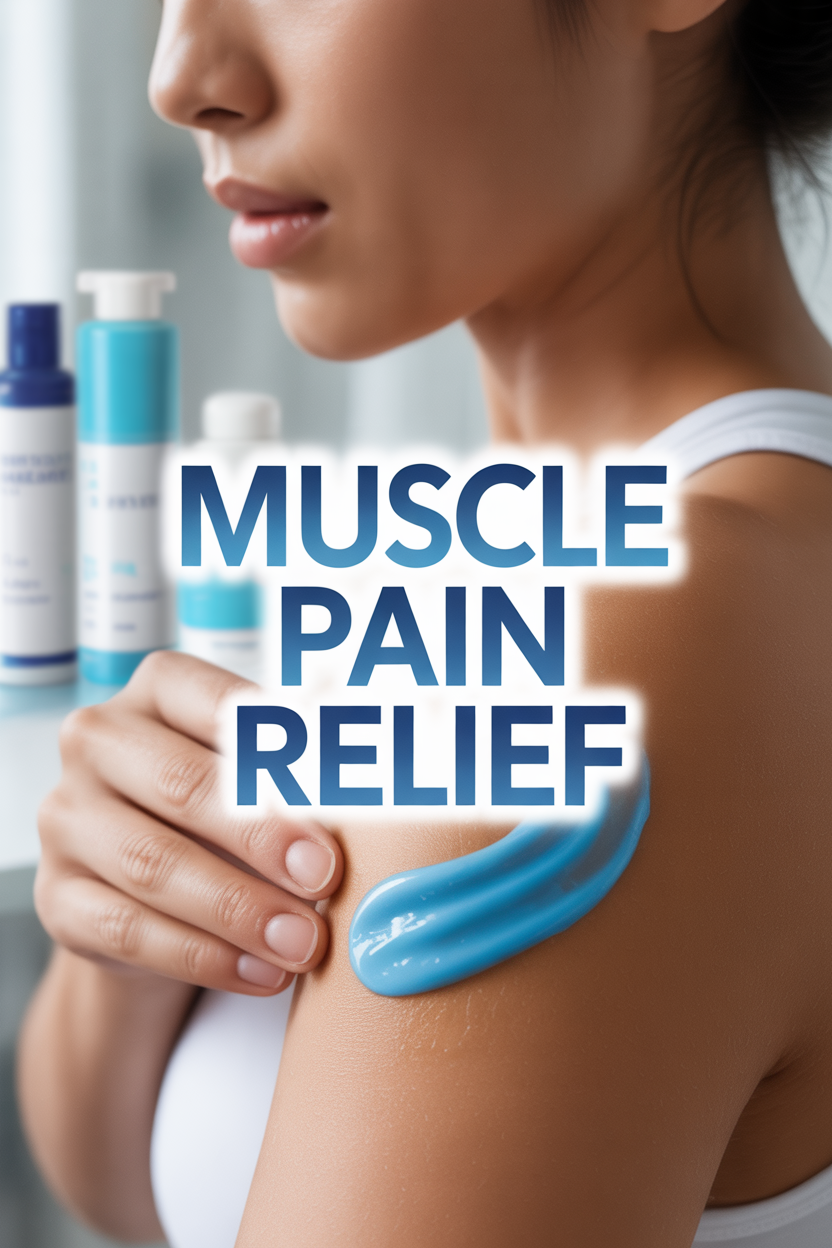
Topical treatments target pain precisely where it hurts without affecting your entire body:
- Menthol-based products (Biofreeze, Icy Hot): Create cooling sensations that distract from pain signals
- Capsaicin creams: Made from chili peppers, they create alternative sensations that effectively mask pain
- NSAID gels and patches (Voltaren): Deliver anti-inflammatory medication directly to painful areas
- CBD-infused topicals: May help through interaction with your endocannabinoid system
These work best for surface-level pain rather than deep tissue discomfort. Apply directly to the affected areas for maximum effectiveness.
Heat vs. Cold Therapy: Complementary Approaches
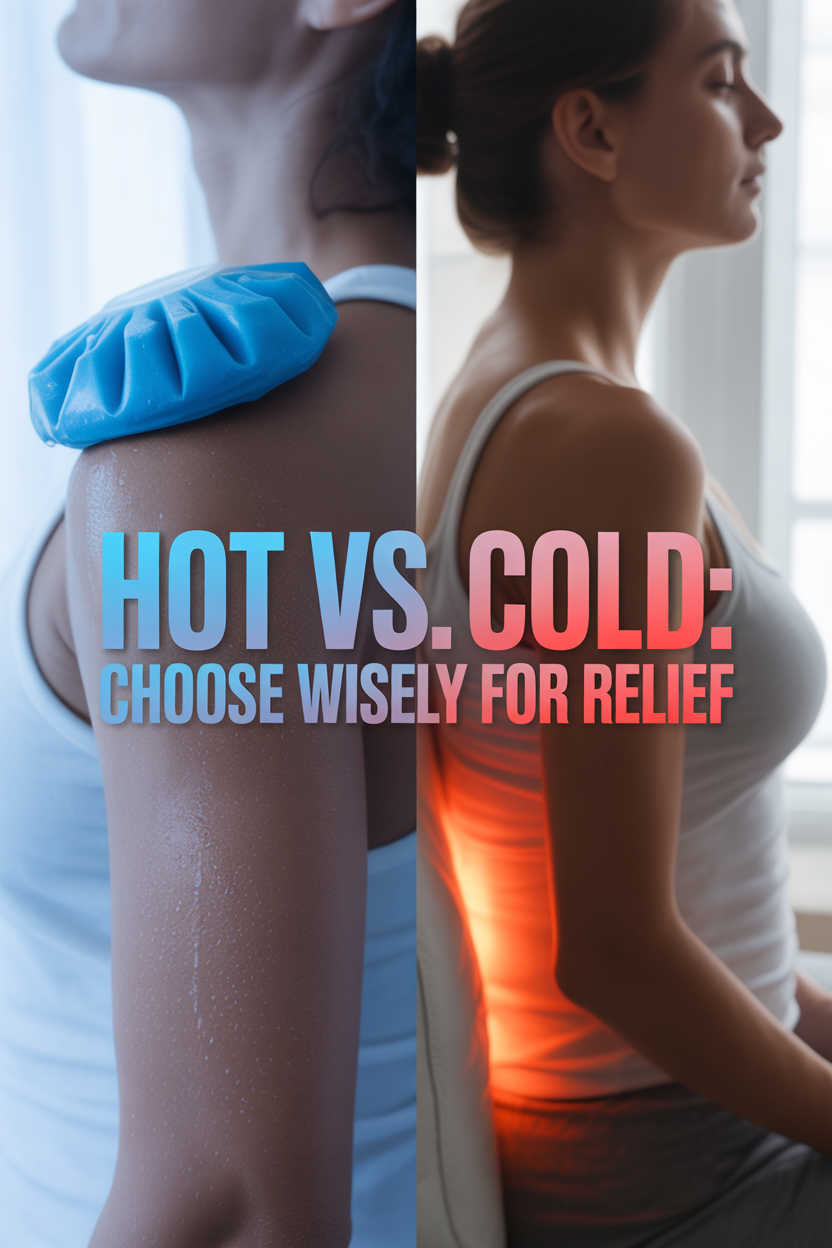
Cold therapy works brilliantly for fresh injuries and inflammation (within the first 24-48 hours). Ice packs, cold baths, or cooling gels constrict blood vessels, reducing swelling and numbing pain signals.
Apply cold for 15-20 minutes with a thin cloth barrier to protect your skin. Never apply ice directly to bare skin.
Heat therapy helps persistent muscle pain through heating pads, warm baths, or heat wraps. Heat increases blood flow to painful areas, helping tight muscles relax. Apply for 15-30 minutes, being careful to avoid burns.
Many physical therapists recommend alternating between heat and cold for maximum results. This combination approach can provide superior relief compared to using either method alone.
Natural Remedies and Supplements

If you prefer natural approaches, consider these evidence-supported options:
- Turmeric/curcumin: Natural anti-inflammatory compound
- Magnesium: Mineral that helps muscles relax and prevents cramps
- Tart cherry juice: Rich in antioxidants that fight muscle soreness
- Omega-3 fatty acids: Help manage inflammation throughout your body
- Arnica: Traditional remedy for bruises and muscle aches
While scientific opinions vary on exact effectiveness levels, many people find these natural options beneficial as part of their pain management strategy. Consistency is important—regular use typically yields better results than occasional application.
Prescription Medications

When muscle pain resists over-the-counter efforts, prescription options may be necessary:
- Muscle relaxants (cyclobenzaprine, baclofen): Reduce muscle tension and spasms
- Stronger pain medications: Including tramadol or short courses of opioids (used cautiously)
- Antidepressants: Certain types help manage chronic pain by altering pain signal processing
- Corticosteroid injections: Provide targeted anti-inflammatory effects
These medications require careful monitoring by healthcare professionals. Always work closely with your doctor rather than attempting to manage prescription treatments independently.
Physical Therapy

Physical therapy provides specialized care for persistent or complex muscle pain:
- Targeted stretching and strengthening exercises
- Postural retraining to improve alignment
- Joint mobilization techniques that enhance movement
- Electrical stimulation (TENS units) that interrupt pain signals
- Ultrasound therapy that promotes deep tissue healing
A quality physical therapy program addresses not just symptoms but underlying causes of your pain. Many insurance plans cover physical therapy when prescribed, making it an accessible option for many people.
Massage Therapy and Manual Techniques

Hands-on approaches effectively address muscle tension and promote recovery:
- Swedish massage: Gentle approach promoting overall relaxation
- Deep tissue massage: Reaches deeper muscle layers where tension accumulates
- Trigger point therapy: Targets specific painful spots within muscles
- Myofascial release: Addresses restrictions in connective tissue
- Foam rolling: Self-massage technique using a foam cylinder
These methods improve blood flow and release tension patterns that muscles develop over time. Regular sessions typically provide better results than occasional treatments.
Exercise and Movement Strategies

While resting might seem logical, strategic movement often resolves muscle pain more effectively:
- Low-impact activities like walking or swimming
- Gentle stretching to maintain flexibility
- Yoga: Combines movement, breathing, and flexibility
- Tai chi: Gentle flowing movements that improve mobility
- Gradual strength training to build muscle resilience
The key is finding the right balance—enough movement to promote healing without aggravating your condition. Start slowly and progress gradually for the best results.
Hydration and Nutrition
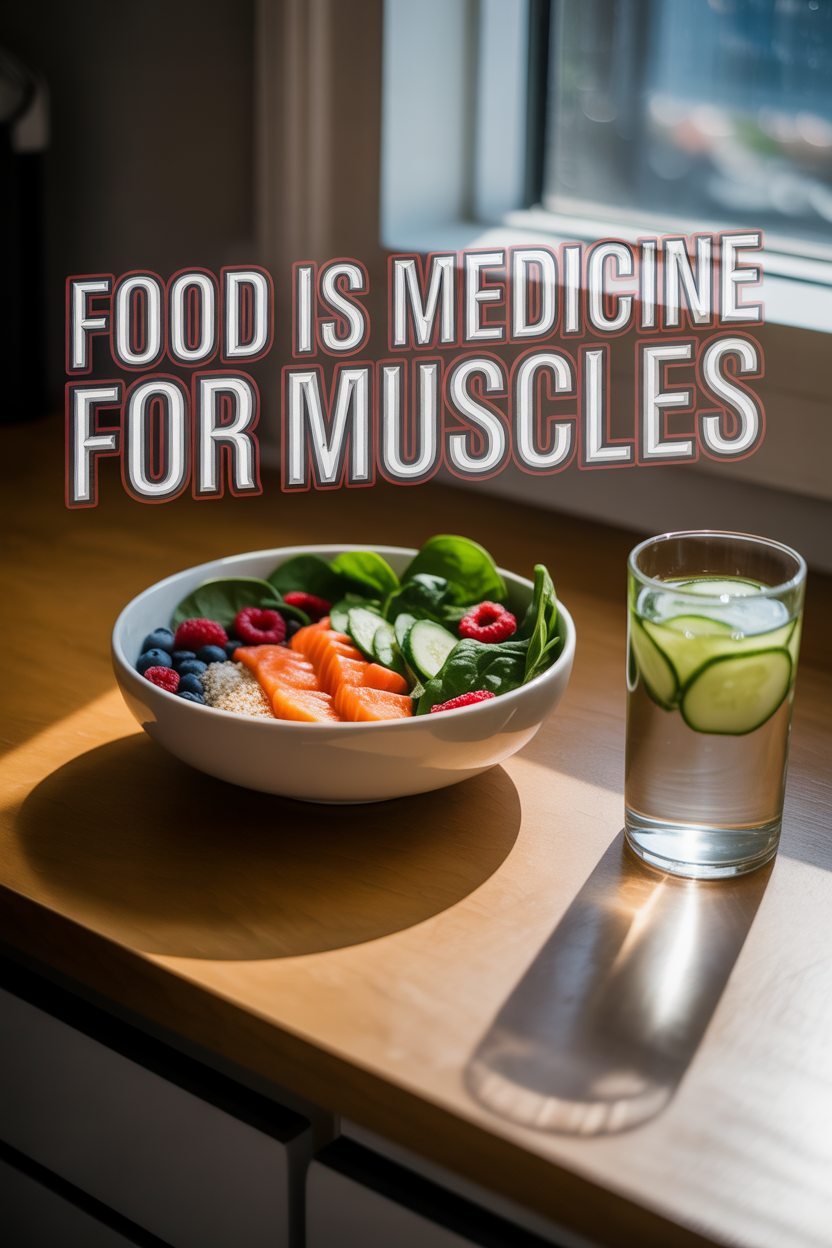
Your diet significantly affects muscle recovery and pain levels:
- Hydration: Drink at least 64 ounces daily, as dehydrated muscles are more prone to pain
- Protein: Consume 1.6-2g per kg of body weight daily when recovering to support muscle repair
- Anti-inflammatory foods: Include fatty fish, berries, and leafy greens regularly
- Electrolytes: Ensure adequate potassium, magnesium, and calcium intake
- Strategic timing: Plan nutrition around exercise for optimized recovery
Simple nutrition changes often produce remarkable improvements in muscle comfort. Consistency matters more than perfection—occasional dietary deviations won’t derail your progress.
Modern Technology and Devices
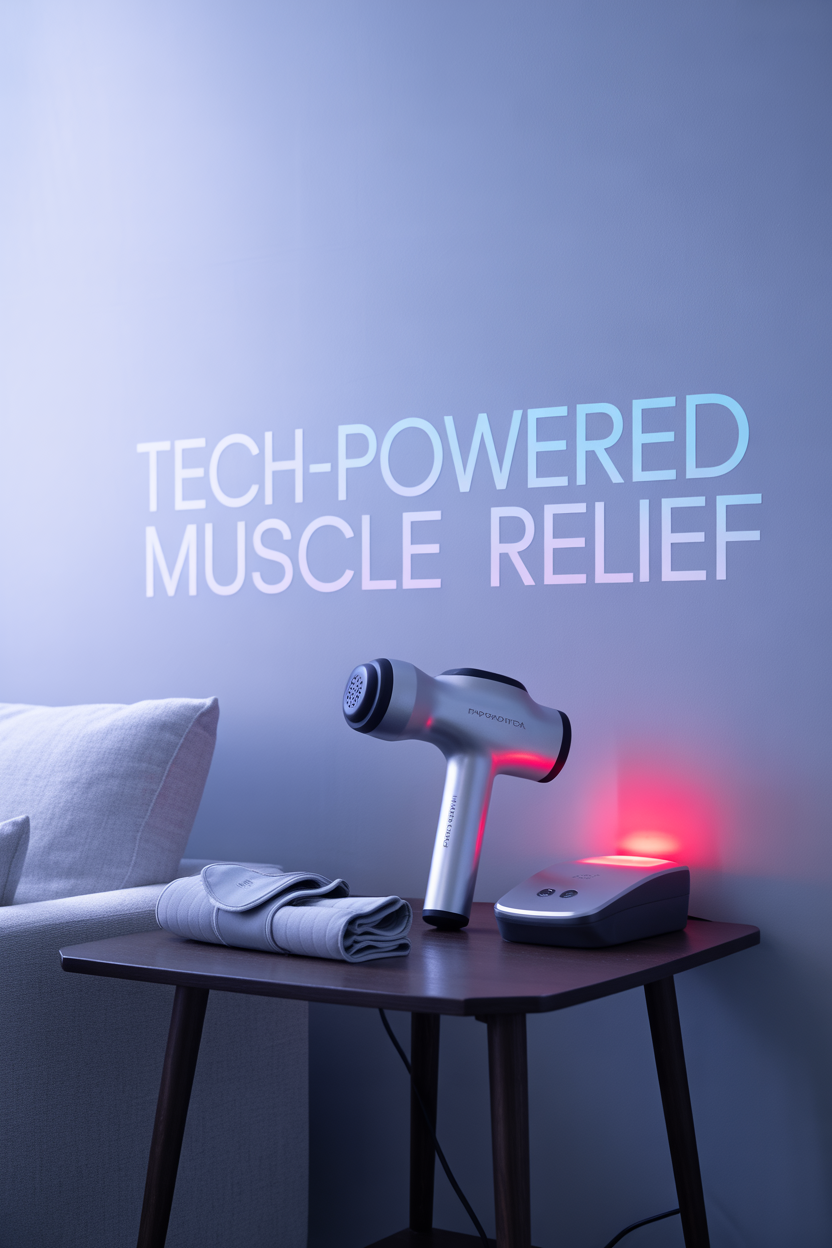
Advanced technology offers innovative solutions for muscle pain:
- Percussion massage guns: Provide deep tissue relief through rapid pulses
- TENS units: Small devices that disrupt pain signal transmission
- Compression garments: Improve circulation and reduce swelling
- Red light therapy: Uses specific wavelengths to promote tissue healing
- Pain management apps: Track symptoms and guide relief strategies
While these tools aren’t miracle solutions, many provide significant relief as part of a comprehensive approach to pain management.
When to See a Medical Professional
Some symptoms indicate the need for professional medical attention:
- Severe pain that limits normal movement
- Muscle pain with redness, swelling, or skin changes
- Pain accompanied by fever or chills
- Discomfort that worsens despite self-care measures
- Pain following a significant injury
- Muscle weakness, numbness, or tingling
Early professional intervention often leads to faster recovery. Don’t hesitate to consult a healthcare provider when symptoms concern you.
Prevention Strategies
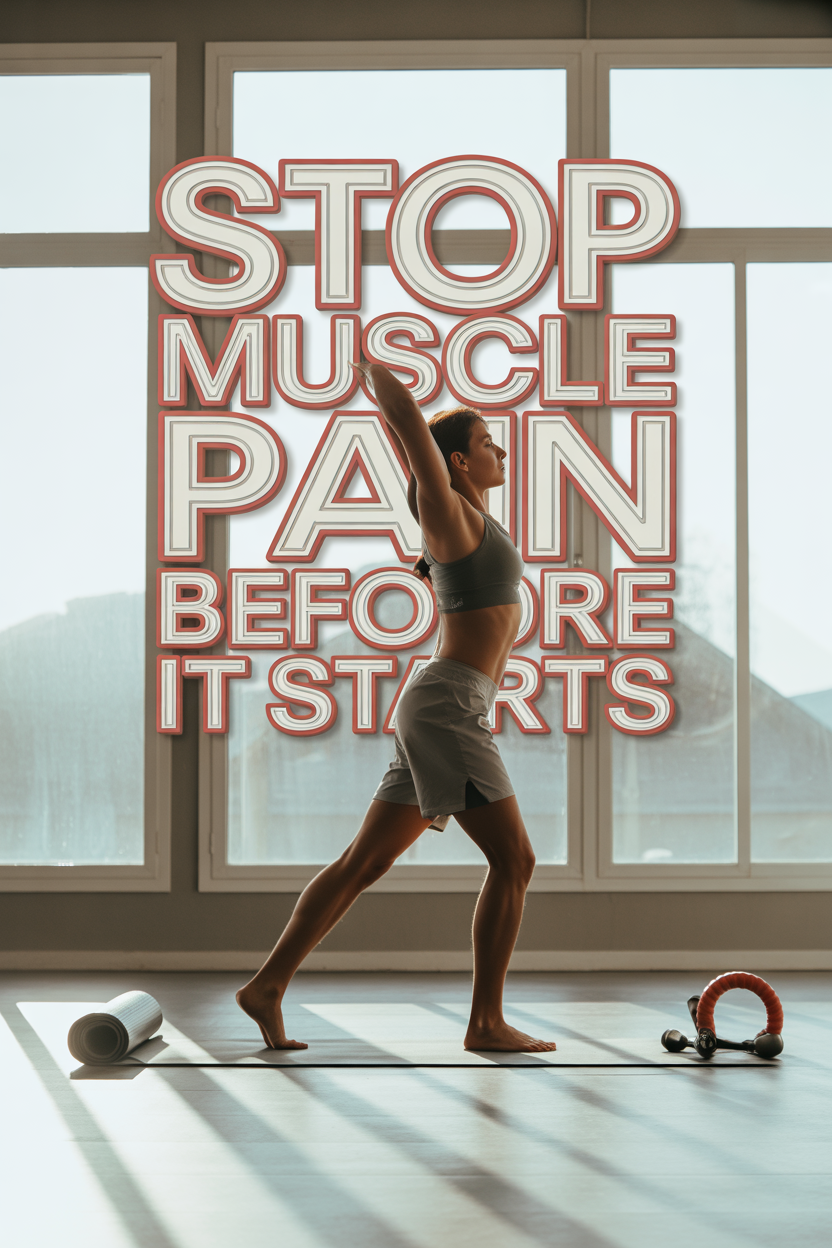
Proactive measures can help prevent muscle pain before it starts:
- Proper warm-ups: Spend 5-10 minutes preparing your body before exercise
- Gradual progression: Increase activity intensity slowly
- Regular stretching: Maintain muscle flexibility
- Core strength development: Support proper body mechanics
- Ergonomic workspace setup: Reduce strain during daily activities
- Proper lifting techniques: Use legs rather than back muscles
- Quality sleep: Allow time for muscle repair and recovery
Building these habits into your routine creates a protective system for your body, preventing many common causes of muscle pain.
Creating Your Personalized Pain Relief Plan
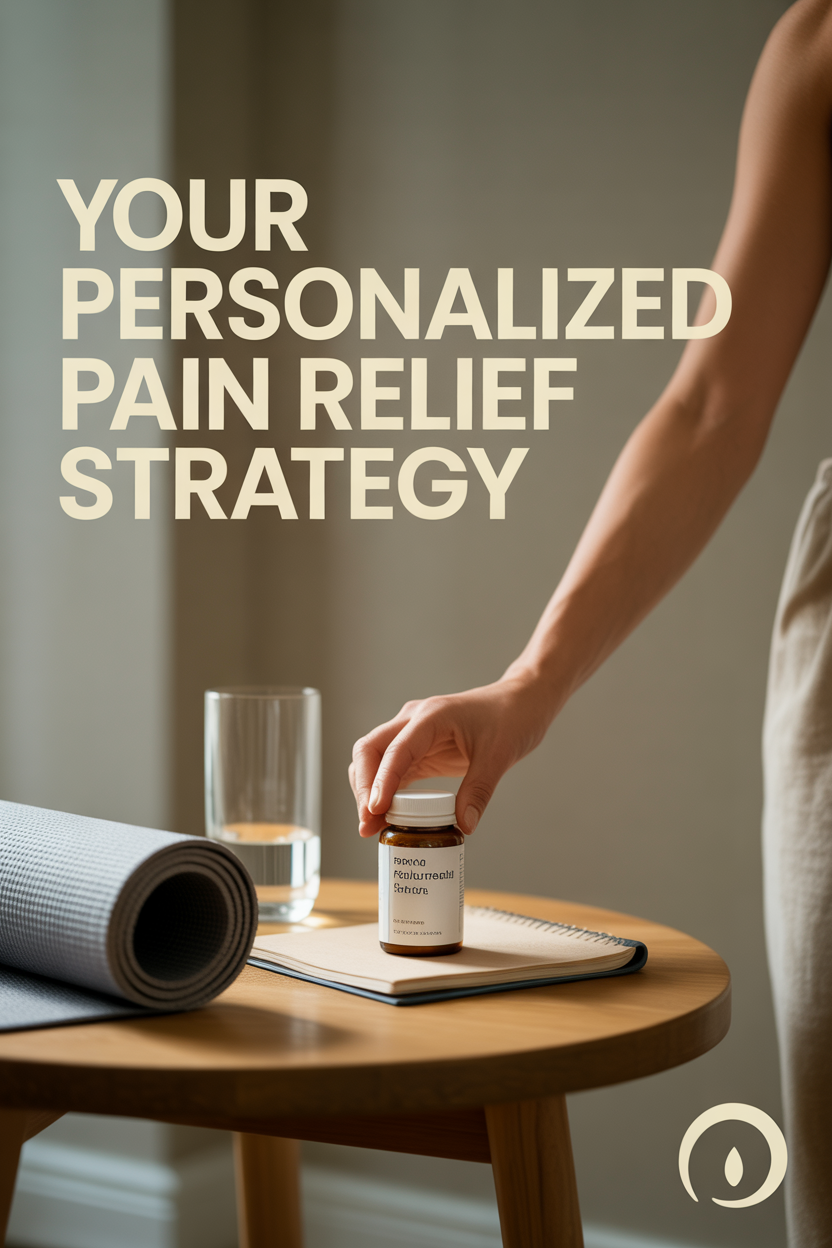
The most effective approach combines multiple strategies tailored to your specific needs:
- Track your pain triggers to identify patterns
- Start with gentle approaches for new pain
- Add appropriate medications or supplements based on your situation
- Implement regular preventive practices
- Seek professional help for persistent issues
- Document what works specifically for your body
Effective pain management often requires experimentation to find your optimal combination of treatments. What works perfectly for one person might prove ineffective for another.
By combining evidence-based approaches and listening to your body’s response, you can develop a reliable system for addressing muscle pain. The best strategy is one you’ll consistently use that addresses your specific needs and fits into your lifestyle.