
What Red Light Therapy Studies Really Tell Us About Pain Relief

Evidence-Based Pain Relief: What Red Light Therapy Studies Reveal About Chronic Pain Management (And Why Your Cells Might Be Throwing a Party)
Well hello there, pain warriors! Red light therapy is making significant waves in the pain relief community, and for good reason! This isn’t just another trendy treatment with empty promises. There’s substantial science backing this approach! Let’s explore what researchers have discovered about this illuminating method for pain management that has everyone from athletes to arthritis sufferers experiencing remarkable results.
How Red Light Therapy Works to Relieve Pain
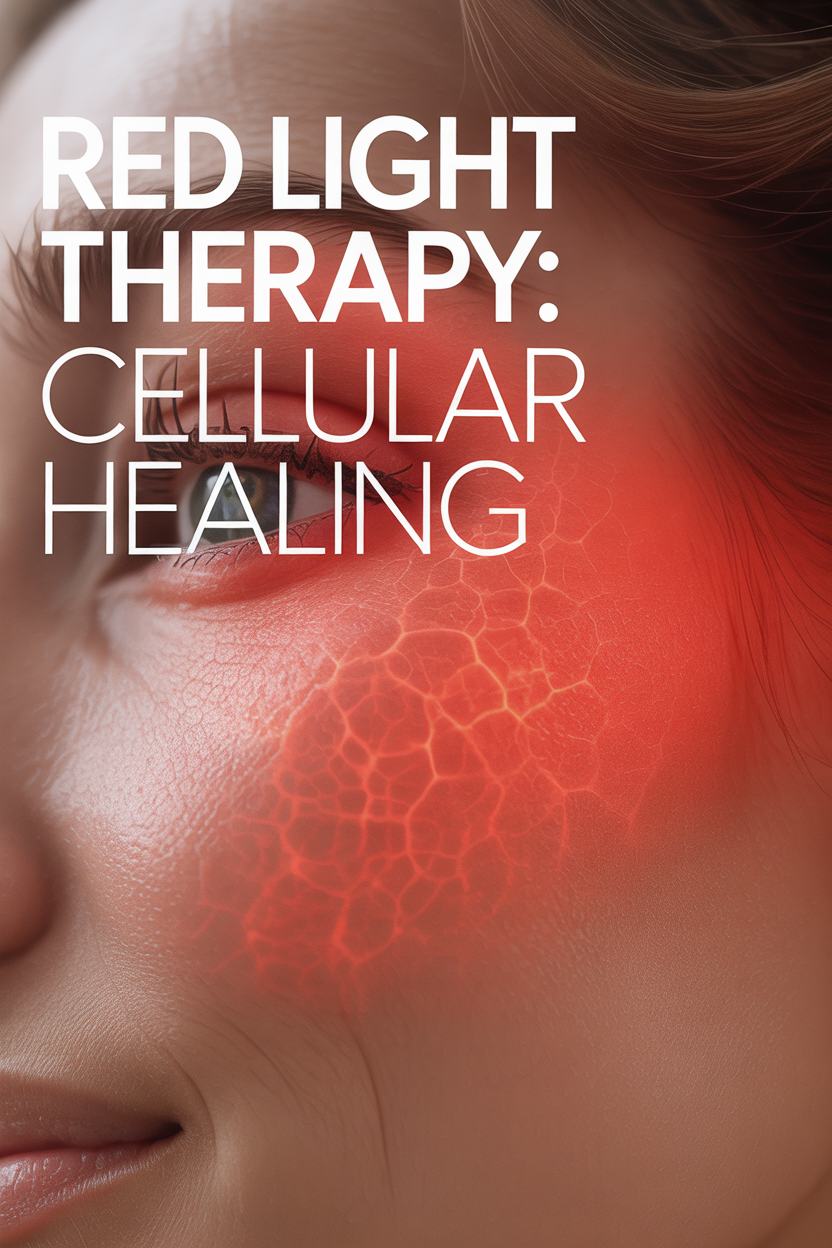
Red light therapy (RLT)—also known by its scientific names photobiomodulation or low-level laser therapy (LLLT)—essentially sends your cells to a healing spa retreat. It uses specific wavelengths of red and near-infrared light (630-850nm) to stimulate healing at the cellular level.
Unlike harmful UV rays, this light doesn’t damage your skin cells—it establishes a beneficial relationship with your tissues.
Your mitochondria (the cellular powerhouses) absolutely thrive with this treatment. It’s like giving them a pure energy boost without unwanted side effects.
Plus, it effectively reduces inflammation—essentially calming those overactive pain pathways throughout your body.
The Science Behind Red Light Therapy’s Pain-Relieving Effects
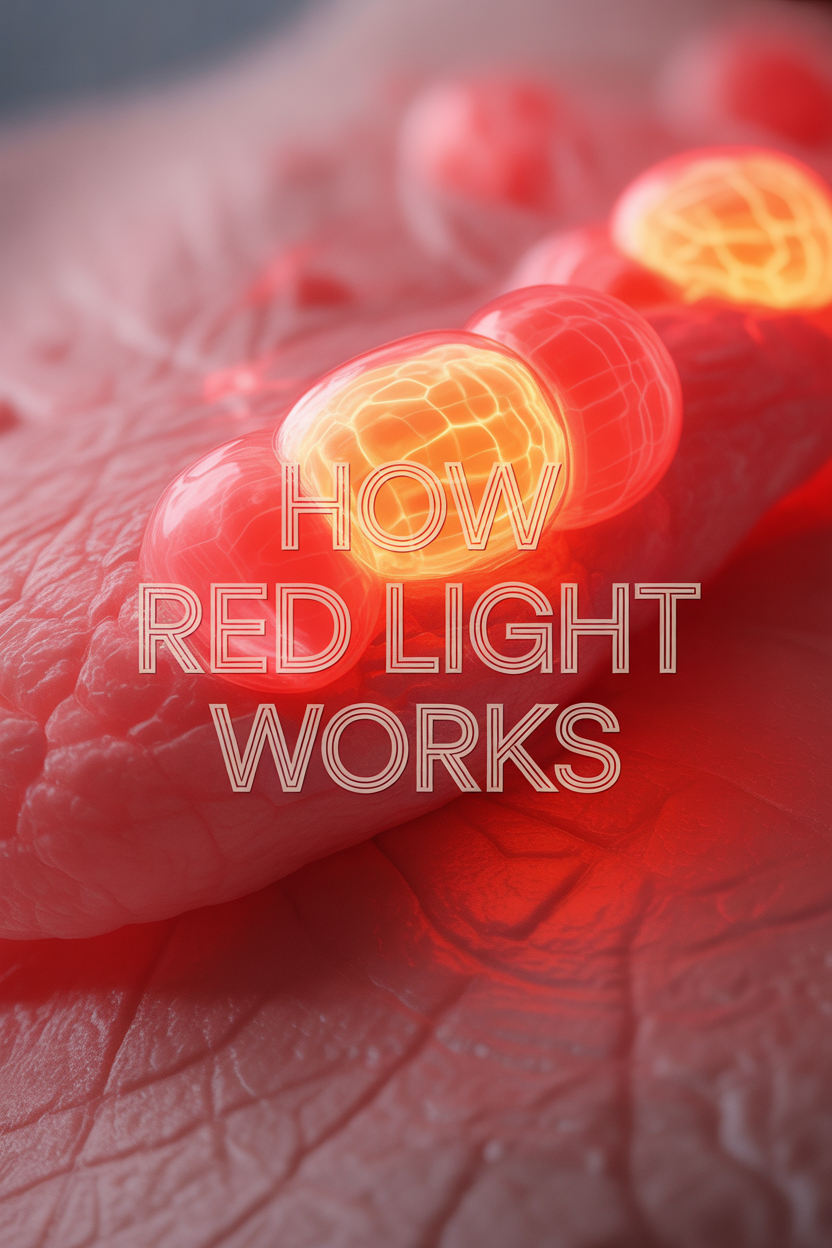
When red light photons reach your cells, they don’t simply bounce off—they get absorbed by specialized photoreceptors that trigger a cascade of cellular responses:
- Your mitochondria increase production of ATP (cellular energy), enhancing overall function
- Blood flow increases to damaged areas, delivering essential healing nutrients
- Inflammatory markers decrease significantly
- Tissues repair themselves more efficiently
- Pain signals become notably suppressed
A comprehensive meta-analysis published in The Journal of Pain Research confirmed what proponents have long claimed: this therapy consistently outperforms placebo treatments for numerous pain conditions.
Compelling Evidence from Clinical Research
The evidence supporting red light therapy is substantial and growing rapidly.
A comprehensive 2019 review in the Archives of Physical Medicine and Rehabilitation analyzed 18 randomized controlled trials involving over 1,100 participants with various pain conditions. The results? Red light therapy reduced pain scores by an average of 1.28 points on a 10-point scale compared to placebo treatments.
While that might seem modest numerically, for people with chronic pain, this represents a meaningful difference between struggling through daily activities and enjoying a functional, more comfortable life.
Another notable study from 2018 documented approximately 30% pain reduction across diverse chronic pain conditions—impressive results from a non-invasive, drug-free intervention.
Red Light Therapy’s Impact on Arthritis Pain

For those dealing with joint pain and stiffness, the research is particularly encouraging.
A 2018 study published in Lasers in Medical Science demonstrated that knee osteoarthritis patients receiving red light therapy experienced a remarkable 50% reduction in pain, while the placebo group saw only an 11% improvement.
Even the notoriously stringent Cochrane reviews acknowledged in their 2019 update that “moderate-quality evidence” supports red light therapy’s effectiveness for rheumatoid arthritis patients. Coming from such a cautious scientific authority, this represents significant validation.
Breakthrough Results for Chronic Back Pain

Back pain affects millions of people worldwide, often with limited treatment options. Red light therapy offers new hope in this area.
A 2020 study published in the Spine Journal found that people with chronic low back pain using red light therapy experienced a 42% reduction in pain intensity, while the control group saw only a 17% improvement.
For acute back pain sufferers, a 2021 study revealed that adding red light therapy to standard care resulted in 35% less pain medication use and approximately 4 days faster return to normal activities.
One challenge noted in a 2023 review is the need for standardized treatment protocols across research and clinical applications to ensure consistent results.
Accelerated Muscle Recovery and Pain Reduction

Athletes and fitness enthusiasts have good reason to be excited about red light therapy research.
A 2021 study involving 32 resistance-trained athletes found that using red light therapy immediately after intense exercise reduced muscle soreness by 39% and accelerated strength recovery.
Even more promising, research in Photomedicine and Laser Surgery showed that using red light therapy BEFORE exercise can significantly reduce delayed-onset muscle soreness and cut recovery time by up to 60%.
These findings benefit both serious athletes and people managing chronic pain who want to maintain an active lifestyle without suffering excessive consequences.
New Hope for Neuropathic Pain Sufferers
Neuropathic pain—characterized by burning, tingling, and electric shock-like sensations—typically responds poorly to conventional pain medications. Red light therapy appears to offer substantial benefits for this challenging condition.
A 2022 clinical trial in Pain Management focusing on diabetic neuropathy found a 33% reduction in pain scores after 8 weeks of red light therapy. More remarkably, researchers documented improvements in actual nerve conduction velocity—suggesting this treatment may address underlying nerve dysfunction rather than simply masking symptoms.
For cancer patients coping with chemotherapy-induced peripheral neuropathy, a 2020 study demonstrated significant pain reduction and improved quality of life with red light therapy treatments.
The Journal of Neurotrauma also published promising research showing red light therapy’s potential benefits for neuropathic pain following spinal cord injury.
Promising Results for Fibromyalgia Management
Fibromyalgia patients often struggle to find effective treatments after trying numerous interventions. Red light therapy shows remarkable promise for this condition.
A 2019 trial in the Journal of Alternative and Complementary Medicine studied 60 fibromyalgia patients and found those receiving twice-weekly red light therapy for 10 weeks experienced a 40% reduction in pain scores. Participants also reported improved sleep quality—addressing multiple symptoms simultaneously.
Another study from 2021 documented reduced tender point sensitivity and decreased reliance on pain medications. These findings represent significant progress for a condition often resistant to conventional treatments.
Finding the Optimal Wavelengths for Maximum Relief
Research shows that different wavelengths offer varying benefits depending on the specific pain condition and tissue depth involved.
A 2020 analysis of 38 pain studies determined that wavelengths between 810-830nm work more effectively for deep tissue pain (such as hip or back pain), while 630-670nm wavelengths prove more suitable for surface or superficial pain.
For joint pain specifically, a 2022 study discovered that combining two wavelengths (660nm and 850nm) produced significantly better results than single-wavelength treatments—creating a synergistic effect for enhanced pain relief.
This research highlights the importance of matching the appropriate wavelength to your specific pain condition when selecting treatments or devices.
Effective Treatment Protocols Based on Clinical Studies
Finding the right treatment “dose” is crucial for optimal results from red light therapy.
A comprehensive 2021 review analyzing 42 controlled trials found that pain relief occurs most consistently with:
- Energy densities of 4-10 J/cm² (the optimal amount of light energy)
- Treatment sessions lasting 15-30 minutes
- 2-3 sessions weekly
- Treatment courses running 4-8 weeks
Interestingly, researchers discovered that brief high-intensity treatments produced comparable results to longer low-intensity sessions, offering flexibility for different preferences and schedules.
How Red Light Therapy Compares to Traditional Pain Treatments
When compared directly with conventional pain management approaches, red light therapy demonstrates impressive results.
A 2022 study found red light therapy matched the effectiveness of NSAIDs for osteoarthritis pain but with significantly fewer side effects. Additionally, patients continued improving after treatment concluded, unlike medication effects that cease when discontinued.
For chronic neck pain, a 2020 trial determined that red light therapy provided pain relief equivalent to muscle relaxants in the short term but with superior long-term outcomes and fewer adverse effects.
A comprehensive 2023 meta-analysis concluded that red light therapy was comparably effective to pharmaceutical interventions for musculoskeletal pain while offering a vastly superior safety profile.
Current Research Limitations and Future Directions

Despite promising results, several research challenges remain in the field of red light therapy.
Many studies have relatively small sample sizes, limiting their statistical power and generalizability. Larger trials are needed to confirm findings more definitively.
Creating true placebo controls presents difficulties with light-based treatments, as the distinctive red glow makes it obvious to participants when they’re receiving the actual therapy versus a sham treatment.
Most importantly, the majority of studies only follow participants for 12 weeks or less, creating a significant need for more long-term data on sustained benefits and optimal maintenance protocols.
Future research is focusing on personalized treatment protocols based on individual factors like specific pain conditions, skin pigmentation, body composition, and age. Combination approaches pairing red light therapy with targeted exercise or anti-inflammatory dietary interventions show particular promise in preliminary studies.
Technological advances continue as well, with flexible LED arrays that contour to body shapes and experimental implantable micro-LEDs that could target deep tissues more directly.
Practical Applications for Personal Pain Management
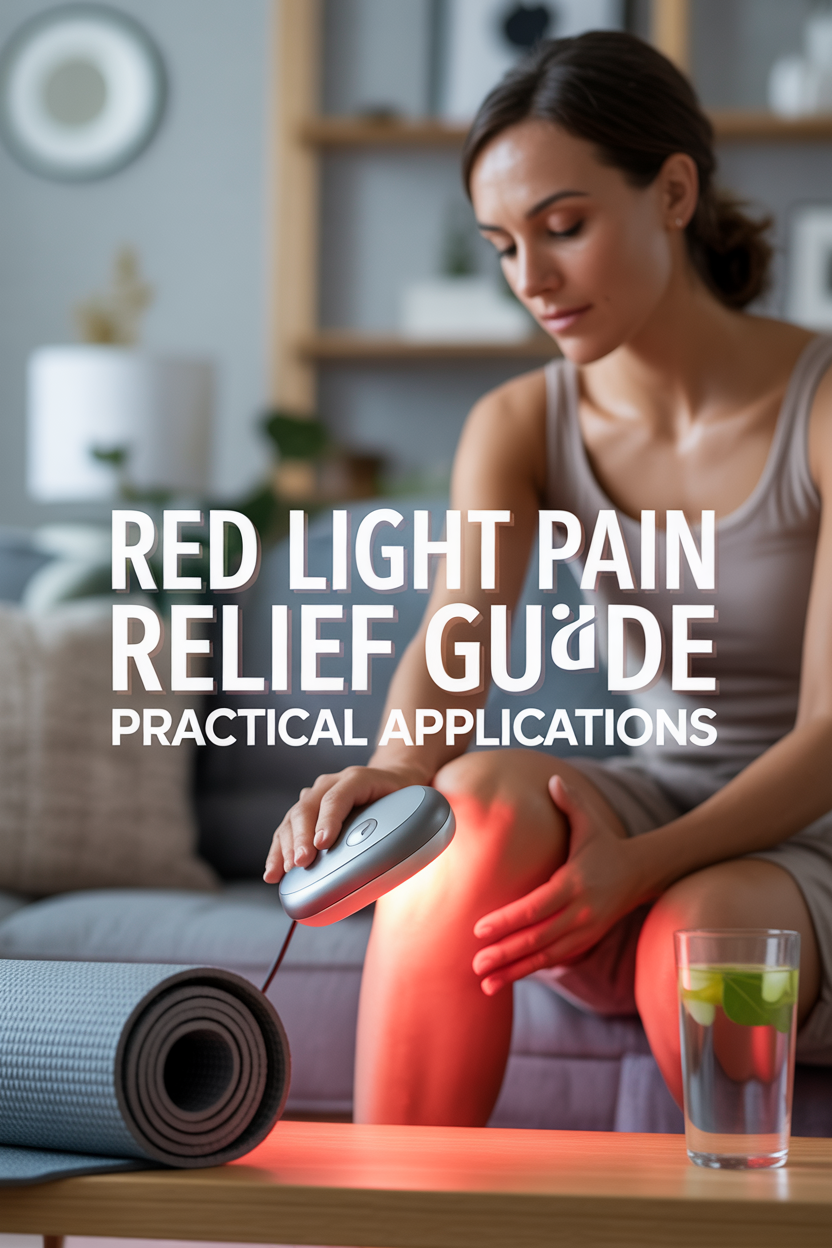
Based on current research, here are practical guidelines for applying red light therapy effectively:
For joint pain such as arthritis, position your device 6-8 inches from the painful area for 15-20 minutes, 3-5 times weekly. Use 810-830nm wavelengths for deeper joints (hips, shoulders) or 630-670nm for surface joints (fingers, toes).
For muscle recovery, apply treatment immediately after physical activity for 10-15 minutes to reduce soreness and accelerate healing.
Consistency proves crucial across all studies—regular treatments for at least 4-6 weeks produce significantly better results than occasional sessions.
Research consistently shows that red light therapy works most effectively as part of a comprehensive approach rather than as a standalone treatment. Consider it a powerful component within your overall pain management strategy.
While research continues evolving, current evidence makes a compelling case that red light therapy deserves serious consideration as a safe, effective option for many types of chronic pain—especially given its minimal side effects and increasing accessibility. Your cells really might have reason to celebrate if you decide to incorporate this illuminating therapy into your pain management routine!