
Microchip Mystery: What Your Vet Isn’t Telling You About Dog Implant Side Effects
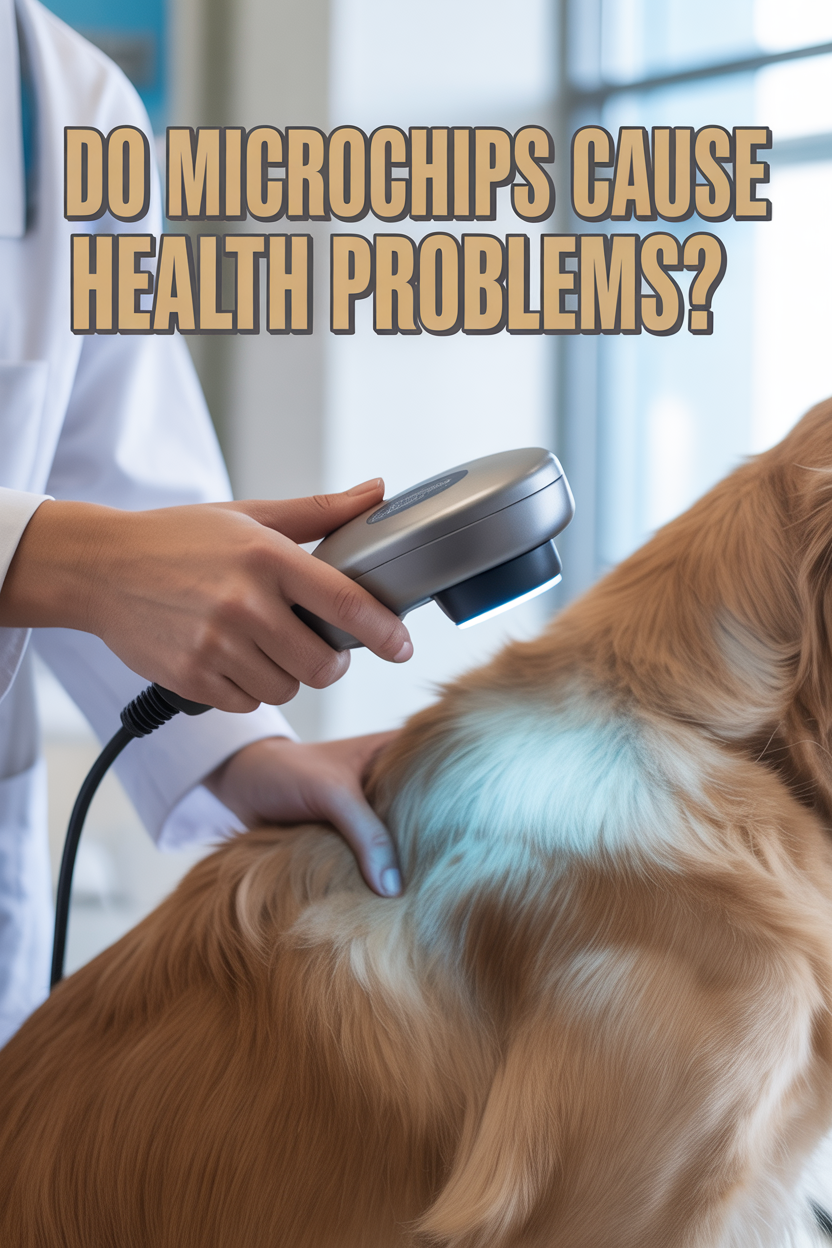
Microchipping Dogs Side Effects: The Tiny Chip With Big Responsibilities (But Tiny Worries!)

Thinking about getting your furry friend microchipped? Or maybe you already did and now you’re researching potential side effects? Microchipping has become the standard for pet identification – a permanent solution that helps your dog find their way home if they decide to go on an unauthorized adventure. While the procedure is generally very safe, it’s completely normal to have questions about what might happen after that tiny rice-sized chip is implanted. Let’s explore everything you need to know about microchipping side effects in simple, straightforward terms.
What Exactly Is Microchipping?

A microchip is a tiny electronic device smaller than a grain of rice that gets placed under your dog’s skin between the shoulder blades. This small device contains a unique ID number that appears when scanned with a special reader, similar to your dog’s personal identification code.
When scanned, this number connects to your contact information in a database, so your wandering pet can be returned to you. Unlike collars and tags that can break or fall off, a microchip remains with your dog permanently.
The microchip requires no batteries, charging, or maintenance – it simply stays in place until needed. It’s a passive device that only activates when a scanner passes over it.
Common Microchipping Misconceptions

Before discussing side effects, let’s clear up some frequent misunderstandings. First, microchips are not GPS trackers. They cannot tell you your dog’s current location. They only work when scanned at close range by someone with a compatible reader, typically at a veterinary clinic or animal shelter.
Microchips don’t need batteries, charging stations, or updates. They’re completely maintenance-free and generally last for your dog’s entire lifetime.
For privacy concerns: the chip itself only stores an identification number. Your personal contact details remain in a secure database that can only be accessed by authorized personnel when they scan your dog.
The Microchipping Procedure

The microchipping process is remarkably quick and straightforward. Using a needle slightly larger than those used for vaccines, your veterinarian inserts the microchip under your dog’s skin between the shoulder blades. The entire procedure takes just seconds and can be done during a routine checkup without any special preparation.
Most dogs react similarly to how they respond to a vaccination – a momentary discomfort. Some barely notice the insertion, while others might give a short yelp before immediately moving on.
Your veterinarian will typically scan the newly implanted chip right away to verify it’s functioning properly before you leave the office.
Normal Post-Microchipping Reactions

After microchipping, most dogs continue their normal activities as if nothing happened. It’s common for your dog to experience minor discomfort at the injection site for a day or two. Some dogs might scratch at the area or seem sensitive if you touch that spot.
Minor swelling or redness around the injection site is normal and typically disappears within 24-48 hours. These mild reactions indicate your dog’s body is simply adjusting to the presence of the new microchip.
Most microchipped dogs return to their regular routines of playing, sleeping, and eating immediately after the procedure. Within days, they’ve completely forgotten about their new permanent identification.
Microchip Migration: When Chips Change Location

Sometimes microchips move from their original implantation site – a phenomenon known as “migration.” This happens when the chip shifts from the shoulder blade area to another location in the body. Modern microchips feature anti-migration coatings to minimize this movement, but it can still occur.
Studies indicate migration happens in approximately 10% of microchipped pets. The chips might move down a leg, toward the chest, or just relocate within the shoulder region. This typically occurs during the first few months after implantation, before tissue forms around the chip to stabilize it.
Migration rarely causes health problems – it’s primarily an inconvenience for scanning. That’s why shelter staff scan pets thoroughly when checking for microchips. Having your veterinarian check for the chip during annual exams ensures it remains in a location where it can be easily detected.
Rare Complications: Infection and Inflammation

The chance of infection at the microchip site is extremely low – less than 0.1% according to studies. However, as responsible pet owners, it’s important to know what signs might indicate a problem.
Watch for persistent redness, significant swelling, discharge, or unusual warmth at the implantation site that lasts longer than 2-3 days. Also notable is if your dog obsessively licks or paws at the area, which might signal discomfort.
In extremely rare cases, a dog’s body might develop an ongoing inflammatory response to the microchip. If you notice a persistent lump or irritation that doesn’t resolve, consult your veterinarian for an evaluation.
When to Call Your Vet
Contact your veterinarian if you observe any of these concerning symptoms after microchipping:
- Swelling or redness that persists longer than 48 hours
- A growing lump at the chip site
- Pain signs that increase rather than decrease over time
- Significant behavioral changes
- Hair loss or skin changes around the microchip area
- Persistent scratching at the implantation site
- Any signs of infection including warmth, tenderness, or discharge
Allergic Reactions to Microchips

Allergic reactions to microchips are extremely rare. Today’s microchips are made with biocompatible materials specifically designed to be well-tolerated by animals. However, some particularly sensitive dogs might develop a reaction to components used in the manufacturing process.
Signs of an allergic reaction could include persistent itching beyond the normal temporary discomfort, a rash around the implantation site, hair loss near the chip, or a small fluid-filled blister. More serious allergic reactions might include facial swelling or breathing difficulties, though these are exceedingly uncommon.
If you suspect your dog is having an allergic reaction to their microchip, consult your veterinarian promptly. In severe cases, the chip might need to be removed, though this scenario is extremely rare.
Tumor Risk: Separating Fact from Fiction

One concern some pet owners have heard about involves tumor formation at the implantation site. It’s important to address this with factual information rather than anecdotes.
Scientific research shows microchip-associated tumors occur in fewer than 0.01% of microchipped animals – an extremely rare complication. Some laboratory studies reporting higher rates typically involved mice specifically bred for cancer research, creating a misleading impression of risk.
Veterinarians worldwide continue to strongly recommend microchipping because millions of pets have been chipped with virtually no issues, while countless lost pets have been reunited with their families thanks to this technology. The benefit-to-risk ratio overwhelmingly favors microchipping.
Technology Limitations: Scanner Compatibility

Not all microchip challenges involve physical side effects. Sometimes the technology itself presents limitations. Different microchip manufacturers use different frequencies, and not all scanners can read all chip types.
While universal scanners that can detect multiple frequencies have become more common, compatibility issues still exist, especially with older scanners or less common chip brands. This technological limitation can potentially reduce the effectiveness of the microchip if your pet is found by someone using an incompatible scanner.
To minimize this risk, ask your veterinarian specifically about using an ISO-standard microchip (International Organization for Standardization). These internationally recognized chips can be read by most modern universal scanners, increasing the likelihood of your pet being identified if lost.
Registration Issues: The Most Common Problem

The most frequent “side effect” of microchipping has nothing to do with your dog’s health but rather with human error – incomplete or outdated registration information. Even a perfectly functioning microchip becomes useless if the registration details are incorrect or missing.
Many pet owners forget to update their contact information when they move or change phone numbers. Some never complete the initial registration at all, rendering the microchip ineffective for reunification purposes.
Remember to register your pet’s microchip immediately after implantation, and update your information whenever it changes. Many registries allow multiple contact numbers and emergency contacts. Consider setting an annual reminder to verify your registration information remains current.
Special Considerations for Different Dogs

Puppies can safely receive microchips as young as 6-8 weeks of age. There’s also no upper age limit – senior dogs can be microchipped too, though veterinarians might take extra care with elderly dogs that have thinner skin.
For dogs with certain health conditions, your veterinarian might recommend special considerations. Dogs with bleeding disorders, skin infections at the intended implantation site, or immune system issues might need to postpone microchipping or receive additional monitoring afterward.
Pregnant dogs can typically be microchipped safely, but many veterinarians prefer waiting until after delivery to avoid unnecessary stress during pregnancy. Always discuss your dog’s specific health situation with your veterinarian before proceeding with microchipping.
Minimizing Side Effects: Best Practices

To ensure your dog’s microchipping experience is as problem-free as possible, consider these recommendations:
- Choose an experienced veterinarian rather than a mobile clinic or event for the implantation
- Follow all aftercare instructions, which usually involve monitoring the site for 24-48 hours
- Avoid bathing your dog for a few days after microchipping
- Have your veterinarian scan the microchip during annual checkups to verify it’s functioning and hasn’t migrated
- Update your registration information promptly when your contact details change
- Consider registering with a national database in addition to the manufacturer’s database
- Keep a record of your dog’s microchip number in a secure location
These simple steps can help ensure your dog’s microchipping provides lifelong identification security with minimal complications.
Alternative Identification Methods

While microchipping is considered the gold standard for permanent pet identification, there are alternatives for those who prefer additional or different options:
ID Tags and Collars: Traditional identification that’s immediately visible to anyone who finds your dog. However, collars can break or be removed, making them less reliable than microchips. Most veterinarians recommend using both ID tags and microchips for maximum security.
Tattoos: Permanent markings in the ear or inner thigh can provide identification. However, tattoos can fade over time, may be difficult to notice, and lack the organized registration system that microchips have.
GPS Collars: These provide active tracking capabilities that microchips don’t offer, allowing you to monitor your dog’s location in real-time. However, they require regular charging and can be removed or damaged, making them a complement to rather than replacement for microchipping.
Most veterinary professionals recommend a layered approach – a microchip for permanent identification plus a visible collar tag for immediate recognition if your dog becomes lost.
Making the Right Decision for Your Dog

When weighing the minimal risks against the benefits, microchipping offers tremendous value for most dogs. The procedure is quick, affordable, and provides permanent identification that has reunited countless pets with their families.
The side effects and complications associated with microchipping are generally minor and temporary, while the protection lasts a lifetime. Most veterinarians strongly recommend microchipping as an essential part of responsible pet ownership.
Discuss any specific concerns with your veterinarian, who can provide personalized advice based on your dog’s health status and needs. With proper implantation and registration, a microchip provides peace of mind that your beloved companion has the best chance of finding their way home if they ever become lost.
Remember that the most important aspect of microchipping isn’t the implantation itself but maintaining current registration information. A properly registered microchip significantly increases the likelihood of a happy reunion if your dog ever goes missing – and that’s worth the minimal risk of side effects for millions of pet owners worldwide.