
Red Light Therapy for Neuropathy (Diabetic or Idiopathic)

Red Light Therapy for Neuropathy: Your Gentle Path to Relief

Neuropathy brings burning, tingling, and numbness that disrupts your daily life in unwelcome ways. If you’re dealing with these uncomfortable sensations, red light therapy for neuropathy offers a delightfully gentle solution.
Think of red light therapy as giving your nerves a warm, healing embrace that works with your body’s natural repair mechanisms. Unlike medications that simply mask symptoms, this treatment actually supports your body’s innate healing abilities.
This natural approach has gained significant attention from both researchers and patients seeking effective neuropathy relief. The growing body of clinical evidence supports its effectiveness for various types of nerve damage.
Let’s explore how this innovative therapy can help restore comfort and function to your daily life through science-backed healing.
How Red Light Therapy Heals Your Nerves
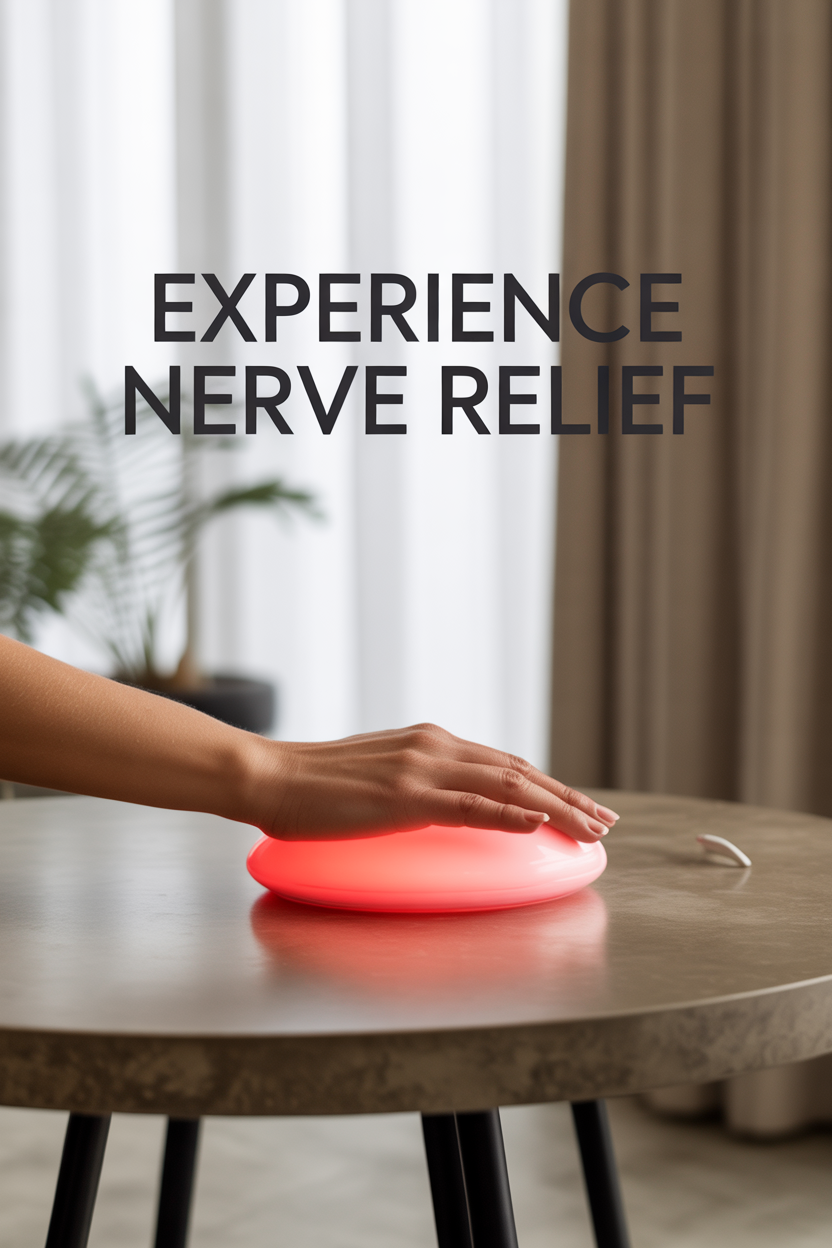
Red light therapy uses specific wavelengths between 660-850 nanometers that penetrate your skin to reach damaged nerve tissue. These targeted frequencies act like tiny wellness messengers, delivering therapeutic energy directly to your cells.
The magic happens at the mitochondrial level – your cells’ energy factories. Red light exposure boosts ATP production by up to 70%, essentially giving your nerves the energy they need to function properly.
This increased cellular energy translates into improved nerve signal transmission. Instead of sending garbled, painful messages, your nerves begin communicating clearly again.
The wavelengths also stimulate nitric oxide production, which enhances blood flow to nerve tissue. Better circulation means more oxygen and nutrients reach areas that have been struggling to heal.
Three Key Ways Red Light Therapy Heals Your Nerves
Red light therapy addresses neuropathy through three distinct but interconnected pathways. Each mechanism contributes to overall nerve health and pain reduction.
First, the therapy significantly reduces inflammation around nerve endings. Chronic inflammation perpetuates nerve damage and pain, so reducing it creates space for healing to occur.
Second, enhanced blood circulation brings fresh oxygen and nutrients to damaged tissue. This improved vascular function helps remove metabolic waste that can interfere with nerve function.
Third, and perhaps most exciting, red light therapy actually stimulates nerve regeneration. Studies show that specific wavelengths can encourage the growth of new nerve fibers and repair damaged ones.
The combination of these three mechanisms creates an optimal environment for nerve healing. Your body’s natural repair processes become more efficient and effective.
Clinical research demonstrates that patients often experience 40-60% pain reduction when maintaining consistent red light therapy routines. These results represent genuine healing rather than temporary symptom masking.
Which Types of Neuropathy Respond Best to Red Light Treatment?
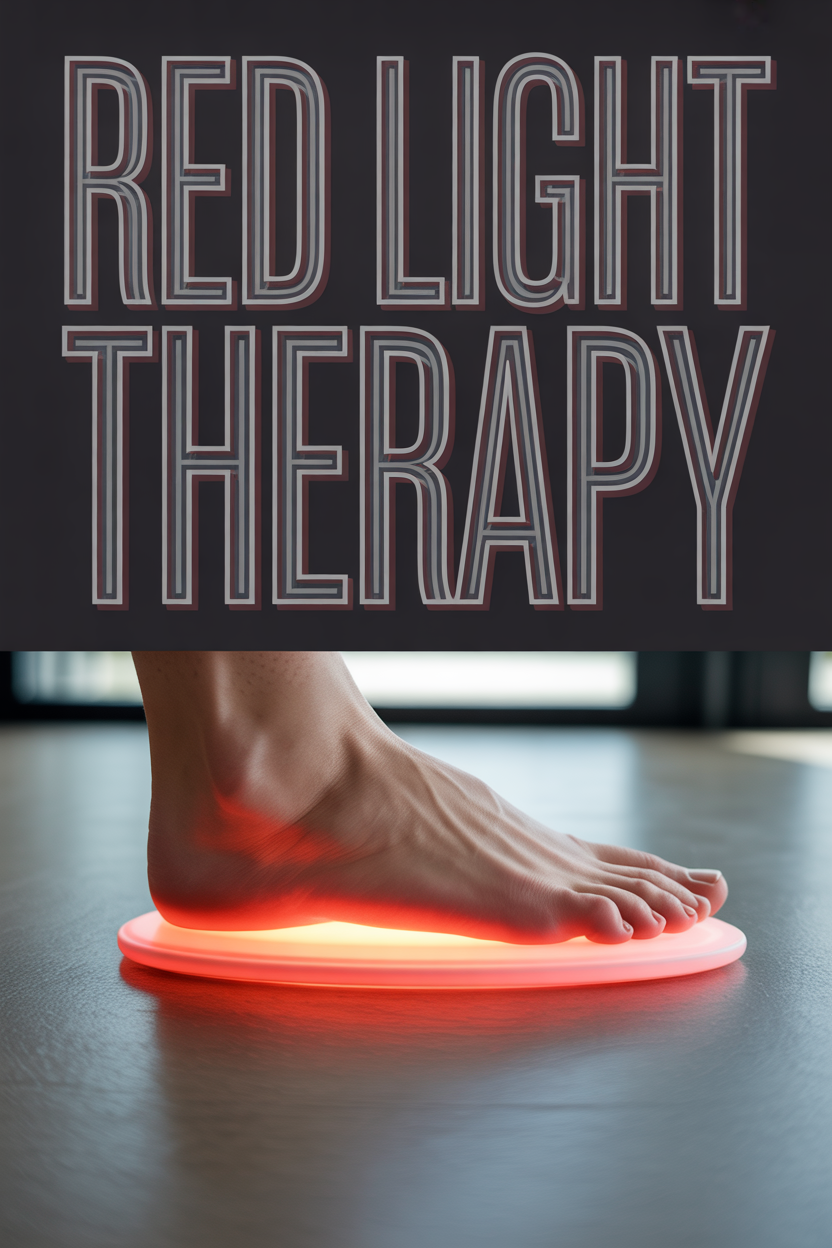
Diabetic neuropathy, the most common form, shows excellent response to red light therapy. High blood sugar damages peripheral nerves, particularly in hands and feet, creating that characteristic burning and tingling sensation.
Chemotherapy-induced peripheral neuropathy affects many cancer patients during and after treatment. Red light therapy helps restore nerve function without interfering with cancer treatments.
Idiopathic peripheral neuropathy – cases where the cause remains unknown – also responds favorably. Even without addressing underlying causes, nerve symptoms often improve significantly.
Post-surgical neuropathy from nerve damage during procedures can benefit from red light therapy’s regenerative effects. The therapy supports natural healing processes that surgery may have disrupted.
Alcoholic neuropathy, caused by chronic alcohol consumption, shows promise for improvement when combined with lifestyle changes. The therapy supports nerve repair as the body recovers from alcohol’s damaging effects.
Small fiber neuropathy, which affects the smallest nerve fibers responsible for pain and temperature sensation, often responds well to consistent treatment protocols.
How to Choose the Best Red Light Therapy Device for Your Needs
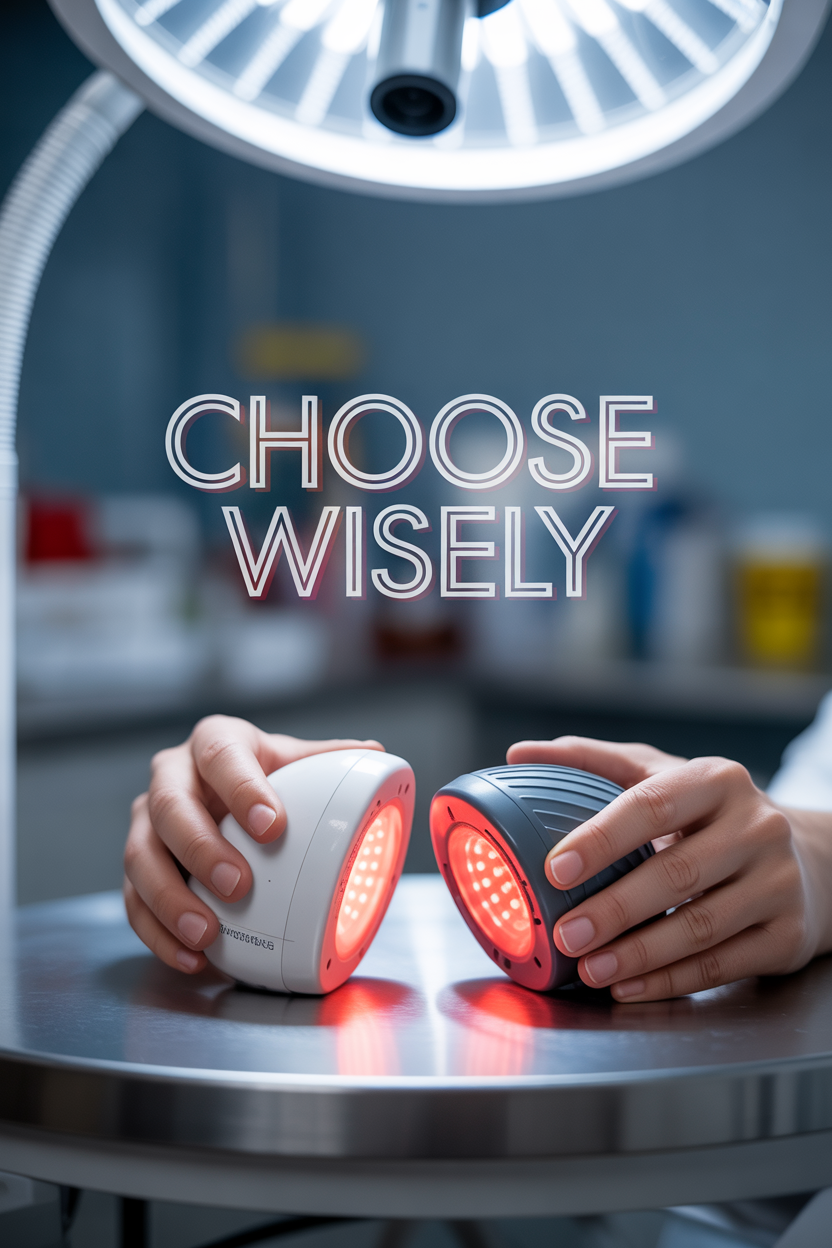
FDA-cleared devices ensure safety and efficacy standards are met. Look for models specifically approved for pain management or wound healing applications.
The optimal wavelength range falls between 660-850 nanometers, with many devices offering combination therapy. Some units provide both red (660nm) and near-infrared (850nm) wavelengths for comprehensive treatment.
Power density matters significantly for therapeutic effectiveness. Devices should deliver at least 100mW/cm² to penetrate skin and reach nerve tissue adequately.
Consider the treatment area size when selecting your device. Panel lights work well for feet and larger areas, while targeted devices suit hands or specific nerve pathways.
Portability and ease of use factor into long-term compliance. Choose devices that fit comfortably into your daily routine without creating additional stress or complexity.
Quality construction ensures consistent light output over time. Well-built devices maintain their therapeutic effectiveness for years with proper care.
How to Create Your Most Effective Treatment Plan
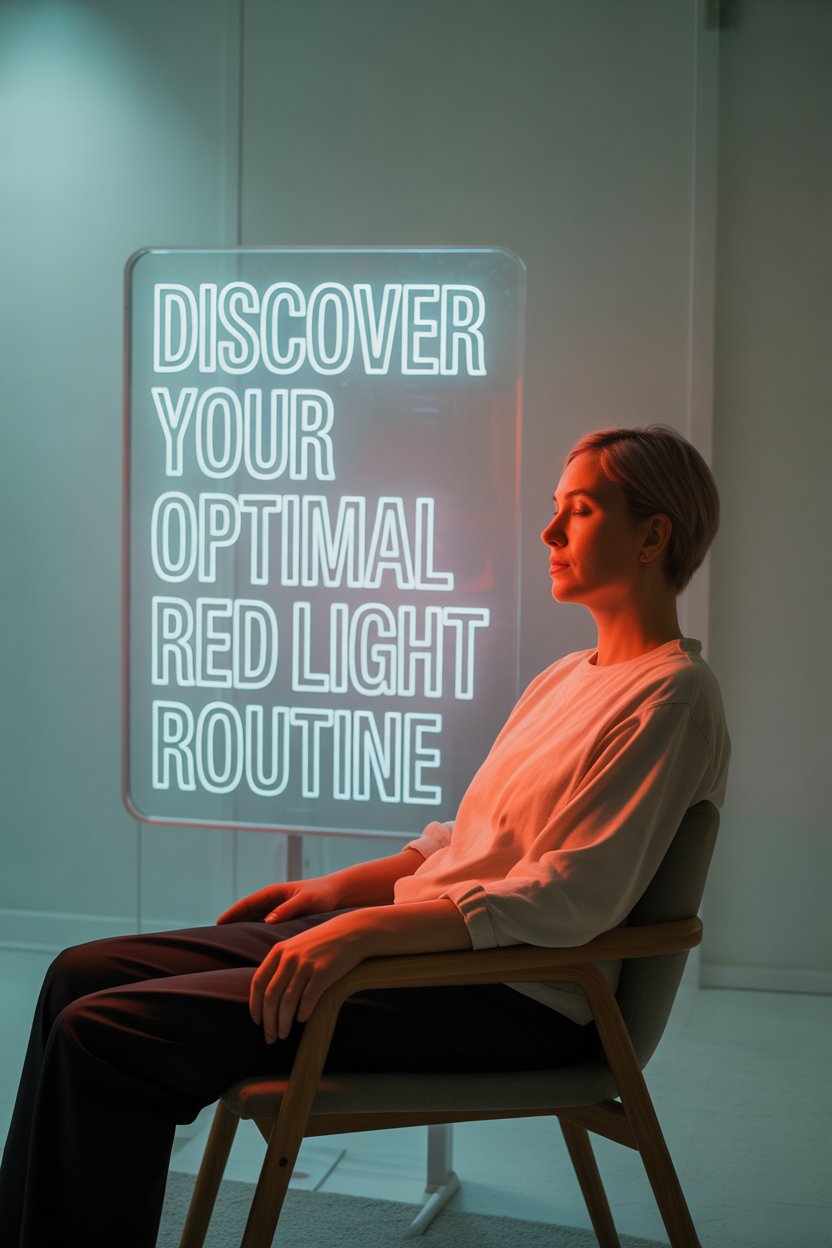
Consistency proves more important than intensity when developing your red light therapy routine. Aim for five treatment sessions per week for optimal results.
Each session should last 10-15 minutes per treatment area. This duration provides sufficient light exposure without overwhelming your tissues.
Position the device 6-12 inches from your skin for proper light penetration. Too close may cause overheating, while too far reduces therapeutic effectiveness.
Treat each affected area systematically, ensuring complete coverage of symptomatic regions. Don’t rush through treatments – your nerves need time to absorb the healing light.
Schedule treatments at consistent times daily to establish a healing routine. Many people find morning or evening sessions work best with their schedules.
Track your symptoms and progress throughout treatment. This documentation helps you and your healthcare provider assess effectiveness and adjust protocols as needed.
Important Safety Tips and Precautions
Red light therapy generally presents minimal risk when used properly. However, certain conditions require special attention and medical consultation before beginning treatment.
Photosensitizing medications can increase light sensitivity, potentially causing skin reactions. Consult your pharmacist or doctor about drug interactions with light therapy.
Active cancer treatment areas should avoid direct light exposure unless specifically approved by your oncologist. The therapy may interfere with certain cancer treatments.
Pregnant women should exercise caution and seek medical approval before using red light therapy. While generally safe, limited research exists on pregnancy-specific effects.
Open wounds or infections in treatment areas require medical clearance. While red light can promote healing, infected tissue needs appropriate medical treatment first.
Eye protection becomes essential when using high-powered devices. Never look directly into LED arrays, and consider protective eyewear during facial treatments.
How to Combine Red Light Therapy with Other Effective Treatments
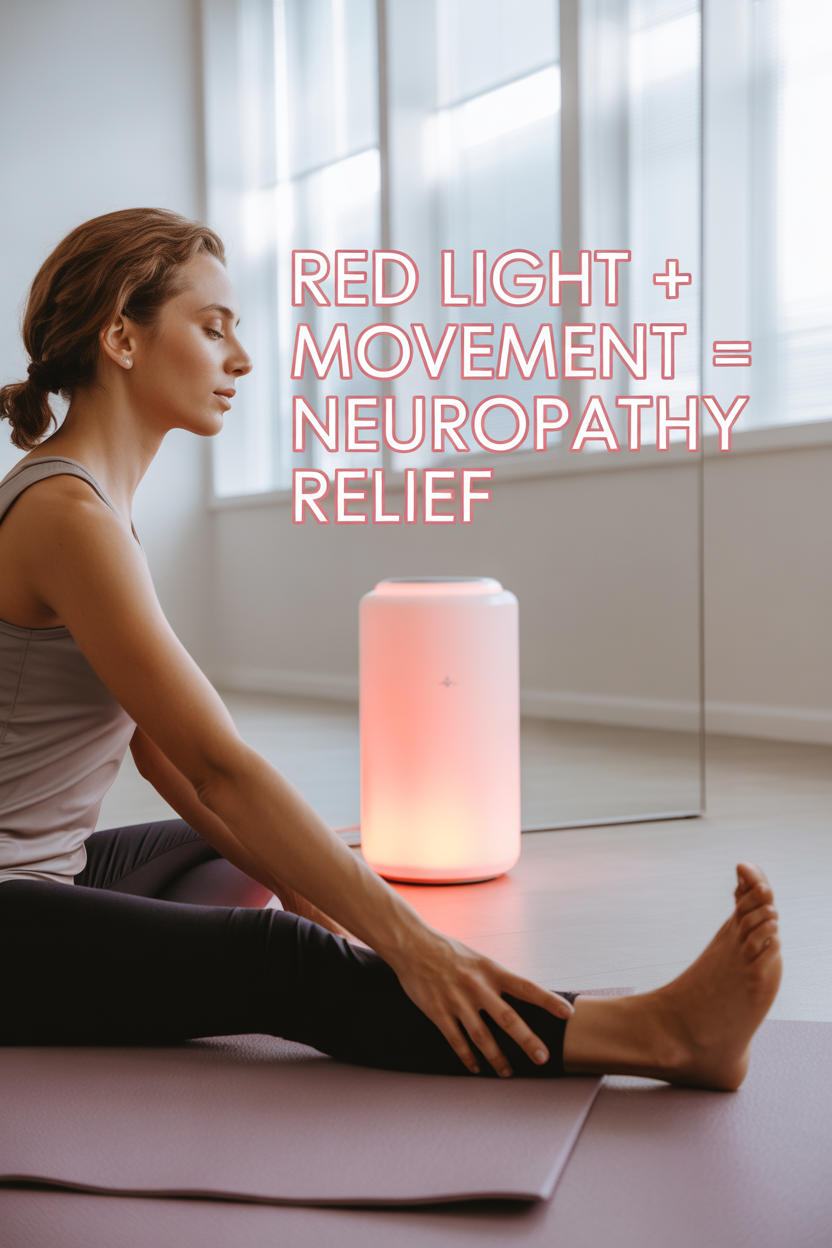
Physical therapy and red light therapy create a powerful combination for neuropathy management. Movement exercises improve circulation while light therapy enhances cellular healing.
Anti-inflammatory nutrition supports red light therapy’s effects by reducing systemic inflammation. Focus on omega-3 fatty acids, antioxidant-rich foods, and blood sugar management.
Stress reduction techniques complement light therapy by lowering cortisol levels that can interfere with healing. Consider meditation, yoga, or deep breathing exercises.
Prescribed medications continue playing their role in comprehensive neuropathy management. Red light therapy enhances rather than replaces medical treatments.
Topical treatments like capsaicin or lidocaine can work synergistically with red light therapy. Apply topicals after light sessions for enhanced penetration.
Sleep optimization supports nerve healing processes that occur during rest. Create a sleep-friendly environment and maintain consistent sleep schedules.
What to Expect: Your Healing Timeline

Week one typically brings awareness of the warming sensation during treatment. This indicates light penetration and initial cellular response to therapy.
Weeks two through four often show subtle improvements in pain intensity or frequency. Sleep quality may improve as nighttime burning sensations decrease.
Month two frequently brings more noticeable changes in sensation and function. Many patients report improved balance and reduced numbness during this period.
Month three and beyond reveal the therapy’s cumulative effects. Nerve regeneration becomes more apparent, with sustained improvements in comfort and function.
Individual response varies based on neuropathy severity, underlying health, and treatment consistency. Some people notice changes sooner, while others require longer treatment periods.
Documenting your progress helps maintain motivation during slower improvement periods. Small gains accumulate into significant quality-of-life improvements over time.
Is Red Light Therapy Worth the Investment?
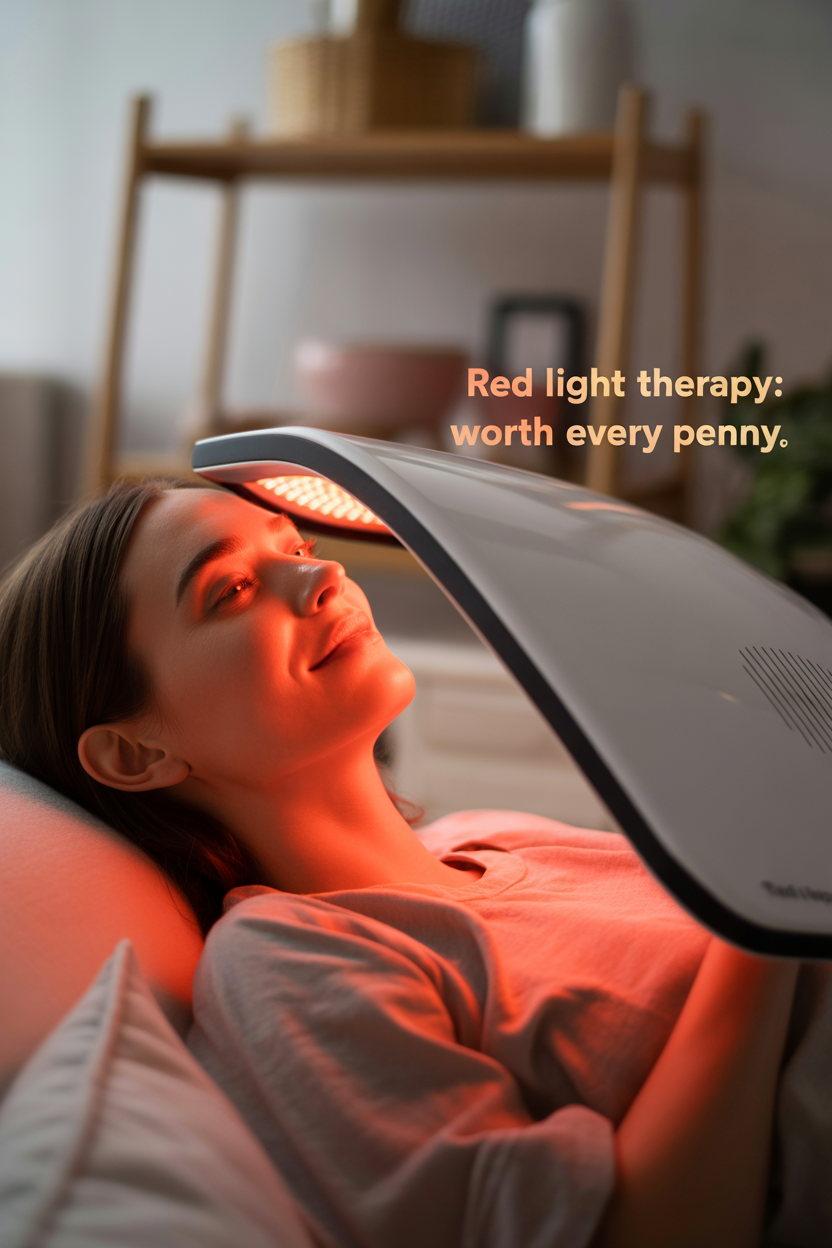
Quality red light therapy devices range from $200-$800, representing a significant upfront investment. However, this cost often pays for itself through reduced medical expenses and medication needs.
Compare the device cost to ongoing prescription medications, doctor visits, and potential procedures. Many patients find the one-time investment more economical long-term.
Insurance coverage for red light therapy varies by provider and policy. Some plans cover FDA-cleared devices when prescribed by healthcare providers for specific conditions.
Health Savings Accounts (HSAs) and Flexible Spending Accounts (FSAs) often cover red light therapy devices. Check with your account administrator for specific eligibility requirements.
Consider the device’s lifespan when calculating cost-effectiveness. Quality units provide years of treatment, making the per-session cost remarkably affordable.
Factor in the value of improved quality of life, better sleep, and increased activity levels. These benefits often prove invaluable compared to the device investment.
How to Set Up Your Perfect Treatment Space
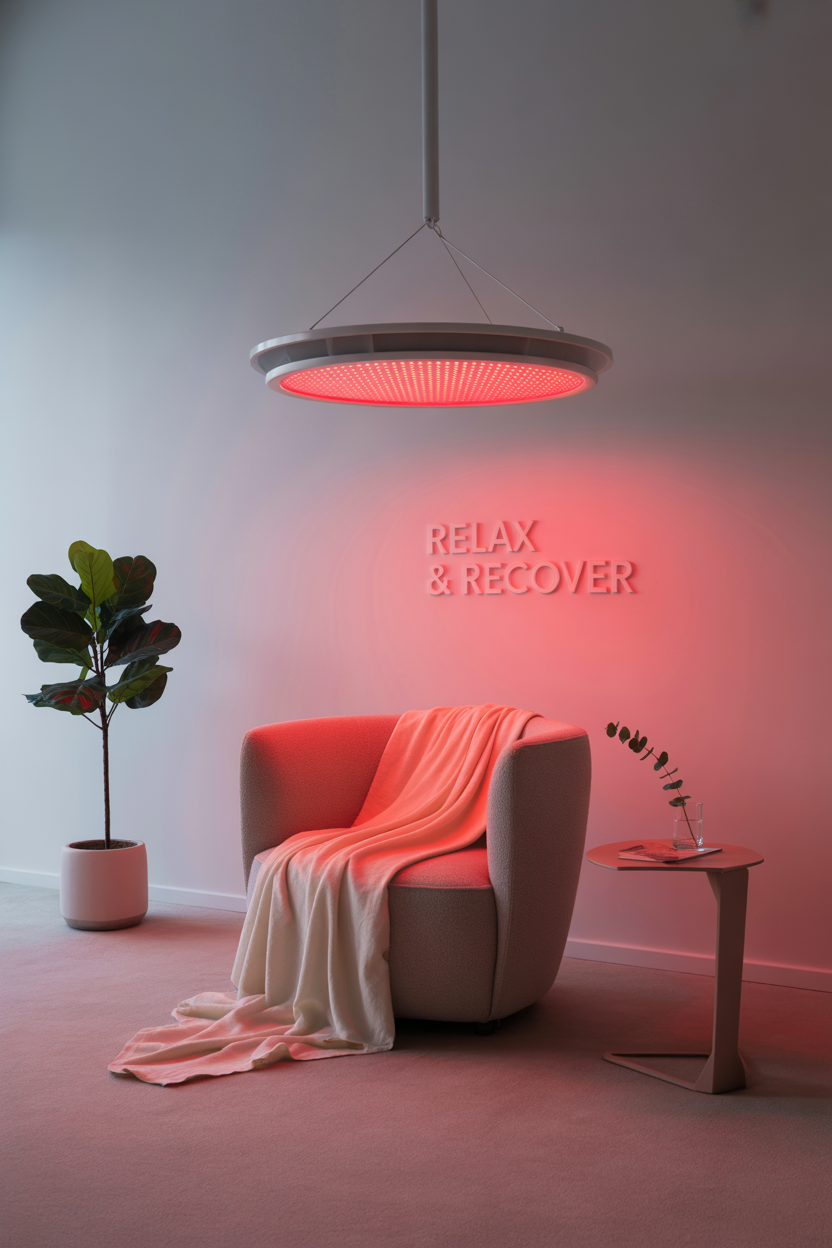
Create a comfortable, quiet space for your red light therapy sessions. This dedicated environment promotes relaxation and helps establish consistent treatment habits.
Ensure adequate ventilation in your treatment area to prevent overheating. Good airflow maintains comfort during longer sessions.
Remove jewelry and tight clothing from treatment areas to avoid interference with light penetration. Exposed skin receives optimal therapeutic benefit.
Use your treatment time for meditation, gentle stretching, or listening to calming music. This multi-tasking approach enhances overall wellness benefits.
Keep a treatment log nearby to track session duration, intensity settings, and symptom changes. Consistent documentation supports treatment optimization.
Maintain your device according to manufacturer instructions to ensure consistent light output. Clean LED panels regularly and store equipment properly between uses.
How to Build Long-Term Success with Red Light Therapy
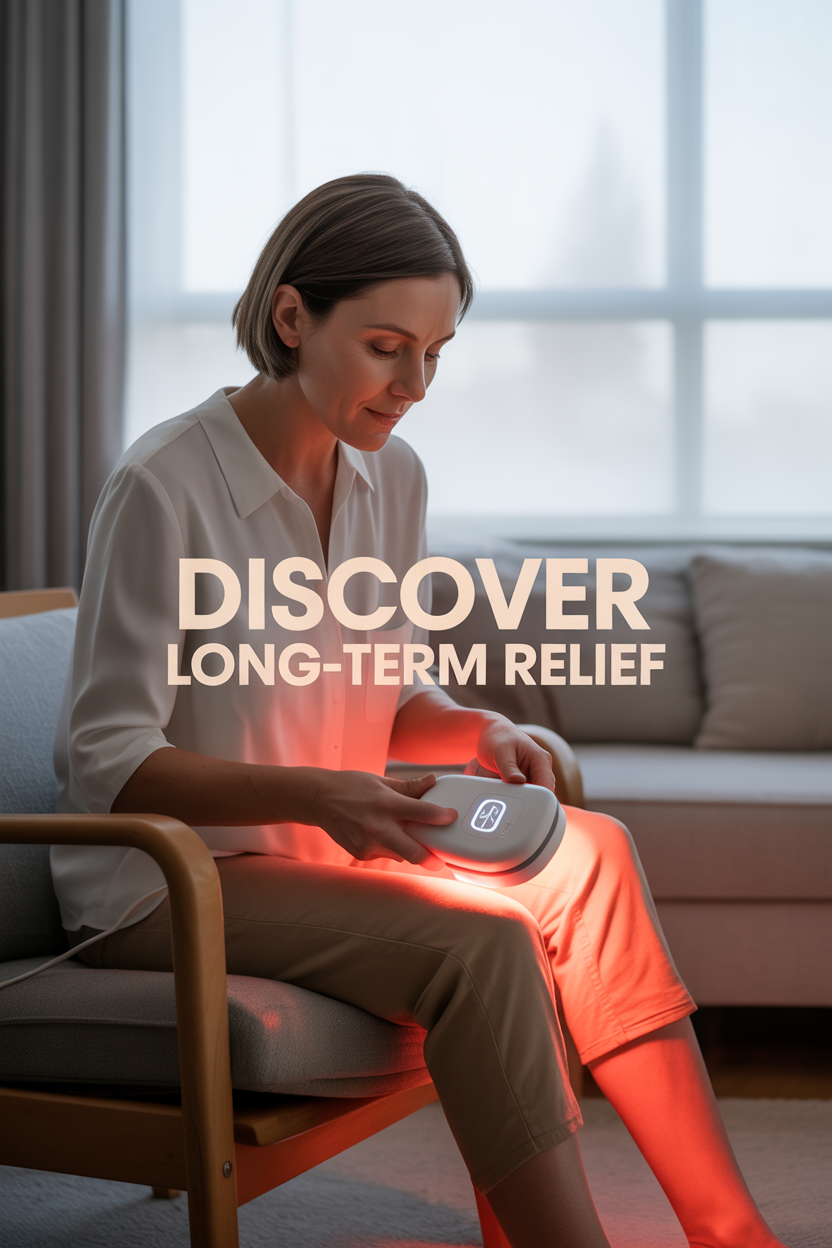
Consistency remains the cornerstone of successful red light therapy for neuropathy. Regular treatments create cumulative healing effects that build over time.
Patience proves essential as nerve regeneration occurs gradually. Trust the process and celebrate small improvements along your healing journey.
Work closely with your healthcare team to monitor progress and adjust treatment protocols. Their expertise combined with your commitment creates optimal outcomes.
Red light therapy offers genuine hope for lasting neuropathy relief without side effects. Your nerves possess remarkable healing capacity when given proper support and time to regenerate.