
Breakthrough Pain Relief: How Laser Therapy is Transforming Chronic Pain Management

Chronic Pain Laser Therapy: A Comprehensive Guide to Finding Relief

Living with chronic pain can feel like being stuck in an endless cycle that affects everything from work to whether you can even tie your own shoes without wincing. Fortunately, as medical technology advances, laser therapy for chronic pain offers new hope for those seeking alternatives to conventional treatments. Let’s explore this innovative treatment option that’s changing how we approach persistent pain.
Understanding Chronic Pain

Chronic pain persists long after the initial injury has healed, serving no useful purpose. Unlike acute pain that signals something is wrong, chronic pain lingers unnecessarily.
This persistent discomfort affects approximately 50 million Americans, arriving through arthritis, fibromyalgia, nerve damage, or past injuries.
Traditional approaches have heavily relied on medications with troublesome side effects, physical therapy, and sometimes invasive procedures. It’s no surprise that many patients are exploring chronic pain laser therapy as an alternative solution.
What is Low-Level Laser Therapy?

Low-Level Laser Therapy (LLLT)—also known as cold laser therapy or photobiomodulation—uses specific wavelengths of light to interact with tissue and help activate your body’s natural healing mechanisms.
Unlike surgical lasers that cut and burn tissue, therapeutic lasers for chronic pain operate at lower power levels and don’t generate significant heat, making them suitable for regular use without concerns about tissue damage.
The treatment involves applying light energy directly to problem areas, where it penetrates the skin and gets absorbed by cells. The best part? It’s non-invasive and typically painless—no needles or uncomfortable procedures!
The Science Behind Laser Therapy
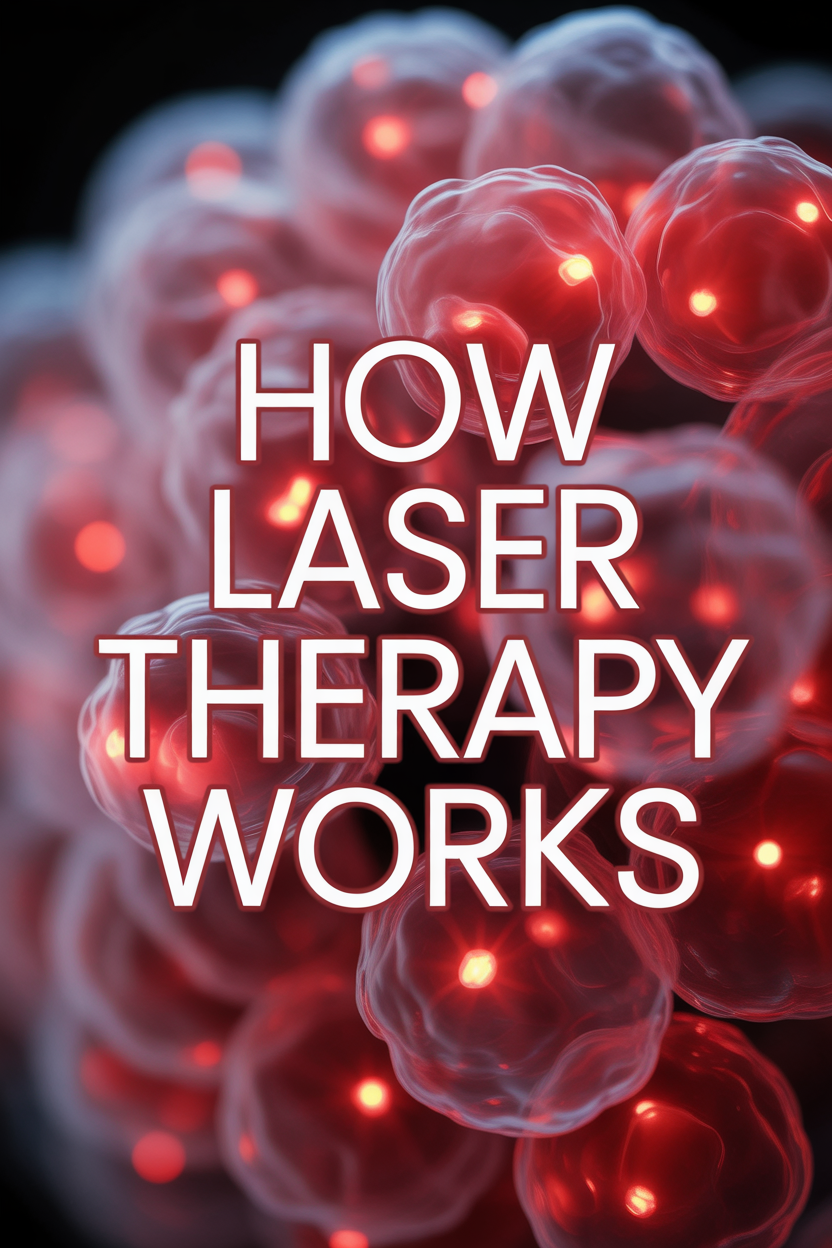
Chronic pain laser therapy works at the cellular level through photobiomodulation—a process where cells absorb photons (light particles) from the laser and initiate beneficial changes. These include:
- Increased ATP production (cellular energy)
- Enhanced cell membrane permeability
- Stimulation of collagen production
- Improved blood circulation
- Reduced inflammation
- Release of endorphins (natural pain relievers)
These cellular responses work together to create an environment that promotes healing and reduces pain signals. The therapy addresses both the symptoms AND their underlying causes—treating the source rather than just masking the pain.
Types of Therapeutic Lasers

When treating chronic pain, practitioners can choose from several laser options:
Class 3 Lasers: These lower-powered options (under 500 milliwatts) work effectively for surface-level issues. They’re portable, affordable, and commonly found in many clinics for treating more superficial pain conditions.
Class 4 Lasers: These higher-powered devices (above 500 milliwatts) penetrate deeper than Class 3 lasers. When pain originates in deeper tissues like spinal discs or hip joints, these more powerful lasers can reach the source more effectively.
Wavelength Considerations: Therapeutic lasers typically emit light in red (600-700 nm) or near-infrared (800-950 nm) ranges. Different wavelengths reach different tissue depths, allowing practitioners to select the appropriate technology based on where your pain originates.
Conditions Responsive to Laser Therapy
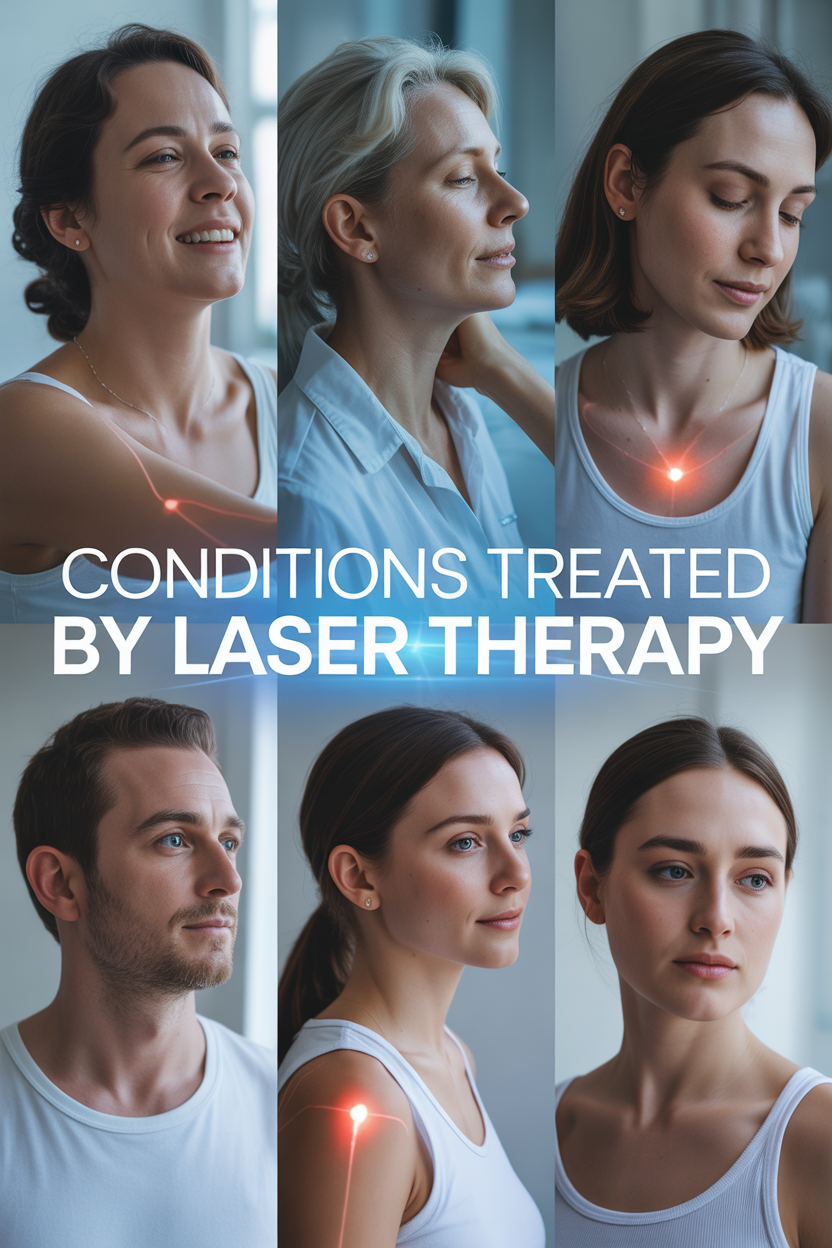
Laser therapy shows promise for numerous chronic pain conditions:
Musculoskeletal Pain: Conditions like osteoarthritis, rheumatoid arthritis, and chronic back pain often respond well to laser therapy, with patients reporting reduced pain and improved mobility.
Neuropathic Pain: When nerves send inappropriate pain signals—as with diabetic neuropathy or postherpetic neuralgia—laser treatment may help block these disruptive messages and provide relief.
Fibromyalgia: Many patients with this whole-body pain condition report that their tender points become significantly less sensitive after laser therapy sessions, improving their overall comfort and function.
Sports Injuries and Repetitive Strain: Tennis elbow, golfer’s elbow, and carpal tunnel syndrome can benefit from laser’s anti-inflammatory properties, helping weekend warriors and office workers alike.
Post-Surgical Pain: When recovery pain persists after surgery, laser therapy can accelerate healing and reduce lingering discomfort, potentially reducing the need for pain medication.
Advantages Over Traditional Treatments

Chronic pain laser therapy offers several compelling benefits:
Non-Invasive: No needles, cutting, or surgical intervention—just light penetrating the tissue while leaving the skin completely intact.
Drug-Free: Without medications, there are no concerns about side effects, dependency, or drug interactions that often complicate conventional pain management.
Complementary: Works well alongside other treatments, potentially enhancing their effectiveness or allowing for reduced medication dosages under medical supervision.
Targeted Treatment: Addresses specific areas of pain rather than affecting your entire system, minimizing unwanted effects on healthy tissues.
Cumulative Benefits: The positive effects tend to build over time, with many patients reporting that each session enhances the results of previous ones—suggesting progressive healing rather than temporary relief.
Minimal Side Effects: When properly administered by qualified practitioners, the risk of adverse effects is remarkably low compared to many conventional pain treatments.
What to Expect During Treatment
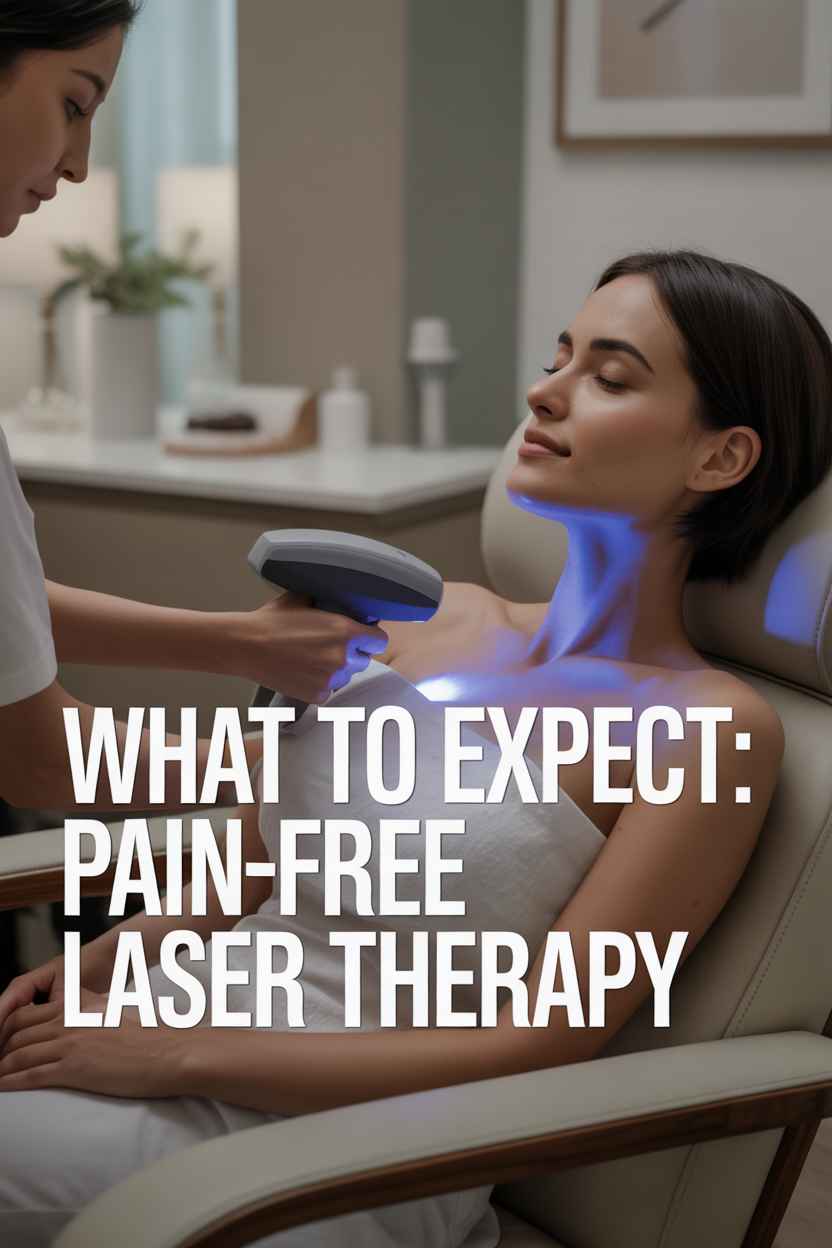
A typical chronic pain laser therapy session follows this process:
Initial Assessment: Your provider will evaluate your condition and pain history to determine the appropriate treatment approach for your specific needs.
Preparation: You’ll expose the treatment area, and both you and your provider will wear protective eyewear to safeguard against accidental eye exposure to the laser light.
Treatment Application: The provider will place the laser device directly over your painful area. You might experience a mild warming sensation, or you might feel nothing at all during the procedure.
Duration: Sessions typically last between 5-20 minutes, depending on the size of the treatment area and the specific protocol being used.
Post-Treatment: No recovery time is needed! You can immediately return to normal activities without restrictions or downtime.
Treatment Timeline and Results

Response to chronic pain laser therapy varies from person to person:
Immediate Effects: Some patients report feeling relief after the very first session, particularly when inflammation is a primary contributor to their pain.
Short-Term Results: For most people, noticeable improvement requires 3-10 sessions, typically scheduled 2-3 times weekly during the initial treatment phase.
Long-Term Benefits: For chronic conditions, maintenance treatments might be recommended after your initial treatment series—perhaps monthly or as needed when symptoms begin to return.
Influencing Factors: Your results may be affected by the duration of your pain condition, overall health status, and whether you’re combining therapy with other treatments or lifestyle modifications.
Safety Considerations
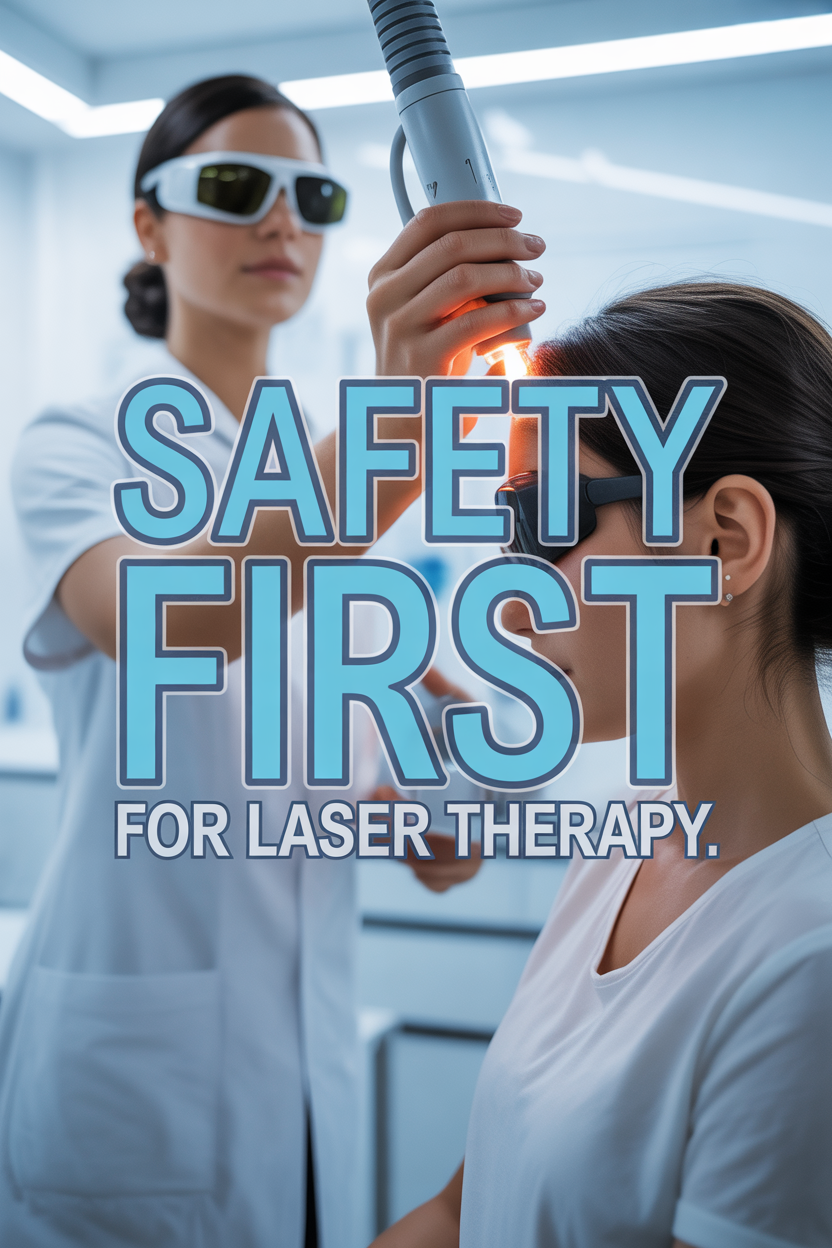
Laser therapy is generally considered safe when performed by qualified practitioners, but certain precautions are important:
Potential Side Effects: Some patients experience temporary soreness or tingling in the treated area, but these sensations typically resolve quickly without intervention.
Contraindications: Laser therapy isn’t recommended for use over cancerous tissues, directly over the eyes, thyroid gland, or certain areas during pregnancy. Always disclose your full medical history to your provider.
Medication Interactions: If you take photosensitizing medications that make you reactive to light, consult with your healthcare provider before starting treatment.
Provider Qualifications: Ensure your treatment is performed by someone with proper training and credentials. Professional licensing and specific laser therapy training are essential for safe, effective treatment.
Financial Considerations
The cost aspects of chronic pain laser therapy vary considerably:
Session Costs: Individual sessions typically range from $30-150, depending on geographic location, provider type, and the size of the treatment area.
Treatment Packages: Many providers offer discounted packages for multiple sessions, which often makes financial sense since results typically build over a series of treatments.
Insurance Coverage: Coverage varies widely between plans. Some insurance policies may cover laser therapy when provided by certain practitioners, while others classify it as “alternative” treatment with limited or no coverage.
Documentation: If seeking insurance reimbursement, ask your provider about documenting medical necessity and treatment outcomes to support your claim.
Integrative Treatment Approaches

Laser therapy often works best as part of a comprehensive pain management strategy:
Physical Therapy: Laser treatments can reduce pain and inflammation, making physical therapy exercises more comfortable and effective as part of a rehabilitation program.
Manual Therapies: Combining laser with massage, chiropractic care, or acupuncture may enhance outcomes by addressing different aspects of your pain condition simultaneously.
Medication Management: Some patients find they can reduce their pain medication usage when adding laser therapy to their treatment plan (always under medical supervision).
Lifestyle Modifications: Nutritional support, stress management techniques, and appropriate exercise can complement laser therapy effects and contribute to overall pain reduction.
Research Evidence and Clinical Outcomes
The scientific support for chronic pain laser therapy continues to develop:
Systematic Reviews: Multiple research reviews have found evidence supporting laser therapy for conditions like osteoarthritis, neck pain, and tendon injuries, though results vary by condition.
Clinical Trials: Studies show varying degrees of effectiveness, with better results typically linked to appropriate dosing parameters and condition-specific protocols.
Mechanism Research: Laboratory studies continue to clarify exactly how laser therapy works at the cellular and molecular levels, strengthening our understanding of its effects.
Ongoing Investigations: The field continues advancing with research into optimal treatment parameters, long-term outcomes, and comparative effectiveness versus other treatments.
Finding a Qualified Provider
When seeking laser therapy for chronic pain, consider these factors in choosing a provider:
Credentials: Look for licensed healthcare professionals (physicians, physical therapists, chiropractors) with specific training in therapeutic laser applications.
Equipment: Ask about the type of laser used and whether it’s FDA-cleared for pain management applications.
Experience: Inquire about their specific experience treating your condition and their typical success rates with similar cases.
Treatment Plan: A qualified provider should offer a clear treatment plan with realistic expectations, not vague promises or guarantees of miraculous results.
Red Flags: Be wary of providers who promise complete cures or who use laser therapy as a universal solution for all conditions without individualized assessment.
Chronic pain laser therapy represents a promising option in the pain management toolkit. While not a miracle cure, it offers a non-invasive, drug-free approach that helps many patients reduce their pain and improve their quality of life. With this information, you can make an informed decision about whether this treatment might be right for your chronic pain condition.