
10 Breakthrough Back Pain Relief Products You Haven’t Tried Yet

Why Does My Back Hate Me? Understanding the Root Causes
Imagine waking up without that heavy, stiff ache in your lower back. For many, chronic pain feels like an inevitable part of daily life—but it doesn’t have to be. We are moving past the temporary fixes and looking at the breakthrough technologies, from red light therapy to vibration plates, that actually support your spine and soothe your nerves for lasting comfort.
Before we shop for gadgets and gizmos aplenty, let’s figure out why your back is staging this rebellion in the first place. Your pain could be coming from:
- Muscle or ligament strain – Remember when you tried to move that sofa by yourself because “how heavy could it be?” Yeah, that’s why.
- Bulging or ruptured discs – When those cushiony discs between your vertebrae decide to make a break for it and crash the nerve party nearby
- Arthritis – Nature’s way of saying “Congrats on making it this far in life!”
- Skeletal irregularities – Like scoliosis, which is just your spine’s attempt at being artistic with its curves
- Osteoporosis – When your bones become porous and fragile
- Poor posture – All those hours hunched over your phone have consequences!
- Stress – Because apparently turning your muscles into knots is your body’s response to pressure
Knowing what’s causing your personal brand of misery will help you pick the right relief products.
Medication Options: Over-the-Counter vs. Prescription Solutions
Let’s talk about medication options when your back decides to throw a tantrum.
Over-the-Counter Options:
- NSAIDs (Ibuprofen) – These inflammation fighters (like ibuprofen) work on multiple types of pain
- Acetaminophen (Tylenol) – Dulls the pain but doesn’t reduce inflammation
- Topical treatments (Ben Gay) – Creams that create cooling or warming sensations to distract from pain
These work well for minor injuries or occasional pain flare-ups.
When to See a Doctor:
- When your back pain persists beyond two weeks
- When the pain severely limits your movement
- If you experience tingling or weakness in your limbs
- When pain consistently wakes you at night
- If your pain follows a significant injury
Prescription options provide stronger relief for serious conditions. Always consult with your doctor before starting any new treatment plan.
Topical Relief: Creams, Gels, and Patches
Applying relief directly to the painful area can provide targeted comfort without affecting your entire system.
Effective Creams and Gels:
- Menthol-based products – Create a cooling sensation that distracts your nerves from pain signals
- Capsaicin creams – Derived from hot peppers, they deplete pain-transmitting chemicals in your nerves
- Salicylate products – Work like aspirin by reducing inflammation where applied
- CBD-infused topicals – May help reduce inflammation without psychoactive effects
Adhesive Relief Options:
- Lidocaine patches – Provide numbing relief that lasts for hours
- Heat-activated patches – Deliver consistent warmth to relax tight muscles
- Medicated adhesive patches – Combine medication with convenient, hands-free application
Start with a small application to test your skin’s reaction. More product doesn’t necessarily mean better relief.
Heat Therapy: Soothing Warmth for Aching Muscles
Heat therapy increases blood flow, relaxes tight muscles, and provides comforting relief for many types of back pain.
Effective Heat Options:
- Electric heating pads – Provide adjustable, consistent heat with automatic shut-off safety features
- Microwavable heat packs – Filled with materials that retain heat for drug-free relief
- Heated back wraps – Contour to your body while allowing movement during treatment
- Infrared heating devices – Penetrate deeper into tissue than conventional heat
- Heated massage chairs – Combine warming therapy with massage for comprehensive relief
Heat therapy works best for chronic aches and stiffness rather than acute injuries. Limit sessions to 15-20 minutes and never sleep with a heating device activated.
Cold Therapy: Reducing Inflammation and Pain
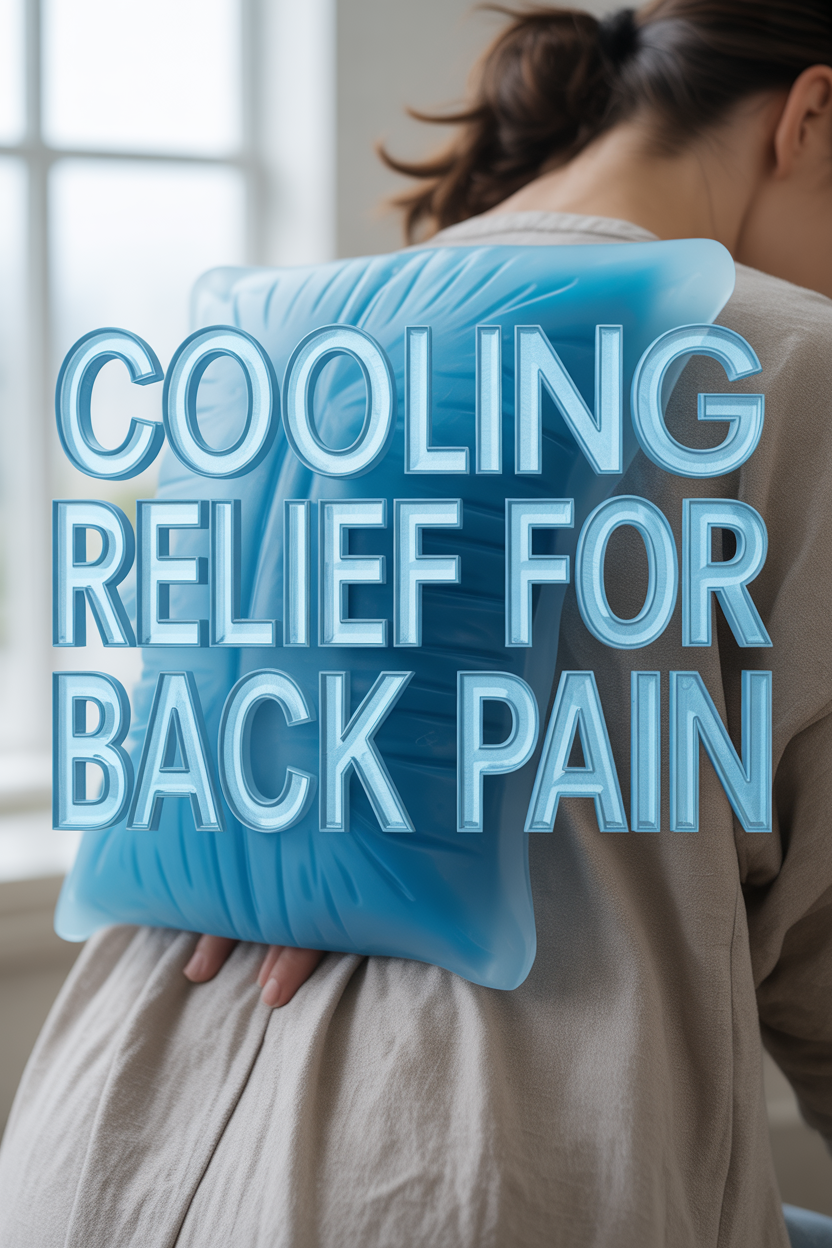
Cold therapy reduces blood flow, decreases inflammation, and numbs painful areas—making it ideal for recent injuries or acute flare-ups.
Cooling Relief Options:
- Gel ice packs – Flexible enough to contour to your back’s shape
- Instant cold packs – Activate when needed without refrigeration
- Cold wraps – Stay in place with straps or fabric holders
- Ice massage tools – Target specific points of pain with precision
- Cooling sprays – Provide immediate but temporary relief
Limit cold therapy to 15-20 minutes at a time to prevent skin damage. Always place a thin cloth between ice packs and your skin for protection.
Support Devices: Braces and Posture Correctors
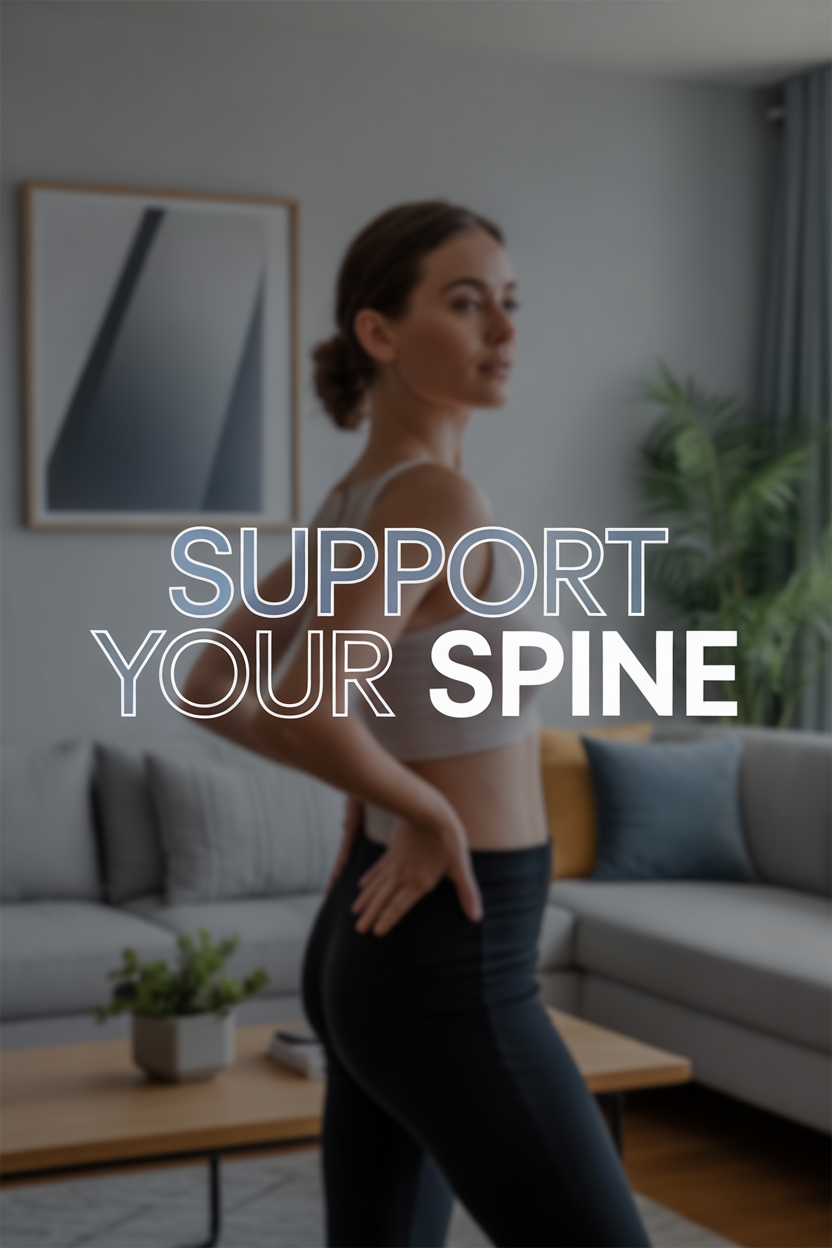
Sometimes your back needs external support while healing or during activities that might strain it.
Back Braces:
- Lumbar support belts – Provide compression and support for the lower back during activities
- Posture braces – Gently pull shoulders back to encourage proper alignment
- Industrial back supports – Designed for jobs requiring heavy lifting or repetitive movements
- Medical-grade braces – Prescribed for specific conditions with structured support
Posture Improvement Tools:
- Wearable electronic devices – Vibrate when you slouch to remind you to straighten up
- Upper back alignment straps – Train muscles to maintain better posture
- Full-back posture shirts – Use tension panels to encourage proper alignment
Use braces as temporary tools rather than permanent solutions. Your muscles need to strengthen to provide natural support long-term.
Ergonomic Solutions: Preventing Pain Before It Starts
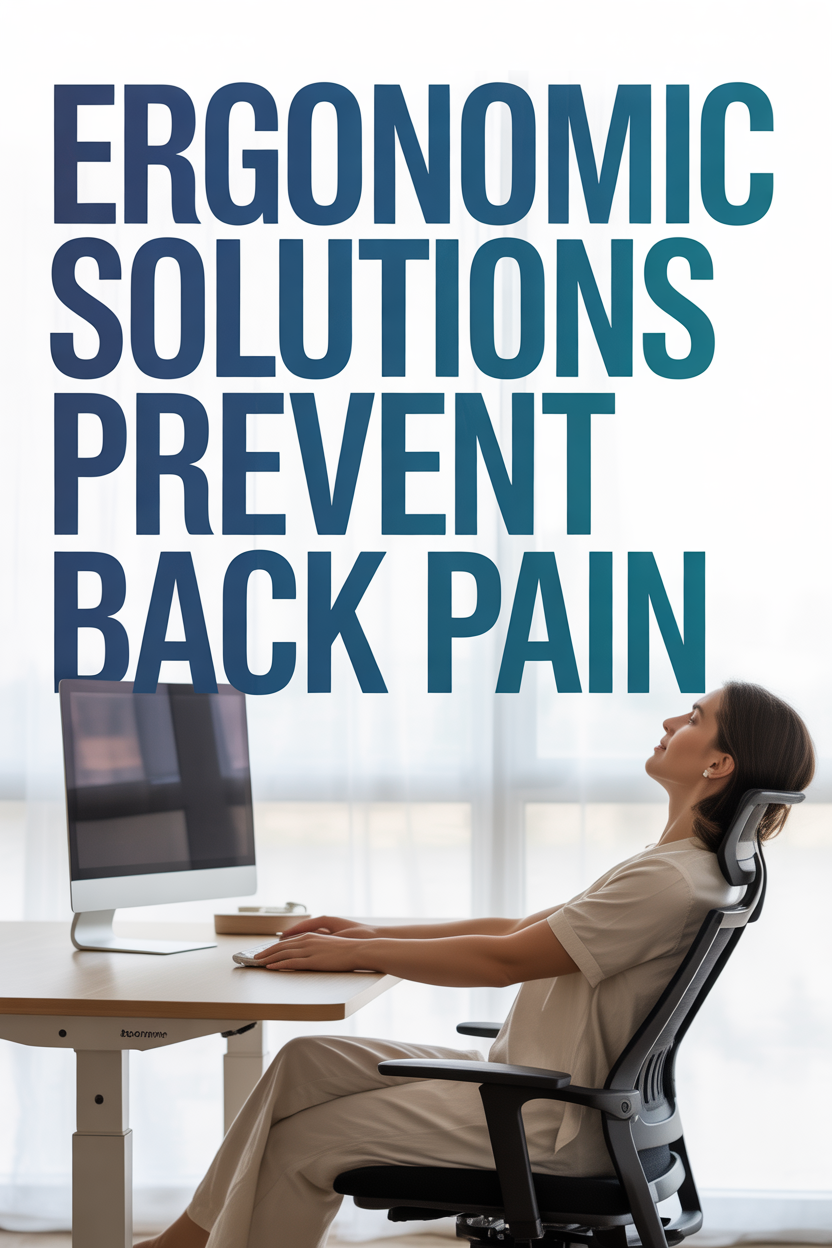
Creating an environment that supports proper alignment can prevent many back problems from developing or worsening.
Workspace Improvements:
- Ergonomic chairs – Support your spine’s natural curves during long sitting periods
- Standing desks – Allow you to alternate between sitting and standing throughout the day
- Monitor stands – Position screens at eye level to prevent neck strain
- Ergonomic keyboards and mice – Reduce strain that can travel up arms to shoulders and back
- Lumbar cushions – Add support to chairs that lack proper contours
Home Environment Modifications:
- Anti-fatigue mats – Reduce strain when standing on hard surfaces
- Supportive footwear – Provide proper foundation for spinal alignment
- Ergonomic kitchen tools – Reduce bending and twisting during meal preparation
- Car seat cushions – Improve posture and comfort during drives
Small environmental changes can dramatically reduce daily strain on your back, preventing pain before it begins.
Massage Tools: Releasing Tension at Home
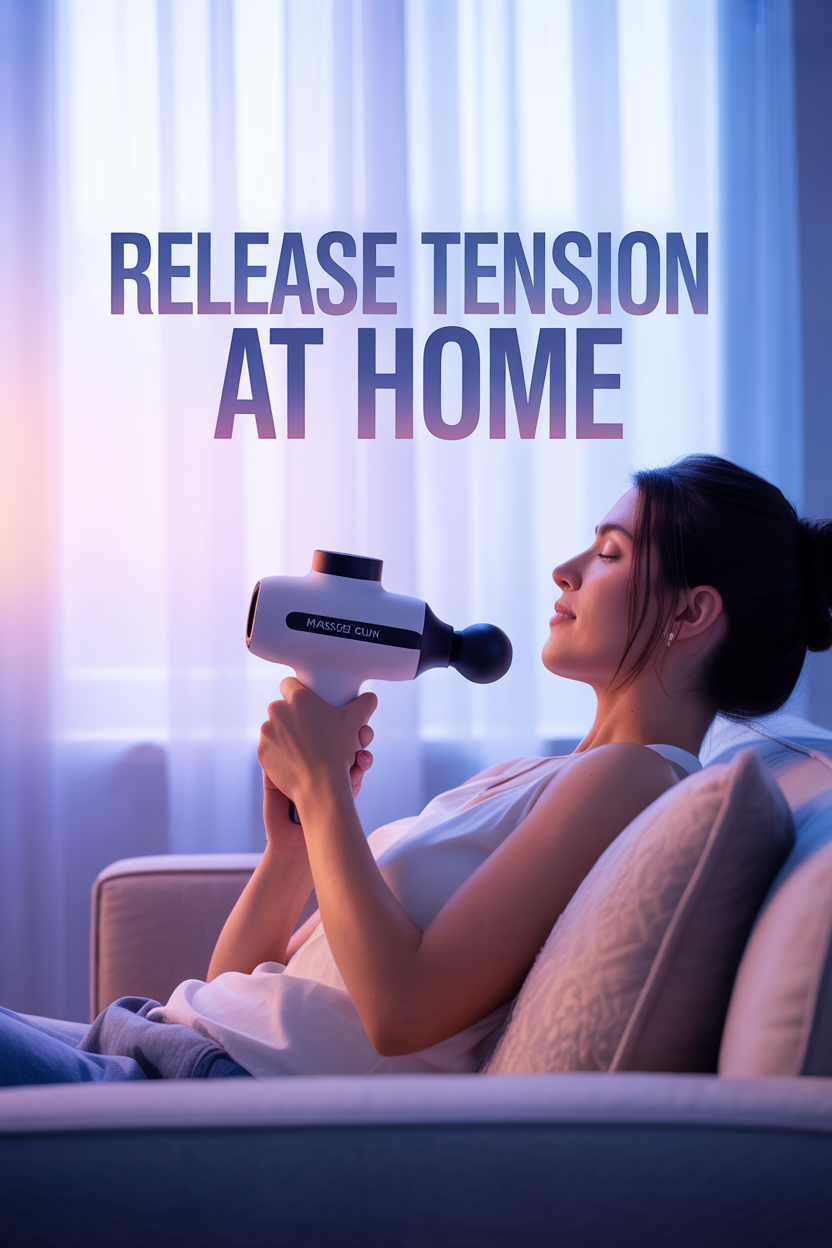
Self-massage tools can release muscle knots, improve circulation, and provide relief between professional treatments.
Effective Massage Options:
- Handheld massagers – Range from gentle vibration to percussion therapy
- Shiatsu massage pillows – Feature rotating nodes that mimic kneading fingers
- Back massage chairs and pads – Transform ordinary furniture into treatment stations
- Massage guns – Deliver targeted pressure to release deep tissue tension
- Acupressure mats – Use hundreds of small pressure points to stimulate circulation
- Self-massage tools – Allow you to reach difficult spots without straining
Start with gentle pressure and gradually increase intensity as muscles respond. Focus on relaxing during treatment rather than tensing against the sensation.
TENS Units: Electrical Stimulation for Pain Management
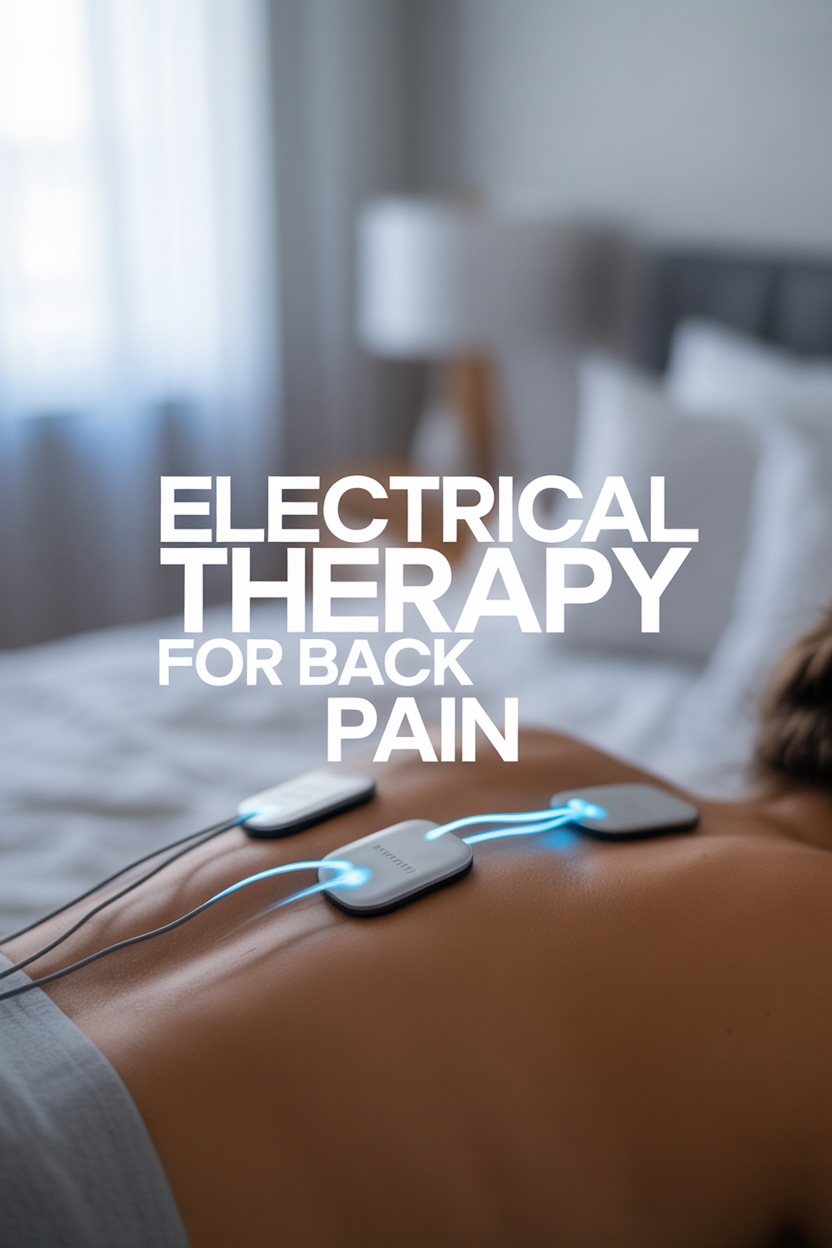
Transcutaneous Electrical Nerve Stimulation (TENS) uses mild electrical currents to interrupt pain signals and encourage your body’s natural pain fighters.
How TENS Works:
- Sends electrical impulses through electrode pads placed on your skin
- Creates a sensory barrier that blocks pain signals from reaching your brain
- Stimulates endorphin production for natural pain relief
- Improves blood circulation to painful areas
Available TENS Options:
- Portable TENS units – Compact enough to use while going about your day
- Wireless TENS devices – Eliminate cumbersome wires for discreet use
- TENS + EMS combination units – Add muscle stimulation to pain relief
- TENS garments – Incorporate electrodes into wearable items
TENS units are generally safe but aren’t appropriate for everyone. Consult your doctor before using one, especially if you have a pacemaker or are pregnant.
Self-Myofascial Release: Foam Rollers and Trigger Point Tools
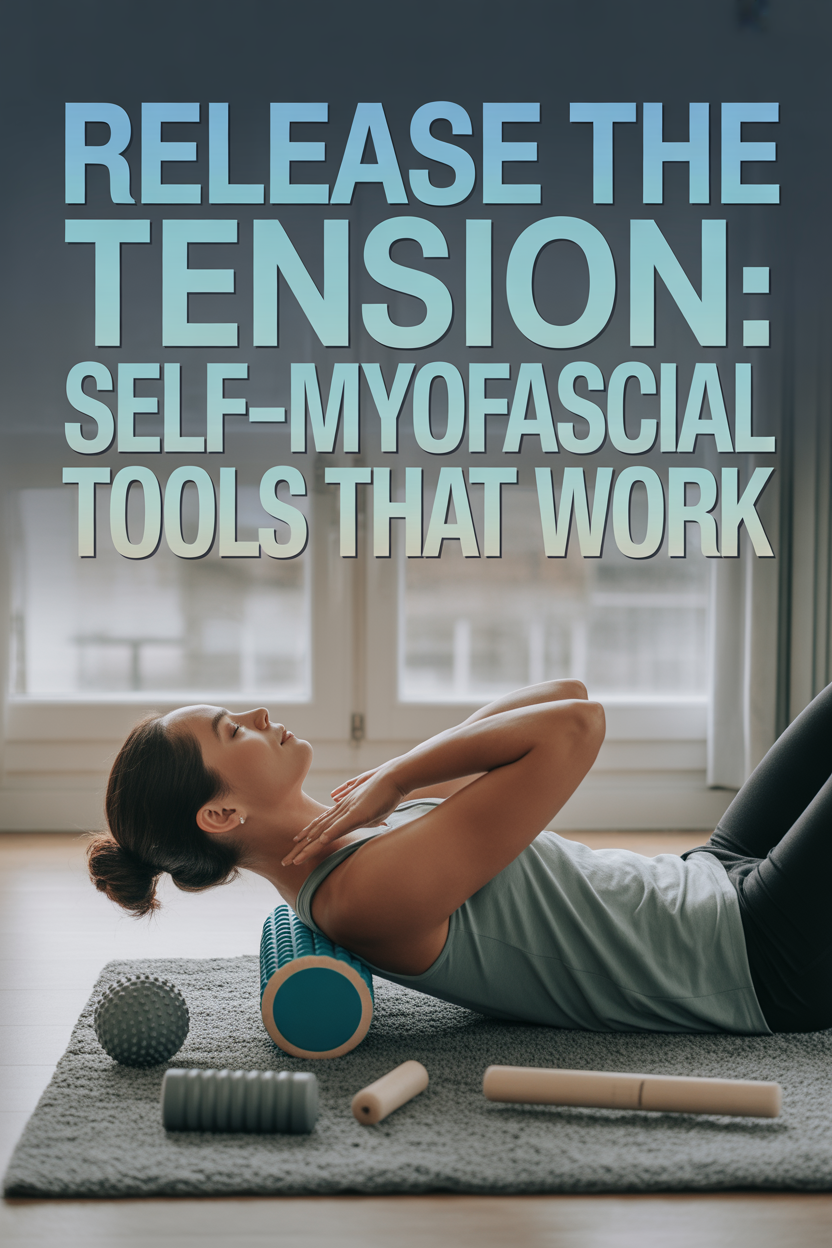
These tools allow you to apply controlled pressure to release tension in muscles and the connective tissue (fascia) surrounding them.
Effective Release Tools:
- Standard foam rollers – Provide even pressure across larger muscle groups
- Textured foam rollers – Add varying pressure points for deeper tissue work
- Trigger point balls – Target specific knots with concentrated pressure
- Massage rollers with handles – Offer better control and leverage
- Spinal rollers – Feature channels to protect your spine during rolling
Begin with gentle pressure and gradually increase as your tolerance improves. Focus on breathing through any discomfort rather than holding your breath. Consistent, short sessions typically produce better results than occasional intense ones.
Sleep Support: Specialized Bedding for Back Pain Relief

Since we spend approximately a third of our lives sleeping, proper spinal alignment during rest is crucial for back health.
Sleep Improvement Products:
- Orthopedic pillows – Support proper neck alignment based on your sleep position
- Body pillows – Provide full-body alignment support, especially for side sleepers
- Knee pillows – Maintain hip alignment to reduce stress on the lower back
- Lumbar pillows – Fill the gap between your lower back and mattress
- Mattress toppers – Add support or cushioning to your existing mattress
- Adjustable beds – Allow customized positioning for optimal comfort
- Specialized mattresses – Designed with materials and construction that support spinal alignment
Your optimal sleep setup depends on your specific back condition and preferred sleep position. What works perfectly for someone else might not be right for you.
Making Smart Choices: How to Select the Right Products
With countless back pain relief options available, focusing your efforts on the most appropriate solutions for your specific condition is essential.
Decision-Making Guidelines:
- Consult professionals – Get personalized recommendations from healthcare providers familiar with your condition
- Identify your specific issue – Different back problems respond to different approaches
- Start with affordable options – Test basic solutions before investing in expensive equipment
- Research thoroughly – Look for reviews from people with similar conditions
- Check return policies – Ensure you can return products that don’t work for you
- Be realistic about claims – Approach “miracle cures” with healthy skepticism
- Use combined approaches – Most effective back pain management involves multiple strategies
Important Questions Before Purchasing:
- Is this product appropriate for my specific back condition?
- Will this address the cause of my pain or just mask symptoms?
- Is there clinical evidence supporting this product’s effectiveness?
- Could this potentially worsen my condition?
- How does this fit with my current treatment plan?
Remember that finding effective back pain solutions takes time and experimentation. Be patient with the process and with your body’s healing timeline.
Creating Your Personal Back Pain Relief Plan
Finding the right combination of back pain relief products often requires trial and error. The perfect solution varies widely between individuals based on their specific conditions, lifestyles, and bodies.
Always begin with a proper medical diagnosis. This foundation ensures you’re addressing the actual cause of your pain rather than just masking symptoms. With expert guidance and methodical experimentation, you can develop a personalized approach that transforms your daily experience.
With the right tools and techniques, back pain can become a manageable part of life rather than a controlling force. The journey to relief starts with understanding your condition and taking consistent steps toward improvement.