
Best Red Light Therapy Lamps for Dementia Devices (Brain + Gut Support)


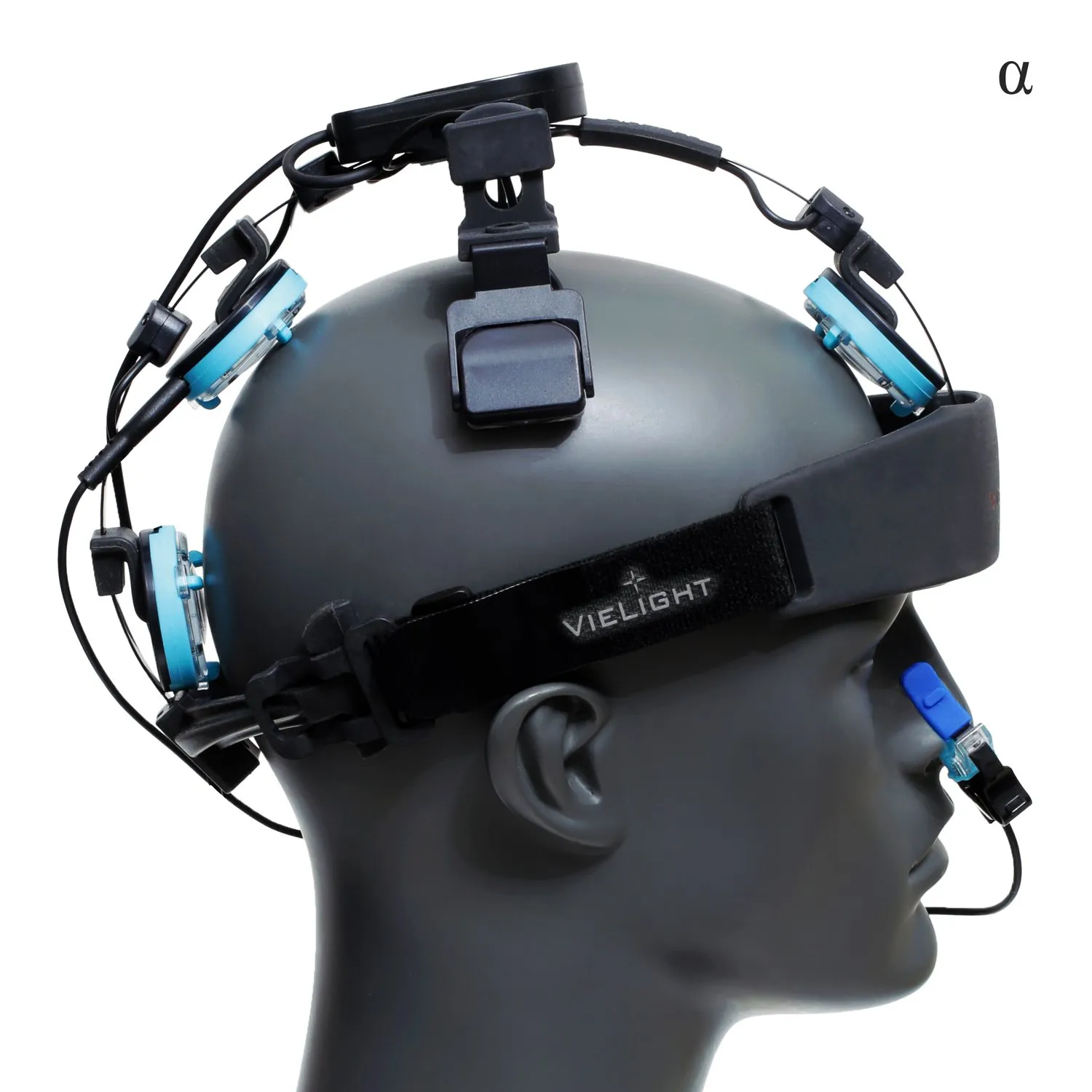
Red and near-infrared light therapy (photobiomodulation) can be a practical addition to dementia care because it targets brain metabolism, circulation, sleep regulation, and inflammation.
For this guide, I chose devices with scientific backing for their wavelengths and irradiance (energy the brain receives).
The Science of Red Light Therapy for Dementia
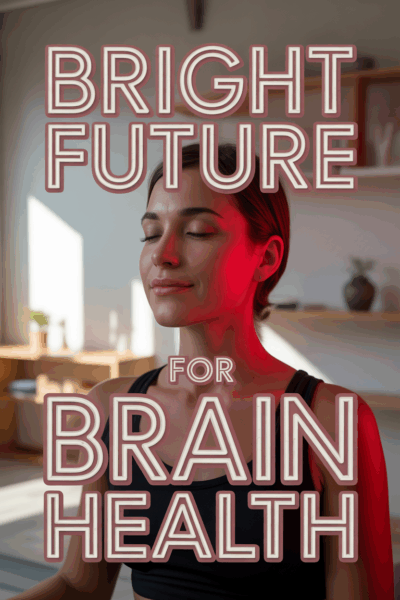
Vielight solutions are now backed by 19 studies. But all of the therapy lamps below operate within scientifically-backed ranges. The Neurocare and Nushape lamps offer similar features to the Vielights, but are significantly different in some ways.
For a comprehensive list of studies, see Dr. Valtsu Heiskanen’s Photobiomodulation Database. See this 2024 review of the cognitive and biological effects and mechanisms.
- A 2025 study published in the Journal of Alzheimer’s Disease showed that 810 nm infrared light on 9 Alzheimer’s subjects for four months resulted in statistically significant improvements on their Mini-Mental State Examination, Alzheimer’s Disease Assessment Scale-Cognitive, Montreal Cognitive Assessment and Neuropsychiatric Inventory for at least two months after treatment.
- A 2025 study found that red light therapy reduced amyloid-beta in mice.
- Another study found a significant increase in the Korean version of the Monteral Cognitive Assessment after 13 weeks of therapy
- Sequence the RNA of mice treated with red light therapy found 20 gene pathways that improved affecting inflammation and apoptosis (in this case referring to premature cell death). Inflammation reduced and more healthy cells survived.
- Red light therapy increased the pool of stem cells in genetically-aged mice brains.
- It also reduced age-related neurological damage, creating a healthier brain in mice.
Best Therapy Lamp Wavelengths and Pulsations for Dementia
The best-studied wavelengths for dementia are 630 nm red and 810 nm infrared. The best-studied light pulsation frequencies are 10 Hz and 40 Hz.
| Feature | Purpose |
|---|---|
| Light wavelengths in nm (nanometers) | While 630 nm and 810 nm are the best-studied wavelengths for dementia, there is also lots of evidence that many if not most wavelengths between 600 and 1200 nm have a positive effects (with some exceptions in the 700-760 nm red-infrared range). 630 and 810 nm have the greatest absorption and are theorized to go deeper (as does 1064-1070 nm), but there are no efficacy studies that prove a difference making them “must have” wavelengths. The safest course is to use 630+, an 810+ and 1064+ as baselines because they’re well-studied to work. |
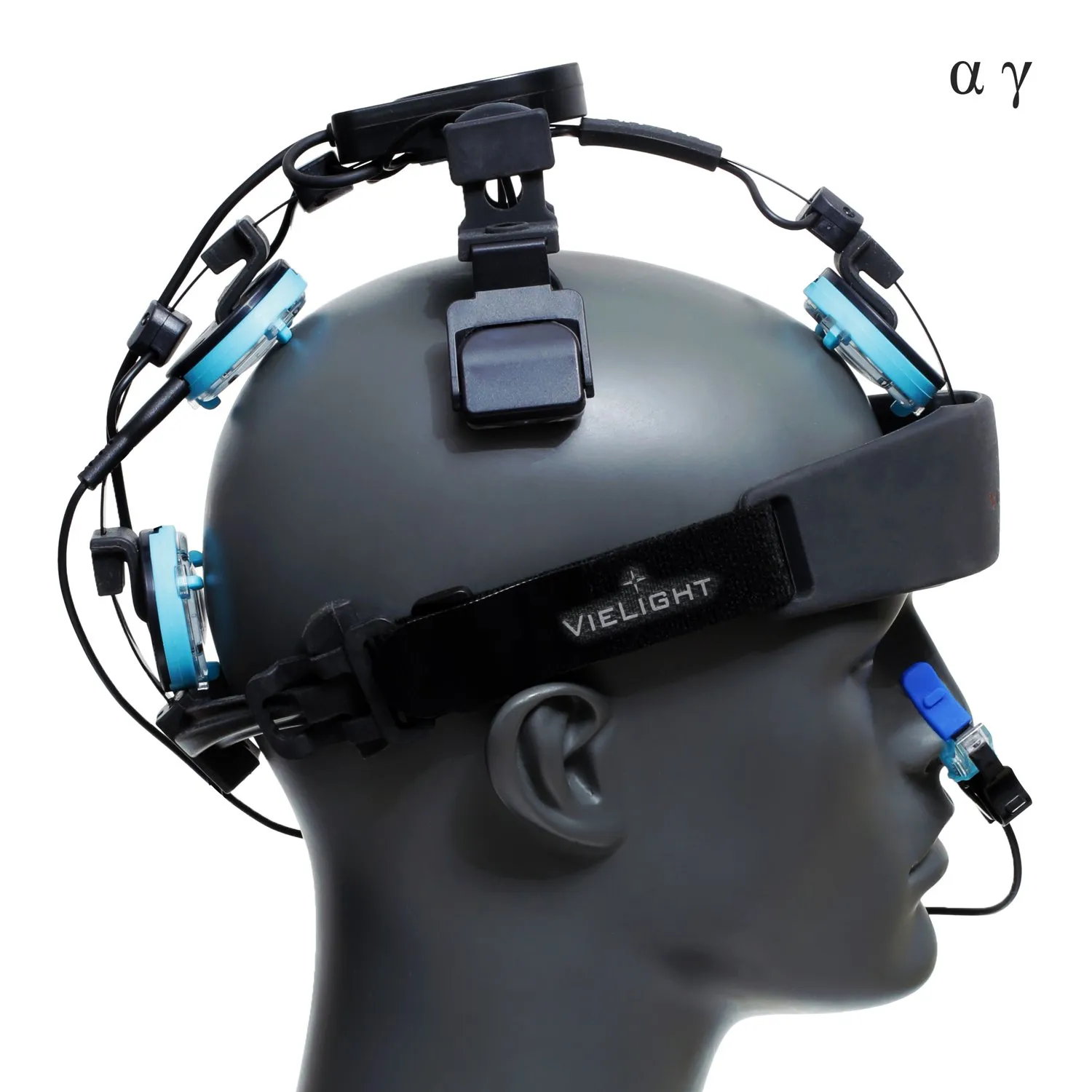
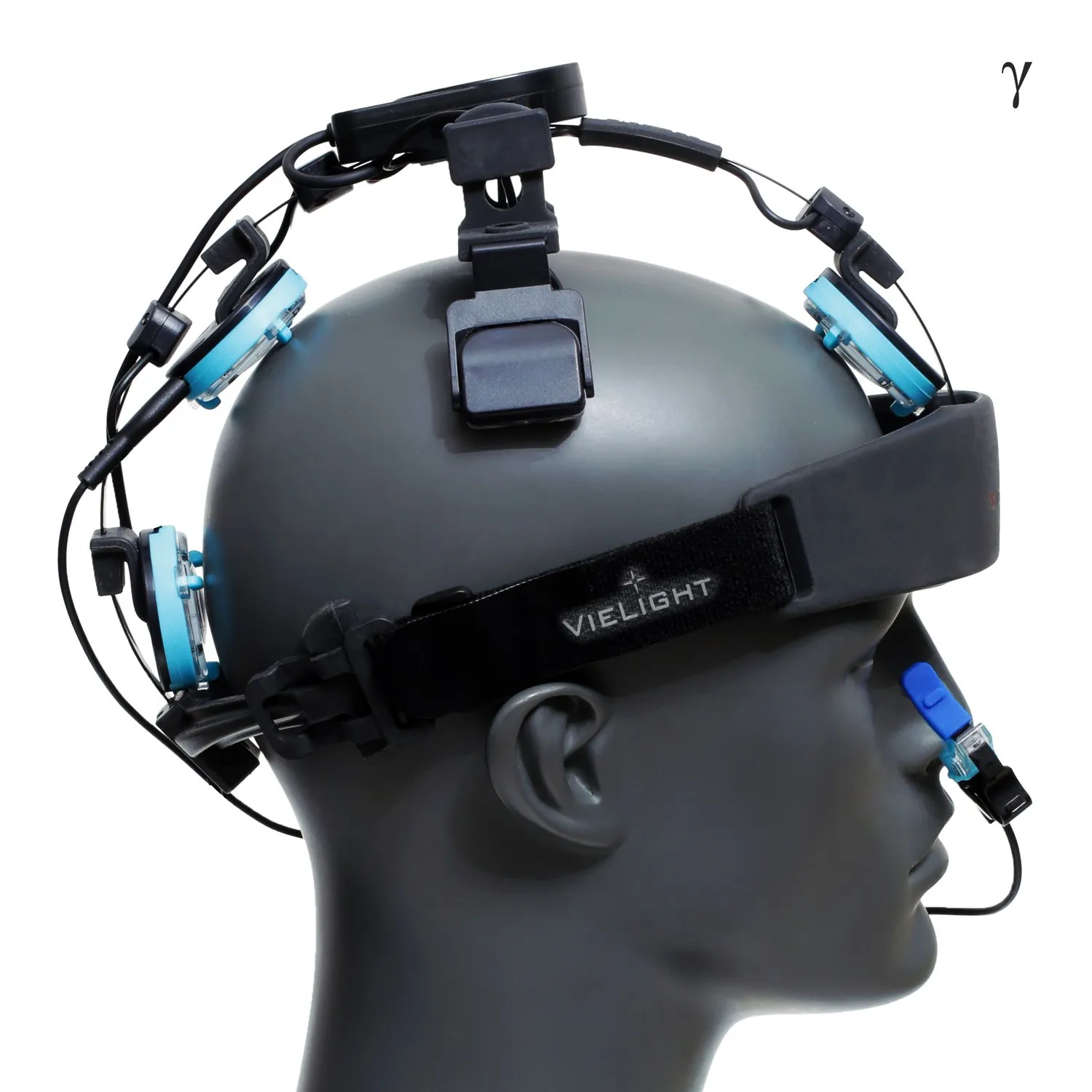
| Light pulsation in Hz (hertz) | Light pulsation pushes the photons further into the target at the cost of fewer of them arriving at all. Whether this makes a clinical difference is still an open question. But there is an “entrainment” effect of pulsation that can have a remarkable effect on brain health. Entraining the brain to 10 Hz entrains it to the Alpha state associated with calm alertness and reduced agitation. 40 Hz entrains the brain to the Gamma state associated with good memory and decision making. |
Best Light Directions for Dementia
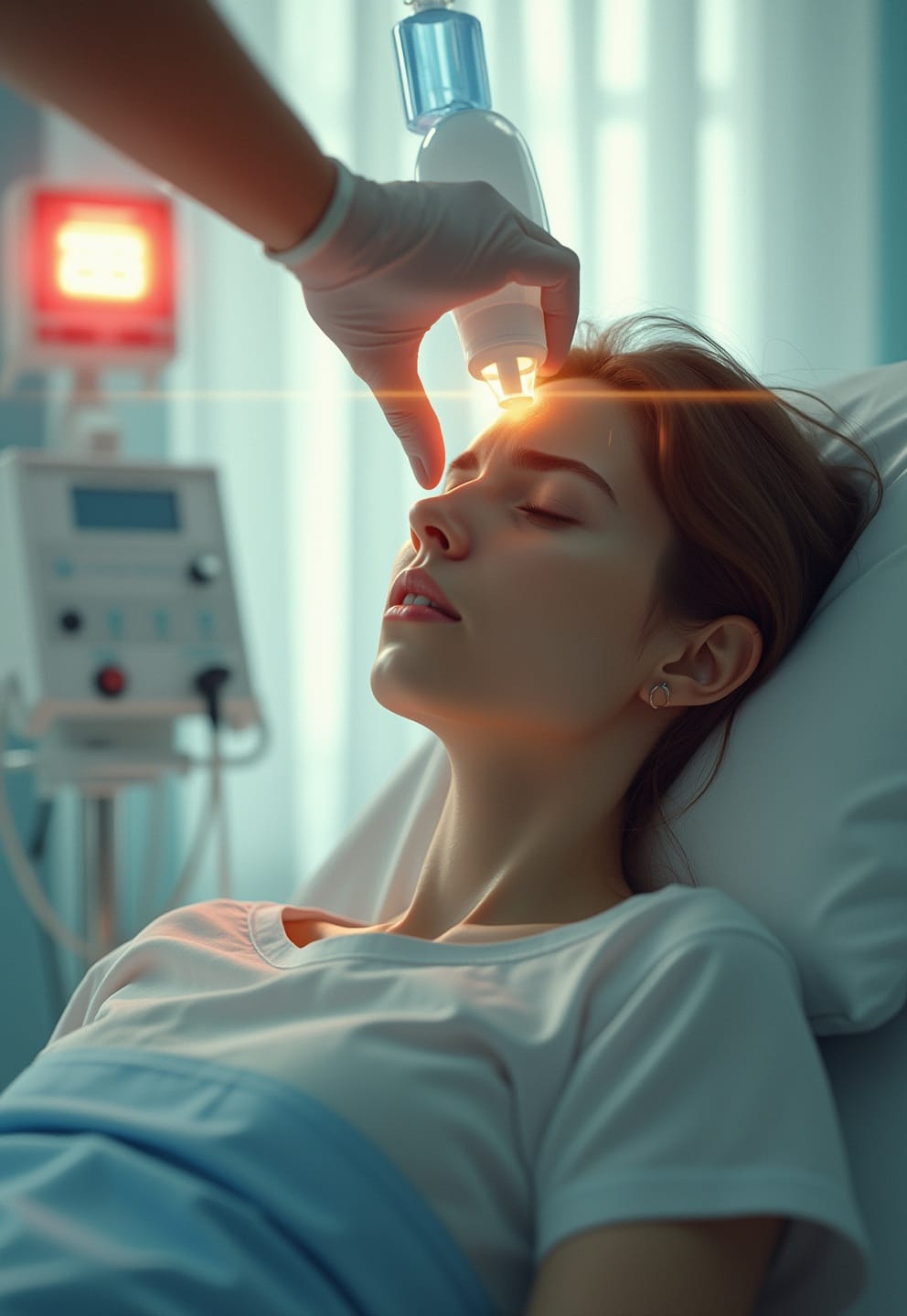
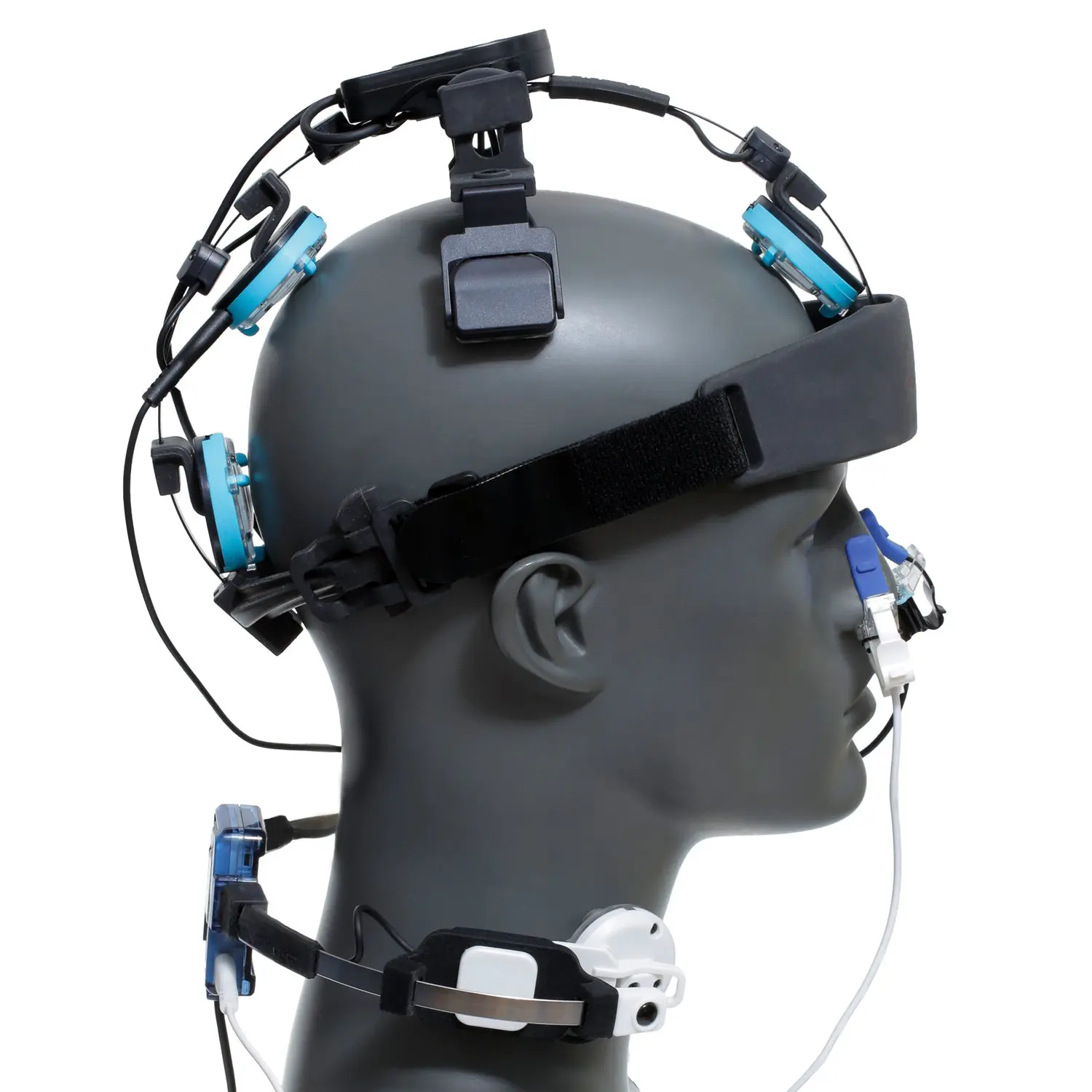
Each of the light therapy lamp picks aim light at the head. The Vielight models put light up the nose, and the Vielight and NeurocarePro devices aim light at the vagus nerve.
| Light Direction | Purpose |
|---|---|
| Light to the head | A small but statistically significant amount of light passes through the mutliple layers between the skin and brain to produce positive effects on brain health. |
| Light to the nose | A significant amount of light saturates the dense capillary system above the nostrils. Recently-discovered free-floating mitochondria are theorized to carry the modified electron transport chain proteins to the brain. |
| Light to the vagus nerve and gut | The vagus nerve connects the brain to the gut and is the conduit for signals between them. Research from Australia repeatedly shows that shining light on the gut and vagus nerve has positive effects on brain health (most tests are with Parkinson’s). |
Dementia Red Light Therapy Lamp Features That Matter

We have the most science backing the use of 810 nm pulsed at 40 Hz for dementia symptom relief. But there is also science backing the other features in these lamps, such as 10 Hz pulsation, vagus nerve stimulation, and the use of pulsed electromagnetic fields (PEMF) (found in the Nushape device).
The dementia therapy lamps are ranked in order of features but it’s important to note that the lamp with the smallest feature set is still scientifically backed to help with dementia symptoms.
Each of the therapies these features add is believed to be beneficial and there is some science to back all features.
| Ranking | Product | Features |
|---|---|---|
| 1 | Vielight Neuro Duo 4 + Vagus | – Target: Head, Nostril, Vagus – Wavelength: 810 nm – Pulse: 10 Hz and 40 Hz |
| 2 | NeuroCarePro Brain & Gut Kit | – Target: Head, Vagus – Wavelength: 630nm, 660nm, 810nm, 850nm – Pulse: 0-9999 Hz |
| 3 | Vielight Neuro Duo 4 | – Target: Head, Nostril – Wavelength: 810 nm – Pulse: 10 Hz and 40 Hz |
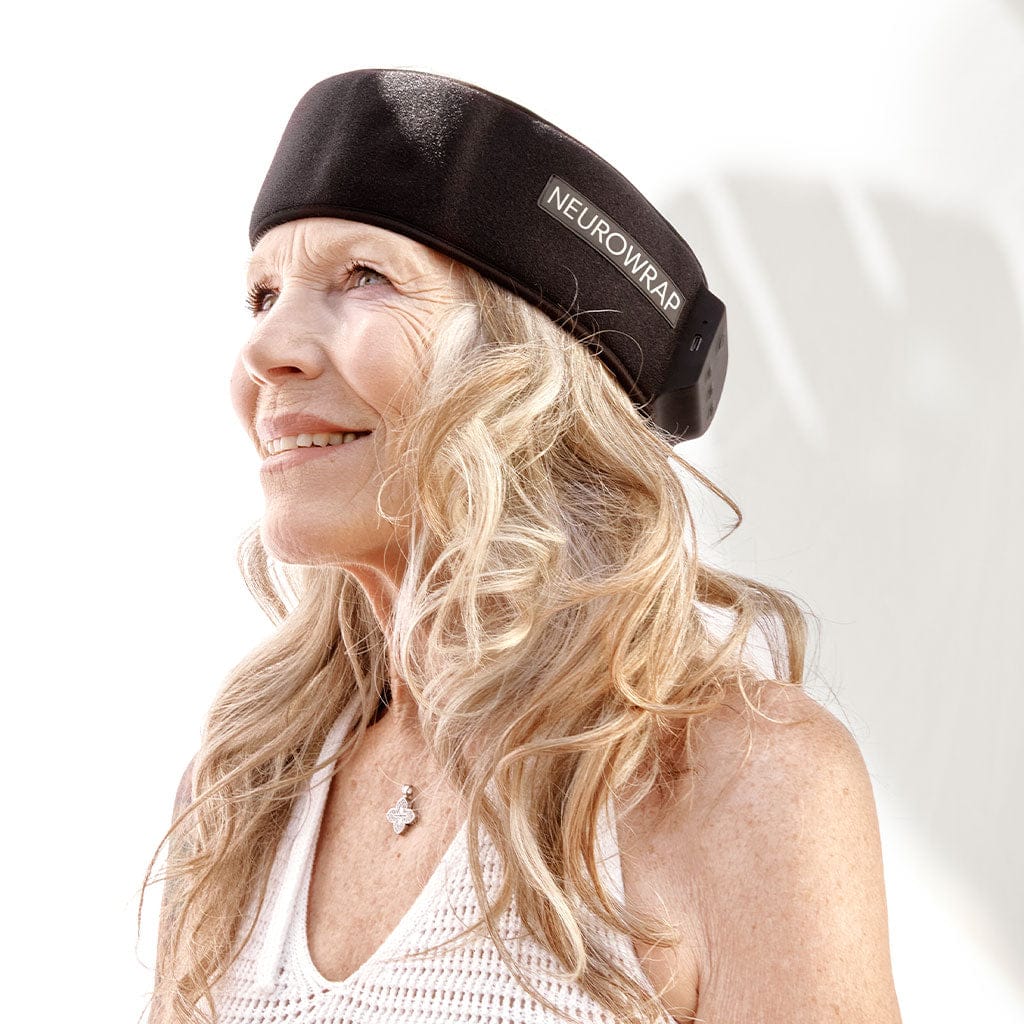
| 4 | Nushape NeuroPulse PRO | – Target: Head – Wavelength: 810 nm – Pulse: 3-50 Hz |
| 5 | Vielight Neuro Gamma 4 | – Target: Head, Nostril – Wavelength: 810 nm – Pulse: 40 Hz |
| 6 | Vielight Neuro Alpha 4 | – Target: Head, Nostril – Wavelength: 810 nm – Pulse: 10 Hz |
Why Choose One Dementia Red Light Therapy Over Another
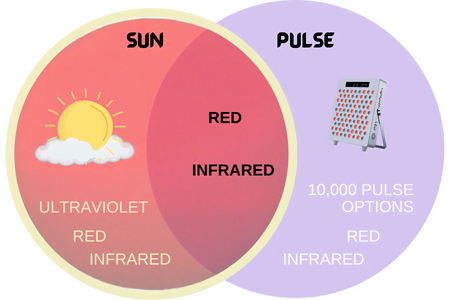
You want a device that is safe, effective, and practical for use with people living with dementia.
Here’s what I see as most relevant in choosing a dementia red light therapy device:
- Clinical relevance (published or plausible mechanisms for improving cerebral blood flow, sleep, mood and inflammation)
- Wavelengths (red ~630–670 nm and near-infrared ~800–850 nm are most commonly studied)
- Irradiance and dose control (adequate power density and treatment time options)
- Safety features (LED vs laser safety, protective instructions, clear contraindications)
- Ease of use (wearable or simple positioning for carers)
- Durability and support (warranty and manufacturer support)
I did not take price into consideration as it makes the scoring too difficult to follow. If it were me, I’d find the best match for my needs, that I could also afford.
I also weighed real-world factors like:
- comfort and ease of use
- adjunctive therapies such as vagus nerve targeting or PEMF (pulsed electromagnetic fields).
| Device | Pros | Cons |
|---|---|---|
| Vielight Neuro Duo 4 + Vagus | – scientific backing for 810 nm pulsed at 40 or 10 Hz – head, nostril and vagus stimulation – I would use 40 Hz with depression or lethargy, and 10 Hz with insomnia, anxiety or agitation. | – cost – a bit awkward to use |
| NeuroCarePro Brain & Gut Kit | – comfortable and easy to use – scientific backing for 810 nm on brain health – backing for 630, 660, 810 and 850 nm on non-brain health – head and vagus stimulation – 0-9999 Hz pulsation range allowing for use of 40 Hz and 10 Hz pulsation as well as 9,998 biohacking (testing) options – I would use 40 Hz and higher with depression or lethargy, and 20 Hz or lower with insomnia, anxiety or agitation. | – cost |
| Vielight Neuro Duo 4 | – scientific backing for 810 nm pulsed at 40 or 10 Hz – head and nostril stimulation – I would use 40 Hz with depression or lethargy, and 10 Hz with insomnia, anxiety or agitation. | – cost – a bit awkward to use |
| Nushape NeuroPulse PRO | – comfortable and easy to use – most affordable – scientific backing for 810 nm on brain health – head stimulation – Mode 3 is 630 and 810 nm pulsed between 10 Hz and 40 Hz, emulating using the Vielight Neuro Duo – Modes 1 and 2 use PEMF for which there is a small amount of science to back its use – I would use the NeuroPulse PRO at mid-day as long as there were no significant anxiety, insomnia or major depression issues. | – Mode 3 emulates using the Neuro Duo if you used Alpha and Gamma at the same time. Theoretically, this could work better or worse than applying 10 and 40 Hz independently. |
| Vielight Neuro Gamma 4 | – scientific backing for 810 nm pulsed at 40 Hz – head and nostril stimulation – I would use this if there were depression or lethargy issues | – cost – a bit awkward to use – I would consider not using this with insomnia or anxiety issues |
| Vielight Neuro Alpha 4 | – scientific backing for 810 nm pulsed at 40 Hz – head and nostril stimulation – I would use this if there were insomnia or anxiety issues issues | – cost – a bit awkward to use – I would consider not using this with depression or lethargy issues |
The Difference Between Brands
The Vielight devices have faired exceptionally well in multiple case studies and trials.
The Neurocarepro Brain-Gut combines the technologies of the Vielight Neuro Duo in a comfortable cap and body wrap. It also offers variable pulsation that allows you to test 10 Hz, 40 Hz, as well has 9,998 other pulsation frequencies.
The Nushape Neuropulse Pro emulates the Vielight Duo’s wavelengths and pulsation, but puts the technology in a comfortable wrap rather than a slightly less comfortable headset. However, the Nushape combines Alpha and Gamma, meaning you cannot choose one or the other pulsation.
If I were shopping for my mom, and money was tight, I would get the most technology for the money by buying the Nushape Neuropulse PRO.
But if money were not the driving factor in my decision, I would get the Vielight Neuro Duo + Vagus.
Top Dementia Therapy Lamp Picks
Vielight Neuro Duo 4 + Vagus
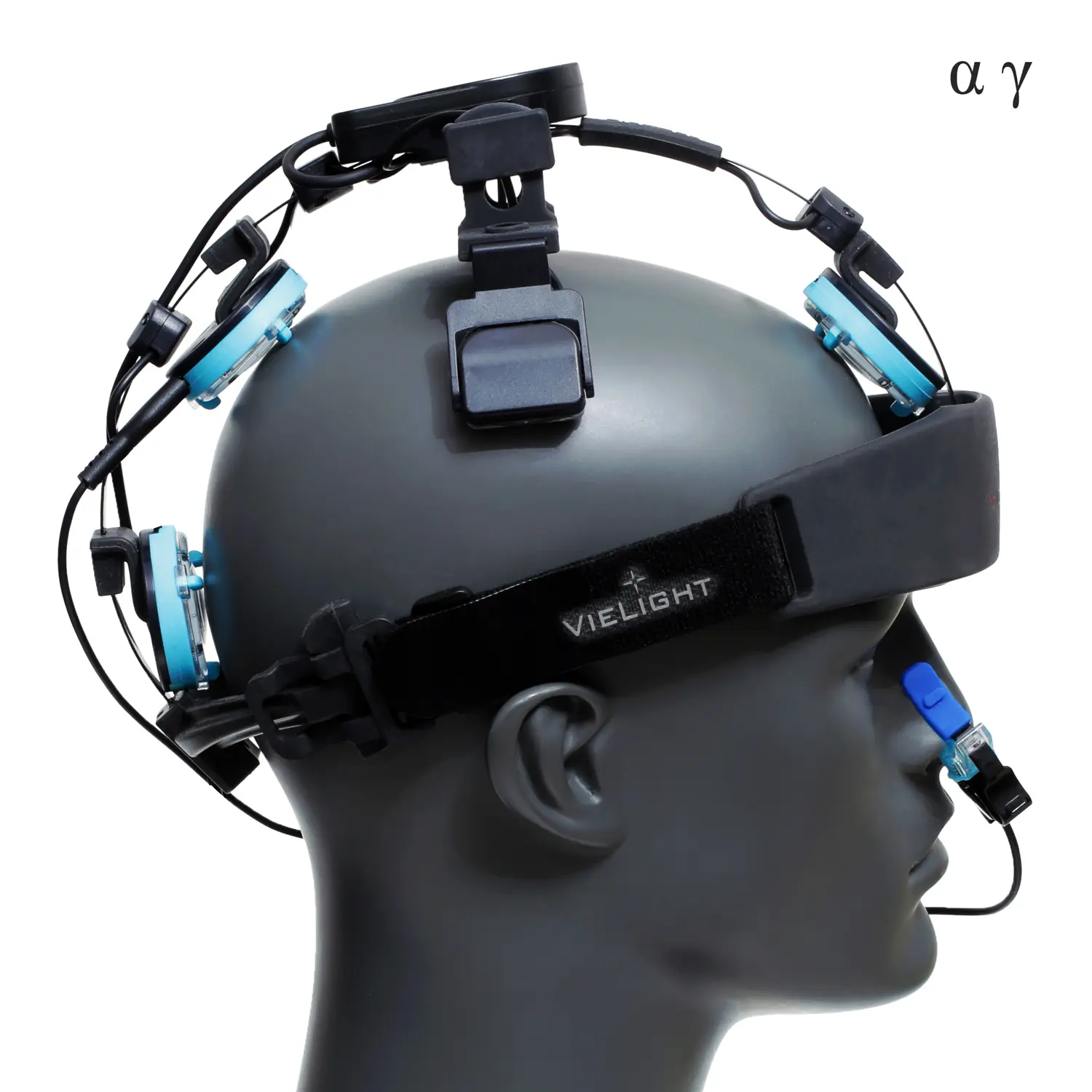
This combo pairs the Neuro Duo 4 brain module with a Vagus stimulator so you can target both cognitive function and vagal tone in the same routine.
You can use short daily sessions to help with mental clarity and mood, or add an evening session to support sleep.
It’s designed to be noninvasive and to fit into a caregiver’s schedule. Setup is a bit awkward but the device is lightweight. The supporting brace across the forehead relieves pressure from the tension in the metal designed to create a close contact of the LED module with the skin.
Sessions are 20 minutes, every other day.
What People Say
People often report clearer thinking, improved evenings, and an easy-to-follow routine.
🗣️ M. Carter
After using the Neuro Duo 4 + Vagus for several weeks, I noticed better focus during the day and calmer evenings. The headset is comfortable and the sessions are easy to add into a daily routine.
🗣️ Linda R.
Setup was simple and the intranasal applicator felt manageable for my dad. Customer support answered questions about session length, and we appreciated the clear guidance on safe use.
Health Benefits
Note that the Alpha (10 Hz) can be calming and the Gamma (40 Hz) can be stimulating. Use Alpha in the afternoon/evening and Gamma in the morning.
|
Benefit |
Description |
|---|---|
|
Cognitive Support |
Regular sessions aim to support attention and mental clarity, making daily tasks feel more manageable. |
|
Sleep Quality |
Using the device later in the day can help wind down and support more consistent sleep patterns. |
|
Mood Regulation |
Many users notice reduced agitation and improved mood when sessions are part of a daily routine. |
|
Brain-Body Connectivity |
Combining brain and vagal stimulation helps support communication between the nervous system and bodily functions. |
Safety Features
Built-in session timers, adjustable intensity settings, and clear usage guidelines help you follow safe, repeatable routines.
Comfort
The headset and intranasal applicator are lightweight and designed for short, repeated sessions. I have an older Vielight headset which pinches a bit toward the end of the 20 minute session. The new models have a support brace to relieve this tension.
Who It Helps
This device is best suited for people looking to support early-stage cognitive changes, caregivers adding a structured at-home therapy, or anyone wanting to add a noninvasive brain-support routine. It’s not a replacement for medical treatment—talk with a healthcare provider about whether it fits your care plan.
Key Benefits
- Simultaneous brain and vagal nerve stimulation
- Noninvasive, at-home photobiomodulation
- Supports focus, mood, and sleep routines
- Designed for repeated, short daily sessions
Rating: 4.8/5
NeuroCarePro Brain & Gut Kit
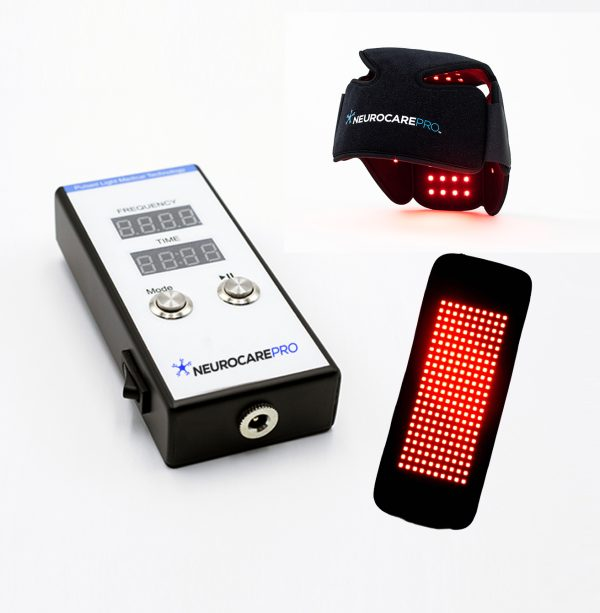
This kit brings together a wearable Brain Cap 280, a Body Pad 440 and a two‑port controller so you can address brain and gut targets in the same system. You can slot short sessions into a daily routine — for example, a focused morning session to help start the day or a gentler evening session to add to winding‑down time. The unit runs polychromatic red and near‑infrared light with pulsed pre‑set frequencies, so you’re not fiddling with complicated settings.
If you want an advanced, at‑home option to add structure to a care plan for someone with cognitive changes, this is a thoughtful, all‑in‑one choice to consider.
What People Say
Caregivers appreciate the all‑in‑one design and the ability to target both brain and gut areas without constantly changing gear.
🗣️ L. Morgan
Having both the Brain Cap 280 and Body Pad 440 in one kit made it simple to target head and torso areas without swapping devices; the 2‑port controller lets you run complementary applicators consecutively.
🗣️ S. Kim
The pulsed pre‑set frequencies and polychromatic output felt like a considered design choice — you get simultaneous red and near‑infrared coverage aimed at linked brain and gut regions, which made integrating sessions into a care routine straightforward.
Health Benefits
|
Benefit |
Description |
|---|---|
|
Brain–Gut Support |
Combines head and torso applicators so you can address the interconnected systems commonly discussed in cognitive and digestive health strategies. |
|
Routine-Friendly Use |
Pre‑set, pulsed programs make it easier to add short, repeatable sessions into daily care without complex setup. |
|
Targeted Coverage |
Polychromatic red and near‑infrared wavelengths aim to cover complementary tissues, letting you address different areas in one session. |
|
Supportive Recovery |
Designed as a tool to complement other care approaches and daily routines, not as a standalone medical treatment. |
Safety Features
Uses controlled pulsed programs and a dedicated controller; follow the included instructions and check with the person’s healthcare provider before starting a new therapy.
Comfort
Wearable cap and flexible body pad let you adjust placement; sessions are designed to be repeated and you can tailor positioning for the person’s comfort.
Who It Helps
Good for caregivers who want a structured, advanced at‑home system to include in a broader care plan—useful for supporting routine and targeted coverage, but not a substitute for clinical care.
Key Benefits
- Simultaneous red and near‑infrared delivery
- Dedicated Brain Cap 280 and Body Pad 440 applicators
- 2‑port controller for consecutive or combined use
- Pulsed pre‑set frequencies for repeatable sessions
- Polychromatic targeted light to address brain–gut links
Rating:
Vielight Neuro Duo 4
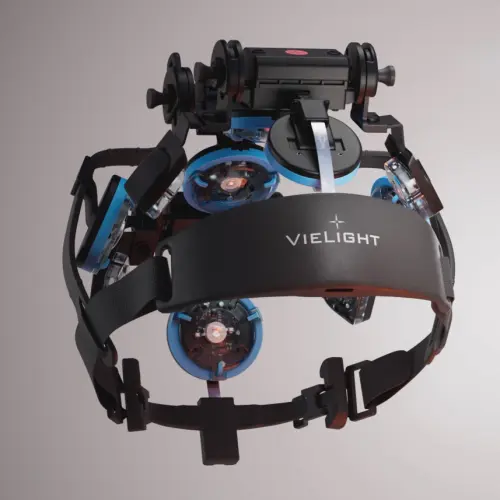
This is a focused brain photobiomodulation device that combines transcranial and intranasal applicators so you can target key brain networks at home. You can fit short sessions into mornings to help with alertness, or add an evening session to help quiet the mind before bed. The modular setup means you can use just the headset or add the intranasal piece depending on comfort, and the LED design keeps things safer and simpler than working with lasers.
If you want a dedicated at-home tool to add structure to a cognitive-support routine, this is one to consider — it’s practical for regular use and easy to learn.
What People Say
Users note easier integration into daily routines, manageable intranasal use, and improvements in evening calm and daytime clarity.
🗣️ E. Thompson
I started daily 20‑minute sessions and found the headset easy to position. The intranasal applicator was surprisingly manageable for my dad, and after a few weeks we noticed calmer evenings and clearer moments during the day.
🗣️ S. Patel
The modular design lets me use just the transcranial module when my partner prefers less equipment. Customer support answered setup questions quickly, and the sessions are straightforward to add into our routine.
Health Benefits
|
Benefit |
Description |
|---|---|
|
Cognitive Support |
Regular sessions aim to support attention and mental clarity, helping daily tasks feel more manageable. |
|
Sleep and Relaxation |
Evening use can help wind down the mind and support more consistent sleep patterns for some people. |
|
Mood and Agitation |
Many caregivers report reduced agitation and smoother mood swings when the device is used as part of a routine. |
|
Targeted Network Stimulation |
The combination of transcranial and intranasal applicators targets complementary brain regions to support overall brain function. |
Safety Features
LEDs provide lower-risk irradiance compared with lasers, plus built-in session timing and clear usage guidelines. Always follow the manual and check with a clinician if you have medical concerns.
Comfort
The headset is lightweight and the intranasal applicator is small; most people find sessions comfortable once you dial in the positioning. Sessions are short, which helps with tolerance.
Who It Helps
Good for caregivers and people wanting a noninvasive, at‑home therapy to support early cognitive changes or add structure to a care routine. Not a substitute for medical treatment—discuss with a healthcare professional.
Key Benefits
- Combined transcranial and intranasal stimulation
- Modular setup adapts to comfort and needs
- LED‑based safety with laser‑like irradiance
- Short daily sessions that fit into routines
Rating: 4.8/5
Nushape NeuroPulse PRO
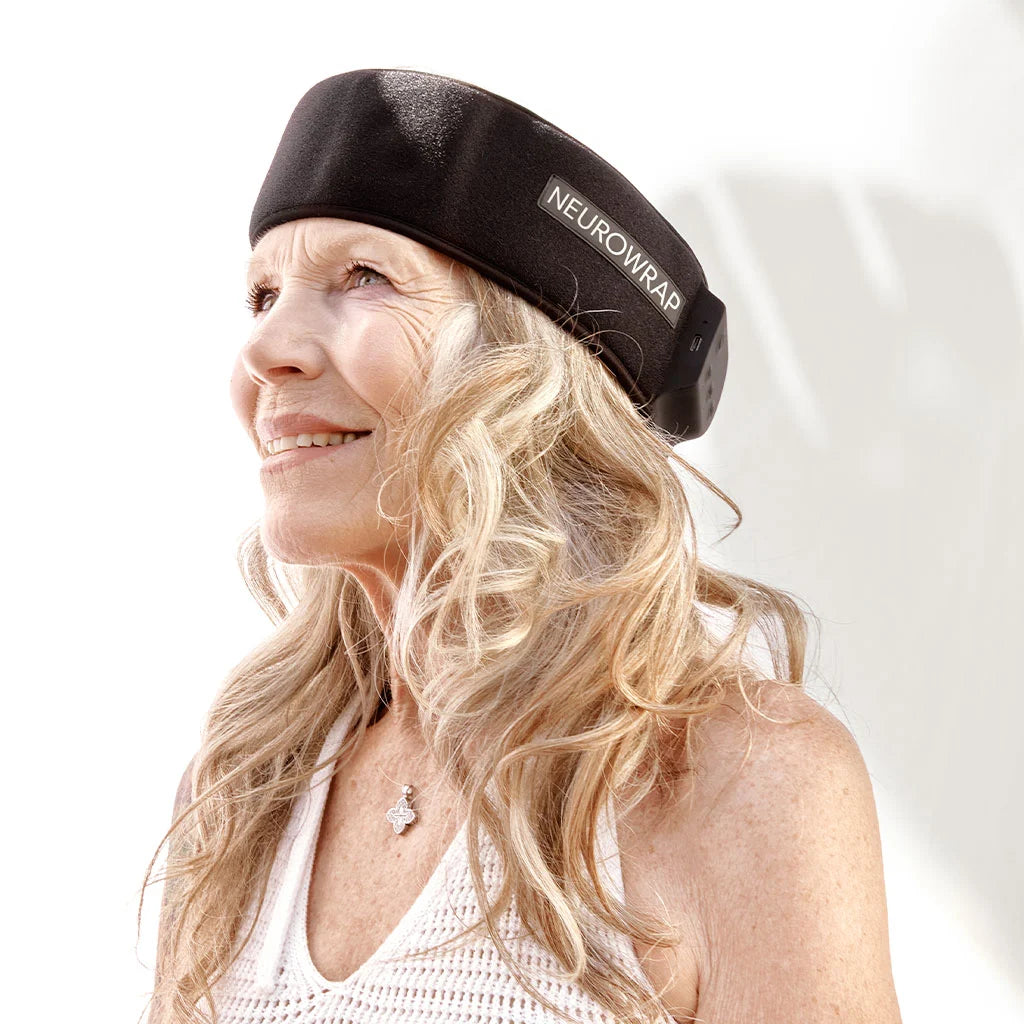
This is a wearable headband that combines targeted light therapy with PEMF so you can run short, focused sessions at home. You can slot a quick morning session in to help someone start the day a bit calmer, or run a gentler evening routine to support sleep.
It’s designed to be straightforward to use — the adjustable PEMF settings let you tailor intensity without juggling complicated menus. If you’re caring for someone with cognitive changes and want a noninvasive at‑home tool to try alongside other therapies, this feels like a practical, user‑friendly option to consider.
What People Say
Caregivers say it’s easy to fit into daily routines and appreciate the adjustable PEMF for finding a comfortable setting.
🗣️ M. Rivera
The adjustable PEMF setting made it easy to find a level that felt comfortable for daily use. We added short evening sessions and noticed fewer restless nights after a few weeks.
🗣️ T. Singh
Wearing the headband was simple and unobtrusive — the combination of light and PEMF felt more targeted than single‑mode devices, and it fit into our routine without extra fuss.
Health Benefits
|
Benefit |
Description |
|---|---|
|
Headache Support |
Targeted light plus PEMF may help manage headache symptoms when used as part of a regular routine. |
|
Sleep Assistance |
Short evening sessions can be incorporated into a bedtime routine to help reduce restlessness and support better sleep patterns. |
|
Mood and Alertness |
Regular, brief sessions can help stabilize daily rhythms and provide gentle support for mood and daytime alertness. |
|
At‑Home Convenience |
Wearable design and adjustable settings let you deliver consistent sessions without clinic visits. |
Safety Features
Uses controlled PEMF and light delivery; follow the included instructions and consult the person’s healthcare provider before starting a new therapy.
Comfort
Lightweight headband design that you can adjust for fit; sessions are meant to be short so the person stays comfortable throughout use.
Who It Helps
Useful for caregivers who want a noninvasive, at‑home tool to address headaches, sleep disruption and to add structure to care routines—intended as a complementary support, not a replacement for clinical treatment.
Key Benefits
- Combined red/near‑infrared light and PEMF
- Adjustable PEMF settings for personalized sessions
- Wearable headband for targeted delivery
- Aims to support headaches and sleep issues
- Designed for easy at‑home use
Rating: 4.7/5
Vielight Neuro Gamma 4
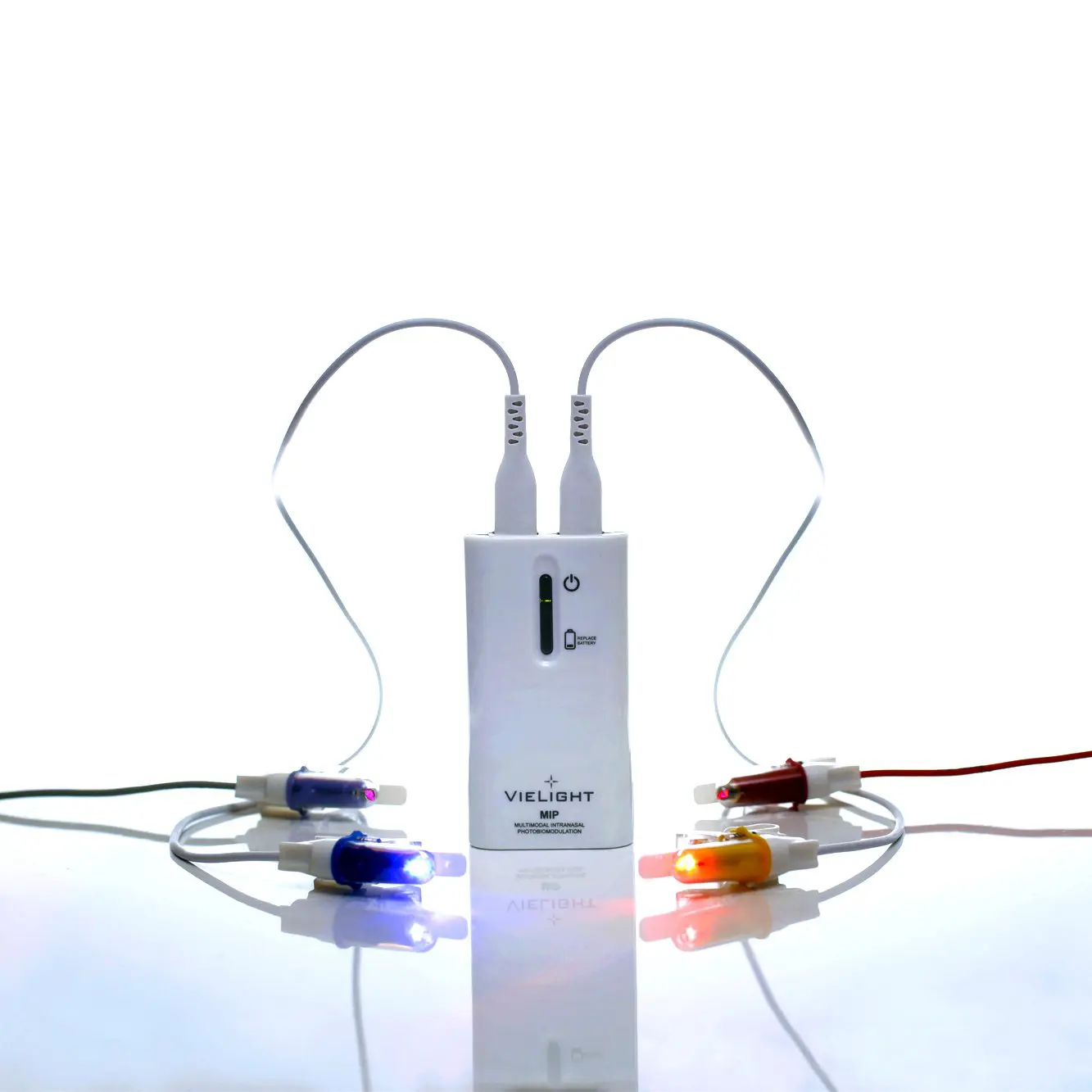
This is a focused brain photobiomodulation device that combines transcranial and intranasal applicators so you can target key brain networks at home. You can slot short morning sessions into your routine to support alertness, or try an evening session when you want to help calm the mind before bed.
The Gamma 4’s modular setup means you can use only the headset or add the intranasal piece depending on what feels best for the person using it, and the LED design keeps it lower risk than lasers. If you’re a caregiver looking for a practical, at‑home tool to add structure to cognitive support, this is worth exploring — it’s built for regular use and fairly easy to learn.
What People Say
Caregivers often mention easier routine integration, manageable intranasal use after a few tries, and calmer evenings with regular sessions.
🗣️ M. Garcia
After starting daily 20‑minute sessions with my dad, I noticed fewer restless evenings and some clearer moments during the day. The headset was straightforward to position and the intranasal applicator was manageable once we found a comfortable fit.
🗣️ L. Bennett
Setup was simple and the modular design helped when my partner preferred just the transcranial module. Customer support answered setup questions quickly, and adding sessions into our routine was easy.
Health Benefits
|
Benefit |
Description |
|---|---|
|
Cognitive Support |
Regular sessions aim to support attention and clarity, helping everyday tasks feel more manageable for some users. |
|
Sleep and Relaxation |
Using the device in the evening may help wind down the mind and contribute to steadier sleep patterns for certain individuals. |
|
Mood and Agitation |
Caregivers report reduced agitation and smoother mood swings when the device is used consistently as part of a routine. |
|
Targeted Network Stimulation |
The transcranial and intranasal applicators work together to reach complementary brain regions involved in attention and mood regulation. |
Safety Features
Uses LEDs to provide lower‑risk irradiance than lasers, includes built‑in session timing and clear usage instructions. Follow the manual and consult a clinician if you have medical concerns.
Comfort
The headset is lightweight and sessions are short, which helps with tolerance. The intranasal applicator is small; most people adjust after a few tries and find a comfortable position.
Who It Helps
Good for caregivers and people seeking a noninvasive, at‑home option to support early cognitive changes or add structure to a care routine. Not a replacement for medical treatment—discuss with a healthcare professional.
Key Benefits
- Combined transcranial and intranasal stimulation
- Modular design adapts to tolerance and needs
- LED safety with high irradiance on target networks
- Short sessions that fit into daily routines
Rating: 4.8/5
Vielight Neuro Alpha 4
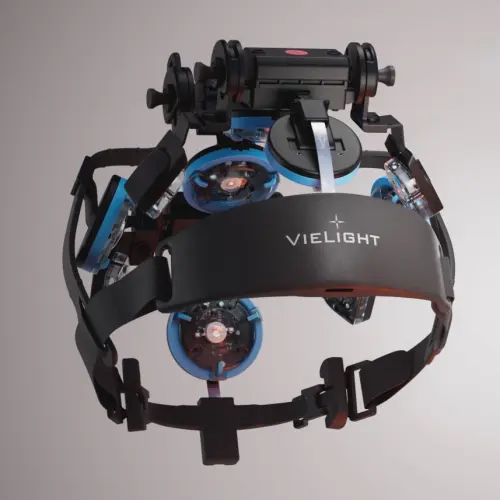
This device combines transcranial and intranasal applicators in a modular setup so you can tailor sessions to what feels best for the person you care for. You can slot brief, focused sessions into a morning routine to encourage alertness, or use a calmer evening session to help settle the mind before bed.
The 5 Vie‑LEDs aim at important brain networks while staying LED‑based for a lower‑risk profile than lasers. If you want a structured, at‑home option to add to cognitive support efforts, this is one to consider — it’s made to be used regularly and adapts to different tolerance levels.
What People Say
Caregivers note the flexible setup and focused LED delivery, and many appreciate that the intranasal option can be added gradually as tolerated.
🗣️ A. Turner
The modular design lets you use the transcranial piece alone or add the intranasal applicator, which made it easier to find a comfortable setup. Positioning was intuitive and the LED output felt focused without the intensity of a laser.
🗣️ S. Patel
I liked that the device specifically targets complementary brain networks with its combined approach. The build feels solid and the LED safety aspect gave me confidence for home use.
Health Benefits
|
Benefit |
Description |
|---|---|
|
Cognitive Support |
Targets brain regions involved in attention and processing, which some people find helps daily tasks feel easier to manage. |
|
Sleep and Relaxation |
Using the device in the evening can be part of a calming routine that may help with settling down before bed. |
|
Mood and Agitation |
Regular use as part of a care plan has been associated with smoother mood fluctuations and reduced agitation for some users. |
|
Targeted Network Reach |
The combination of transcranial and intranasal applicators is designed to reach complementary networks involved in mood and cognition. |
Safety Features
Uses LED emitters to provide lower‑risk irradiance than lasers; follow the included instructions and consult a clinician if there are medical concerns.
Comfort
The modular pieces let you adjust what you use, so you can start with the least invasive option and add the intranasal applicator only if it’s comfortable.
Who It Helps
Well suited for caregivers looking for a structured, noninvasive at‑home tool to support early cognitive changes or add routine to care. Not a substitute for medical treatment—discuss use with a healthcare professional.
Key Benefits
- Combined transcranial and intranasal stimulation
- Modular design adapts to tolerance and needs
- 5 Vie‑LEDs deliver targeted, high irradiance safely
- Short, repeatable sessions suitable for home use
Rating: 4.8/5
Does Light Therapy Help with Dementia Symptoms?
If you are dealing with Alzheimer’s, dementia, or another neurodegenerative disease, you know that any symptom relief is welcome. Light therapy has a significant effect on symptoms but is not mentioned on the news every night because it won’t make anyone rich.
But if we ever do get the word out about how much red light therapy helps with dementia symptoms, the pharmaceutical companies won’t hesitate to slander and “debunk” it.
Until I started researching the effects of photobiomodulation (red light therapy) on brain health, I didn’t know that lifestyle affected cognitive symptoms. Researcher Dr. Dale Bredesen identified and scientifically studied lifestyle, exposure, and imbalance issues to find that we have more control over brain illness symptoms than we’ve been led to believe.
His book The End of Alzheimer’s suggests multiple causes of Alzheimer’s disease, including:
- Insulin resistance
- Chronic inflammation
- Vitamin deficiency
- Hormonal imbalance
- Eoxin exposure
- Chronic infection
- Impaired gut health
- Poor sleep
- Lack of physical exercise
Bredesen approaches Alzheimer’s from all of these angles. He advocates for the ketogenic diet, exercise, Metformin, omega-3 fatty acids, sleep, stress management, and avoiding toxins.
Dr. Bredesen also prescribes photobiomodulation (red light therapy) to forestall and prevent dementia.
The best red light therapy for dementia uses red and infrared light pulsed at 40 Hz. The best lamps for dementia press the light to the head because skin contact is essential for light penetration. Here are the best red light therapy lamps for dementia patients.
Are Red Light Therapy Lamps Safe for Dementia Patients?

You should view red and near‑infrared photobiomodulation as a generally low‑risk modality when you follow the manufacturer’s instructions and medical advice. Generally Safe When Used As Directed means devices that emit low‑power LEDs produce therapeutic light without significant heat, but you must avoid prolonged unprotected eye exposure and supervise sessions for people with cognitive impairment.
Be cautious if the person has photosensitivity, active skin lesions, or implanted electronic devices; check the device manual and consult a clinician before starting. Expect possible mild, transient effects such as increased alertness, headache, or local skin warmth, and stop treatment and seek advice if you notice concerning changes.
What Should You Look For When Buying a Red Light Therapy Lamp for Dementia?
You should prioritize devices that match clinical use needs: look for the appropriate wavelengths (commonly red ~630–660 nm and near‑infrared ~810–850 nm), adequate irradiance for brain penetration, and a proven treatment form such as transcranial, intranasal, or wearable headbands.
Focus on ease of use and comfort so you or a caregiver can position the device reliably, check that the unit has timers and clear treatment protocols, and prefer manufacturers with published evidence or clinical studies.
Consider practical features like portability, durable construction, and responsive customer support; examples you might research include transcranial‑plus‑intranasal systems (for example products from Vielight like the Neuro Duo series), combined brain/gut kits that target systemic pathways, and wearable headbands that integrate additional modalities such as PEMF. Always verify safety information and whether the device is intended for home use or supervised clinical use before you buy.
How Do You Use Red Light Therapy Lamps Safely and Effectively With a Dementia Patient?
You should create a consistent, comfortable routine and start low and go slow by beginning with short sessions and monitoring tolerance before increasing duration or frequency. Follow the manufacturer’s recommended protocol for session length and device placement, ensure the patient is seated and supervised throughout, protect the eyes if directed, and avoid treatments close to bedtime if the person becomes more alert.
Keep a simple log of session times and any changes in sleep, mood, or cognition so you can discuss outcomes with the care team, and stop use and seek professional guidance if you observe worsening symptoms, skin irritation, or unusual responses. Combining therapy with established medical care and lifestyle measures is important, so you should discuss any new device use with the person’s healthcare provider.
Use Light for Brain Health
Red and near-infrared photobiomodulation can support brain health, sleep, mood, and systemic function that matter for dementia care.
You benefit most when you choose a device with the right wavelengths and safe, consistent dosing, and when you coordinate use with a clinician. The Vielight Neuro Duo 4 + Vagus stands out for combined brain and vagal stimulation, while the NeuroPulse PRO and the Brain & Gut Kit offer more affordable or simpler entry points.
Always check contraindications, start slowly, and monitor responses so you can integrate light therapy into a safer, more effective care plan.