
Cincom Leg Pain Relief Massager Review: Who It Helps and When It Falls Short

CINCOM leg massager for circulation and pain relief
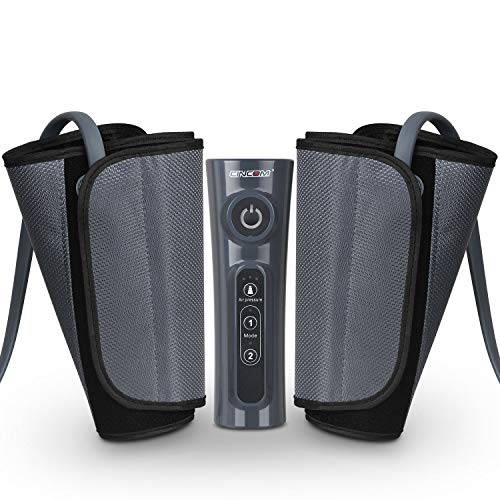
This air compression leg massager uses inflatable airbags to apply rhythmic pressure to your calves, thighs, or arms. It’s designed to help with circulation, swelling, and discomfort from conditions like restless leg syndrome or edema. The pressure cycles through different intensities and patterns to mimic kneading and stroking motions.
- It has two massage modes and three intensity levels, giving you seven possible settings to adjust to your needs.
- Each session runs for 20 minutes before automatically shutting off, which is helpful for safety and convenience.
- The wraps adjust via Velcro and can fit calves up to 21 inches in circumference, but they may not accommodate larger sizes.
- It’s powered by a 12V/1A adapter, which is standard for these types of devices but requires an outlet nearby.
- It’s not a substitute for medical treatment, and people with blood clots, severe vein issues, or unhealed wounds should consult a doctor before use.
Why an Air-Compression Leg Massager Might Be Worth Trying for Your Leg Pain
You’re dealing with leg discomfort—fatigue, tightness, cramping, or swelling that builds after long periods of sitting, standing, or being on your feet. The pattern is familiar: your legs feel heavy by the end of the day, or they ache in a way that makes it hard to settle down at night. Compression therapy is one approach used for these kinds of problems, and an air-compression device delivers it at home while you rest.
You want something you can use in the evening or before bed without needing an appointment. The appeal is straightforward: sit on the couch, put the wraps on, and let the device work while you watch TV or read. User reports describe this kind of routine as part of why people keep using it.
This option makes the most sense when your discomfort is tied to circulation and fluid pooling in the lower legs. If your legs feel worse after being still for a long time, or if you notice swelling around your ankles or calves, that’s the kind of situation where compression is commonly used. It’s not a fit for every kind of leg pain, but it matches the pooling-and-pressure pattern well.
Here are some resources to help you learn more about compression therapy and how it’s used:
How This Fits Into Your Daily Routine and Budget
The built-in routine is a 20-minute cycle with auto shut-off, and users commonly describe using it while watching TV or winding down before bed. That’s the time commitment: not a quick fix, but not a major disruption either. You need to be able to sit still for 20 minutes, which means it works best when you’re already planning to rest.
Fit matters. The wraps adjust up to a 21-inch calf circumference, so this either works with your body or it doesn’t. If your legs are larger than that, the device won’t close properly, and you won’t get the compression you need. It’s worth measuring before you assume it will fit.
If you already use compression socks or wraps, an inflatable device is another form of compression therapy aimed at improving blood flow and helping prevent pooling and fluid buildup in the lower legs. It’s not a replacement for socks if you wear them during the day, but it’s a different way to apply pressure when you’re sitting down. Some people use both at different times.
What the Evidence Says—and Where the Limits Are
Compression therapy is used to help improve blood flow in the lower legs and prevent blood from pooling and fluid from building up. It’s commonly used for swelling (edema), chronic venous insufficiency, and varicose-vein-related swelling and pain. These are the conditions where compression has a track record.
The most directly supported outcomes relate to circulation support and swelling reduction—specifically moving fluid and helping prevent it from accumulating in the feet, ankles, and legs. That’s what compression is designed to do: apply pressure that encourages fluid to move back up toward the heart instead of settling in the lower legs. The mechanism is straightforward.
If you have deep vein thrombosis (DVT) or swelling related to congestive heart failure, Cleveland Clinic notes you should speak with a healthcare provider before starting compression. The amount of compression needed depends on your condition. This isn’t a casual decision if you have a clotting disorder or heart-related swelling. The device applies pressure, and in some situations, that pressure can cause problems instead of solving them.
What to Expect When You Use It—and How Long Results Last

During a session, you feel the garment inflate and apply pressure around the legs. Inflatable compression is one of the described types of compression therapy. The sensation is a gradual squeeze that moves up the leg, then releases, then repeats. Some people find it relaxing; others find it odd at first.
User reports commonly describe relief of leg fatigue, cramping, swelling discomfort, and restless-leg symptoms—with some people using it before bed and reporting easier sleep. The relief tends to show up during or right after the session. Whether it lasts through the night or into the next day varies from person to person.
The sources don’t provide study follow-up timelines for how long benefits last after stopping use, so long-term durability isn’t established here. You’re working with user reports and the general understanding of how compression works, not controlled trials tracking people for months. That means you’re testing it on yourself to see if the effect holds up over time.
How to Track Whether It’s Actually Working for You

If your main issue is swelling or heaviness, one simple personal metric is ankle or calf circumference measured at the same time of day. Check before you use the device each evening, then again after a few weeks of regular use. If swelling is less, the number will be smaller.
If your main issue is restless legs or nighttime discomfort, track the number of nights you wake up from leg sensations and how long it takes to resettle after lying down. You’re looking for fewer wake-ups or shorter wake-ups over a week or two. If nothing changes, that’s also useful information.
If your main issue is walking tolerance, track how long you can be on your feet before the tight, tired legs feeling shows up. Measure this in minutes or blocks of activity (like how many errands you can run before needing to sit down). If the device is helping, you should notice the threshold shifting.
What Really Matters for This to Work—Not Just What’s on the Box

Wrap fit matters for basic usability and comfort. The product info emphasizes adjustable straps intended to keep a snug, comfortable fit (up to a 21-inch calf circumference) during use. If the wraps are too loose, the compression won’t be effective. If they’re too tight, you won’t tolerate a full session.
Having more than one mode and intensity matters for adjustability. The product info describes 2 modes and 3 intensity levels, which let you match comfort needs and tolerance. Some people need a gentler setting to start, then move up as they get used to the sensation. Others find the highest setting too much and stay in the middle.
Because compression isn’t one-size-fits-all, what matters in practice is choosing a setting you can tolerate comfortably for the session. The general point is that the amount of compression needed depends on the condition. You’re looking for pressure that feels like it’s doing something without being painful or making your legs feel numb.
How This Fits With Stretches, Meds, and Other Things You’ve Already Tried
Compression therapy can work alongside other interventions like stretching, medication, or physical therapy—it doesn’t replace them. If you’re already doing calf stretches or taking something for pain, the device is an addition, not a substitute. It addresses circulation and fluid buildup but may not be everything contributing to your discomfort.
Athletes sometimes use compression therapy during or after exercise with the idea that increased circulation may improve muscle recovery and reduce soreness, though outcomes vary. This is a different use case from managing chronic swelling, but it’s part of how compression is applied. Some people find it helpful after a long run or a day of heavy lifting; others don’t notice much difference.
If compression socks are difficult to put on, Cleveland Clinic notes that bandages and Velcro wraps may be easier to apply. Inflatable devices are another compression format in the same category of treatments. If socks are a struggle due to limited mobility or hand strength, an inflatable device with adjustable straps may be easier to manage.
Is This the Right Choice for You? A Practical Check
You can reliably make room for the fixed 20-minute automatic cycle described in the product info. This isn’t a device you use for five minutes here and there—it’s a set routine, and it works best when done regularly. If your evenings are unpredictable or you’re rarely home, that’s a practical barrier.
You’re judging it by outcomes that appear in the sources: swelling, edema, and circulation-related pooling, plus user-reported changes like leg fatigue, cramping, and restless-leg symptoms. If you’re looking for relief from something else (like nerve pain or joint pain), this may not address it. The evidence points to circulation and fluid management, so that’s the reasonable expectation.
The research doesn’t include a standardized home-use protocol (frequency, total weeks, follow-up), so your decision rests on whether the changes you track show up consistently in your own week-to-week use. You’re the one collecting the data. If swelling goes down, cramping stops, or you sleep better—and that pattern holds—then it’s working. If nothing changes after a few weeks of consistent use, then it’s not.
CINCOM leg massager for circulation and pain relief
This air compression leg massager uses inflatable airbags to apply rhythmic pressure to your calves, thighs, or arms. It’s designed to help with circulation, swelling, and discomfort from conditions like restless leg syndrome or edema. The pressure cycles through different intensities and patterns to mimic kneading and stroking motions.
- It has two massage modes and three intensity levels, giving you seven possible settings to adjust to your needs.
- Each session runs for 20 minutes before automatically shutting off, which is helpful for safety and convenience.
- The wraps adjust via Velcro and can fit calves up to 21 inches in circumference, but they may not accommodate larger sizes.
- It’s powered by a 12V/1A adapter, which is standard for these types of devices but requires an outlet nearby.
- It’s not a substitute for medical treatment, and people with blood clots, severe vein issues, or unhealed wounds should consult a doctor before use.