
Red Light Therapy for Chronic Pain (Inflammation & Arthritis)

A Beacon of Hope for Chronic Pain
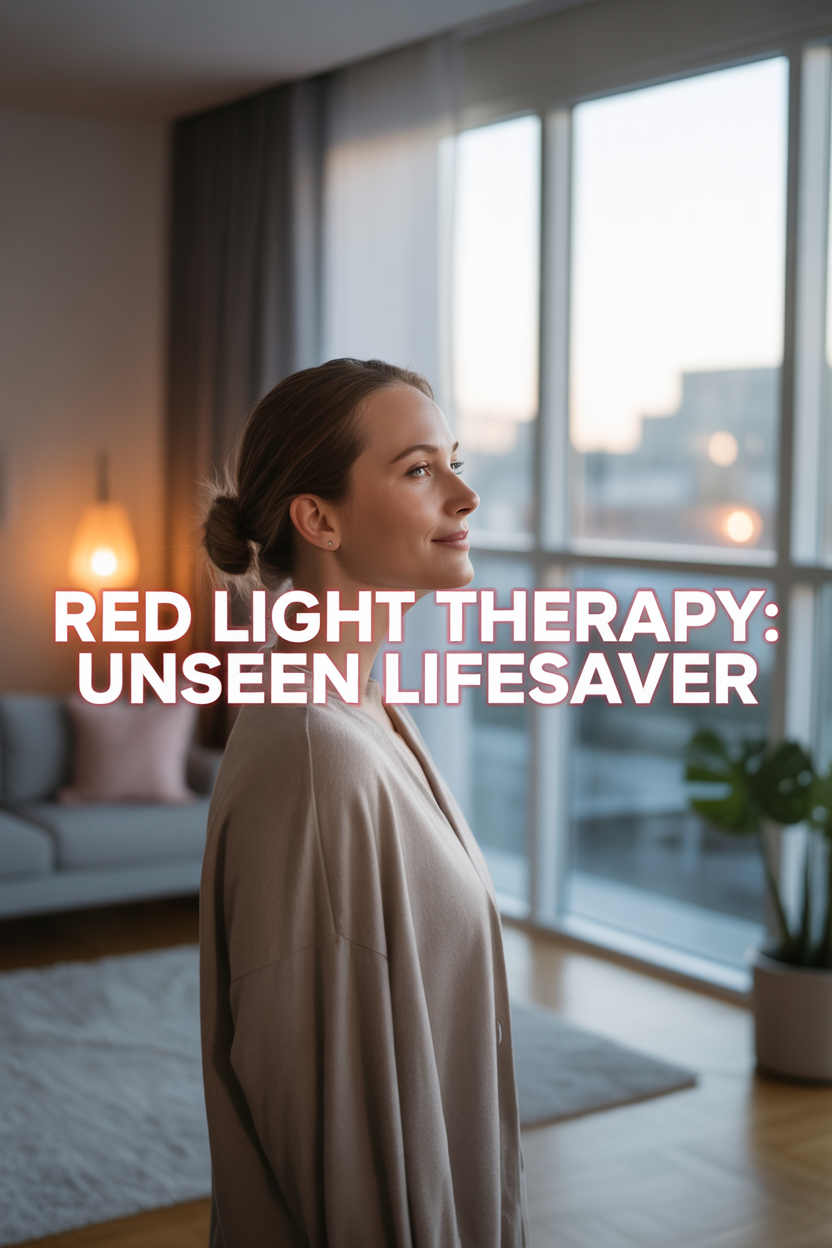
Living with chronic pain is like having an unwelcome roommate who never pays rent but somehow takes up all the space in your life.
If you’ve tried everything short of exorcism to get relief, we have some illuminating news for you: red light therapy!
No, it’s not about standing at intersections waiting for pain relief, though that would be considerably cheaper.
This non-invasive approach is shining bright in the pain management world.
It offers hope without the “fun” side effects listed in medication commercials that somehow always include both diarrhea AND constipation.
What Is Chronic Pain? The Guest Who Won’t Leave
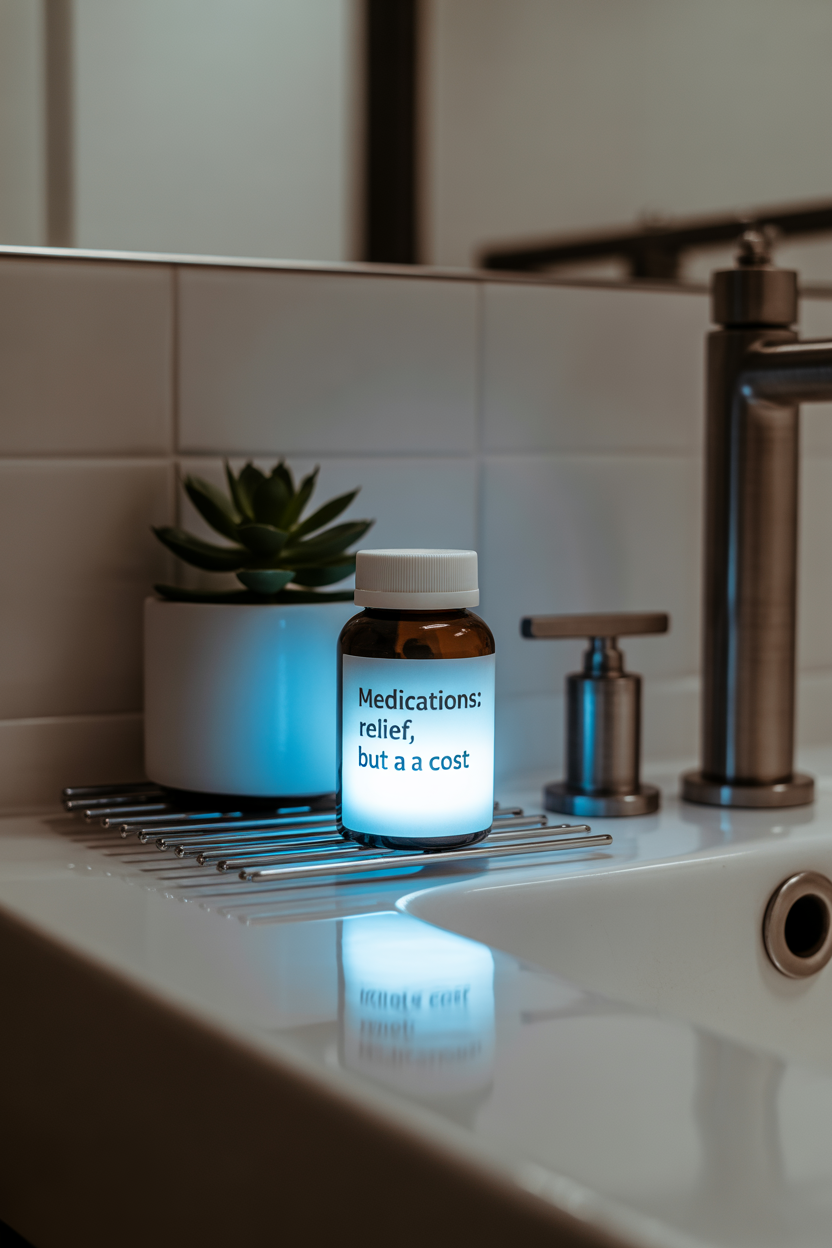
Chronic pain is that party guest who doesn’t understand when the host starts cleaning up and putting on pajamas.
Medically, it’s defined as pain that sticks around for more than 12 weeks, long after your body’s “Danger! Danger!” signals should have packed up and gone home.
The chronic pain family reunion includes several unwelcome members.
Common conditions include arthritis and joint pain, back pain and sciatica, and fibromyalgia.
Many also struggle with neuropathic pain, headaches, migraines, and even post-surgical pain.
With approximately 50 million American adults in this not-so-exclusive club, it’s no wonder people are looking for relief beyond the medicine cabinet.
Enter red light therapy—because sometimes the answer IS staring at you with a glowing red face!
The Science Behind the Soothing Red Glow
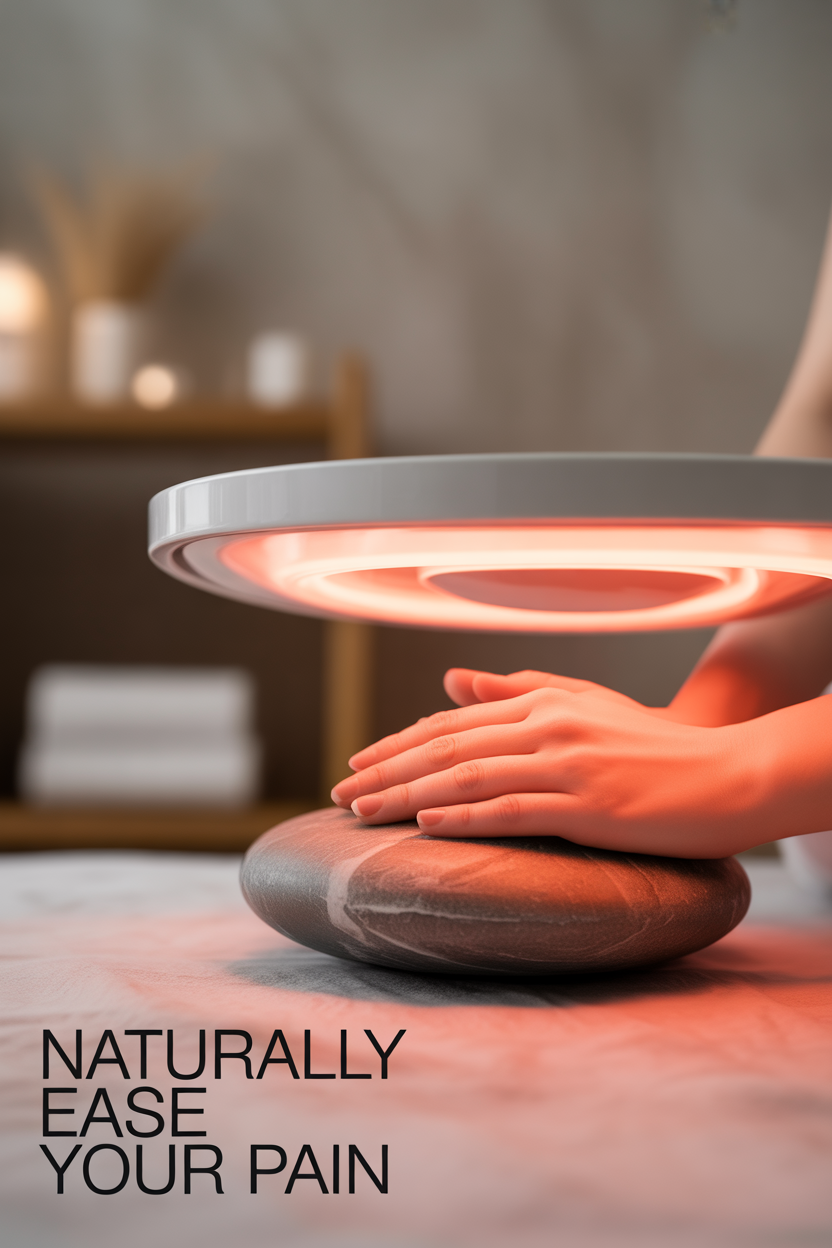
Red light therapy (RLT) sounds like something from a sci-fi movie, but it’s grounded in real science.
It uses specific, therapeutic wavelengths of red and near-infrared light, typically between 630-850 nanometers, to penetrate your skin.
Once absorbed, this light sweet-talks your cells into functioning better.
Unlike UV light or heat therapies, red light therapy for chronic pain works more like a gentle cellular pep talk.
It boosts mitochondria performance, supercharging those tiny cellular power plants responsible for energy production.
It also increases ATP production, giving your cells more of your body’s energy currency to fuel repair.
RLT triggers protective responses, helping cells resist damage while also reducing the oxidative stress that contributes to pain and aging.
These effects explain why this therapy can help your chronic pain—it’s not magic, it’s cellular science!
How RLT Tames the Inflammation Beast
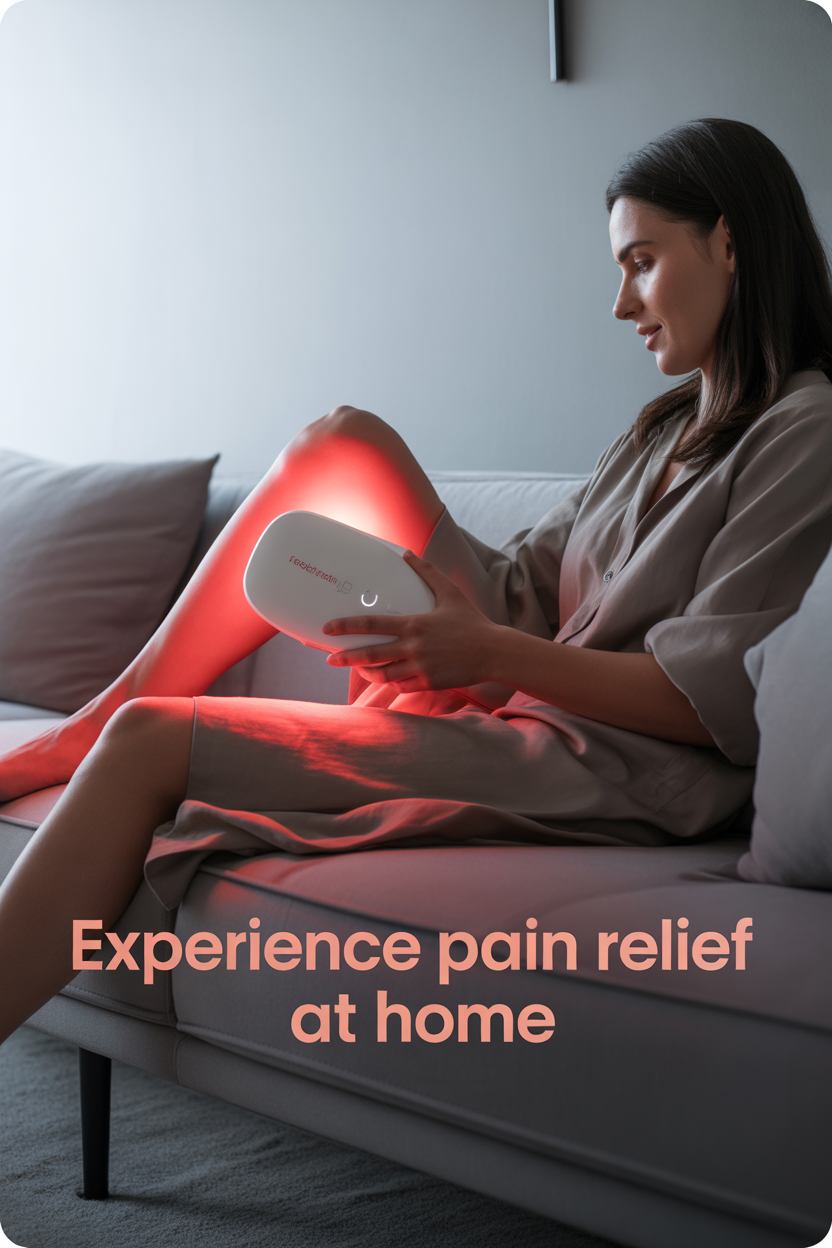
Chronic inflammation is like that neighborhood kid who keeps ringing your doorbell and running away—annoying, persistent, and the cause of most of your problems.
Red light therapy tells that kid to go home by working as a cellular fire department.
It helps by decreasing inflammatory messengers called cytokines, those dramatic little molecules that love spreading inflammatory gossip throughout your body.
RLT also calms overexcited immune cells, bringing balance to the bouncers of your body who sometimes get a little too aggressive.
It improves circulation to damaged spots, acting like a traffic controller to send more repair crews and oxygen to the areas that need it most.
By reducing oxidative stress, it essentially performs rust removal for your insides, mitigating cellular damage.
By addressing inflammation at the source, red light therapy may help break that vicious “pain → inflammation → more pain” cycle that has been ruling your life.
Best of all, it achieves this without the stomach-destroying effects of some anti-inflammatory drugs. Your digestive system just sighed with relief.
Does Red Light Therapy Actually Work?
I know what you’re thinking: “Sure, shining fancy lights on my pain sounds about as effective as my aunt’s essential oil collection.”
But hold onto your skepticism for just a moment—the clinical research is actually pretty compelling.
A comprehensive 2022 review of photobiomodulation for pain management found that RLT offers a safe and effective way to reduce pain and inflammation without significant side effects.
Many studies report significant pain reductions of 30-50%, which is a huge deal in the world of chronic pain management.
The benefits can often last for weeks or even months post-treatment, unlike that massage that feels great for approximately 37 minutes.
RLT has also shown success for the “I’ve tried everything” crowd, helping people with stubborn pain that hasn’t responded to other treatments.
While results can vary and it’s not a magic wand, the growing body of evidence shows it’s a valuable tool in your wellness kit.
Can RLT Soothe Arthritis and Joint Pain?
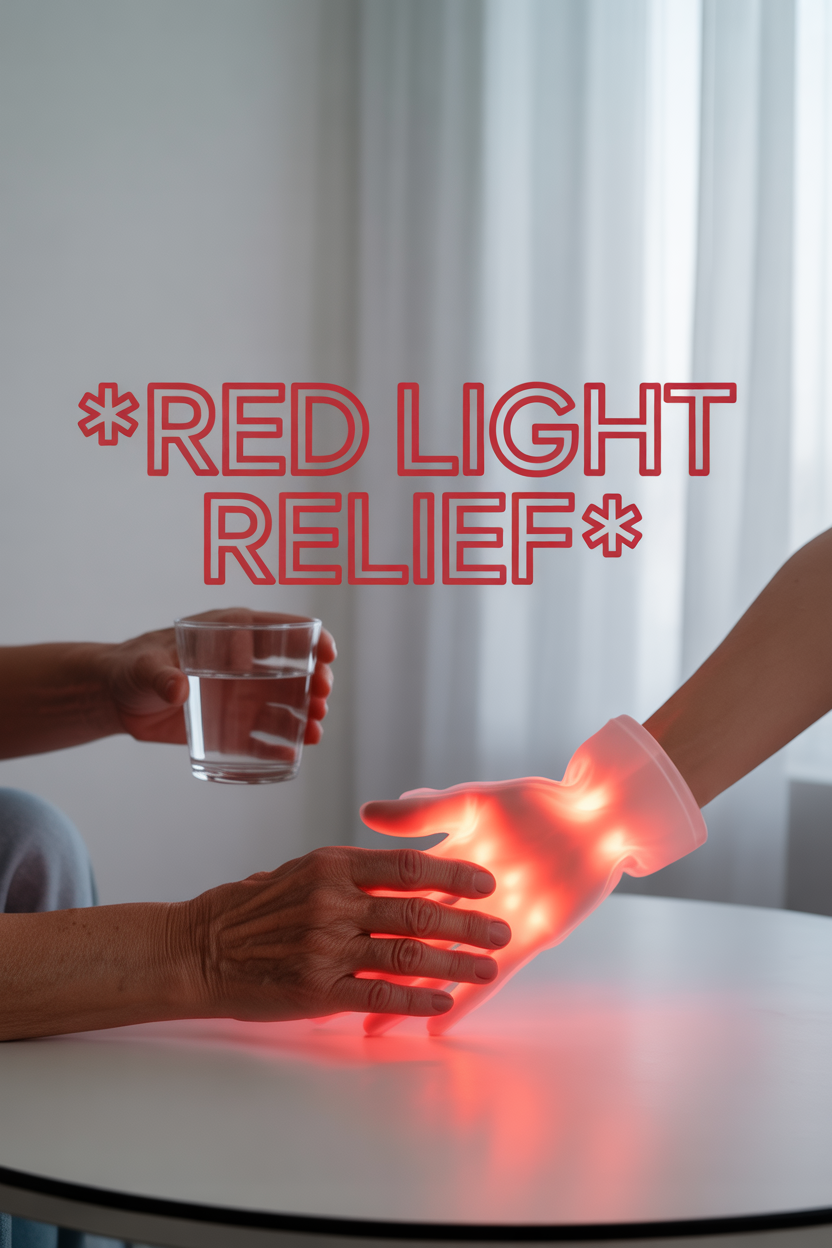
If your joints sound like a bowl of Rice Krispies every time you move, red light therapy might be your new best friend.
For both osteoarthritis and rheumatoid arthritis, research shows it has several potential benefits.
It can help reduce joint swelling, so you can see your knuckles again and feel more comfortable in your own skin.
RLT may improve range of motion, making reaching for top shelves part of your skillset once more.
It has been shown to slow cartilage degradation, helping to keep your joint cushions plush and supported.
It can also decrease morning stiffness, leading to fewer “I need 20 minutes to get out of bed” days.
One notable study found that patients with knee osteoarthritis who received RLT reported significantly less pain and better function compared to those who didn’t.
While it won’t magically transform you into a yoga instructor, it might help you bend over to tie your shoes without making those involuntary grunting noises.
A Brighter Outlook for Chronic Back Pain
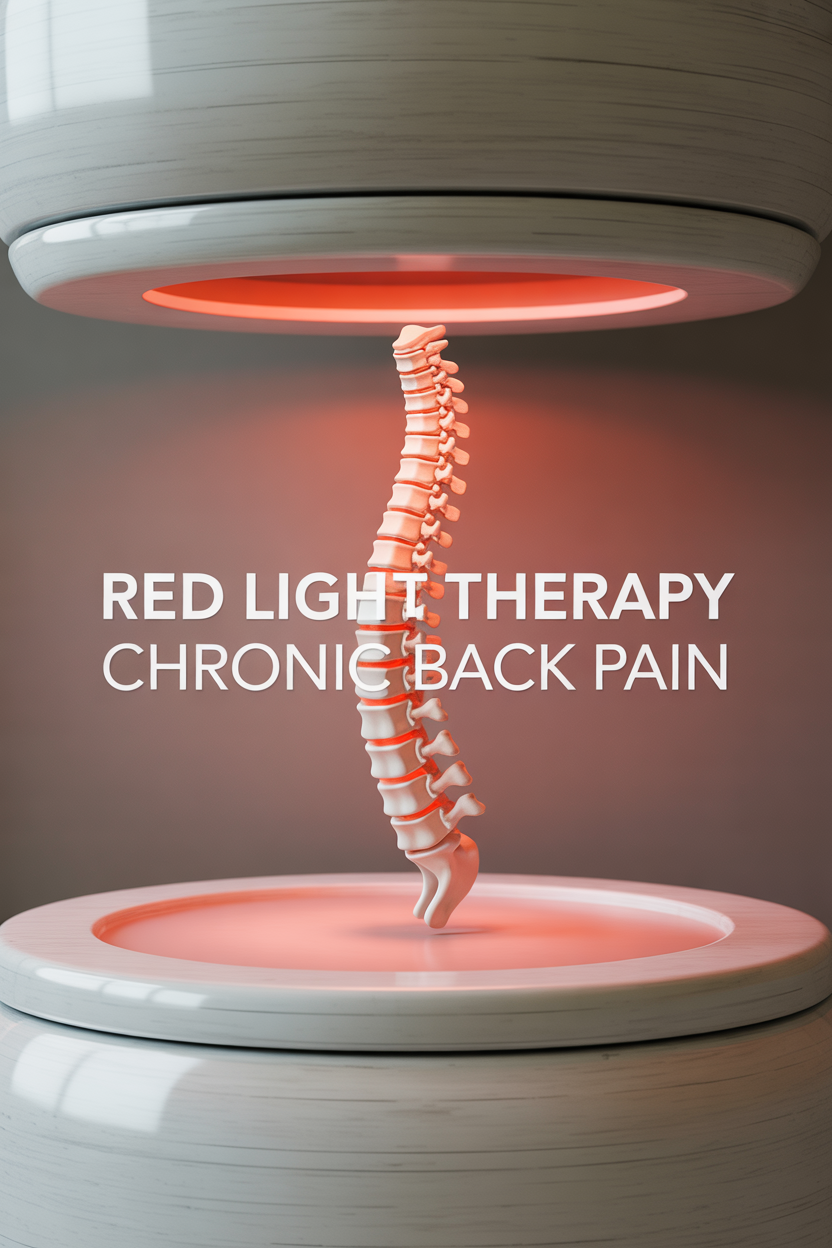
Back pain is the great equalizer that makes both CEOs and construction workers whimper when they sneeze.
While the evidence is still growing, studies indicate that red light therapy for chronic back pain can be a helpful addition to your routine.
It can assist with reducing muscle spasms—those painful betrayals where your back suddenly decides to impersonate a pretzel.
It works by decreasing inflammation around pinched nerves, giving them some much-needed breathing room.
RLT also supports tissue repair by boosting cellular energy and collagen synthesis, effectively patching up your internal suspension system.
For sciatica specifically, studies show RLT can help reduce inflammation around the affected nerve roots.
It’s like calling a peace treaty for that civil war happening in your lower back and leg.
Hope for Fibromyalgia: An ‘Invisible Illness’ Made Visible
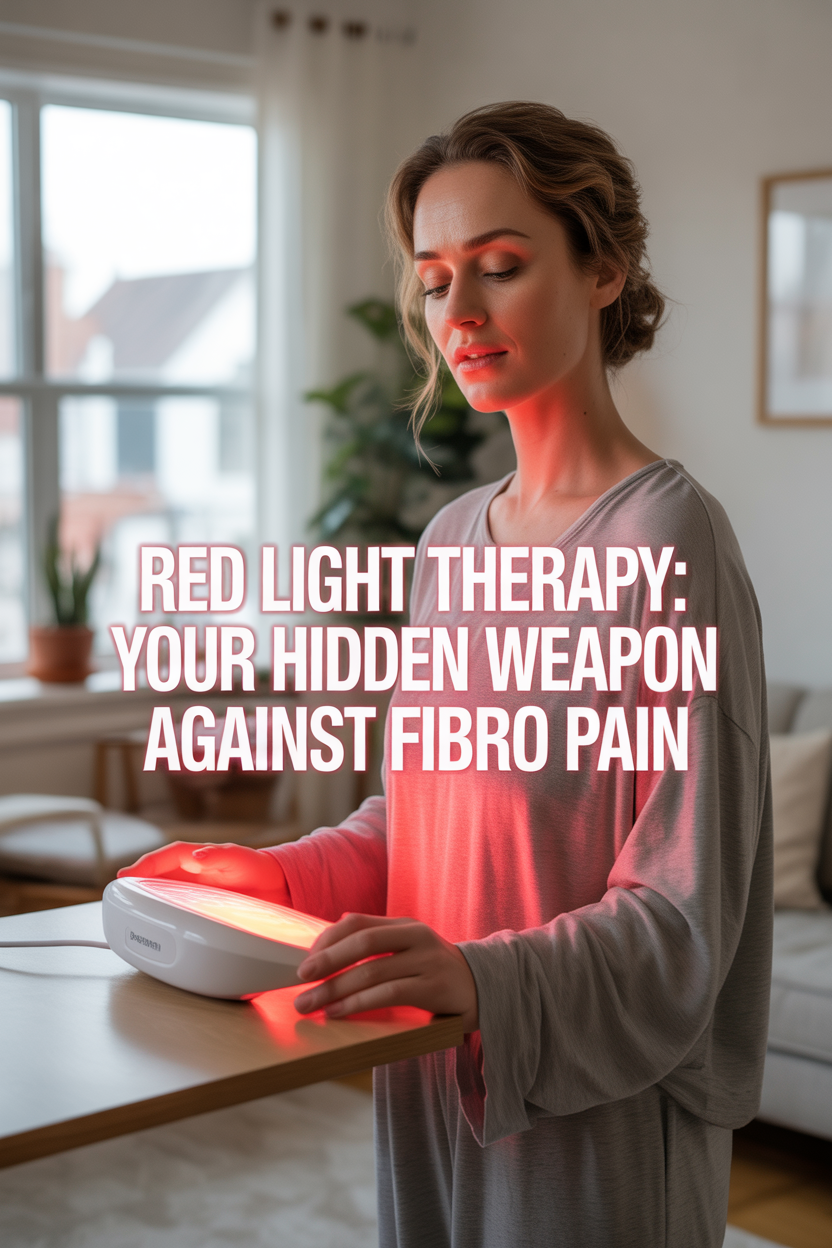
Fibromyalgia is an invisible illness that makes people say helpful things like, “But you look fine!” while you feel like you’ve been hit by a truck.
Then the truck backs up and hits you again.
Its complexity makes it notoriously hard to treat, but red light therapy is emerging as a promising adjunct therapy.
Several clinical trials show it can lead to reduced widespread pain, improved sleep, and decreased fatigue.
A 2019 study found that fibromyalgia patients receiving twice-weekly RLT for 10 weeks experienced significant improvements in pain, fatigue, and depression compared to control groups.
It is not a cure, but it is a powerful tool to add to your self-care arsenal for an enhanced quality of life.
You may finally experience less of that “I need a nap to recover from my shower” feeling.
Calming Rebellious Nerves with RLT
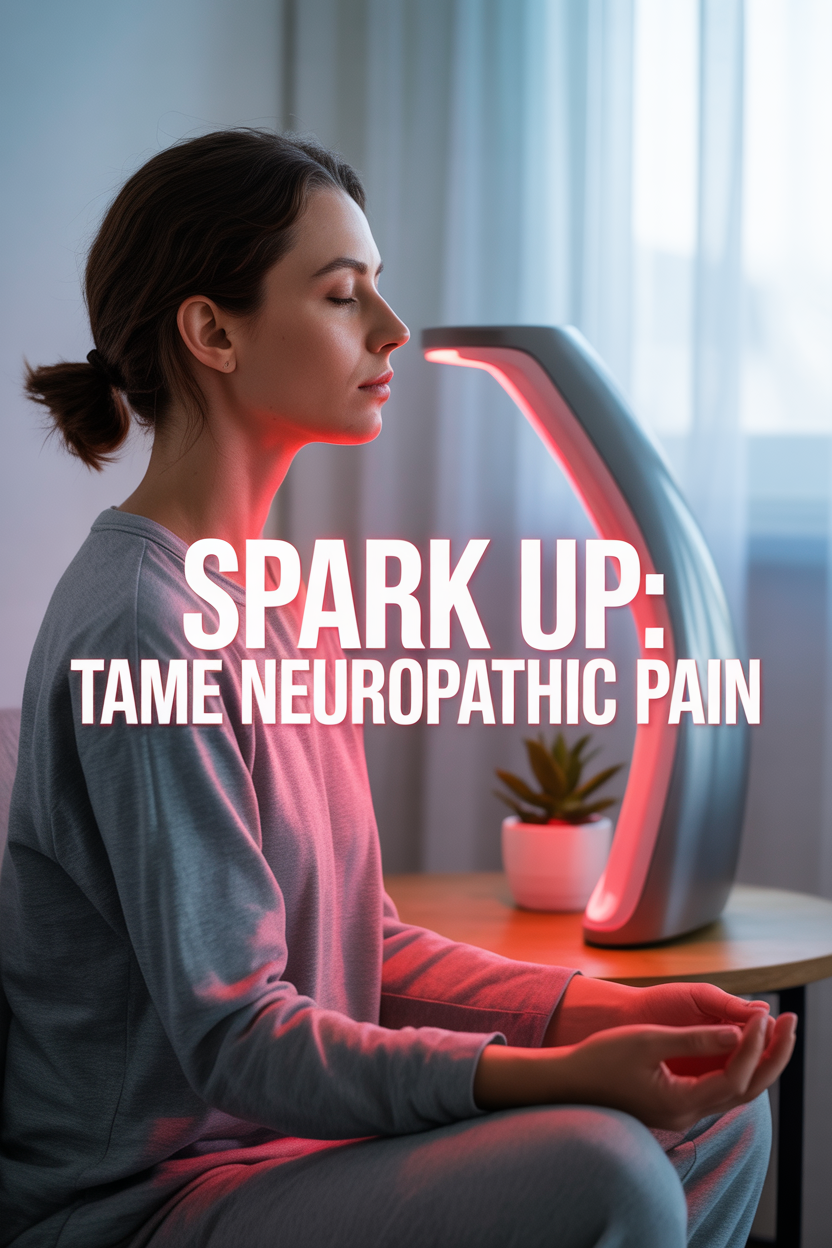
Neuropathic pain is a special variety that feels like your nerves are performing their own interpretation of an electrical fire.
It can be particularly stubborn, like that stain on your favorite shirt that laughs at every stain remover you try.
Red light therapy may help your rebellious nerves by protecting nerve cells from further damage and reducing painful inflammation.
It also supports nerve regeneration, as nerves can heal with the right encouragement from therapies like this.
Finally, it can modulate pain signaling pathways, effectively turning down the volume on pain messages being sent to your brain.
Research on conditions like diabetic neuropathy shows particularly promising results, helping reduce pain and improve sensation.
Imagine being able to feel your feet properly again instead of walking on a combination of pins and needles and phantom bubble wrap!
Should I Go to a Clinic or Use a Device at Home?
So, you’re ready to see the light. You have two main options for your red light therapy journey.
The first is professional treatments at a dermatologist’s office or physical therapy clinic.
These sessions offer powerful, medical-grade equipment and expert supervision, but they can be pricey and require regular appointments.
The second path is the DIY route, which involves buying your own at-home red light therapy device.
These come in all shapes and sizes, from small handheld wands for targeted relief to large panels for full-body sessions.
When choosing a device, look for a reputable, FDA-cleared brand that specifies its light wavelength (look for that 630-850 nm range).
While convenient, it’s crucial to follow the manufacturer’s instructions carefully and be consistent with your sessions.
Most importantly, talk to your doctor or a healthcare professional before starting any new therapy to determine if it’s a bright idea for your specific health journey.
What to Expect During Red Light Therapy Treatment
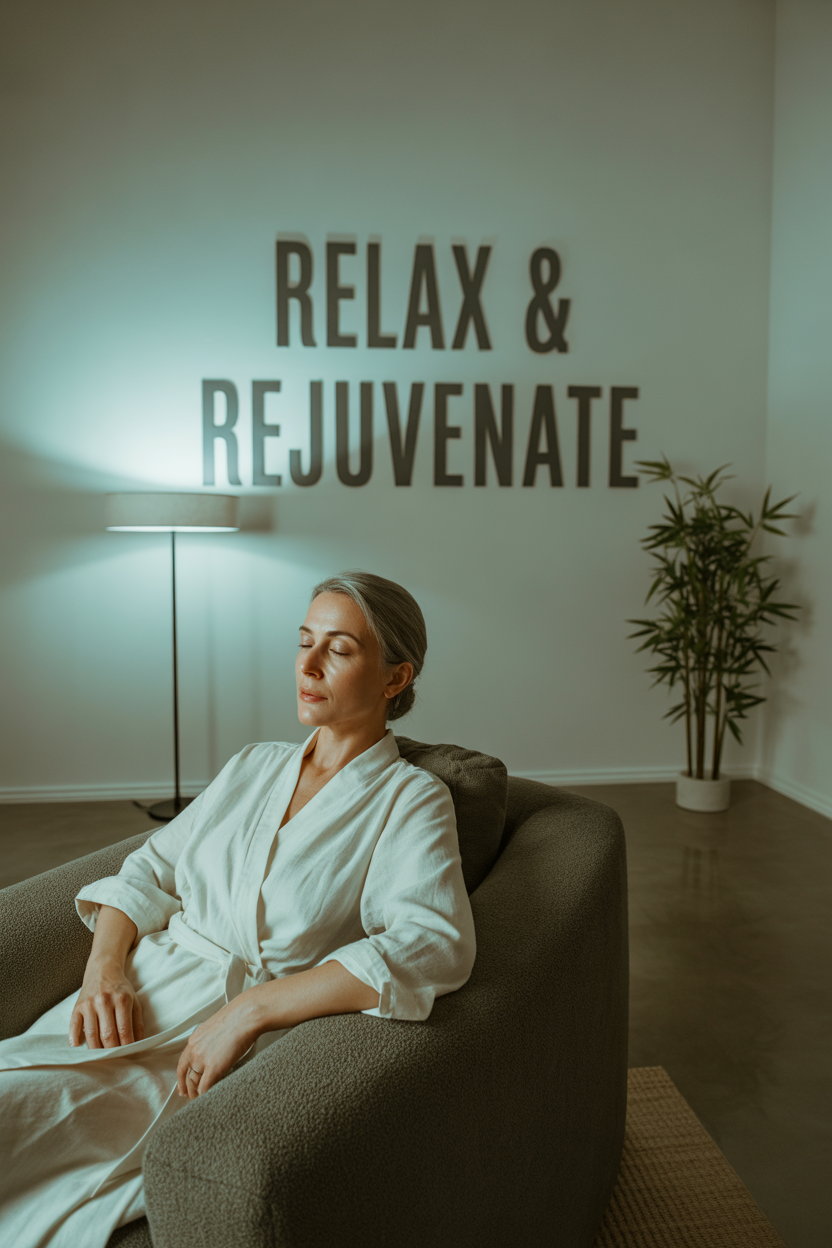
Red light therapy sessions are surprisingly simple and comfortable. During a typical session:
- You’ll sit or lie down near the light device
- The red light will be positioned over your target treatment area
- You’ll relax for 10-20 minutes while the light works
- You might feel gentle warmth but no burning or discomfort
- You can resume normal activities immediately afterward
Most protocols recommend 2-3 sessions weekly for 4-12 weeks to start seeing results. Many people notice some improvement after just a few sessions, but the benefits tend to build over time with consistent use.
Is Red Light Therapy Right for Your Chronic Pain?
While research supports red light therapy for many types of chronic pain, it’s not a miracle cure. It works best when incorporated into a comprehensive pain management plan that might include:
- Physical therapy and gentle movement
- Stress management techniques
- Proper nutrition and hydration
- Quality sleep optimization
- Carefully selected medications when necessary
Red light therapy has minimal side effects and drug interactions, making it a reasonable option to try alongside other treatments. Always consult with your healthcare provider before starting, especially if you have light-sensitive conditions or take photosensitizing medications.
Living with chronic pain is challenging, but innovative approaches like red light therapy offer new possibilities for relief. Whether you’re dealing with arthritis, back pain, fibromyalgia, or neuropathic discomfort, this gentle light-based therapy might help illuminate your path to better days with less pain.