
7 Sore Throat Remedies That Actually Work (Doctors Approve!)

Embrace Natural Relief for Your Sore Throat
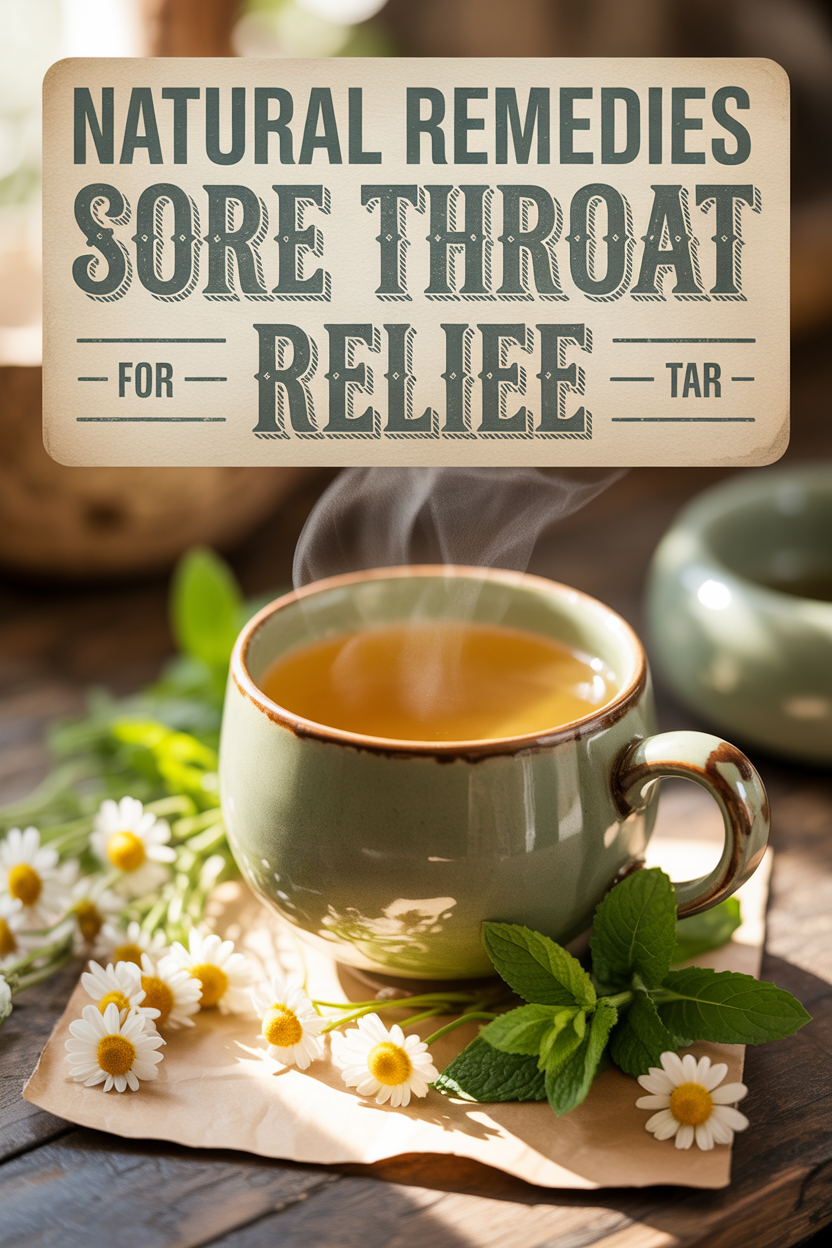
A sore throat can be a deeply uncomfortable experience, affecting people of all ages. The causes are varied, ranging from viral infections like the common cold to bacterial infections such as strep throat, and even environmental factors like allergies.
Finding effective sore throat remedies is essential for soothing discomfort and supporting a quicker recovery. Many people first turn to natural and over-the-counter options to manage their symptoms.
A variety of simple, attainable methods can help ease pain, reduce irritation, and promote your body’s natural healing process. These gentle approaches focus on providing comfort and support without harsh chemicals.
With the right strategies, you can effectively manage a sore throat and get back to feeling your best. Let’s explore some of the most trusted and accessible remedies you can try at home.
Soothe Inflammation with a Warm Salt Water Gargle

Gargling with warm salt water is a time-tested remedy that provides gentle yet effective relief for a sore throat. This simple practice helps reduce inflammation and irritation in the sensitive tissues of your throat.
To prepare this soothing rinse, mix 1/4 to 1/2 teaspoon of salt into an 8-ounce cup of warm water. Using warm water not only feels more comfortable but also helps the salt dissolve completely.
When you gargle, the saltwater solution creates an osmosis effect, drawing excess fluid out from swollen throat tissues. This process can help loosen mucus and ease pain.
For best results, gargle with the mixture two to three times a day. Remember to spit the water out after gargling rather than swallowing it.
Health authorities like the Mayo Clinic recommend this method as a safe and helpful way to manage sore throat symptoms. It’s an accessible and comforting ritual for anyone seeking natural relief.
Coat and Comfort Your Throat with Honey and Lemon

A warm mug of honey and lemon tea is a classic and comforting choice for soothing a sore throat. This gentle combination offers immediate comfort while helping to ease painful irritation.
Honey is celebrated for its ability to coat the throat, which helps reduce the scratchy sensation. In fact, studies suggest honey can be as effective as some over-the-counter cough suppressants.
Lemon contributes a dose of vitamin C to support your immune system, and its natural acidity can help break down mucus. Simply mix fresh lemon juice and a spoonful of honey into warm water to create this healing beverage.
It is very important to remember that honey should never be given to infants under one year old due to the risk of botulism. For everyone else, this drink can be enjoyed several times a day.
Beyond its soothing properties, honey and lemon tea is a wonderful way to stay hydrated. As the Mayo Clinic advises, keeping the throat moist is a key element in healing.
How Do Medicated Lozenges Ease Sore Throat Pain?

Over-the-counter lozenges can provide quick, temporary relief when a sore throat becomes particularly bothersome. Many of these contain active ingredients like benzocaine or menthol, which create a mild anesthetic effect to numb the pain.
Lozenges are convenient, portable, and readily available at most drugstores. While they don’t treat the root cause of the infection, they can significantly improve your comfort level and make swallowing less painful.
Some lozenges are formulated with additional soothing ingredients like honey or healing herbs such as echinacea. For example, certain brands combine benzocaine and menthol to deliver both pain relief and a cooling sensation.
The National Health Service (NHS) acknowledges that these products can be a helpful tool in managing a sore throat. Always be sure to read the label for proper dosage instructions and any age restrictions, as some may not be suitable for young children.
Stay Hydrated with Warm Broths and Soothing Teas

Staying properly hydrated is crucial when you have a sore throat. Fluids help thin mucus and keep your throat lining moist, which prevents further irritation.
Warm broth is an excellent choice, as it not only soothes the throat but also provides essential nutrients and electrolytes to support your body’s recovery. Herbal teas are another fantastic option for both hydration and comfort.
Adding honey to your tea can be especially calming, as its natural properties help coat and soothe the throat. Warm fluids in general reduce pain and promote healing by keeping the delicate tissues from drying out.
Chicken soup is a time-honored natural remedy that offers hydration, warmth, and nourishment. Warm beverages provide comfort while playing a vital role in maintaining hydration for a speedy recovery.
Combat Dry Air with a Humidifier
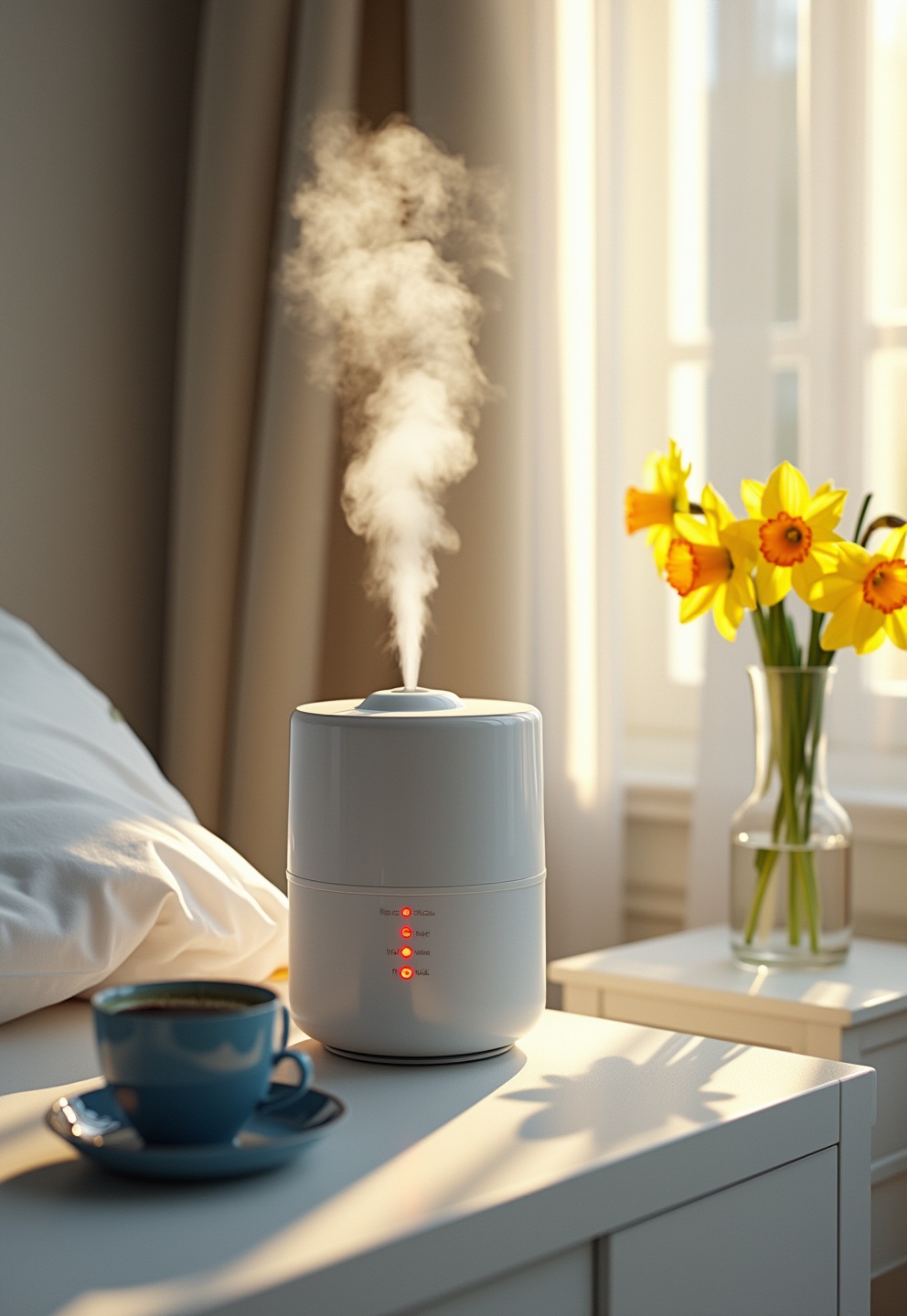
Using a humidifier can significantly ease a sore throat by adding moisture back into the air. This is particularly helpful for relieving the dryness and scratchiness that often make throat irritation worse.
Indoor air can become very dry, especially during winter months when heating systems are running or in arid climates. This dry air can exacerbate or even cause throat discomfort.
A humidifier counteracts this by keeping the air moist, which helps soothe your irritated throat tissues. According to the Mayo Clinic, both cool-mist and warm-mist humidifiers are effective, so you can choose based on your preference.
It is important to keep your humidifier clean by following the manufacturer’s instructions and using distilled water if possible. This prevents bacteria or mold from growing and being released into the air.
Placing a humidifier in your room, especially while you sleep, is a simple way to support throat health. This method works well alongside other self-care remedies like drinking warm tea or gargling with salt water.
Find Cooling Relief with Peppermint Tea
Peppermint tea is well-known for its soothing effects on a sore throat. It naturally contains menthol, a compound that creates a mild numbing and cooling sensation, offering immediate relief from pain and discomfort.
Drinking peppermint tea may help reduce swelling and irritation due to its natural anti-inflammatory properties. Furthermore, some research suggests that peppermint possesses mild antibacterial and antiviral qualities, helping your body fight off germs.
The cooling effect of the menthol can feel especially refreshing if your throat feels hot or inflamed. To prepare this comforting beverage, simply steep fresh peppermint leaves or a tea bag in hot water for several minutes.
While many people enjoy peppermint tea for its wellness benefits, it’s worth noting that individuals with acid reflux or GERD may want to exercise caution. The tea can sometimes relax the sphincter muscle between the stomach and esophagus, potentially worsening symptoms.
Numb the Pain Naturally with Cold Treats

Ice pops and other cold treats can be a surprisingly effective and enjoyable remedy for a sore throat. The cold temperature helps numb the area, providing a temporary escape from pain and helping to reduce swelling.
When you have a sore throat, the cold from an ice pop soothes irritated tissues on contact. This chill lowers the temperature of the nerve endings, which in turn reduces the pain signals being sent to your brain.
Additionally, treats like ice pops or sorbet are easy to swallow when other foods feel too rough. They are also an excellent way to stay hydrated, which is essential for recovery during any illness.
Choosing ice pops made from natural fruit juices can offer even more benefits. These can provide vitamins and hydration while still delivering gentle relief from your sore throat symptoms.
For more details, you can see how organizations like Medical News Today explain the benefits of using cold to soothe a sore throat. It’s a simple, comforting, and effective approach.
What Are the Common Causes of a Sore Throat?

A sore throat can be bothersome, but understanding its origins can help you manage it effectively. Knowing the cause is the first step toward finding the right relief.
The most frequent culprits are viral infections, such as the common cold or flu. The CDC notes that viruses are responsible for the vast majority of sore throats.
Bacterial infections can also be the cause, with Group A Streptococcus (“strep throat”) being a common example. This type of infection often results in more severe pain and typically requires antibiotics.
Environmental factors play a role as well. Allergens like pollen, pet dander, or dust can irritate the throat, while dry air, especially in winter, can cause discomfort by drying out its lining.
Finally, irritants such as tobacco smoke or air pollution can lead to inflammation and pain. Even straining your voice from yelling or prolonged coughing can result in a sore throat.
What Key Symptoms Should I Watch For?

Recognizing the accompanying symptoms is crucial for determining the best course of action. Pay attention to how your body is responding beyond just the throat pain.
A primary symptom is pain or a scratchy feeling in the throat. This discomfort often worsens when swallowing or talking and can range from mild to severe.
You may also notice redness and swelling at the back of your throat. A quick look in the mirror can confirm this inflammation.
A fever often accompanies a sore throat, particularly with bacterial infections like strep throat. A change in your voice, such as hoarseness or a muffled sound, can occur from irritation of the vocal cords.
Difficulty swallowing food or liquids is another common sign of significant inflammation. You might also feel tender, swollen lymph nodes in your neck as your immune system works to fight the infection.
When to Consider Over-The-Counter Medications

When at-home remedies aren’t providing enough relief, over-the-counter (OTC) medications can be a reliable option. These are readily available to help manage pain and discomfort.
Pain relievers are a primary choice for many. Nonsteroidal anti-inflammatory drugs (NSAIDs) like ibuprofen, or other pain relievers like acetaminophen, effectively reduce both pain and inflammation, as confirmed by clinical reviews.
Throat lozenges containing ingredients like menthol or benzocaine offer temporary numbness. This can make swallowing much more comfortable while you recover.
Numbing sprays are another option that can provide quick, targeted relief. They work by directly numbing the painful area at the back of your throat.
If your sore throat is caused by allergies, antihistamines can be very helpful. These medications work to reduce your body’s allergic response, which in turn alleviates the throat irritation.
Always remember to follow the dosage instructions on the package. It’s also important to check for any age restrictions before use.
When Should I See a Doctor for a Sore Throat?

While most sore throats can be managed at home and resolve on their own, certain signs indicate it’s time to consult a doctor. Knowing when to seek professional help ensures you get the care you need.
If your sore throat lasts for more than a week without any signs of improvement, it’s wise to book an appointment. Persistent symptoms may suggest an underlying issue that needs attention.
Pay close attention to severe pain or swelling. If you experience extreme discomfort that makes it difficult to swallow, open your mouth, or breathe, you should seek medical care immediately.
A persistent high fever is another red flag. A high temperature could indicate a bacterial infection like strep throat, which requires antibiotics for treatment.
Finally, be aware of other accompanying symptoms. The appearance of a rash, joint pain, or a persistent earache alongside your sore throat warrants a visit to your doctor to rule out more serious conditions.